What Are the Best Replacement Windows for Natural Light in a Home Renovation?
Explore replacement window styles that maximise natural light during a home renovation, with tips on glazing, frame design, placement, and energy efficiency.

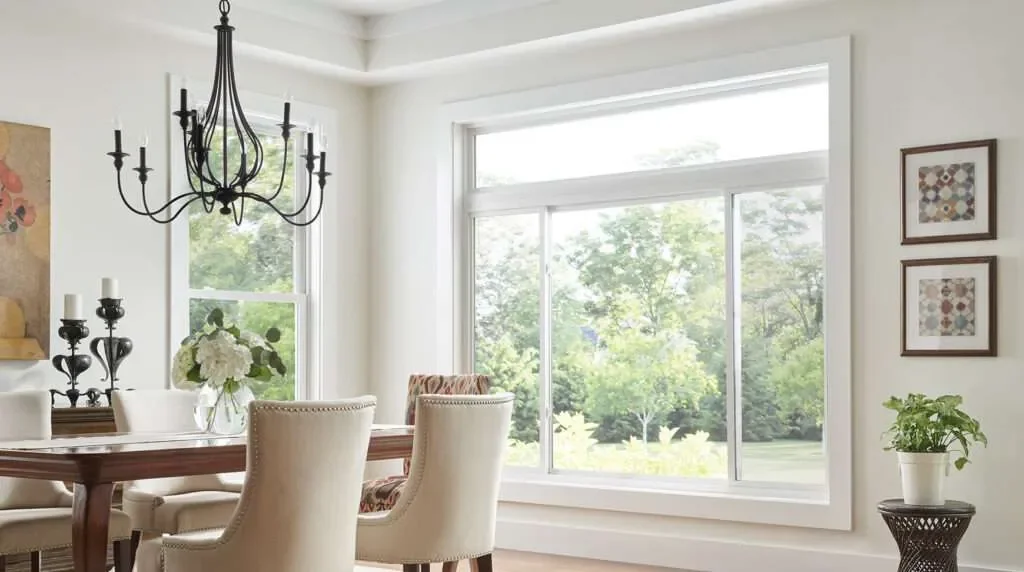
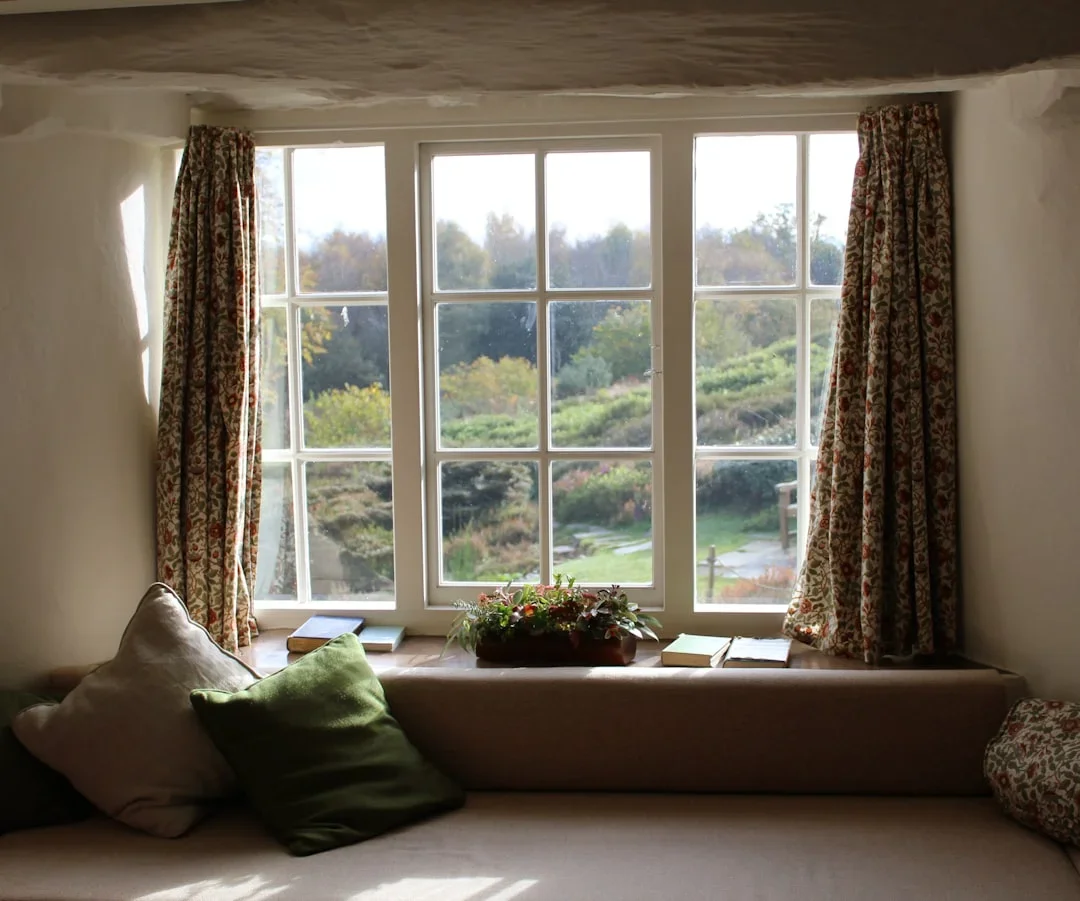
Homeowners have one renovation detail they see each day: natural light. The reason for that has almost entirely to do with the type of windows chosen. A picture window (or a bay) will let in far more natural light than a standard double-hung window of the same size. The way your window was installed, the frame material you chose, and whether you selected low-e glass coatings can also greatly affect how much natural light actually enters the room.
According to data provided by the U.S. Environmental Protection Agency’s Energy Star program, homeowners who replace their old windows with Energy Star Certified windows can expect to reduce their energy consumption by 13% on average. This updated September 2026 guide compares five local window installers based on price, materials used, glass technology, and installation methods.
Glass Doctor of Lexington
Pricing/cost ranges: Exact per-window costs are not publicly disclosed. Quotes vary based on the type of glass that you choose as an individual homeowner, depending on what kind of frame material you want and if you want low-e glass.
Materials: The company offers vinyl, fiberglass, and aluminum windows through its parent company’s suppliers.
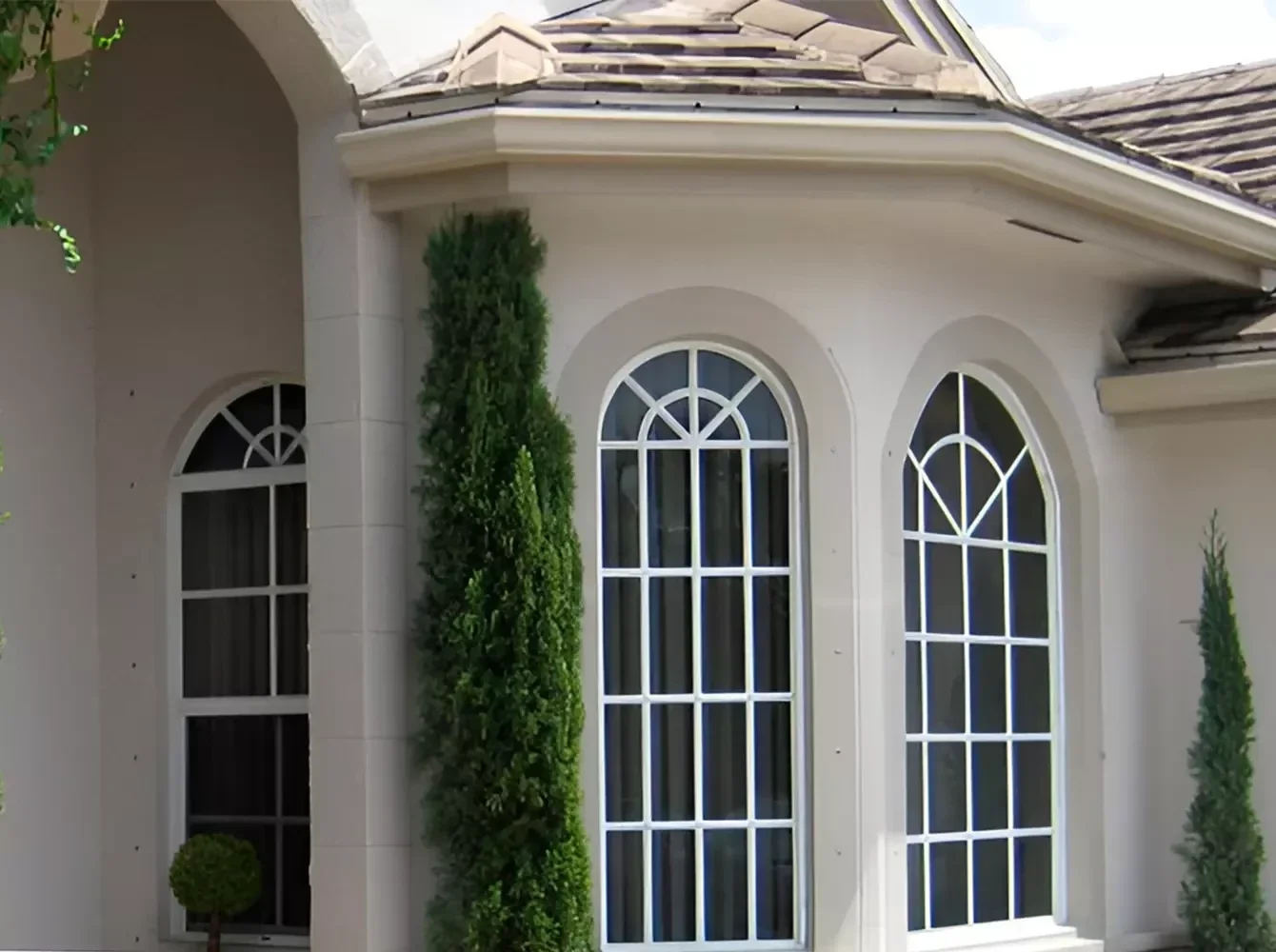
Styles: Provides a wide variety of styles, including double-hung, casements, sliders, and picture windows. They also offer bays and bows by custom order.
Energy efficiency: Low-e glass filled with Argon gas can be provided on most products they sell. Energy Star-rated products meet or exceed the energy savings requirements set by the Environmental Protection Agency.
Installation method: Both insertion (pocket) replacements and full-frame replacements are available. If your old frames show signs of rot, it may be better to opt for a full frame replacement.
Design/aesthetic: Grille pattern and color options are available for customers to select. Black-framed options are more limited than at window-only specialists.
Use cases: A large number of customers contact Glass Doctor of Lexington for services related to converting sunrooms into living spaces and adding new rooms onto their homes. This is largely due to their expertise in repairing glass.
Pros/cons by material and installation type:
Vinyl is the least expensive material, while fiberglass costs more; it will not warp as much when it freezes and thaws in Kentucky’s climate.
Full frame replacements are more expensive, but they fix rotten sill areas, whereas pocket replacements leave the existing area in place.
Local factors: Glass Doctor of Lexington has the largest number of customers in Central Kentucky.
Maintenance/lifespan expectations: A typical lifespan for vinyl window lines ranges from twenty to thirty years, with very little maintenance except for cleaning out dirt and debris from the track and weep hole.
Financing/warranty considerations: Warranty terms vary depending on the manufacturer or product line installed. Financing options for large projects can be arranged through in-house financing.
Bluegrass Roofing and Consulting
Pricing/cost ranges: Per-window pricing is not disclosed (typically included when quoting roofing or siding) and is usually sold as an overall package of an exterior renovation, although separate window replacement Lexington KY is also available.
Materials: Bluegrass uses primarily vinyl windows with fiberglass insect screens, which meet their own weather-resistance requirements for Kentucky’s freeze and thaw cycles.
Styles: The most commonly installed styles include single-hung, double-hung, specialty shapes, double slider, and picture windows. Bluegrass Roofing and Consulting provides regular updates on their Facebook page.
Energy efficiency: Bluegrass offers low-e glass filled with Argon gas as the industry standard for most of its window packages, meeting all Energy Star requirements tracked by the U.S. Environmental Protection Agency nationwide.
Installation method: Uses full frame replacement as its preferred method of installation, similar to its exterior envelope philosophy. Insert replacement is offered upon request for existing builds.
Design/aesthetic: Trim color matching occurs at the time of installation for both the roof and siding. This makes coordinating trim colors throughout the entire exterior easier.
Use cases: Bluegrass will install windows in conjunction with other components such as additions, historic restorations, and exterior renovations that require addressing windows, roofs, and gutters simultaneously.
Pros/cons by material and installation type:
Bundling multiple components, including windows, into a single exterior renovation may reduce logistical complexity.
Older homes in the Lexington area have rotten wood framing around existing windows.
Local factors: Bluegrass Roofing & Consulting is a locally owned business, a licensed contractor (BBB Accredited), an Owners Corning preferred contractor, and a Veteran First Responder Owned Business. They provide service in Lexington, Georgetown, Louisville, and Versailles.
Maintenance/lifespan expectations: Vinyl and Fiberglass products are designed to last over twenty years with regular maintenance. The expected lifespan of these products matches the manufacturer’s expectation based on the climate conditions.
Financing/warranty considerations: Manufacturers' warranties apply; financing options are available to homeowners. They offer a 5% appreciation discount for military veterans, first responders, and active military clients.
The Window Source of Lexington
Pricing/cost ranges: States that most Kentucky homeowners can expect to pay between $500 and $1000 per installed window. They offer a starter package of 8 windows for $5,999.
Materials: The company focuses on vinyl products. This limits their offering compared to competitors who may offer wood, aluminum, or fiberglass.
Styles: The top three selling styles include double-hung, casement, and sliding windows. Additionally, bay, bow, and picture windows are used for renovation jobs.
Energy efficiency: All vinyl lines ship standard with low-e glass and an argon fill. This configuration allows for Energy Star certification and also helps reduce heat transfer.
Installation method: Insert replacement is the preferred installation method. The primary advantage of using an insert replacement is that it will keep labor times short.
Design/aesthetic: There are many grille and exterior color options available with the SoftLite vinyl line. These options include popular configurations such as black-framed windows.
Use cases: Markets themselves towards whole home replacements as opposed to single room upgrades.
Pros/cons by material and installation type:
When purchasing directly from a manufacturer, there is generally less of a margin built into the sale.
Because only vinyl lines are offered, there is no option to purchase historically accurate replacement windows made of wood or fiberglass.
Local factors: Window services are tailored for Central Kentucky’s climate and to ensure a seamless fit with older housing stock.
Maintenance/lifespan expectations: The Window Source of Lexington estimates that their vinyl frames will last 20 to 30 years; maintenance requirements are minimal, as most of what is required is simply cleaning of tracks.
Financing/warranty considerations: A manufacturer-backed limited lifetime warranty applies to the Soft-Lite line, with in-house financing advertised.
Atlas Window & Sliding Co of Lexington
Pricing/cost ranges: As a local, smaller specialty store, Atlas does not publicly disclose its pricing per window, as a custom in-home quote will be provided.
Materials: Atlas will provide customers with three different types of materials: Vinyl, Composite, and Wood Cladding. This provides a greater variety of materials compared to most single-product installers.
Styles: Atlas's window catalog contains double-hung, casement, awning, and picture windows. Additionally, Atlas can create bay or bow windows to help complete sunrooms or a recent addition.
Energy efficiency: Low-e glass and Energy Star-rated packages are standard, matching the U-factor benchmarks the EPA recommends locally.
Installation method: Both insert installation and full-frame replacement installation methods are available from Atlas. The small number of employees at Atlas allows each employee to focus on each project individually.
Design/aesthetic: Atlas will allow customers to design their own combination of grille patterns and trim materials directly with the Atlas sales staff.
Use cases: Atlas specializes in installing kitchen and garden Windows. Also, Atlas specializes in smaller-scale historic renovations where a general contractor may not have the skills to replace old windows.
Pros/cons by material and installation type:
Offers a broad selection of materials, focusing on historic renovations.
The limited size of Atlas means that it does not have enough manpower to handle large projects under time constraints.
Local factors: Is a locally-owned and operated company and has a much smaller footprint than many other contractors located in the same area.
Maintenance/lifespan expectations: Vinyl and composite materials have a lifespan of more than 20 years; wood requires yearly maintenance to keep it in good condition.
Financing/warranty considerations: Warranties vary by product line, and financing differs on the chosen product.
Elkins Home Improvement
Pricing/cost ranges: They do not disclose pricing online, as each quote is personalized for a client’s custom installation requirements.
Materials: Mostly vinyl and wood windows are installed. The number of installations is limited due to the small size of the owner-operated business.
Styles: Typically, double-hung and casement types of windows are installed. Bay, bow, and picture windows can also be installed but are less popular.
Energy efficiency: Argon-filled low-e glass options are offered. Homeowners should verify that the products used meet Energy Star standards.
Installation method: Full frame replacement and insert replacements are offered. Owners handle all of these installations personally instead of using a rotating crew.
Design/aesthetic: Homeowners design their windows personally with the owners. This results in a custom look, but options are limited.
Use cases: Elkins Home Improvements is best suited for small renovation projects, single room renovations, and homeowners who would like to have the same people complete their project.
Pros/cons by material and installation type:
Consistent quality can be expected as the owners are directly involved with projects.
Limited material options are available, with a focus on wood and vinyl windows.
Local factors: Is a locally owned company that specializes in structural replacements for Kentucky’s unique climate and older regional housing stock.
Maintenance/lifespan expectations: Vinyl windows require minimal upkeep; wood windows require resealing and painting every few years due to Kentucky’s climate.
Financing/warranty considerations: Warranty terms are as per the manufacturer's specifications, and financing options are more limited than at bigger companies.
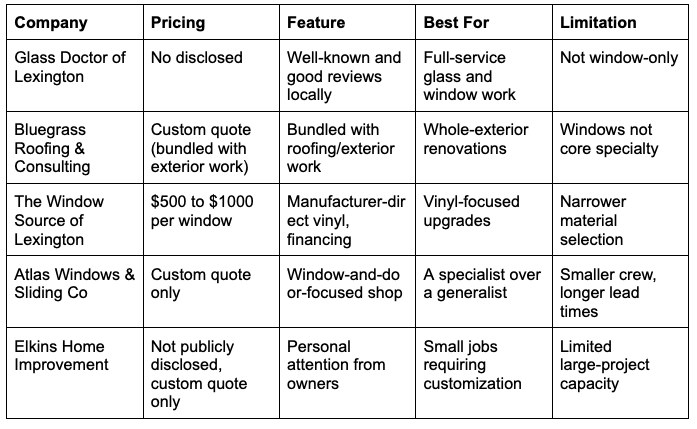
Quick Comparison Table
Frequently Asked Questions
What type of replacement window lets in the most natural light?
Picture windows have no sash or hardware cutting the glass portions, thereby allowing more light per square foot, followed by casement and large bay or bow window configurations.
Do black window frames affect how much light a room gets?
No, the window frame color does not affect the glass area or light transmission. It is a design choice that makes glass appear more prominent against lighter walls and trim.
Does Low-e glass reduce natural light entering a room?
No, low-e glass is a coating designed to limit UV rays and infrared wavelengths and does not affect the visible light passing through the glass. Perceived brightness versus older single-pane glass barely changes.
Conclusion
The Problem: Standard double-hung windows often limit natural light and energy efficiency in home renovations.
Key Takeaways: Picture and casement style windows maximize natural light, while low-e glass windows ensure efficacy. Central Kentucky installers vary by budget, material selection and project scope.
Next Steps:
Identify priority rooms for high-light window styles.
Request quotes from matched local installers.
Confirm energy star and low-glass options.
Stay up to date with our latest ideas!