Rotted Window Frame or Sill: What Can Be Saved and What Cannot
Surface rot or structural rot? A practical way to test old window sills and frames, what restorers can repair, and when replacement is the honest call.

You press a thumb into the painted sill of a south-facing window and it gives, softly, like cork. In the lower corner of the frame a dark stain keeps coming back through two coats of primer. A contractor has already looked at it and quoted the whole house.
Why rot shows up where it does
Water alone is not the problem. Standing water plus time is, and New England supplies both. A Boston winter runs through dozens of freeze and thaw cycles: moisture works into a hairline crack in the paint film, freezes, widens the crack, thaws, goes deeper. Summer humidity keeps the wood damp enough for decay fungi to stay active.
Rot follows gravity. It starts where horizontal surfaces meet vertical ones and water has nowhere to go:
The sill, especially the outer edge and the joint where it meets the jamb
The bottom rail of the lower sash and the joints at each end
The lower corners of the frame, behind the casing
Anywhere the glazing putty has dried out and fallen away
A cracked window frame is usually a symptom, not the disease. The crack let water in months or years before the wood went soft.
Surface rot versus structural rot
This distinction decides everything, and you can make it yourself in twenty minutes with a small screwdriver or an awl. On a dry day, press the tip into the suspect wood with about the pressure you would use on a thumbtack. Then read what happens:
The tip skids off. Sound wood. Discoloration without softness is usually a finish problem or an old stain, not decay.
The tip sinks a few millimeters and stops. Surface rot. The outer layer has broken down, the core is still solid. The most common condition on old sills, and routinely repairable.
The tip goes in half an inch or more, and the wood comes out in wet fibers or crumbles into cubes.Structural rot. No filler restores strength here. The material has to come out.
The tip keeps going, or the sash flexes when you push on it. The joinery is compromised, and that is where the conversation shifts.
Probe every few inches, not in one spot. Rot spreads along the grain and under paint, so a sill can be sound at one end and hollow at the other. Check the underside of the sill and the bottom of the sash. Write down which window falls into which category. That list is what a contractor should price from.
What actually gets repaired
Most of what people call a rotted window frame is fixable, and the work is bench craft rather than construction. Depending on what the probe found, a restorer uses some combination of:
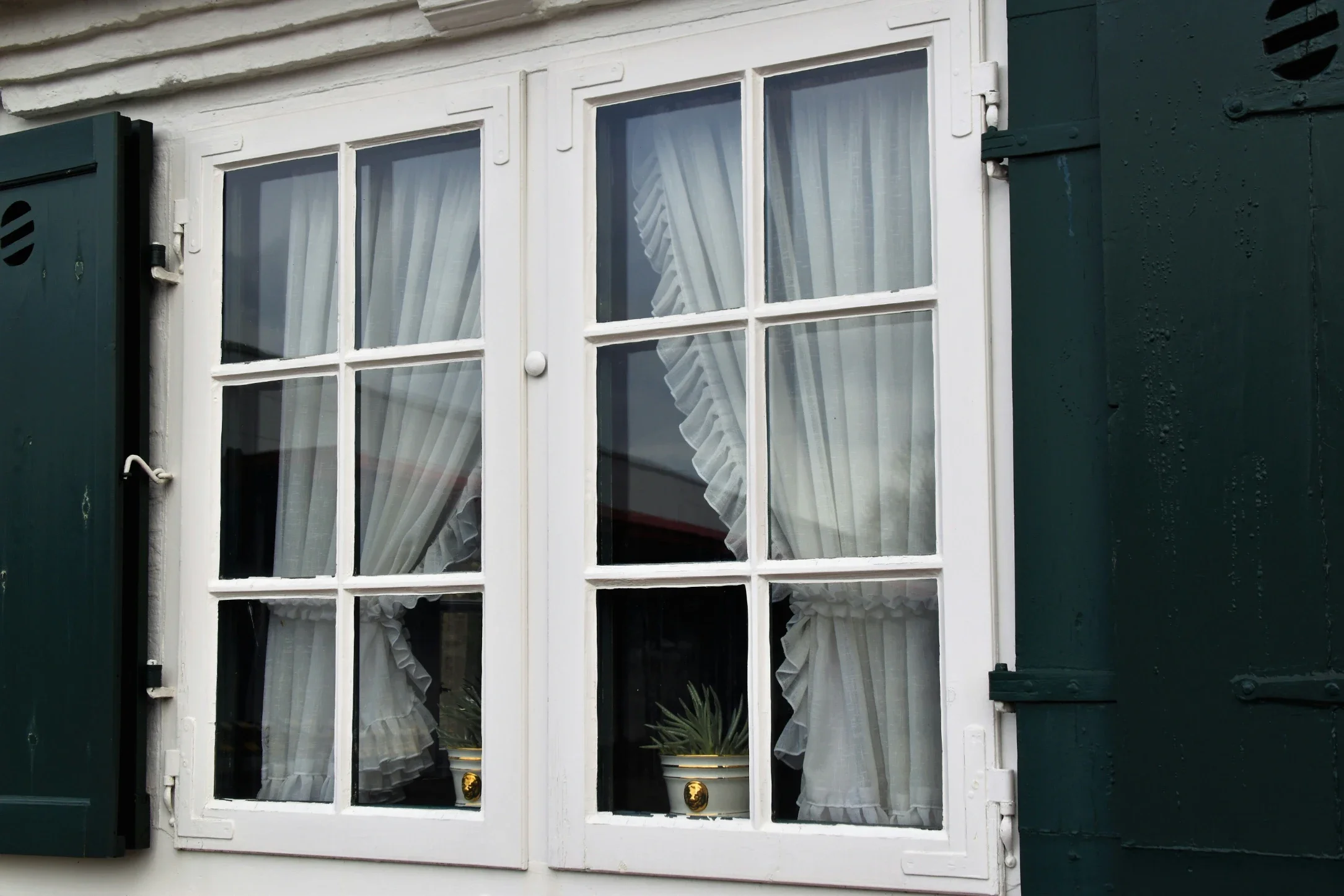
Local excision and a wood Dutchman. Decay is cut back to sound wood and a shaped piece of matching species is let in, glued and pinned. The standard fix for a corner or a section of sill.
Epoxy consolidation and filling. A consolidant is drawn into wood that is soft but structurally present, then a two-part filler rebuilds the profile. Used correctly it lasts. Used on wood that should have been cut out, it traps moisture and makes the next repair worse. Not a Saturday project.
Sill replacement. When the sill is gone across its length it comes out and a new one goes in. The frame and both sash stay.
Bottom rail replacement. The sash goes to a bench, the joints are opened, the rotted rail is replaced, and the sash is reassembled and reglazed. The original glass usually survives.
Reglazing. Old putty is cut out, the rabbet primed, the glass bedded, the putty line rebuilt.
An elevation quoted for full replacement often breaks down into two sills, one corner Dutchman and one window that only needed paint prep. Shops that do this work, such as Whole Window, price per sash or per opening after probing rather than pricing the elevation. Across a house, window frame rot repair generally runs a fraction of full replacement, since you pay labor on the parts that failed.
When replacing the window is the honest answer
Repair is not always the right call, and a restorer who never says so is not being straight with you. Replacement makes sense when:
The sash has lost its joinery and the stiles and rails come apart when handled
Rot has moved past the frame into the rough opening, header or sheathing
The window was already replaced once with a low-grade unit and no original material is left
Previous owners filled the frame so heavily that there is more compound than wood
The second one matters most. It is a carpentry problem before it is a window problem, and fixing the window without fixing what let water into the framing means doing it again.
Why the old wood is worth the trouble
Sash and frames in houses built before roughly 1940 were milled from old growth timber: tight growth rings, high heartwood content, a density modern lumber does not match. That material has already proved it can take a century of Boston weather. The National Park Service made the case for repairing rather than replacing it in Preservation Brief 9.
The comparison people rarely run is service life. A repaired wood window is repairable again in thirty years, because it is still an assembly of separate parts. Vinyl units are commonly cited as reaching the end of their useful life in roughly twenty to twenty-five years, and when the sealed glass or the frame goes there is nothing to repair. Replacement also costs you the original glass, the muntin profiles and the sight lines.
Keeping it from happening again
Rot is a maintenance failure more than a material failure. Caught at the surface stage, rotten window frame repair is a routine item rather than a capital expense, which argues for inspecting on a schedule. Four things do most of the work:
Keep the paint film intact. Paint is the weather barrier. Check the exterior each spring and touch up cracks before winter opens them.
Check the glazing putty. Missing putty lets water sit in the rabbet against end grain, the fastest way to rot a bottom rail.
Give water somewhere to go. Confirm the sill still sheds, the drip kerf underneath is not clogged with paint, and the gutters above are working.
Weatherstrip and air seal. This is comfort rather than rot, but it belongs on the same maintenance visit, and it is usually the cost-effective move when the units themselves are sound.
The bottom line
Soft wood is not a verdict. Probe every window, sort them into sound, surface rot and structural rot, and count how many land in the last group. In most old houses in Boston, Newton and Brookline that number is smaller than the replacement quote assumes. Get a repair estimate from someone who works on sash before accepting a proposal to take the originals out. The wood already in your house is better material than what would replace it.
Stay up to date with our latest ideas!