Learn how to keep your windows clean despite Delaware’s changing weather with practical maintenance tips and proven techniques for lasting clarity.

When people maintain their houses, they usually think of roofing, interior, and some facade details. However, one of the home constituents that also deserves their attention is windows. They are a vital part of a home's aesthetic and structural health. Yet, your window glass may lose its clearness and wholeness under the influence of Delaware weather, which is quite changeable. Cold and humid coastal breezes give way to crystalline winter frosts. So, in addition to textiles, wood, and other house elements, homeowners have to take care of chemical preservation and architectural integrity of their houses.
Homeowners usually think that glass is smooth and has an impervious surface. Yet, glass has peaks and valleys, which can be easily damaged and polluted. So, it is necessary to be aware of the proper window cleaning to preserve the desired appeal of the house.
The Chemical Challenge of the Delaware Environment
The Delaware climate presents a set of challenges for window glass. Its coastal regions are filled with salt-heavy air, while the further part of the inland can affect the glass with the agricultural dust and industrial particulates. So, the dirt on the windows is not just soil. It is a complex layer of mineral deposits, highly acidic bird droppings, and oxidation from metal screens. Such dirt cannot be easily removed with water or a piece of cloth.
All these layers may cause leaching. When the glass is under the constant influence of humidity, moisture begins to pull out the minerals from the glass structure. This usually leads to permanent hazing or "white rot." As the weather in Delaware is rainy and humid, this process is almost inevitable without proper glass care.
Why Traditional Generic Cleaning Usually Does Not Work
When homeowners see spots on their window glass, they use traditional cleaning sprays. At first, they do work, but over time, the side effects of Delaware’s weather become more visible, as mere cleaning won’t help. These are the main “why” reasons:
Salty sprays, typical for coastal regions, are so tiny that people usually don’t see their penetration. As a result, moisture accelerates their negative effects, leading to the oxidation of metal frames and the etching of the glass pane.
Agricultural nitrates are typical for central and southern Delaware. When the layer of fertilizers and dust joins with dew, they form a caustic solution that can weaken the structural integrity of older glass.
Carbon soot usually affects window panes in the northern regions of Delaware. It creates the so-called “shading” effect, which is hard to remove with water and cloth.
Oak and pine pollen may create a sticky protein layer on the window surface in spring. Their accumulation creates a favorable environment for mold and mildew growth, especially in the tiny window cracks.
If windows are not properly cleaned, these pollutants form a thick layer on window glass that affects its integrity, transparency, and isolating properties.
The Impact of Light Quality on Interior Design
When the light cannot easily go through the windows because of the thick layers of atmospheric pollutants, the interior design also faces changes, usually negative. For example, the warm palette of room walls can seem to be cold because of that. Professionals call it the Color Rendering Index (CRI).
Dirty glass usually filters and refracts the daily light and sunrays. Eventually, the house loses proper daylight illumination, and the designer’s original vision cannot remain unchanged. So, clean and properly maintained windows serve as the lens through which your entire home is viewed.
What Solutions Exist
If you need to select the best spray for window cleaning, you need to consider a number of factors, including the pH balance and the origin of the formed layer of pollutants. As a rule, supermarket solutions contain too much ammonia or heavy soaps. They do their job, but also create an invisible film on the glass surface. This film works as a magnet for such pollutants as pollen and dust. As a result, the soiling is growing faster. This phenomenon is also called “rapid re-soiling”.
Professional cleaners use soft and delicate solutions and purified water. Thanks to that, the film does not cover the window surface, and the debris does not accumulate on the window. A great number of companies also use ionized water to meet the challenges of Delaware’s atmospheric elements. The demineralized water easily washes away all debris that can affect not only the window glass but also its seals that provide isolation.
An Individual Cleaning Approach is a Must-Have
Delaware hosts houses that belong to different architectural styles. Eventually, each house has a specific glass type that needs a special care approach. For example, historical glass is often thin and fragile. So, it is more vulnerable to etching from environmental acids. On the contrary, modern buildings install windows with low-emissivity coatings. If homeowners use aggressive solutions that can scratch their surface, their lifespan reduces along with their warranties and isolation properties. So, houses lose their energy efficiency.
To understand what solution to choose, homeowners should:
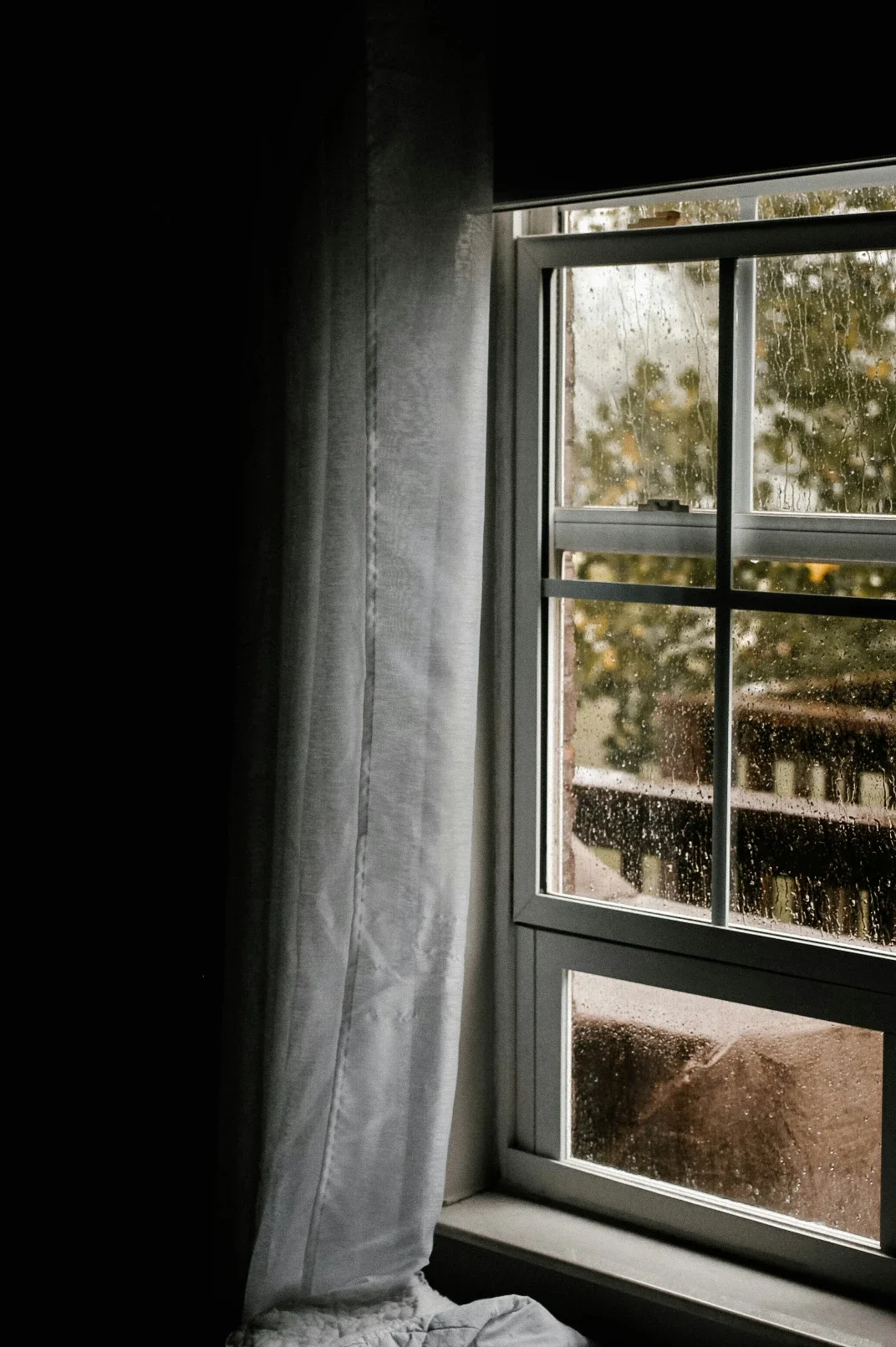
Watch for raindrops on their windows that don’t sheet off the glass. It means that environmental pollutants, including oils, have started to bind with the glass irregular surface.
Recognize mineral leaching that looks like dim glass that remains dirty after wiping.
Watch for white streaks that form under the influence of the degradation of aluminum screens or frames. These dangerous accumulations can etch the glass permanently.
When homeowners know their enemy, they can choose the best solution and protect their window glass and window frames from damage.
Final Thoughts
So, even though your windows can seem transparent and clear, they might actually be already damaged by atmospheric pollutants. To maintain your windows’ health, you should carefully select solutions for window cleaning to provide the best care, prolong their lifespan and isolation properties, and preserve their beauty for decades.
Stay up to date with our latest ideas!