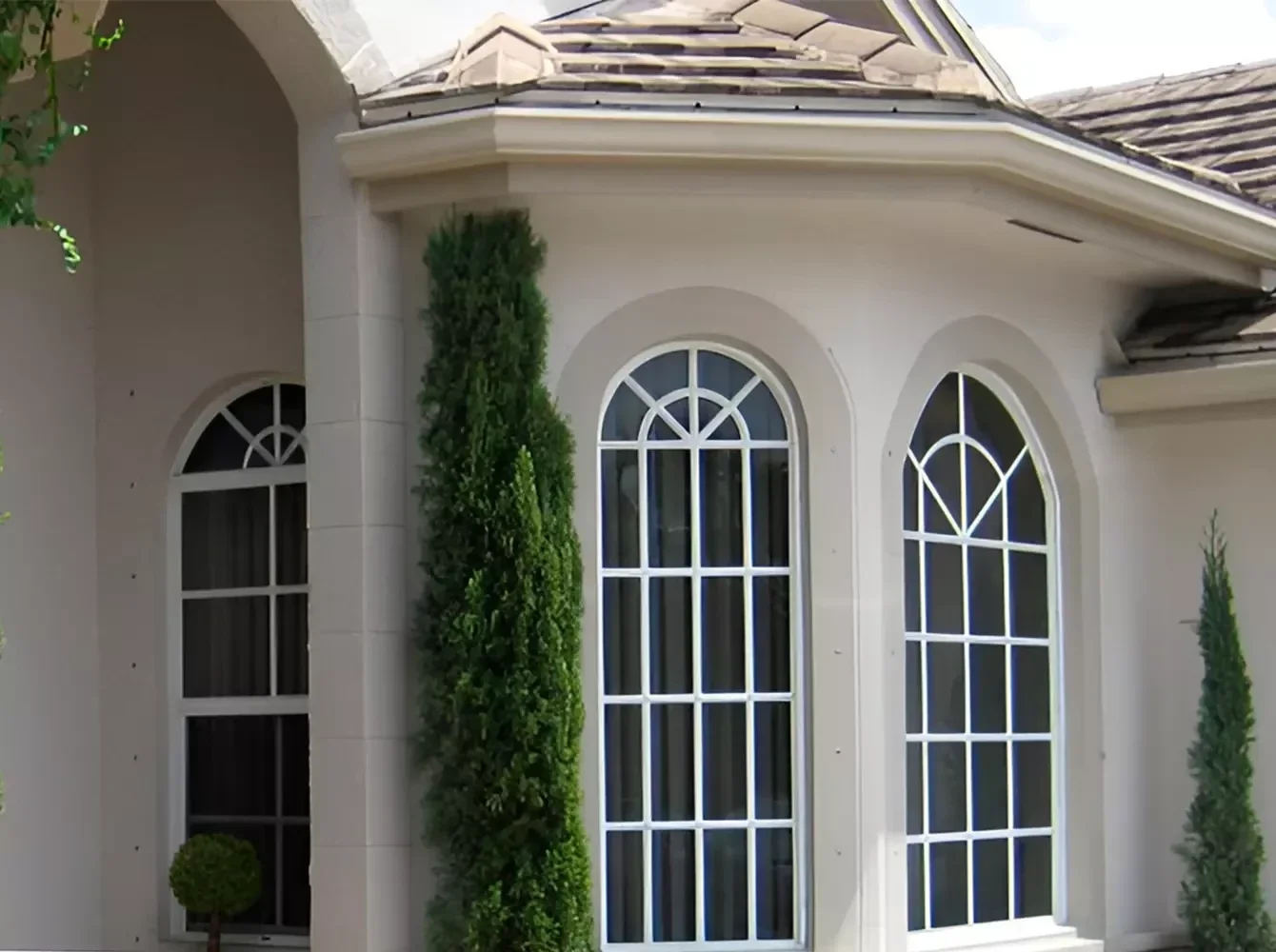
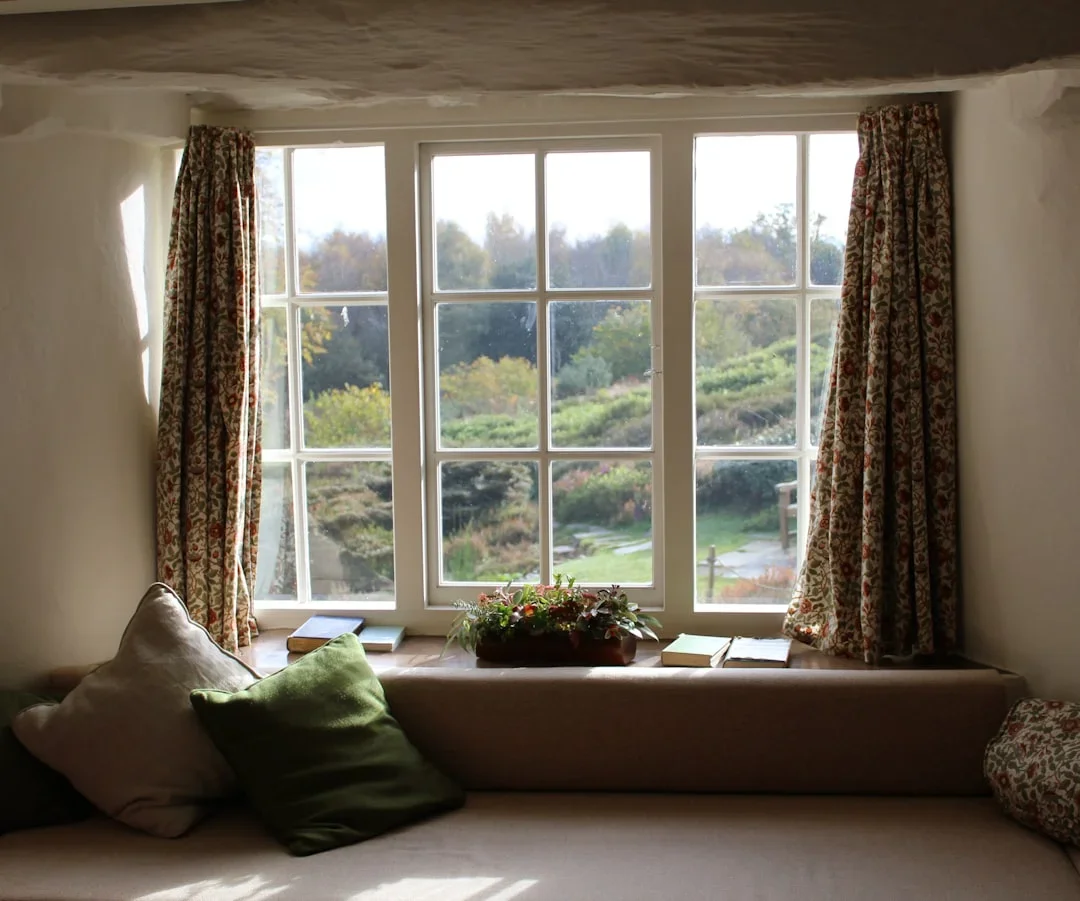
Learn how to identify casement window rot, tell surface damage from structural decay, and know when a repair saves the sash and when replacement is smarter

A casement window that once swung open with a light turn of the crank starts to stick. Paint lifts along the bottom rail, a corner feels soft under a thumb, and a faint musty smell settles near the sill after rain. For owners of older homes across New York City, Long Island, and New Jersey, these are the first signs that moisture has reached the wood. Caught early, casement window rot is a manageable repair. Left alone, it spreads through the sash and into the frame until the only honest option is replacement.
Knowing the difference is what saves both the window and the budget. This guide walks through how to find the rot, how to judge how far it has gone, and where the line sits between a sound repair and a full replacement.
Why Casement Windows Rot in the First Place
Casement windows hinge on the side and seal against the frame when closed, which makes their bottom rail and lower corners natural collection points for water. Wind-driven rain along the coast of Nassau and Suffolk County pushes moisture into the joints. Failed glazing putty, cracked exterior caulk, and worn weatherstripping all give water a path into the timber, where it sits and feeds decay.
Older sashes are usually built from dense, slow-grown wood that resists rot for decades when maintained. The problem is rarely the wood itself. It is deferred maintenance, a peeling paint film that no longer sheds water, or a seal that gave out years ago and was never noticed.
The Early Signs Worth Checking Twice
Rot announces itself quietly before it becomes obvious. Look for paint that blisters or flakes in one spot rather than across the whole sash, since localized failure often sits directly over damp wood. Dark staining, a spongy feel when you press the timber, and hairline cracks that run with the grain all point to moisture that has already settled in.
Test suspect areas with a firm probe. Sound wood resists; rotted wood gives way and crumbles. Pay special attention to the bottom rail, the lower corners where stiles meet rails, and the sill directly beneath the window. These are the places rot starts and the places it hides longest.
Surface Damage Versus Structural Decay
Not every soft patch means the sash is finished. Surface rot that reaches only a shallow depth, with the core of the rail still firm, is a strong candidate for repair. Structural decay is different. When a probe sinks deep, when a corner joint has lost its grip, or when the sill has softened across its width, the damage has moved past a simple patch and into territory that needs a specialist's assessment.
When a Repair Is the Right Call
Most rotted casement windows in period and pre-war homes can be repaired rather than replaced, and repair is usually the better outcome. If the decay is confined to sections, the joints are still tight, and the majority of the original timber is sound, targeted restoration will bring the window back to full function.
The process is methodical. A specialist removes the softened material so decay cannot spread, then rebuilds the missing sections with epoxy consolidants and durable fillers that bond to the surrounding wood. The repaired areas are shaped to match the original profile, primed, sealed, and finished so moisture stays out. Professional wood window rot repair handled this way keeps the original sash in the opening, preserves the proportions of the facade, and often outlasts a modern replacement unit.
Repair also protects the character that makes an older home worth owning. In historic brownstones across Brooklyn and Queens, matching an original casement profile is not a cosmetic nicety. It is what keeps the window reading as part of the building rather than a catalogue insert dropped into the wall.
When Replacement Makes More Sense
There is a point where saving the original stops being practical. If rot has traveled through the sash and into the surrounding frame, if multiple joints have failed, or if the sill and jamb have decayed along with the sash, a repair would leave too little sound material to build on. In those cases replacing the sash, and sometimes the frame, is the durable choice.
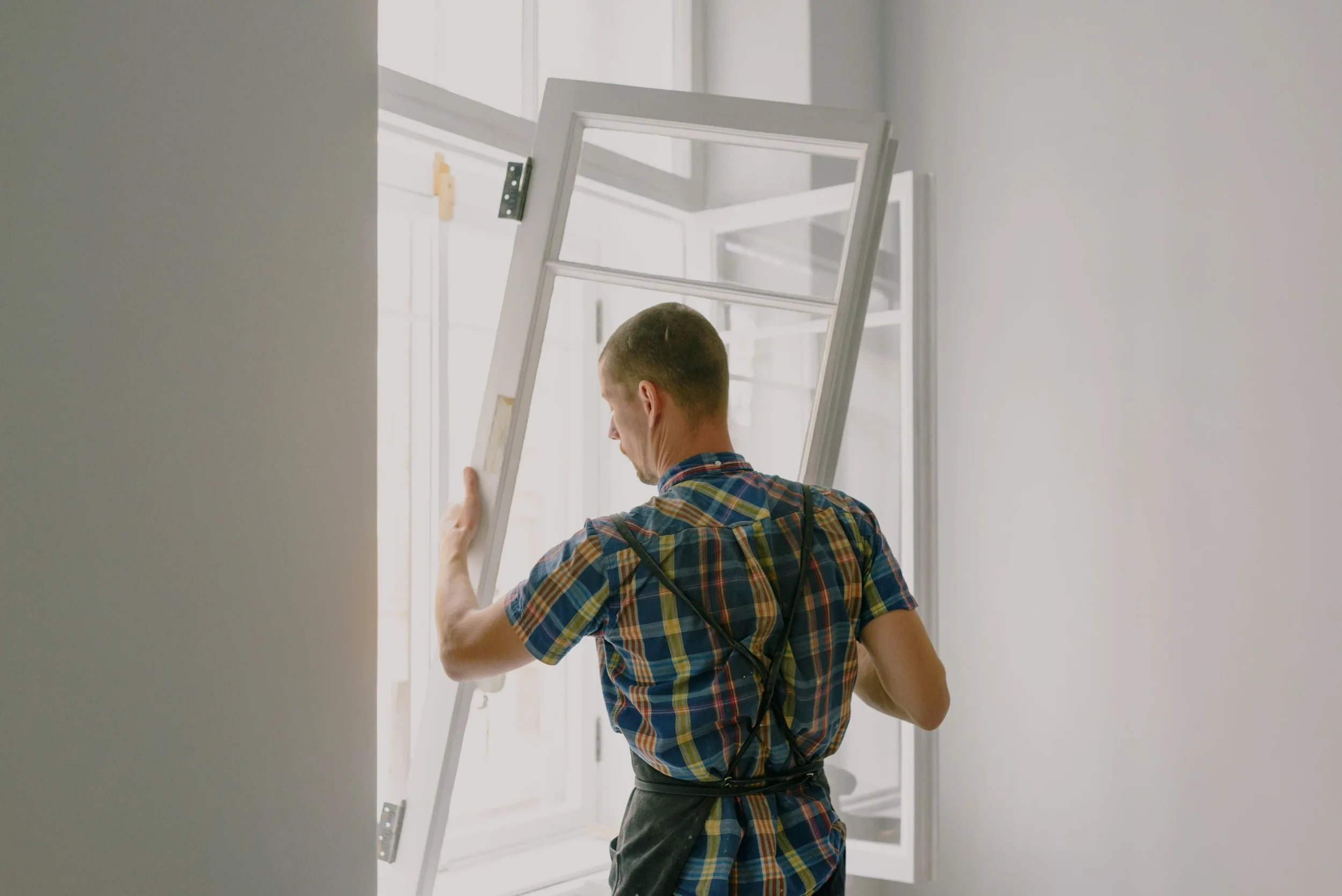
Even then, replacement rarely has to mean tearing out the whole window. A skilled shop can replace a single rotted sash while keeping a sound frame, or rebuild a decayed frame while preserving glass and hardware worth keeping. The goal is to replace only what has failed and restore everything that has not, which keeps cost down and character intact.
Repair or Replace, How the Decision Gets Made
The honest way to decide is an inspection, not a guess from the curb. A specialist checks the depth and spread of the rot, the integrity of the joints, the condition of the sill and frame, and whether the glass and hardware are salvageable. From there the recommendation follows the evidence rather than a sales script.
For homeowners weighing the choice, a few questions cut through the noise. How much of the original timber is still sound. Is the decay contained or spreading. Are the joints holding. If most of the answers favor the existing window, repair is almost always the smarter path. When you need someone to make that call, a local specialist matters, and the team at Artan Window Solutions has spent more than ten years restoring casement and wood windows for historic homes across NYC, Long Island, the Hamptons, and New Jersey.
Protecting the Window After the Work Is Done
Whether the window is repaired or partly replaced, the decay came from moisture, so keeping moisture out is what makes the result last. Fresh glazing, sound exterior caulk, intact weatherstripping, and a well-maintained paint film all work together to shed water before it reaches the wood. A quick seasonal check of the bottom rail and sill catches small problems while they are still cheap to fix.
Licensed, local specialists know the specific ways coastal and city weather attacks a casement window, and that knowledge is what turns a one-time repair into a window that performs for another generation. If your casement window is showing soft wood, lifting paint, or a sash that no longer seals, an early inspection is worth booking. A free estimate will tell you clearly whether a repair holds or replacement is the wiser investment.
FAQ
Can a rotted casement window really be repaired instead of replaced?
In most older homes, yes. When the decay is confined to sections and the joints and majority of the timber are still sound, the softened areas can be removed, rebuilt with epoxy consolidants, and refinished. A proper inspection confirms it, but period and pre-war casement windows are usually strong candidates for repair.
How do I tell surface rot from structural rot?
Press or probe the suspect area. Surface rot is shallow, with firm wood underneath, and responds well to repair. Structural rot lets a probe sink deep, softens joints, or spreads across the sill and frame, which is the point where replacement of the affected parts starts to make sense.
Do I have to replace the whole window if the sash is rotted?
No. A single rotted sash can often be rebuilt or replaced while keeping a sound frame, glass, and hardware. The aim is to replace only what has failed and restore the rest, which controls cost and preserves the original character of the window.
How long does casement window rot repair take?
It depends on how far the decay has spread, the number of paint layers, and whether glass or hardware needs attention. The inspection stage produces a realistic timeline, which is why an early assessment is worth the time before any work begins.
Stay up to date with our latest ideas!