Just Bought a House? The Best Affordable Window Coverings to Buy First
Just bought a house? Discover the best affordable window coverings to buy first for privacy, light control, style, and budget friendly comfort.

Buying a house has a way of exposing every bare window at once. The bedroom faces a neighbor’s porch light. The bathroom window feels too exposed. The living room gets harsh afternoon sun. And suddenly, the old sheets or paper shades that worked for move-in week start looking less like a temporary fix and more like a problem.
Premium shutters and designer window treatments can wait. The first priority is simpler: privacy, light control, safety, and basic comfort. Affordable window coverings can make a new home feel livable quickly without draining the budget right after closing.
The smartest approach is not to cover every window perfectly on day one. Start with the rooms that affect daily life most, then upgrade the rest in phases.
Why Window Coverings Should Be One of the First Things New Homeowners Buy
Window coverings are not just decoration. They affect how private the home feels, how well you sleep, how much glare enters the room, and whether the space looks finished while you are still unpacking.
For new homeowners comparing affordable blinds & shades, the goal should be practical first: cover the most exposed windows, control light in bedrooms, and choose options that look clean enough to live with for several years.
Privacy Becomes Urgent After Move-In
Privacy usually becomes the first issue. Bedrooms, bathrooms, and street-facing rooms should not wait until the rest of the house is decorated.
A bare window can make a new home feel uncomfortable even when everything else works. In bathrooms, privacy is non-negotiable. In bedrooms, it affects how relaxed the room feels at night. In front rooms, it can change whether you feel watched from the sidewalk.
Light Control Matters Before the Home Is Fully Furnished
Light control becomes obvious once you spend a few days in the house. Morning sun may hit the bedroom too early. Afternoon glare may make the living room hard to use. A home office may be bright in all the wrong places.
The CDC’s sleep guidance recommends a dark, quiet, comfortable sleep environment and mentions room-darkening or light-blocking window treatments as one way to reduce unwanted light. That makes bedroom window coverage more than a cosmetic purchase.
Temporary Fixes Usually Do Not Last
Sheets, paper shades, and old coverings left by previous owners can help for a few days. They rarely age well.
A simple budget-friendly upgrade usually looks better and works better. Even basic roller shades or inexpensive window blinds can make the house feel cleaner, calmer, and less improvised.
How to Prioritize Rooms When Your Budget Is Tight
First-time homeowners do not need to solve every window immediately. A room-by-room plan keeps the cost manageable and prevents rushed decisions.
Start With Bedrooms
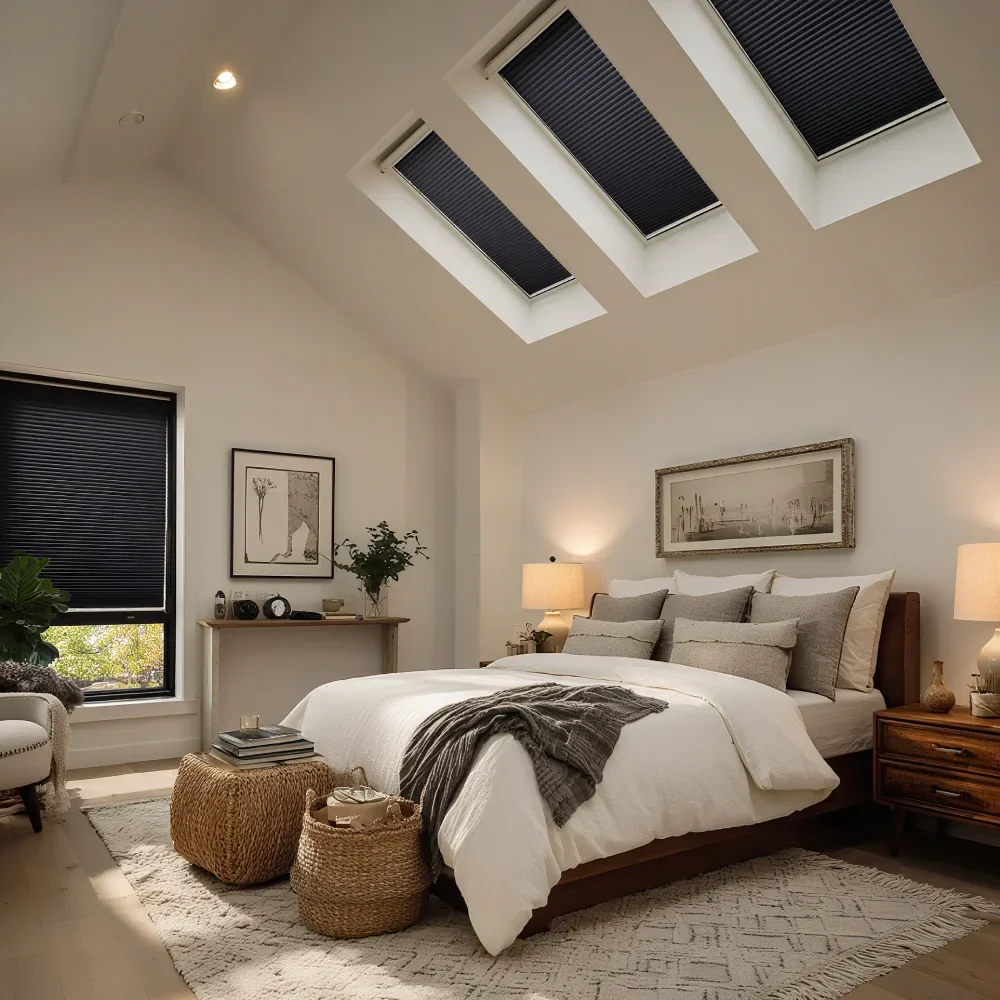
Bedrooms should come first because they affect sleep, privacy, and daily comfort. Inexpensive window blinds, roller shades, or room-darkening shades can all work, depending on the window and how much darkness you need.
If the room faces a streetlight or sunrise, choose blackout or room-darkening options. If it only needs privacy, simple budget window blinds may be enough.
Cover Bathrooms and Street-Facing Windows Next
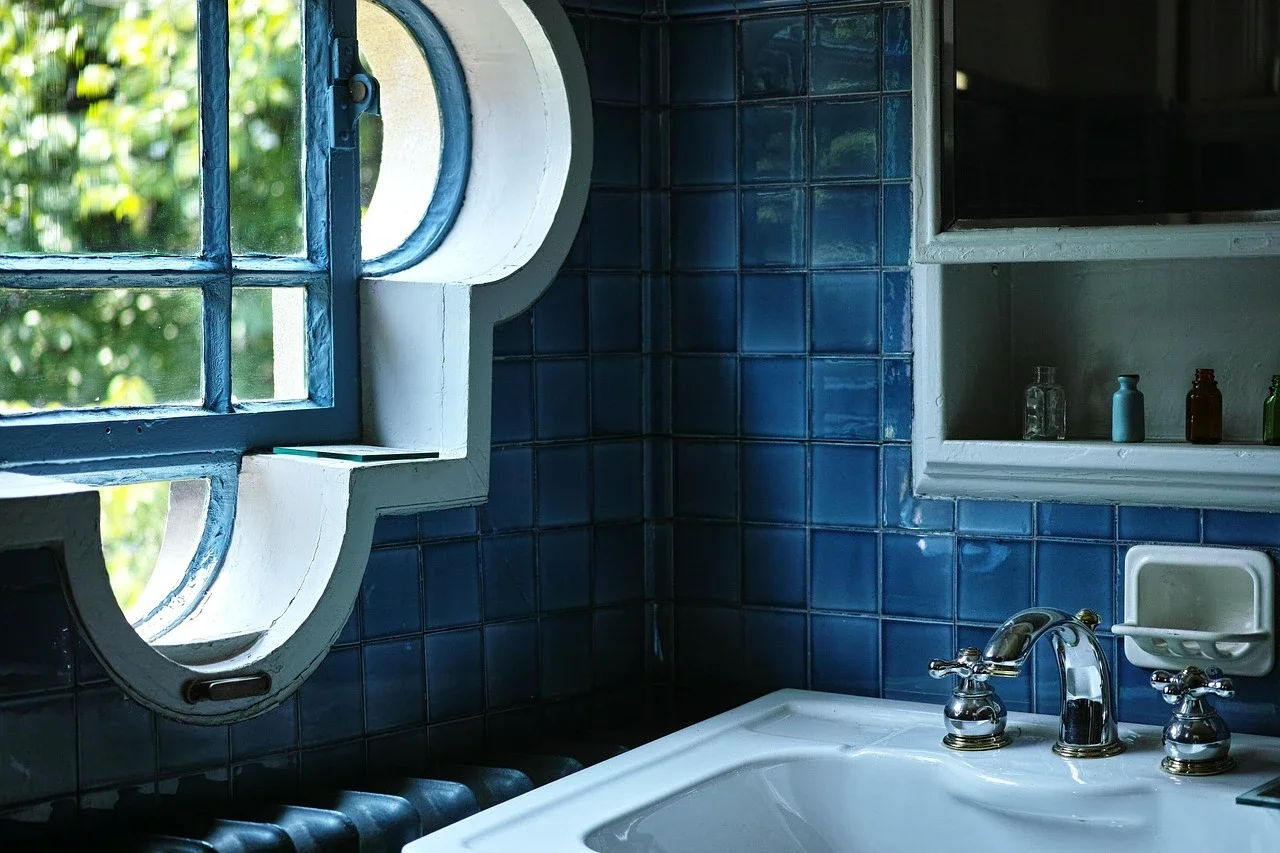
Bathrooms and street-facing rooms come next because they are privacy-driven. Frosted films, blinds, or shades can block views without making the room feel closed off.
For bathrooms, choose materials that handle moisture better, such as faux wood, vinyl, or other easy-clean options. Fabric may look softer, but it is not always the best choice near humidity.
Save Decorative Rooms for Later
Living rooms, dining rooms, guest rooms, and rarely used spaces can usually wait. Start with neutral budget window treatments if the windows need basic coverage, then add curtains or more decorative layers later.
This phased approach leaves room in the budget for furniture, repairs, paint, and all the unexpected purchases that come with a new home.
The Best Affordable Window Coverings to Buy First
The best choice depends on the room, window size, privacy needs, and budget. No single product is right for every space.
Faux Wood Blinds for High-Use Rooms
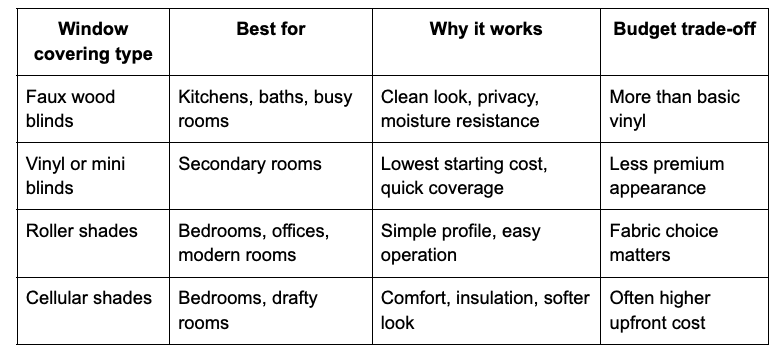
Faux wood blinds are useful in kitchens, bathrooms, laundry rooms, and family spaces because they look more finished than many basic options. They also tend to cost less than real wood while offering better resistance to moisture.
For homeowners who want affordable window treatments that do not feel temporary, faux wood is often a strong first choice.
Vinyl or Mini Blinds for the Lowest Starting Cost
Vinyl and mini blinds are often the quickest way to cover multiple windows. They are not the most luxurious option, but they can work well in secondary bedrooms, basements, laundry areas, or short-term spaces.
If the budget is tight, cheap window blinds are better than living with exposed windows for months. Just use them selectively rather than across every room by default.
Roller Shades for a Clean, Simple Look
Roller shades suit homeowners who want a cleaner, more modern look. They sit close to the window and do not add much visual weight.
Light-filtering styles work well in living rooms and offices. Room-darkening options are better for bedrooms. For small homes, affordable window shades can make the room feel less cluttered than heavy curtains.
Cellular Shades for Comfort and Energy Awareness
Cellular shades use a honeycomb-like structure that traps air near the window. They often cost more than basic mini blinds, but they can be worth considering in bedrooms, drafty rooms, or windows with strong sun exposure.
The U.S. Department of Energy reports that tightly installed cellular shades can reduce heat loss through windows by 40% or more in heating seasons. That does not mean every product will produce the same result, but it shows why the right shade can offer comfort value beyond appearance.
Budget Blinds Cost: What Actually Affects the Price?
Budget blinds cost depends on more than the style name. Size, material, lift system, customization, and installation all affect the final number.
Window Size and Number of Windows
Large windows cost more to cover than small ones. A whole-house project adds up quickly, especially if the home has wide living room windows, tall bedroom windows, or sliding doors.
Start with the essential rooms, then come back to decorative spaces later.
Material and Product Type
Basic vinyl is usually the lowest-cost option. Faux wood costs more but often looks better in visible rooms. Roller shades can be affordable or mid-range, depending on the fabric. Cellular shades may cost more upfront, but can add comfort and insulation.
The cheapest product is not always the best long-term value. A blind that bends, sticks, or looks wrong after a few months is not really saving money.
Cordless and Safety Features
Cordless options may cost more in some cases, but they are worth considering, especially in homes with children or pets. The U.S. Consumer Product Safety Commission warns that corded window coverings can pose a strangulation hazard and encourages consumers to choose cordless products.
Safety should not be the place to cut corners.
DIY Installation vs. Professional Help
Many budget window treatments can be installed by homeowners with basic tools. That can significantly reduce the total cost.
DIY is best for standard windows, simple mounts, and lightweight products. Professional help may make sense for oversized windows, difficult heights, or rooms where a poor fit would be expensive to fix.
How to Make Inexpensive Window Blinds Look Better
Low-cost does not have to look careless. Good measuring, quiet colors, and consistency make a major difference.
Choose Neutral Colors for a Cleaner Look
White, off-white, beige, soft gray, and natural tones are the safest choices for a first home. They work with transitional interior design, which blends classic comfort with cleaner modern lines, and they also suit organic modern spaces, where natural textures and calm colors matter.
Neutral colors are less likely to date the room before you are ready to upgrade.
Use the Same Style in Connected Rooms
Open-plan spaces look better when nearby windows relate to each other. You do not need the same treatment in every room, but connected areas should feel coordinated.
For example:
Use matching roller shades across an open living and dining area.
Keep the same faux wood color in the kitchen and breakfast nook.
Choose one neutral tone for bedrooms, then vary opacity by need.
Measure Carefully for a Better Fit
Poor fit is one of the main reasons cheap blinds for windows look cheap. Measure each window separately, even if they look identical.
Check width and height in more than one place. Older homes often have windows that are slightly uneven.
Layer Curtains Later
A smart budget strategy is to start with blinds or shades for privacy and light control, then add curtains later.
This works especially well in bedrooms and living rooms. The shade does the practical work. The curtain adds softness, height, and a more finished design.
Common Mistakes to Avoid When Buying Budget Window Treatments
Most mistakes happen when homeowners rush to cover the whole house at once.
Buying the Cheapest Option for Every Room
Different rooms have different needs. A bathroom needs moisture resistance. A bedroom may need darkness. A kitchen needs easy cleaning. A living room may need glare control without blocking daylight.
Using the same inexpensive window coverings everywhere can save money upfront, but create frustration later.
Ignoring Privacy Needs at Night
Some light-filtering products provide privacy during the day but become less private at night when interior lights are on.
For street-facing rooms and bedrooms, check whether the product offers privacy after dark, not just during daylight.
Forgetting About Child Safety
Families with young children should prioritize cordless options when possible. This also applies to grandparents, caregivers, and anyone expecting young visitors.
Do not assume older blinds left by previous owners are safe or worth keeping.
Skipping Samples or Product Details
Colors and materials can look different online. A white shade may look warm in photos and cooler in your home. A fabric that appears opaque online may filter more light than expected.
Samples, product specs, and clear opacity descriptions help avoid disappointment.
Where Affordable Window Coverings Fit in a First-Home Budget
Window coverings belong in the first-home budget because they make the home livable. They are not as exciting as a sofa or dining table, but they solve problems you notice every morning and night.
Cover the Essentials First
Start with bedrooms, bathrooms, and street-facing windows. These rooms affect privacy, sleep, and daily comfort right away.
After that, move to home offices, living rooms, and sunny spaces where glare or heat becomes annoying.
Upgrade Over Time
Budget friendly blinds can be the first layer, not the final version. You might install roller shades now and add curtains later. Or use faux wood blinds in a bathroom now, then upgrade the living room when the budget recovers.
This approach keeps the house functional without forcing every design decision at once.
Think in Phases, Not All at Once
A simple three-phase plan helps:
Urgent: bedrooms, bathrooms, and exposed street-facing windows.Important: offices, sunny living rooms, kitchens, and nurseries.Later: guest rooms, dining rooms, decorative layering, and premium finishes.
That structure prevents overspending during the most expensive months of homeownership.
FAQ
What are the most affordable window coverings for a first home?
Vinyl blinds, mini blinds, roller shades, and basic faux wood blinds are usually among the most affordable options. The best choice depends on the room, privacy needs, and moisture exposure.
How much do budget blinds cost?
Cost depends on window size, material, product type, cordless features, customization, and whether installation is DIY or professional. Avoid comparing price alone without checking durability and fit.
Are inexpensive window blinds worth it?
Yes, they can be worth it for immediate privacy and light control, especially when measured correctly and used in the right rooms. They are most effective when treated as practical first upgrades rather than permanent design decisions for the whole house.
Which windows should I cover first after buying a house?
Start with bedrooms, bathrooms, and street-facing windows. After that, prioritize home offices, sunny living rooms, kitchens, and any space where glare, heat, or privacy becomes a daily issue.
Stay up to date with our latest ideas!