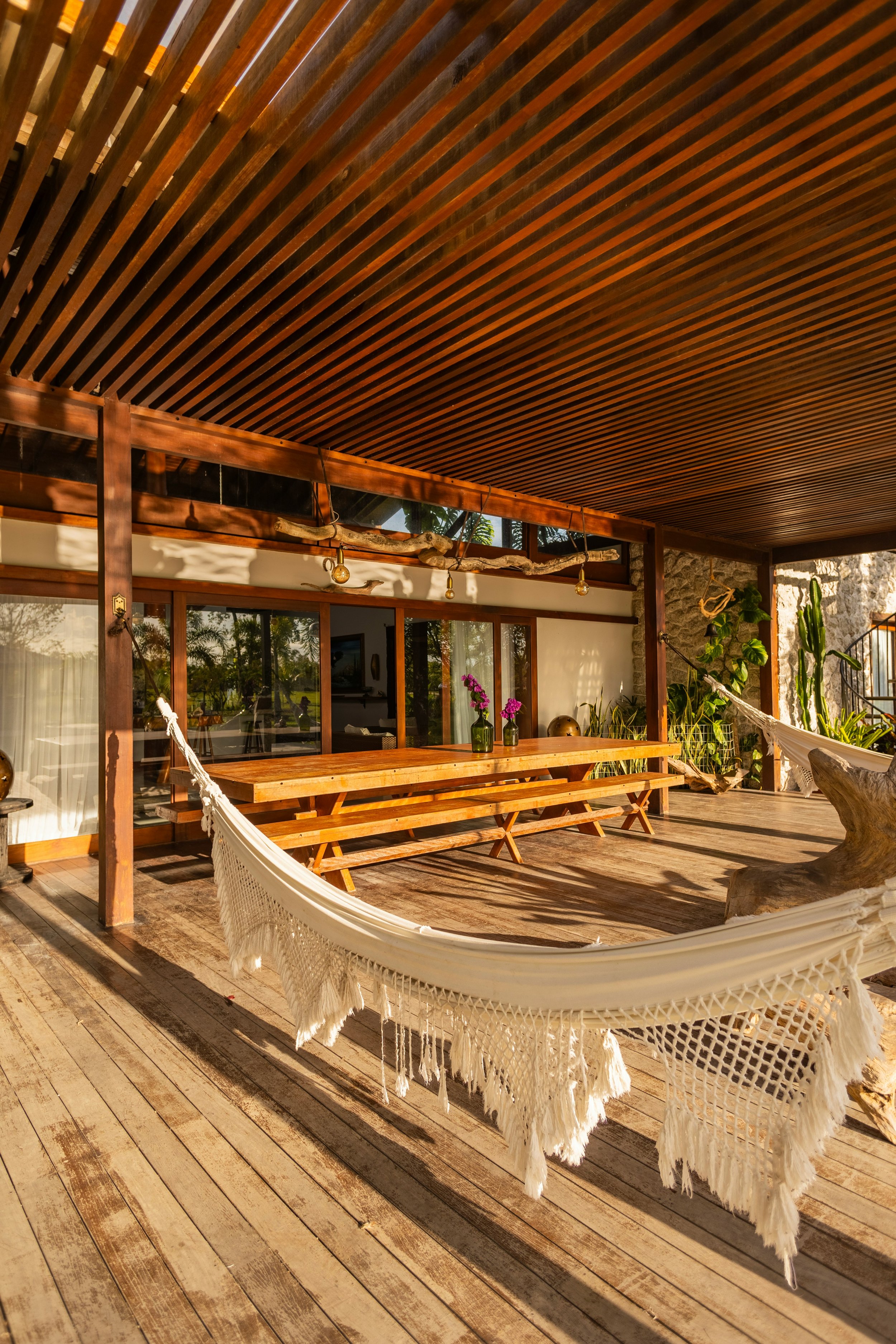
Turning Unusual Architecture into Outdoor Opportunity
Discover how unusual architecture can become an outdoor opportunity with creative landscaping, functional design ideas, and ways to make the most of unique spaces.
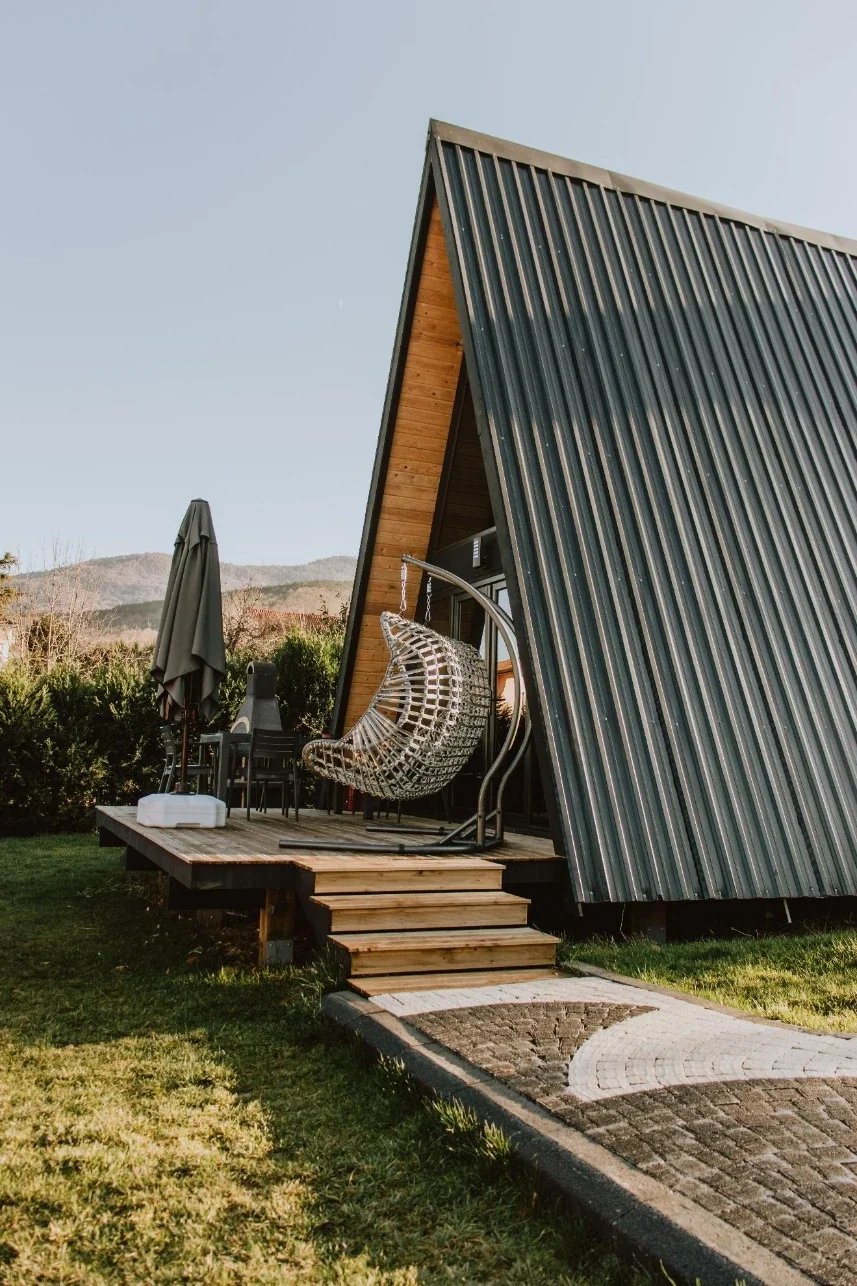
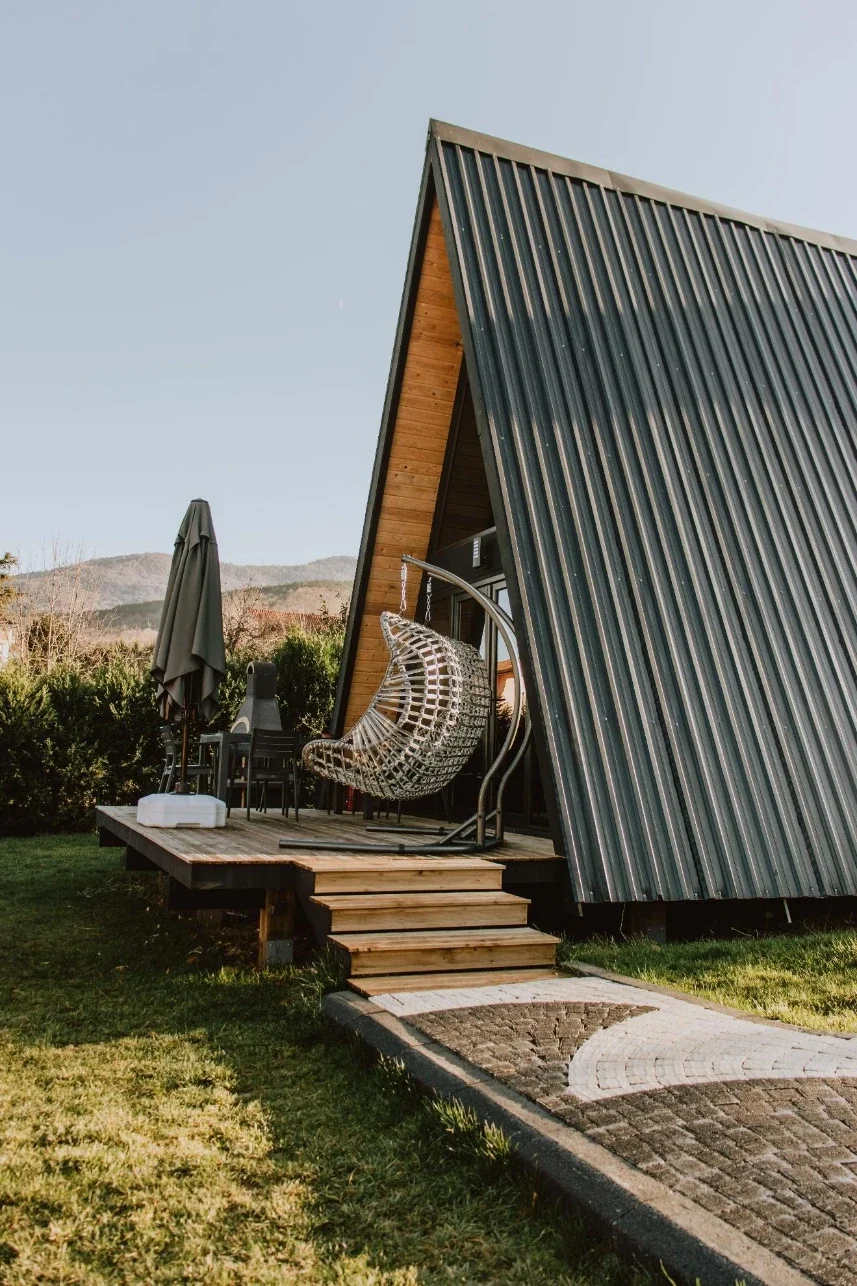
We are seeing an increase in unusual architecture being applied into modern designs and modern uses. They are being used to transform overlooked yards, commercial lots and even rural properties into destinations that have character and purpose.
By borrowing forms from agriculture, industry, aviation, and modern art, property owners can create memorable environments that work beautifully. The key is to see unconventional structures not as curiosities, but as flexible tools for outdoor living.
Designing Around the Site
The key to starting any design is to look around and see what shaped land you have to work with. Look whether you have a narrow piece of land to work with, one that’s sloped, so that you can accommodate your architectural design to the land to make sure its possible.
Larger plots of land, invite bolder options and much larger structures. Matching an unusual building form to a real need ensures the finished space feels intentional rather than merely decorative. If you have a specific structure in mind, look into customizable structures that can be built to size.
Exploring the Versatility of Quonset Structures
One of the most underrated architecture design has to be a Quonset hut. It is a compelling example of practical architecture becoming a creative outdoor asset. Originally valued for their simple arched form, strength, and efficient assembly, they can serve as workshops, pool houses, equipment storage, guest quarters, greenhouses, event venues, or covered entertaining areas. A Customizable Steel Quonset can be adapted with windows, doors, insulation, lighting, and exterior finishes, giving owners freedom to balance rugged performance with a distinctive visual identity.
Choosing Materials with Purpose
You will find that within unusual architecture there will be very specific material choices. These materials will be chosen for a number of reasons, one being so that they blend into their surroundings or for the opposite reason, so that they stand out by being the focal point.
Corrugated metal can reflect an industrial style, while timber cladding softens curved or angular forms. Glass panels bring daylight into studios and garden rooms, and stone foundations connect modern structures to the landscape. Repeating materials already used on the main building, fence, or pathways can create continuity across the property without sacrificing originality.
Making the Most of Placement
Placement matters just as much as appearance.
An unusual structure should frame a view, create privacy, shelter people from wind, or guide movement through the landscape. Before building, watch how sunlight, shade, drainage, and prevailing weather affect the site throughout the day. A dramatic pavilion is more valuable when it remains comfortable and accessible. Thoughtful orientation can also reduce energy needs and make indoor and outdoor areas feel naturally connected.
Connecting Architecture with Landscaping
Landscaping can make unconventional buildings feel established rather than imposed. Ornamental grasses echo the curves of metal structures, climbing plants soften hard edges, and native trees provide scale around tall pavilions.
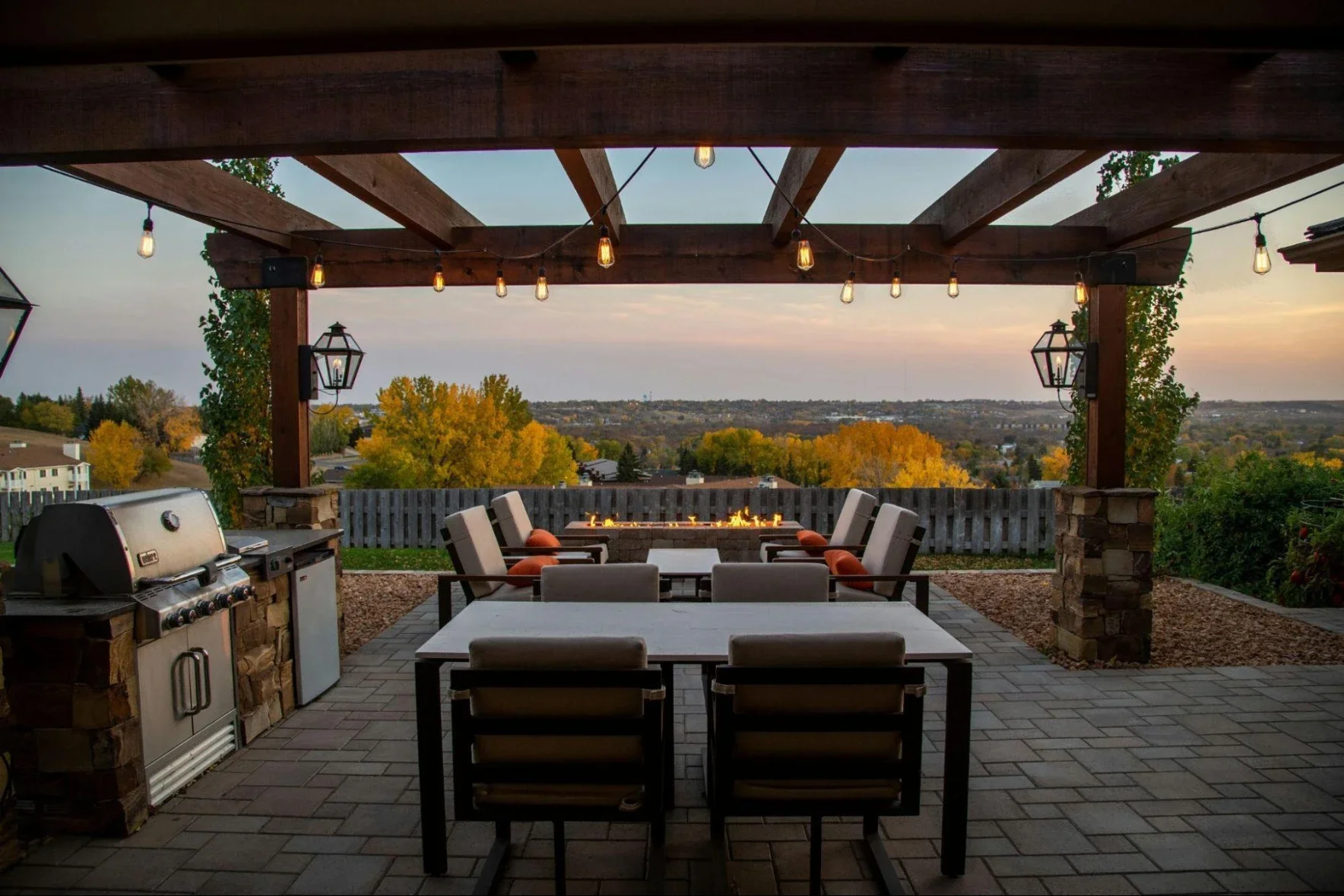
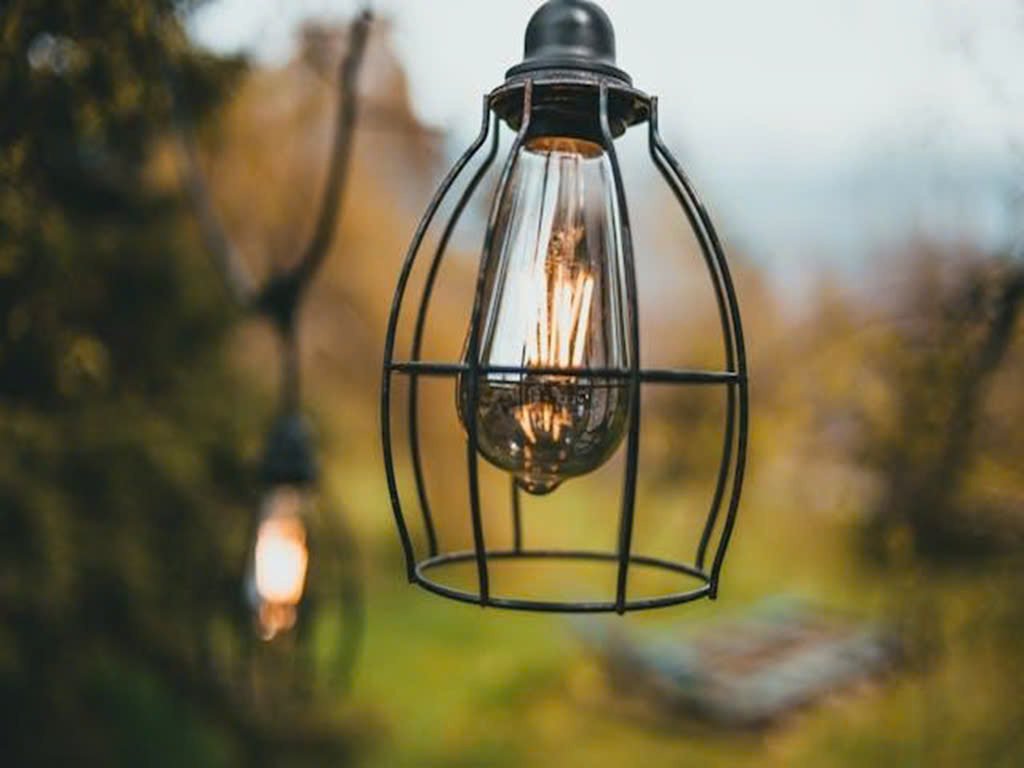
Paths should lead visitors toward entrances clearly, while lighting can reveal texture and form after dark. Rain gardens, permeable surfaces, and planted roofs may also manage water responsibly, helping the architecture contribute to the wider performance of the site.
Planning Around Local Requirements
Local requirements must be part of the creative process. Property lines, height restrictions, drainage rules, utility access, and building permits can influence size and placement. Commercial projects may also need to address accessibility, parking, fire safety, and occupancy limits. Consulting qualified designers, engineers, and local authorities early can prevent expensive revisions. Constraints do not have to reduce creativity; they can sharpen the concept and inspire smarter, more efficient solutions.
Considering Long-Term Value
Budgeting for unusual architecture means considering the full life cycle, not only the initial price. Prefabricated systems may reduce construction time, while durable finishes can limit long-term maintenance. Site preparation, foundations, electrical work, climate control, and landscaping should be included from the beginning. It is also wise to plan for future adaptation. A structure designed with accessible connections and replaceable components can evolve as needs, technologies, or ownership change.
Turning Creative Ideas into Lasting Opportunities
The most successful outdoor projects combine both imagination and architectural knowledge to create something with a clear purpose. Unusual architecture attracts attention, but its lasting value comes from how well it supports daily life, business activity, hospitality, recreation, or storage.
Begin with the opportunity, choose a form that strengthens it, and refine every detail around comfort and context. With thoughtful planning, an unconventional structure can turn unused ground into a useful, inspiring place that people remember and enjoy.
Stay up to date with our latest ideas!