What Marietta's Humidity Does to Windows Over Time (And How to Choose Around It)
Learn how Marietta's humidity affects windows over time, from condensation and moisture damage to choosing durable, energy-efficient window materials.

Windows are expected to provide a clear view, keep outdoor conditions where they belong, and help maintain a comfortable home. In Marietta, however, the local climate can make that job more demanding than many homeowners realize. Heat is only part of the equation. Persistent humidity, seasonal storms, condensation, and moisture-heavy air can gradually affect window materials, seals, frames, and surrounding structures. The changes may happen slowly enough to go unnoticed at first, but over time, they can influence comfort, maintenance needs, and energy efficiency.
Choosing windows for a humid environment is therefore about more than appearance or the lowest initial price. The right choice should account for how materials respond to moisture, how effectively the window is sealed, and whether the overall construction can withstand years of changing weather. Understanding what humidity does to windows can help homeowners make more practical decisions before minor signs of wear become costly problems.
Humidity Can Gradually Wear Down Window Materials
High humidity places different materials under different kinds of stress. Wood, for example, naturally absorbs and releases moisture as environmental conditions change. Repeated exposure to humid air can cause expansion, contraction, warping, or deterioration of protective finishes. If moisture reaches unprotected areas, the material may become increasingly vulnerable to rot and other forms of decay.
Metal window components can also be affected when moisture remains present for long periods. While modern window products may include protective coatings and corrosion-resistant materials, hardware and exposed components can still experience wear. Hinges, fasteners, and other moving parts may require more attention in humid climates, particularly when windows are frequently exposed to rain or condensation.
Even materials that are generally associated with moisture resistance need to be evaluated carefully. Vinyl and composite windows can perform well in humid conditions, but overall quality matters. Frame construction, reinforcement, drainage design, and installation all influence how effectively a window manages moisture over the course of many years.
Condensation Is More Than a Cosmetic Issue
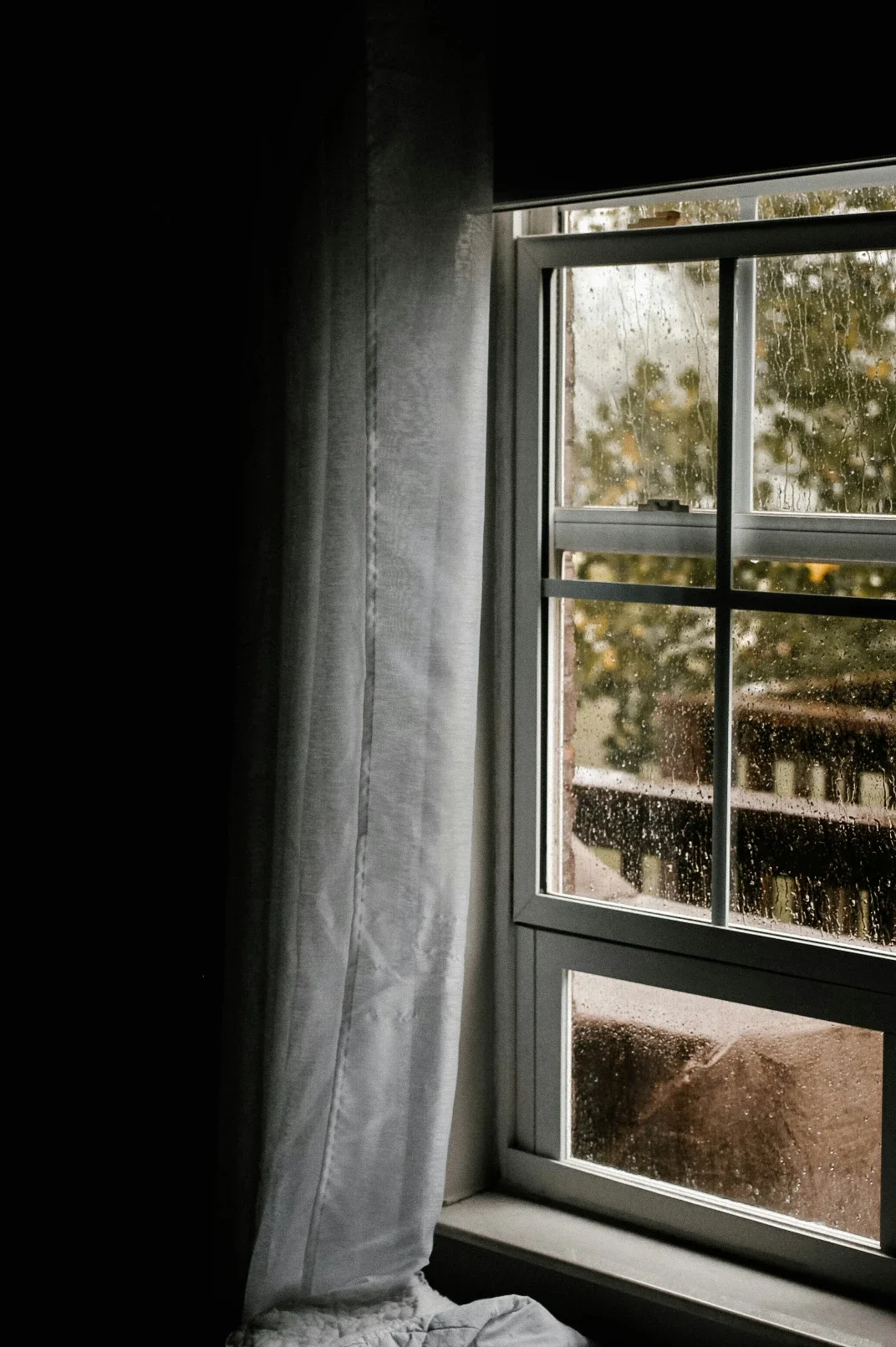
Condensation on a window can seem harmless, especially when it appears occasionally during warm or cool weather. However, frequent condensation may indicate that moisture is collecting in areas where it can eventually cause damage. Indoor humidity, outdoor temperatures, glass performance, and ventilation all play a role in determining how much condensation forms.
When moisture repeatedly gathers on interior glass or around the edges of a window, nearby materials can become affected. Window sills, trim, paint, and wall surfaces may gradually show staining, peeling, or deterioration. Persistent dampness can also create conditions that encourage unwanted biological growth, making moisture management an important part of maintaining the entire window opening.
The key distinction is between occasional condensation caused by temporary conditions and recurring moisture that points to a larger issue. Improving ventilation and managing indoor humidity can help, but homeowners should also consider whether the window itself provides sufficient thermal performance and sealing for the home and local climate.
Window Seals Can Become Vulnerable Over Time
A window is only as effective as the system that keeps its components working together. Insulated glass units rely on seals to help maintain the space between panes, while the window as a whole depends on weatherstripping, caulking, and proper installation to limit unwanted air and water intrusion.
Humidity and repeated temperature changes can contribute to gradual wear in these components. Materials expand and contract, sealants age, and exposure to sunlight and rain can reduce the effectiveness of exterior barriers. Over time, small weaknesses can allow moisture to reach areas where it is difficult to detect or dry properly.
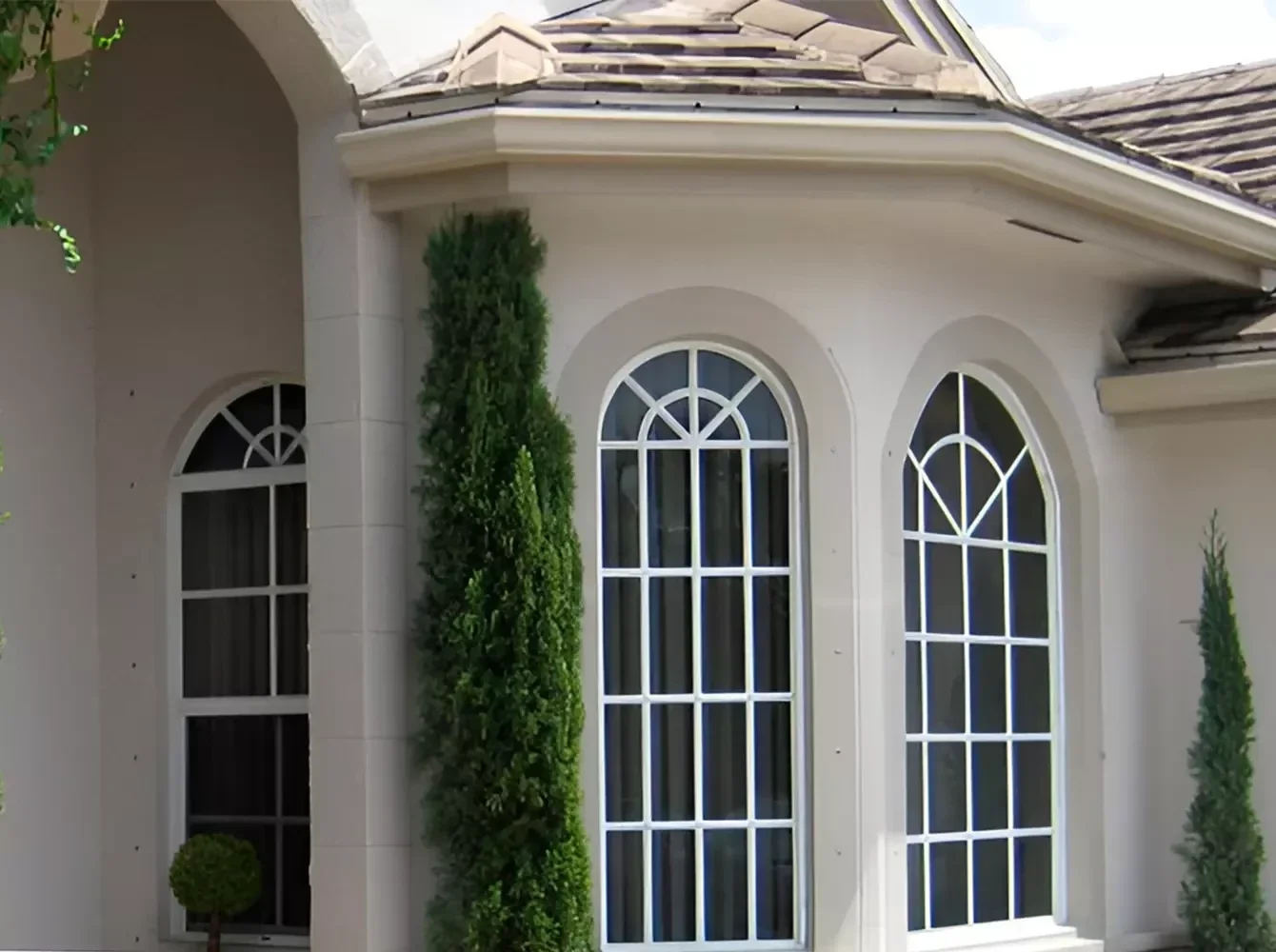
When evaluating replacement options, homeowners should look beyond the visible glass and frame. For those considering replacement windows in Marietta, GA, it is worth paying attention to the complete design of the product, including weather seals, drainage features, glass construction, and the quality of the installation process. A well-designed window can still underperform if water management and sealing are not handled correctly.
Moisture Can Affect the Area Around the Window
The window itself is not the only part of the home exposed to humidity and moisture. Water that enters through a failing seal or poorly protected opening can affect trim, insulation, framing, and nearby wall materials. Because these areas are often hidden, damage can continue developing before a homeowner recognizes the source of the problem.
One warning sign may be visible changes around the interior or exterior of the window. Soft wood, cracked caulking, peeling paint, discoloration, or unexplained drafts can all suggest that the opening is no longer being adequately protected. Difficulty opening or closing a window may also indicate that materials have shifted or expanded.
This is why installation deserves the same level of consideration as the window product itself. Proper flashing, sealing, and drainage help direct water away from vulnerable building materials. In a humid climate that also experiences heavy rain and seasonal storms, the goal is not simply to keep every trace of moisture away but to ensure that the window assembly can manage moisture effectively when exposure occurs.
Choosing Frame Materials With Climate in Mind
There is no single frame material that is automatically right for every home. The best choice depends on the homeowner's priorities, the home's design, maintenance expectations, and the conditions the windows will face. In Marietta's humid environment, moisture resistance should be an important part of that evaluation.
Vinyl frames are often considered because they require relatively little maintenance and do not absorb moisture in the same way wood does. Quality can vary, however, and homeowners should consider frame construction and durability rather than assuming that every vinyl product will perform equally well. Exposure to heat and sunlight can also influence long-term performance.
Wood offers a traditional appearance and can suit certain architectural styles, but it generally requires more consistent maintenance in humid environments. Protective finishes must be maintained, and homeowners need to address signs of moisture exposure promptly. Composite and fiberglass options may provide additional resistance to environmental changes, although product design and installation quality remain essential considerations regardless of the material selected.
Glass Performance Matters in a Humid Climate
Frame materials receive much of the attention during window selection, but glass technology can also influence comfort and moisture control. Modern insulated glass units can help reduce heat transfer between the indoors and outdoors, which may contribute to more stable interior surface temperatures.
When the interior surface of a window is excessively cool compared with the surrounding air, condensation becomes more likely. Better thermal performance can reduce the conditions that encourage this problem, although it cannot eliminate condensation caused by unusually high indoor humidity or inadequate ventilation.
Homeowners should consider glass packages as part of the complete window system. Factors such as multiple panes, insulating gas fills, and specialized coatings can affect how a window responds to heat and sunlight. The most appropriate configuration depends on the home's orientation, the amount of direct sun different rooms receive, and the broader goal of maintaining a comfortable indoor environment.
Installation Can Determine Long-Term Performance
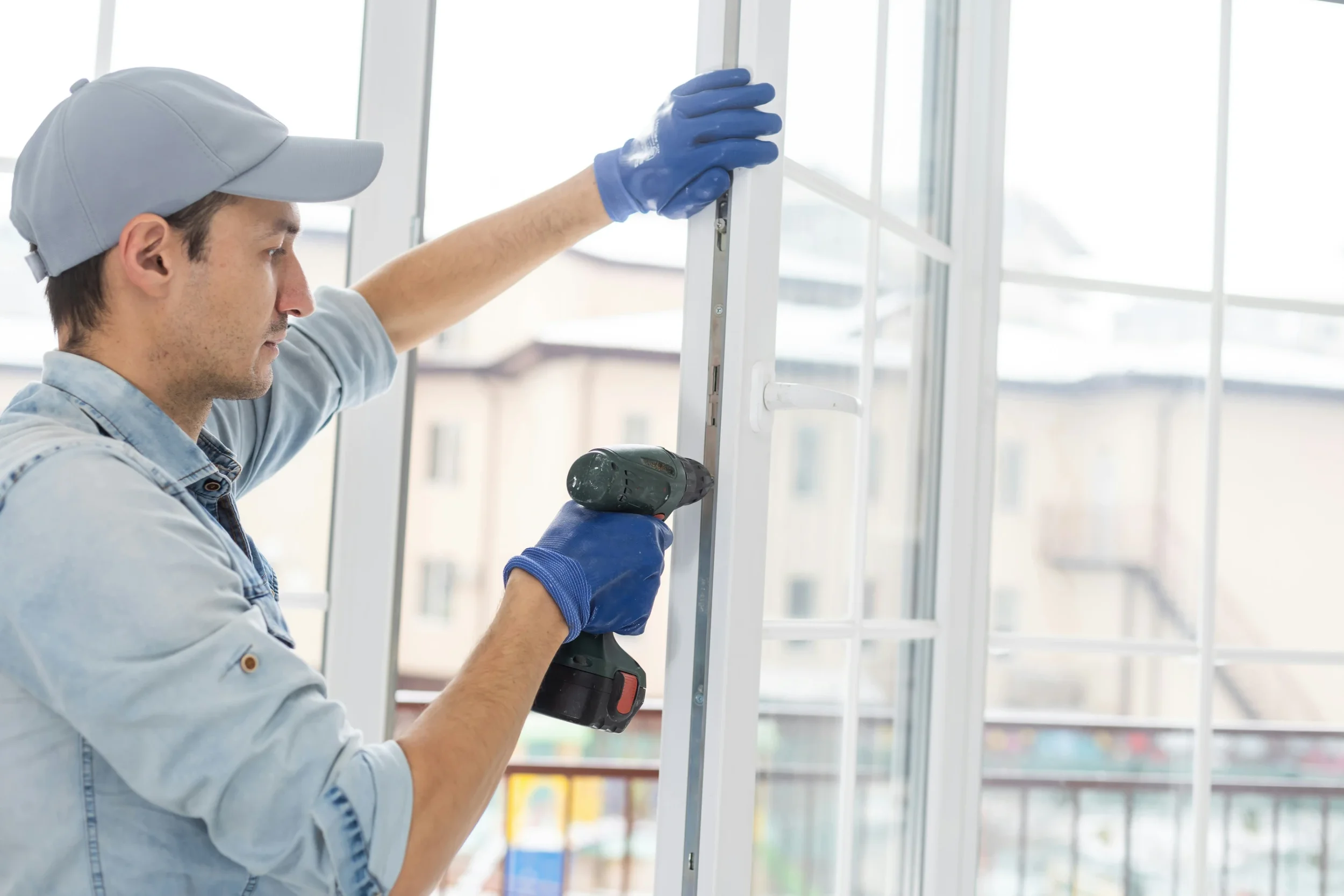
A carefully manufactured window cannot fully compensate for poor installation. Even a small gap between the window and the surrounding opening can create an opportunity for air or water to move where it should not. In humid and rainy conditions, these vulnerabilities can become more significant over time.
Proper installation involves preparing the opening, ensuring the window is correctly positioned, and using appropriate materials to manage water and air. The details vary depending on the home's construction and the type of window being installed. What matters most is that the completed assembly creates a reliable transition between the window and the wall.
Homeowners should also remember that replacing a window may reveal pre-existing issues. Damaged framing, deteriorated trim, or moisture behind the old window should be addressed rather than covered up. Resolving those problems during the replacement process can help protect the investment and reduce the likelihood of future repairs.
Paying Attention to Early Warning Signs
Windows rarely fail without showing some indication that their condition is changing. Fogging between glass panes, recurring condensation, drafts, sticking sashes, cracked sealants, and visible deterioration around the frame can all deserve further investigation. Some issues may be simple maintenance concerns, while others may indicate that replacement is becoming necessary.
Regular inspections are particularly useful after severe weather and during periods of high humidity. Checking both the interior and exterior of the window can help identify changes before they spread to nearby materials. Homeowners should also pay attention to rooms that feel unusually warm, damp, or difficult to keep comfortable.
Early action is often less disruptive than waiting for visible damage to become severe. Whether the solution involves maintenance, repairs, or a complete replacement, understanding the source of the problem is more valuable than simply treating the most obvious symptom.
Conclusion: Choosing for the Climate Means Thinking Long Term
Marietta's humidity is not something a homeowner can eliminate, but its effect on windows can be managed through informed choices. Moisture-resistant materials, reliable seals, effective glass performance, proper drainage, and careful installation all contribute to long-term durability. The most suitable window is one that fits both the home and the environmental demands it will face year after year.
A thoughtful decision begins with looking beyond immediate appearance and considering how the window will perform after repeated humid summers, heavy rainfall, changing temperatures, and years of everyday use. Maintenance requirements should also be realistic. A beautiful material that demands attention a homeowner cannot consistently provide may not be the most practical choice.
Stay up to date with our latest ideas!