The Timeless Appeal of Traditional Window Design
Explore why traditional window design remains timeless, enhancing character, natural light, and architectural balance in both classic and modern homes.
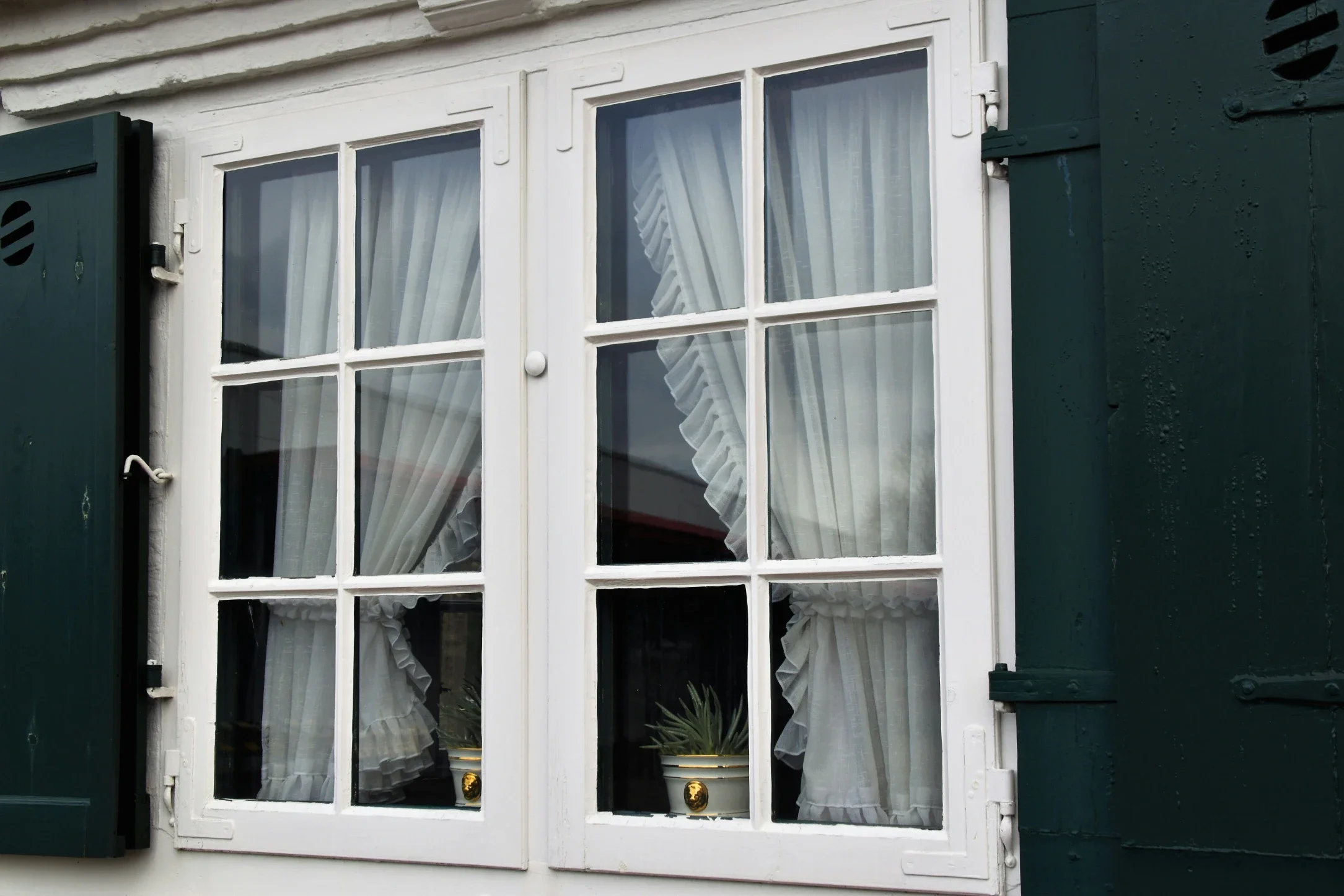
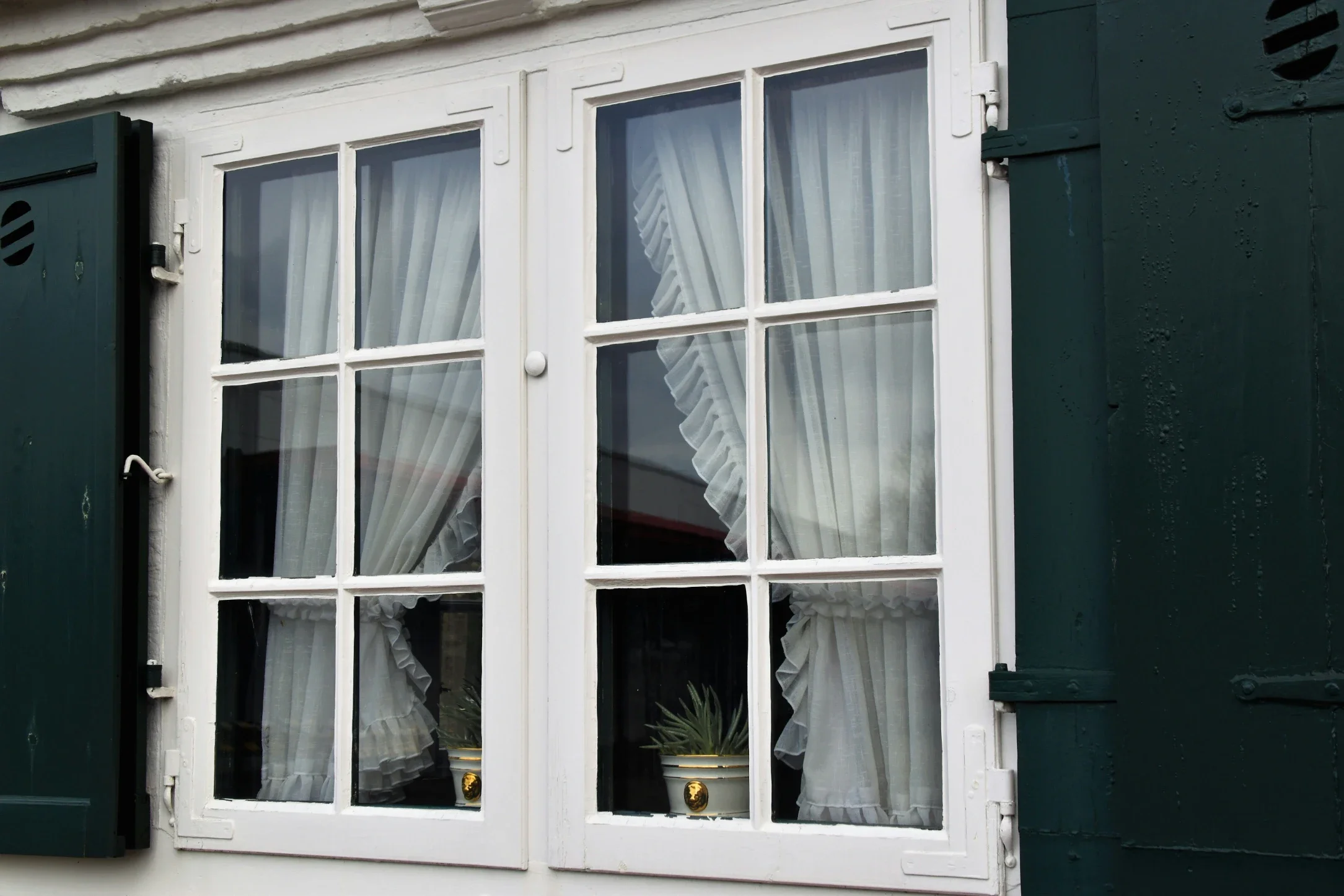
Windows play a crucial role in defining the character of both interior and exterior spaces. Beyond their functional purpose of bringing in light and ventilation, they shape the architectural identity of a home and influence how a space feels and flows. In recent years, there has been a renewed interest in traditional window designs, particularly those that combine craftsmanship, durability, and understated elegance.
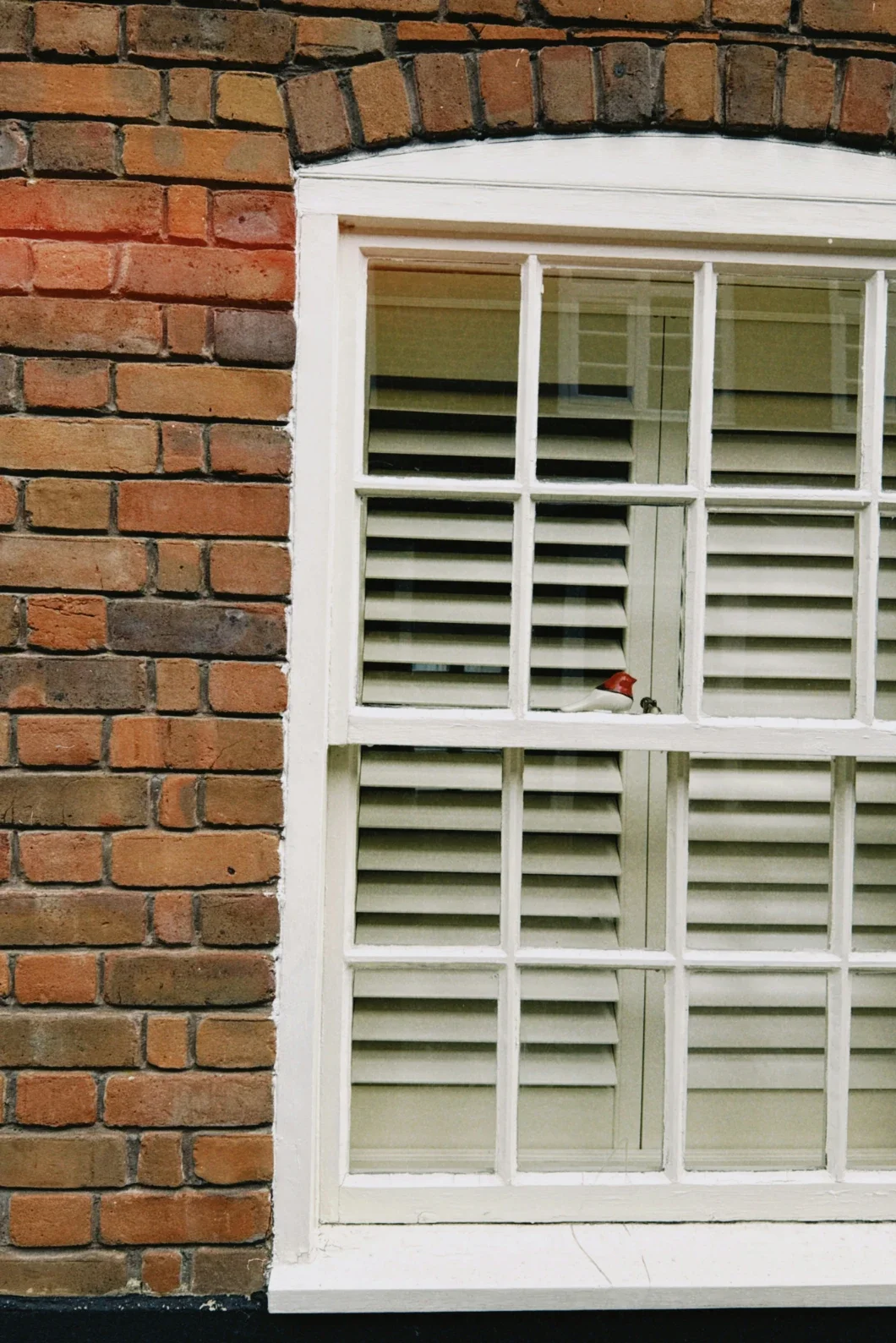
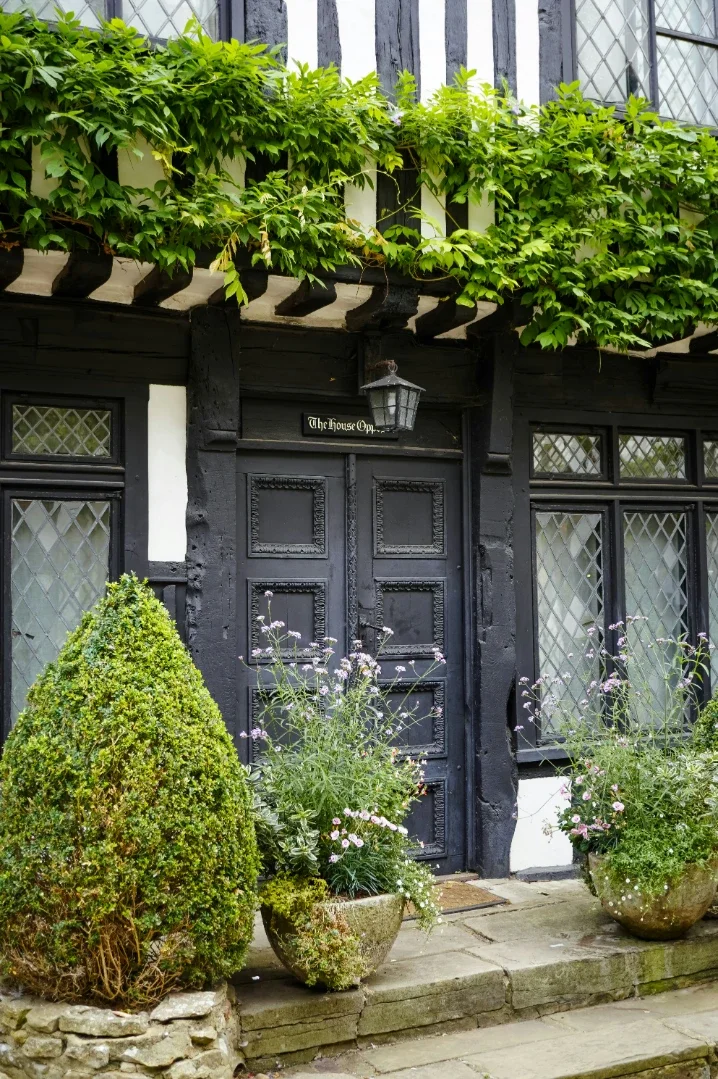
Classic window systems, especially those found in period homes, are admired for their proportions, detailing, and ability to blend seamlessly into both historic and contemporary interiors. Rather than being replaced, many of these features are now carefully restored and adapted to modern living standards.
Why Traditional Windows Are Making a Comeback
Homeowners and designers alike are increasingly drawn to architectural elements that feel authentic and enduring. Traditional windows offer more than visual charm — they reflect a thoughtful approach to construction that prioritizes balance, symmetry, and longevity.
Craftsmanship and Proportion
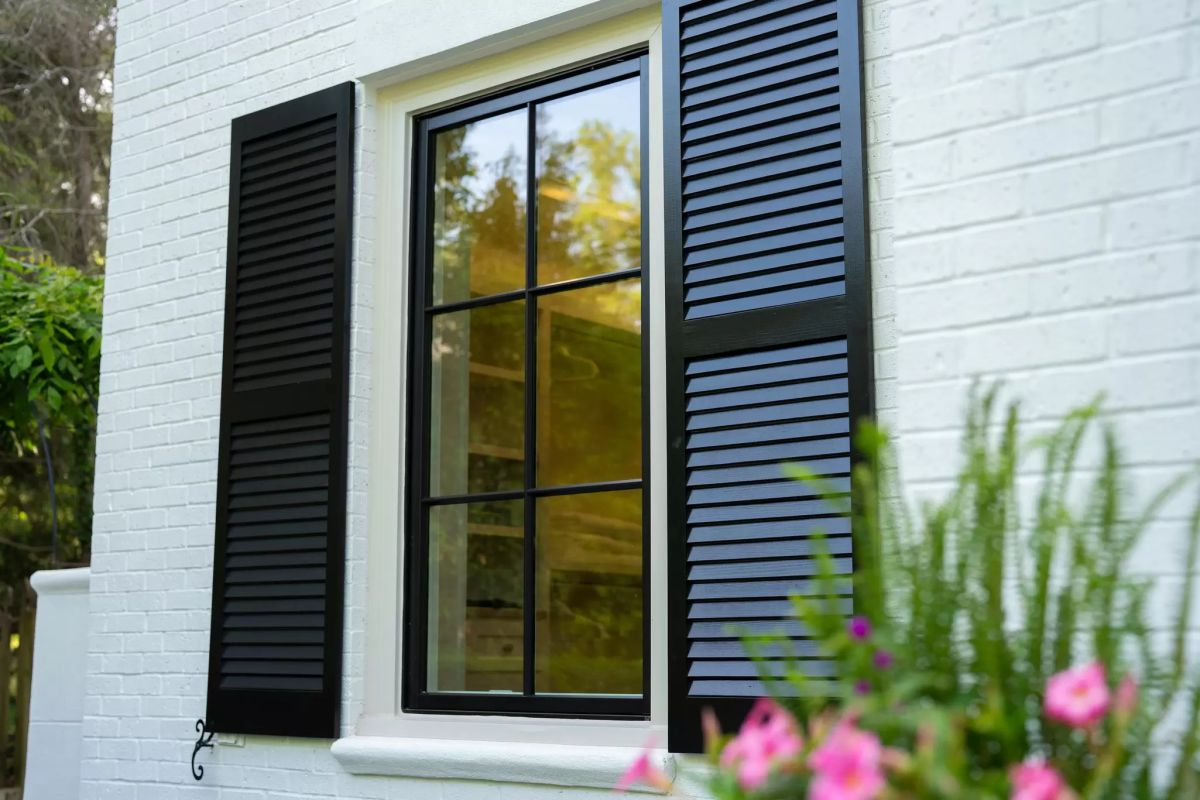
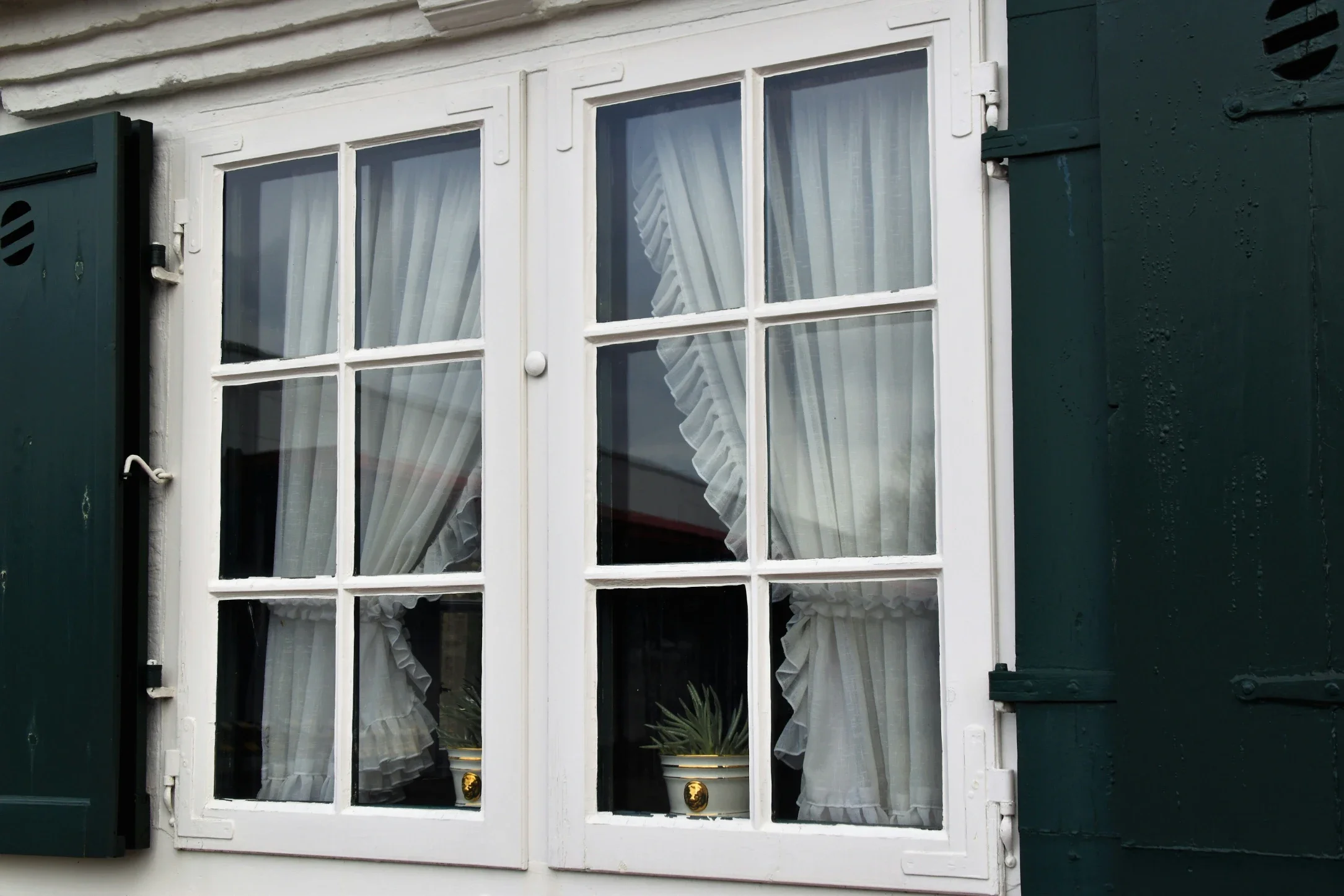
Older window designs were often handcrafted, with attention to detail that is difficult to replicate in mass production. The proportions of frames, glazing bars, and sashes were carefully calculated to complement the surrounding architecture, creating a harmonious visual rhythm.
Function Meets Design
Traditional window systems were engineered to be both practical and elegant. Many historic mechanisms relied on simple physics rather than complex hardware, allowing for smooth operation and long-term reliability — qualities that remain highly valued today.
Understanding the Mechanics Behind Classic Windows
Behind the refined appearance of heritage-style windows lies a clever mechanical system that balances weight and movement. These mechanisms made it possible to open large glazed panels smoothly while maintaining stability and ease of use.
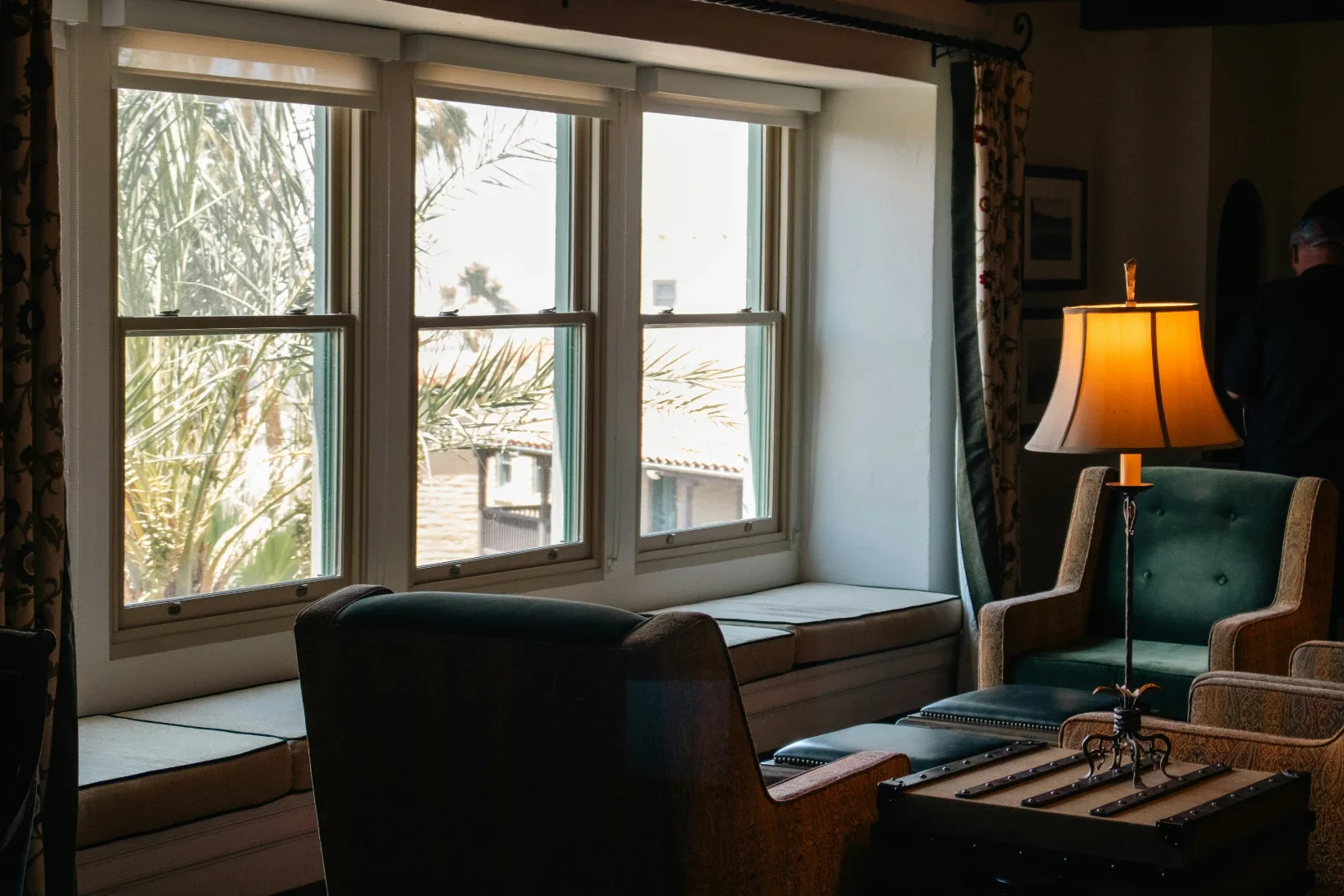
One of the most notable examples is the use of sash weights, which counterbalance the movable sections of traditional vertical sliding windows. This ingenious solution allows the window to remain open at any height without external supports, preserving both functionality and clean visual lines.
Integrating Traditional Windows Into Modern Interiors
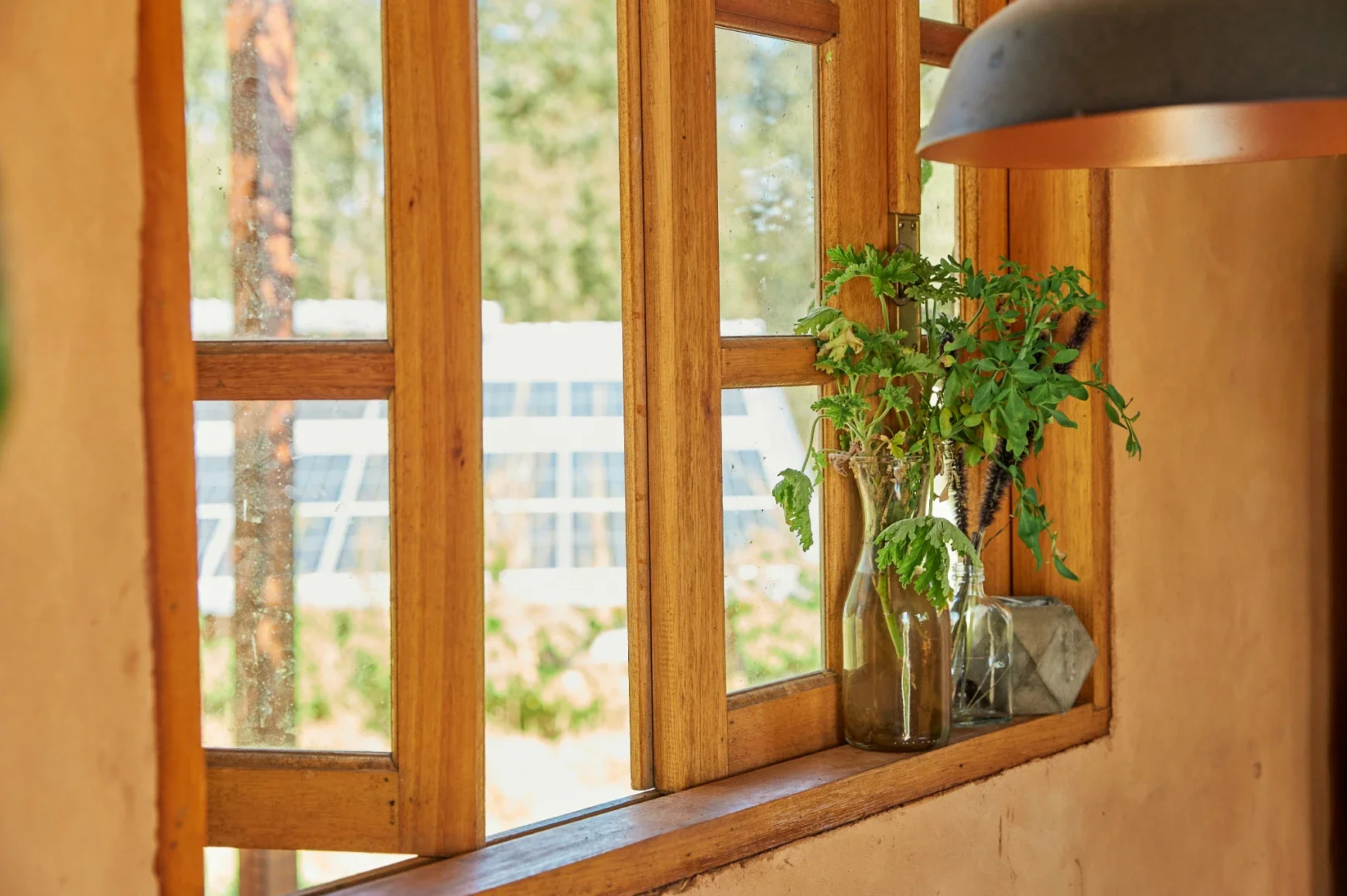
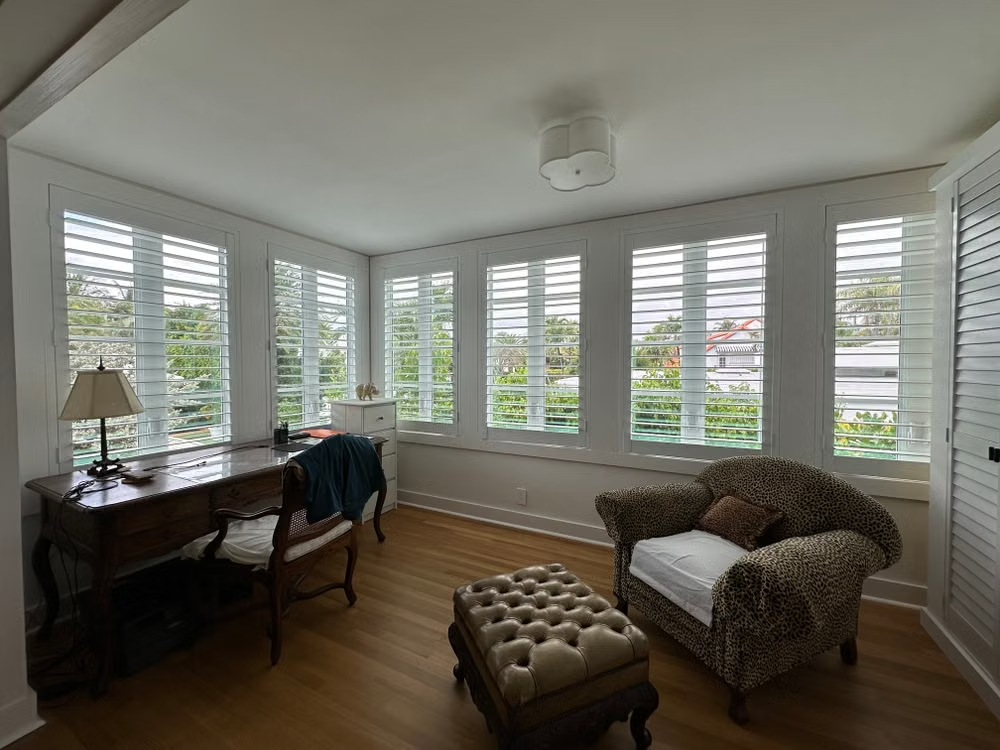
While classic windows are rooted in history, they can be beautifully integrated into contemporary spaces. Their clean geometry and natural materials pair well with modern interiors, adding warmth and architectural depth without overpowering minimalist design schemes.
Restoration as a Design Choice
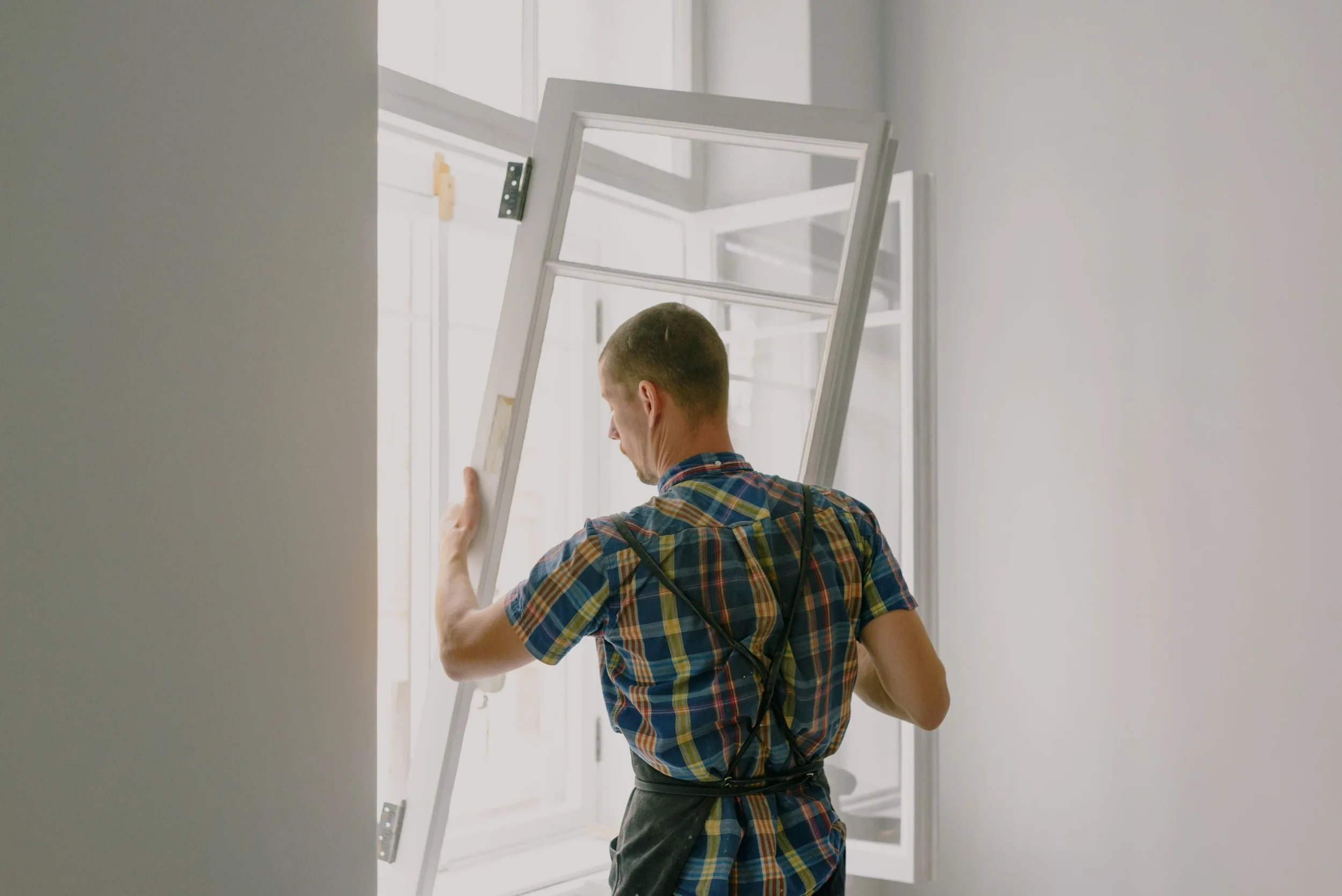
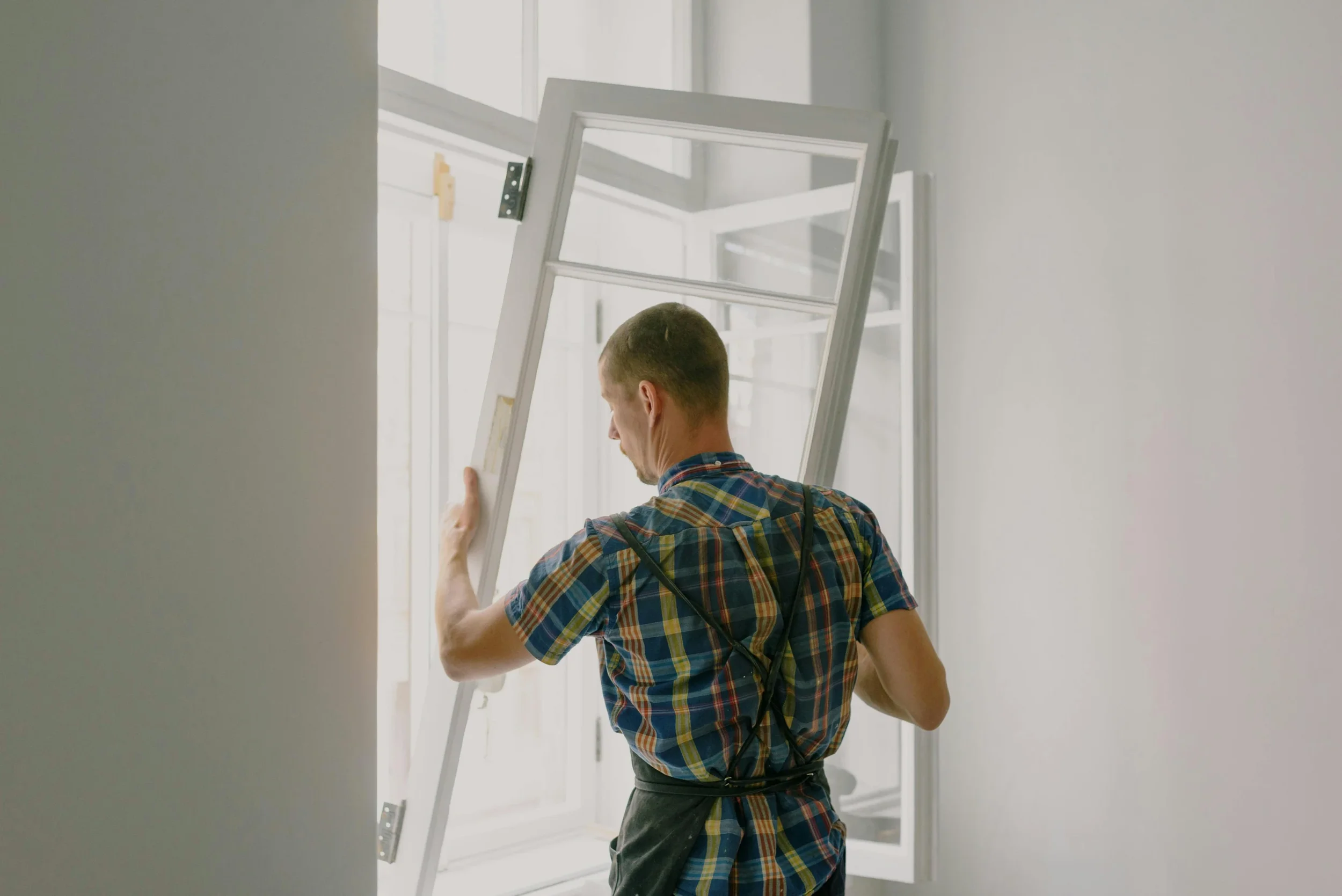
Rather than replacing original windows, many homeowners now choose restoration as a sustainable and design-forward option. Restored windows retain their original charm while benefiting from modern glazing, improved insulation, and discreet hardware upgrades.
Blending Old and New
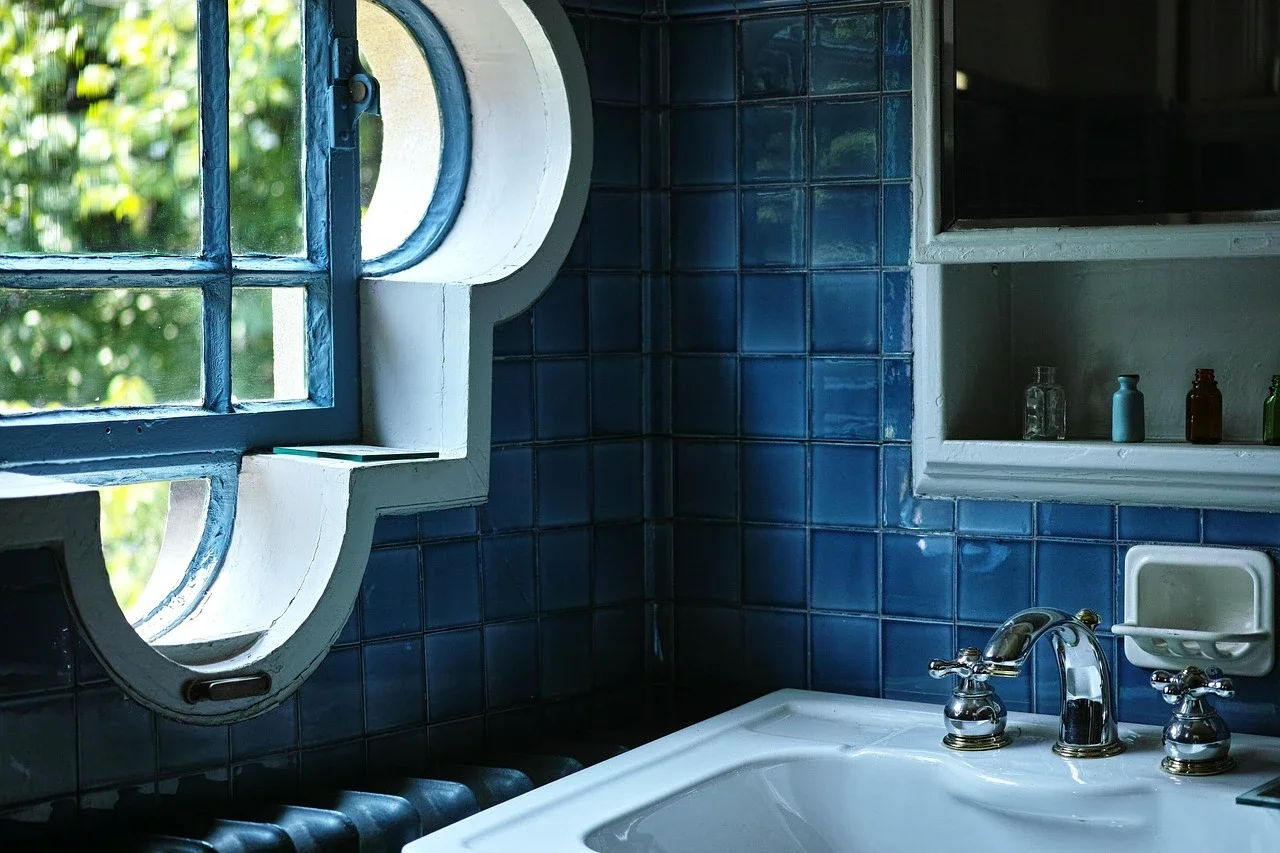
Traditional windows work particularly well in transitional interiors, where classic elements meet modern materials such as steel, concrete, and natural stone. This contrast creates layered, visually rich environments that feel both timeless and current.
The Role of Windows in Interior Atmosphere
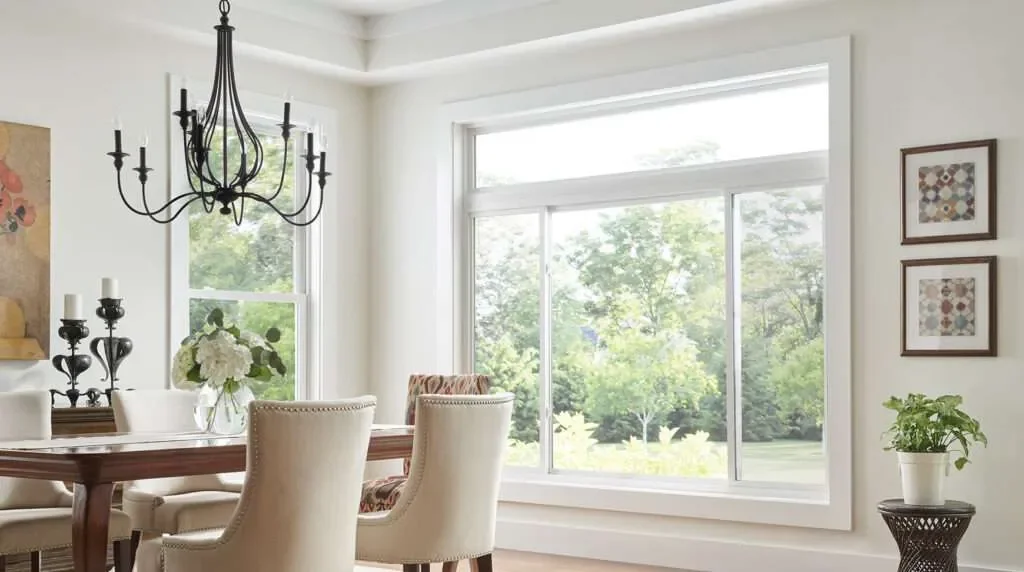
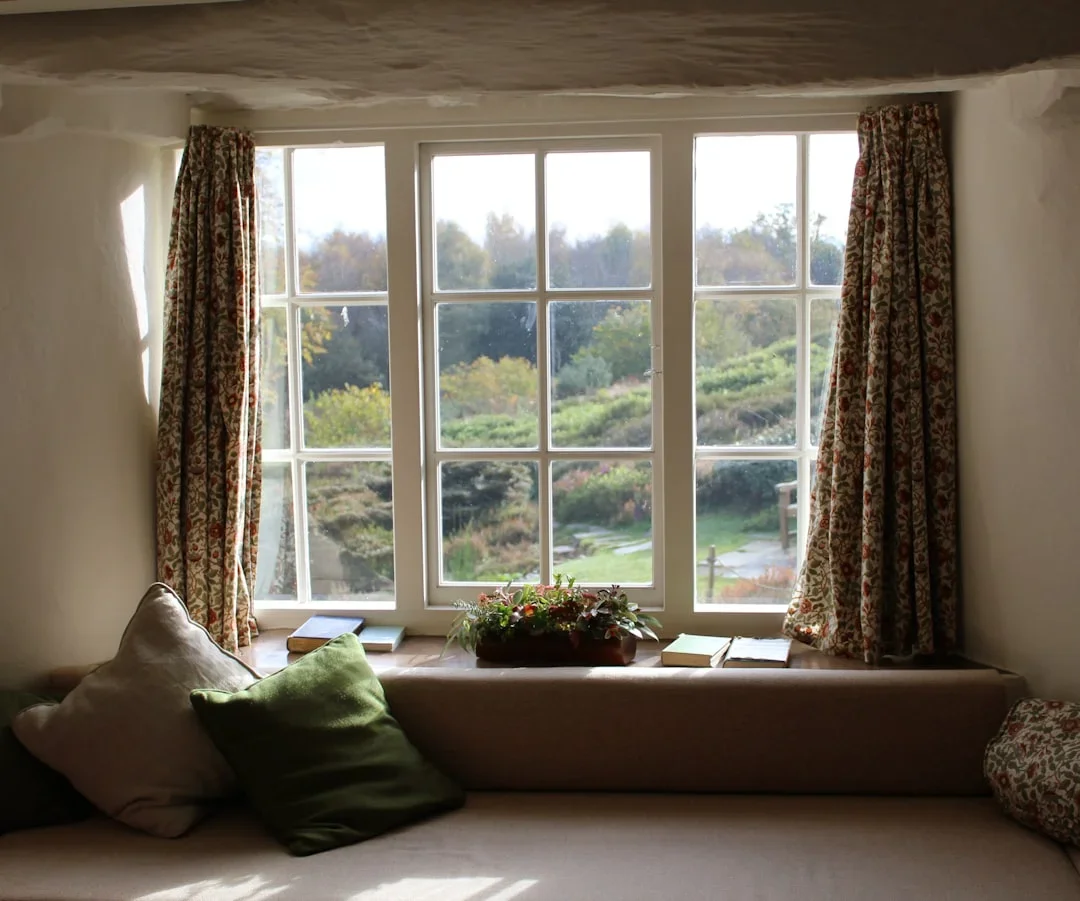
Light quality, ventilation, and connection to the outdoors all depend heavily on window design. Tall, vertically proportioned windows draw the eye upward, visually increasing ceiling height and enhancing the sense of space.
Properly functioning windows also improve comfort by supporting natural airflow and daylight control. These factors contribute to healthier living environments and reduce reliance on artificial lighting and mechanical ventilation.
Conclusion
Traditional window systems continue to influence modern design through their elegance, practicality, and enduring appeal. Whether restored in heritage properties or reinterpreted in contemporary homes, they offer a unique combination of craftsmanship and performance. By understanding the mechanics behind their design and embracing their architectural value, homeowners and designers alike can create interiors that feel both authentic and forward-looking.
Stay up to date with our latest ideas!