Learn how to design a home gym that fits your living space with practical layout ideas, smart equipment choices, and tips for every room size.

Working out at home sounds great—until you try to haul a treadmill through a narrow hallway or realize your weights have taken over your living room. So many people jump into buying gym gear without measuring first, and, honestly, it’s a recipe for wasted cash and clutter. But with a little planning, you can fit a home gym into almost any area—be it a spare bedroom, a garage, or just a small corner of your apartment.
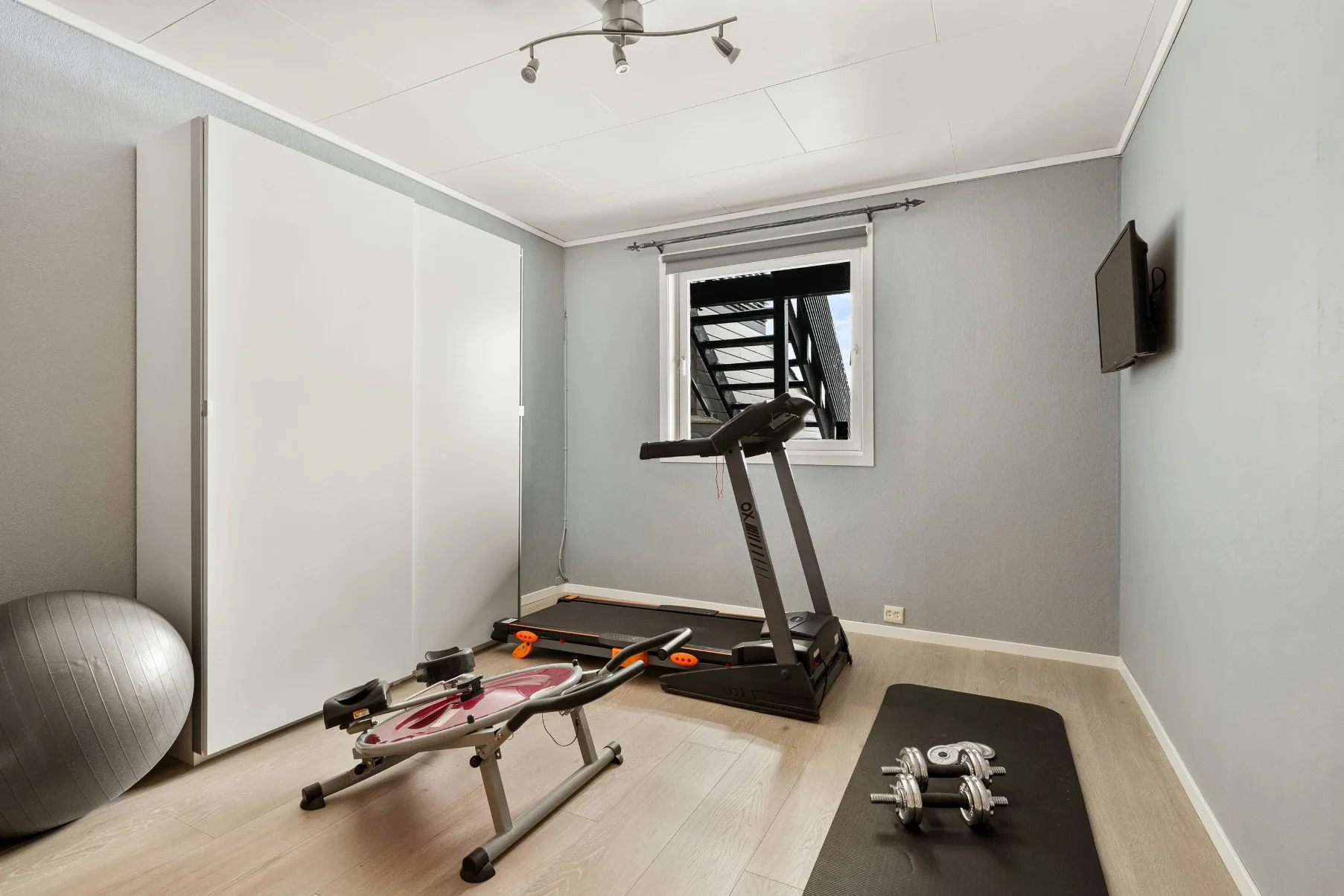
The real trick is matching your equipment and layout to your space, ceiling height, and what you actually want from your workouts—before you buy anything. You don’t need a massive area to make a solid gym. Small rooms can work surprisingly well if you think things through and pick smart equipment.
This guide digs into how to measure your space, pick gear that fits both your room and your wallet, and set up a layout that actually makes you want to work out. You’ll pick up some tips to dodge common mistakes and make the most of whatever space you’ve got.
Space Planning and Layout
Getting your home gym right starts with knowing your room’s size and figuring out a layout that supports how you want to move. If you plan well, you’ll have enough space to exercise safely—and not trip over a stray dumbbell.
Measuring Available Room
First things first: measure your room’s length, width, and ceiling height. Seriously, jot those down before you even look at equipment. Most power racks need at least 8 feet of ceiling clearance, and pull-up bars can need even more.
Don’t forget to measure your doorways—some equipment just won’t fit unless you take it apart. Standard doors are about 32 inches wide, but a lot of squat racks and cardio machines are bulkier than you’d think.
Sketch your space or use a planning app, and mark any obstacles: windows, outlets, vents, built-ins—anything you can’t move. Leave at least 2-3 feet of clearance around each piece of equipment so you don’t feel boxed in (and so you can actually use your gear safely).
Zoning for Different Activities
Try breaking up your gym into zones that match how you train. Maybe a strength zone for weights, a cardio spot for your treadmill or bike, and a floor area for stretching or bodyweight stuff.
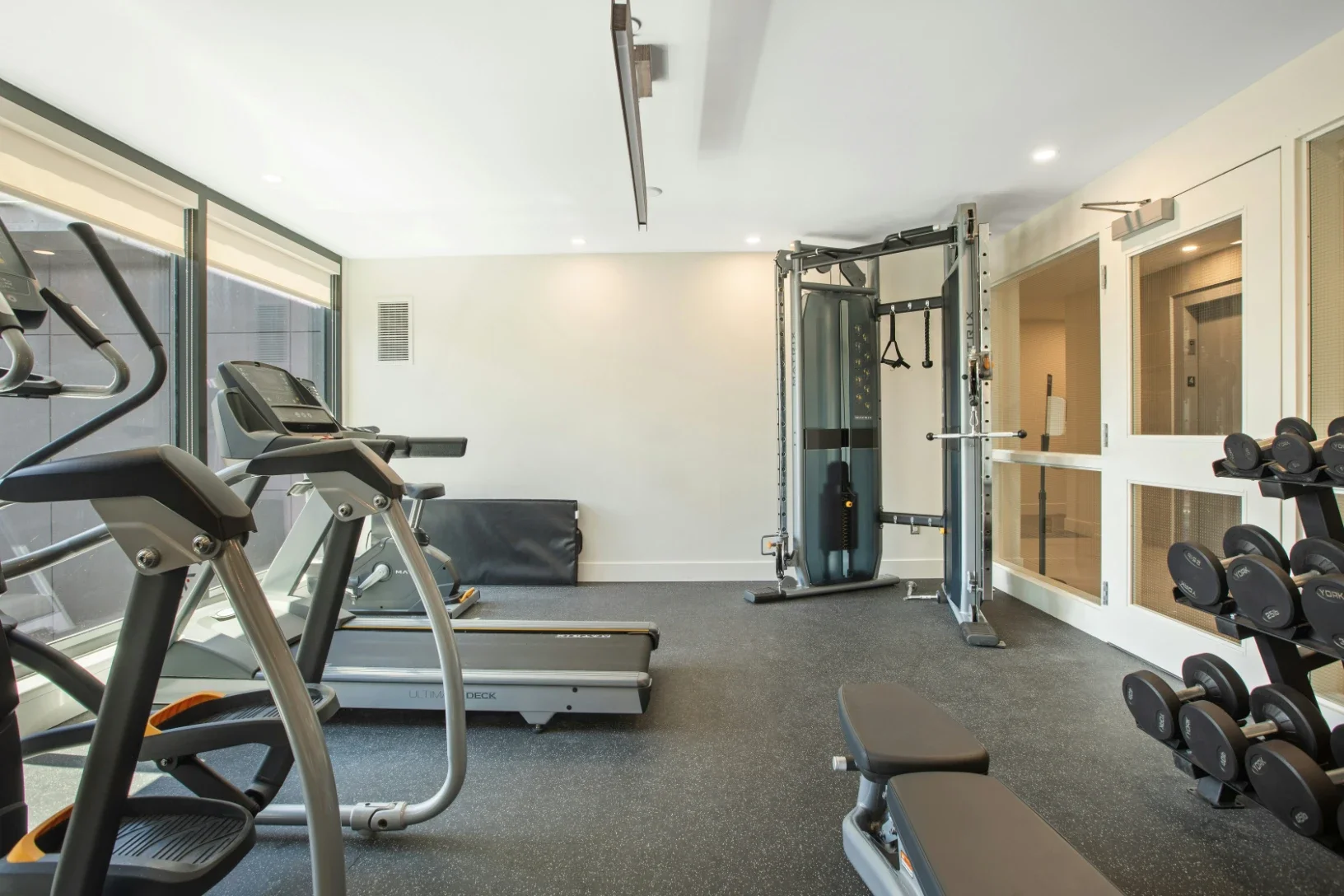
Heavier equipment (like squat racks) is usually best against a wall for stability. Stash your free weights in one spot with proper storage to avoid tripping. Cardio gear works well near a window or TV—let’s be real, you’ll probably want some entertainment for those longer sessions.
The floor zone needs a good chunk of open space. Around a 6x8 foot area should be enough for yoga, stretching, and core moves without bumping into anything.
Ensuring Safe Movement
Keep walkways at least 3 feet wide between equipment. You want to move around easily, especially when you’re mid-workout and not thinking about what’s underfoot.
Check that moving parts—like treadmill belts or rowing machine slides—have enough space. Add about 2 feet behind treadmills and rowers so you can use them fully.
Mirrors are great for checking your form, but place them where they won’t make the room feel tight or create weird blind spots. Usually, mounting them on the wall where you do most exercises works best.
Choosing Essential Equipment
The right gear makes your gym useful without making it feel like a storage closet. Focus on stuff that does more than one job and actually fits your space.
Selecting Space-Saving Gear
Compact equipment is your friend, especially if you’re working with a small room. Adjustable dumbbells, for example, can replace a whole rack—they let you change weights with a quick twist or pin and take up about as much space as a shoebox. Pretty handy.
Resistance bands are a no-brainer for tight spaces. Toss them in a drawer and use them for all sorts of exercises. They’re great for strength work, stretching, and mobility drills.
Wall-mounted pull-up bars keep your floor clear and give you a solid upper body workout. Folding benches can be stashed away when you’re done. And don’t underestimate a good yoga mat—it rolls up small but gives you a clean, comfy spot for bodyweight moves and stretching.
Prioritizing Multi-Use Machines
Machines that let you do several exercises are a game changer for small spaces. A power rack with a pull-up bar lets you squat, bench, and pull-up—all in one spot. Add a barbell and some plates and you’re set for most compound lifts.
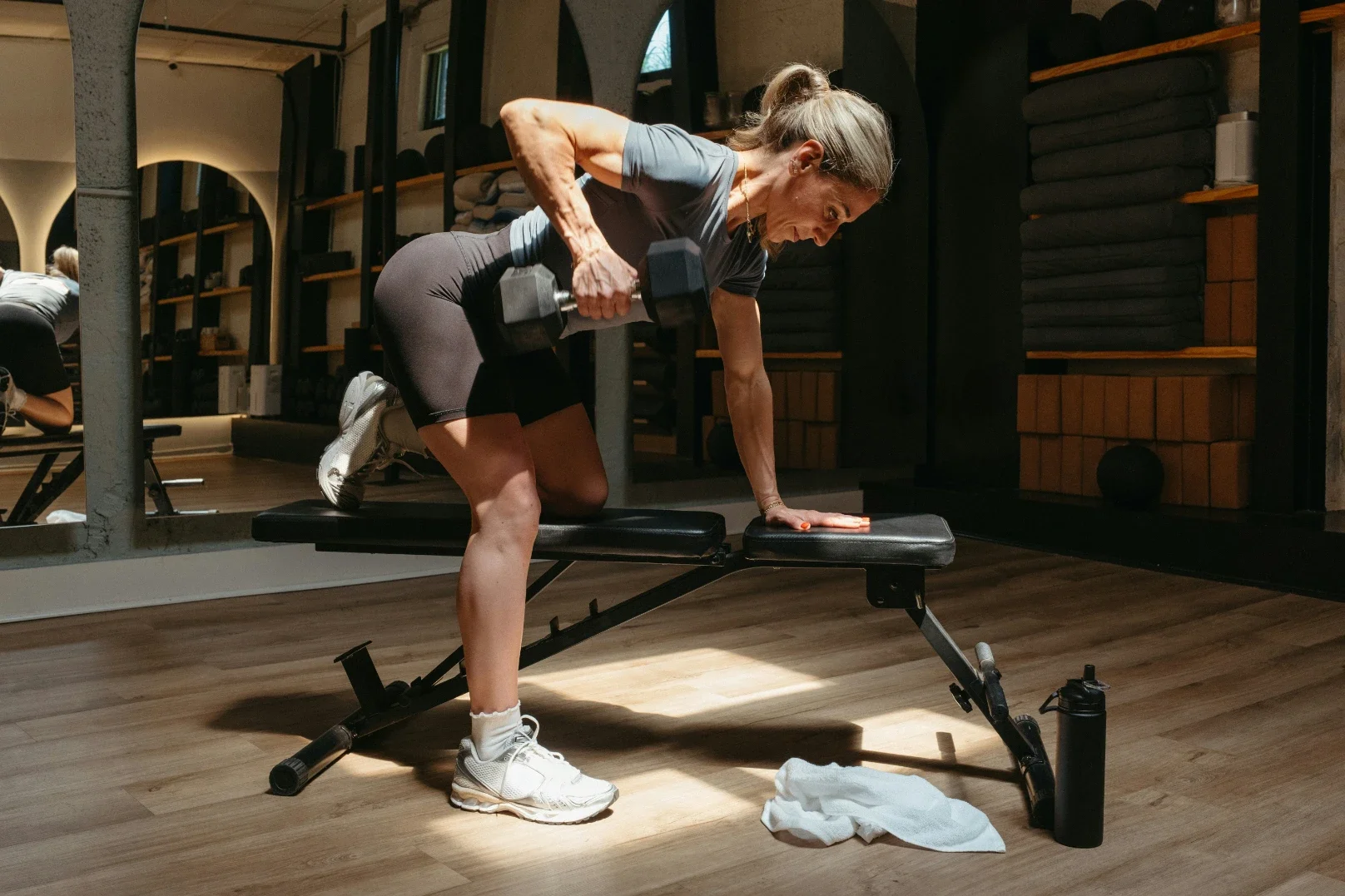
Kettlebells are super versatile too—swings, squats, presses, rows, Turkish get-ups… just a couple can cover a lot of ground. An adjustable bench gives you options for incline, decline, step-ups, and seated moves.
Cable machines with adjustable pulleys pack a ton of variety into a small footprint. Think chest flyes, tricep pushdowns, curls, lat pulldowns, face pulls—you name it. If you can find one that attaches to your rack, even better for saving space.
Incorporating Storage Solutions
Good storage is what keeps your gym from turning into chaos. Wall-mounted plate holders get heavy weights off the floor and right where you need them.
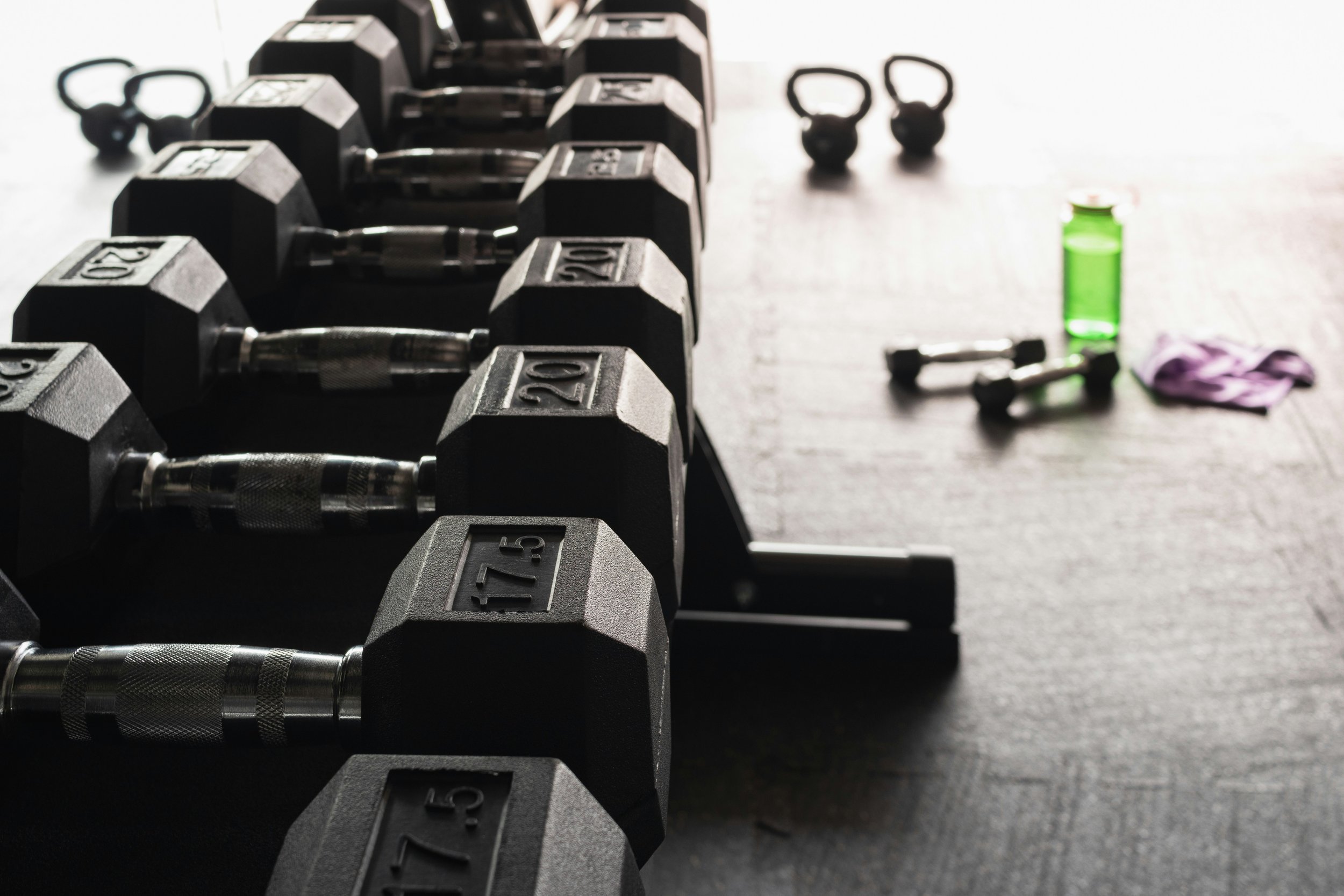
Vertical dumbbell racks use less floor space and keep things tidy. For bands, kettlebells, and smaller stuff, shelves or bins along a wall do the trick.
Look for equipment that comes with built-in storage—some benches have space underneath for bands, and some squat racks include plate pegs so you don’t need a separate tree. Little touches like that make a difference.
Creating a Motivating Environment
Lighting, visuals, and sound matter more than you might think—they can really affect how often you use your gym and how hard you push yourself.
Lighting Considerations
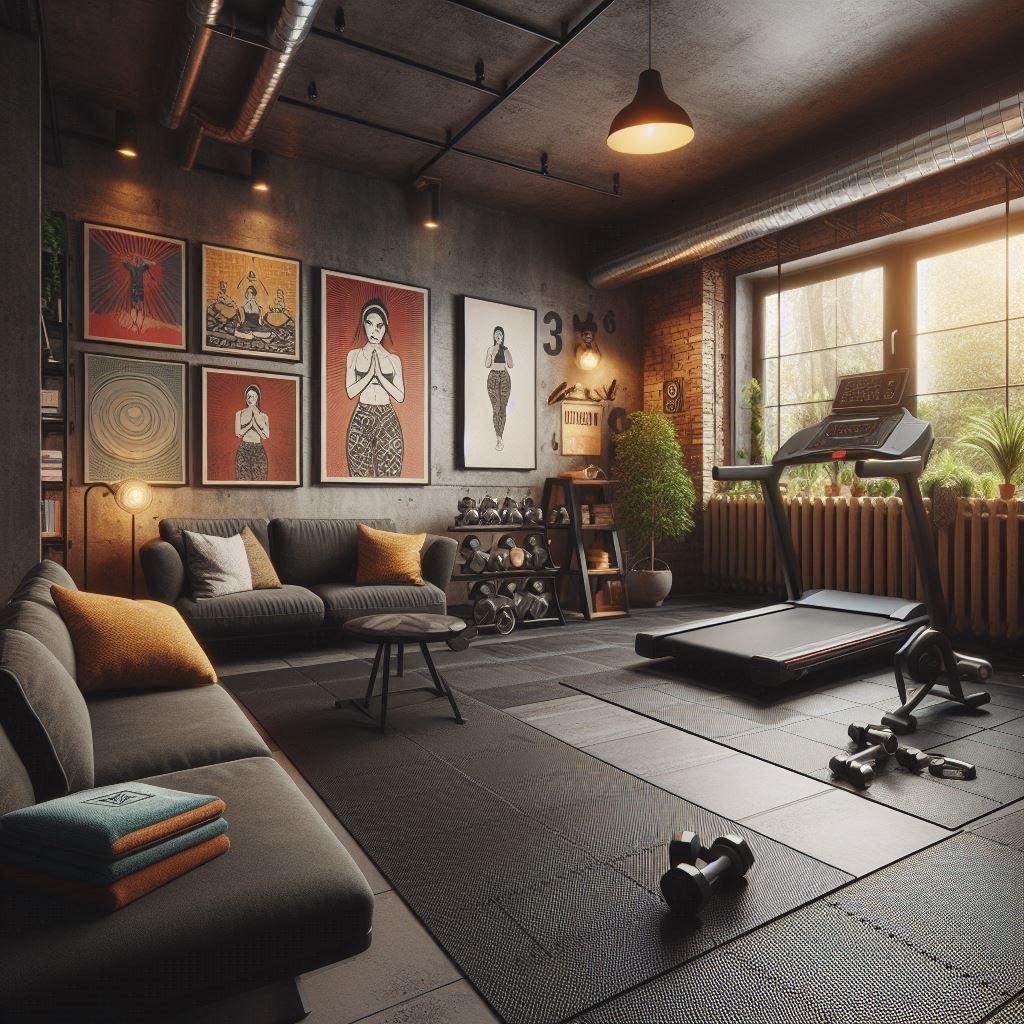
If you’ve got windows, use them! Natural light just feels better and helps your mood. Set up your gear near windows if you can.
No windows? No problem. Go for bright LED lights (4000-5000K is a good range). A dimmer switch is nice if you want to change the vibe for different workouts.
Task lighting is helpful—maybe a bright light above your weight rack or mat where you need to see your form. Avoid harsh shadows by mixing up your light angles instead of relying on just one overhead lamp.
For early or late workouts, a small lamp or strip lighting can help. Having separate gym lights, not just your regular room lights, can make the space feel more like a dedicated workout zone.
Inspiring Décor Ideas
Paint your walls in colors that fire you up. Bold reds, oranges, or blues can be energizing, but if you’re into yoga or meditation, calmer tones like gray or green might feel better.
Put up motivational quotes or progress charts where you can see them. Keep it personal—whatever gets you moving. A big mirror helps with form and makes the room feel bigger.
Show off your fitness milestones. Race medals, before-and-after pics, a whiteboard for PRs—whatever reminds you why you’re working out, keep it visible.
Plants are a nice touch, too. They clean the air and make the place feel fresh. Snake plants or pothos are easy to keep alive, even if you’re not a plant person.
Sound and Entertainment Options
Music can make or break a workout. A Bluetooth speaker or soundbar with solid battery life and decent volume makes a big difference—just make sure it can handle a little sweat.
If you like to follow along with videos or just want background noise, mount a TV or tablet at eye level. Keep screens about 6-8 feet away from your main exercise area so you’re not craning your neck.
Build playlists that match your workout’s energy—120-140 bpm is great for cardio, slower beats for strength sets. It’s amazing what the right song can do for motivation.
If you share walls with neighbors or family, think about noise. Rubber flooring and foam panels help dull the sound without any major construction.
Practical Tips for Maintenance and Organization
Keeping your gym clean and organized isn’t just about looks—it actually makes you want to use it more, and your equipment will last longer, too. A few simple habits go a long way.
Cleaning Routines
Wipe down your gear after every workout. A little water and mild soap or some disinfectant wipes on pads, handles, and mats keeps things fresh.
Vacuum or sweep the floor at least once a week—dust and dirt can wreck your mats and get dragged through the house.
Once a month, move stuff around and clean underneath. Check for rust on metal and treat it if you spot any. Wash fabric items like resistance bands, straps, and towels as recommended.
Arranging Equipment Efficiently
Keep your go-to items where you can grab them fast. Store dumbbells at arm height and bands in a nearby bin.
Group similar things together—stretching gear in one spot, strength stuff in another. Makes finding what you need a lot easier.
Mount storage on the wall to free up floor space. Pegboards are great for jump ropes and bands. Try vertical racks for kettlebells and medicine balls if you’re tight on space.
Staying Clutter-Free
Put equipment back right after you use it—don’t just leave stuff lying around. This quick habit keeps your gym from turning into a chaotic mess.
Every so often, take a look at your gear and ditch anything broken or collecting dust. If something doesn’t fit your workout anymore, why not donate it? You’ll be surprised how much space you can reclaim.
Labeled bins or baskets work wonders for all those little things—workout gloves, headbands, phone holders, you name it. Clear containers help too, since you can just glance and know what’s inside. And maybe keep a small basket by the door for random items that sneak in, so you can put them back where they belong later.
Stay up to date with our latest ideas!