Space Optimization: Smart Furniture Solutions for Stylish Living
Discover smart furniture solutions for space optimization that support stylish living through multifunctional designs, storage efficiency, and flexible layouts.
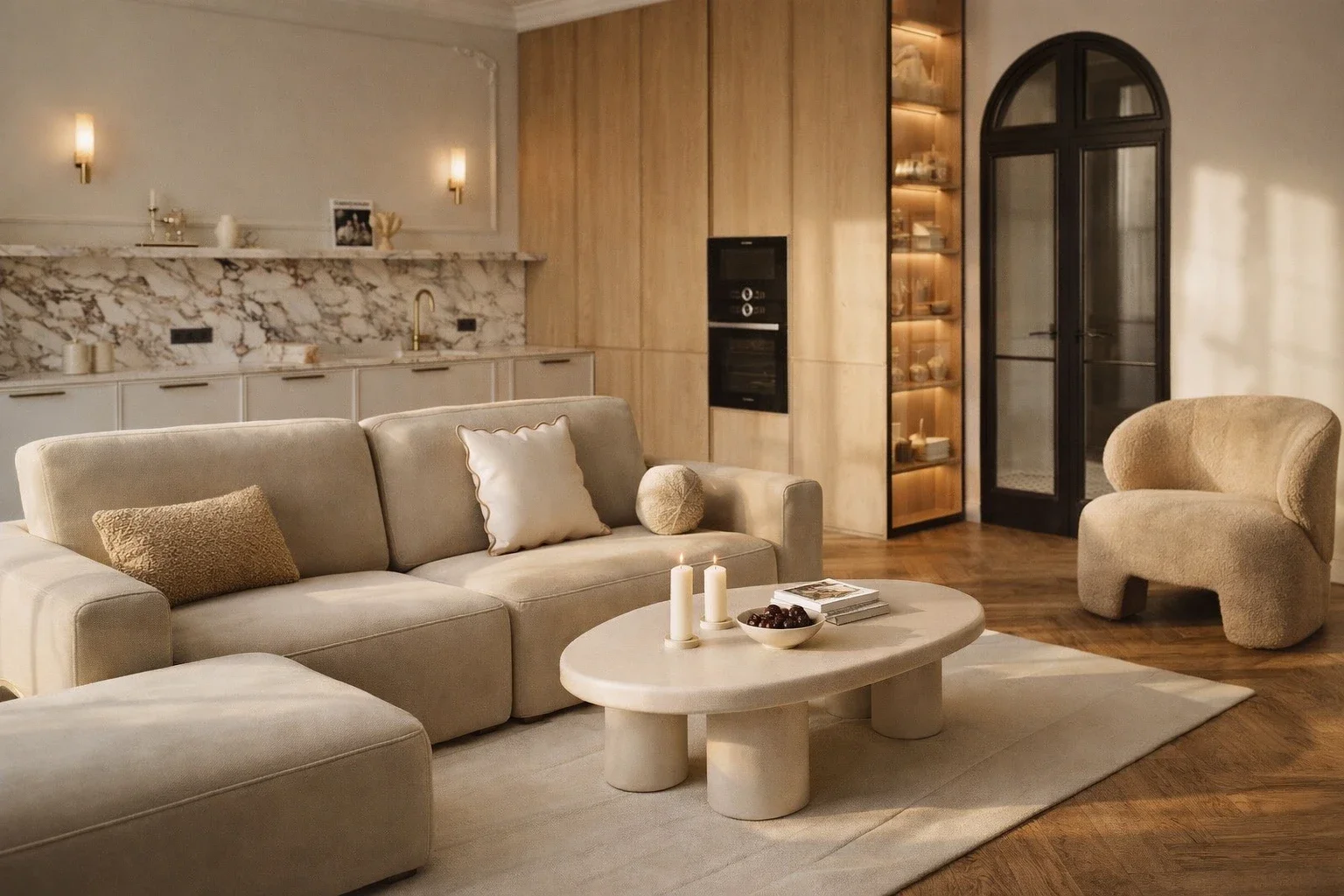
Regardless of how big your house is, the intentional use of space is the foundation of elegant, functional interior design. In either a small or a big apartment, it's the selection and placement of furniture that ultimately make it comfortable and visually appealing.
With smart furniture choices and considered design strategies, it's possible to maximize every square foot without compromising style. By focusing on pieces that balance form and function, you can create interiors that feel cohesive, inviting, and thoughtfully designed.
Place Furniture with Intention
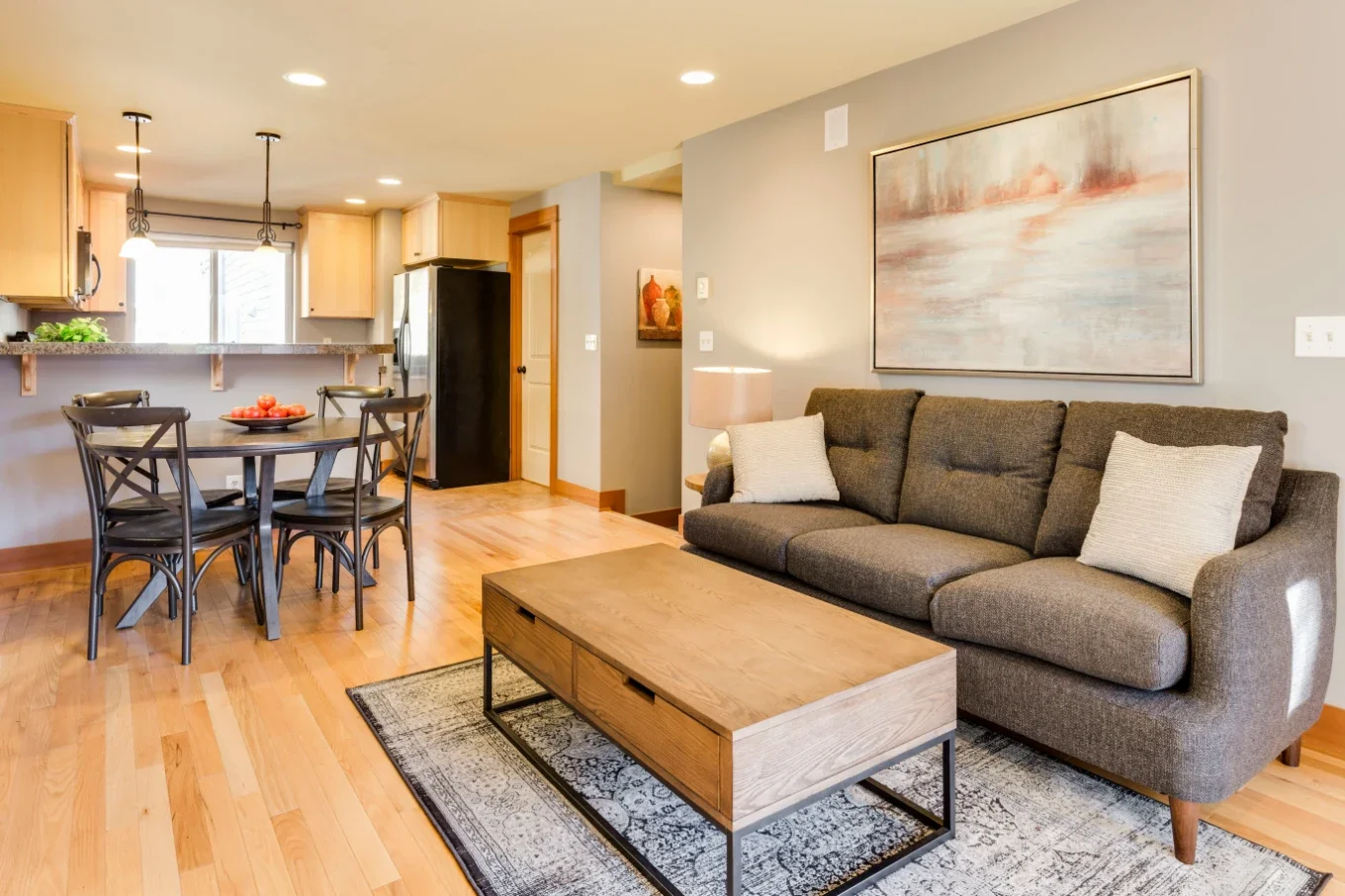
Good space optimization starts with understanding how you move through a room. Much like professional interior designers plan layouts with purpose, your furniture should support real daily use and encourage smooth traffic flow throughout the space. Clear pathways help a room feel open rather than crowded, and defining areas by function — such as a reading corner or dining space — makes even open floor plans feel organized and purposeful.
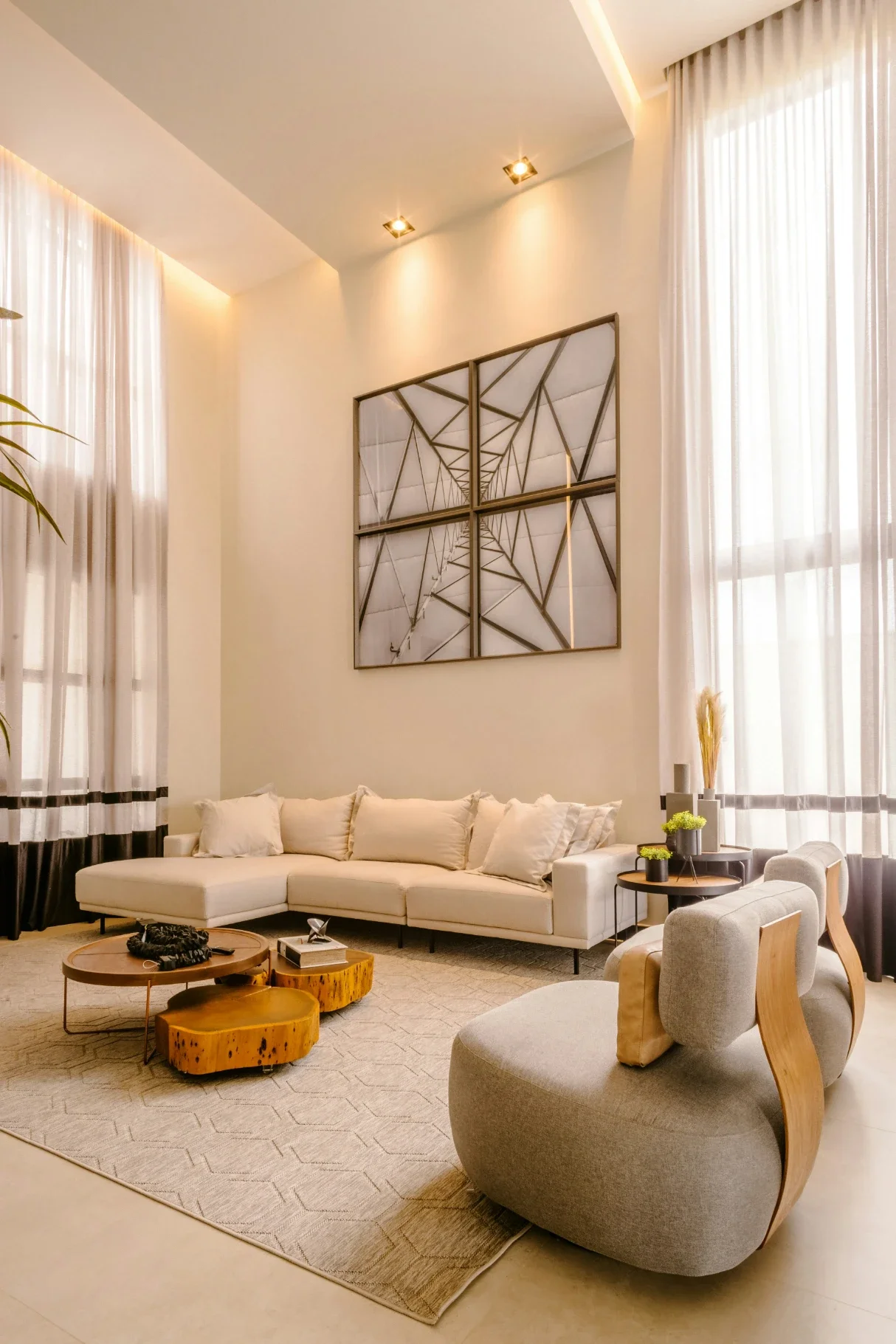
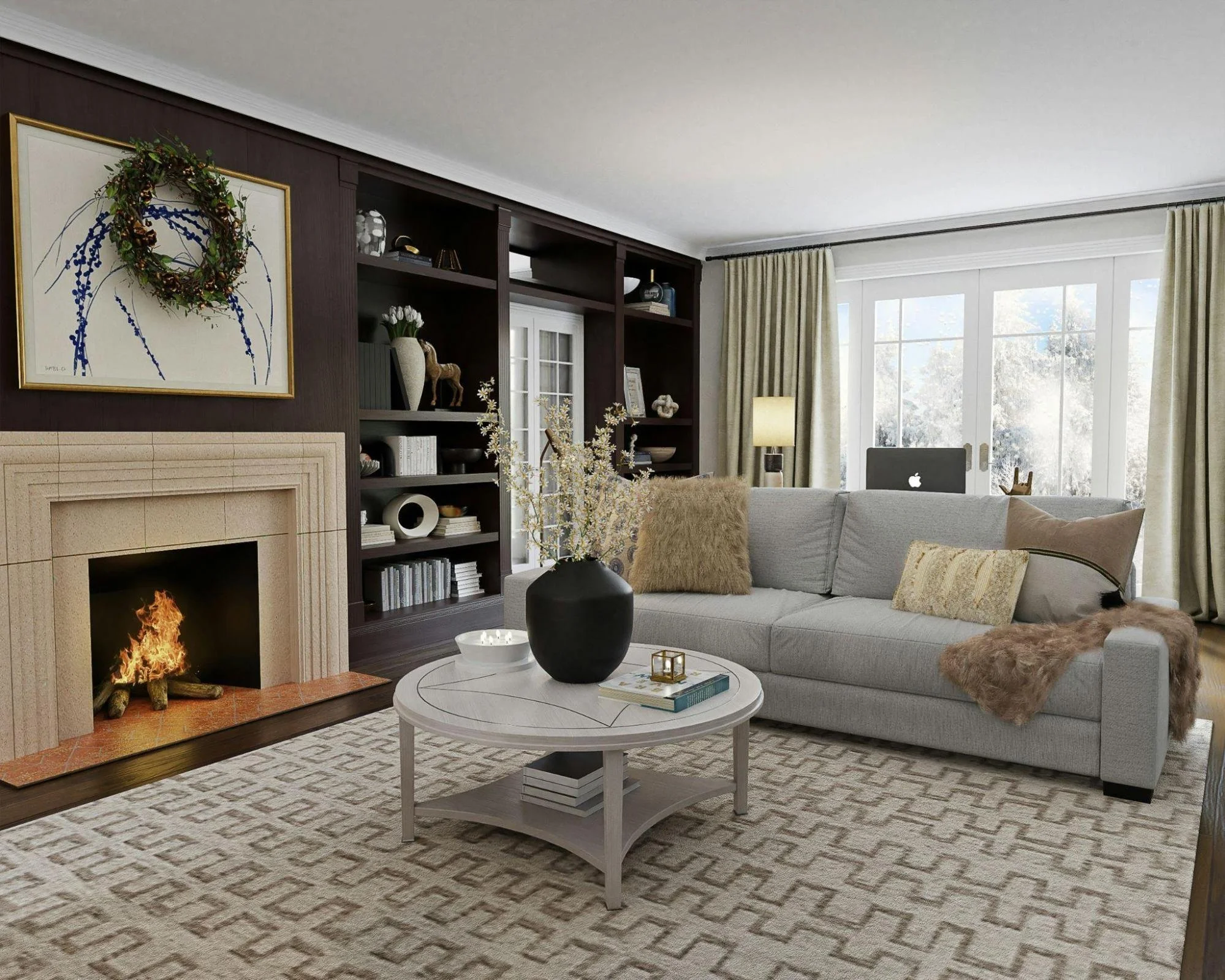
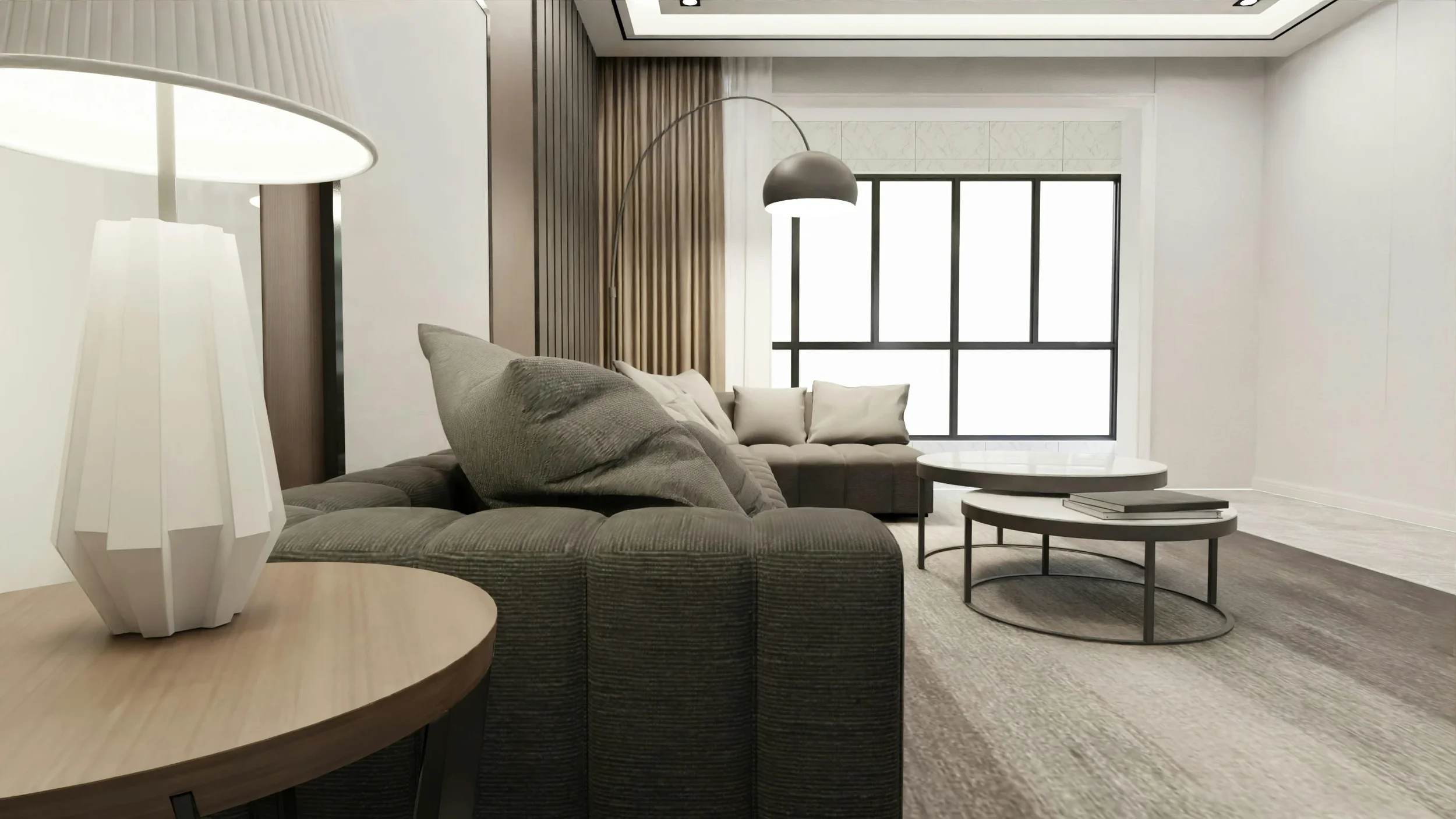
Placing key luxury furniture pieces thoughtfully can create natural zones. For example, orienting a sofa to face a focal point, such as a window or fireplace, anchors the room while ensuring there's enough clearance for movement around it.
Choose Pieces That Support Function and Form
When optimizing space, furniture should not only fill the room; instead, it should enable and enhance its use. When using furniture that balances functionality and aesthetics, you can be sure of creating thoughtful, elegant spaces. Well-constructed furniture keeps an area light and airy, preventing it from becoming too heavy or cluttered.
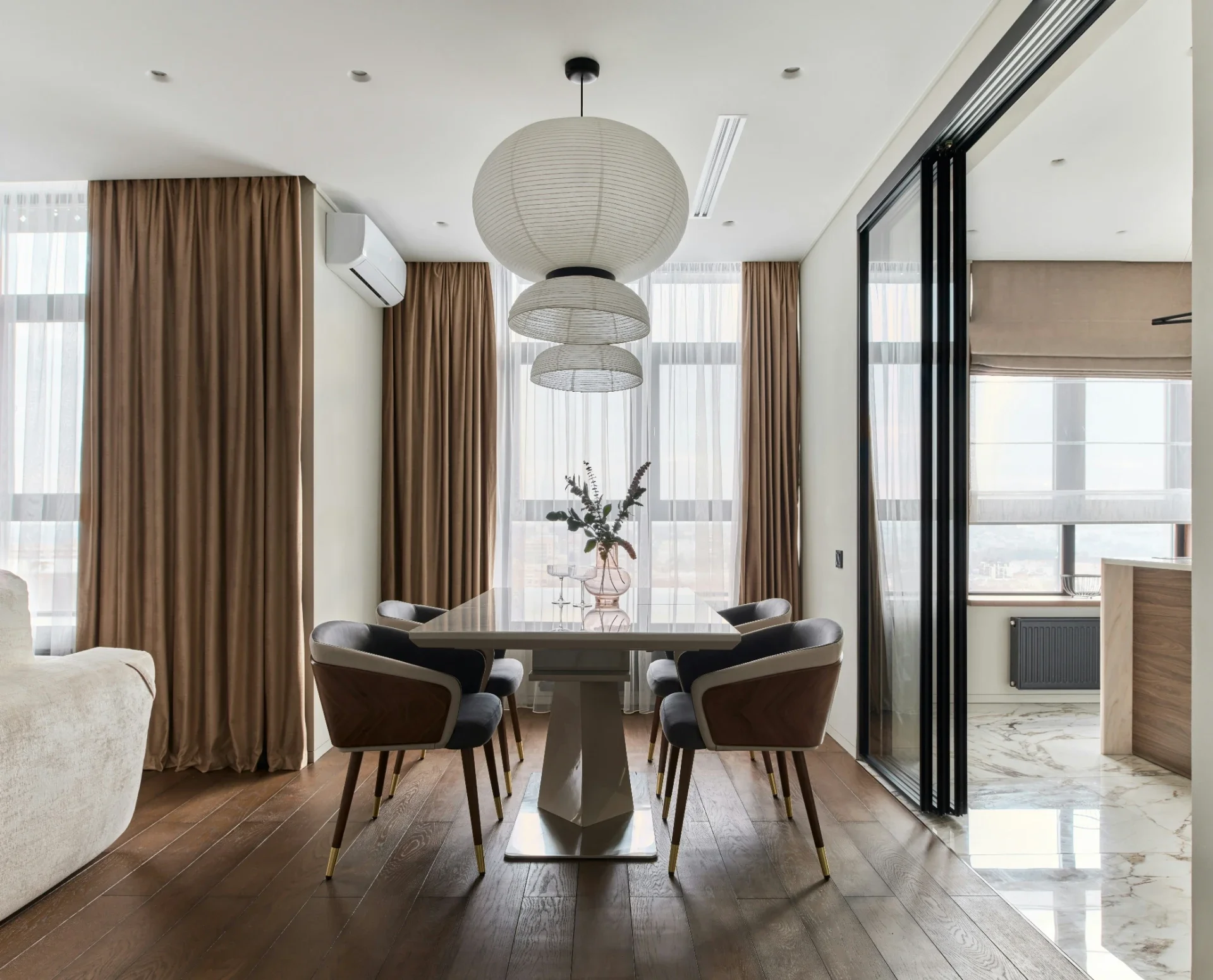
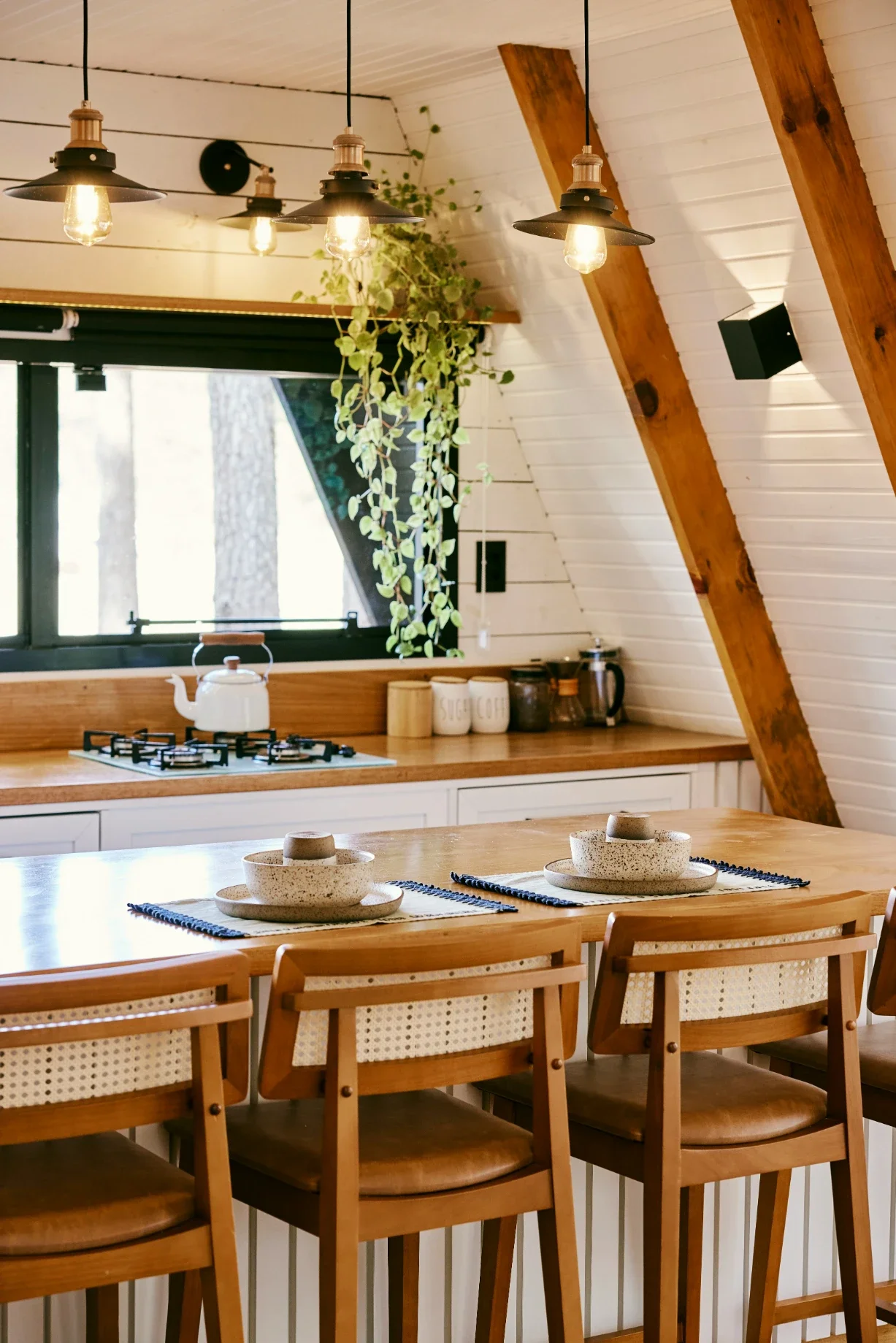
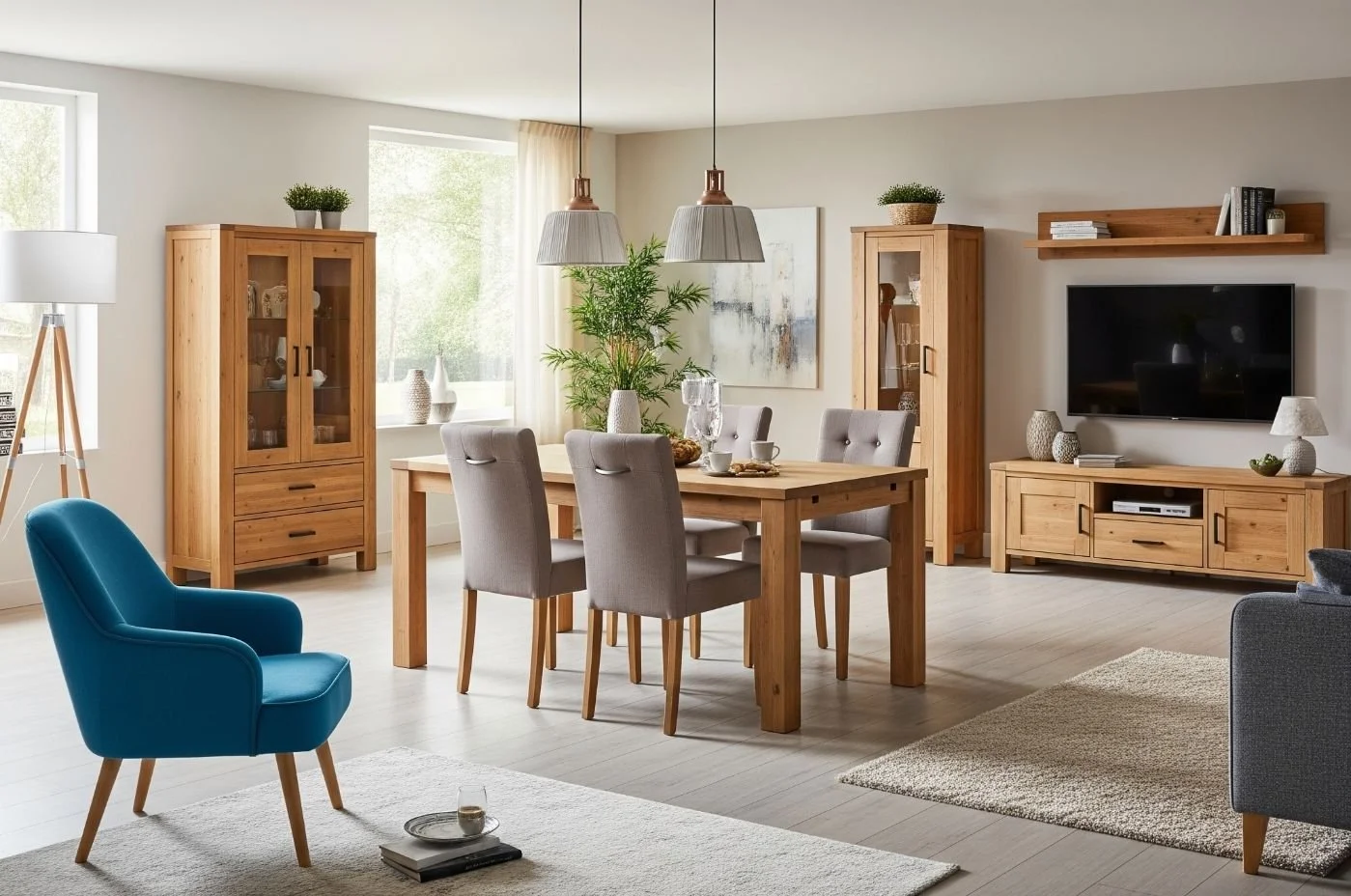
Search for pieces with a level of subtle flexibility. Consider an extendible table or components with modularity in mind. Elements such as raised legs or an open base also help to give the furniture a lighter look, making the eye traverse the room rather than focusing solely on the object. As elements of function and aesthetics combine seamlessly, the pieces become a part of the design rather than an obstacle to an otherwise beautiful view.
Layer Design With Smart Storage Solutions
Effective storage helps to create an overall sensation of order and openness. Tastefully incorporated into a design, storage options can add much rather than detract from the aesthetic appeal. Furniture with built-in or hidden storage keeps daily items accessible while reducing visual clutter.
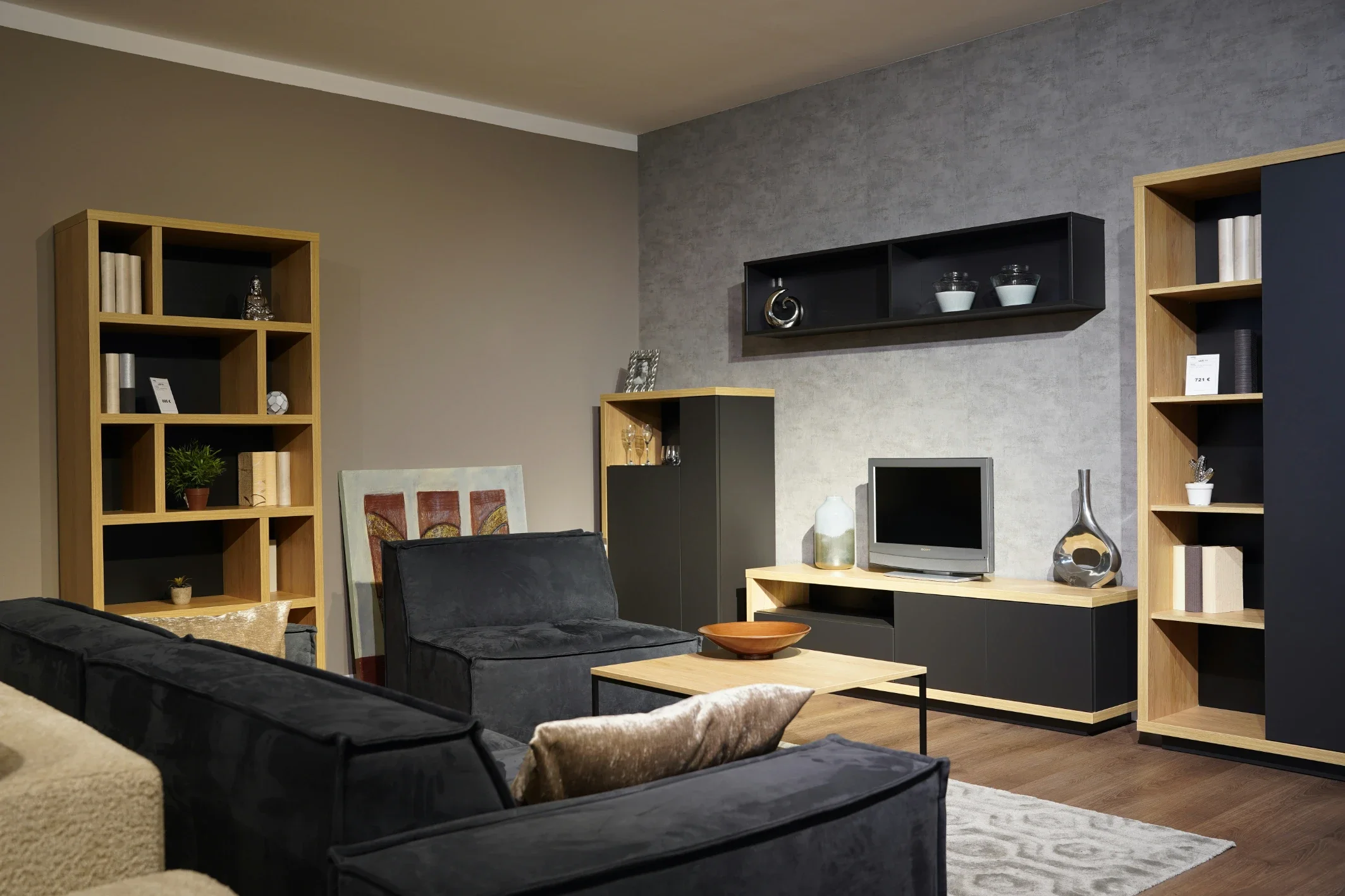
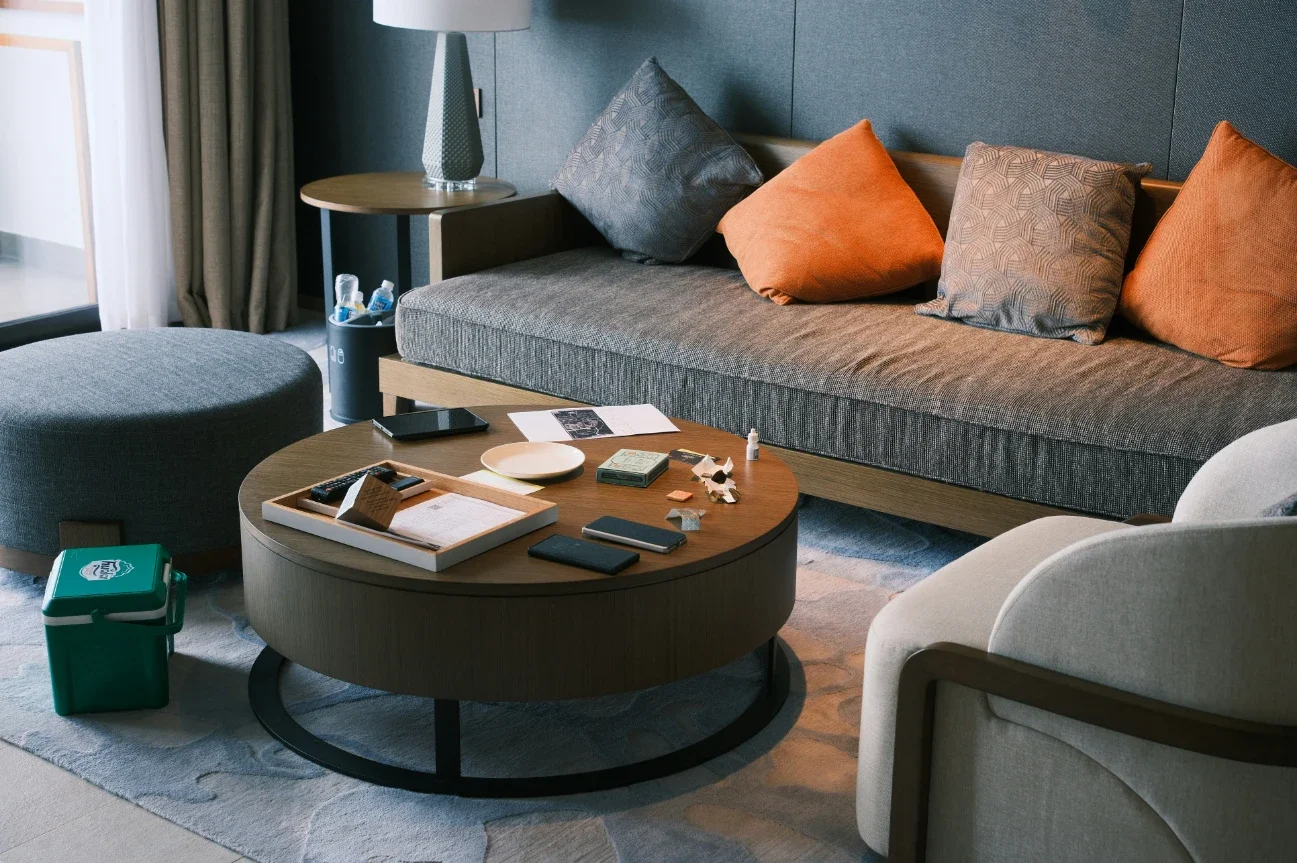
Think about pieces such as premium coffee tables with hidden compartments, seating pieces with storage, or shelving units that combine open and closed storage. A room designed with intelligent storage solutions will look peaceful and thoughtfully arranged.
Use Light and Reflective Materials
Material selection has a powerful influence on how spacious a room feels. Light-toned finishes naturally reflect more light, helping interiors appear brighter and more open. Incorporating materials such as glass, polished metal, and glossy or satin surfaces can subtly enhance this effect by extending light throughout the space.
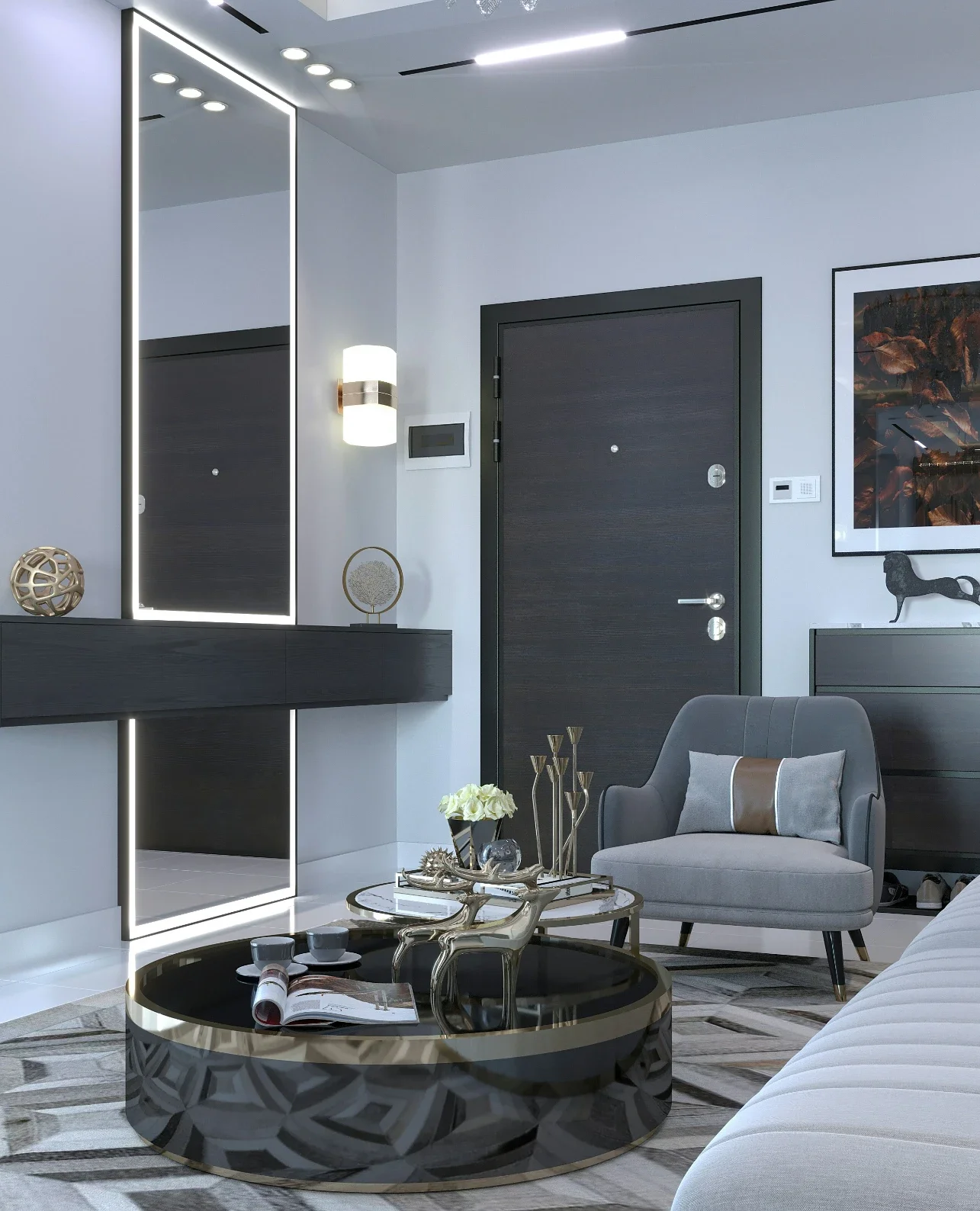
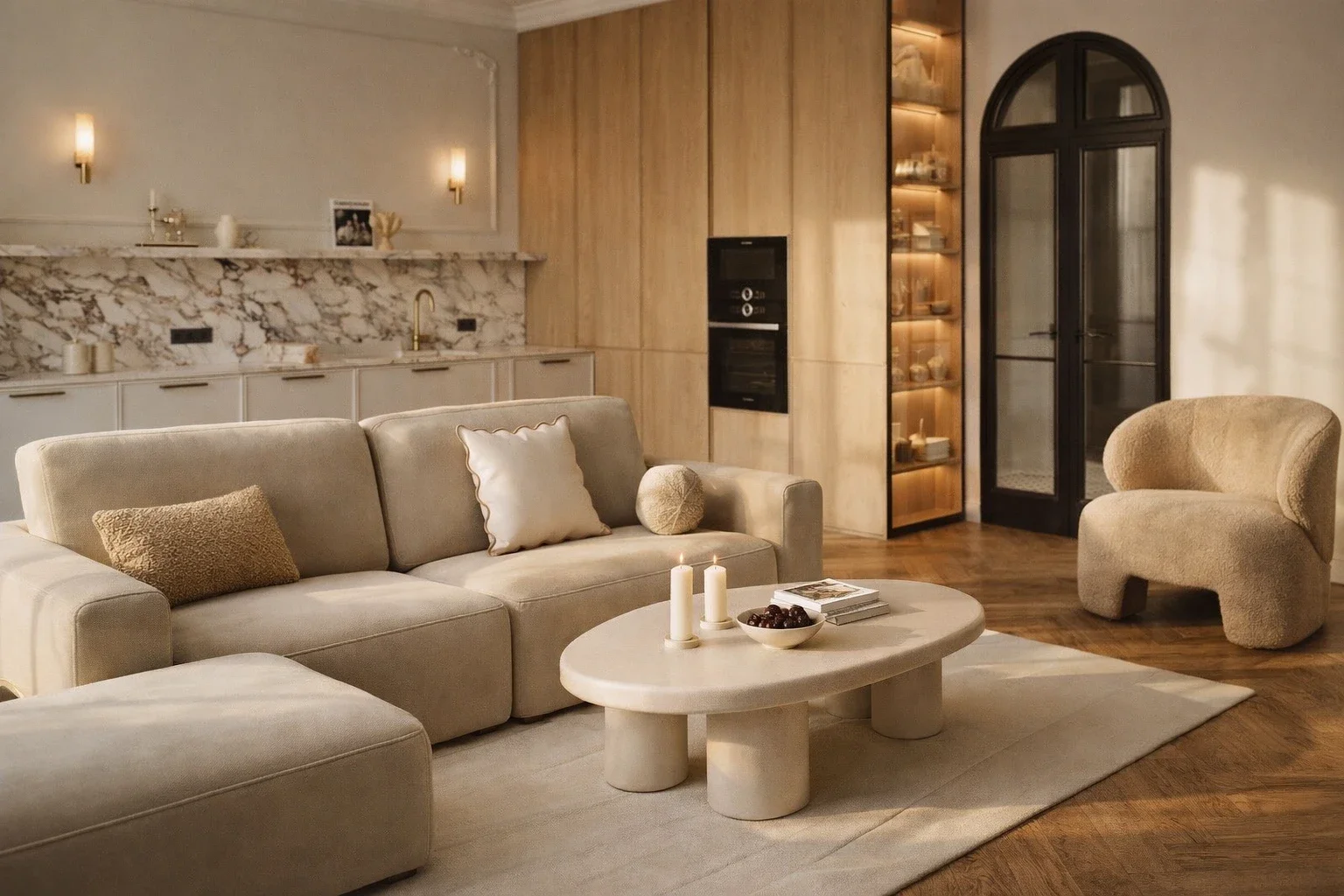
Furniture upholstered in soft neutrals, paired with reflective accents like mirrored décor or glass-topped tables, can visually add depth to the room. These materials make the space appear larger while enhancing its clean, modern aesthetic. When applied with thoughtfulness, light and reflective materials result in an atmosphere that is airy, balanced, and visually expansive to support comfort and refined design.
Define Zones With Flexible Furnishings
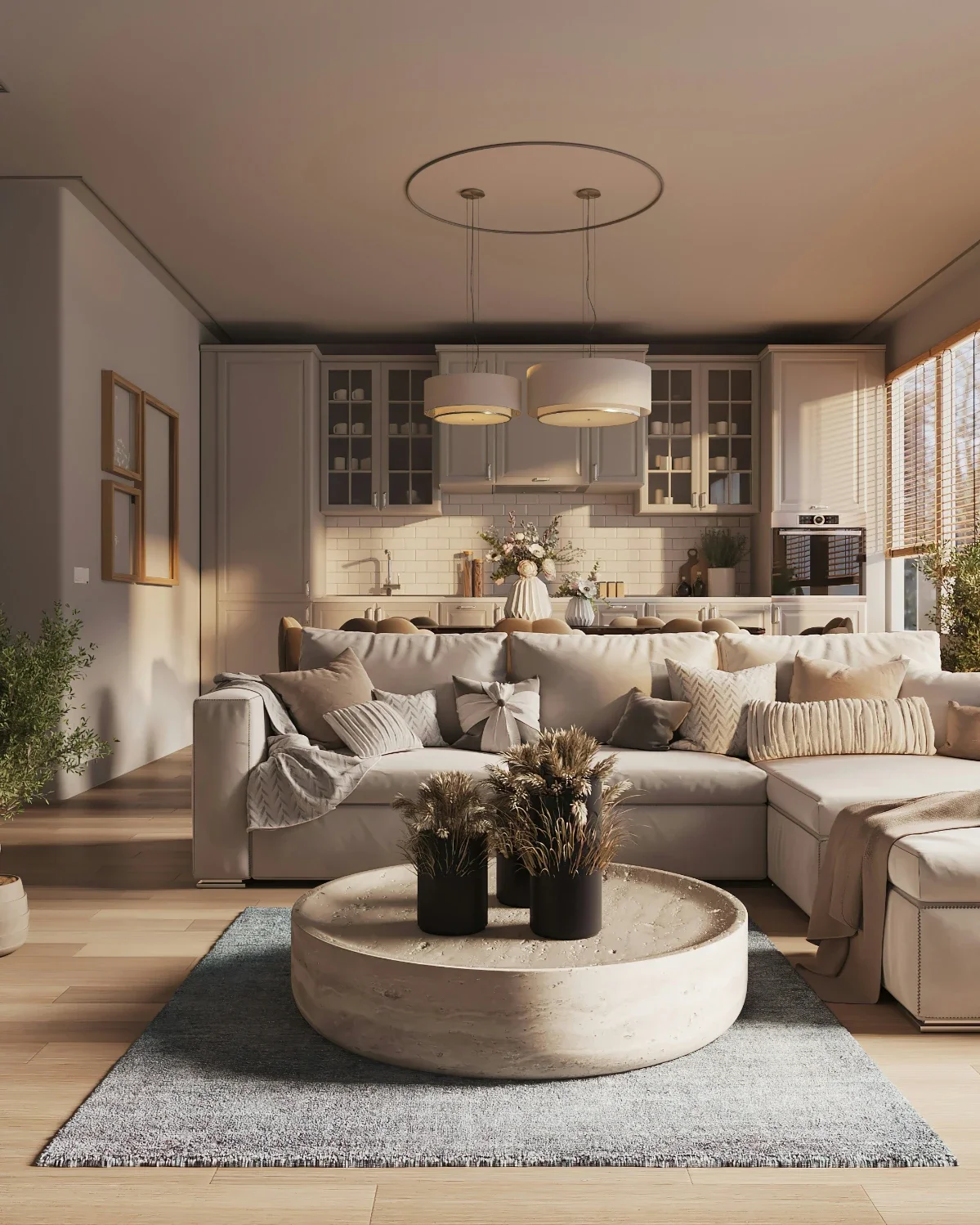
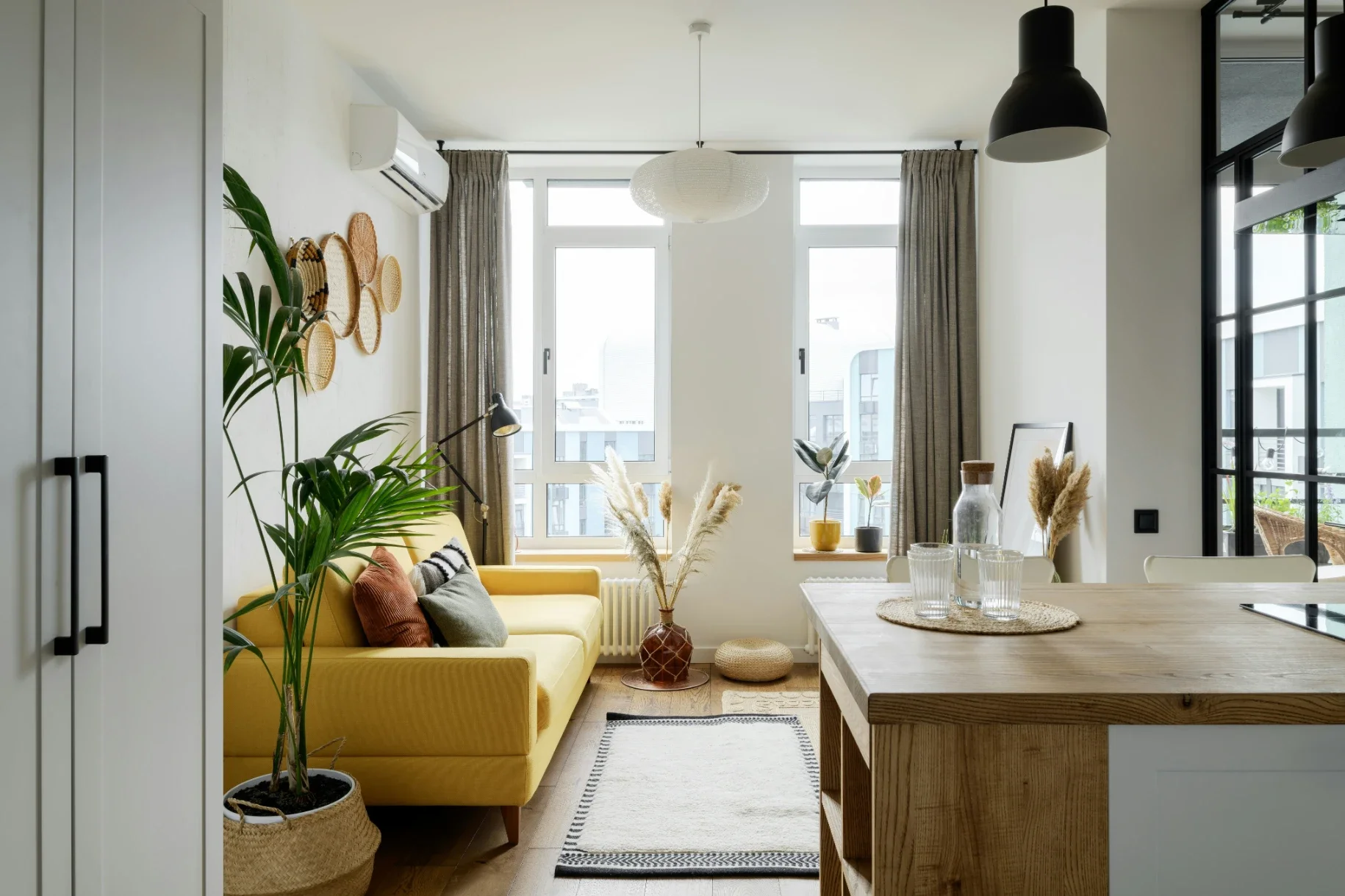
In open or multifunctional spaces, defining distinct zones helps create structure. Flexible furnishings make it possible to separate areas for living, dining, or working while maintaining visual flow throughout the room. Rather than relying on permanent dividers, thoughtfully placed furniture can subtly signal how each area is meant to be used.
Elements such as rugs, low-profile shelving, or console tables can establish boundaries without interrupting sightlines. Modular or lightweight furniture offers additional versatility, allowing layouts to adapt easily to different activities or gatherings. By using flexible furnishings to define zones, you create a space that feels organized, intentional, and adaptable, perfectly suited to modern living.
Balance Scale and Proportion for Visual Harmony
The success of visual harmony greatly hinges on the extent to which the proportion of the furniture compares with the proportion of the area. If furniture is too large, it is likely to monopolize the space, while furniture that is too small may create a sense of incompleteness in the area.
It is also essential to consider how individual elements relate to each other and to the room's architecture. Thus, the arrangement of furniture in balanced blocks can ensure overall cohesion, while sufficient gaps prevent the space from becoming overcrowded.
Let Your Personal Style Guide Your Choices
Though layout, scale, and functionality are all important, personal style is what gives a space its uniqueness. The furniture and accessories should reflect your preferences, without detracting from the room's flow. If your style is clearly defined, then even the smallest spaces can look purposeful.
Whether your sense of style is modern minimalist, classic luxury, or layered and eclectic, the key to success is consistency throughout a particular look. While echoing a specific material, finish, or color tone creates a sense of unity within a design, allowing each piece to shine, adhering to your personal style can produce a space that is not only stylish but also sophisticated.
The Takeaway
Smart space optimization doesn't mean packing every inch of a room with furniture or adhering to too many rules. On the contrary, smart optimization means that furniture, design, and everything else serve both artistic and functional purposes. Better decisions and thoughtful design can make any home spacious, beautiful, and functional, despite its actual size.
Stay up to date with our latest ideas!