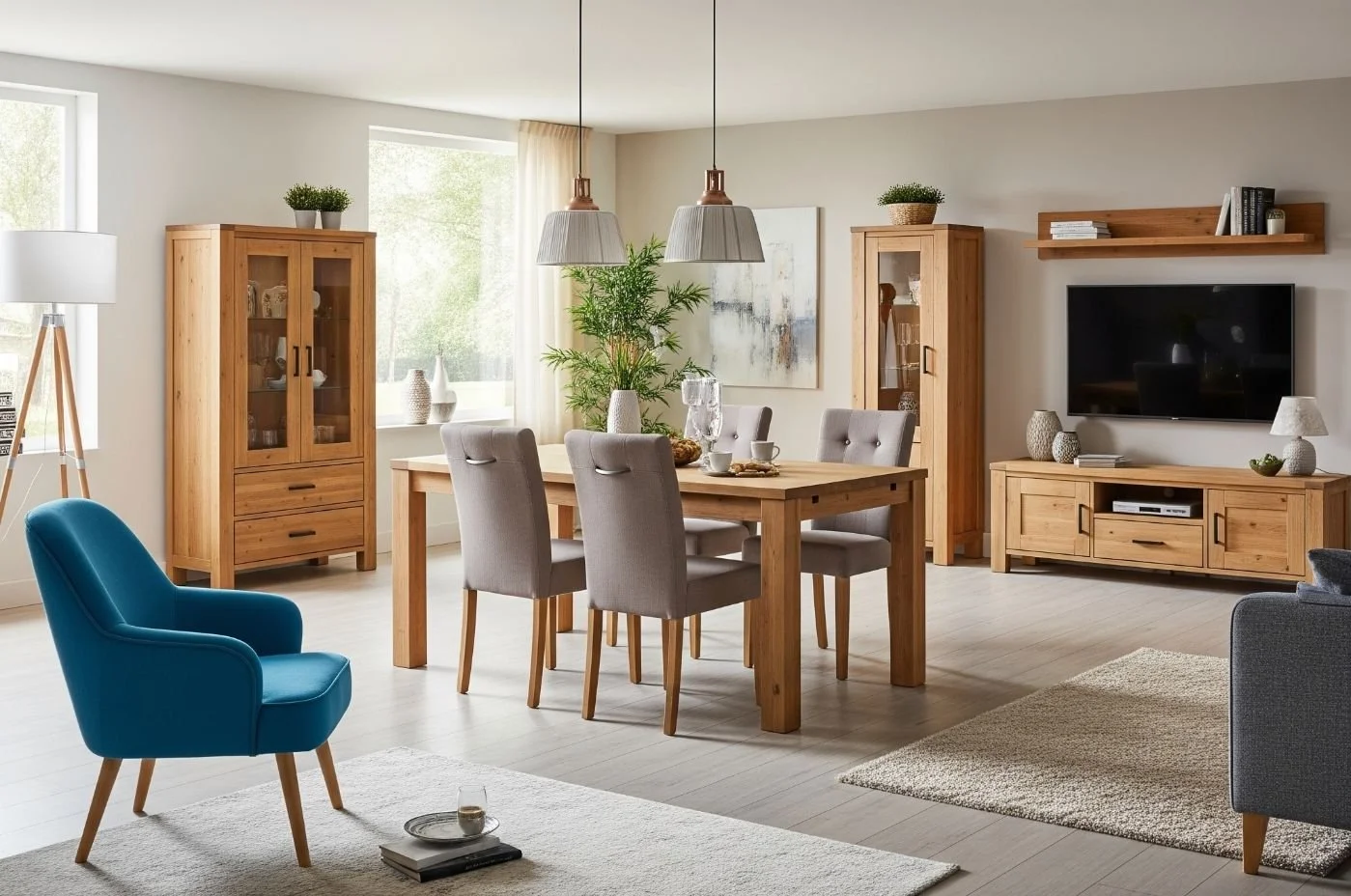
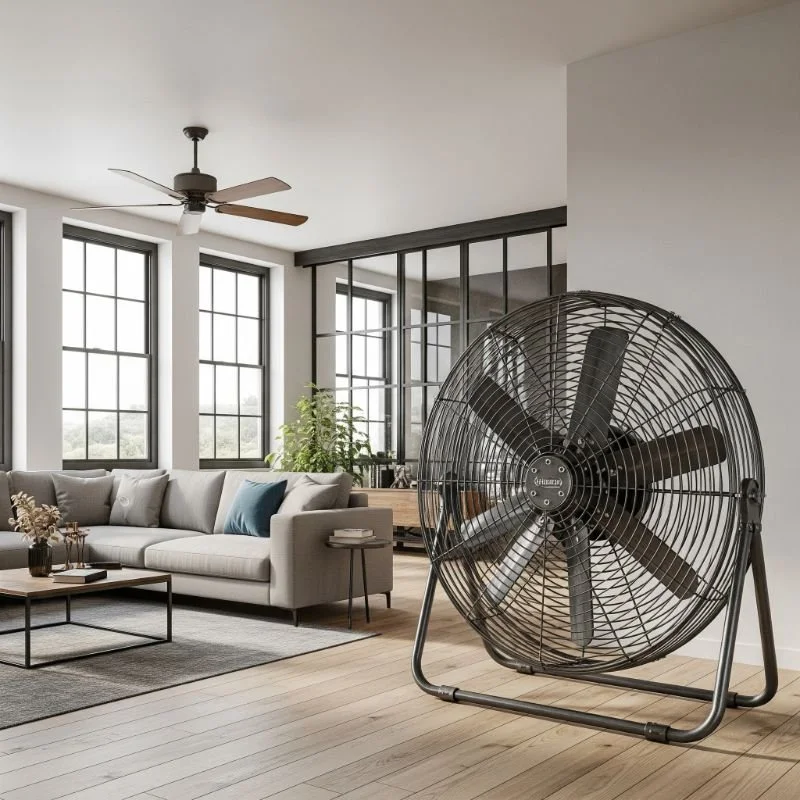
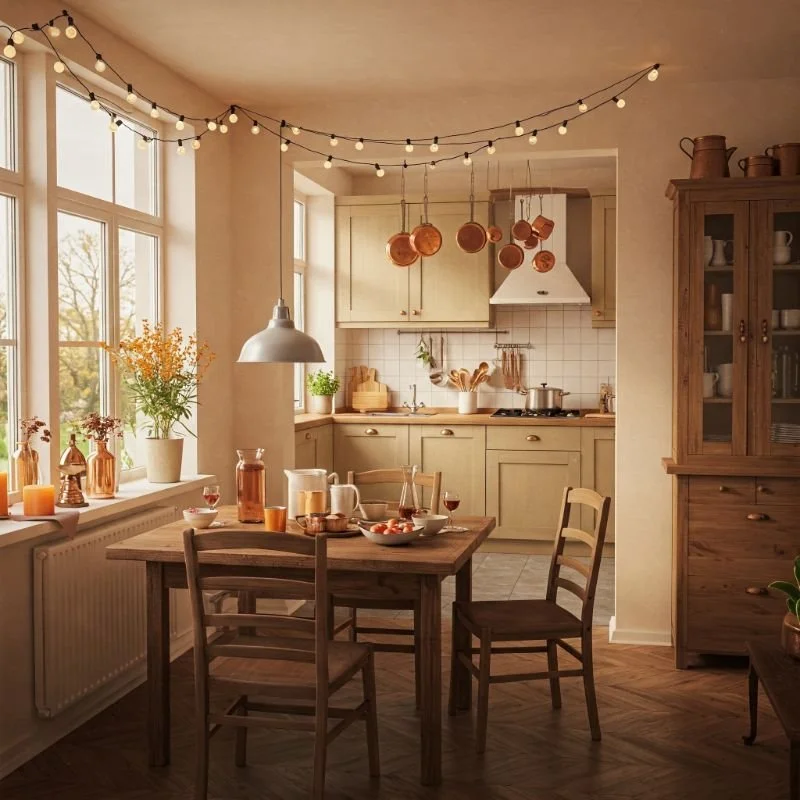
How to Choose the Best Cheap Online Furniture Store Without Regretting It Later
Learn how to choose the best cheap online furniture store by comparing quality, reviews, pricing, and policies to avoid costly mistakes later.
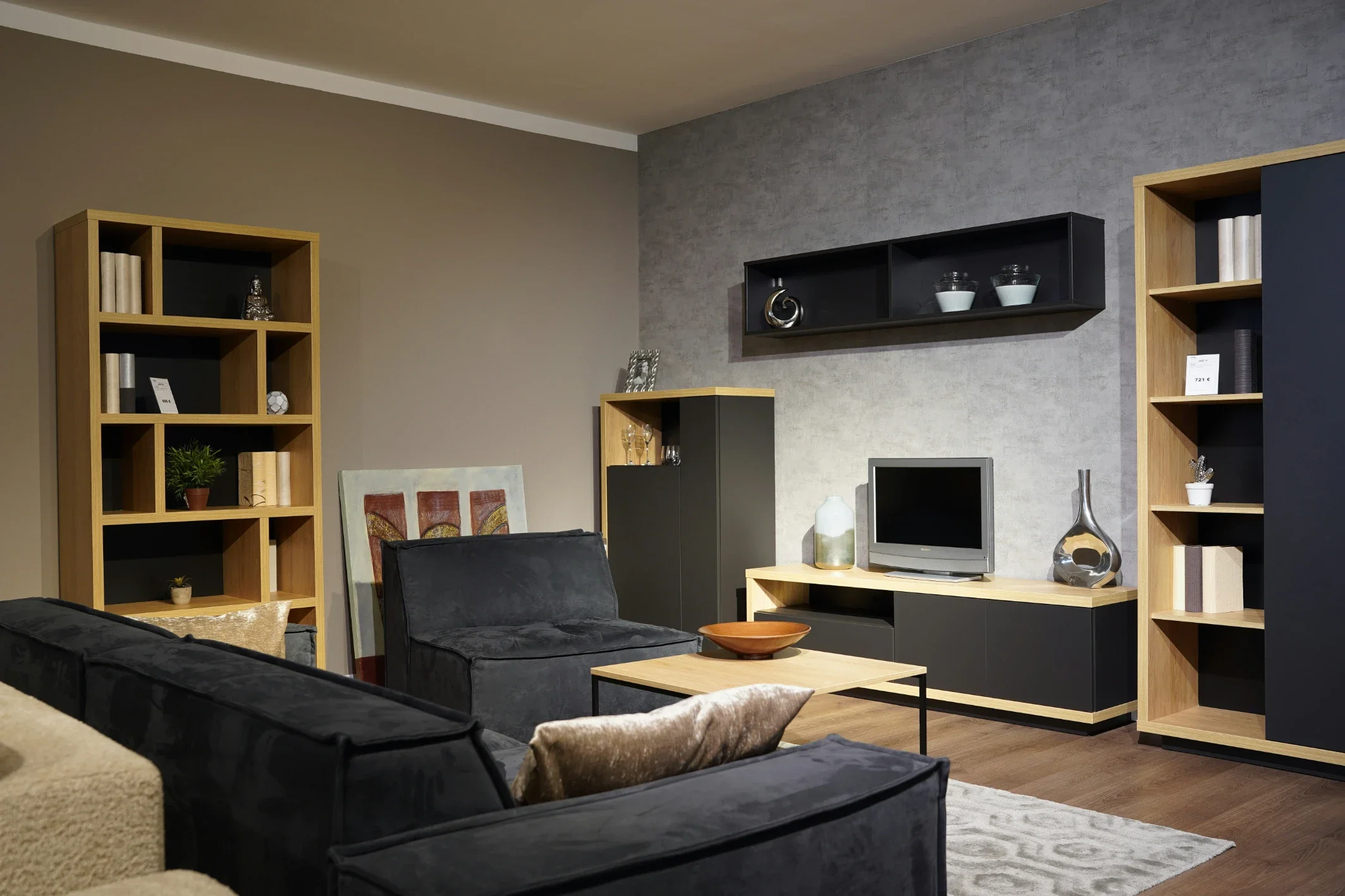
Buying furniture online can save you significant money and open up far more choice than your local high street. But not every retailer is worth trusting. Here is how to tell the difference before you spend a penny.
The way people buy furniture has changed considerably over the past decade. What once required a Saturday afternoon driving between showrooms, sitting on sofas under fluorescent lighting and negotiating with sales staff, can now be done from a sofa you already own, in the time it takes to drink a coffee. Online furniture shopping has grown into one of the most popular categories of e-commerce — and for good reason. The range is broader, the prices are often lower, and the convenience is difficult to argue with.
But the shift has also created a new set of risks. You cannot test a mattress through a screen or feel the weight of a dining chair before it arrives. You are trusting product descriptions, photographs, and the reliability of a retailer you may never have heard of before. Getting that judgement wrong can mean an expensive return, a piece that does not fit the room, or furniture that falls apart within a year.
The good news is that buying cheap online furniture does not have to mean buying disappointing furniture. It means knowing what to look for — in the products, in the retailer, and in the small print that most shoppers skip past.
Affordable Is Not the Same as Poor Quality
The first mental shift worth making is separating the concept of affordable from the concept of cheap in the negative sense. There is furniture at low price points that is genuinely well made, well designed, and built to last a reasonable amount of time. And there is furniture at higher price points that is overpriced for what it is. Price is a signal, but it is not a reliable one on its own.
What determines quality in a piece of furniture is the materials used, the construction method, and the standards the manufacturer has applied. A solid wood bookshelf at a mid-range price will outlast a particle board one at a slightly lower price by years. A sofa with a hardwood frame will hold its shape far better than one built on a softwood or composite base.
Good online retailers provide this information clearly. They specify whether wood is solid or engineered, whether upholstery is genuine or synthetic, what the weight capacity of a piece is, and what the frame construction looks like. If that information is absent or vague, that itself tells you something.
What to Look for in an Online Furniture Retailer
Once you have identified a piece you like, the next step is evaluating the retailer selling it. Several factors matter here, and price should be only one of them.
Product descriptions and dimensions. A trustworthy furniture retailer provides complete dimensions — not just the overall size but the internal measurements where relevant, seat height, weight, and any assembly requirements. They tell you what materials are used and how the piece is finished. If a product listing is thin on detail, that is worth noting before you commit.
Photography quality and variety. Good product photography shows the piece from multiple angles, in a realistic room setting, and ideally at a scale that gives you a sense of its actual size. Retailers who invest in honest, detailed photography tend to invest in other aspects of the customer experience too. Single images against a white background, or photographs that seem designed to obscure rather than reveal the product, are a reason to look elsewhere.
Customer reviews. Reviews are one of the most useful tools available to online furniture shoppers, provided you read them critically. Look for patterns rather than individual opinions — if multiple reviewers mention that assembly instructions are poor, or that the colour differs significantly from the website, or that delivery took much longer than promised, those patterns matter. Also look at how the retailer responds to negative reviews. A company that engages constructively with complaints is demonstrating something about how it treats customers.
Delivery and shipping policies. This is the area where online furniture shopping most commonly goes wrong. Check whether delivery is to your door or to a ground floor or kerb only. Understand whether you are responsible for taking the furniture upstairs or whether that service is available. Find out what the expected delivery timeframe is and whether tracking is provided. For large items, white glove delivery — where the retailer brings the furniture to the room of your choice and sometimes assembles it — is worth paying extra for if it is offered.
Return and refund policies. Before purchasing, read the return policy carefully. Some retailers have very reasonable return windows for unused, unassembled furniture. Others have restrictive policies that make returns expensive or impractical. Understanding this before you buy is particularly important for items like sofas or beds, where getting the size or feel wrong is a real possibility.
Common Mistakes Shoppers Make
Several patterns come up repeatedly when people describe furniture purchases they regret. Being aware of them is a simple way to avoid the same errors.
Buying without measuring is the most common. A sofa that looks proportionate in a showroom photograph can overwhelm a smaller living room or look lost in a large one. Before ordering anything significant, measure your space carefully — not just the floor area but doorways, staircases, and any routes the furniture will need to travel to reach its final position. Furniture that physically cannot get into the room it was bought for is a problem that no return policy fully resolves.
Focusing only on price ignores the total cost of ownership. A very cheap piece that needs replacing in two years costs more in the long run than a moderately priced piece that lasts ten. This does not mean spending more is always better — but it does mean thinking about durability alongside the upfront price.
Ignoring assembly requirements catches many buyers off guard. Flat-pack furniture is significantly cheaper to ship and therefore common in online retail. There is nothing wrong with it, but it requires time, some mechanical aptitude, and often more than one person. If assembly is not something you can realistically manage, factor in the cost of a professional assembly service before comparing prices.
Not checking the retailer's track record before buying from an unfamiliar source is a risk that is easy to mitigate. A quick search for the retailer's name alongside terms like reviews or complaints takes a few minutes and can save significant frustration.
Comparing Retailers Beyond Price
When you are looking at several retailers for the same type of piece, it is tempting to default to the lowest price. But the comparison is more useful when it includes the full picture.
Delivery cost and timeframe are often the variables that shift the apparent price difference most significantly. A retailer offering free delivery may be more competitive overall than one with a lower product price but a substantial shipping fee.
The breadth of the range matters too. A retailer with a wide selection across multiple styles, sizes, and price points gives you more flexibility to find something that genuinely fits your space and aesthetic — rather than settling for the closest available option.
Customer service accessibility is worth checking. Can you reach the retailer by phone, email, or chat if something goes wrong? Is there a clear process for handling damaged deliveries? These are questions that feel irrelevant until they are not.
Matching Furniture to Room and Lifestyle
The most practical furniture is the furniture that suits how you actually live, not how you imagine you live. A beautiful light-coloured sofa is an excellent choice for some households and a poor one for households with young children or pets. A glass dining table looks striking and is genuinely difficult to maintain. Solid wood develops character over time; it also shows scratches.
Think about how a room is used day to day, who uses it, and what the furniture will be subjected to. Durability, ease of cleaning, and resistance to everyday wear are practical considerations that belong alongside aesthetics in the decision.
For smaller spaces, furniture that serves more than one purpose — storage beds, extendable dining tables, sofas with built-in storage — makes a significant difference to how a room functions. These pieces tend to be slightly more expensive than single-purpose equivalents, but the value they add in functionality is usually worth it.
Signs of a Retailer Worth Trusting
Pulling these threads together, a trustworthy online furniture retailer tends to display a consistent set of characteristics. Their product information is complete and honest, including dimensions, materials, and assembly requirements. Their photography is detailed and realistic. They have a visible track record of positive customer experiences, with reviews that reflect genuine purchases. Their delivery and return policies are clearly stated and reasonable. They are reachable when something goes wrong.
None of these are difficult standards to meet for a retailer that is operating honestly. Their presence, taken together, is a reliable indicator that you are dealing with a company that stands behind what it sells.
Conclusion
Buying furniture online at an affordable price is entirely achievable without sacrificing quality, reliability, or your peace of mind. The key is shifting the evaluation from a single variable — price — to a broader assessment that includes product information, retailer trustworthiness, delivery terms, and how well a piece will actually function in your space.
The range available online exceeds what any physical store can offer, and the price advantage is real. Used well, that combination gives you access to furniture that suits your home, fits your budget, and arrives without unpleasant surprises.
Stay up to date with our latest ideas!