How Furniture Covers Became an Essential Design Element
Discover how protective furniture covers enhance interior design while preserving upholstery and extending furniture life.
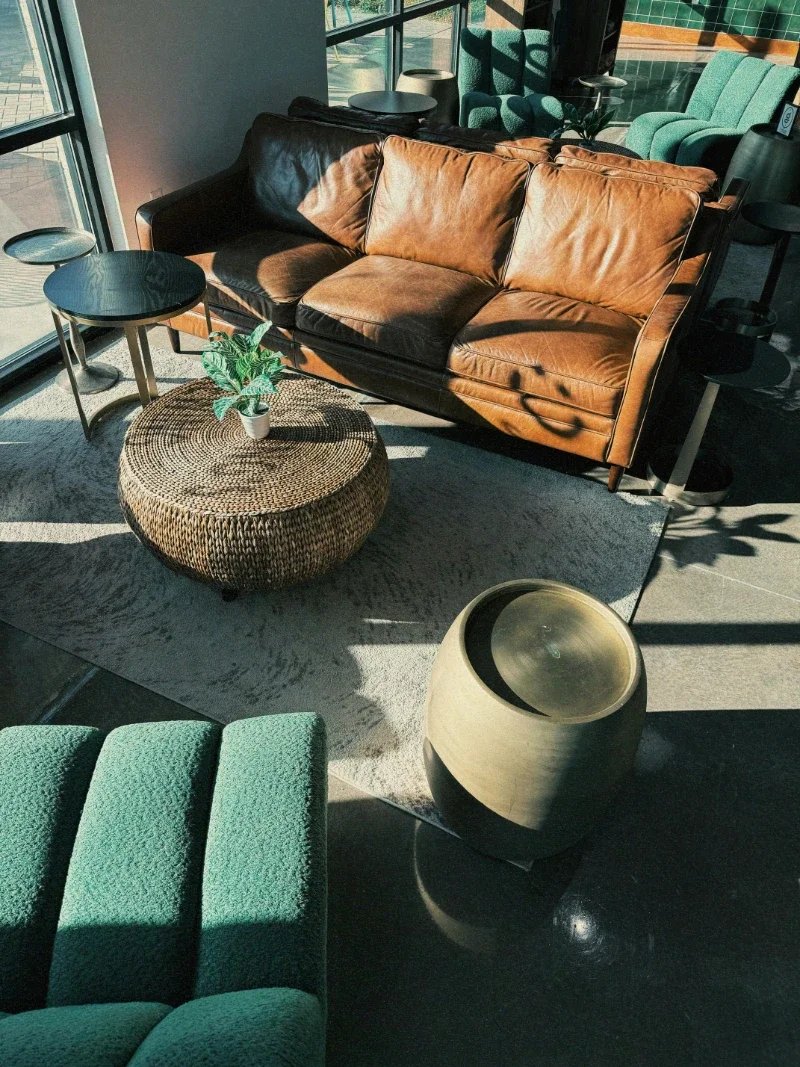
The way we protect and personalize our living spaces has evolved significantly over the past decade. What once seemed purely functional has transformed into an opportunity for creative expression and practical home management. Furniture covers now serve dual purposes, combining protection with aesthetic enhancement in ways that weren't possible just a few years ago.
Modern homes face unique challenges. Families with children and pets need durable solutions that don't compromise on style. Urban apartments require versatile pieces that adapt to changing needs and seasons. The furniture industry has responded by developing innovative approaches to both preservation and personalization, making it easier than ever to maintain beautiful interiors without constant worry about wear and tear.
Protecting Your Investment Without Sacrificing Style
Quality furniture represents a significant financial commitment, and protecting that investment makes practical sense. Traditional methods often involved bulky throws or plastic coverings that detracted from interior design. Contemporary solutions take a different approach, integrating seamlessly with existing decor while providing genuine protection against spills, stains, and daily use.
The rise of custom IKEA sofa covers reflects this shift toward personalized protection. Rather than accepting generic options, homeowners can now select fabrics, colors, and patterns that complement their specific design vision. This customization extends beyond aesthetics to include practical considerations like washability, durability, and seasonal rotation.
Material Selection and Long-Term Durability
Choosing the right fabric determines both the lifespan of protective covers and their contribution to overall room aesthetics. Natural materials like cotton and linen offer breathability and comfort, particularly in warmer climates. These fabrics age gracefully, developing character over time while remaining easy to clean and maintain. Linen, specifically, has experienced renewed popularity due to its relaxed texture and environmental credentials.
Synthetic blends provide different advantages. Polyester mixes resist wrinkles and maintain their shape through repeated washing cycles. Performance fabrics incorporate stain-resistant treatments that repel liquids without feeling artificial or plasticky. These technological advances mean protection no longer requires sacrificing the tactile qualities that make furniture inviting and comfortable.
Velvet and similar textured materials create visual interest while hiding minor imperfections and wear patterns. The depth of color in quality velvet adds richness to neutral spaces or provides bold contrast in eclectic settings. Understanding how different materials perform under actual living conditions helps homeowners make informed choices that balance beauty with practicality.
Color Psychology and Seasonal Rotation
Color selection influences mood and spatial perception in subtle but meaningful ways. Light neutrals expand small spaces and reflect natural light, creating airy, open feelings. Deeper tones add coziness and drama, particularly effective in larger rooms with high ceilings. The ability to change covers seasonally allows for dramatic transformations without purchasing new furniture.
Summer months often call for crisp whites, soft grays, and coastal blues that evoke freshness and coolness. Winter brings opportunities for warm burgundies, forest greens, and rich chocolates that create inviting cocoons against cold weather. This seasonal flexibility extends the design life of core furniture pieces while keeping interiors feeling current and intentional.
Pattern mixing has become more accessible as homeowners gain confidence in their design choices. Geometric prints pair surprisingly well with organic florals when united by a common color palette. Stripe and solid combinations create visual rhythm without overwhelming smaller spaces. The key lies in varying scale and intensity rather than attempting perfect matches.
Practical Considerations for Family Living
Households with active children benefit enormously from washable, replaceable covers. Juice spills, art projects gone wrong, and muddy pet paws become manageable incidents rather than furniture-ruining disasters. The psychological freedom this provides shouldn't be underestimated. Parents can relax and enjoy their homes rather than constantly policing behavior around expensive upholstery.
Pet owners face specific challenges that protective covers address effectively. Cat scratching, dog shedding, and general animal activity take tolls on bare furniture. Removable covers that survive frequent washing while maintaining appearance provide practical answers to these common concerns.
Guest-ready homes benefit from quick-change capabilities. Formal occasions might call for sophisticated neutrals, while casual gatherings allow for relaxed, personality-driven choices. The ability to refresh a room in minutes rather than hours makes entertaining less stressful and more enjoyable.
Installation and Maintenance Best Practices
Proper fitting ensures covers look intentional rather than makeshift. Precise measurements matter more than approximate dimensions. Taking time to measure depth, width, and height accurately prevents sagging, bunching, or gaps that compromise both appearance and function. Many modern covers include elastic edges, ties, or tucking flaps that secure fabric in place without visible hardware.
Washing frequency depends on usage patterns and household composition. High-traffic family rooms might require weekly or biweekly washing, while formal sitting areas need less frequent attention. Following manufacturer care instructions preserves fabric integrity and color vibrancy over time. Pretreating stains immediately prevents permanent setting and extends cover lifespan significantly.
Storage solutions for seasonal covers protect investment and maintain organization. Breathable fabric bags prevent moisture buildup and musty odors. Clear labeling systems make rotation effortless rather than confusing. Dedicating specific closet or storage space to this purpose treats covers as the valuable design tools they represent.
According to upholstery care guidelines from Design Within Reach, preventing spills from turning into stains requires immediate action with clean, dry cloths, always blotting from the outer edge inward to avoid stain rings. Professional cleaning once yearly helps maintain optimal condition and appearance.
Environmental and Economic Benefits
Extending furniture life through protective covers reduces waste and consumption. Manufacturing new furniture requires significant resources and energy. Keeping existing pieces functional and attractive for additional years represents genuine environmental stewardship. This aligns with broader movements toward sustainable living and conscious consumption.
Economic advantages extend beyond obvious cost savings. Quality covers cost considerably less than reupholstering or replacing furniture. The flexibility to update appearance without major purchases allows budget allocation toward other priorities. For renters, covers provide personalization options without modifying landlord property, protecting security deposits while creating genuine homes.
The ability to experiment with trends without permanent commitment encourages creative risk-taking. Uncertain about bold patterns or saturated colors? Testing these choices through covers provides low-stakes opportunities to explore personal style. Discovering what truly resonates leads to more confident, satisfying long-term design decisions.
Creating Cohesive Interior Narratives
Thoughtful cover selection contributes to overall design storytelling. Coastal themes benefit from natural textures and ocean-inspired palettes. Mid-century modern aesthetics call for clean lines and period-appropriate colors. Scandinavian minimalism emphasizes functionality and restrained elegance. Understanding these broader contexts helps covers enhance rather than conflict with intended atmospheres.
Layering textures creates depth and visual interest without cluttering spaces. Smooth cotton covers might pair with nubby wool throws and sleek leather accent pieces. Contrasting tactile experiences invite interaction and engagement with rooms. This multisensory approach to design creates memorable, comfortable environments that feel genuinely lived-in rather than staged.
The evolution of furniture protection reflects changing attitudes toward home design itself. Practicality and beauty need not compete. With thoughtful selection and proper care, protective covers become integral design elements that preserve investments while expressing personal style. The modern home successfully balances durability with aesthetics, creating spaces that welcome real life while maintaining their visual appeal.
Stay up to date with our latest ideas!