Why Some Homes Feel Right the Moment You Walk In
Discover why some homes feel right the moment you walk in, from lighting and layout to materials, flow, and subtle design choices that create comfort.
Some homes explain themselves immediately. You step inside and your body reacts before your brain catches up. Your breathing slows. You stop scanning. You are not looking for flaws or upgrades. You are simply present.
That reaction is not accidental. It comes from a set of design decisions that work together without asking for attention. These homes do not rely on statements or trends. They support daily life in ways that feel natural and stable.
Understanding why a home feels right helps buyers make better decisions and helps homeowners recognize what actually matters. It moves the focus away from surface features and toward how a space holds everyday living.
Feeling Is the First Signal
Most people begin with a checklist. They want square footage, ceiling height, storage counts, and finishes. These details matter, but they rarely explain why one home feels better than another with the same specifications.
Feeling comes first.
A home that works well usually does a few basic things consistently. It handles light with care. It allows movement without friction. It creates spaces that feel usable without being rigid.
When those elements align, the home makes sense immediately. You do not need to imagine how it would work. You already understand it.
Natural Light Shapes Daily Energy
Light affects how a home feels throughout the day. It influences mood, focus, and how time passes indoors.
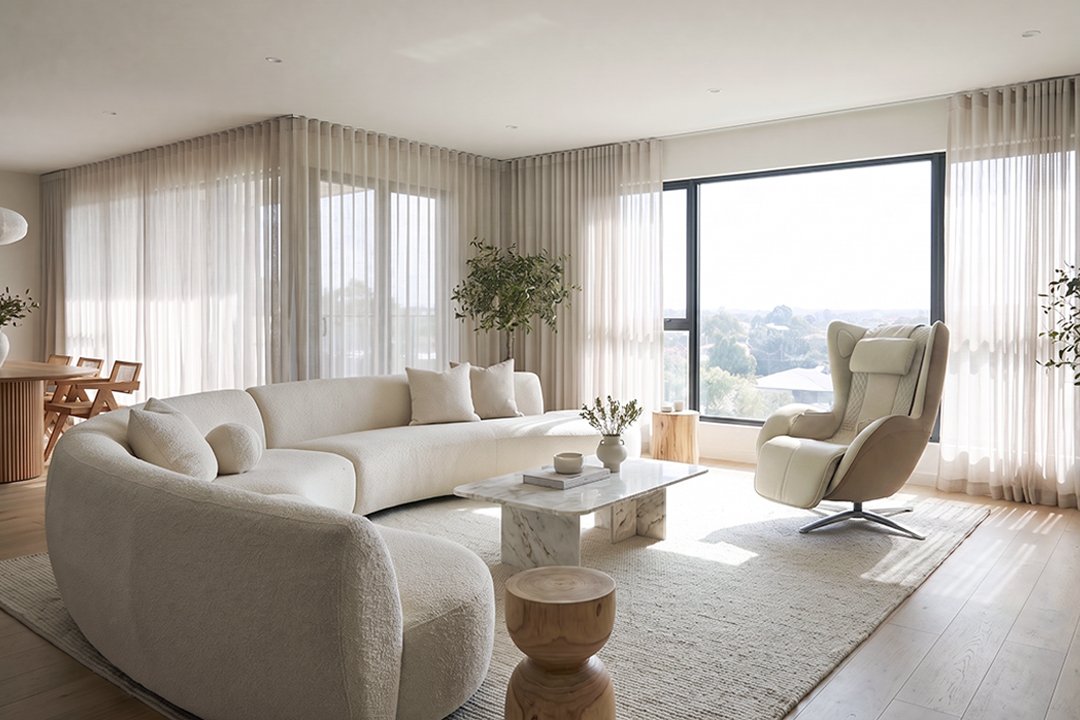
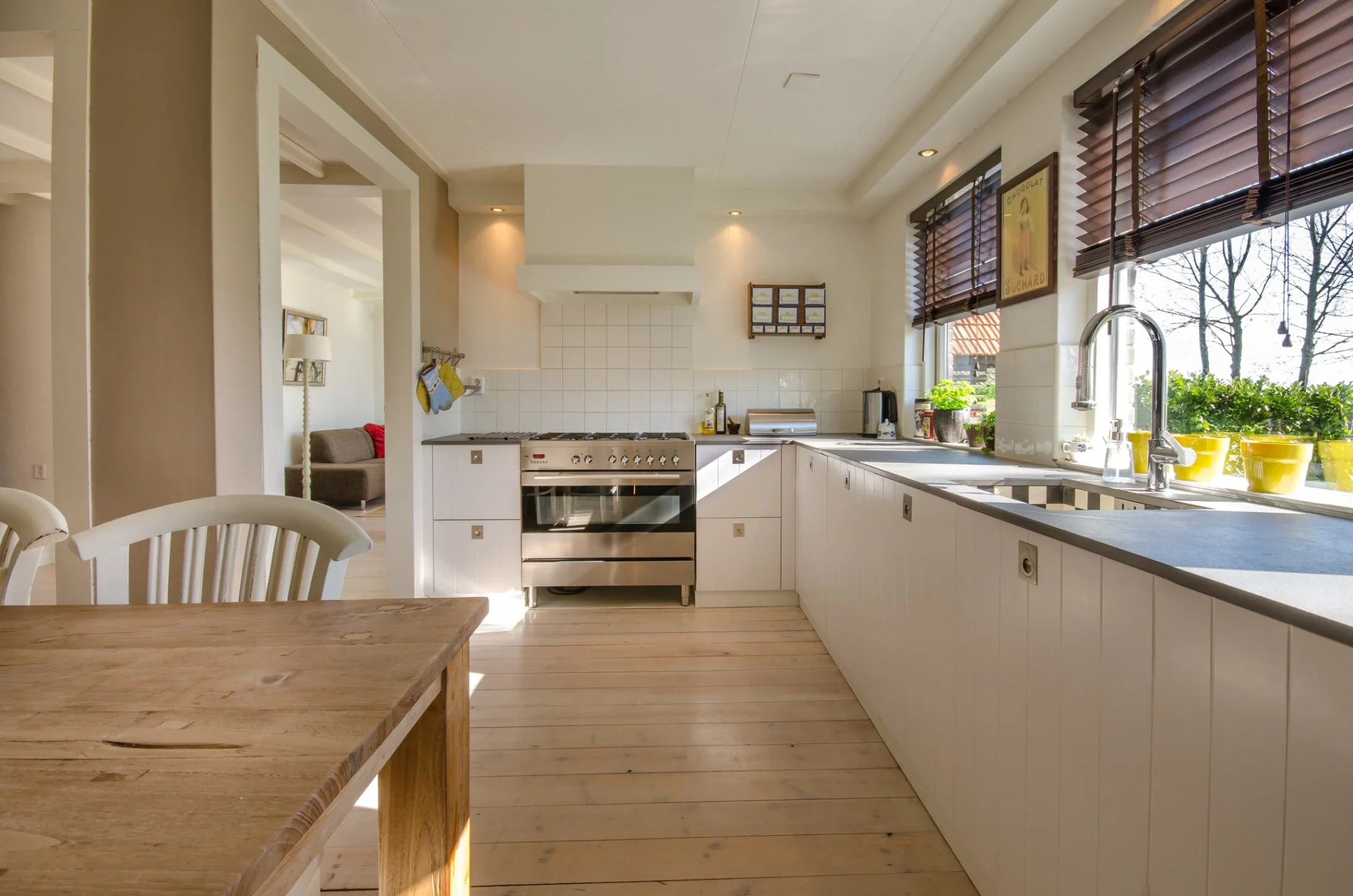
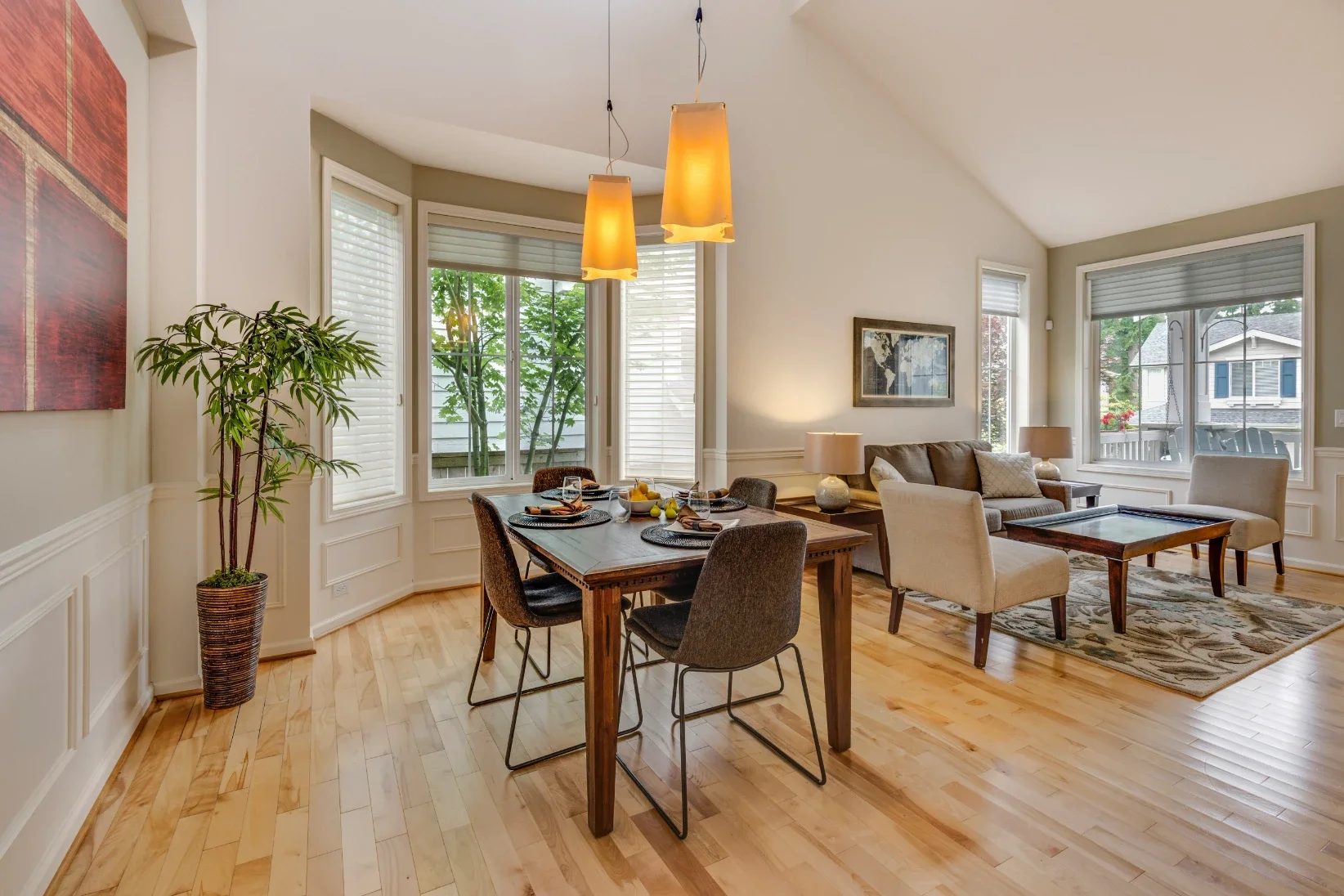
Homes that feel well-balanced rarely rely on a single dramatic window. Instead, light shows up where it is needed. Morning light reaches spaces where people start their day. Afternoon light supports shared areas. Evening light softens rooms meant for rest.
This creates rhythm rather than contrast.
A good lighting plan does not feel harsh or exposed. It feels supportive. Window placement often matters more than size. Coverage matters more than brightness.
When touring a home, pay attention to how your eyes adjust as you move. Smooth transitions usually signal thoughtful design.
Flow Is About Use, Not Openness
Open layouts became popular because they removed barriers. Over time, many people learned that removing all structure creates new problems.
Homes that feel right tend to find a middle ground.
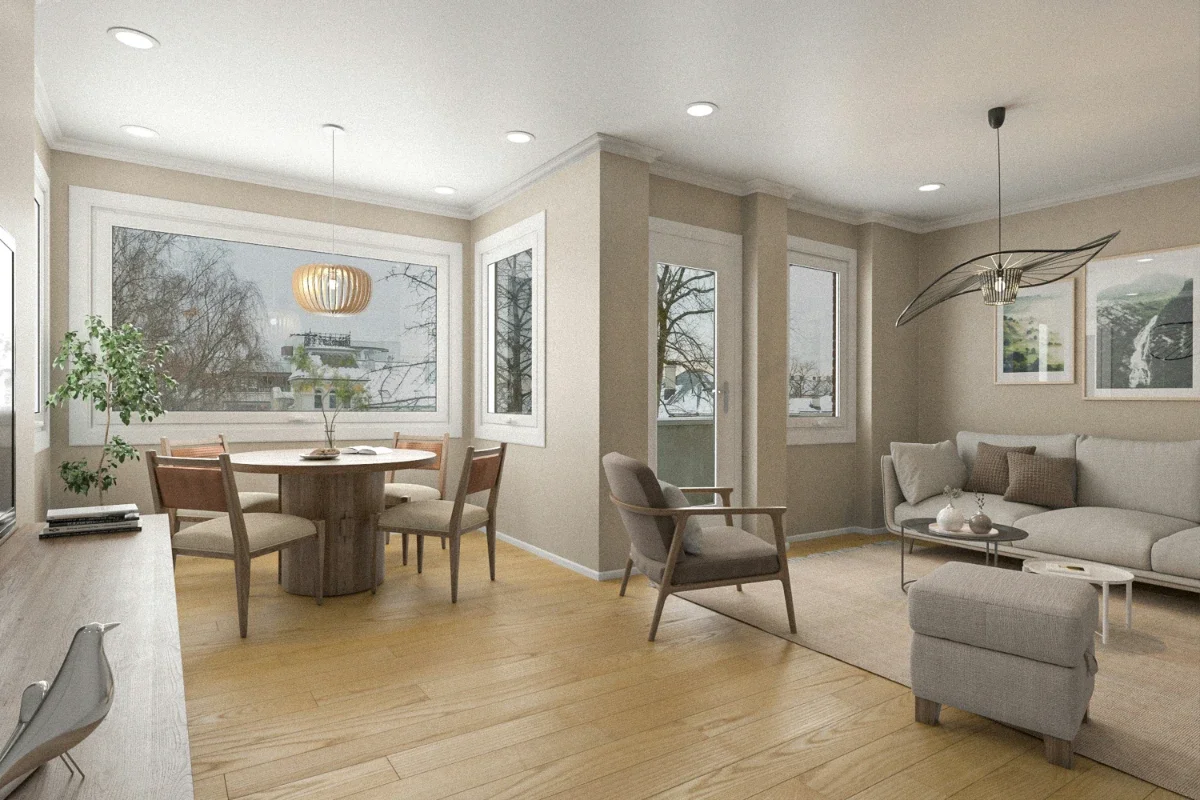
They allow movement and visibility without collapsing every activity into one space. Kitchens connect to living areas but still feel grounded. Dining areas feel defined without being boxed in.
This kind of layout supports real life. Conversations can overlap without competing. Noise has somewhere to go. Movement feels natural rather than forced.
When flow works, the home stays comfortable even when it is full.
Materials Should Support Living, Not Interrupt It
Materials shape how a home feels long after the excitement of moving in fades.
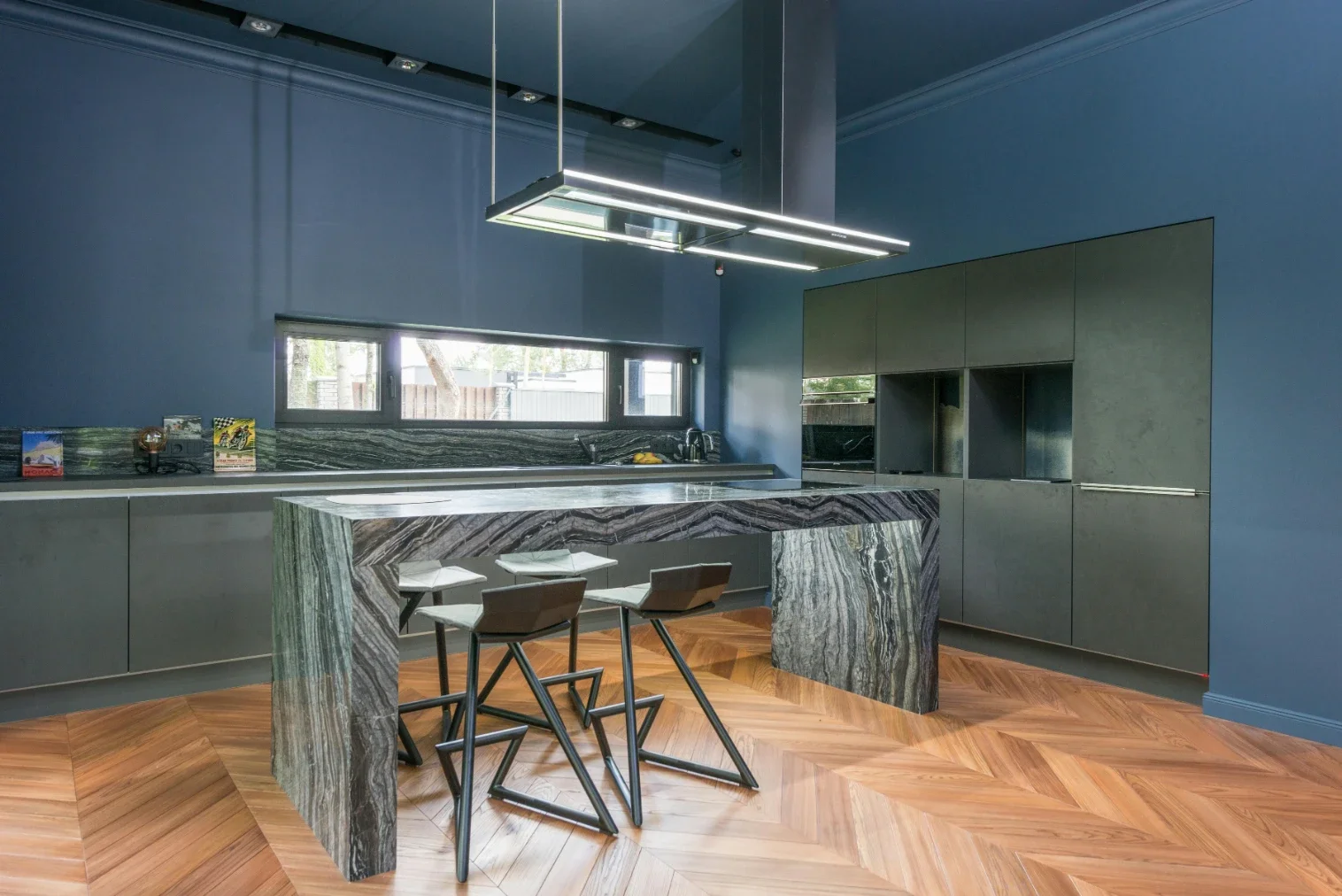
Highly polished surfaces often look impressive at first. Over time, they demand attention. Scratches stand out. Smudges distract. Maintenance becomes part of the experience.
Homes that age well tend to use forgiving materials. Wood that shows wear without looking damaged. Stone that softens with use. Finishes that do not punish normal living.
These choices reduce visual tension. They allow the home to support life instead of competing with it.
Proportion Affects the Body Before the Eye
Proportion is subtle, but it has a strong physical effect.
A ceiling that is slightly too low changes posture. A room that is too wide can feel unsettled. Windows placed too high or too low pull attention in ways that feel off, even if you cannot explain why.
Homes that feel good usually get proportions right without drama. Rooms feel balanced. Furniture fits without strain. Walls feel present but not heavy.
You may not name this while touring, but your body notices immediately.
Storage Keeps Daily Life Manageable
Storage rarely gets attention in listings, but it has a direct impact on how a home feels over time.
Homes with well-placed storage stay calmer. Clutter has somewhere to go. Surfaces stay usable. Routines feel easier to maintain.
This does not mean excessive cabinetry. It means storage placed where life actually happens.
Entryways that allow you to set things down. Kitchens that hold everyday tools without crowding. Bedrooms that support rest instead of becoming overflow zones.
When storage works, the home feels more generous, even if the footprint is modest.
Privacy Is About Choice, Not Separation
Privacy is often misunderstood as isolation. In well-designed homes, privacy is about control.
A home that works well lets you step away without disconnecting completely. Bedrooms feel protected. Bathrooms feel contained. Shared spaces feel open without feeling exposed.
This balance matters, especially in households where people work, rest, and socialize in the same space.
When privacy is handled well, the home feels steady and reliable.
Layout Should Respond to Location
A home does not exist on its own. Its surroundings shape the experience inside.
Street noise, neighboring buildings, and natural views all matter. A layout that responds to these factors feels intentional.
Living areas placed away from noise feel more comfortable. Windows that frame trees or sky add a sense of relief. Outdoor access that feels natural extends living space without effort.
Buyers often sense this alignment even if they cannot articulate it.
Choosing With Long-Term Confidence
Understanding these elements helps buyers move beyond surface impressions. It shifts attention from what looks impressive to what will feel sustainable.
Working with professionals who understand both structure and lifestyle makes this easier. Teams like The Shawn Lepp Group focus on how homes function day to day, not just how they appear online.
This approach leads to decisions that age better and feel more grounded over time.
Simple Questions to Ask While Touring
If a home feels good but you are not sure why, pause and ask yourself a few practical questions.
Does the light feel comfortable throughout the space?
Can you imagine daily routines without constant adjustment?
Does the layout support both shared time and personal space?
Do storage areas appear where you would naturally need them?
These questions keep decisions rooted in lived experience.
Why This Matters Now
People spend more time at home than they once did. Homes now support work, rest, and recovery all at once. A space that only looks good on paper often starts to feel demanding.
Homes that function well reduce friction. They support focus and rest. They allow life to unfold without constant management.
This is not about luxury. It is about quality of living.
A Home Should Not Compete for Attention
The best homes do not rely on statements or trends. They do not need to explain themselves.
They feel steady. They support daily routines without interruption. They allow people to focus on living rather than managing the space.
When a home does this well, you feel it immediately. You do not need to be told why.
That sense of rightness is worth trusting.
Stay up to date with our latest ideas!