Maximizing Small Living Rooms with Retractable and Smart Furniture
Discover how retractable and smart furniture can maximize small living rooms by saving space, improving functionality, and enhancing modern comfort.
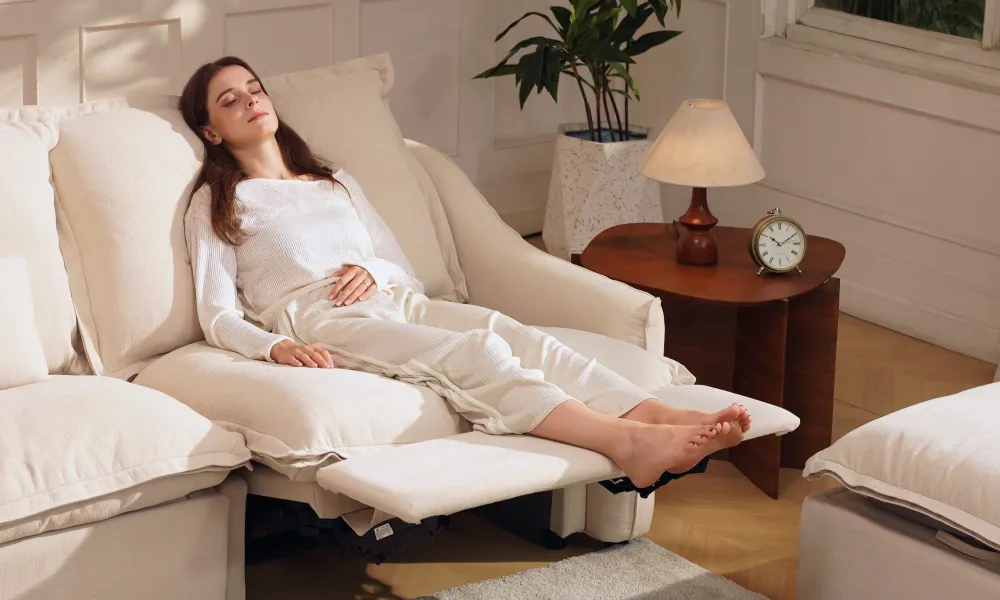
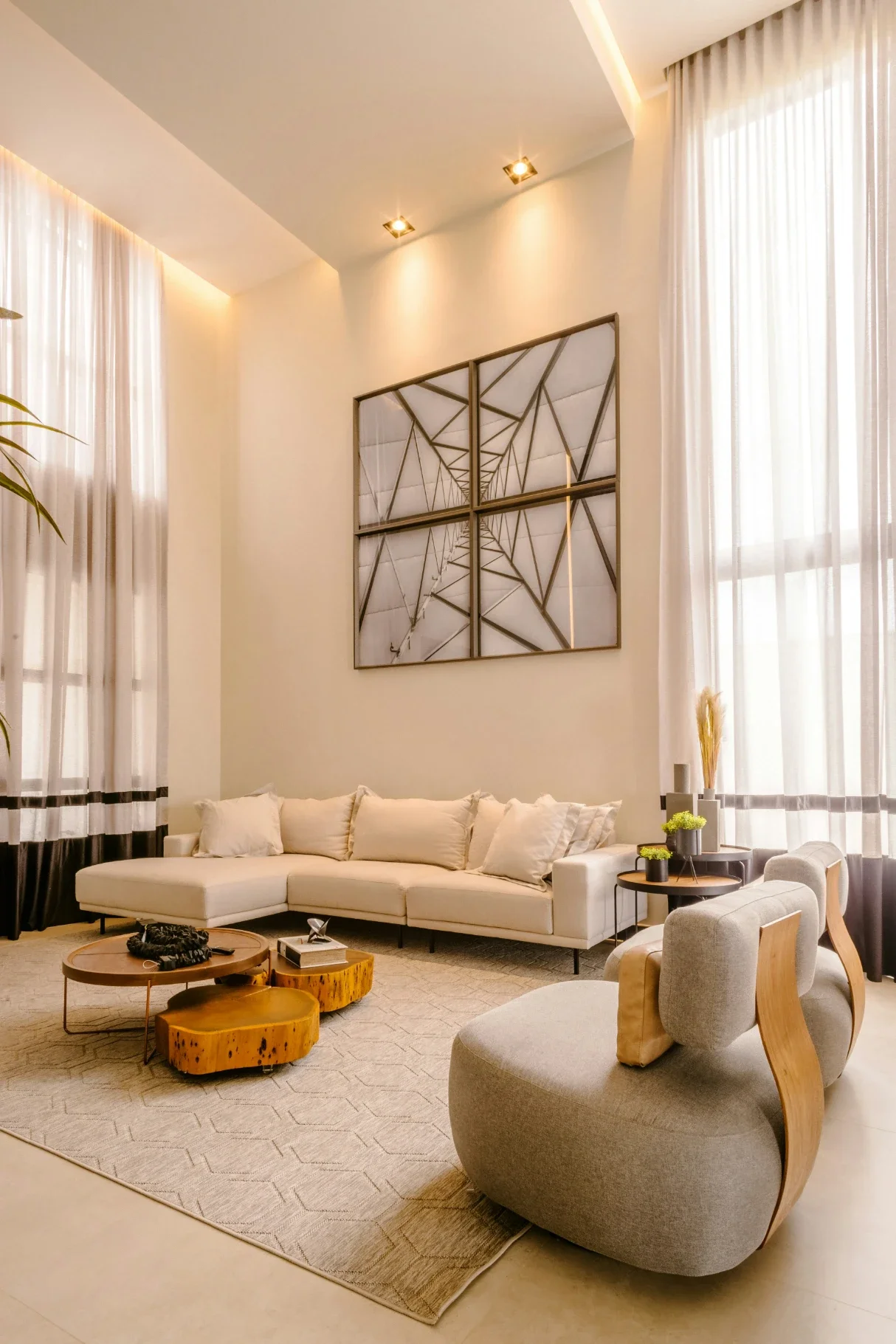
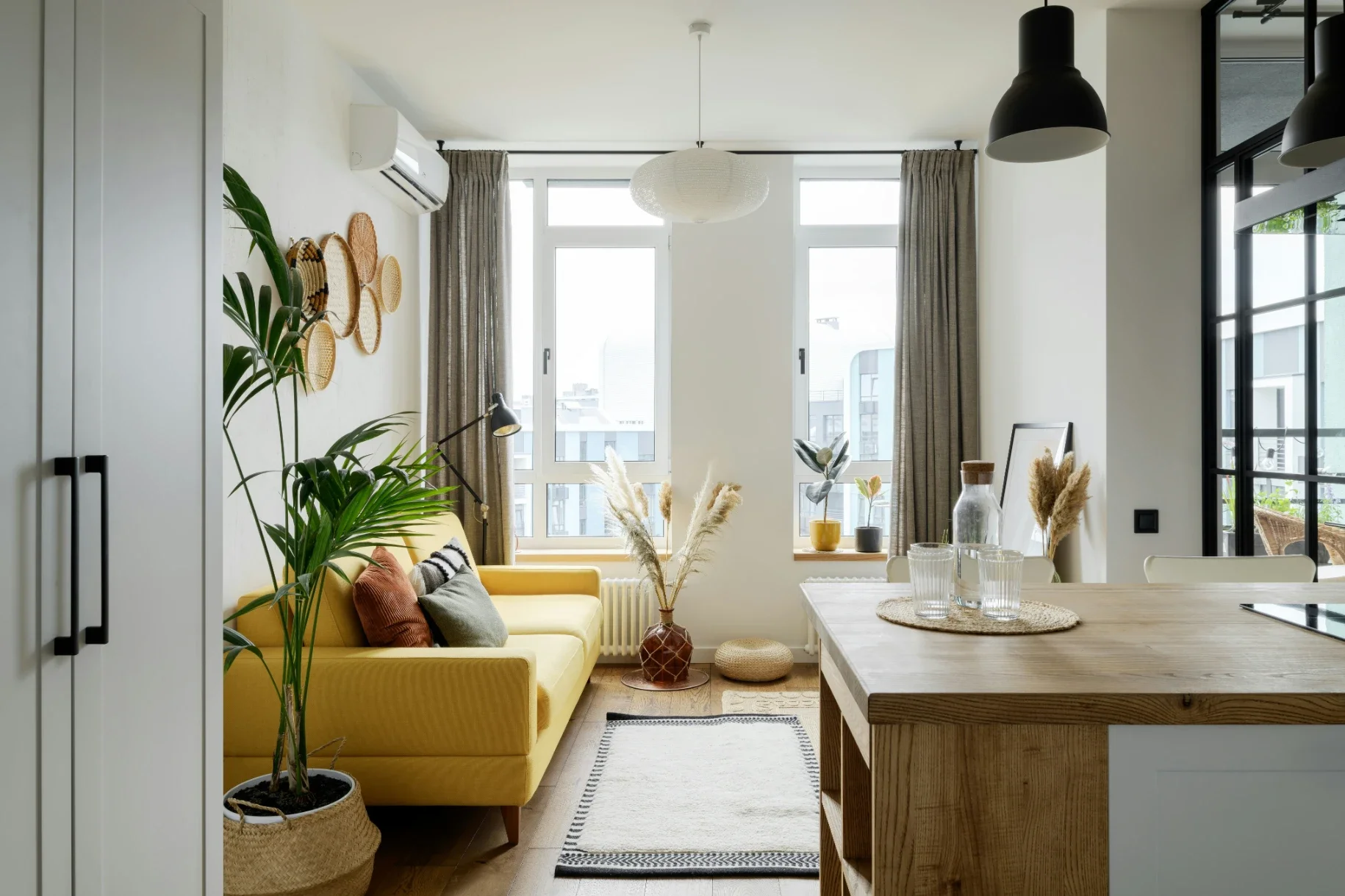
The constraints of small living spaces—a common reality in modern urban centers—demand a departure from traditional, static furniture. In a room where every inch is a premium, furniture is no longer just a static object; it must become a dynamic, adaptable tool. The movement toward retractable and smart furniture is not merely a trend, but a fundamental redesign philosophy that transforms compact rooms into flexible, multi-functional hubs, allowing homeowners to live large in a limited footprint.
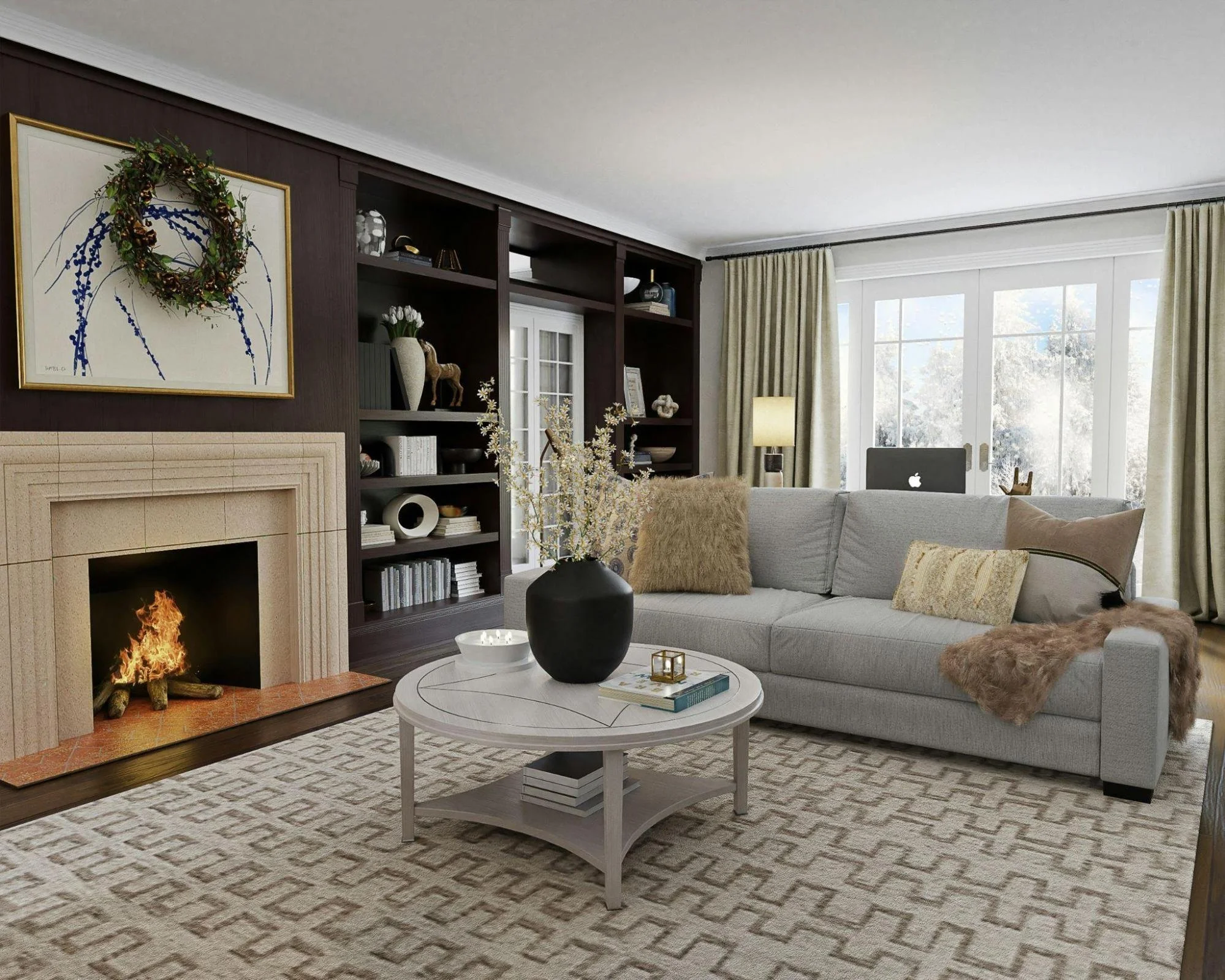
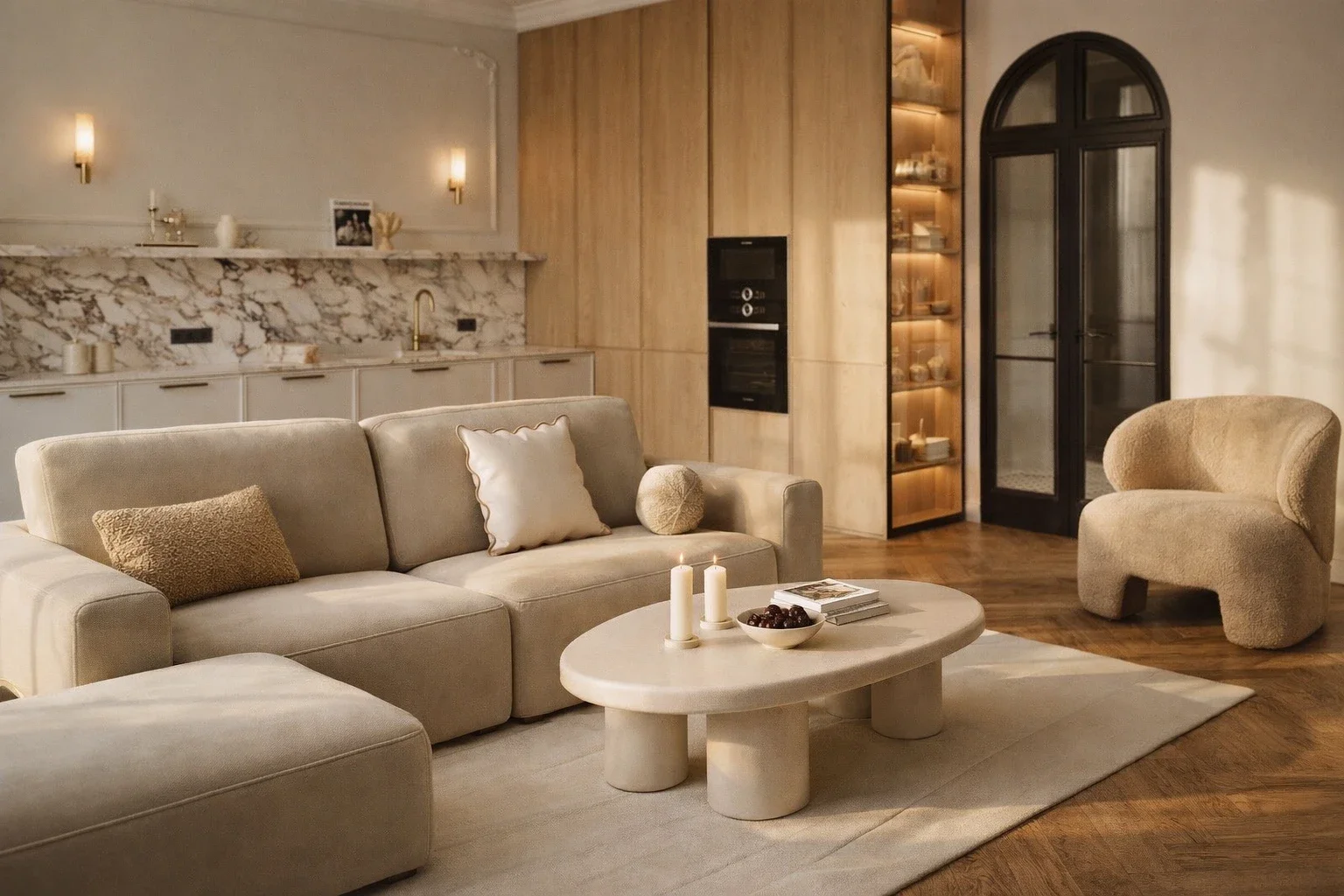
This is the art of spatial intelligence, where design innovation works to combat clutter and inefficiency, ensuring the living room can seamlessly transition from a quiet reading nook to a bustling workspace to an entertainment center. The shift to these highly engineered, multi-functional pieces is best managed by choosing curated collections designed specifically for small-space harmony. Rather than mixing and matching, many find that coordinated Modern Living Room Furniture Sets offer the simplest path to a cohesive, sophisticated, and fully optimized interior.
1. The Core Philosophy: Fluid Functionality
The biggest drain on a small living room is furniture that serves only one purpose. The modern solution is to embrace fluid functionality—pieces engineered to perform multiple roles while maintaining a high aesthetic standard. This demands superior engineering and construction, which is why the quality of the final, assembled product is so important for these complex items.
The Transforming Table
The coffee table, often the immovable center of the room, is the first place smart design takes hold:
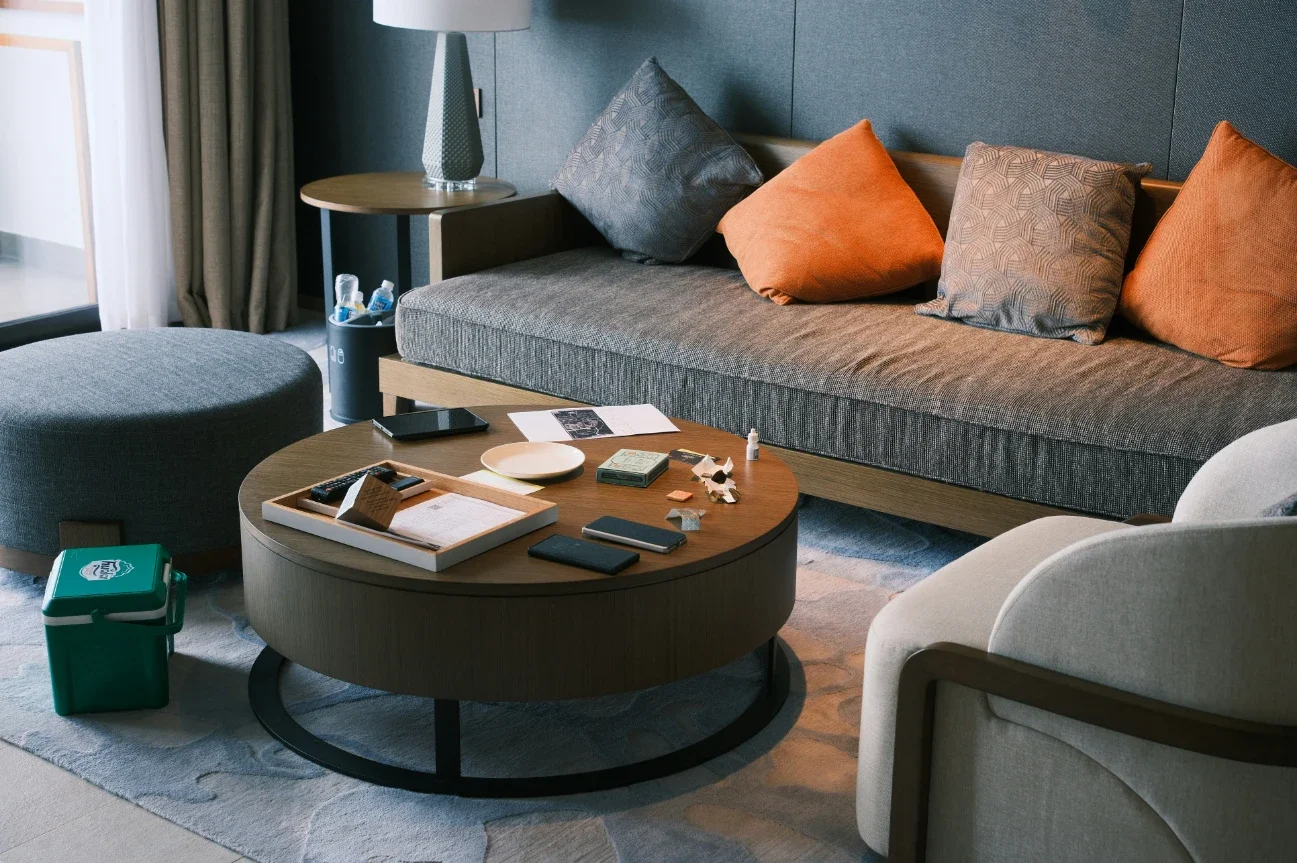
Lift-Top Versatility: Tables designed with hydraulic or spring-assisted mechanisms that smoothly raise the tabletop to dining or desk height. This instantly converts the casual center of the room into a dining space or a home office, making the living room itself the flex space.
Hidden Storage: The space revealed beneath a lift-top mechanism offers discreet storage for laptops, chargers, and writing materials, eliminating surface clutter and maintaining a minimalist look.
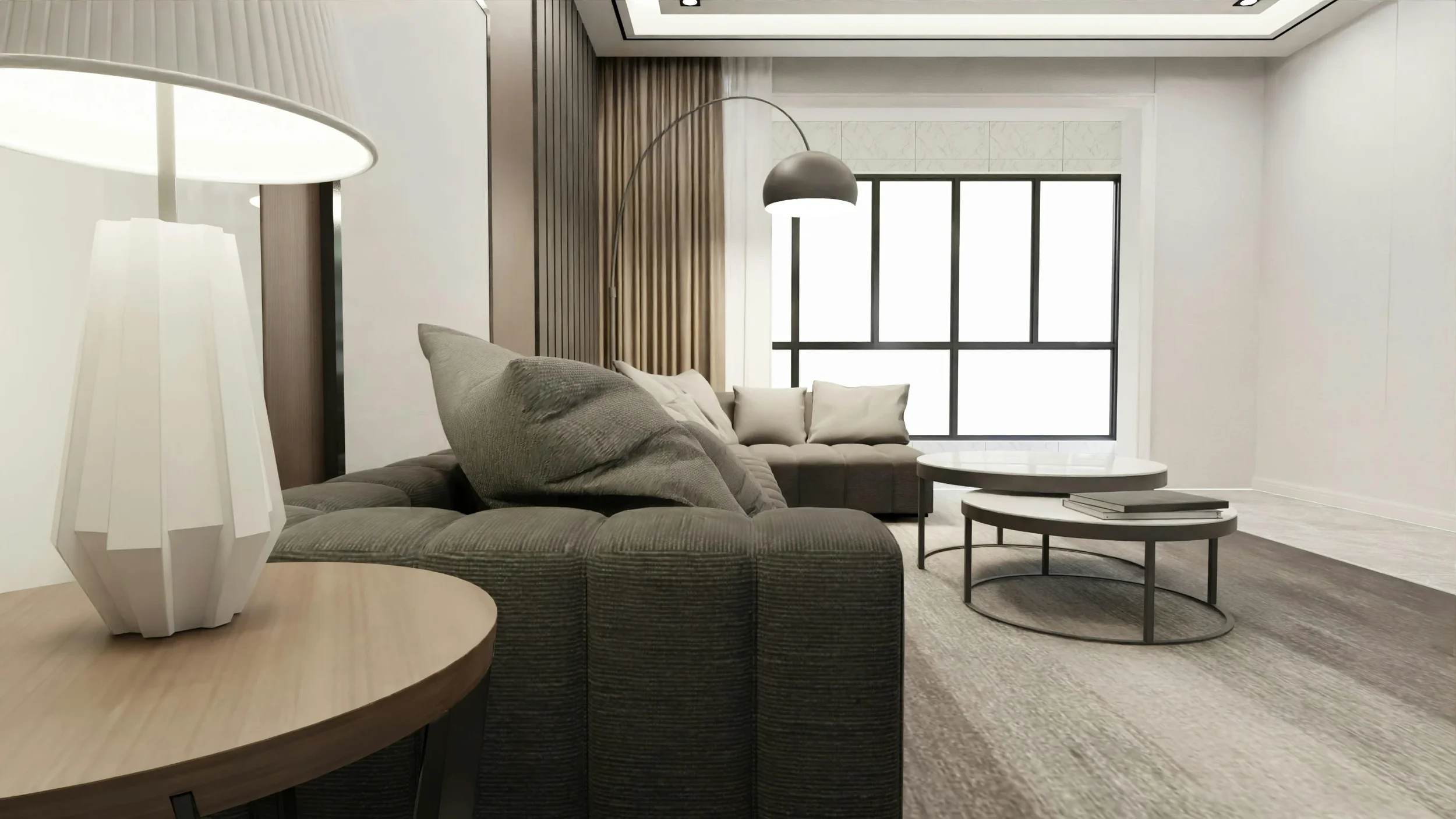
Nesting Systems: Accent tables and stools that tuck neatly under a primary coffee table when not in use. These pieces can be pulled out in seconds to serve guests, then quickly condense back to a single, small footprint.
The Adaptable Sofa
The sofa, by far the largest piece of furniture, must be able to shrink or expand its utility on demand:
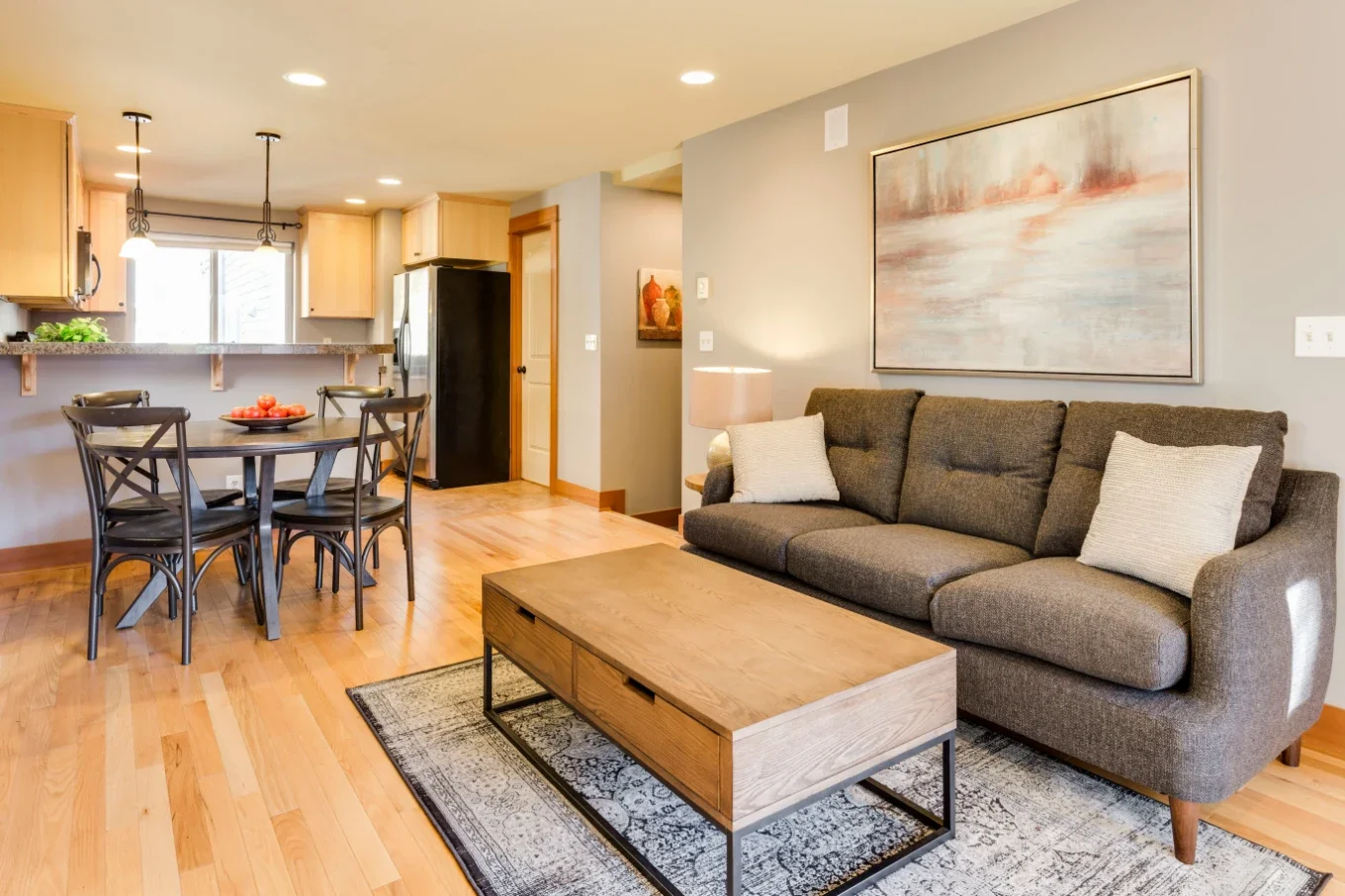
Modular Construction: Sectionals that can be rearranged into different configurations—breaking a long sofa into two separate seating areas or merging them into a large lounge. This adaptability is key for quickly optimizing space for different social scenarios.
Integrated Bed Function: Going beyond bulky, uncomfortable sofa beds, modern models use sophisticated mechanics to transform into comfortable sleeping platforms with minimal effort and without requiring significant extra floor space for conversion.
2. Retractable Design: Maximizing Volume and Light
Retractable elements are those that allow a piece of furniture to collapse, fold, or slide away, thereby freeing up crucial volume and maximizing the amount of visible floor space—a trick that makes any room feel larger.
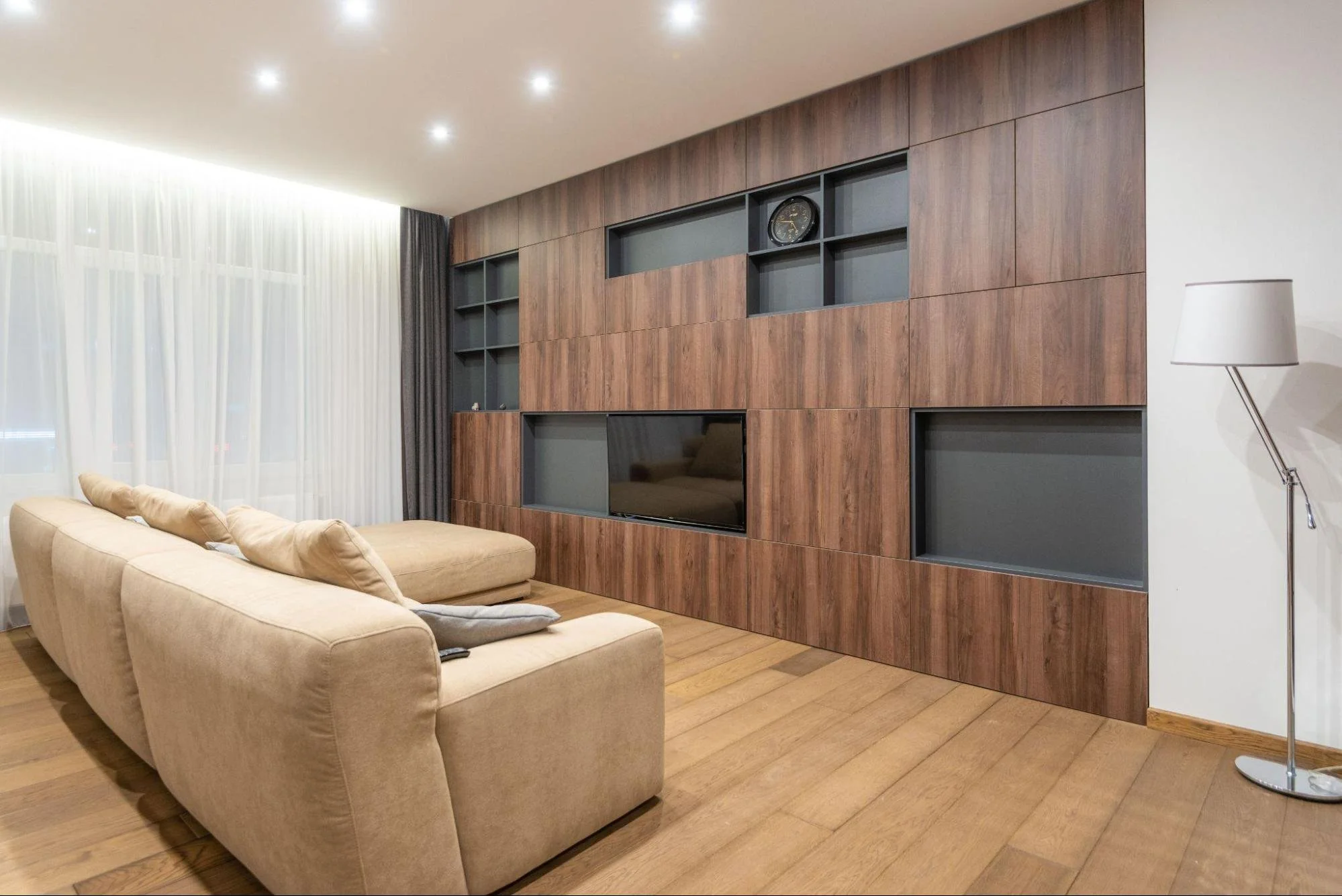
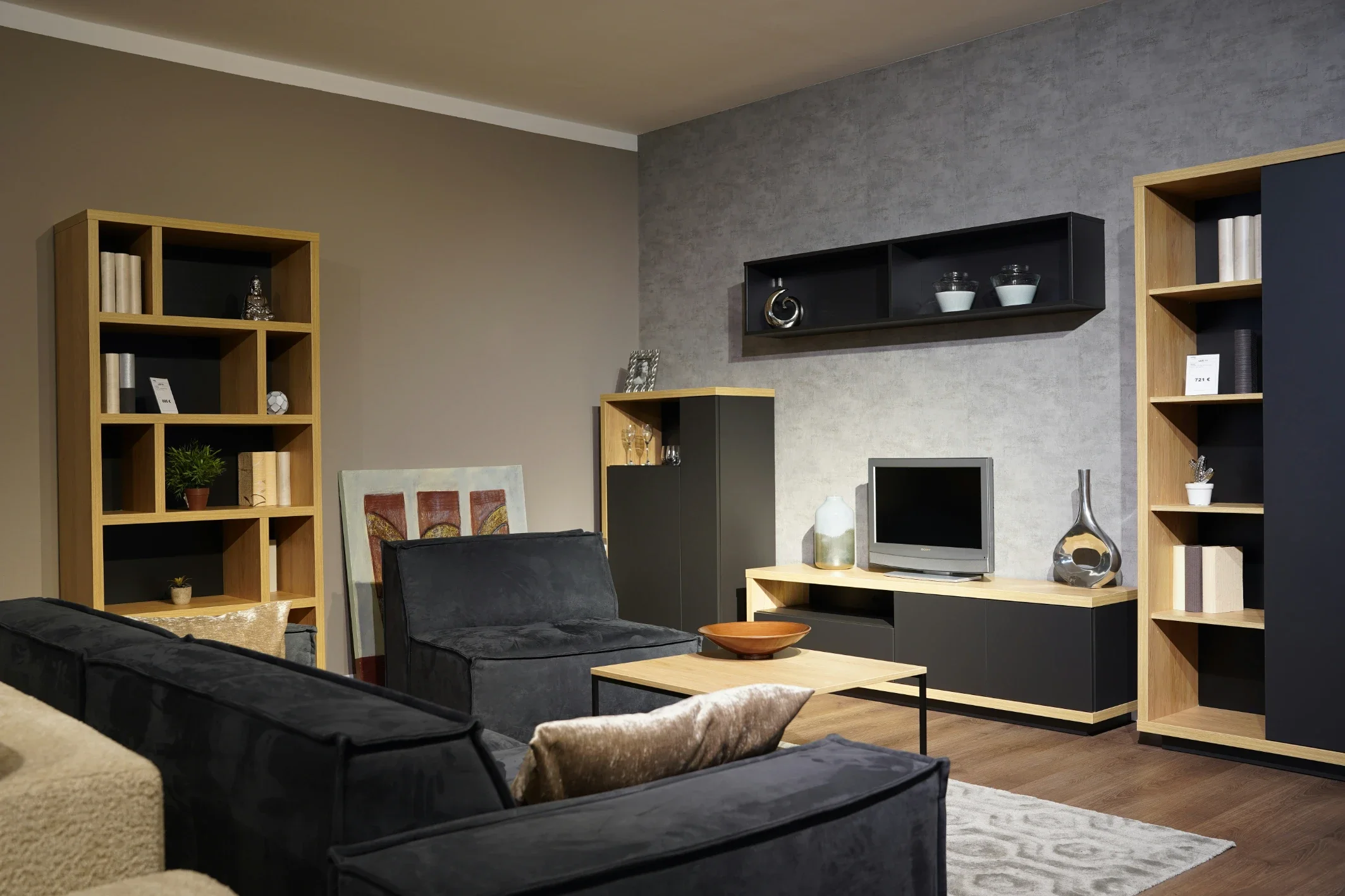
Wall-Integrated Consoles: Entertainment units designed to be shallow when closed and sometimes feature sliding panels that can conceal the TV, transforming the media wall into a sleek, clean decorative surface when entertainment is not the focus.
Compact Seating: Ottomans that contain nested stools inside them, or stackable chairs that can be stored in a closet but brought out for large gatherings. The ability to stow away extra seating is fundamental to maintaining an open feel.
The Vertical Approach: Utilizing wall space for shelving and storage that extends upwards, rather than outward. This draws the eye vertically, creating the illusion of height and leaving the perimeter of the floor clear.
3. The Seamless Integration of Smart Technology
Smart furniture takes multi-functionality a step further by integrating technology to enhance comfort and convenience, reducing the need for ancillary electronics that clutter the space.
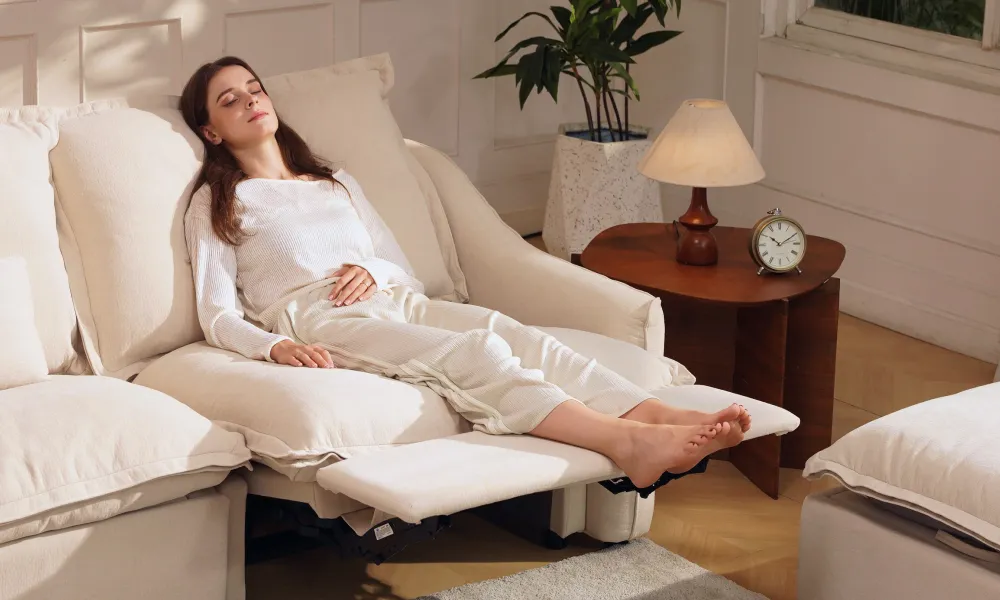
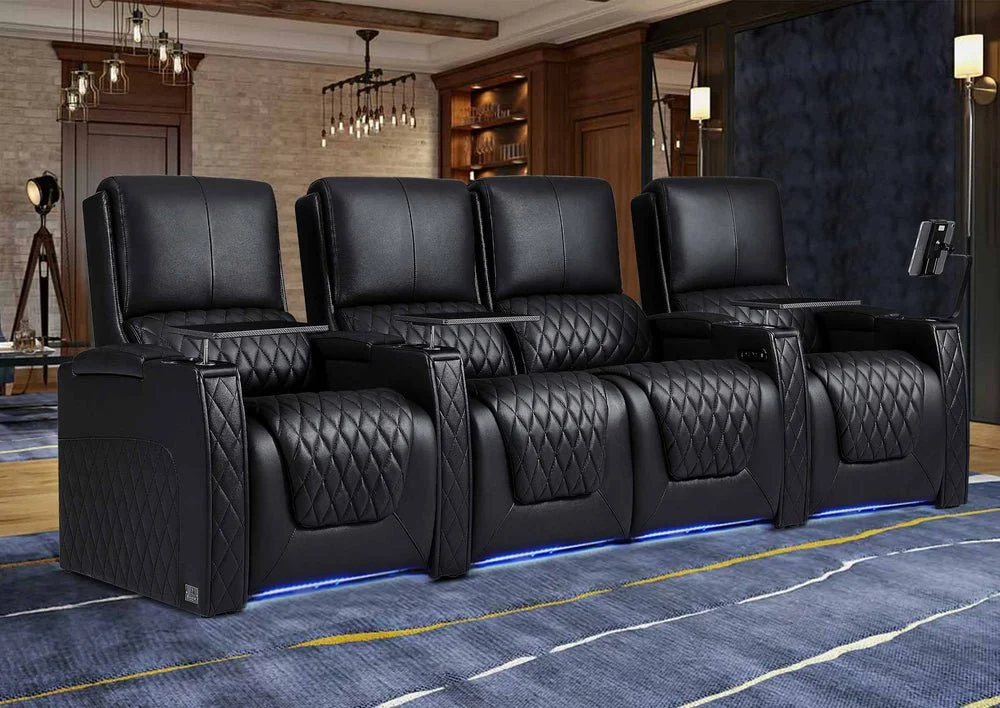
Motorized Motion: Power recliners and headrests built into sofas offer personalized comfort at the touch of a button. Crucially for small spaces, modern smart recliners are often "wall-huggers," requiring only a few inches of clearance from the wall, allowing the sofa to be placed much closer to the wall than traditional models.
Integrated Power: Built-in USB ports, wireless charging pads, and discreet power outlets eliminate the tangle of extension cords and the need for chunky side tables to hold lamps or charge devices.
Ambient Lighting: Subtle, integrated LED lighting within shelving units or along the base of a sofa can create a sense of depth and atmosphere without requiring large floor lamps that consume floor space.
4. Why Fully Assembled Quality is Non-Negotiable
The complex moving parts, precise alignments, and integrated mechanics required by high-quality retractable and smart furniture make factory assembly a mandatory prerequisite. A DIY assembly of a motorized sofa or a precision-sliding coffee table introduces too many variables that can compromise functionality and safety.
A fully assembled approach guarantees that:
Mechanisms Work Flawlessly: Motors, hinges, and sliding rails are calibrated and tested by experts, ensuring smooth, reliable, and quiet operation for the life of the product.
Structural Integrity is Maintained: Complex load-bearing parts are joined with industrial precision, which is critical for safety, especially in items like lift-top tables or heavy motorized seating.
Design Intent is Preserved: All panels, drawers, and seams are perfectly aligned, ensuring the sleek, high-end look of the retractable piece is exactly as the designer intended, without the gaps or sagging often caused by consumer error.
Choosing retractable and smart furniture is a commitment to living efficiently and elegantly. It is a strategic move that allows the small living room to function as a dynamic, spacious environment tailored precisely to the modern homeowner’s demanding lifestyle.
Stay up to date with our latest ideas!