Optimizing Space Without Sacrificing Style with Multifunctional Furniture
Discover smart ways to optimize space with multifunctional furniture while maintaining a stylish, modern home design.
Creating a home that feels both spacious and stylish can be a challenge, especially when square footage is limited. The key lies in making thoughtful design choices that balance function and aesthetics. By applying practical strategies such as decorating tips for storage, homeowners can transform even small spaces into organized and visually appealing environments. One of the most effective approaches is incorporating multifunctional furniture, which combines utility with clean, modern design to meet the demands of contemporary living.
Why Multifunctional Furniture Matters
Multifunctional furniture is designed to serve more than one purpose, making it ideal for maximizing space. Instead of filling a room with separate pieces for each need, these designs allow a single item to perform multiple roles.
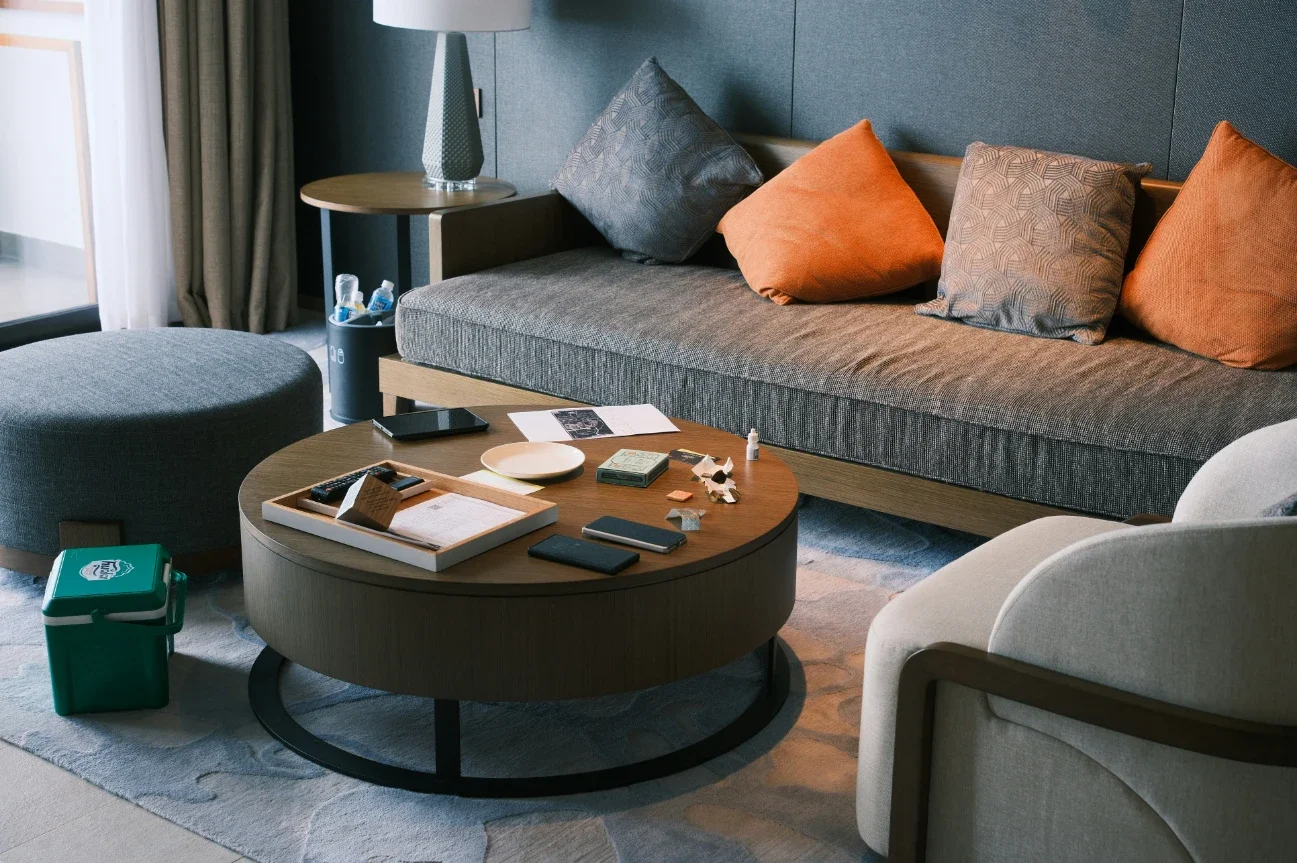
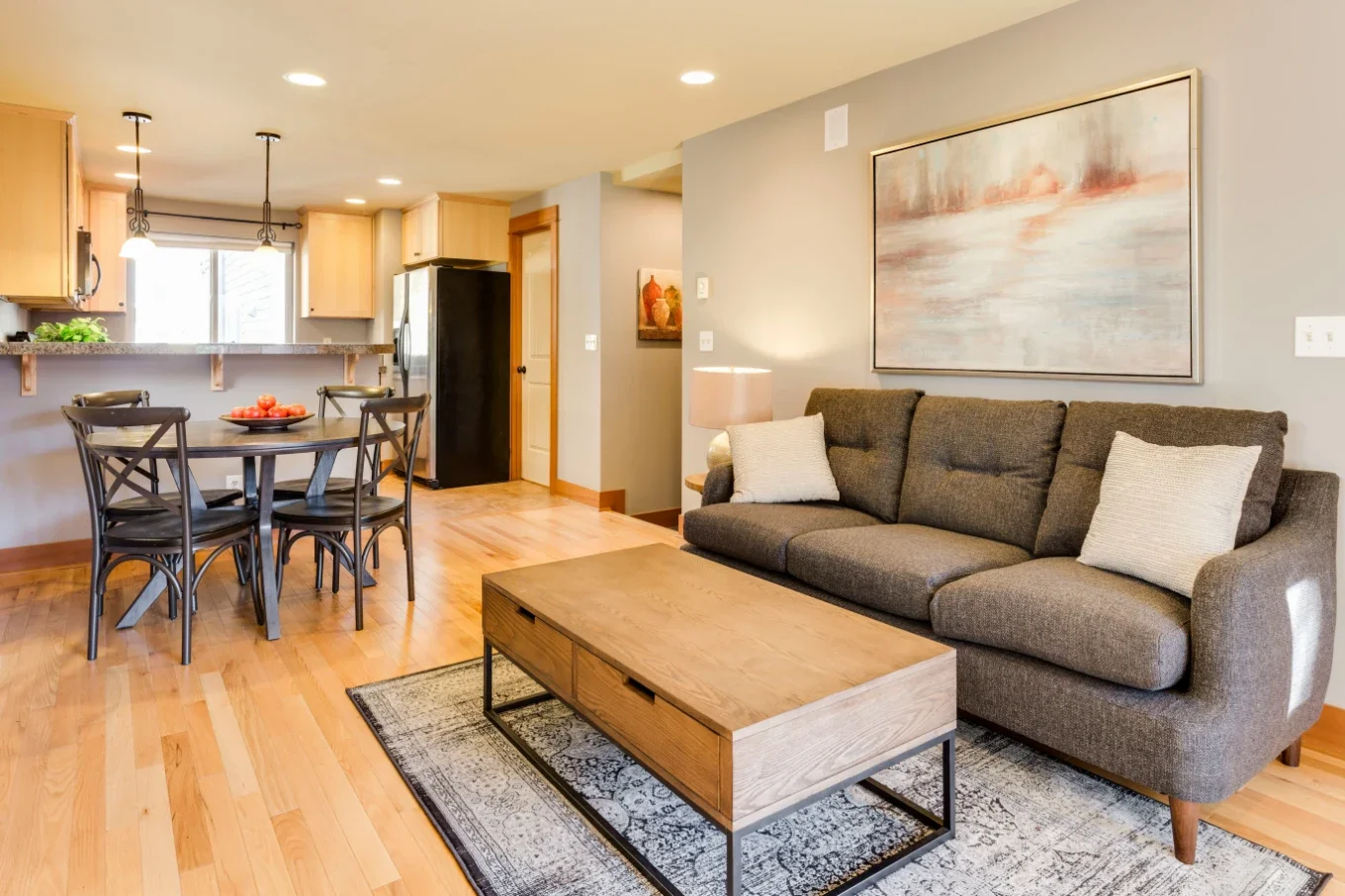
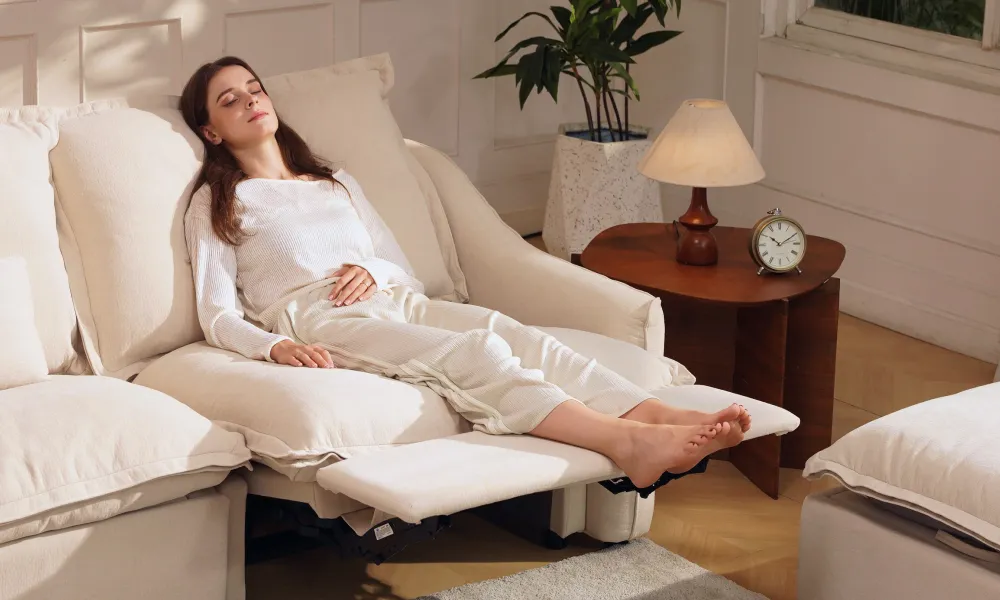
For example, a sofa can double as a bed, a coffee table can include hidden storage, and a dining table can expand when needed. This approach reduces clutter while maintaining a cohesive look, which is essential for both small apartments and larger homes seeking a minimalist aesthetic.
In addition to saving space, multifunctional furniture simplifies daily living. Everything has a purpose, and every item contributes to both form and function.
Practical Decor Meets Smart Design
Modern interior design is shifting toward practicality without compromising style. Clean lines, neutral tones, and efficient layouts are becoming more popular, especially as people prioritize comfort and organization.
Smart furniture plays a central role in this trend. Pieces are designed not only to look good but also to solve everyday challenges. Storage benches, foldable desks, and modular shelving systems are just a few examples of how furniture can adapt to different needs.
This balance between beauty and function creates spaces that feel intentional and well designed rather than overcrowded.
Space Saving Ideas for Everyday Living
Incorporating multifunctional furniture requires a strategic approach. It is not just about buying new items but also about rethinking how space is used.
Some effective ideas include:
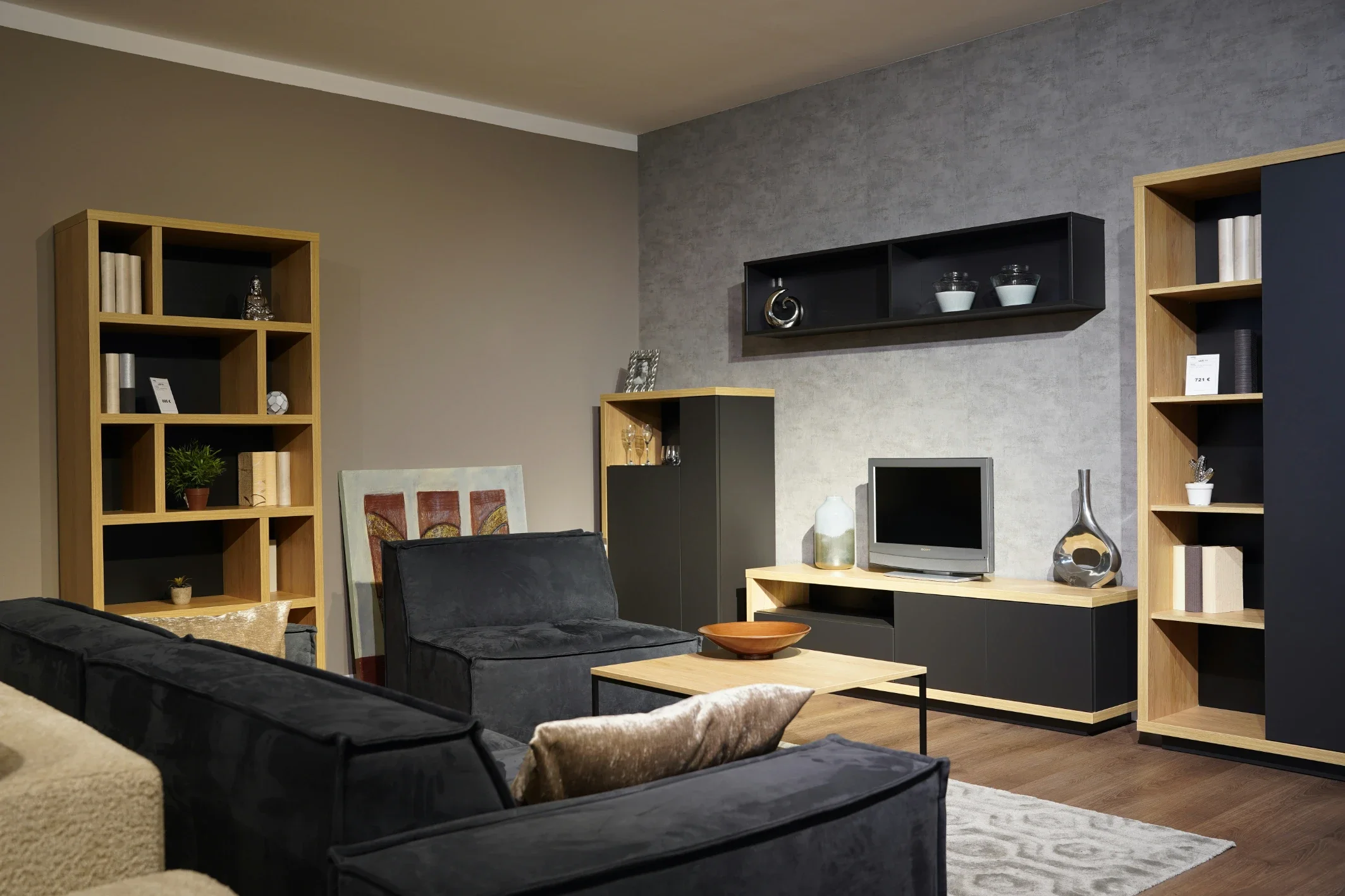
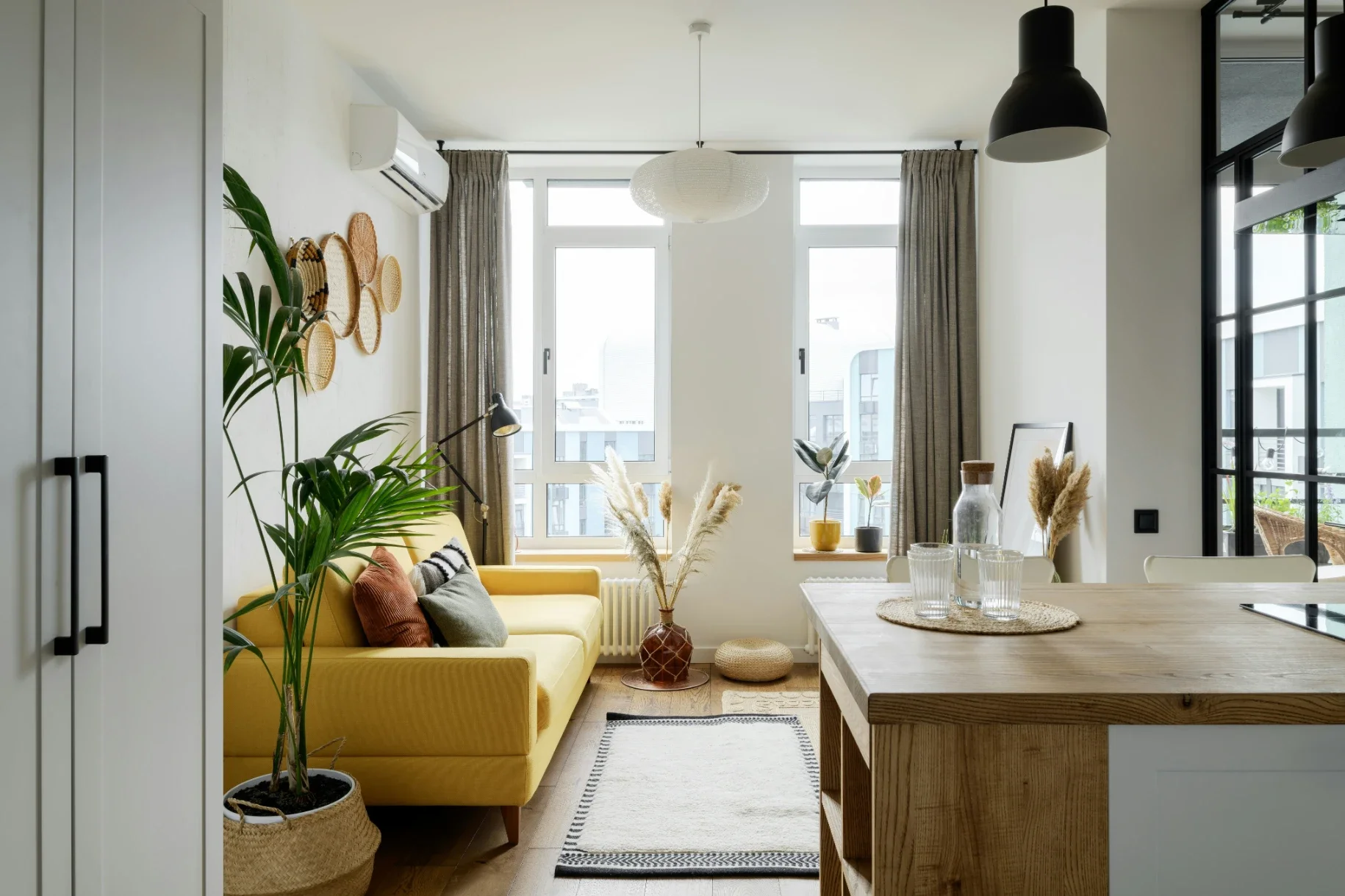
Using vertical space: Tall shelves and wall mounted units free up floor space
Choosing foldable furniture: Items that can be stored away when not in use help maintain openness
Adding hidden storage: Beds with drawers or ottomans with compartments reduce visible clutter
Selecting modular pieces: Furniture that can be rearranged offers flexibility as needs change
These solutions help create a more efficient layout while keeping the design clean and uncluttered.
Furniture Trends for 2025
Looking ahead, furniture trends for 2025 emphasize simplicity, versatility, and sustainability. Clean design remains at the forefront, with an emphasis on smooth surfaces, subtle textures, and timeless color palettes.
Key trends include:
Minimalist aesthetics: Simple forms with a focus on functionality
Convertible furniture: Pieces that easily transform to serve different purposes
Natural materials: Wood, stone, and eco friendly fabrics that add warmth and authenticity
Compact designs: Furniture tailored for smaller living spaces
Integrated technology: Built in charging stations and smart features for modern convenience
These trends reflect a growing desire for homes that are both stylish and practical, adapting to the evolving needs of daily life.
Balancing Style and Function
One of the biggest misconceptions about multifunctional furniture is that it sacrifices style for practicality. In reality, modern designs prove that both can coexist beautifully.
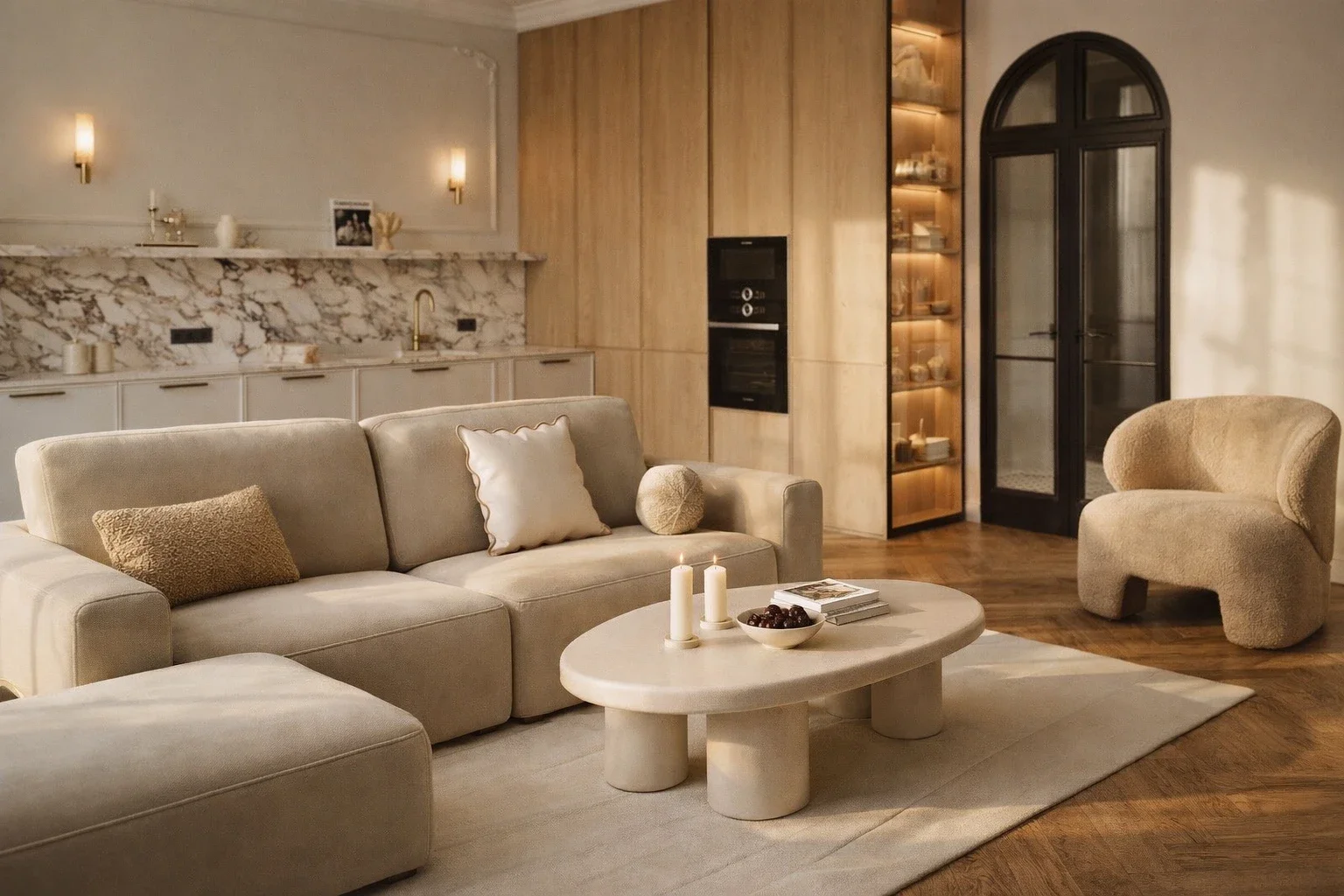
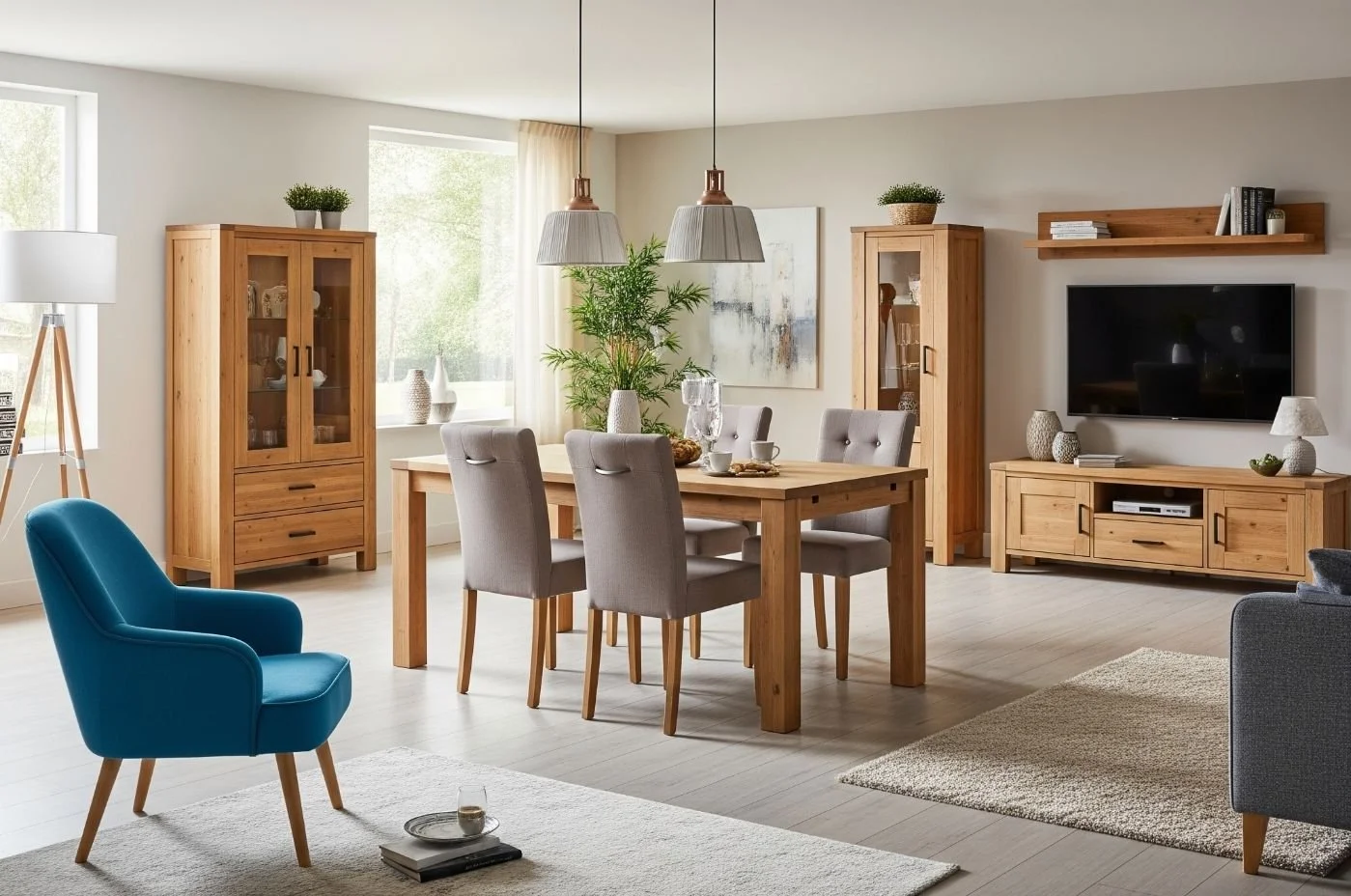
Choosing pieces with clean lines and neutral colors helps maintain a cohesive look. Adding textures through fabrics, rugs, and decor elements can enhance visual interest without overwhelming the space.
The goal is to create harmony. Every piece should contribute to the overall design while serving a clear purpose. When done correctly, multifunctional furniture becomes a seamless part of the interior rather than a compromise.
Designing for Flexibility
Homes today need to be adaptable. Living spaces often serve multiple functions, from working and relaxing to entertaining and dining. Multifunctional furniture supports this flexibility by allowing rooms to change as needed.
For instance, a living room can transform into a workspace during the day and a relaxation area in the evening. A foldable desk or extendable table makes this transition effortless.
This adaptability is especially valuable in urban environments where space is limited and efficiency is essential.
Final Thoughts
Optimizing space without sacrificing style is achievable with the right approach. Multifunctional furniture offers a smart solution by combining practicality with modern design, helping homeowners create spaces that are both efficient and visually appealing.
As trends continue to evolve toward simplicity and utility, investing in versatile furniture becomes an increasingly valuable choice. By focusing on thoughtful design and functional pieces, any home can feel more open, organized, and stylish, regardless of its size.
Stay up to date with our latest ideas!