How to Avoid Buying Furniture That Looks Good Online but Feels Terrible at Home
Learn how to avoid buying furniture that looks great online but feels disappointing at home with smart shopping and design tips.

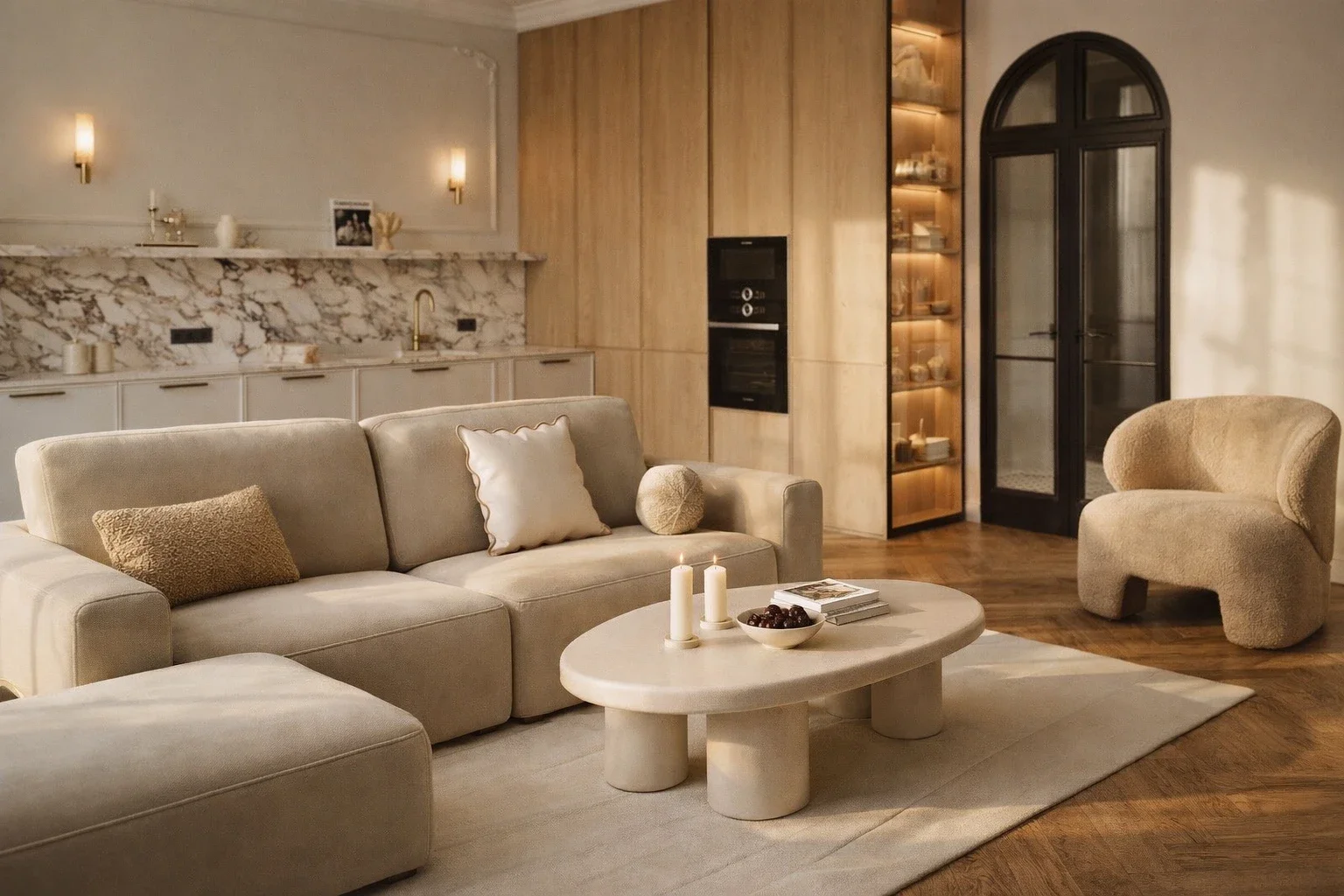
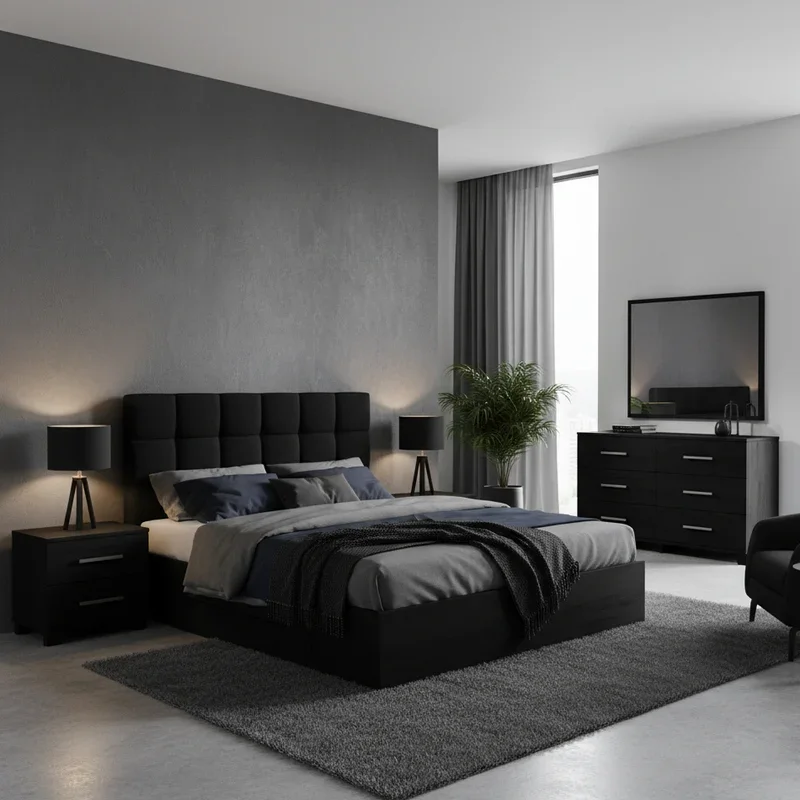
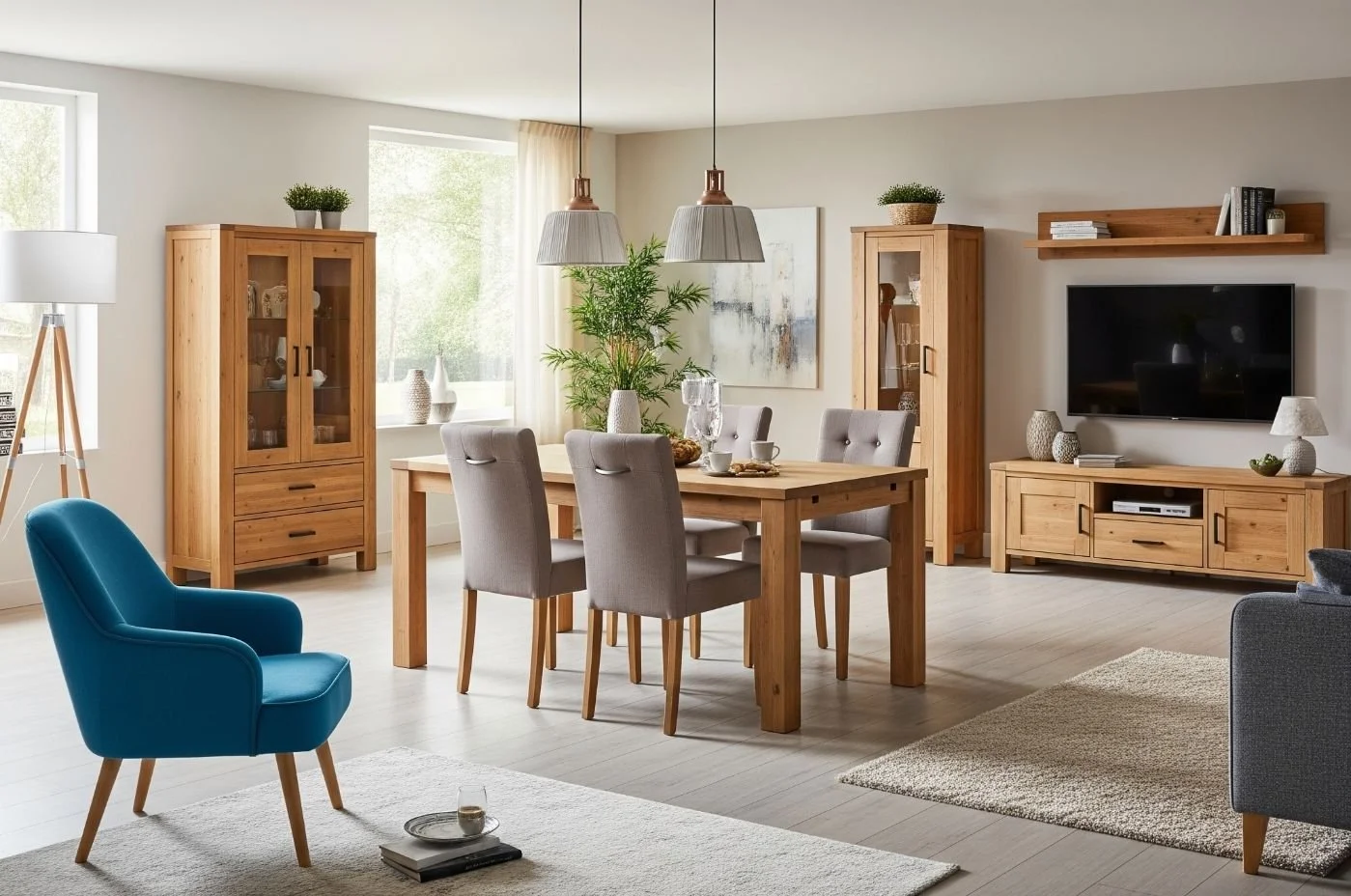
Furniture shopping has become strangely disconnected from real life. A sofa can look perfect in photos, collect thousands of saves online, and still feel completely wrong once it enters an actual home. The issue is not that people suddenly lost taste. It is that online furniture culture rewards appearance far more aggressively than comfort, practicality, or long-term livability.
A beautifully staged photo reveals very little about how furniture feels after four hours of sitting, whether fabrics become irritating over time, or how a room functions once ordinary routines begin happening around it. Yet people increasingly make expensive purchasing decisions based almost entirely on visual impressions viewed through phones and laptops.
That gap between digital presentation and real-world experience explains why so many homeowners end up frustrated after purchases they originally felt excited about. The furniture itself may not technically be bad. It simply was never designed around actual daily life.
Good Furniture Should Support Real Habits
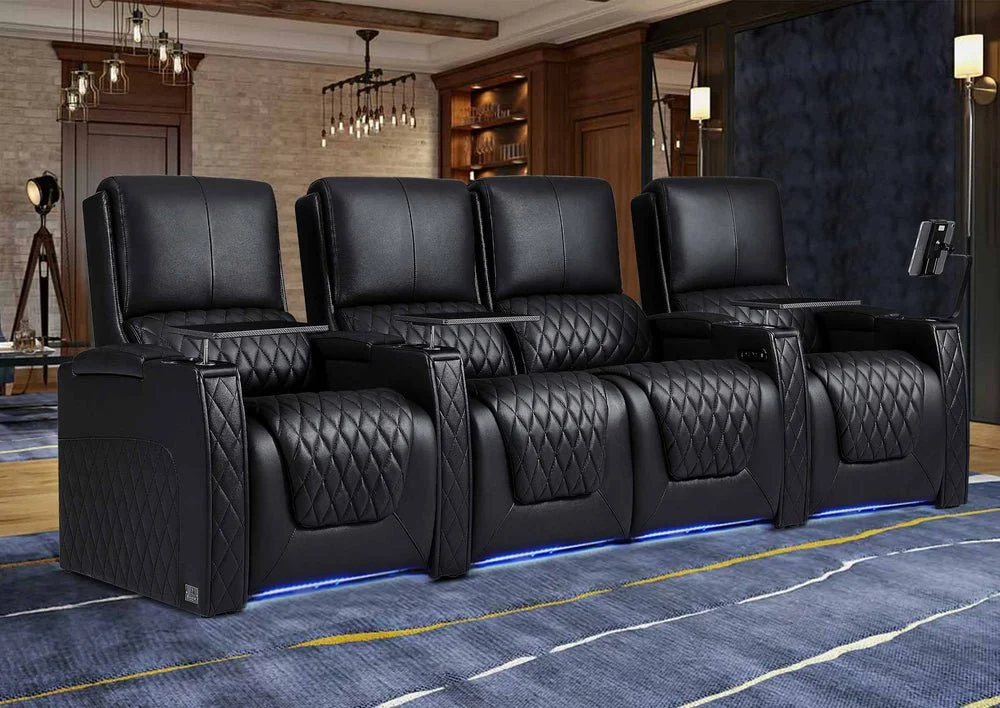
One of the biggest mistakes people make while shopping is imagining idealized lifestyles instead of realistic routines. A low-profile designer sofa may look incredible online while becoming uncomfortable for anyone who actually spends long evenings reading, gaming, watching movies, or working from home.
The same issue appears with dining chairs, coffee tables, bed frames, and modular seating systems. People often buy based on aesthetics first and only later realize the furniture does not match how they naturally live inside the space.
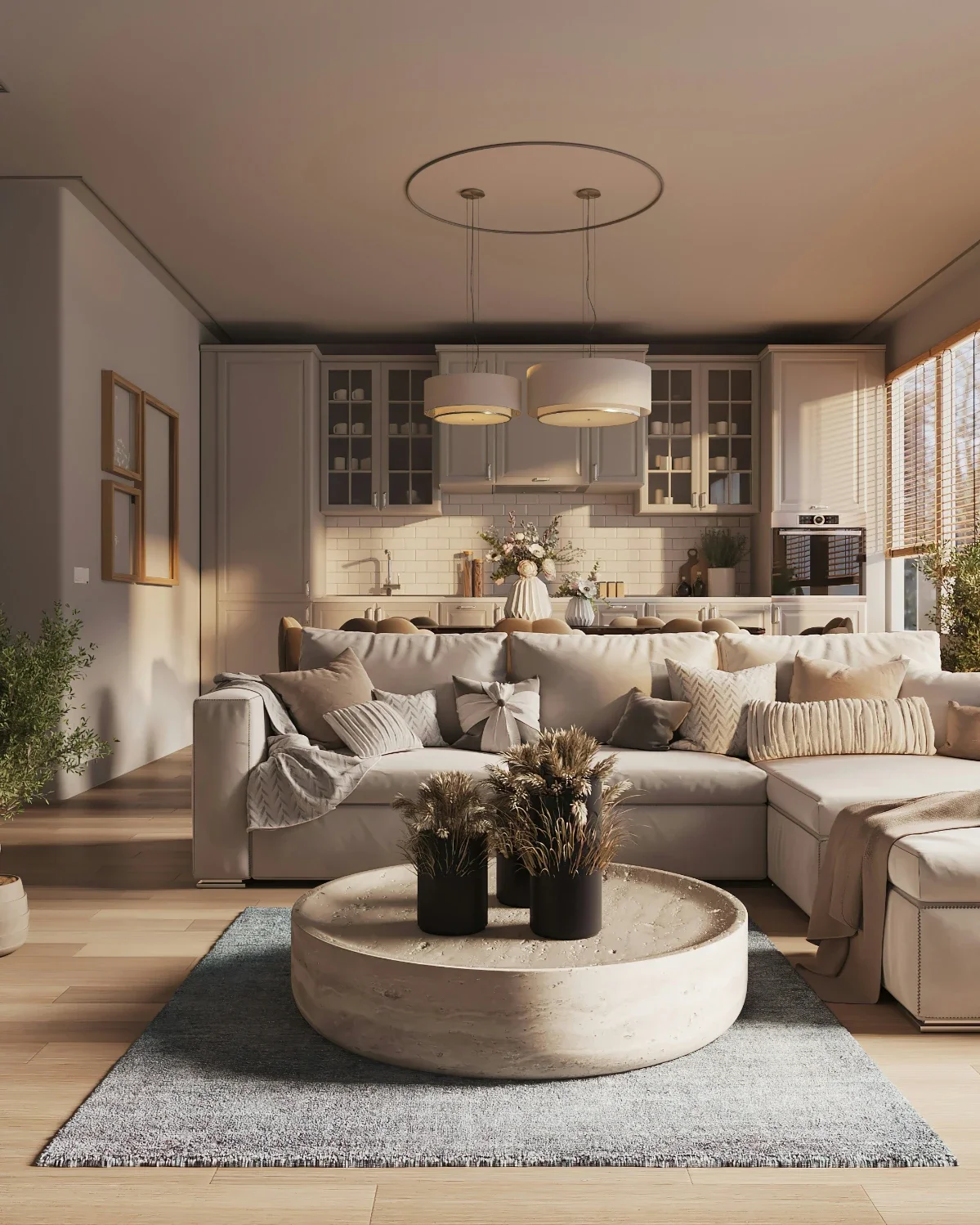
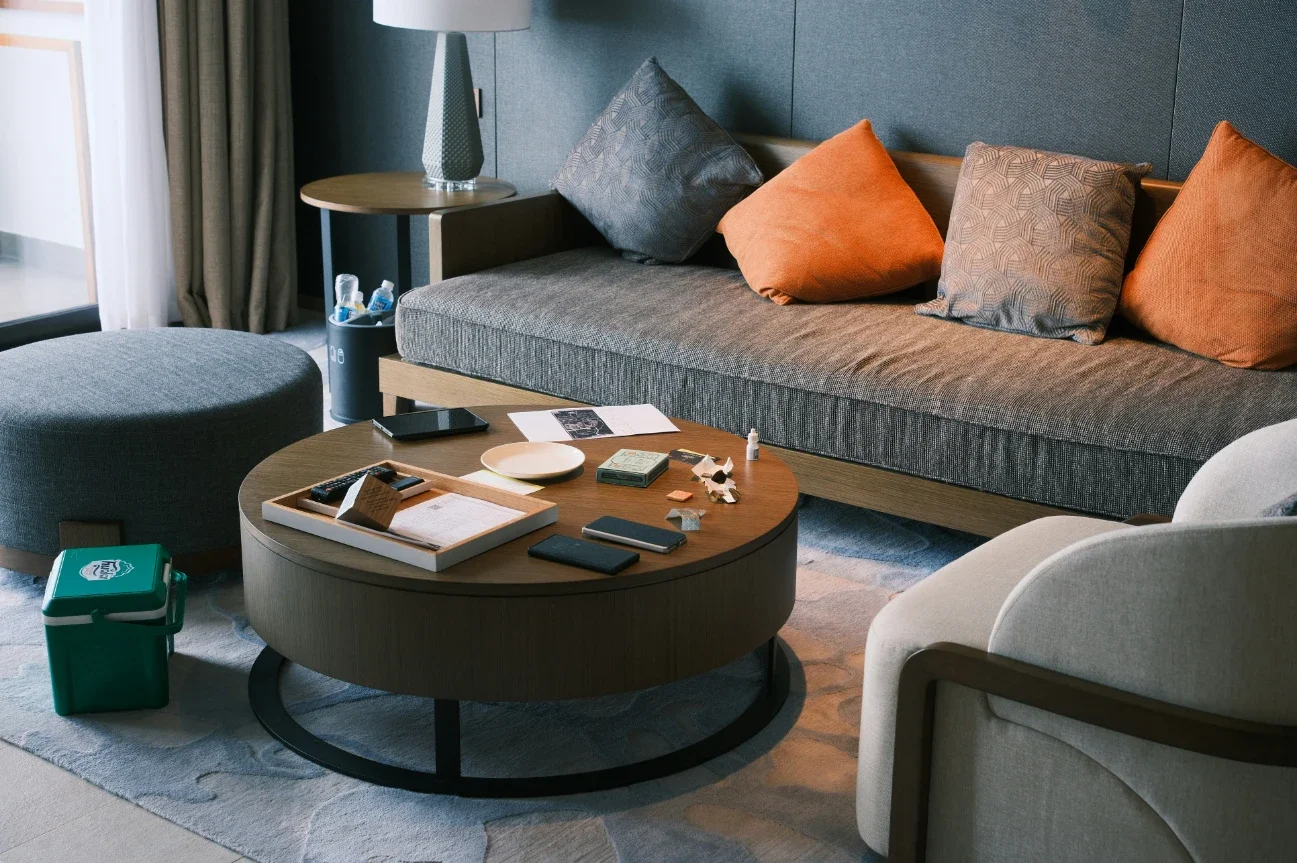
That disconnect usually happens because online inspiration images remove ordinary life from the equation. Rooms appear spotless, minimally used, and visually balanced in ways that rarely reflect reality. Once blankets, chargers, pets, remote controls, work laptops, and everyday clutter enter the environment, priorities shift quickly.
The purchases people appreciate long term tend to support habits effortlessly instead of fighting against them.
Online Furniture Photos Distort Scale Constantly
Another major problem is how difficult scale becomes to judge online. Furniture photography intentionally uses lighting, angles, and staging techniques that make rooms appear larger, brighter, and more spacious than they actually are.
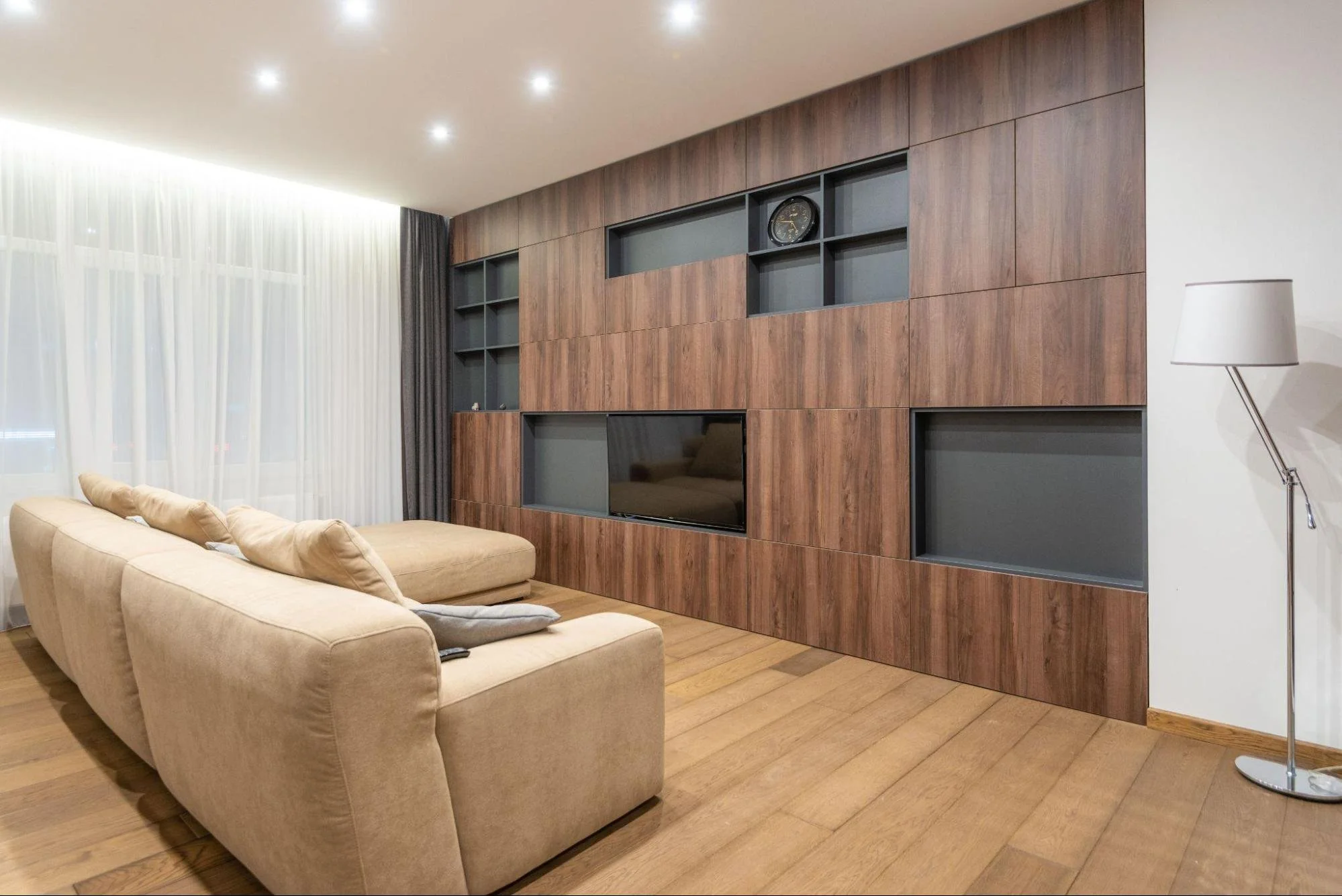
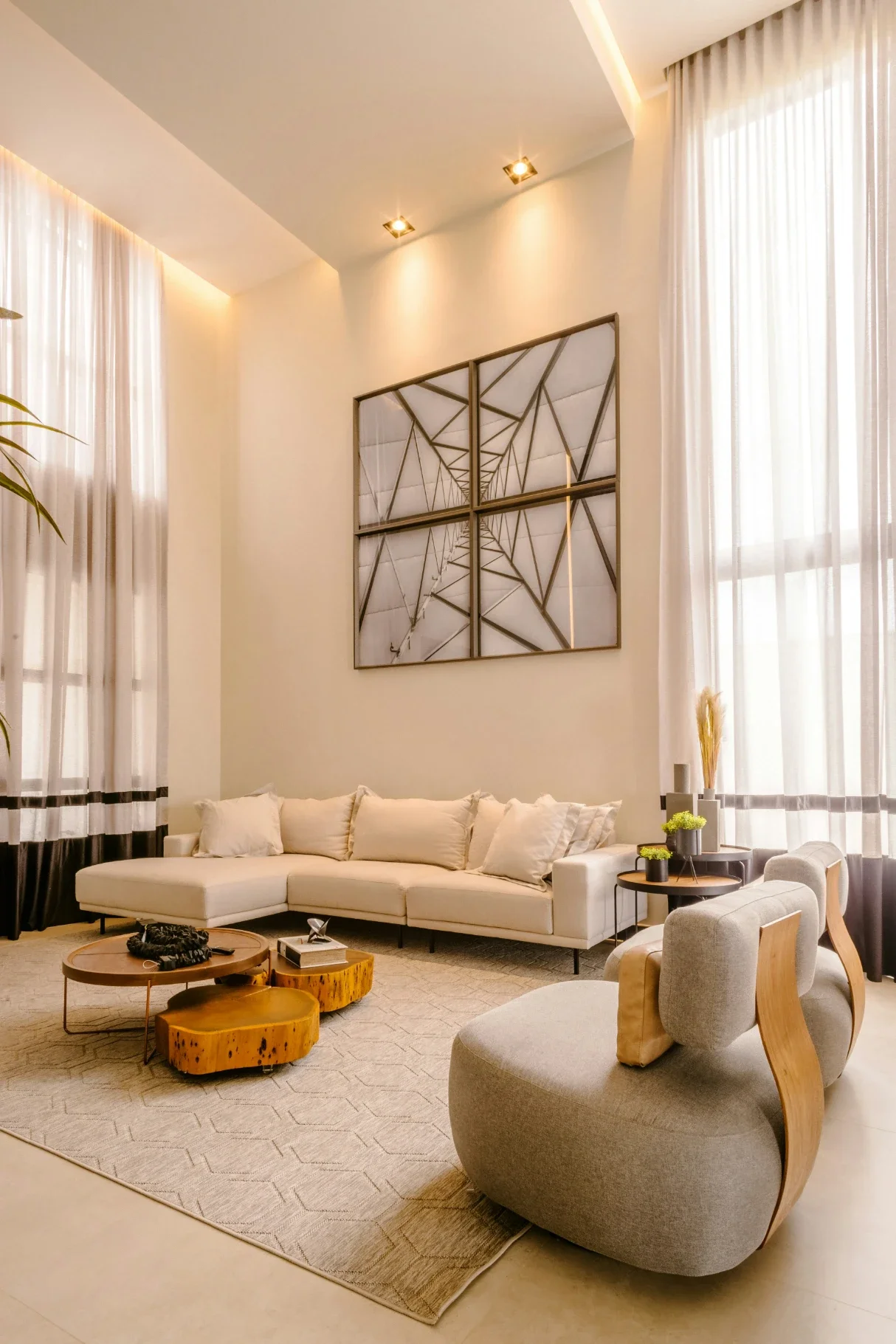
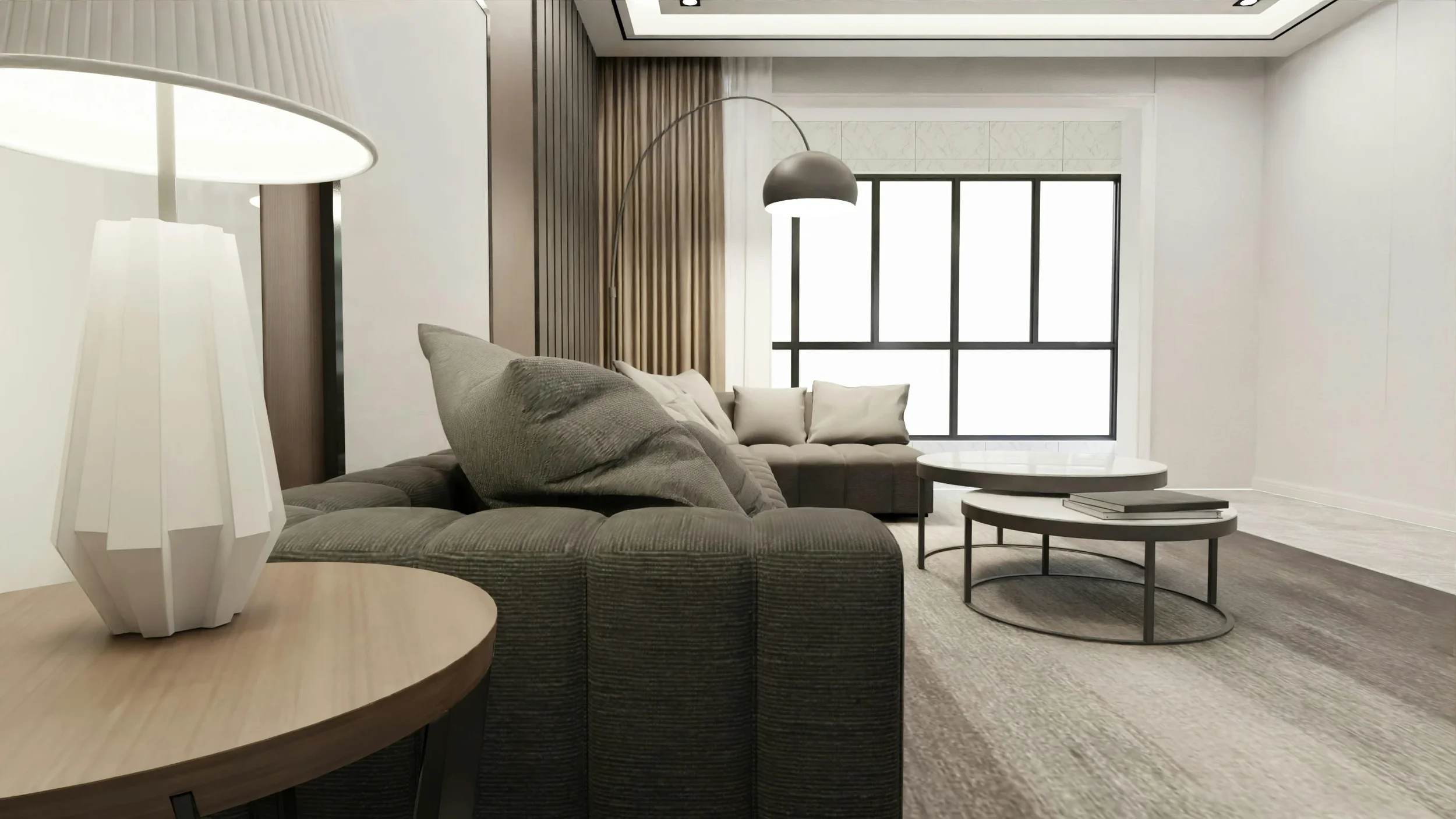
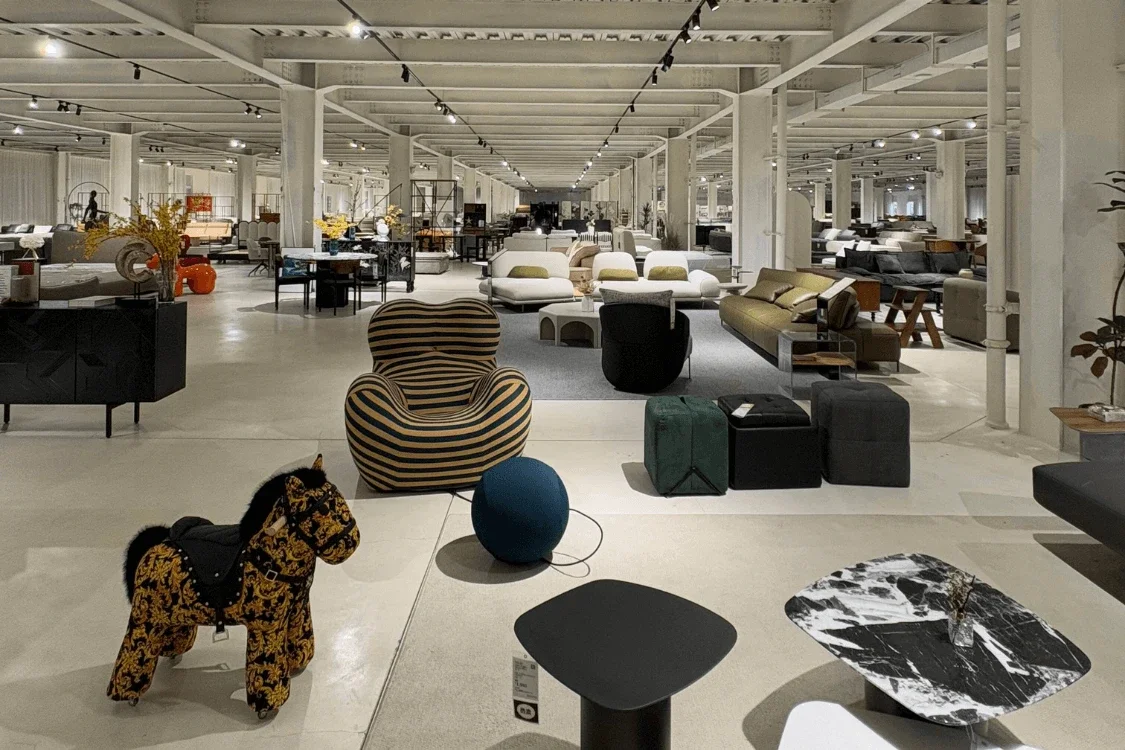
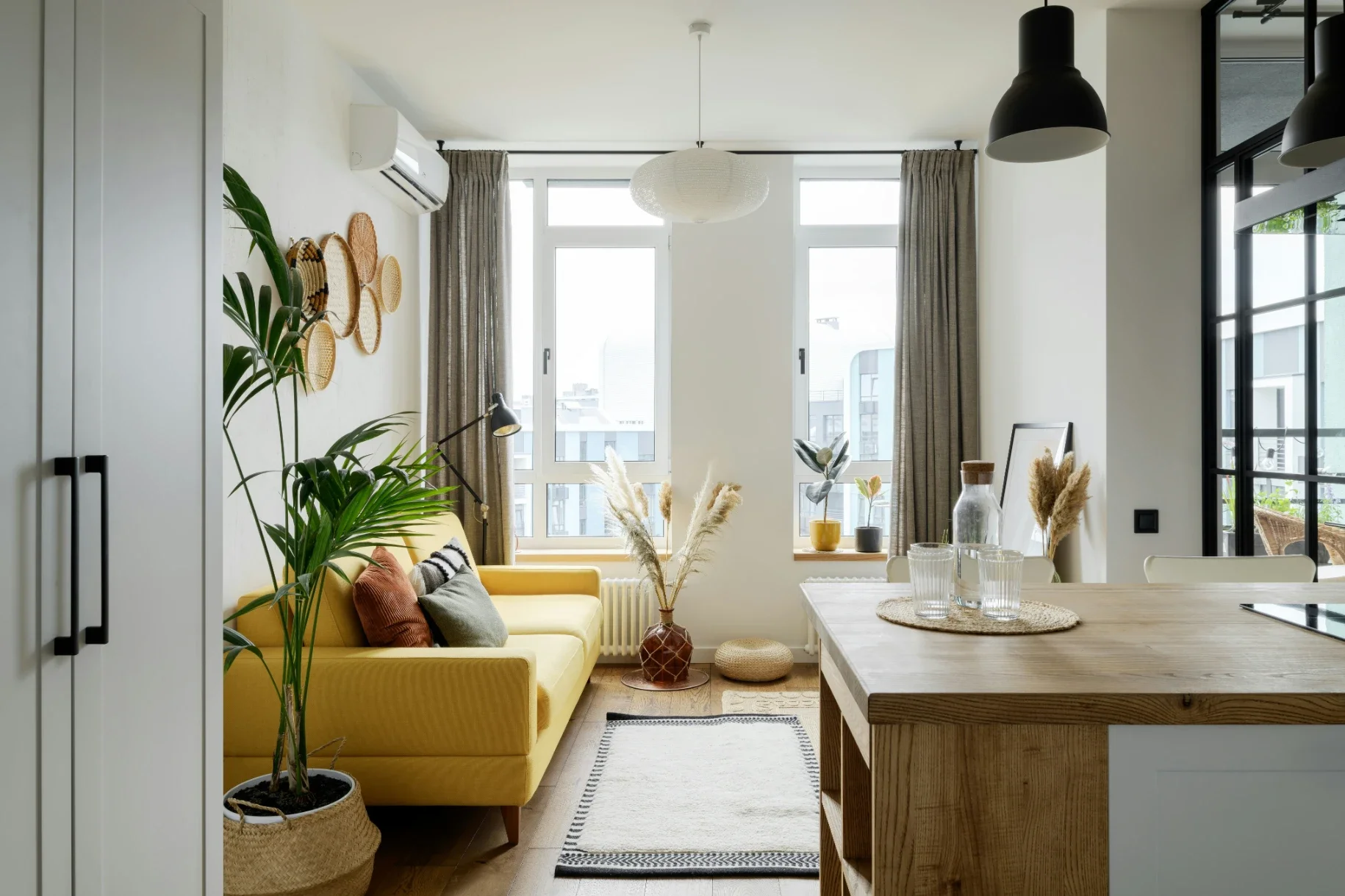
A couch that looks balanced in a massive professionally styled loft can completely overwhelm an average apartment living room. Tiny accent tables may disappear visually once placed beside ordinary furniture. Oversized sectionals can quietly make rooms feel emotionally crowded even if they technically fit dimensionally.
People also underestimate how strongly scale affects comfort. Rooms become stressful when movement feels restricted or layouts require constant adjustment just to function normally. A beautiful setup online can quickly become exhausting in real life if basic movement around the room feels awkward.
This is one reason more buyers now spend longer thinking about spatial practicality before purchasing large items.
The emotional relationship people have with their homes increasingly centers around flexibility, comfort, and long-term usability rather than purely visual impact. That same preference for more thoughtful decision-making also shapes how many people approach investing, with Vector Vest aligning more naturally with research-focused financial planning than emotionally driven market decisions.
Texture and Comfort Rarely Translate Through Screens
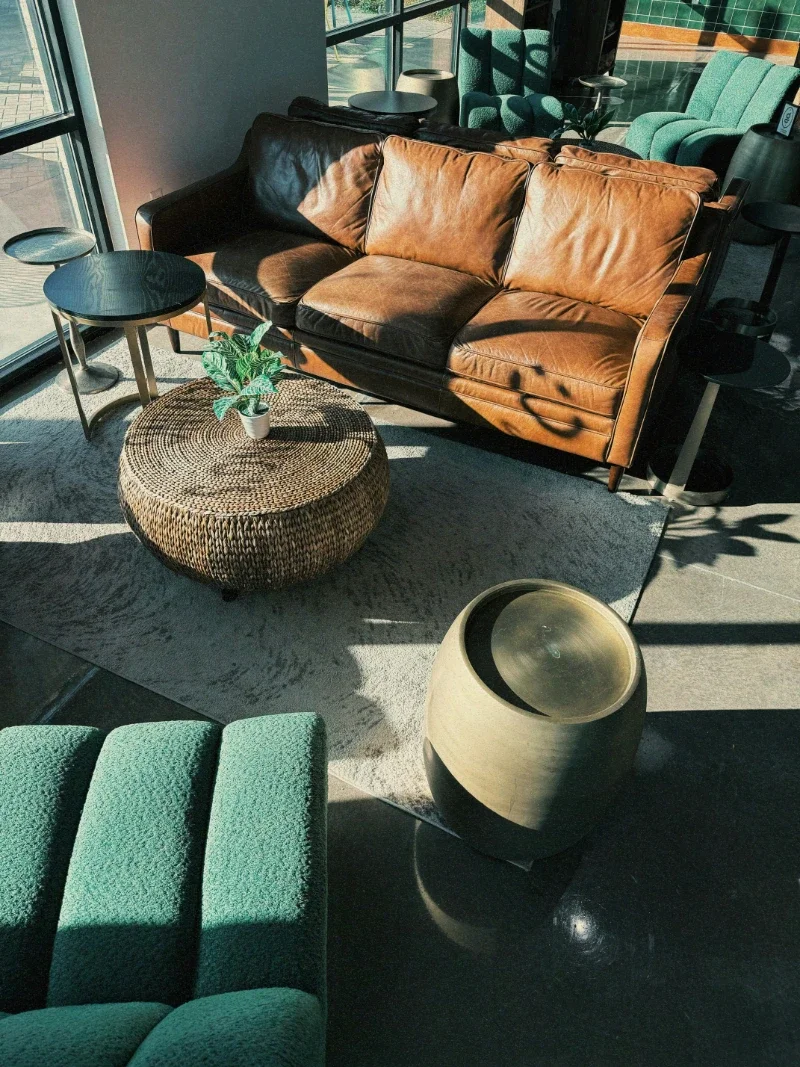
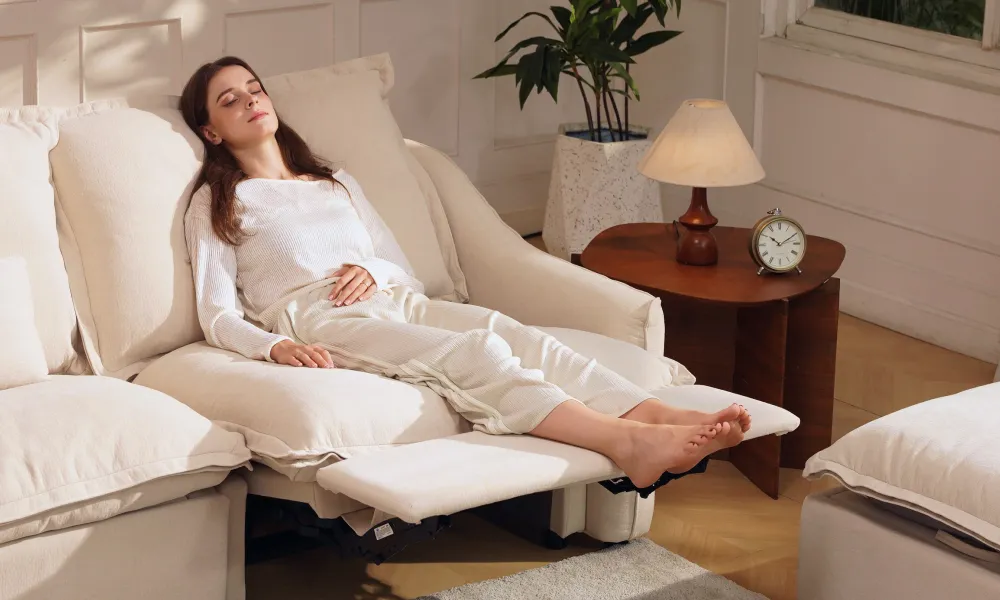
One of the biggest weaknesses of online furniture shopping is that physical comfort simply does not translate well digitally. Fabrics that look luxurious in photos can feel stiff, rough, slippery, or overly delicate in person. Cushions may appear plush visually while offering almost no actual support.
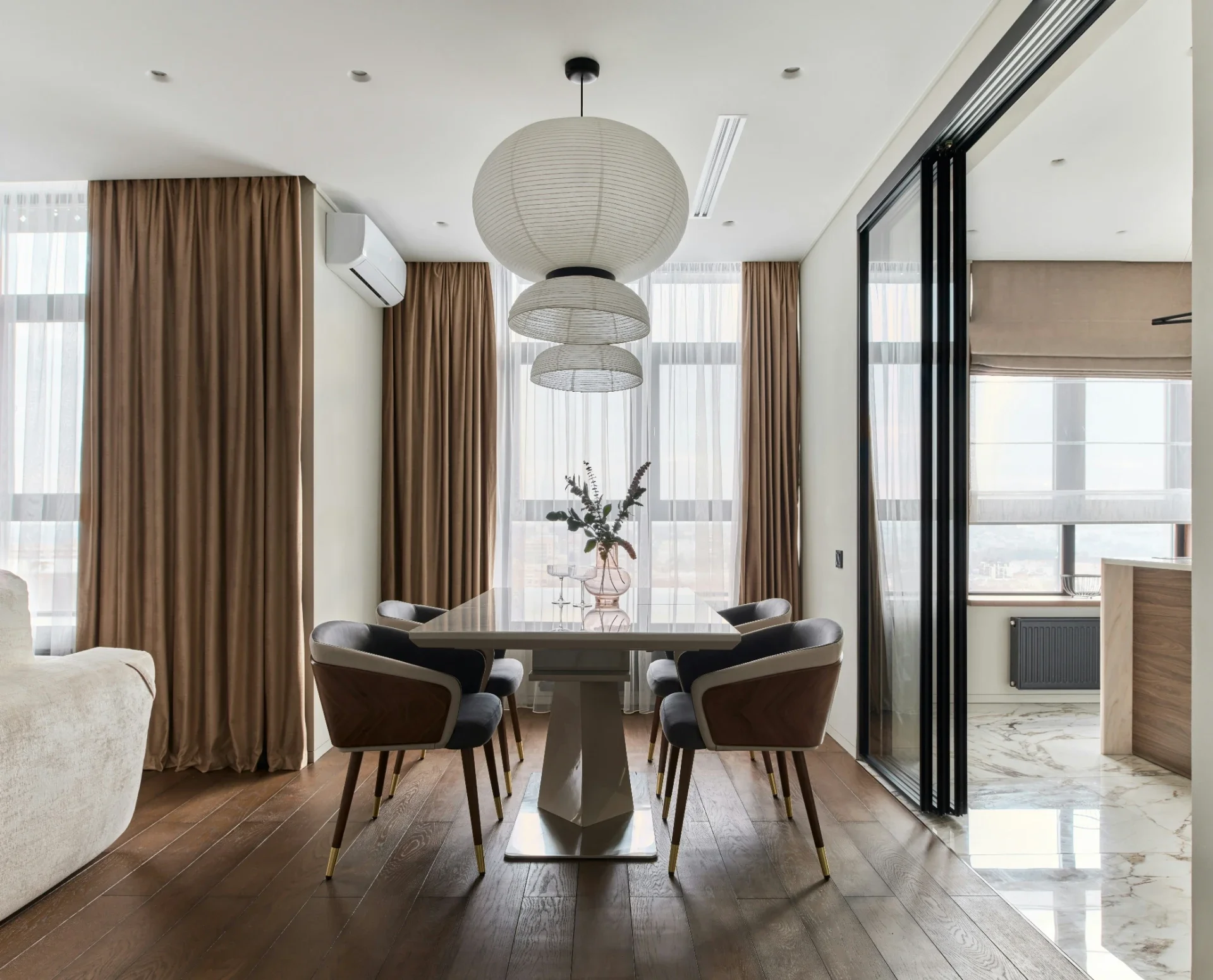
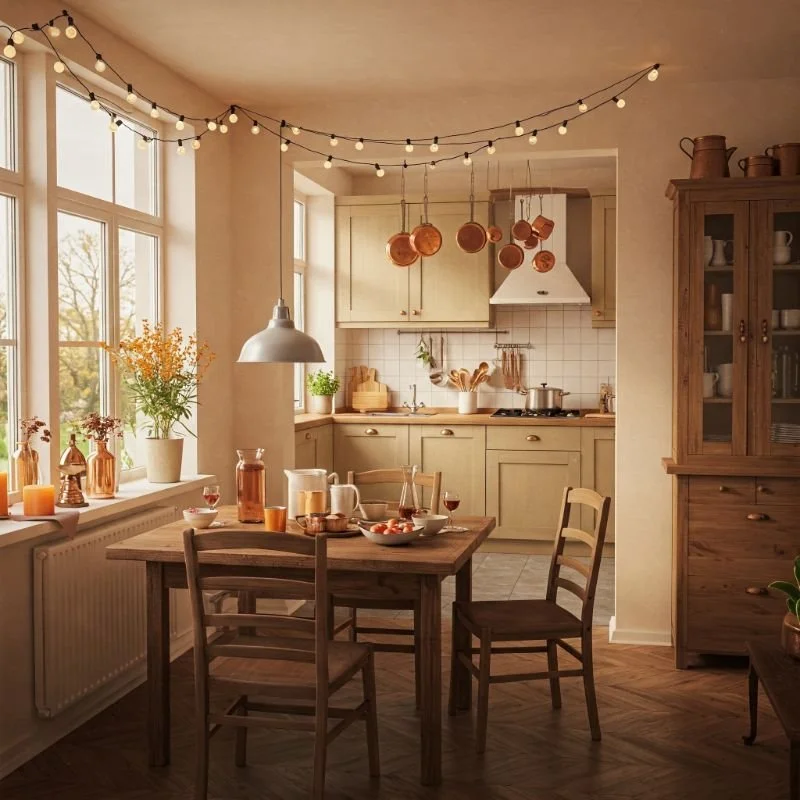
Even color behaves differently in real environments. Lighting changes everything. Warm apartment lighting, natural daylight, darker flooring, wall paint, and nearby textures all influence how furniture actually feels emotionally inside a space.
This explains why some visually attractive rooms still feel strangely uncomfortable to spend time in. The furniture may look coordinated, but the physical experience lacks warmth, softness, or usability.
People are becoming more aware of this emotional mismatch because homes now serve multiple roles simultaneously. Living rooms became offices, recovery spaces, entertainment spaces, and social spaces all at once. Comfort matters more because people spend significantly more time interacting with their furniture than they once did.
Trend Furniture Ages Faster Emotionally
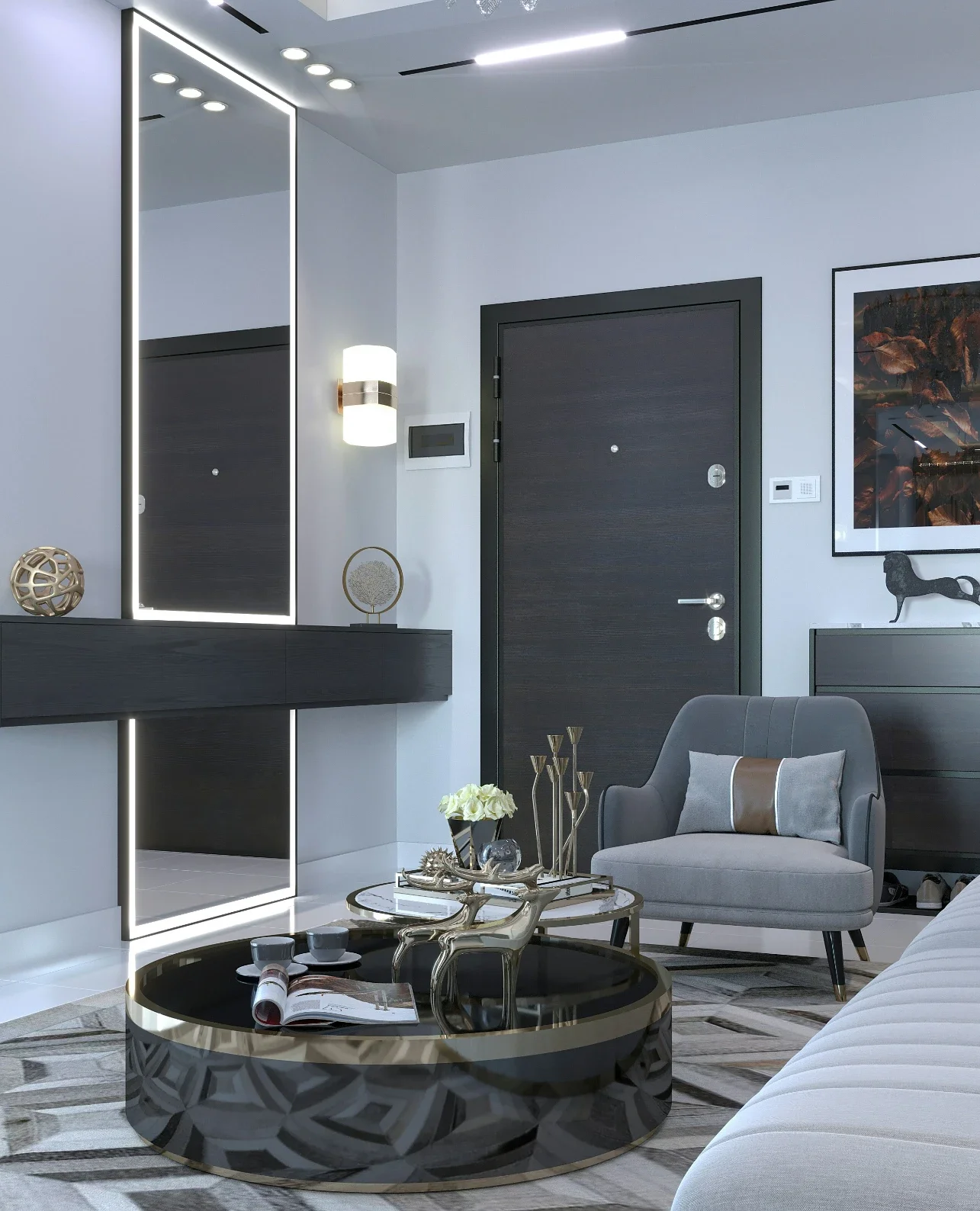
Another issue with heavily online-driven furniture shopping is that trend-based aesthetics tend to create faster emotional fatigue. Extremely sculptural furniture, ultra-minimalist pieces, or aggressively trendy color palettes can feel exciting initially while becoming visually exhausting over time.
This does not mean people should avoid style entirely. Personal taste matters deeply. The problem appears when furniture is chosen mainly because it photographs well rather than because it fits naturally into everyday routines and emotional preferences.
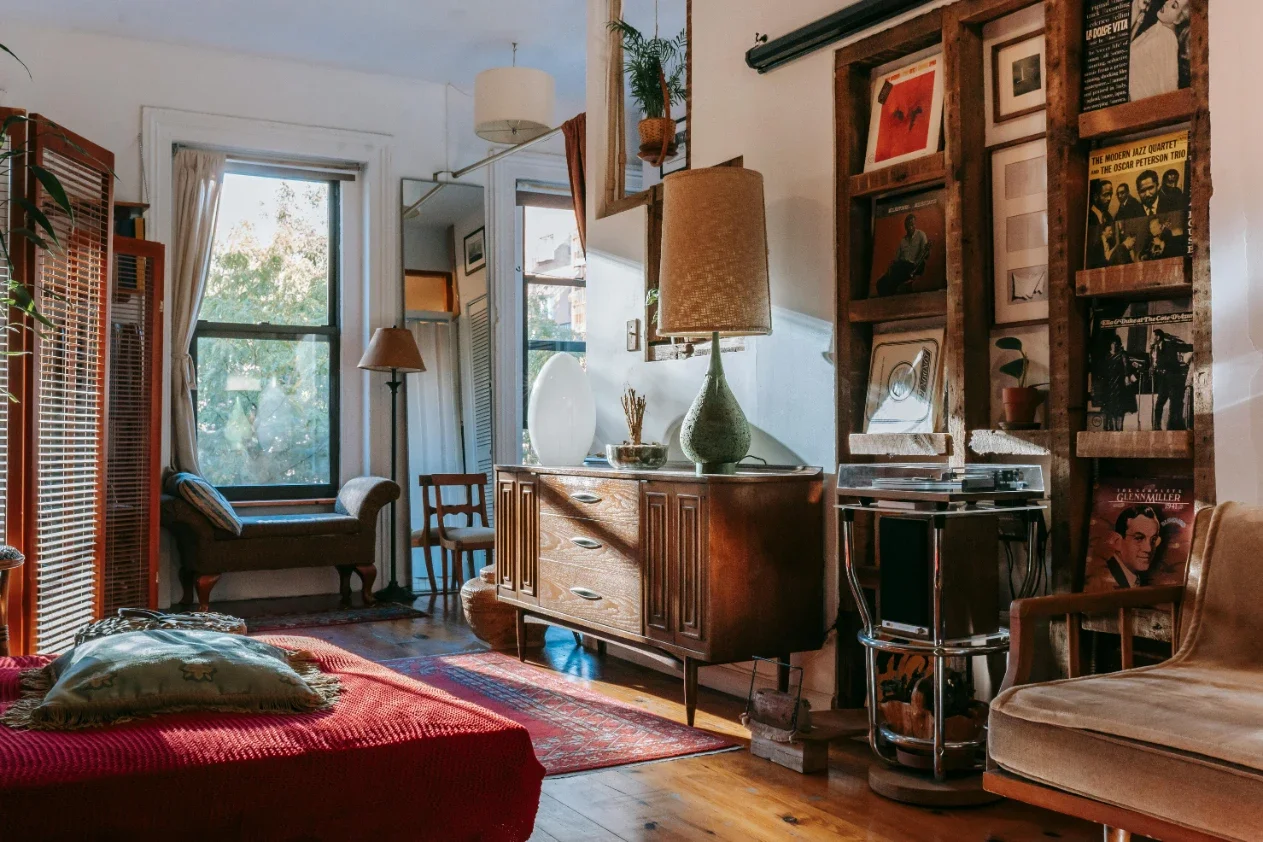
The homes that continue feeling calming and enjoyable years later usually balance visual identity with practicality. Comfortable seating, adaptable layouts, layered lighting, and durable materials tend to outperform hyper-curated aesthetics long term.
That growing preference for practical urban comfort helped shape interest around residential environments emphasizing functionality alongside modern design, including spaces associated with www.urbnlivn.com. People increasingly want homes that feel livable first and visually polished second rather than the other way around.
People Underestimate Maintenance and Wear
A major reason certain furniture disappoints over time is that buyers focus heavily on first impressions while ignoring maintenance reality. Delicate fabrics, difficult-to-clean materials, unstable surfaces, and overly complicated furniture shapes may look impressive initially while becoming frustrating surprisingly quickly.
Daily life introduces wear faster than staged online photos suggest. Pets jump onto sofas. Drinks spill. Sunlight changes fabric tones. Cushions compress unevenly. Glossy surfaces reveal fingerprints constantly. These small issues gradually affect emotional satisfaction much more than people expect.
Furniture that survives long-term emotionally usually handles ordinary life gracefully. Durable fabrics, forgiving textures, practical shapes, and flexible layouts tend to create less ongoing stress.
That practicality matters because people increasingly view homes as places of recovery from overstimulation rather than spaces designed purely for presentation. Furniture that creates additional maintenance pressure eventually becomes emotionally draining regardless of appearance.
The Best Furniture Feels Invisible in Daily Life
The furniture people love most long term usually shares one important quality: it blends naturally into daily routines instead of constantly demanding attention. Comfortable chairs get used automatically. Well-designed tables support ordinary habits effortlessly. Sofas invite people to stay longer without creating physical discomfort.
Ironically, the best furniture often becomes visually less noticeable over time precisely because it functions so well emotionally. People stop thinking about it constantly because it quietly supports everyday life instead of competing with it.
That distinction matters more now because homeowners and renters alike have become increasingly careful about expensive purchases. Furniture is no longer viewed as temporary decoration alone. It directly shapes comfort, mood, focus, social interaction, and how restorative home environments actually feel.
A room that photographs beautifully online can still feel emotionally cold or exhausting in person. The homes people continue loving years later are usually the ones built around realistic habits, physical comfort, and spaces that feel genuinely easy to live in every day.
Stay up to date with our latest ideas!