Here's How To Juggle Moving and Remodeling at the Same Time
Learn how to juggle moving and remodeling at the same time with practical tips for planning projects, managing timelines, budgets, contractors, and daily life.

Buying an older house can be exciting right up until you get the keys and realize how much work needs to happen before the place feels like yours. Maybe the hardwood floors need refinishing. The walls need paint. The HVAC system is ancient. The gutters are failing. The kitchen is functional but dated, and the roof may have a few years left at best.
The problem is that most people cannot comfortably keep paying rent or another mortgage while they wait for every project to be finished. At some point, you need to move in.
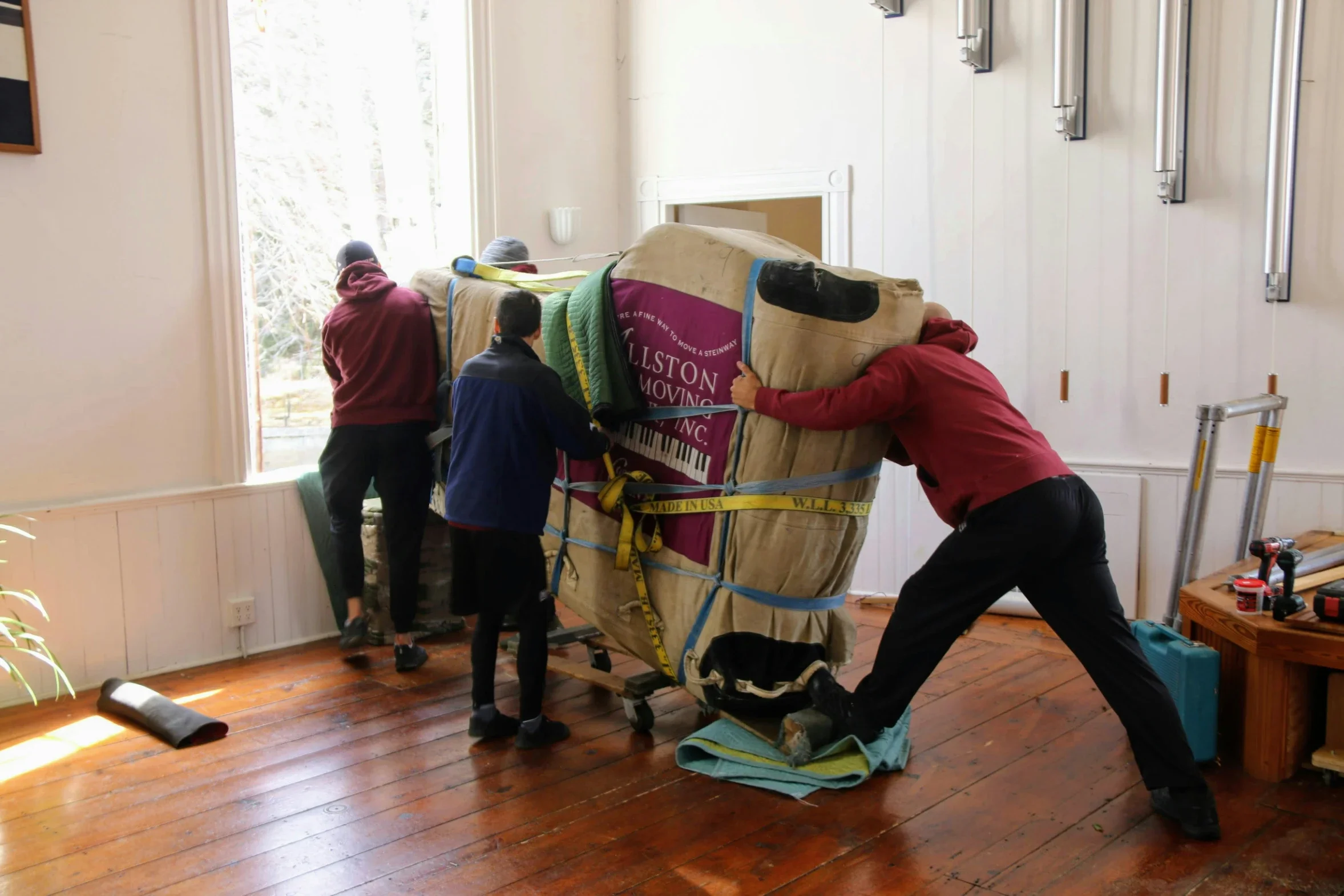
That is where the order of operations starts to matter. Do you really want your moving company to put a heavy dining table exactly where you want it if the floor underneath is being sanded three days later? Sometimes the smartest moving-day instruction is to leave certain pieces in the garage, basement, or another finished room until the work catches up.
Know What You Can Spend Before You Start Remodeling
There’s a Lot More Than the Down Payment to Think About
Your down payment is only one part of the purchase. You may also need cash for earnest money, closing costs, lender fees, inspections, an appraisal, prepaid property taxes, homeowners insurance, moving costs, utility deposits, and the first round of things every house seems to need once you move in.
Earnest money usually gets credited toward the purchase at closing, but it still ties up cash earlier in the process. Closing costs can also take a meaningful bite out of the money you thought was available for renovations.
Before committing to $20,000 worth of projects, work from the amount of cash you expect to have after closing rather than the amount sitting in your account today.
Leave Room for the House to Surprise You
Do not allocate every available dollar to planned renovations! Older houses have a habit of introducing themselves after closing. A water heater fails. An electrician finds outdated wiring. A contractor opens a wall and discovers old plumbing. The refrigerator that worked perfectly during inspection may give up two weeks later.
Keeping some cash untouched may mean delaying a cosmetic project, but it can save you from having to finance an urgent repair later.
Decide What Needs to Happen Before You Move In
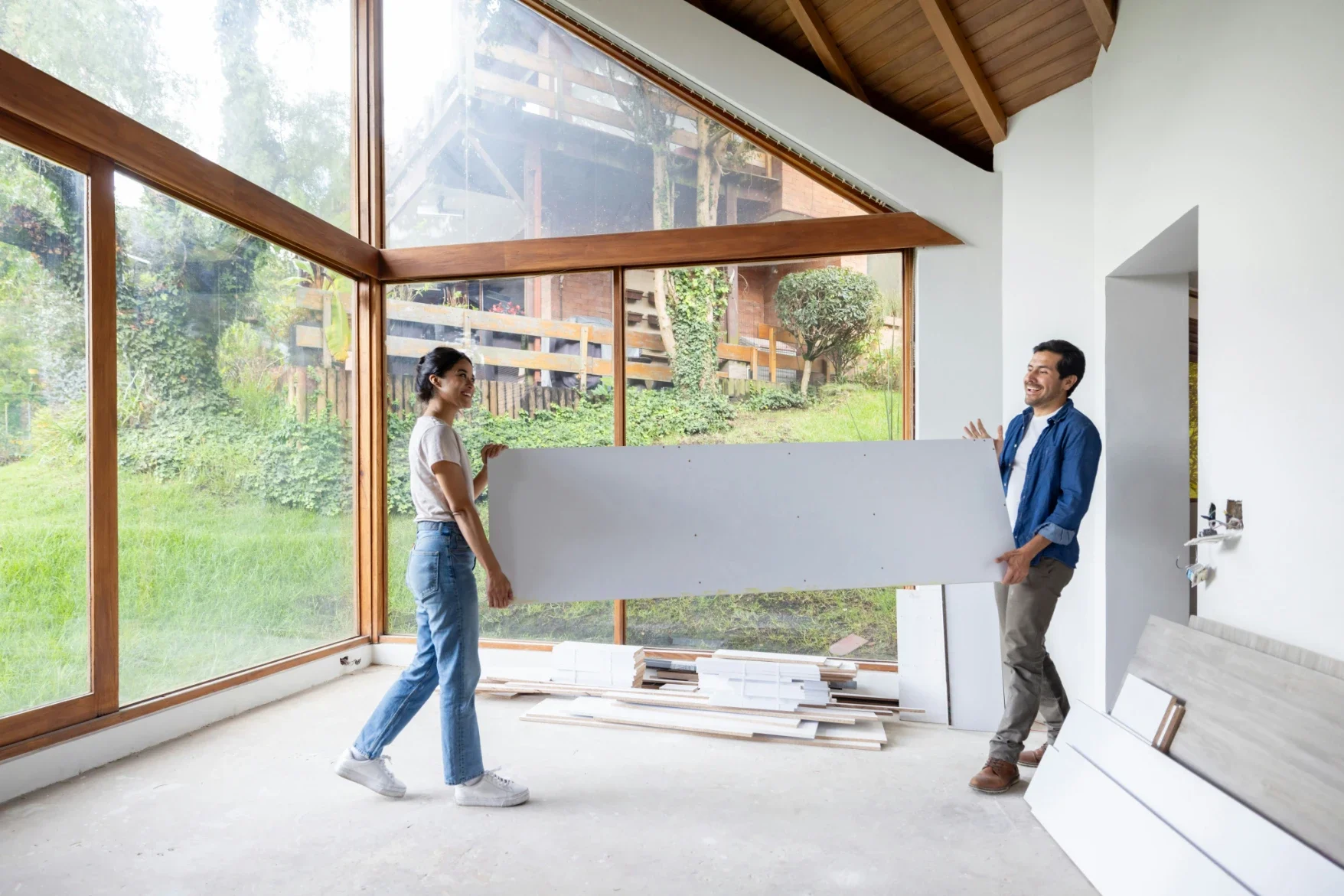
An empty house is much easier to work on than a furnished one. Use that brief window wisely.
Refinish Hardwood Floors First If You Can
Whole-house hardwood floor refinishing is one of the strongest candidates for pre-move work. The process involves sanding, dust, equipment, stain or finish, and curing time. Furniture has to be moved out of the work area anyway, so filling the house first creates extra work for everyone.
Depending on the size of the house and the finish being used, the work itself may take several days, followed by additional curing time before rugs and heavy furniture should go back.
If most of your first floor needs refinishing, do this before the moving truck arrives whenever possible.
Paint Empty Rooms Before the Furniture Comes In
Painters can move faster when they do not have to cover couches, slide beds around, or work behind full bookshelves. Empty closets are easier to paint too.
A few rooms may take a couple of days. A larger interior repaint can take a week or longer depending on prep, trim, ceilings, repairs, and crew size.
Exterior painting is usually easier to live around, so it may not need to delay your move.
Handle Anything That Makes the House Unsafe or Unlivable
A cosmetic kitchen can wait. A serious roof leak probably cannot.
Problems involving unsafe electrical work, active water intrusion, failed plumbing, no usable heat in winter, severe cooling problems during hot weather, or damaged stairs should move toward the front of the schedule.
These are the projects that can affect safety or cause more expensive damage if they are ignored.
Know Which Projects Can Happen After You Move In
You do not need to finish the entire house before sleeping there.
Roofs, Gutters, and Exterior Work Are Usually Manageable
Roof replacement, gutter work, siding repairs, and exterior painting can often happen while you live inside.
Expect noise. Expect contractors around the property. Your driveway may be partially blocked and you may hear footsteps overhead all day during roof work.
But the interior of the house can usually remain functional.
A straightforward roof replacement may take a few days. Gutter replacement may take a day or two. Exterior painting can range from several days to a couple of weeks depending on the size of the house and preparation involved.
HVAC Work Depends on the Season
HVAC replacement can often happen after move-in.
A simple system replacement may take a day or two. Larger installations, ductwork changes, or conversion from one type of system to another can take longer.
The bigger question is whether you can comfortably live without heating or cooling while the work happens. Replacing air conditioning in April is one thing. Doing it during a brutal July week is another.
Kitchen Work Requires a Backup Plan
A cosmetic kitchen update is usually manageable while living in the house. A full gut remodel can be rough.
If the kitchen will be unavailable for several weeks, create a temporary setup somewhere else. A spare refrigerator, microwave, coffee maker, toaster oven, and folding table can cover more meals than you might expect.
Think about where you will wash dishes too. Living without countertops is annoying. Living without a usable sink is another level entirely.
Build the Move Around the Renovation Schedule
Your move and remodel should be one plan, not two unrelated plans happening at the same time.
Tell the Movers Which Rooms Are Still Under Construction
If the living room will be painted next week, there is little value in perfectly placing every piece of furniture there today.
Tell the moving crew what is happening in the house. You may want certain items staged in the garage, basement, spare bedroom, or another completed area temporarily.
A little planning on moving day can save you from paying someone else to move the same furniture again later.
Consider Moving in Stages
You do not have to bring everything into the house at once.
Move beds, clothing, kitchen basics, bathroom supplies, and everyday necessities first. Larger furniture, rugs, artwork, and decorative pieces can wait if the rooms they belong in are still being worked on.
Storage can be useful here too. Keeping part of the household elsewhere for another week may cost something, but it can still be cheaper than having contractors shuffle furniture around repeatedly.
Give Yourself One Finished Part of the House
Living in a remodel is much easier when the entire house does not feel like a jobsite.
Finish One Bedroom and One Bathroom Early
Make at least one bedroom and bathroom fully usable as soon as possible.
Keep tools, paint cans, flooring samples, contractor supplies, and boxes out of that area. You need somewhere to sleep, shower, and close the door on the project.
Control Dust Before It Gets Everywhere
Floor sanding, drywall work, demolition, and some carpentry create dust that travels farther than you expect.
Use closed doors, plastic barriers, floor protection, and a designated contractor route through the house where possible. Move clothing and upholstered furniture away from the work area.
A little separation between construction space and living space goes a long way.
Expect the Schedule to Move Around
Home improvement timelines are rarely exact.
Smaller Projects May Take Days
Individual-room painting, minor electrical work, fixture replacement, gutter work, and smaller plumbing jobs may be completed within a day or several days.
Larger Projects Often Take Weeks
Whole-house painting, hardwood refinishing, moderate kitchen renovations, HVAC projects with substantial ductwork, and more involved exterior work can stretch across multiple weeks once preparation and scheduling are included.
Major Remodels Can Take Months
A gut kitchen renovation, structural changes, additions, or whole-house remodeling can easily become a multi-month project. Permits, inspections, subcontractors, product lead times, and surprises behind walls all affect the schedule.
Build some breathing room into your expectations from the beginning.
Do the Messy Work Before the Pretty Work
Sequence matters inside the renovation itself.
Demolition, drywall repair, major electrical work, plumbing changes, and floor sanding should generally happen before final paint and finish work. Otherwise, you may end up repairing work you just paid to complete.
Once the dusty or destructive work is done, move into paint, trim, fixtures, refinishing, and final details.
Then bring the furniture into its permanent place.
You Do Not Have to Finish the House Before You Live There
The goal is not to create a perfect house before moving day. It is to complete the projects that are dramatically easier in an empty home, fix anything unsafe, and create enough finished space to live normally while the rest continues.
Refinish the floors before the couch arrives if you can. Paint empty rooms when the opportunity is there. Let the roofers work outside while you unpack. Save the kitchen overhaul for a point when you have a realistic backup plan.
A good sequence can save money, reduce duplicated work, and help you stop paying for two homes sooner. The house may still be a work in progress when the moving truck pulls away, but that is perfectly normal.
Stay up to date with our latest ideas!