Discover which smart outdoor lighting features genuinely save energy in 2026, from motion sensors and LED technology to automation and efficient controls.
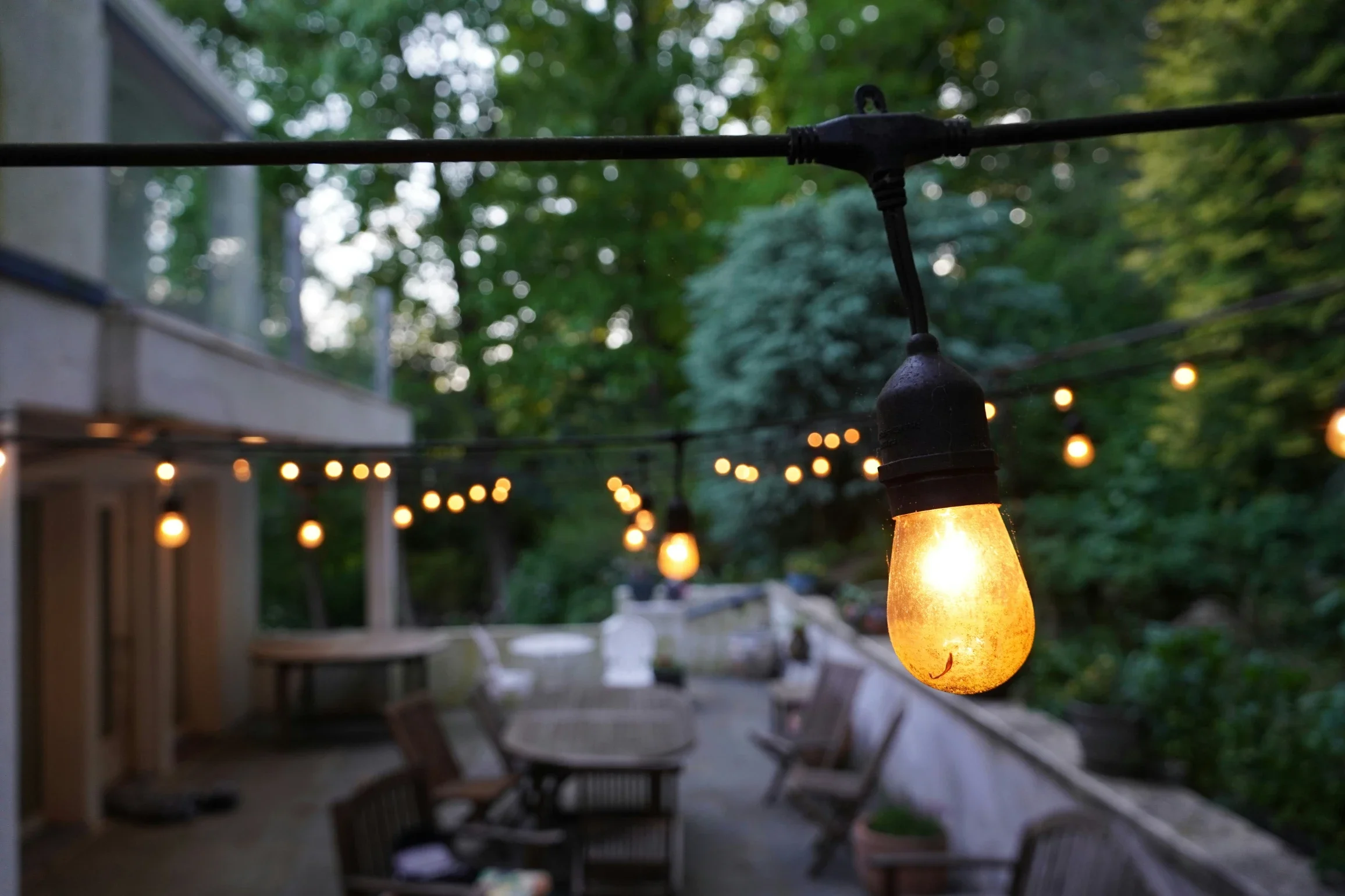
Most smart lighting upgrades fail on cost, not technology, and the failure usually starts when homeowners buy color-changing bulbs for the patio and then pay for hub subscriptions and replacement batteries they never planned for. The energy gains are real, but only when you choose features that match how you actually use the space. This guide walks through the choices that matter for outdoor and smart lighting, with the trade-offs spelled out. See also: Lumos Outdoor Lighting.
Key takeaways
LED fixtures typically use around 75 to 85 percent less energy than comparable incandescent fixtures, so the power savings are the first thing to lock in.
Motion sensors and timers usually save more energy than dimming alone, because a light that is off costs nothing.
Check whether a smart system works without a cloud account or hub before you commit to it.
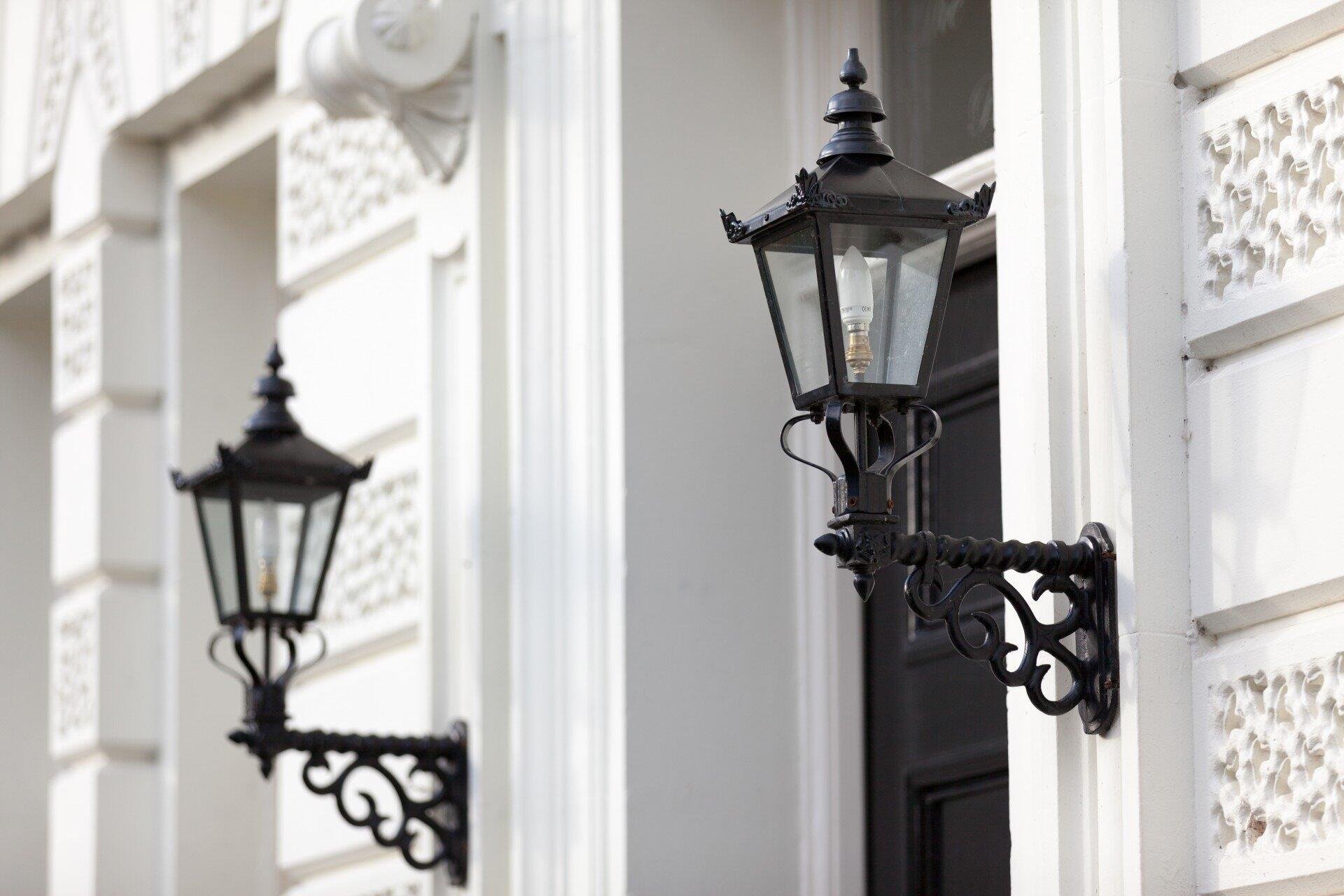
Choose IP65 or higher for fixtures exposed to rain, and confirm the rating applies to the whole fixture, not only the lamp.
Start with LEDs and the color temperature you actually need
LEDs have replaced most other outdoor technologies for good reason: they last longer and draw far less power. A 10-watt LED can produce roughly the output of a 60-watt incandescent. Run a porch light four hours a night and the gap adds up. Take the 50-watt difference, multiply by four hours, and you save 200 watt-hours a night, or about 73 kilowatt-hours over a year, before counting the lower replacement frequency.
Color temperature matters as much as wattage. Warm white around 2700K to 3000K suits seating areas and reduces glare and insect attraction. Cooler light above 4000K is better for security lighting and driveways where you need to see detail. Mixing both on one property is normal and often the best result.
Sensors and schedules save more than smart features
For most yards, the biggest saving comes from switching lights off when nobody needs them. A motion sensor on a side path or garage entrance means the light runs only during the minutes someone is there. A simple astronomical timer handles the rest, turning lights on at dusk and off at a set hour.
Smart app control adds convenience but rarely saves much energy on its own. Its real value is scheduling and remote checks. Treat it as a bonus on top of sensors, not a replacement for them.
Check the connection and the ongoing costs
Many smart lighting systems depend on a hub, a cloud service, or a subscription for advanced features. Before buying, confirm what works if the internet drops. Fixtures that run locally on a standard wall switch or a local protocol keep working when your router fails, which matters most for security lights.
Ask three questions before purchase:
Does the system still run offline?
Is any feature locked behind a monthly fee?
Can you replace one bulb or fixture without re-pairing the whole network?
If the answer to the first question is no, you are accepting that your lights depend on a service staying online and on the company remaining in business. For a security perimeter, that dependency is the real cost, and it belongs in the purchase decision rather than the warranty fine print.
Weatherproofing: read the rating, not the marketing
An IP rating tells you how well a fixture resists dust and water. IP65 handles jets of water from any direction, and IP67 covers temporary immersion. Outdoor fixtures that get hosed down or sit in sprinkler paths should be at least IP65. A fixture can carry a high rating on the housing while the sensor or connector is rated lower, so check the specification for each part separately.
Cheap fixtures tend to fail first at the seals and the mounting hardware. Corrosion-resistant metal or quality polymer housings last noticeably longer in coastal or humid climates. Expect a fixture to last five to ten years in a sheltered location and plan replacements accordingly for exposed ones.
Where a dedicated supplier fits in
If you want a complete outdoor setup rather than piecing together bulbs from several brands, a single supplier with a consistent control system reduces compatibility problems. Products from Lumos Outdoor Lighting are one example of a range built around weatherproof fixtures and integrated controls, which helps when you are matching sensors, timers and fixtures across a whole property.
Plan the layout before you buy the lights
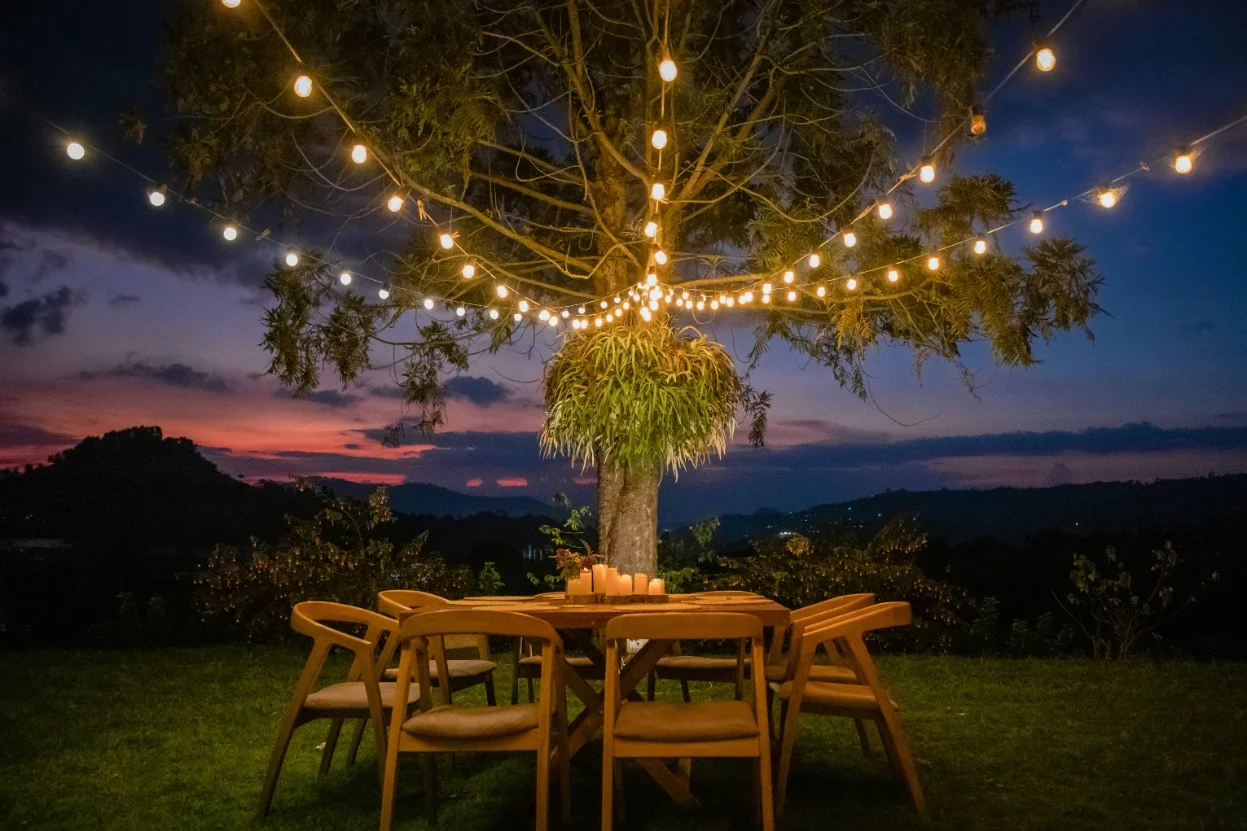
Good outdoor lighting starts with a map of the spaces you use after dark: entrances, paths, steps, and the patio. Light the places where people walk or sit, and leave most of the garden dark. Over-lit yards waste energy and make it harder to see anything beyond the glare. A simple sketch with fixture positions, mounting heights and sensor zones prevents most of the expensive mistakes.
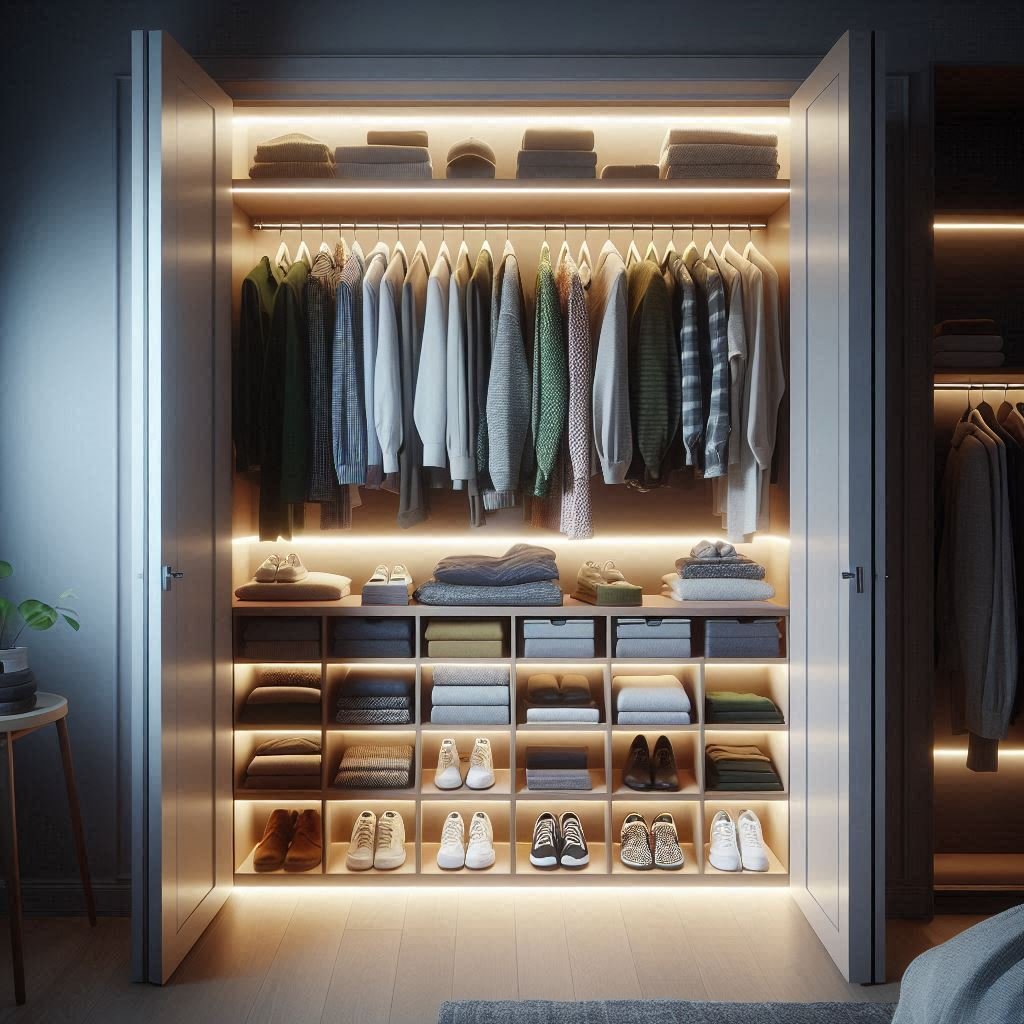
When you think about the interior side of the same routine, the lighting guidance in guidance on soft, low-glare lighting for pet-friendly homes covers how gentle light suits animals as well as people. For storage that keeps indoor spaces uncluttered alongside the lighting work, practical closet storage layouts for natural-fabric wardrobes offers useful starting points.
What to do next
Start with one zone: the entrance or the main path. Install LEDs at a suitable color temperature, add a motion sensor or timer, and confirm the system works offline and the fixtures carry a real IP rating. Live with that setup for a month and measure the change on your bill. If the result is clear, extend the same approach to the rest of the property. Upgrading everything at once makes it impossible to tell which choices paid off, and it leaves you with a system you have not tested.
Stay up to date with our latest ideas!