The Simple Lighting Tweaks That Turn A Plain Hall Into A Welcome Moment
Transform a plain hall into a warm welcome with simple lighting tweaks that enhance mood, improve visibility, and add style without major changes.

Most halls are quiet spaces. You cross them dozens of times a day, but rarely remember what they looked like. That forgettable feeling is usually a lighting problem, not a furniture one.
Think about the homes you remember clearly. Very often, it is the entrance that stays with you, the way it glowed in the evening or felt calm in the morning. A focused ceiling fixture, a softer bulb, or a warmer pool of light can turn the few steps from your front door to the next room into a small, welcome pause instead of a blank corridor.
1. The quick hallway “light test” that shows what is missing
Before you shop for anything, there is a five‑second way to see what your hall is doing. Stand at the entrance at night, turn the light on, and look for three things:
Where is the brightest spot?
Are the walls brighter than the floor, or the other way around?
Can you see faces and door handles without squinting?
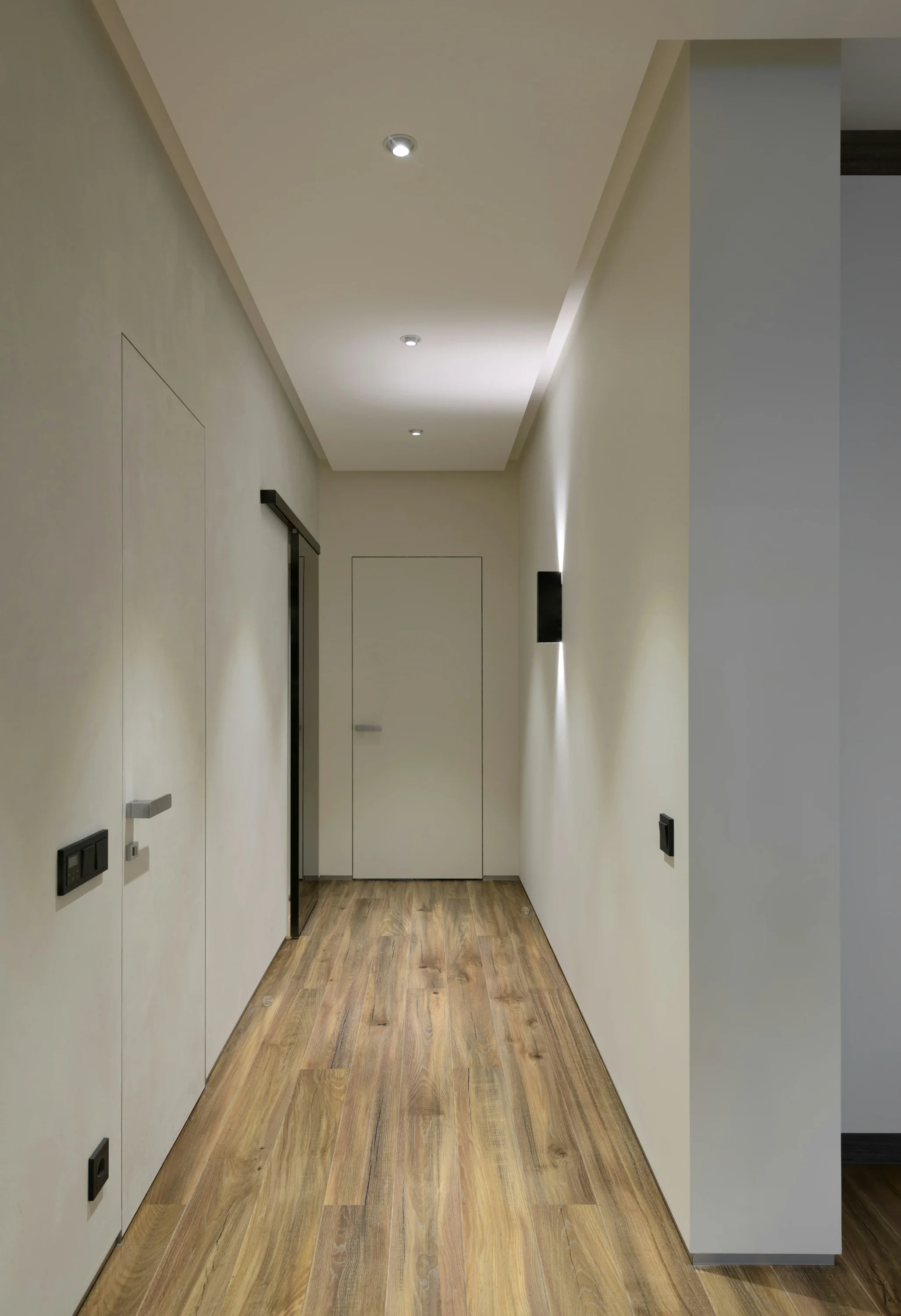
If the brightest point is a hard circle on the floor and the walls feel dull, the space will read as flat and narrow. If the light is harsh near the ceiling and your eyes are pulled straight to the bare bulb or fitting, the hall can feel taller but also a bit cold. You want a more even balance, where the floor, the walls, and key details (like hooks, art, or a small table) share the light more fairly.
2. How a single pendant can do most of the work
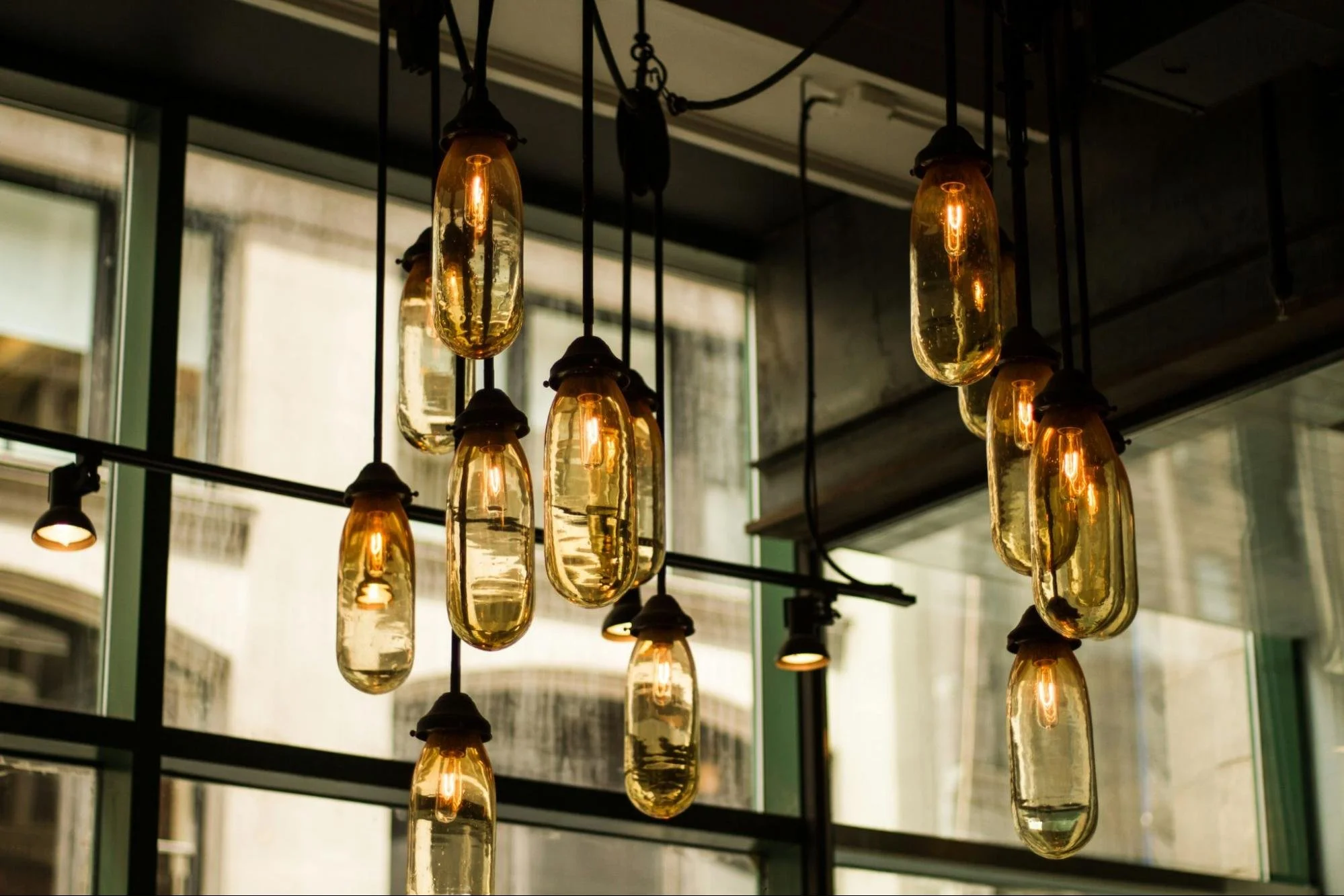
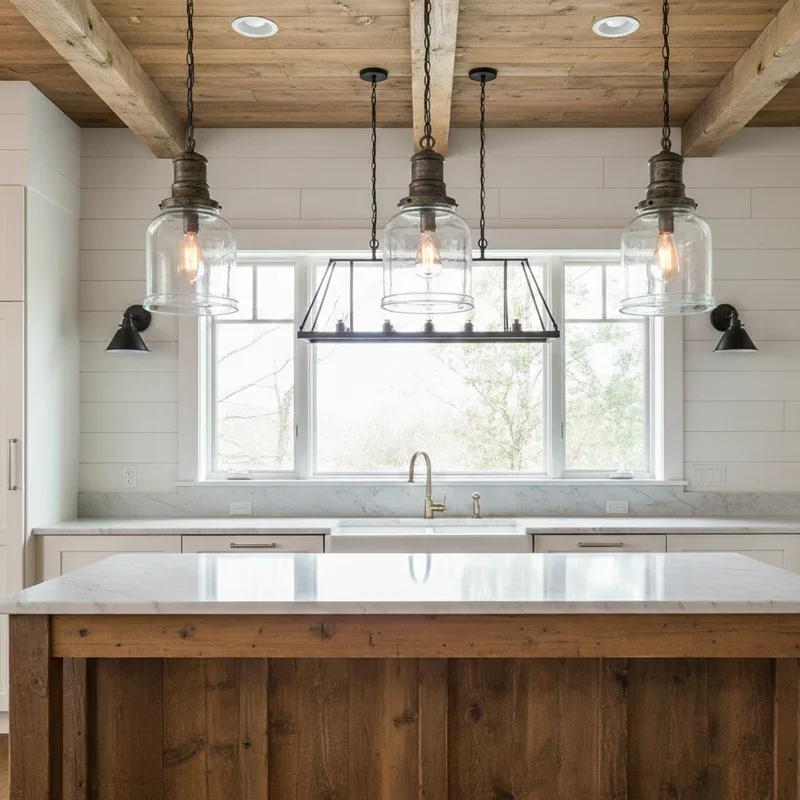
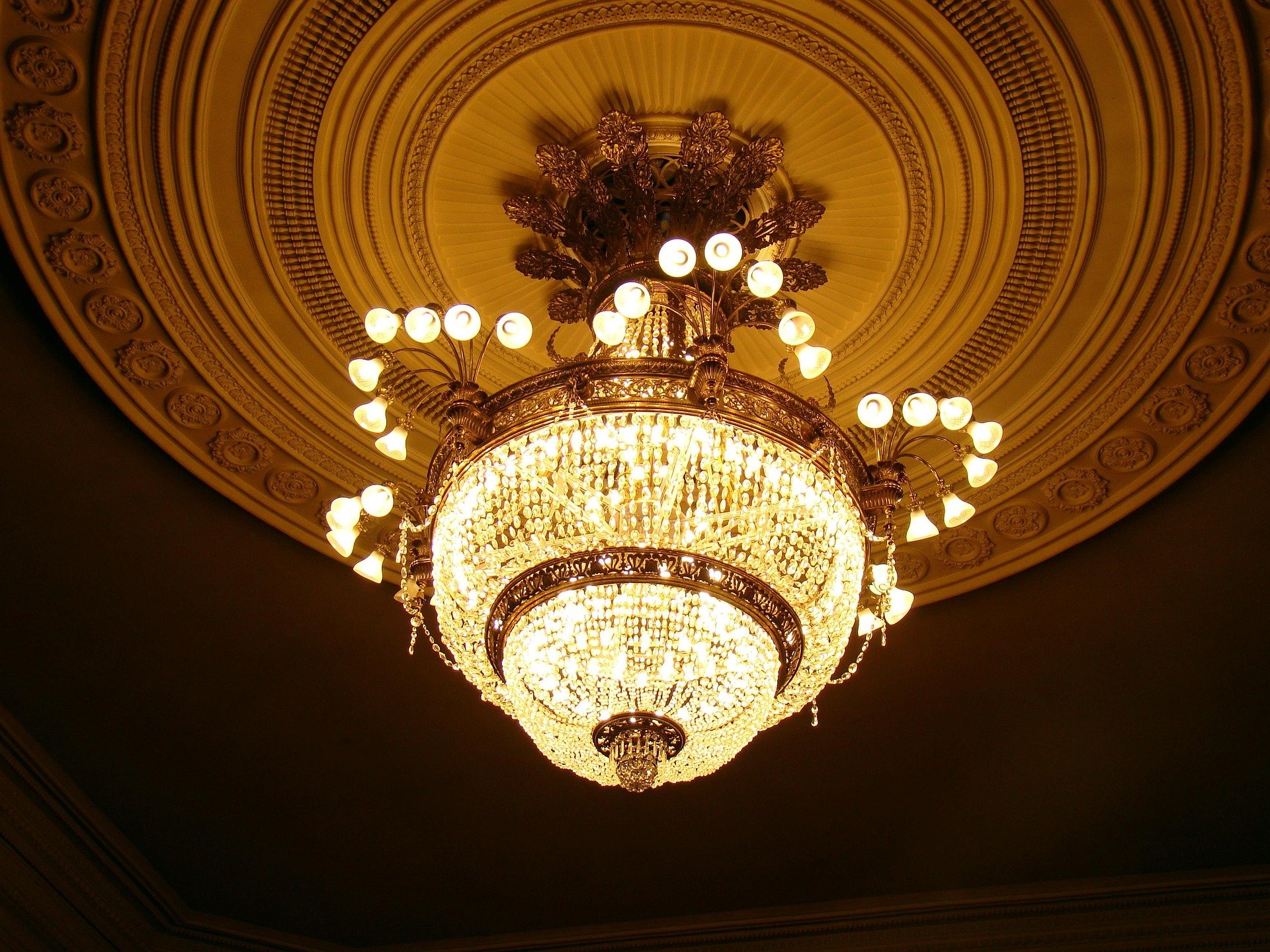
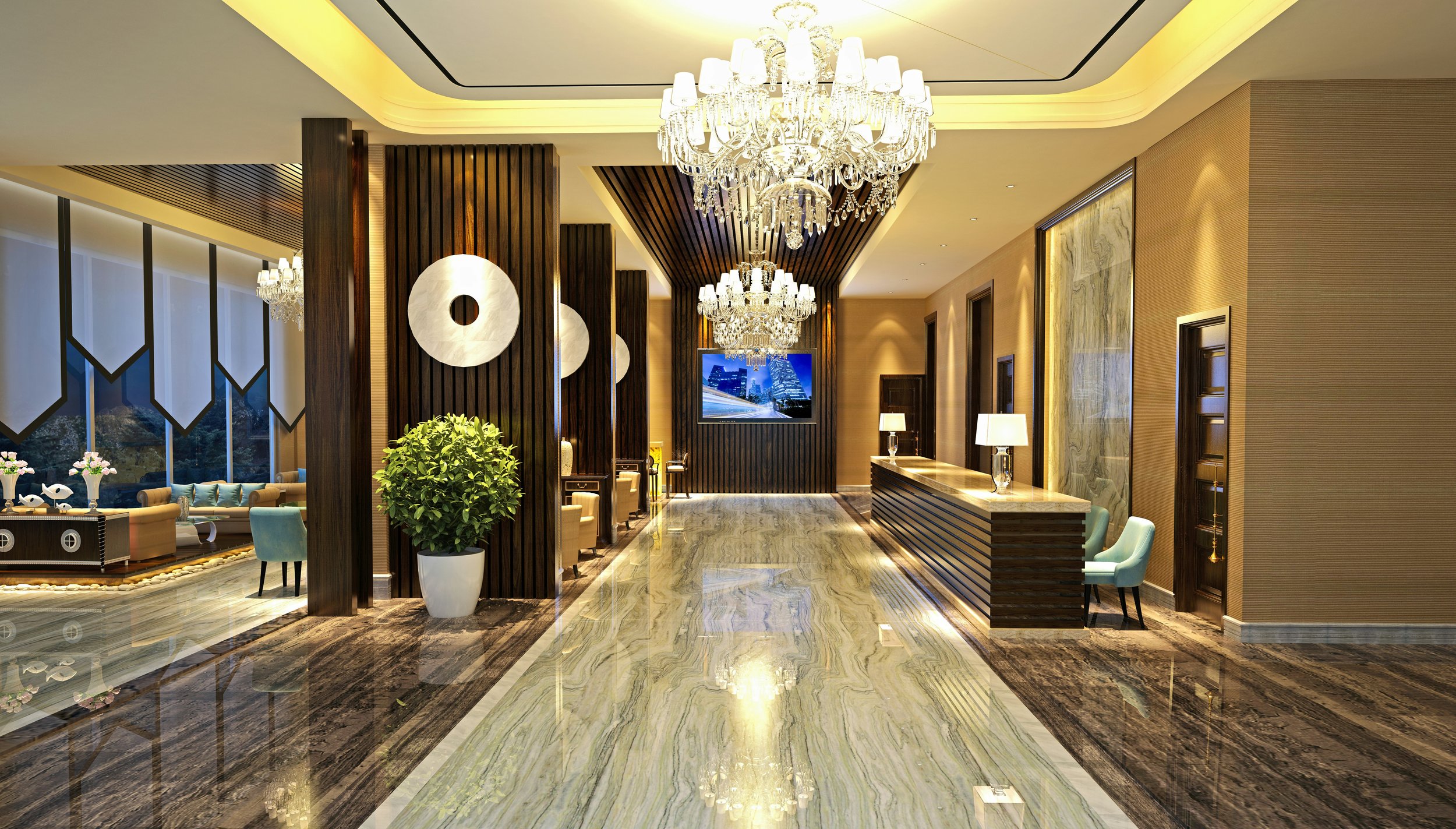
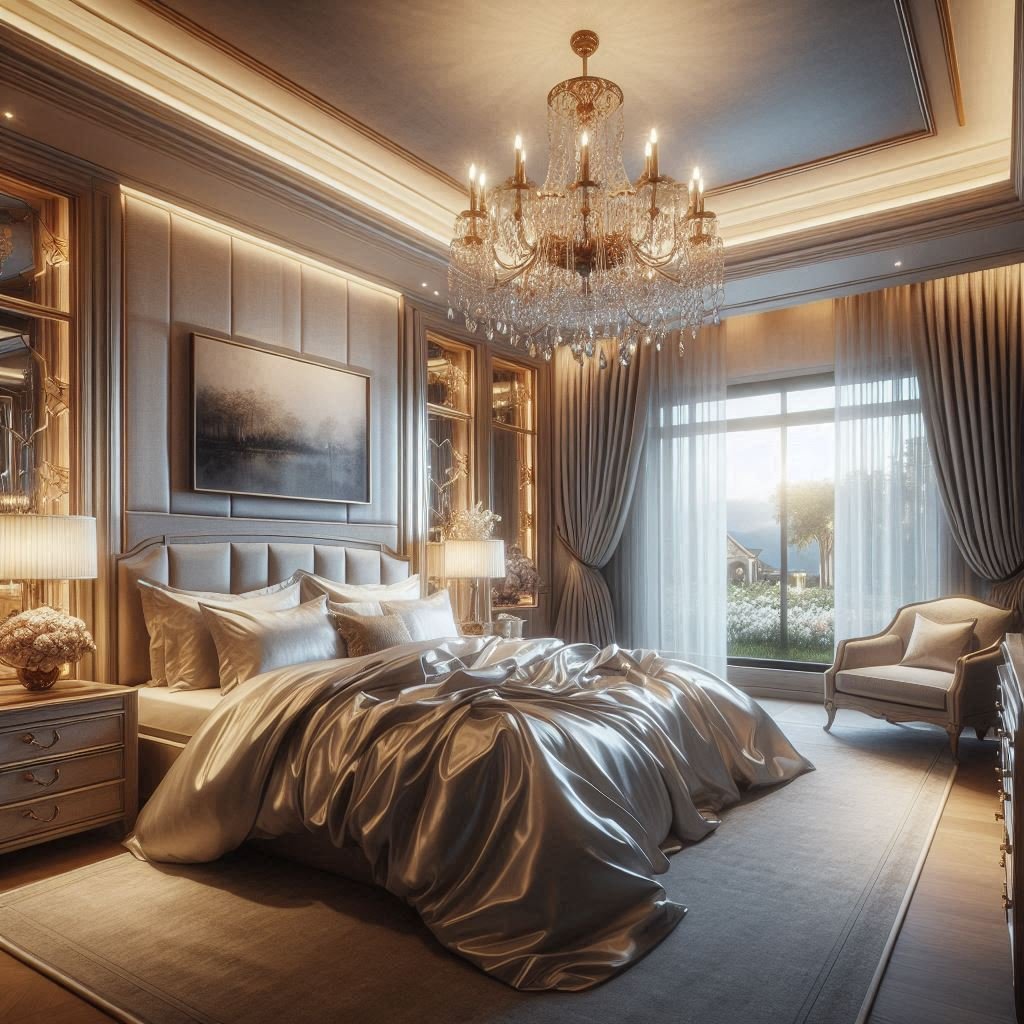
Many older halls rely on a basic flush‑mount fitting. It does the job, but it rarely adds anything. Swapping that for a foyer pendant light instantly changes how the space feels, even if you change nothing else. The reason is simple: a pendant pulls light down into the space, not just onto the floor, and gives the eye a shape to rest on.
Proportion is the only real trap. In a narrow hall, an oversized piece can feel like a ceiling‑height obstacle. In a wider entrance, a tiny fitting can look apologetic. A useful rule of thumb is to choose a piece that is roughly in scale with the width of the hall and to hang it so that a tall person can walk underneath without thinking about it. The goal is to notice the glow and the silhouette, not to notice that you just ducked.
3. Why round forms are working so hard in 2025 and 2026
Look around current interiors, and you will see the same pattern repeating: a lot of right angles softened by curves. Doors, frames, stairs, radiators, baseboards, all straight lines. Lighting is where many people are bringing in the opposite shapes.
A simple globe pendant light is a good example. A globe has no sharp edges, so it naturally takes the aggression out of a boxy hallway. It also spreads light in every direction, which makes it easier to avoid deep shadows near doorways or coat hooks. In real homes, this translates into fewer dark corners, a softer look on faces in quick selfies or mirror checks, and a more relaxed feel as you cross between rooms. Even one rounded piece can calm down a hall full of strict geometry.
4. Three layout tweaks designers quietly reuse
Designers do not reinvent the wheel in every house. They reuse a few reliable layout tricks and adjust the details to suit the style. Here are three that work again and again.
Long hall, average ceiling: Instead of one fitting in the middle, use two smaller pendants spaced along the length. This breaks up the “tunnel” feeling and spreads light more evenly.
Short hall, low ceiling: Choose a shallower pendant with a wide, gentle shape. Hang it closer to the ceiling, but keep some visible form so it still feels like a feature, not a basic flush light.
Hall with a console or art: Line up the light so its glow falls slightly in front of the console or artwork, not right on top of it. That slight offset makes the surface feel lit on purpose instead of blasted from above.
Each of these changes is small, but they all work toward the same goal: multiple soft surfaces catching the light, instead of one bright circle in the middle and darkness everywhere else.
5. Using light color to shift the mood without repainting
You can change the feeling of a hallway just by changing the color temperature of the bulbs. Paint, flooring, and furniture can stay exactly the same.
Cool white light can be useful in some workspaces, but in an entrance or hall, it often feels a bit sharp, especially at night. A warm or warm‑neutral white makes more sense for most homes. It flattens fewer faces, works better with wood and natural materials, and feels closer to the light you would want in a living room. If the hall sits between two key rooms, matching the bulb color to those rooms keeps the whole route feeling consistent.
If you want one simple upgrade, pick a good-quality warm or warm‑neutral LED bulb, dimmable if possible, and start there. You might find that one change already makes the space feel calmer and more finished.
Real halls, real problems, quick fixes
Busy family entrance with shoes everywhere
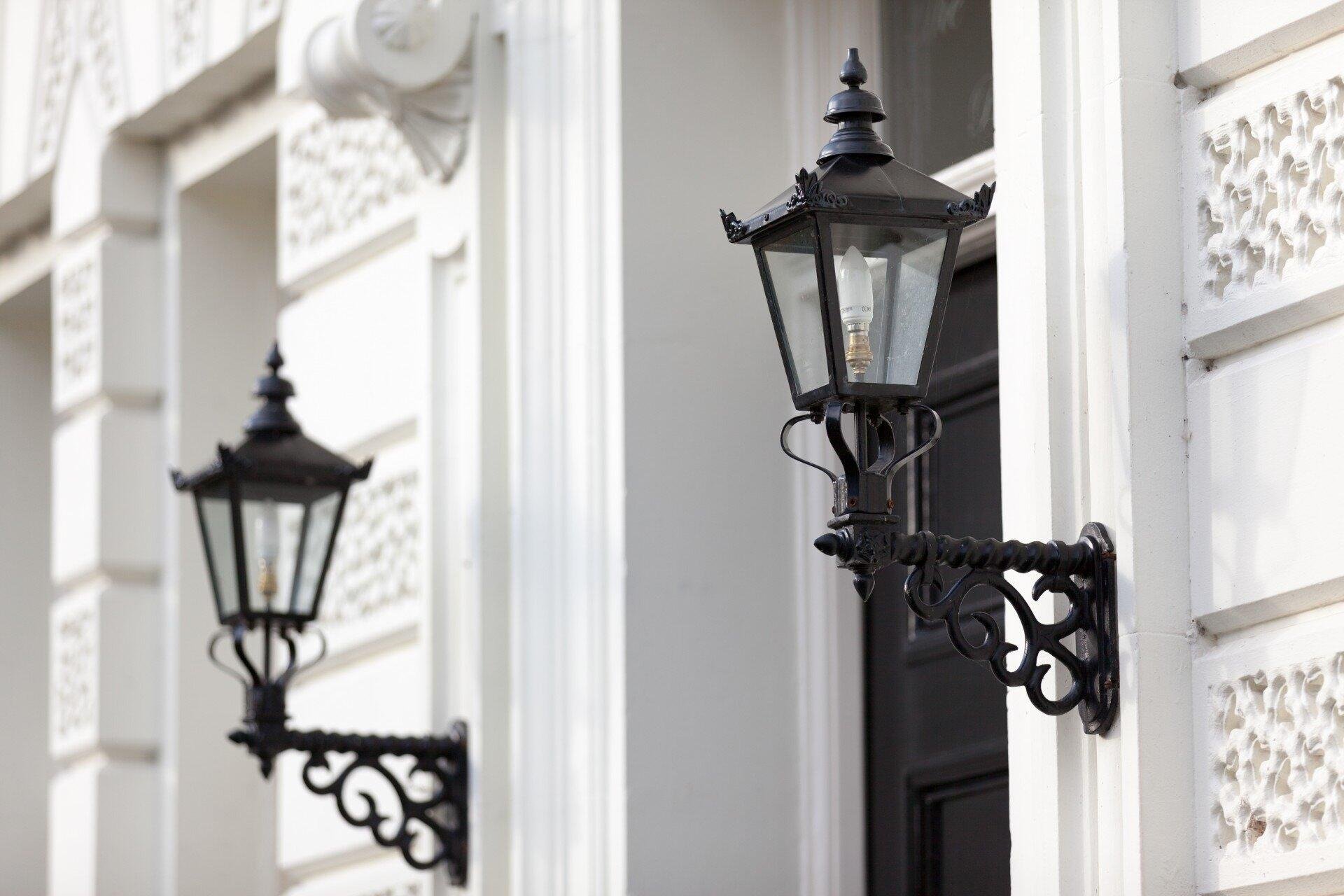
In a family home, the hall is often storage in disguise. You need to see shoes, bags, and mail clearly, but the space still needs to feel good at night. A pendant on a dimmer, paired with one small wall light near the heaviest traffic zone, lets you keep things bright when everyone is coming and going, then soft later in the evening.
Apartment hallway with no natural light
In a flat or condo, the hall might have zero daylight. Here, glass or light‑colored shades earn their place. They bounce the light out and around instead of trapping it. A compact, bright pendant and a single small lamp on a console can be enough to keep the space from feeling like the inside of a cupboard.
Long internal hall connecting bedrooms
You do not want to wake everyone up with glare, but you still have to see. Several smaller fixtures, each with lower brightness, are better than one very bright fitting at one end. If you can, put the lights on two switches, one at each end, so you never have to walk the whole length in the dark just to turn something off.
FAQ
How do I know if a hanging light will suit my hall?
Measure the width of the hallway and your ceiling height. If you can keep at least comfortable headroom under the fixture and the diameter of the piece does not feel wider than the space can visually carry, it will usually work. When in doubt, slightly smaller is better than slightly too large.
Should hallway lighting match the lights in nearby rooms?
It does not have to match exactly, but it should feel related. Keeping finishes or shapes in the same family, or at least using similar bulb color, helps everything read as one connected home instead of separate zones that clash.
Is one fixture enough in a long hallway?
In many long halls, one ceiling fitting ends up either too bright in a single spot or too dim for the far end. Using two or three modest fixtures spaced along the length tends to look better and makes everyday use easier and safer.
What if my hallway is already low? Will a pendant make it feel worse?
Not if you choose carefully. Shallow designs that hug the ceiling slightly while still having a clear shape can add character without lowering the perceived height too much. The mistake is to use deep, heavy fixtures that hang too low for the space.
A different way to think about that “in‑between” space
It is tempting to spend all your energy on living rooms and kitchens and leave the hall for last. The problem is that you move through it constantly. Every weak bulb, harsh glare, or gloomy corner nudges your mood a little, even if you barely notice.
Treating the hallway like a real room, even if it is only a few steps long, pays off quickly. One considered pendant, a better bulb, or a pair of smaller fixtures in place of a single lonely one can completely change how that strip of floor feels. The next time you cross it, you might find yourself slowing down for a second, not because you have to, but because the space finally feels like it belongs to the rest of your home.
Stay up to date with our latest ideas!