Pendant lights add style and function to any room. Learn how to choose the right size, style and placement for beautiful, lasting results.
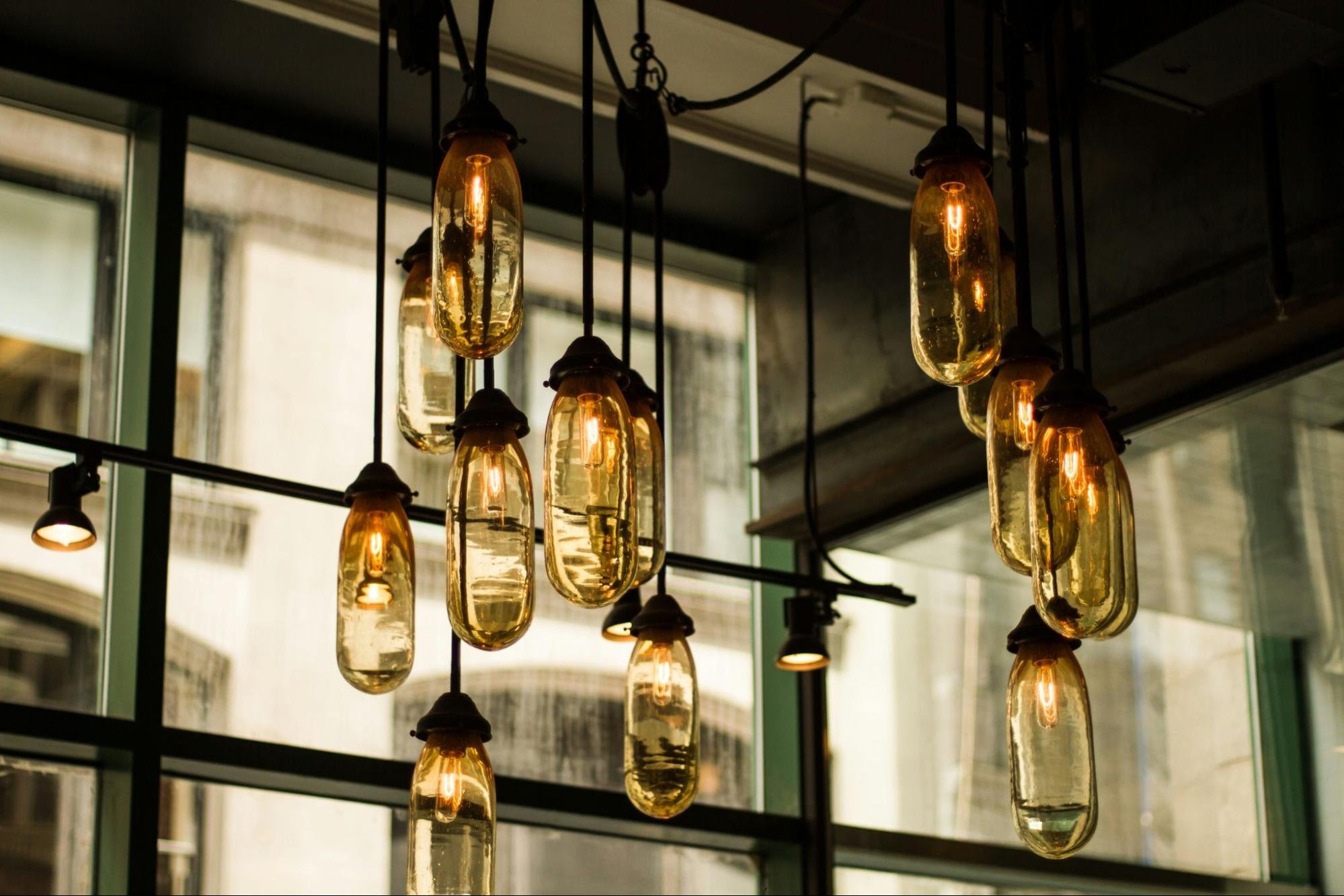
Few light fixtures make as bold a statement in a home as pendant lights. Whether suspended above a kitchen island, clustered in a hallway, used as a dramatic centrepiece in a dining room or positioned as a bedside alternative to a table lamp, pendants combine practical illumination with decorative impact in a way that few other fixtures can match. They are as versatile as they are visually striking, available in an enormous range of sizes, shapes, materials and finishes, and capable of setting the entire tone of a room when chosen and positioned well.
What Are Pendant Lights?
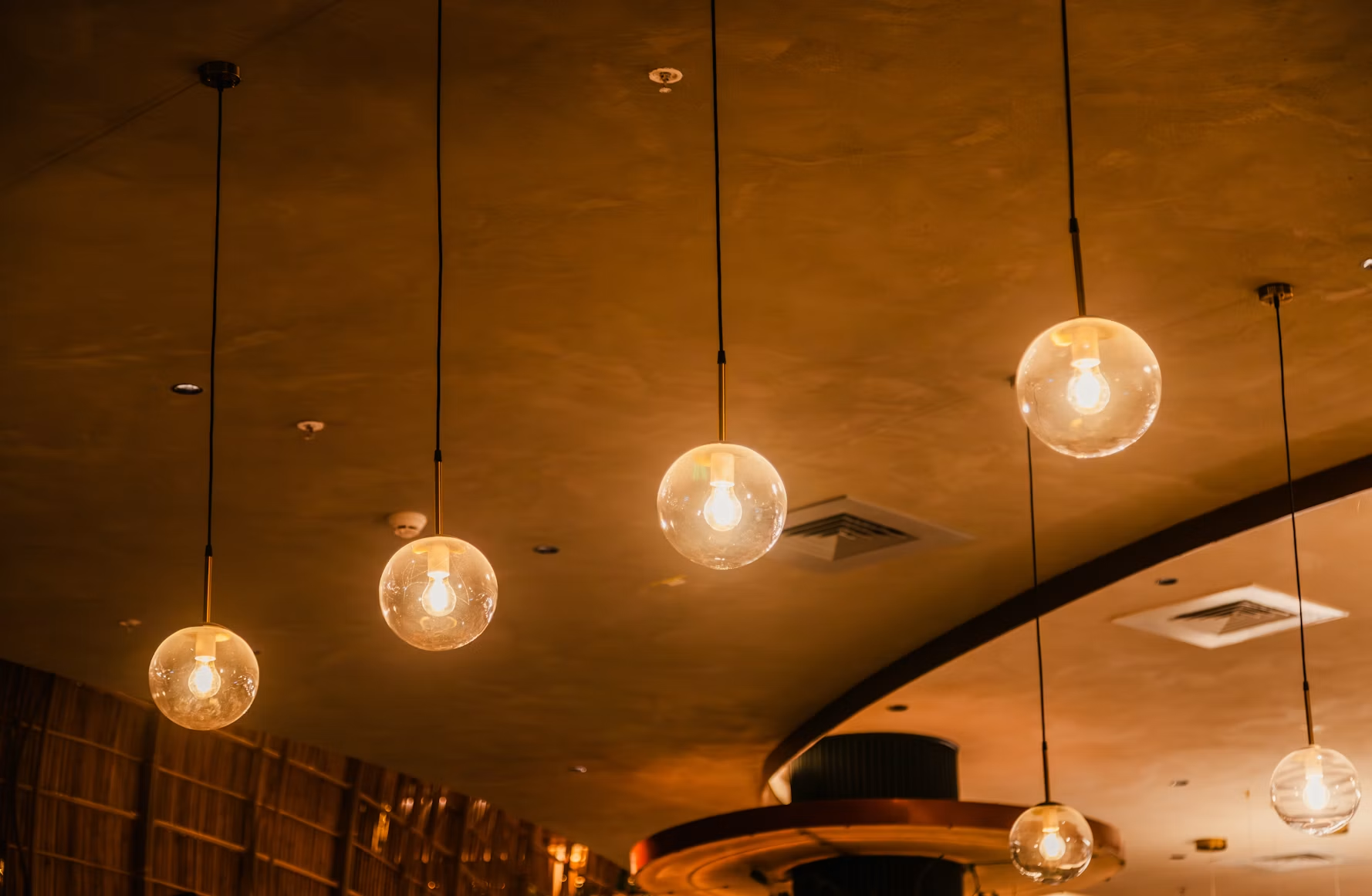
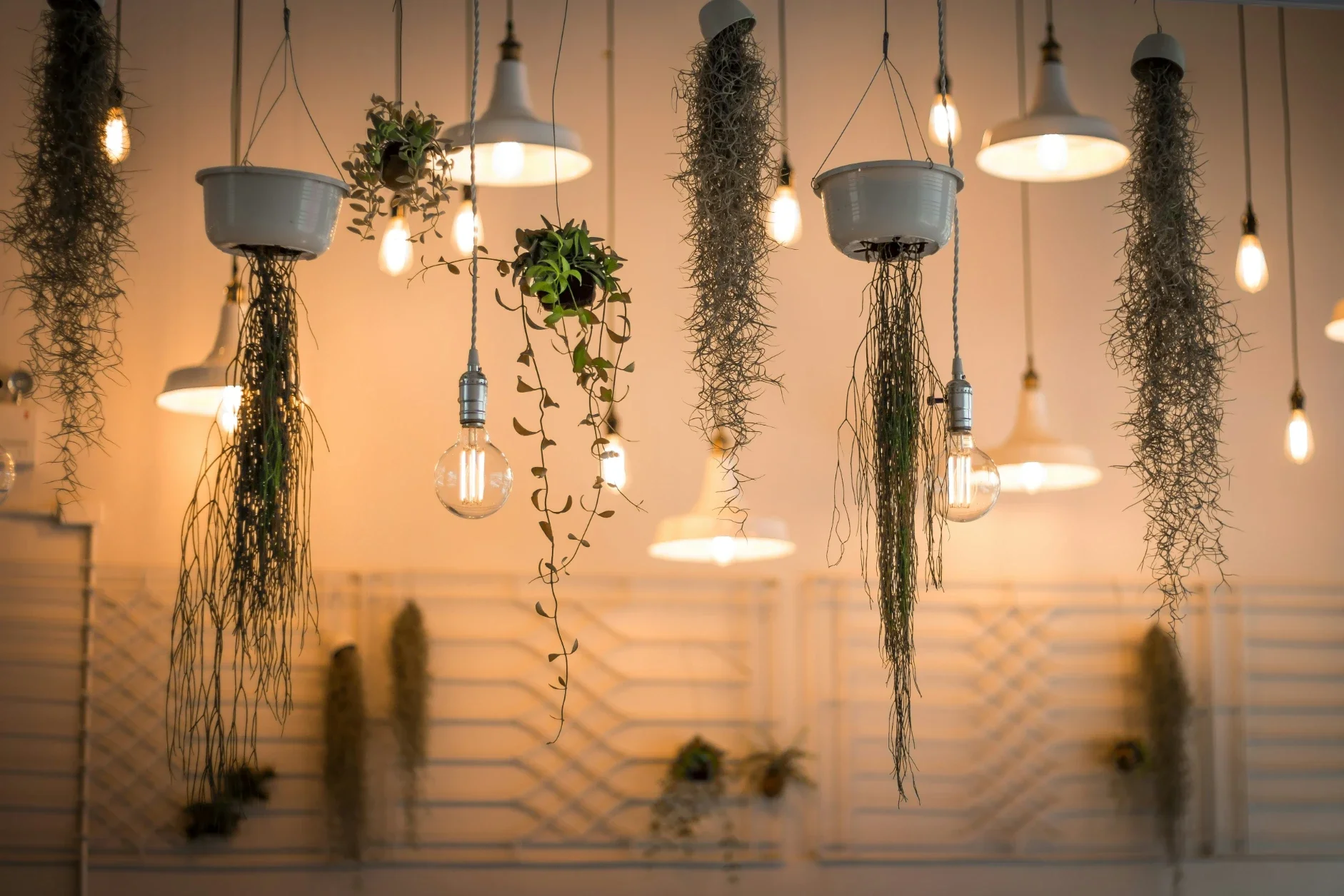
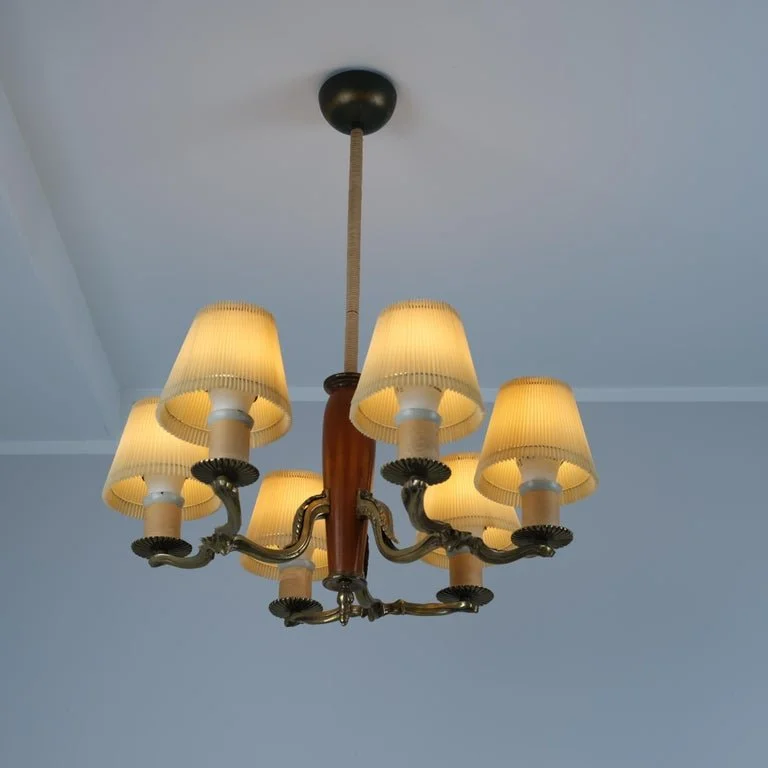
A pendant light is a single fixture suspended from the ceiling by a cord, cable, rod or chain. Unlike flush mount ceiling fixtures that sit directly against the ceiling surface, pendant lights hang down into the room, creating visual depth and drawing the eye upward. They can house a single bulb or multiple light sources, and their shades, diffusers and bodies come in every conceivable material: blown glass, handcrafted ceramic, brushed metals, woven rattan, concrete, timber and more. This variety of forms and materials makes pendant lights one of the most expressive fixture categories in interior design, capable of serving as functional task lighting, ambient room illumination, or a decorative focal point in their own right.
Where Pendant Lights Work Best
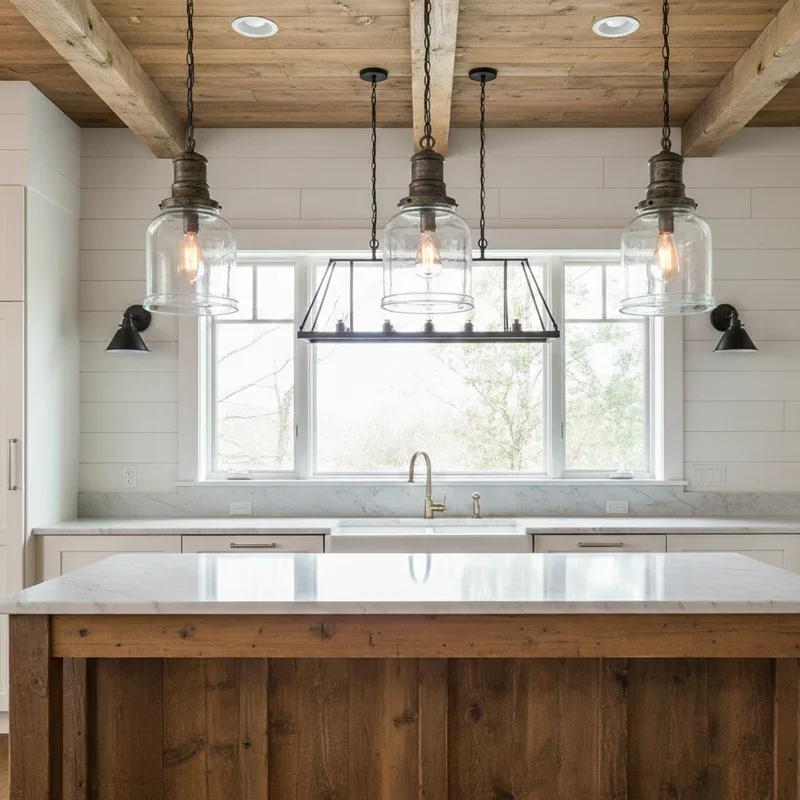
Pendant lights are most commonly associated with kitchens and dining rooms, where they provide focused task lighting over work surfaces and create an intimate atmosphere above dining tables. A row of two or three pendants above a kitchen island or breakfast bar is one of the most enduring and effective uses of the fixture, delivering both practical light for food preparation and a strong design statement that anchors the heart of the home. In dining rooms, a single large pendant centred over the table creates a sense of occasion and warmth that overhead downlights simply cannot replicate. Beyond these classic applications, pendants also work beautifully in living rooms as reading lights, in bedrooms as an alternative to bedside lamps, in home offices as focused task lighting, and in hallways and entries as welcoming statement pieces.
Sizing Guidelines for Pendant Lights
Choosing the right size of pendant is one of the most important decisions in the selection process, and it is an area where many homeowners make costly mistakes. As a general rule, the diameter of a pendant fixture should be roughly one-third of the width of the surface or space it is serving. For a dining table that is 90 centimetres wide, for example, a pendant with a shade diameter of around 30 centimetres will sit in correct visual proportion. When hanging multiple pendants in a row above a kitchen island, a centre-to-centre spacing of 60 to 75 centimetres is a widely accepted guideline, though larger fixtures benefit from greater spacing. A fixture that is too small will look underwhelming and fail to deliver adequate light; one that is too large will overwhelm the space and feel oppressive.
How High Should Pendant Lights Hang?
Hanging height is one of the most debated and most consequential aspects of pendant light installation. Over dining tables, the standard recommendation is to position the bottom of the fixture between 70 and 85 centimetres above the tabletop. This height delivers effective light onto the dining surface without blocking sightlines across the table or creating glare for seated guests. Over kitchen islands and work surfaces, a slightly higher hang of 75 to 90 centimetres above the bench is common, allowing enough clearance for people working at the surface. In spaces where the fixture is purely decorative or serving as ambient lighting, a higher hang can be used to create a sense of volume and drama. As Houzz's interior lighting experts point out, a general rule for standard ceiling heights is to hang the bottom of the light 12 to 20 inches below the ceiling, with an additional 3 inches for each extra foot of ceiling height.
Choosing a Style That Complements Your Interior
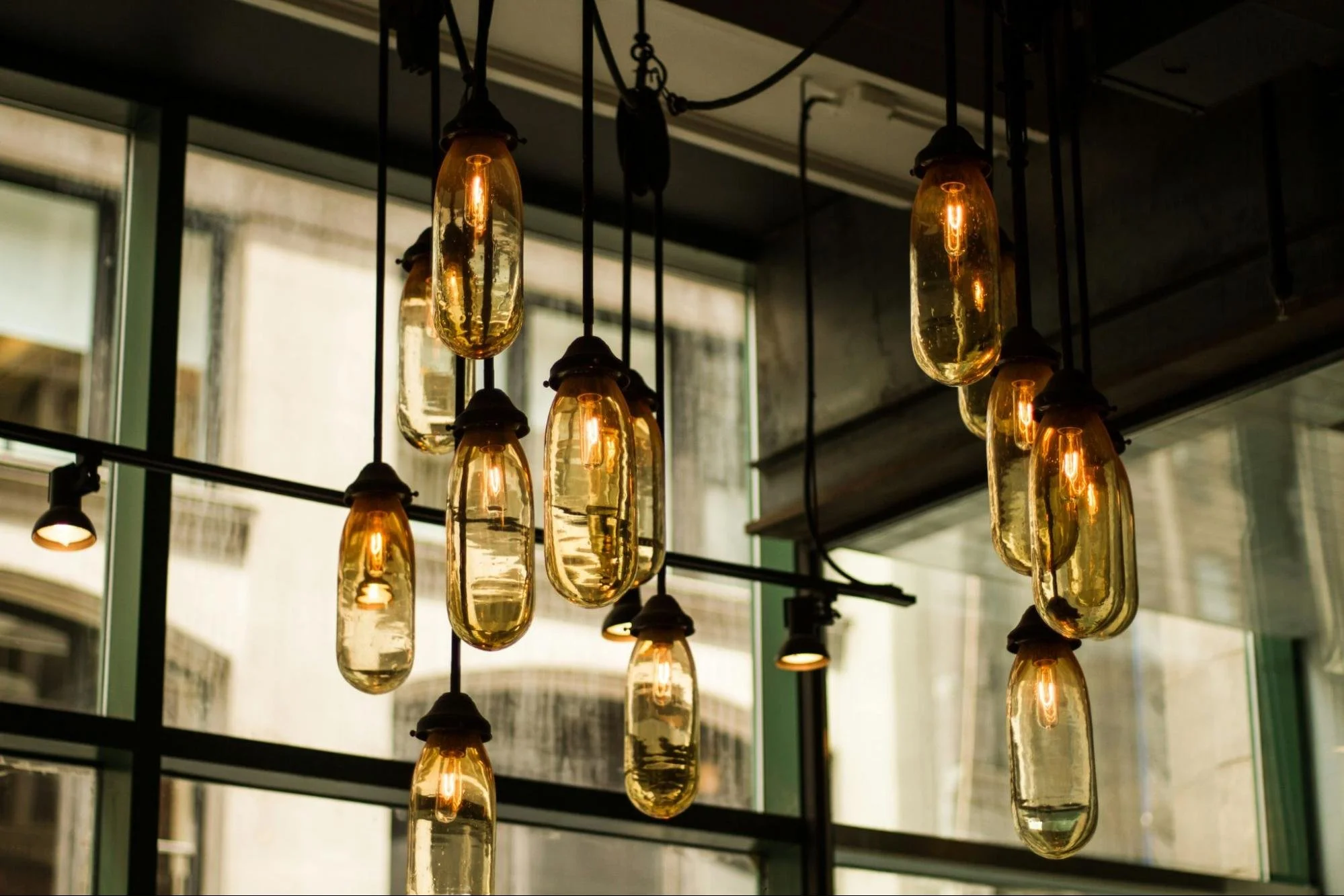
The style of pendant light you choose should feel like a natural extension of the room's overall design language. In contemporary interiors with clean lines and a restrained palette, geometric metal pendants or simple glass globes tend to feel most at home. In more traditional or heritage spaces, lantern-style pendants, fabric-shaded fixtures or handcrafted ceramics can add warmth and character without looking incongruous. Industrial loft spaces are well-suited to the exposed filament globes, bare-metal cages, and raw concrete or steel shades that have defined that aesthetic. Coastal and natural interiors increasingly favour rattan, wicker, and organic-material pendants that bring a relaxed, earthy quality to the space.
Material and Finish Considerations
The material and finish of a pendant light affect both its visual character and its practical performance. Glass shades distribute light broadly and create a bright, open feel, but they show fingerprints and smudges more readily than opaque alternatives. Metal shades direct light downward and are easier to maintain, but they may leave the upper part of the room darker. Fabric-covered shades diffuse light softly and warmly but require more upkeep, particularly in kitchens where cooking residue and moisture are factors. Matte and brushed finishes tend to be more forgiving of everyday use than highly polished surfaces. Choosing a finish that coordinates with other metalwork in the room, such as tapware, cabinet hardware and door handles, helps create a sense of cohesion throughout the space.
Layering Pendant Lights With Other Sources
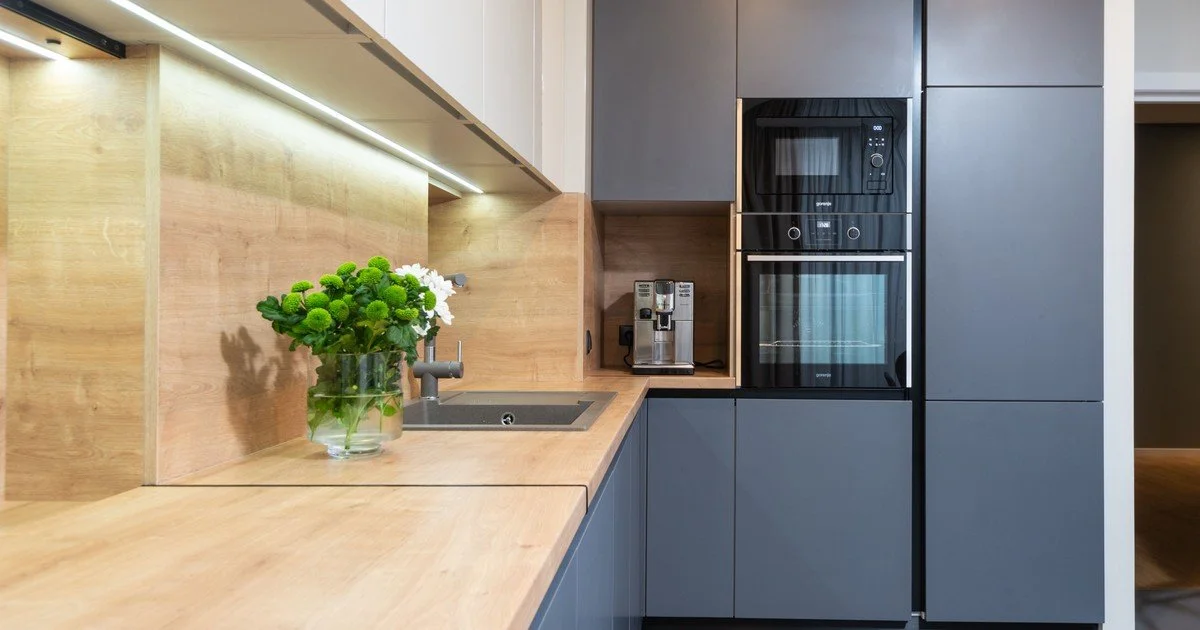
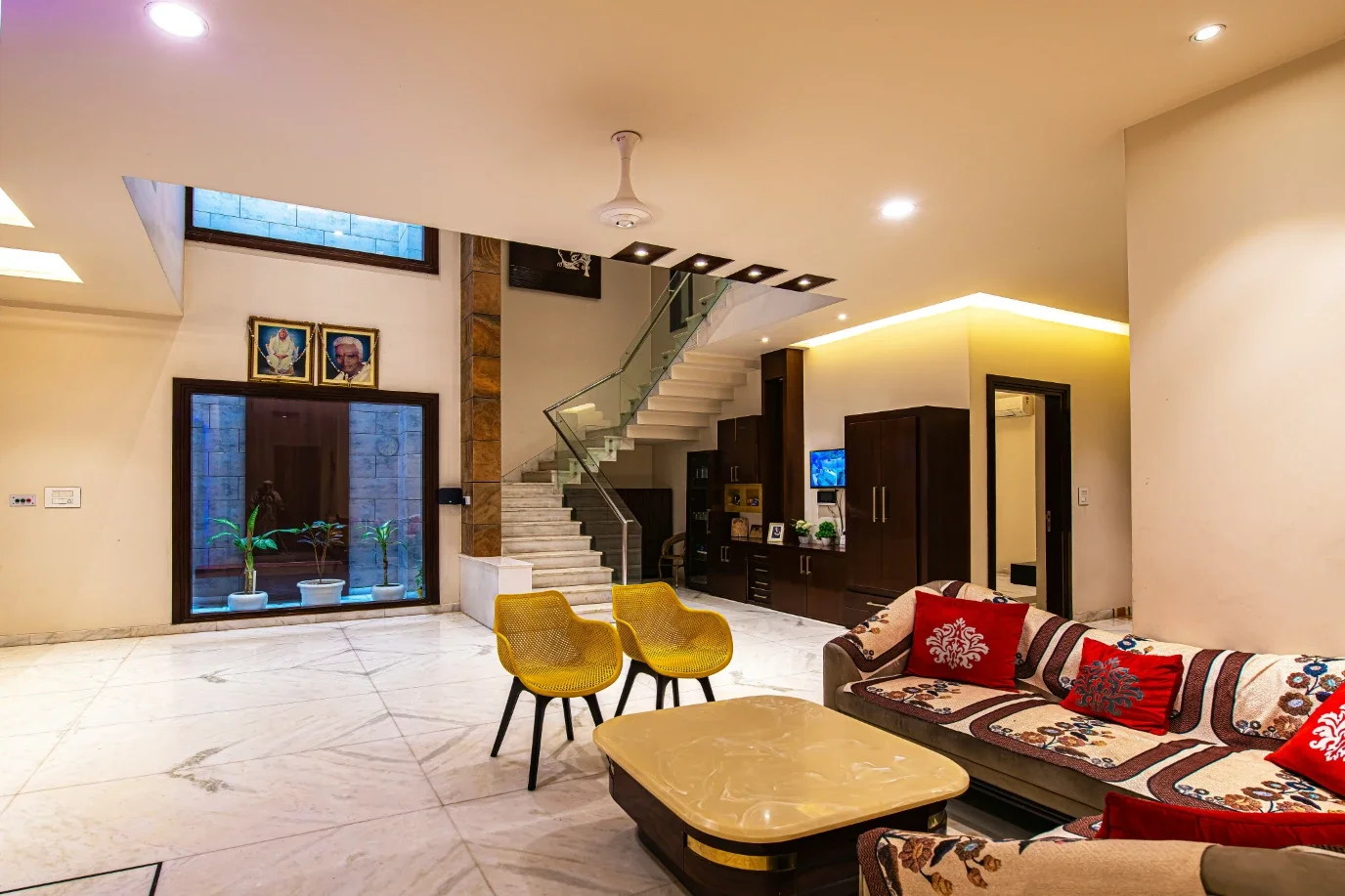
Pendant lights rarely perform best in isolation. In most rooms, they work most effectively as part of a layered lighting scheme that combines ambient, task and accent sources. Pairing a statement pendant above a dining table with recessed downlights around the perimeter of the room, for instance, allows you to adjust the overall mood of the space depending on the occasion. In kitchens, island pendants complement under-cabinet task lighting and recessed ceiling fixtures to ensure that every work zone is adequately lit at all times.
Final Thoughts
Pendant lights are among the most rewarding fixtures to choose and install in a home. When selected thoughtfully in terms of size, style, material and hanging height, they elevate every room they inhabit and serve as genuine design statements in their own right. Whether you are renovating a single room or outfitting an entire home, taking the time to understand the principles of pendant lighting design will help you make choices you will appreciate for years to come. Visit a specialist lighting store, view the options in person, and do not hesitate to ask for expert advice: the right pendant, in the right space, at the right height, is one of the simplest and most impactful improvements you can make to your home.
Stay up to date with our latest ideas!