Learn how to properly cure and store flowers with a simple home routine that preserves freshness, protects quality, and extends their shelf life.
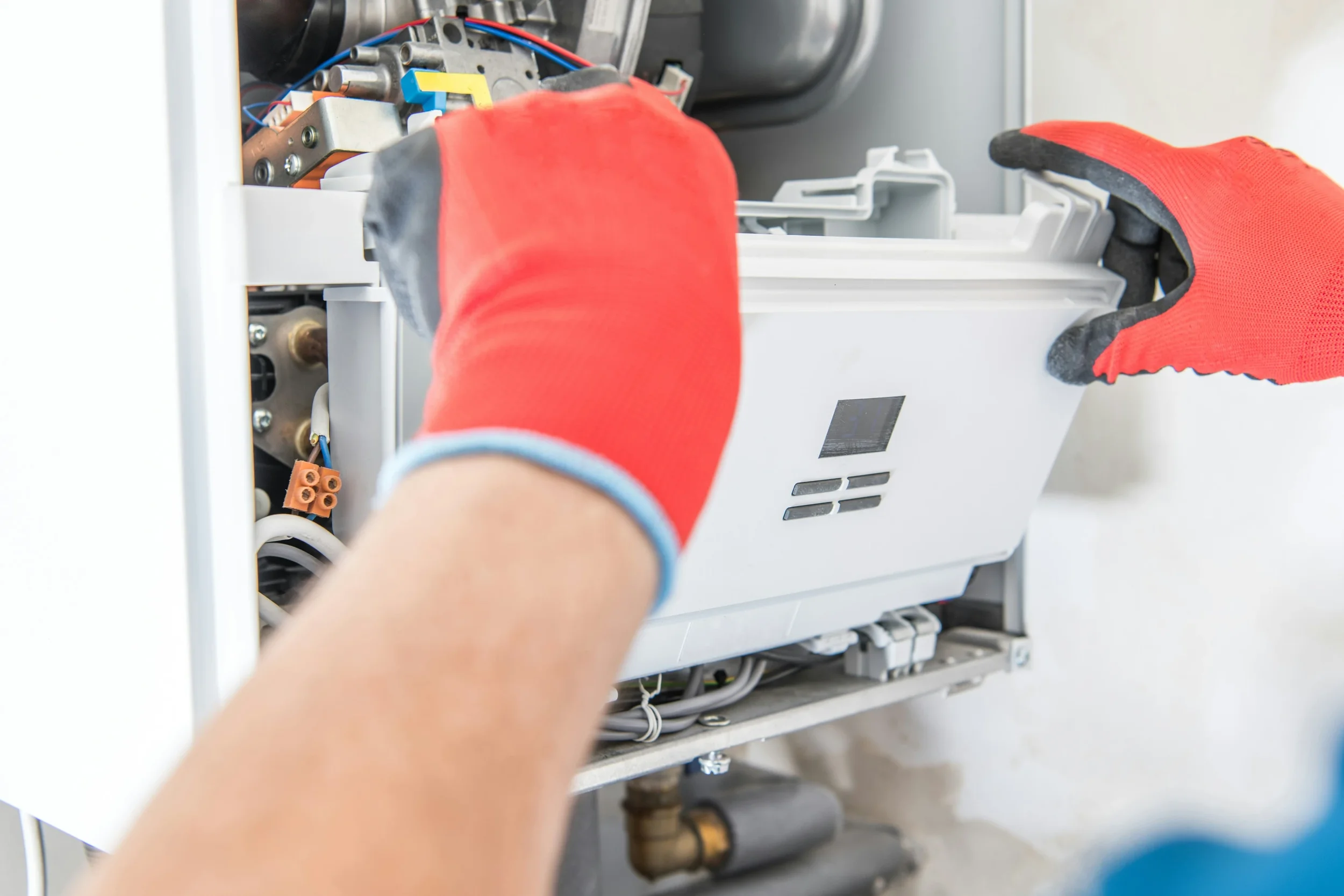
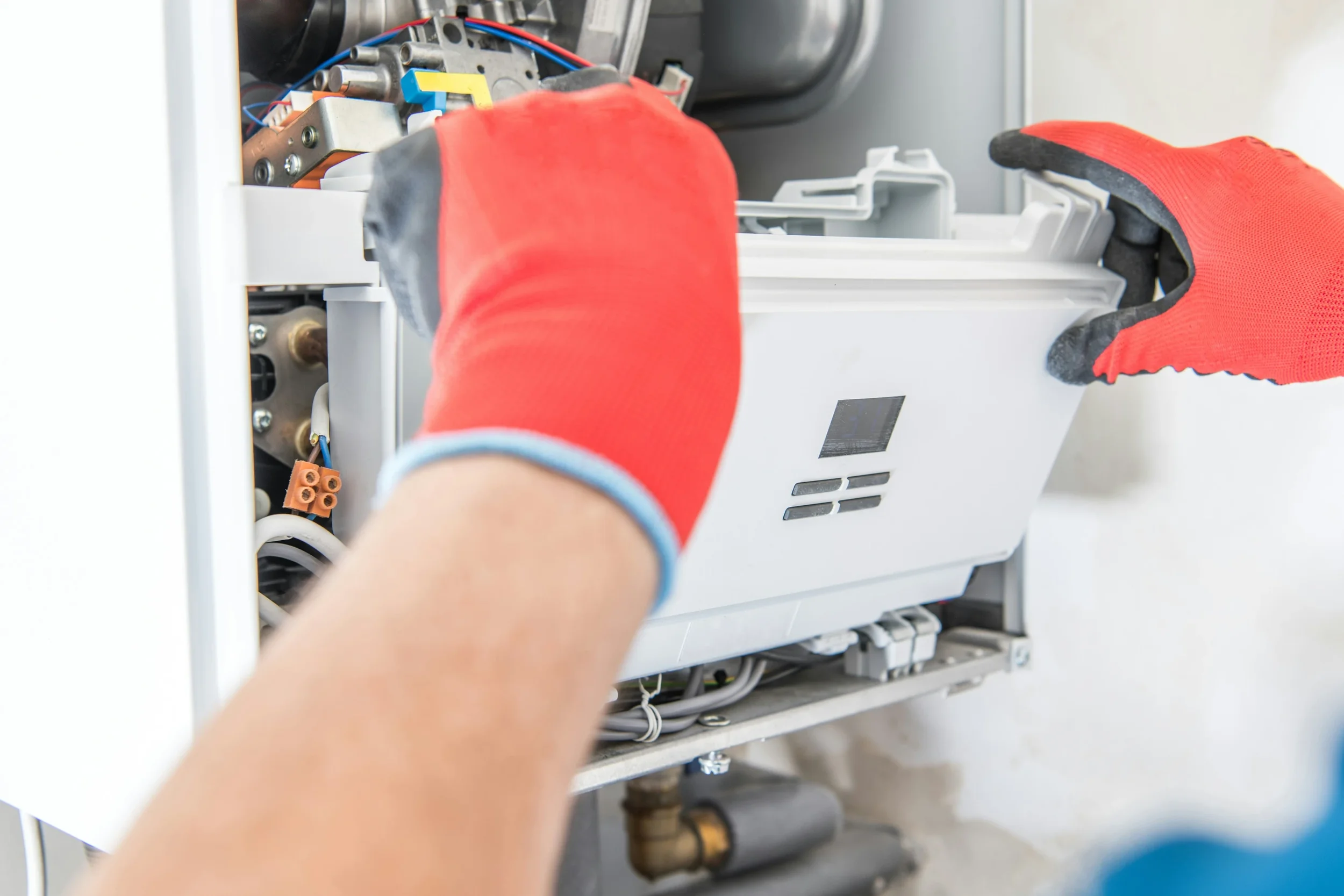
If your furnace turns on, runs for a few minutes, then shuts off before your home reaches the desired temperature, your heating system may have a problem.
You might also notice the furnace restarting several times in a short period, briefly blowing warm air before shutting down, or struggling to maintain a consistent indoor temperature.
This problem is commonly known as furnace short cycling. It can happen because of a dirty air filter, restricted airflow, thermostat problems, overheating, ignition failures, or issues with the furnace's electrical components.
Some causes are easy to fix, while others require professional repairs to prevent further damage.
In this article, we'll explain why your furnace may keep turning on and off, what you can safely check yourself, and when you should call an HVAC technician.
Why Does Your Furnace Keep Turning On and Off?
Your furnace is designed to turn on and off as needed to maintain the temperature set on your thermostat.
When the indoor temperature drops below the thermostat setting, the furnace starts heating. Once the thermostat is satisfied, the burners shut off, and the blower may continue running briefly to circulate the remaining warm air.
However, if your furnace repeatedly shuts down shortly after starting and turns back on without properly heating your home, it may be short cycling.
Short cycling can increase wear on furnace components, reduce heating efficiency, and make it harder to maintain comfortable temperatures throughout your home.
The exact cause depends on how the furnace behaves. For example, a furnace that starts heating but shuts down after several minutes may be overheating, while a system that repeatedly attempts to ignite without producing sustained heat may have an ignition or flame-sensing problem.
7 Common Reasons Your Furnace Keeps Turning On and Off
Several mechanical, electrical, and airflow problems can cause a furnace to cycle more frequently than normal. Here are some of the most common causes and how to address them.
1. Dirty or Clogged Air Filter
A clogged air filter is one of the first things to check when your furnace keeps shutting off unexpectedly.
As dust, pet hair, and other debris collect in the filter, they restrict airflow through the heating system.
When airflow becomes severely restricted, the furnace may overheat and activate a high-temperature safety limit switch. This shuts off the burners to protect the equipment from excessive heat.
The blower may continue running to cool the furnace, making it seem like the system is operating even though it has stopped producing heat.
Once the furnace cools, it may start another heating cycle, only to overheat again.
How to fix it: Inspect your furnace filter and replace it if it's dirty or clogged. Make sure the replacement filter matches the furnace manufacturer's requirements and is installed in the correct direction.
As part of preparing your home's heating system for winter, also check your filters regularly, especially during periods of heavy furnace use.
If replacing the filter doesn't fix the problem, the furnace may have another airflow restriction or a blower issue.
2. Blocked Air Vents or Restricted Ductwork
Your furnace needs adequate airflow to move heated air throughout the house and prevent excessive heat buildup inside the equipment.
When multiple supply vents are closed, or return-air grilles are blocked by furniture, rugs, or other objects, the system may struggle to circulate enough air.
In some cases, the reduced airflow can cause the furnace to overheat and shut down through its safety controls.
Problems within the ductwork can also affect airflow, including crushed flexible ducts, disconnected sections, or an improperly designed duct system.
How to fix it: Check the supply and return vents throughout your home and remove any visible obstructions. Keep vents open unless your HVAC system was specifically designed to operate with certain registers closed.
If the furnace continues shutting off, an HVAC technician can measure airflow and inspect the ductwork for restrictions.
3. Thermostat Problems
Sometimes the furnace works properly, but the thermostat causes it to turn on and off too often.
For example, a thermostat installed near a supply vent, fireplace, or other heat source may sense a higher temperature than the rest of the home.
This can cause the thermostat to shut down the furnace before other rooms reach the desired temperature.
Faulty wiring, incorrect programming, low batteries, or a malfunctioning thermostat can also interfere with normal heating cycles.
How to fix it: Start by checking that your thermostat is set to heating mode and that the temperature setting is appropriate.
If you have a programmable or smart thermostat, review its schedule and settings to make sure it isn't making unexpected temperature changes.
You can also follow basic furnace troubleshooting steps to rule out common thermostat and power issues.
If the problem continues, have a technician check the thermostat's operation, wiring, and compatibility with your heating system.
4. Furnace Overheating or a Faulty Limit Switch
Most modern furnaces have safety controls that shut off the burners if the equipment gets too hot.
The high-temperature limit switch monitors the furnace's operating temperature and helps prevent overheating damage.
A dirty air filter is one possible cause, but overheating can also occur because of an underperforming blower motor, restricted ductwork, or other airflow problems.
In some cases, the limit switch itself may malfunction and interrupt the heating cycle even when the furnace isn't overheating.
How to fix it: If you've already replaced a dirty filter and confirmed the vents are unobstructed, the next step is to have a professional diagnose the issue.
A technician can check the blower motor, measure the furnace's temperature rise, and test its safety controls to determine why the system keeps shutting down.
Do not bypass or disconnect the limit switch to keep the furnace running. It is an important safety component, and repeated overheating can damage the furnace.
5. Dirty Flame Sensor or Ignition Problems
Gas furnaces use an ignition system to light the burners and a flame sensor or other flame-proving control to confirm that combustion has started properly.
If the furnace's control system cannot verify that a flame is present, it shuts off the gas supply as a safety precaution.
A dirty or malfunctioning flame sensor may cause the burners to ignite briefly before shutting down. The furnace may try to ignite again or eventually enter a safety lockout.
Other possible causes include a faulty ignitor, gas valve problems, or issues with the furnace's control board.
According to Britton Taylor, COO at Air Today Heating & Cooling, a family-owned HVAC company in Greenville, South Carolina, homeowners should pay attention to when the furnace shuts down during its heating cycle.
"When a furnace keeps turning on and off, we first want to understand what's happening during that heating cycle. If the burners light and shut off almost immediately, we may be looking at a flame sensor or ignition problem. If the furnace runs for several minutes before shutting down, we also need to check for overheating and airflow issues," Taylor explains.
How to fix it: Flame sensor and ignition problems require professional diagnosis. A technician can inspect the ignition sequence, test the relevant components, and determine whether cleaning, adjustment, or replacement is necessary.
Homeowners should avoid repairing gas valves, burners, or combustion safety components.
6. Problems With the Furnace's Venting or Pressure Switch
Gas furnaces need to safely move combustion gases out of the home.
Many modern furnaces use an inducer motor and pressure switch to verify that the venting system is operating correctly before allowing the burners to ignite.
If the pressure switch doesn't confirm the required conditions, the furnace may stop the ignition sequence or shut down.
Possible causes include a blocked exhaust vent, a malfunctioning inducer motor, a faulty pressure switch, or an obstruction in a high-efficiency furnace's condensate drainage system.
Some of these problems can cause the furnace to try to start repeatedly without completing a normal heating cycle.
How to fix it: If your furnace has an accessible outdoor vent termination, you can visually check for obvious obstructions such as leaves or snow without disassembling or modifying the venting system.
A qualified technician should inspect pressure switches, inducer motors, condensate drainage components, and the combustion venting system.
Do not bypass pressure switches or operate a furnace with suspected venting problems.
7. An Oversized Furnace
A furnace that is too large for your home's heating requirements can also turn on and off more frequently than it should.
For example, if your home needs less heating capacity but has a significantly oversized single-stage furnace, the system may raise the temperature near the thermostat very quickly.
The thermostat then shuts off the furnace, even though other rooms may not have received enough warm air.
This can lead to short heating cycles, uneven temperatures, and unnecessary equipment wear.
Oversizing is particularly worth investigating if the problem has existed since the furnace was installed rather than developing after years of normal operation.
How to fix it: An HVAC contractor can evaluate your home's heating load, furnace capacity, ductwork, and thermostat placement.
If the furnace is substantially oversized, adjusting the thermostat or replacing minor components won't correct the underlying sizing problem.
Depending on the equipment and installation, the solution may involve correcting airflow or control settings, or eventually replacing the furnace with a properly sized system.
What Can You Check Before Calling for Furnace Repair?
If your furnace keeps starting and stopping, you can do a few basic checks before scheduling a service appointment.
Check the thermostat: Confirm that it's set to heating mode and that the desired temperature is higher than the current indoor temperature.
Replace a dirty air filter: A clogged filter can restrict airflow and cause overheating. Use the correct replacement filter for your furnace.
Check the air vents: Make sure furniture, rugs, and other objects aren't blocking supply or return-air vents.
Look for thermostat scheduling issues: Review programmable settings or smart thermostat schedules that may be changing the temperature unexpectedly.
Observe the heating cycle: Pay attention to whether the burners shut off almost immediately, the furnace runs for several minutes before stopping, or the blower continues operating after the heat stops.
These observations can help an HVAC technician narrow down the possible causes.
However, if the furnace continues short cycling after these basic checks, avoid restarting it repeatedly or bypassing safety controls.
When Should You Call a Professional for Furnace Short Cycling?
Arrange a professional furnace inspection if the system repeatedly shuts off before reaching the thermostat setting, fails to maintain a comfortable temperature, or keeps cycling after you replace the filter and clear any airflow obstructions.
Professional repairs may be necessary when the problem involves the flame sensor, ignition system, blower motor, pressure switch, limit switch, or electrical controls.
The cost of repairs depends on the underlying problem. Replacing a clogged filter may be inexpensive, while a malfunctioning blower motor or control board can require a more substantial repair.
If the furnace is older and needs major repairs, ask the technician to assess its overall condition and remaining expected lifespan before deciding whether to repair or replace it.
Some situations require more immediate attention. If you smell gas, leave the building and contact your gas utility or emergency services from a safe location.
If a carbon monoxide alarm sounds, evacuate and contact emergency services. Do not operate the furnace again until a professional has evaluated the problem and declared the area safe.
For other serious heating failures, understanding when emergency heating repairs are necessary can help you decide how quickly to seek professional assistance.
Can Regular Maintenance Prevent Furnace Short Cycling?
Although you can't prevent every furnace problem, routine maintenance can reduce the likelihood of issues that cause short cycling.
A professional furnace maintenance visit may include inspecting the burners and ignition system, checking the blower motor, testing safety controls, evaluating airflow, and confirming that the equipment operates within the manufacturer's specifications.
Homeowners can also help maintain proper airflow by checking filters regularly and keeping supply and return vents unobstructed.
If your furnace has started cycling more often than in previous heating seasons, don't assume the behavior is normal just because the system still produces warm air.
Final Thoughts
A furnace that keeps turning on and off may have a relatively simple problem, such as a clogged air filter or incorrect thermostat settings. However, repeated short cycling can also indicate overheating, ignition failures, damaged components, or installation issues.
Start by checking the thermostat, replacing a dirty filter, and making sure airflow isn't restricted.
If the problem continues, have a qualified HVAC technician inspect the system and identify the underlying cause before replacing parts or considering a new furnace.
Addressing the problem early can help restore consistent heating and prevent further wear on the equipment.
Stay up to date with our latest ideas!