Avoid four common lighting mistakes in home design with practical tips that improve ambiance, functionality, and balance for a well lit, comfortable living space.
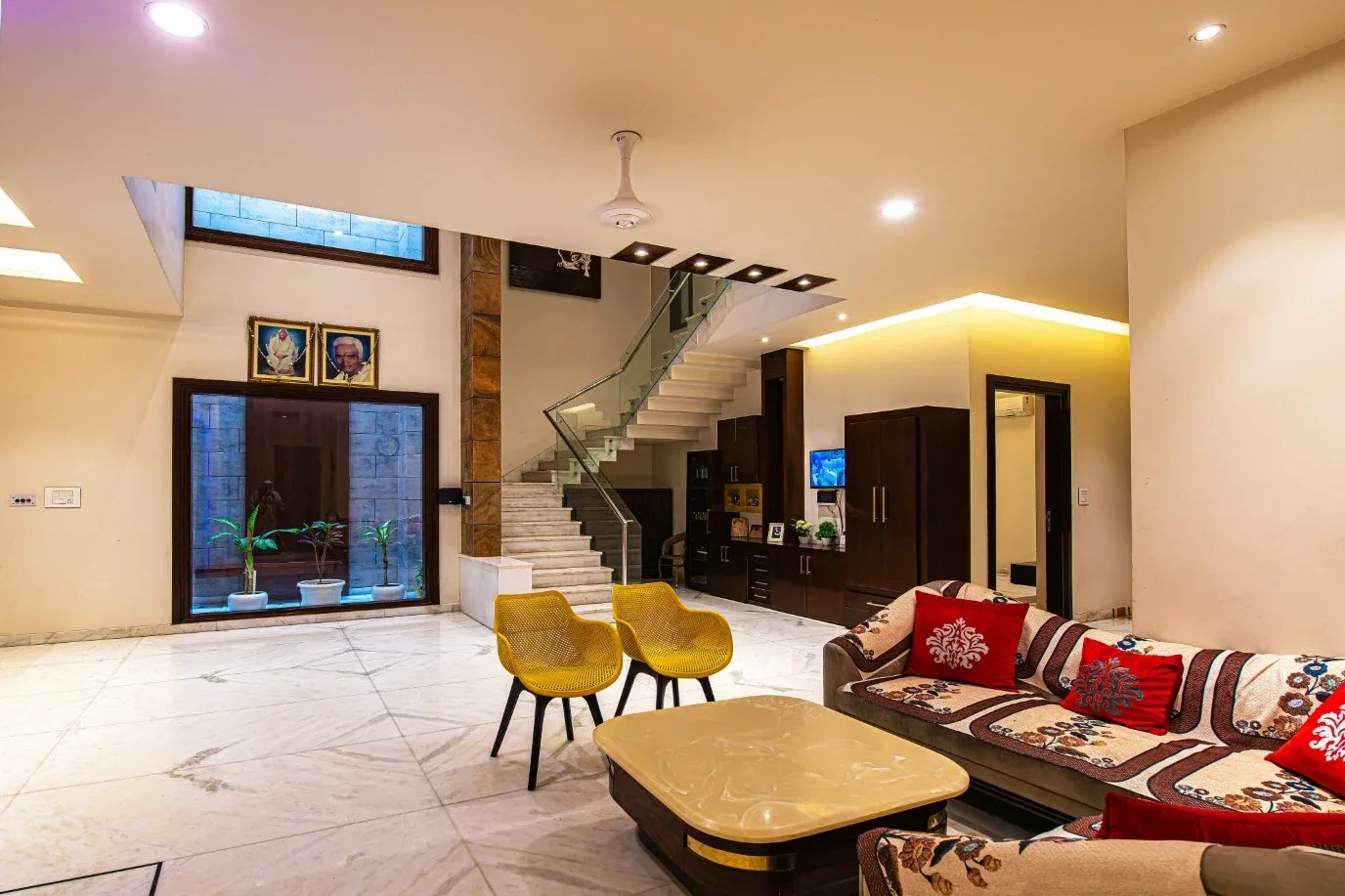
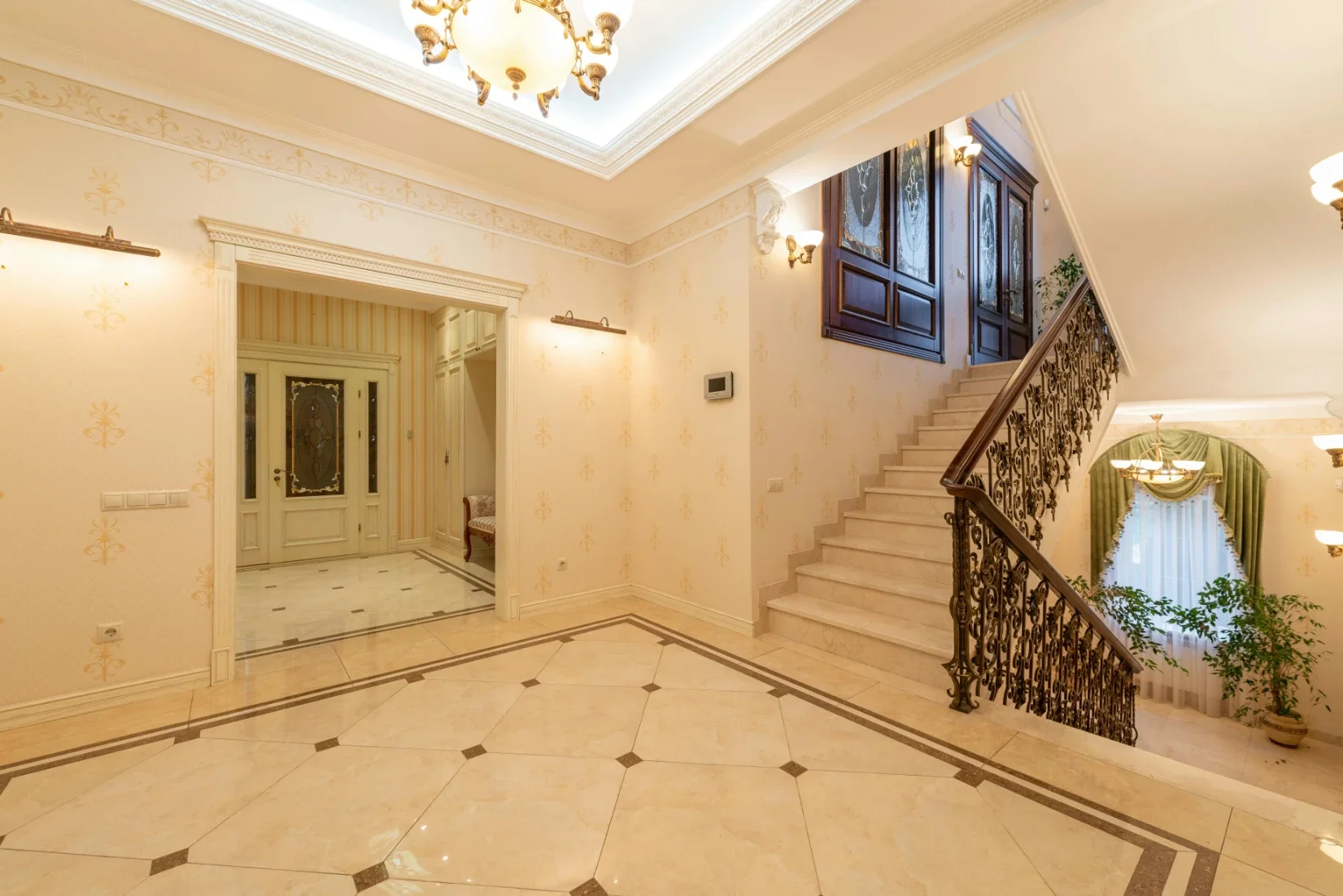
Designing a home in 2026 is about more than just filling a room with beautiful things; it is about how those things are experienced. We often spend months obsessing over floor plans and fabric swatches, only to treat lighting as an afterthought. However, lighting is the "invisible architect" of your home. It has the power to make a designer space feel cold or transform a simple room into a sanctuary.
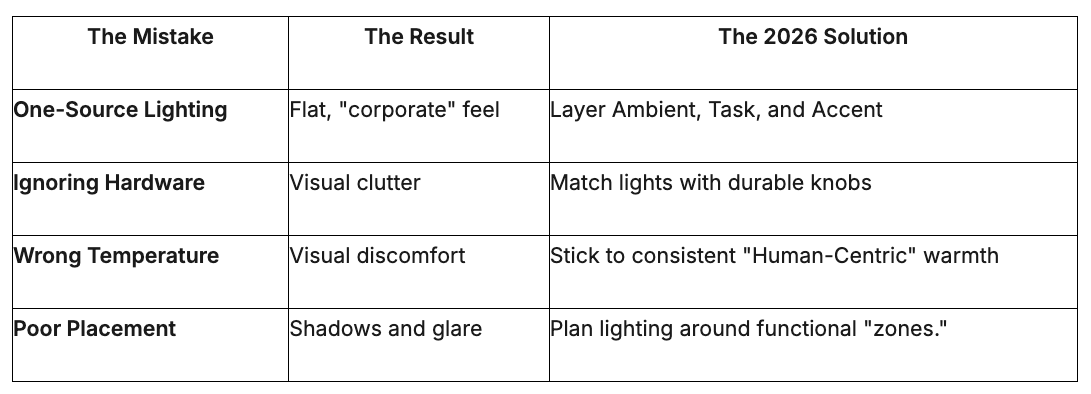
2026 Lighting Fixes
1. Relying on a Single Light Source
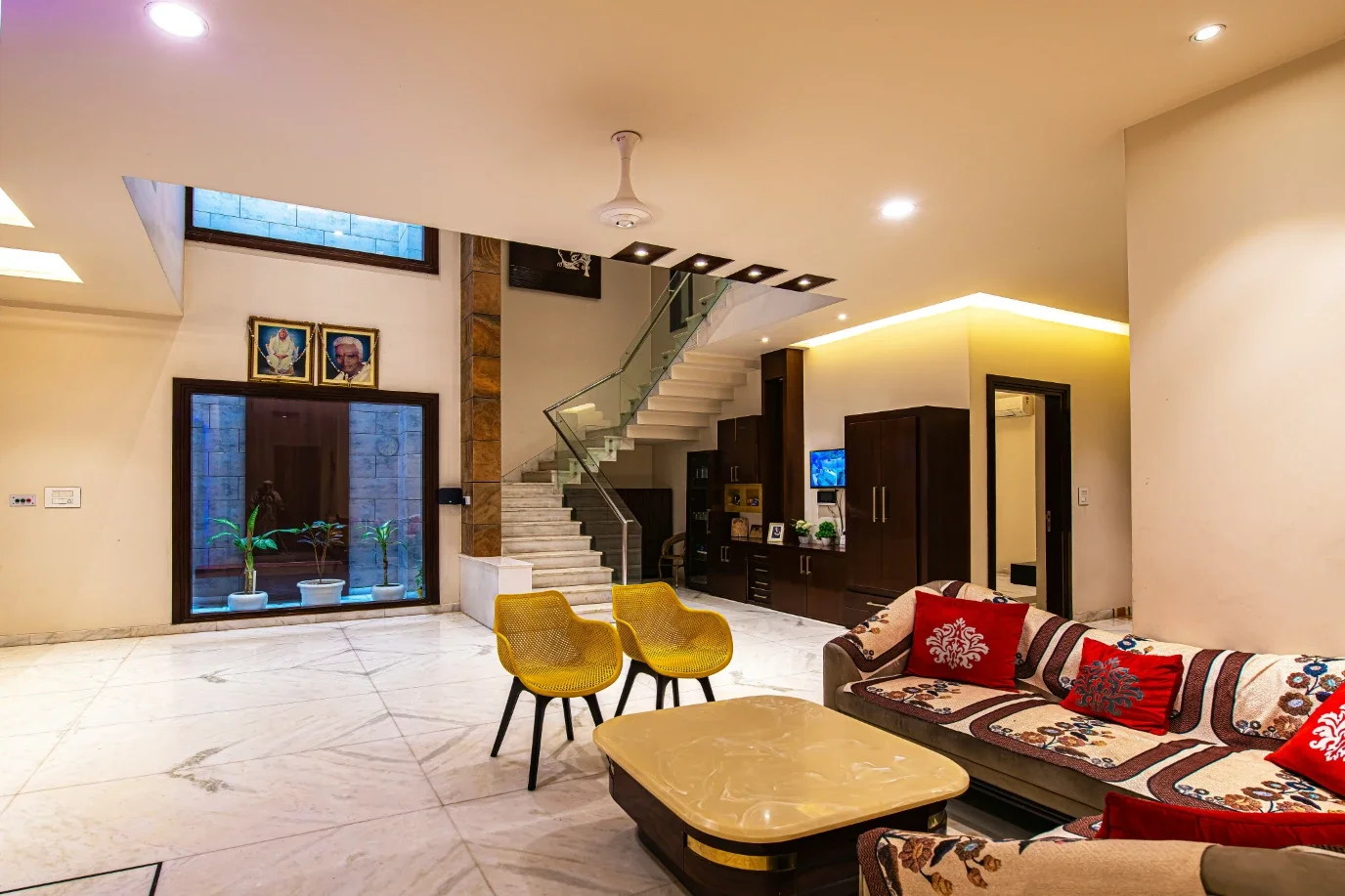
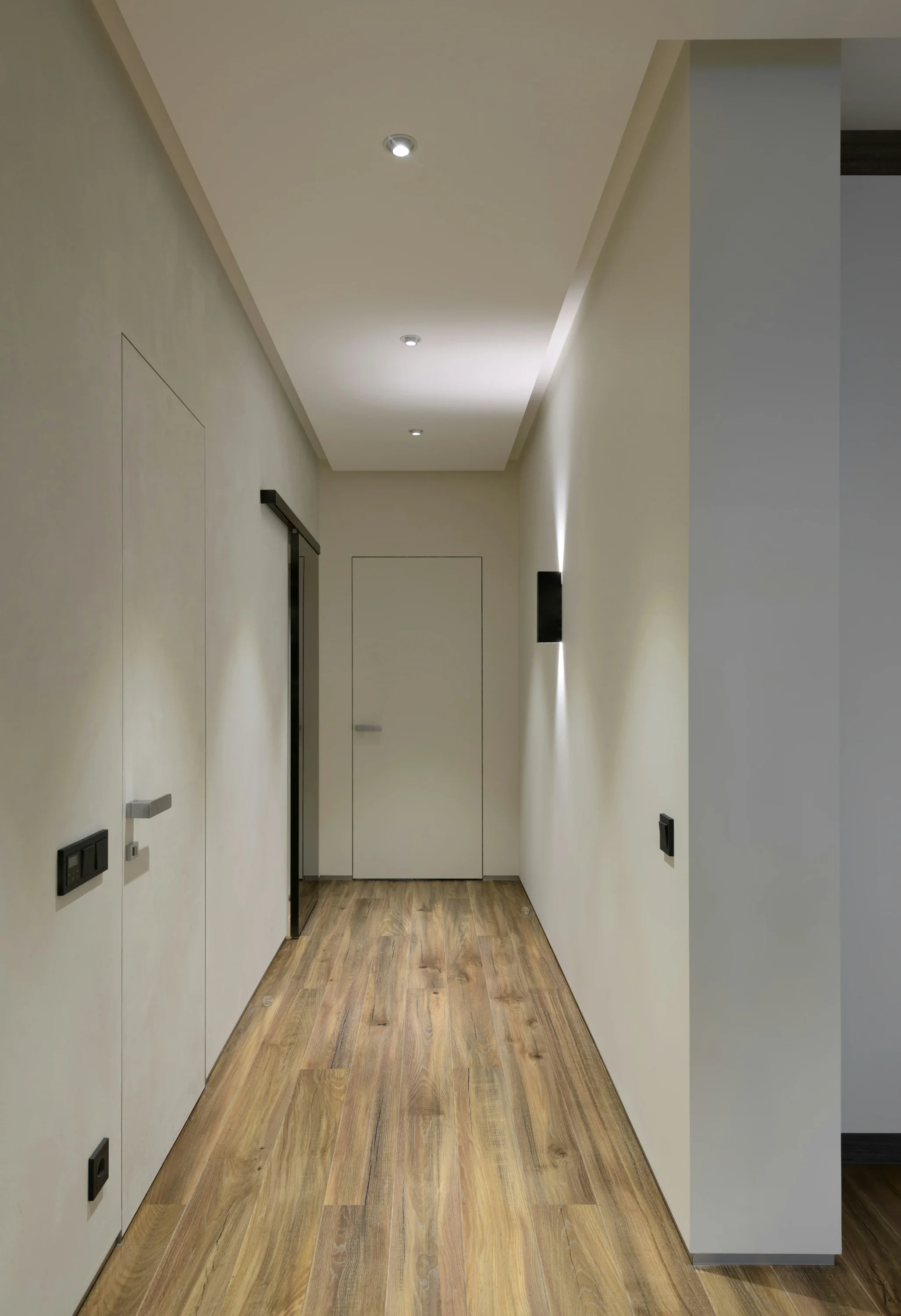
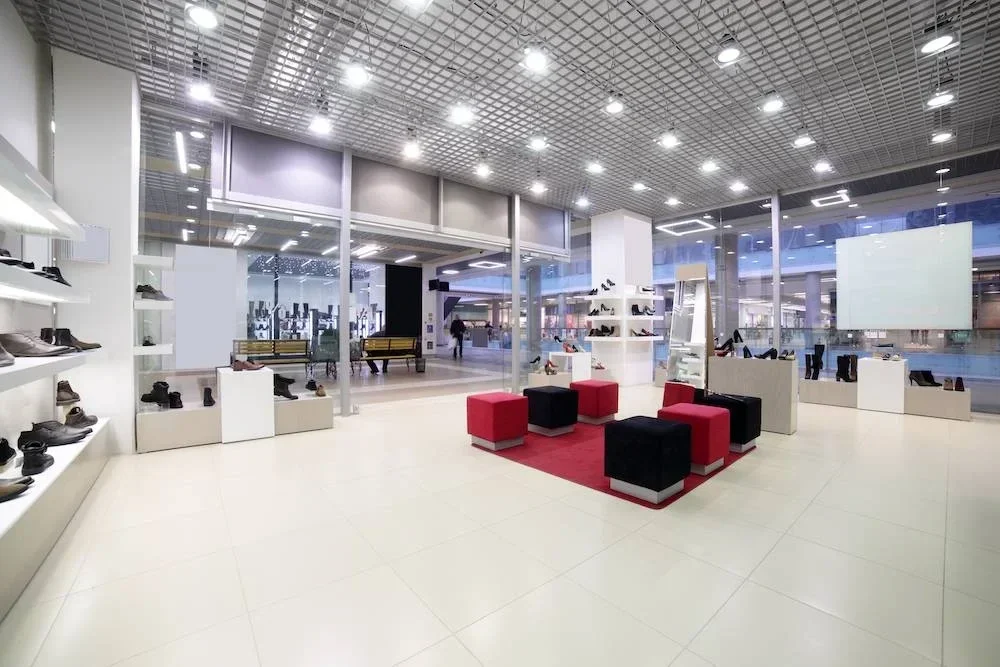
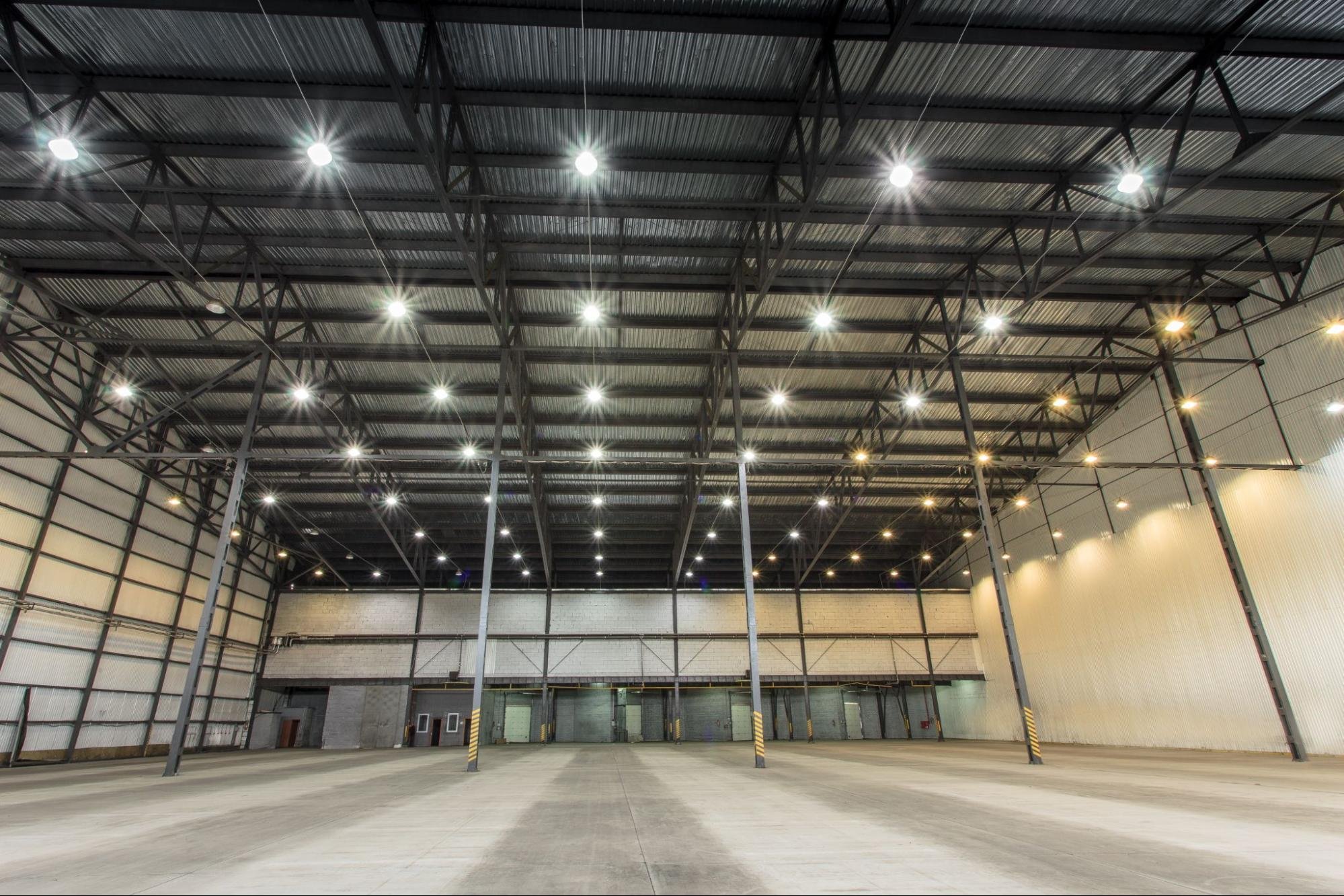
The most frequent error in modern interiors is the "one-and-done" approach. Many homeowners rely solely on overhead recessed lights (pot lights) to illuminate a room. While functional, this creates a flat, harsh environment with deep shadows that make a home feel more like an office than a retreat.
In 2026, the focus is on "layered illumination." You should aim for three distinct layers:
Ambient: Your general overhead light.
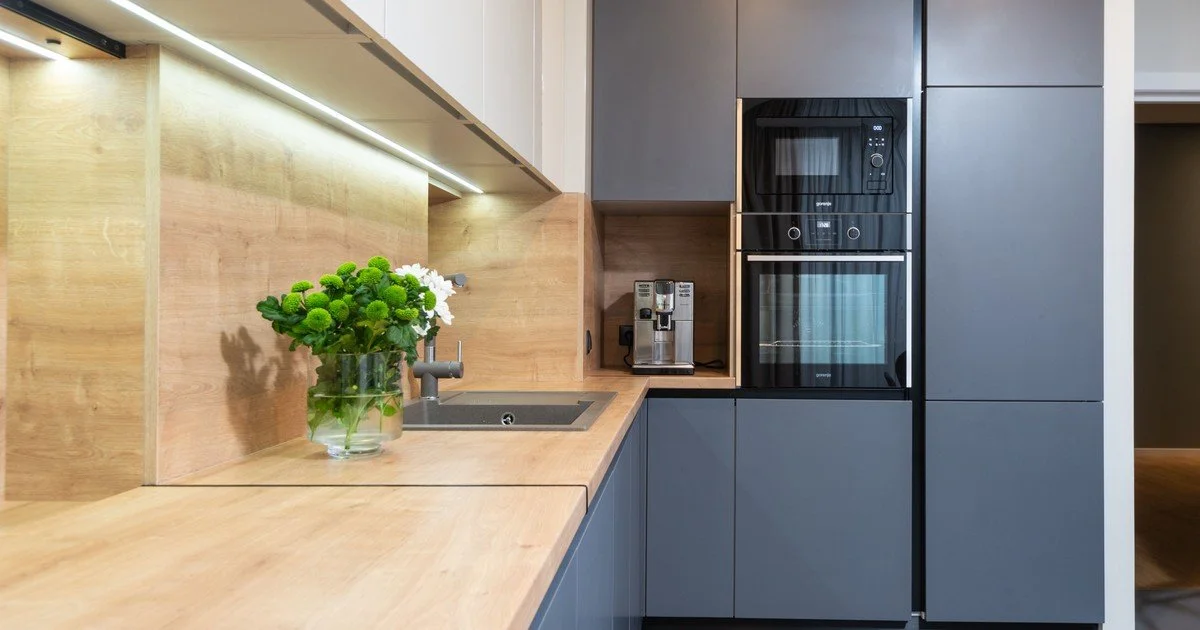
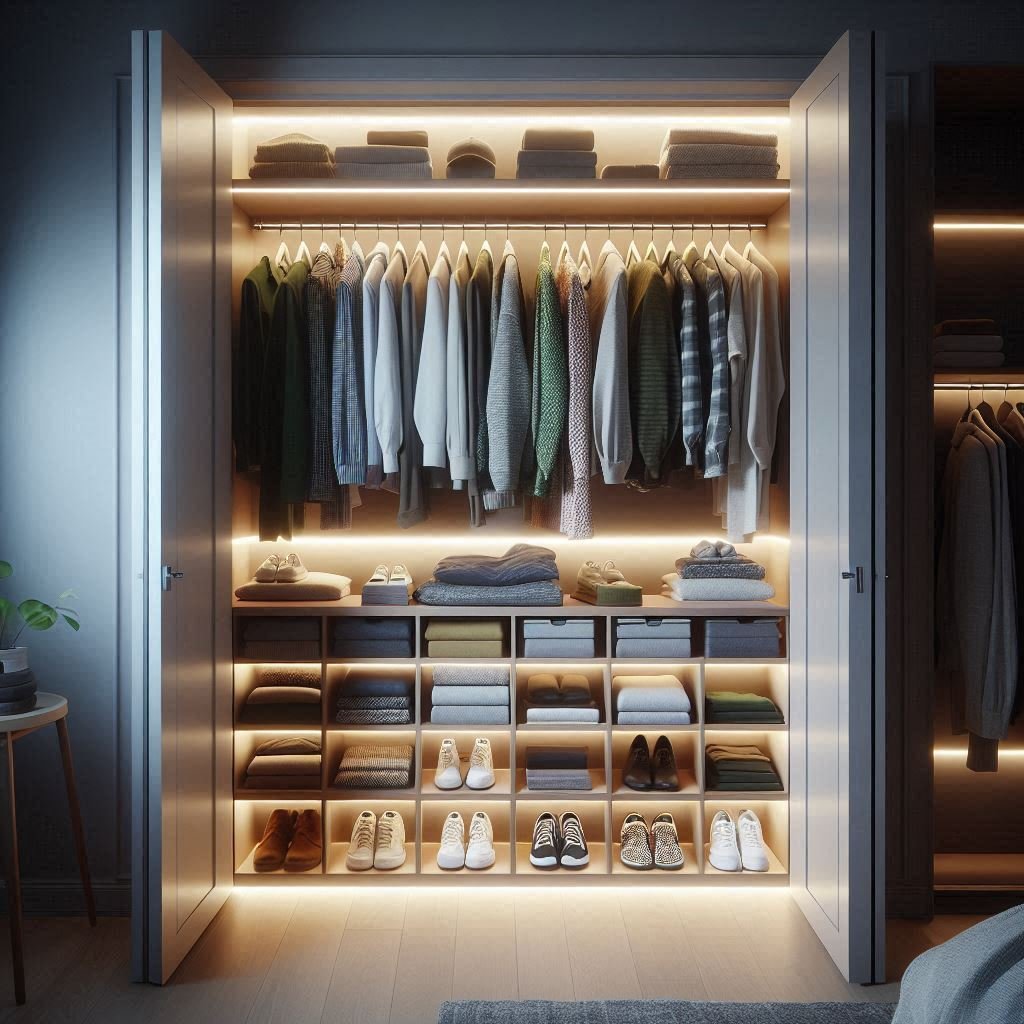
Task: Focused lighting for reading or cooking, like under-cabinet LEDs or desk lamps.
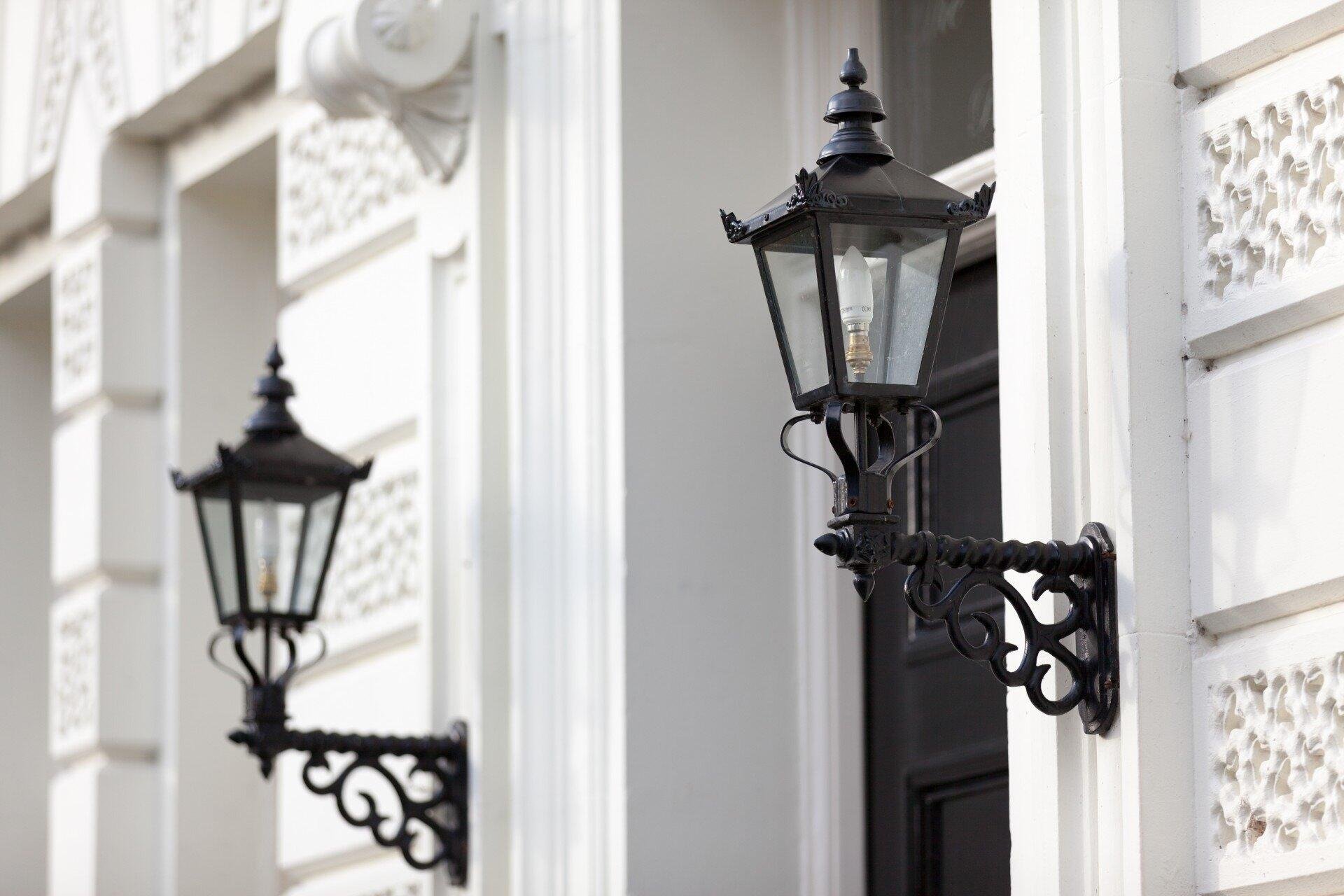
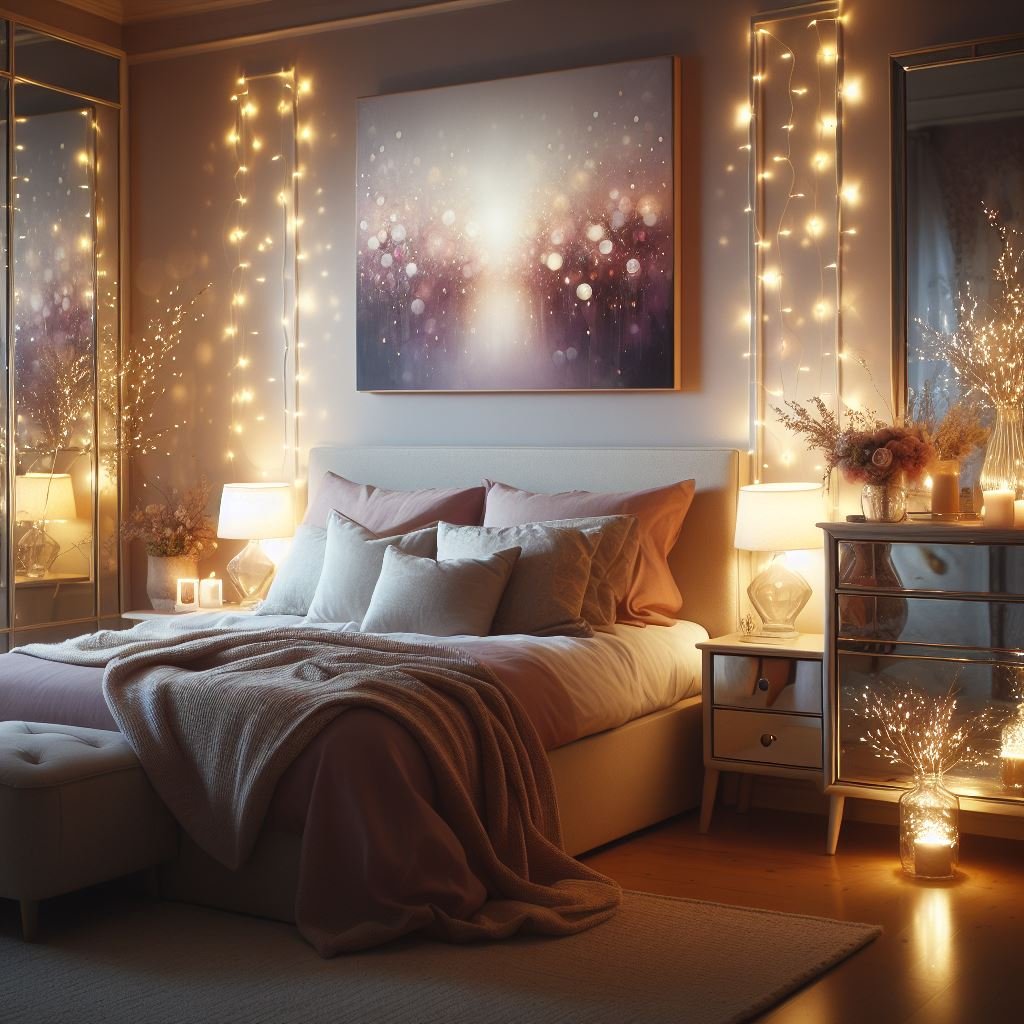
Accent: The "mood" setters, such as wall sconces or picture lights.
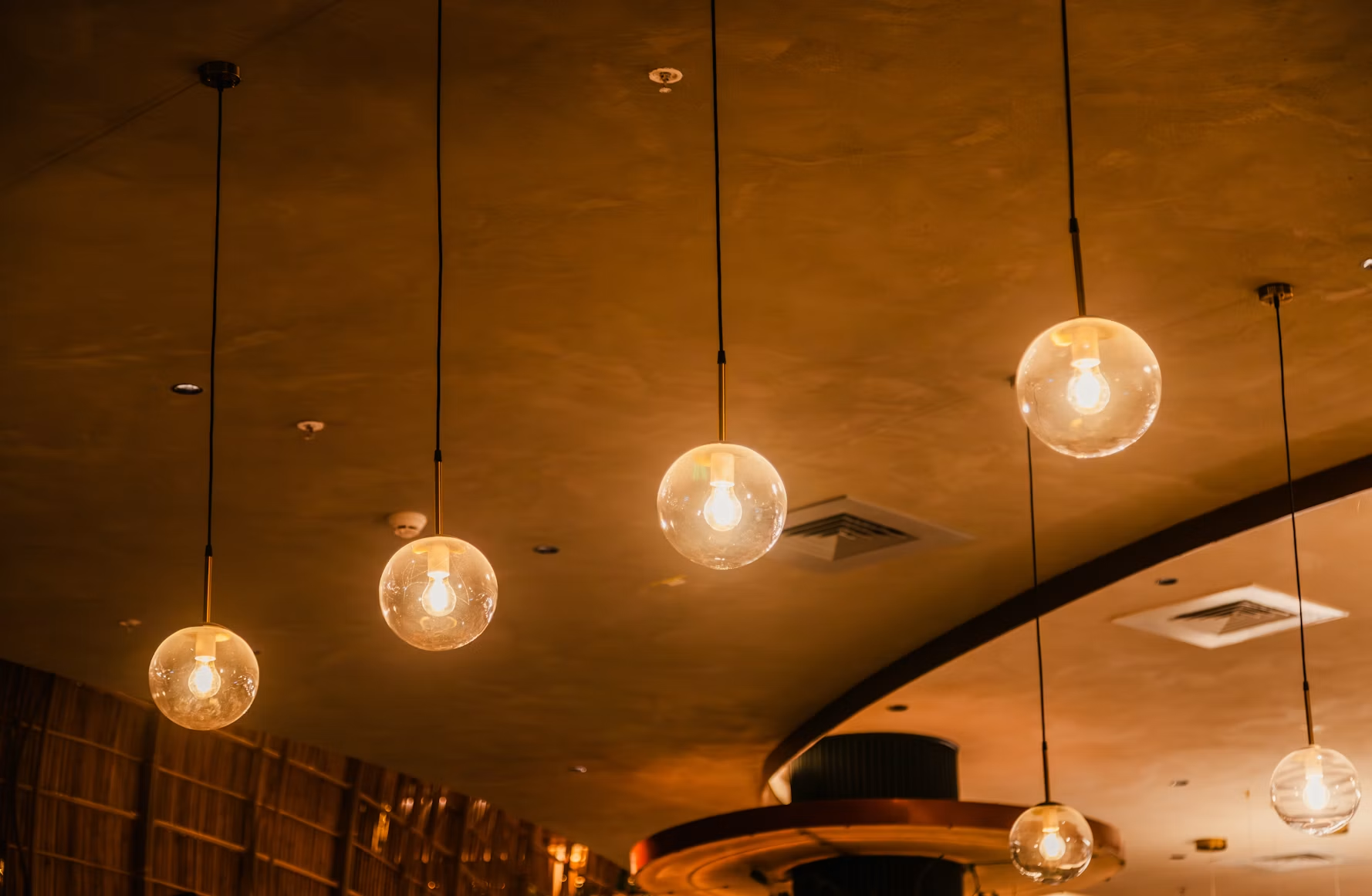
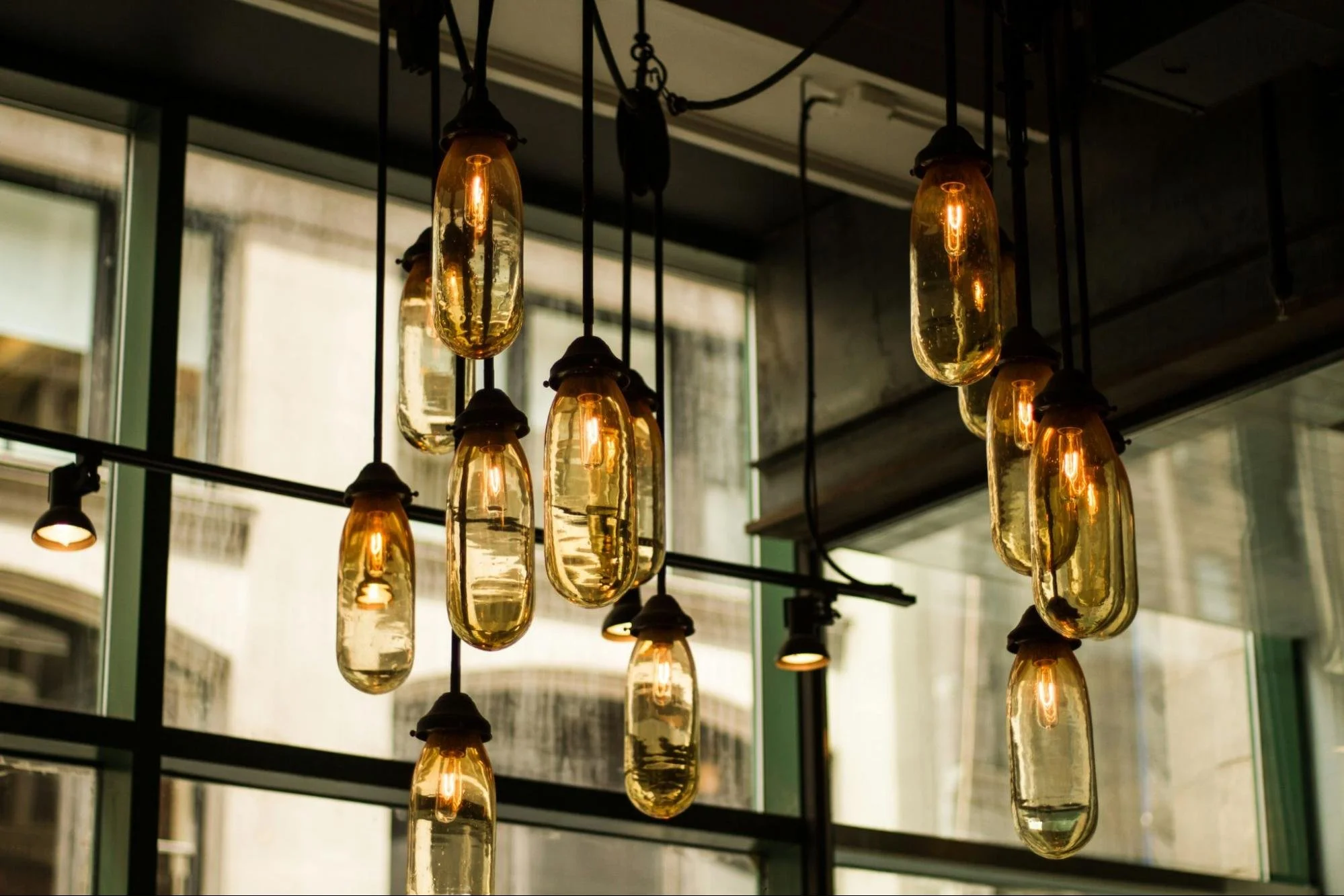
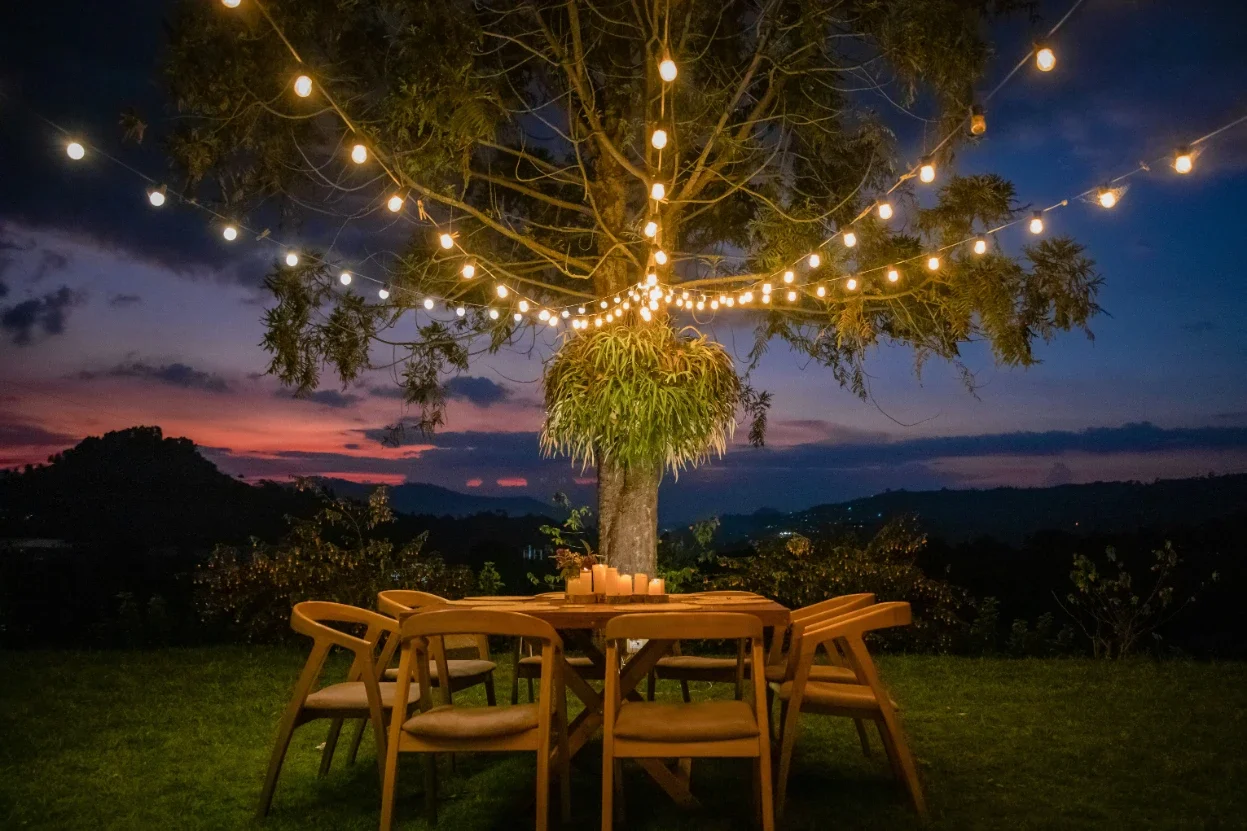
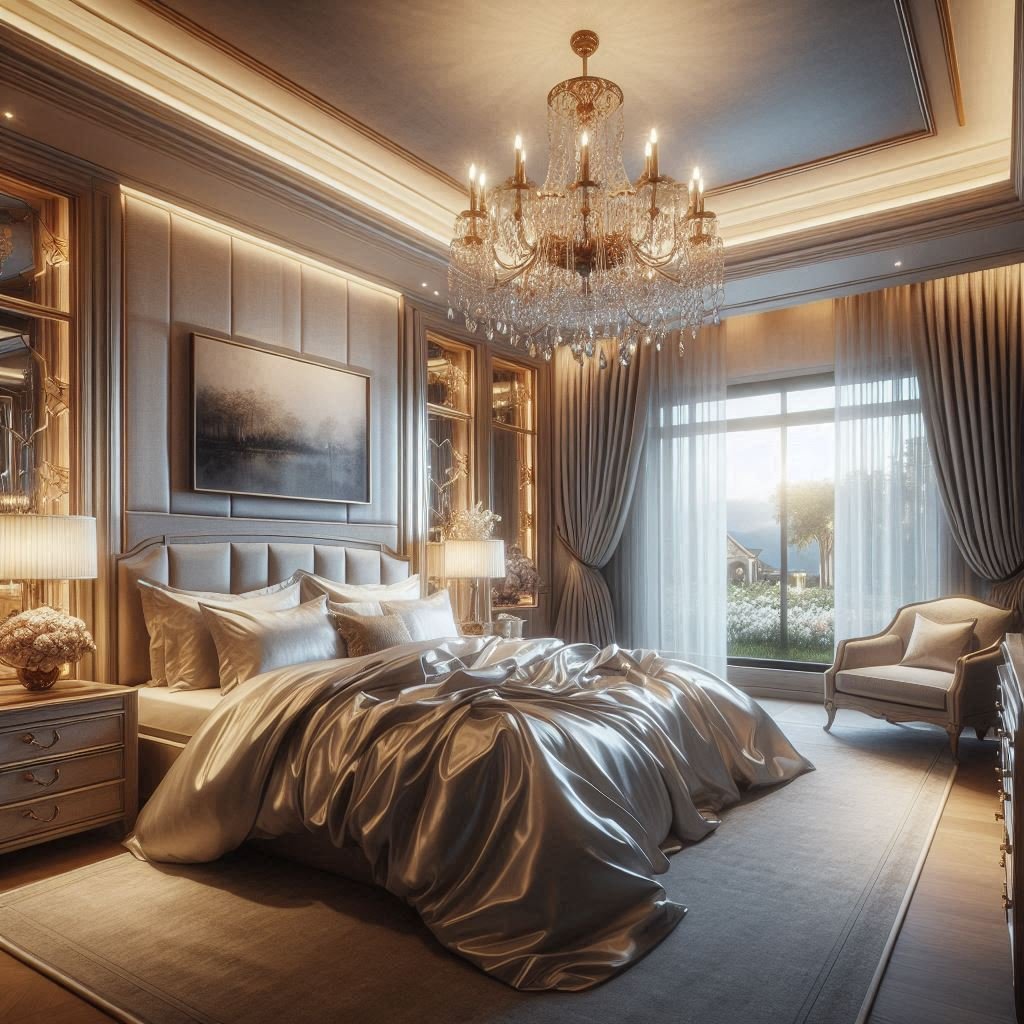
By layering these sources using expert-selected pendants and sconces, you create depth and warmth. This approach allows you to adjust the room's mood throughout the day, ensuring your home feels approachable and thoughtfully designed.
2. Forgetting the "Jewelry" of the Room: Scale and Hardware
Lighting doesn't exist in a vacuum; it’s part of a tactile ecosystem that includes your furniture and architectural hardware. A common mistake is choosing a fixture that is either too small for the space or completely disconnected from the room's other finishes.
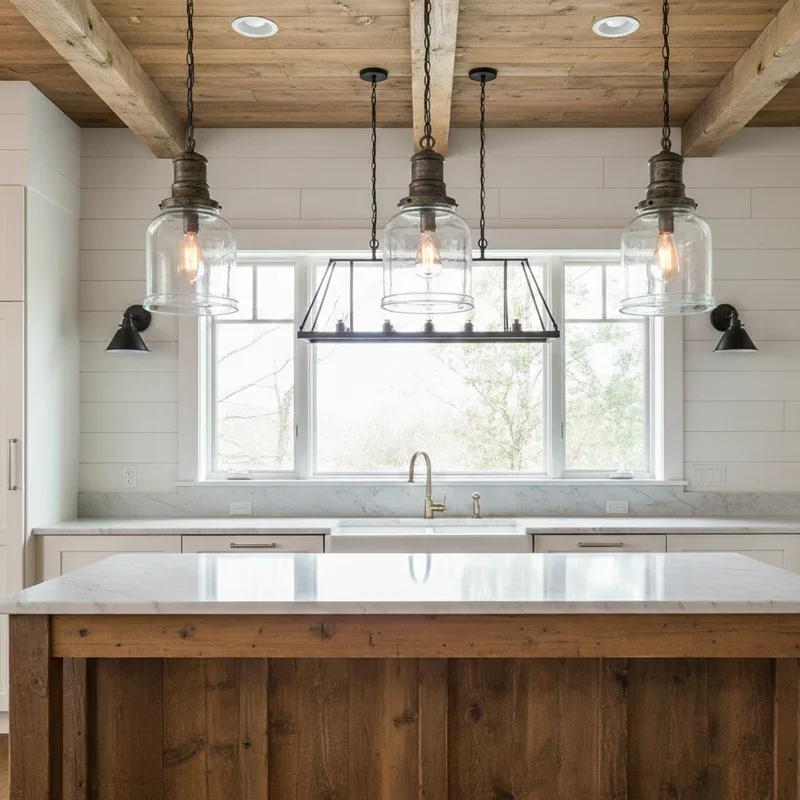
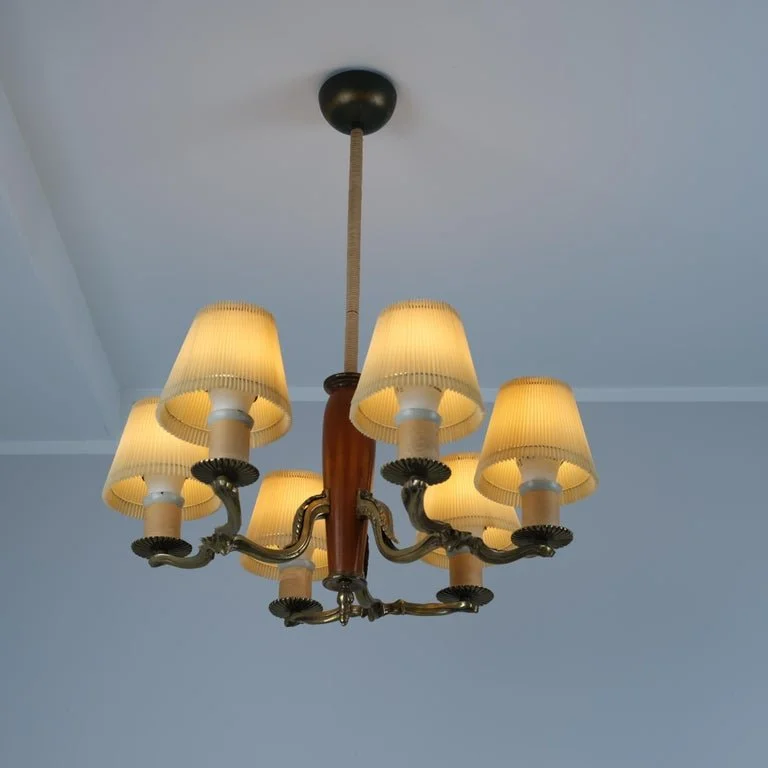
Think of your lighting and hardware as the jewelry of your home. For a cohesive look, your metallic finishes should speak the same language. For instance, if you’ve chosen high-end brass pendants for your kitchen, pairing them with durable knobs for kitchen cupboard doors in a matching or complementary finish creates a sense of intentionality.
This attention to detail is what separates a generic house from a bespoke home. At Light House Co., we curate our collections specifically to help you find these matching "moments" in your decor.
3. Mixing Inconsistent Color Temperatures
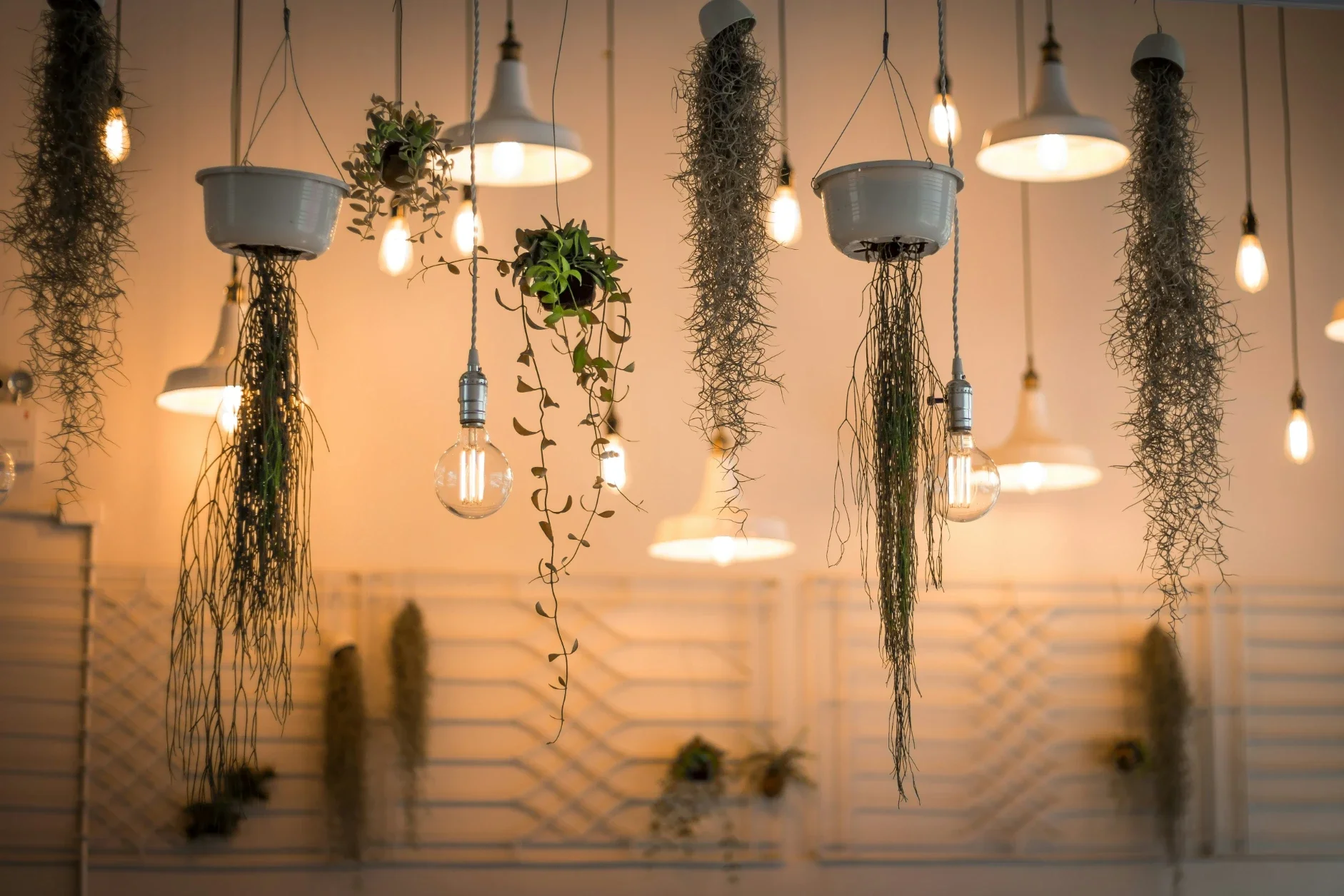
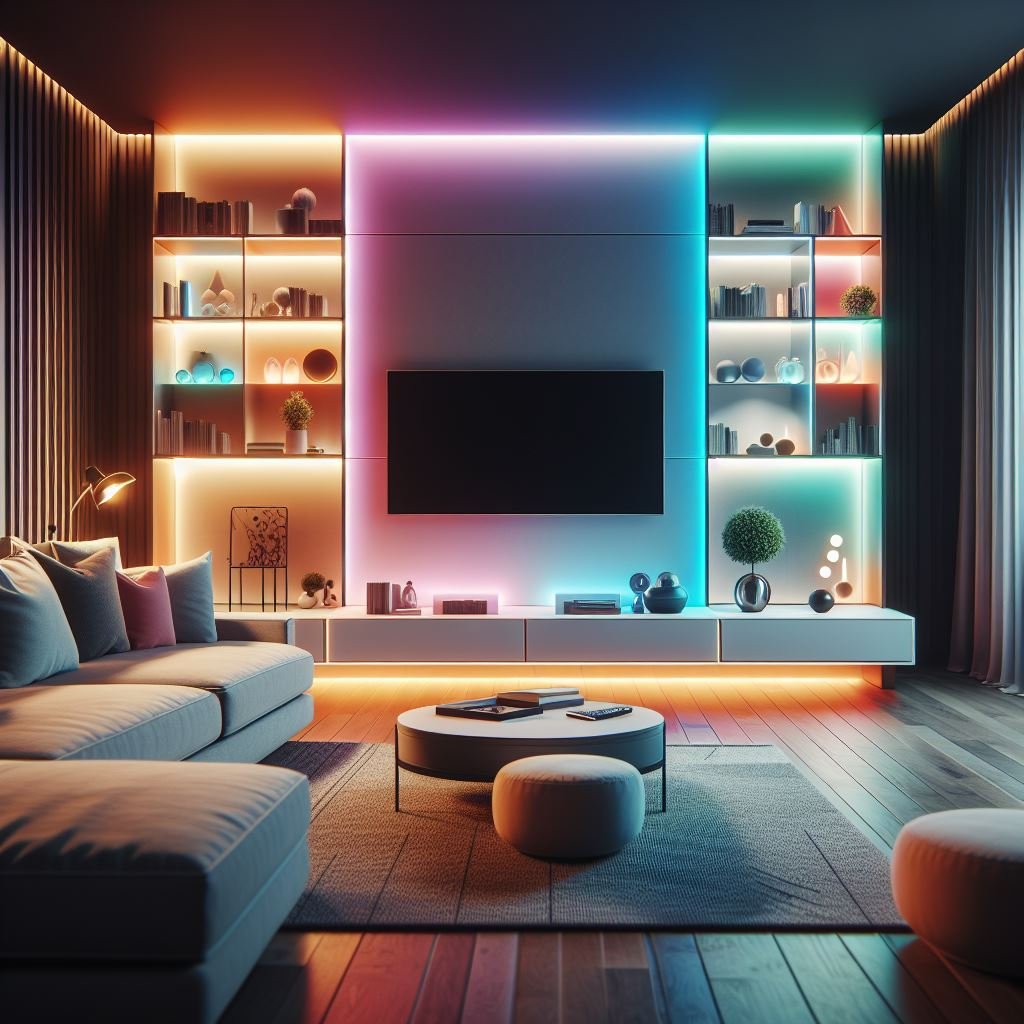
Have you ever walked into a room and felt an immediate sense of unease but couldn't pin down why? Often, the culprit is inconsistent color temperature. Mixing "cool blue" daylight bulbs with "warm yellow" incandescent-style bulbs in the same zone creates a jarring visual experience.
Common lighting mistakes in home design often involve ignoring the Kelvin (K) scale. In 2026, the trend is "Human-Centric Lighting," which prioritizes warmer tones (around 2700K to 3000K) for living areas to promote relaxation.
When you invest in premium, handpicked fixtures, ensuring they are outfitted with consistent, high-quality bulbs is the final step in protecting the integrity of your design vision.
4. Prioritizing Aesthetics Over Function (Poor Placement)
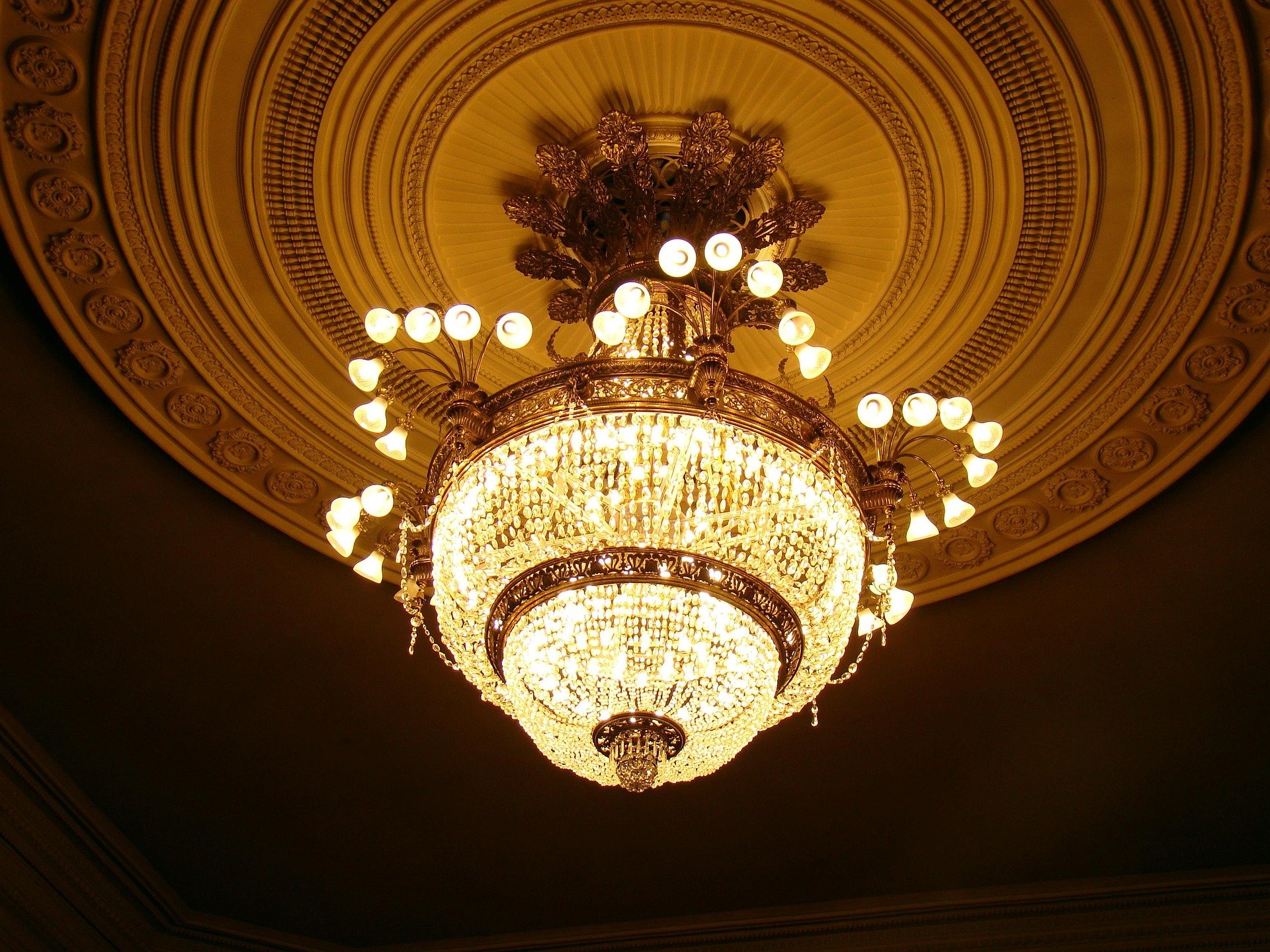
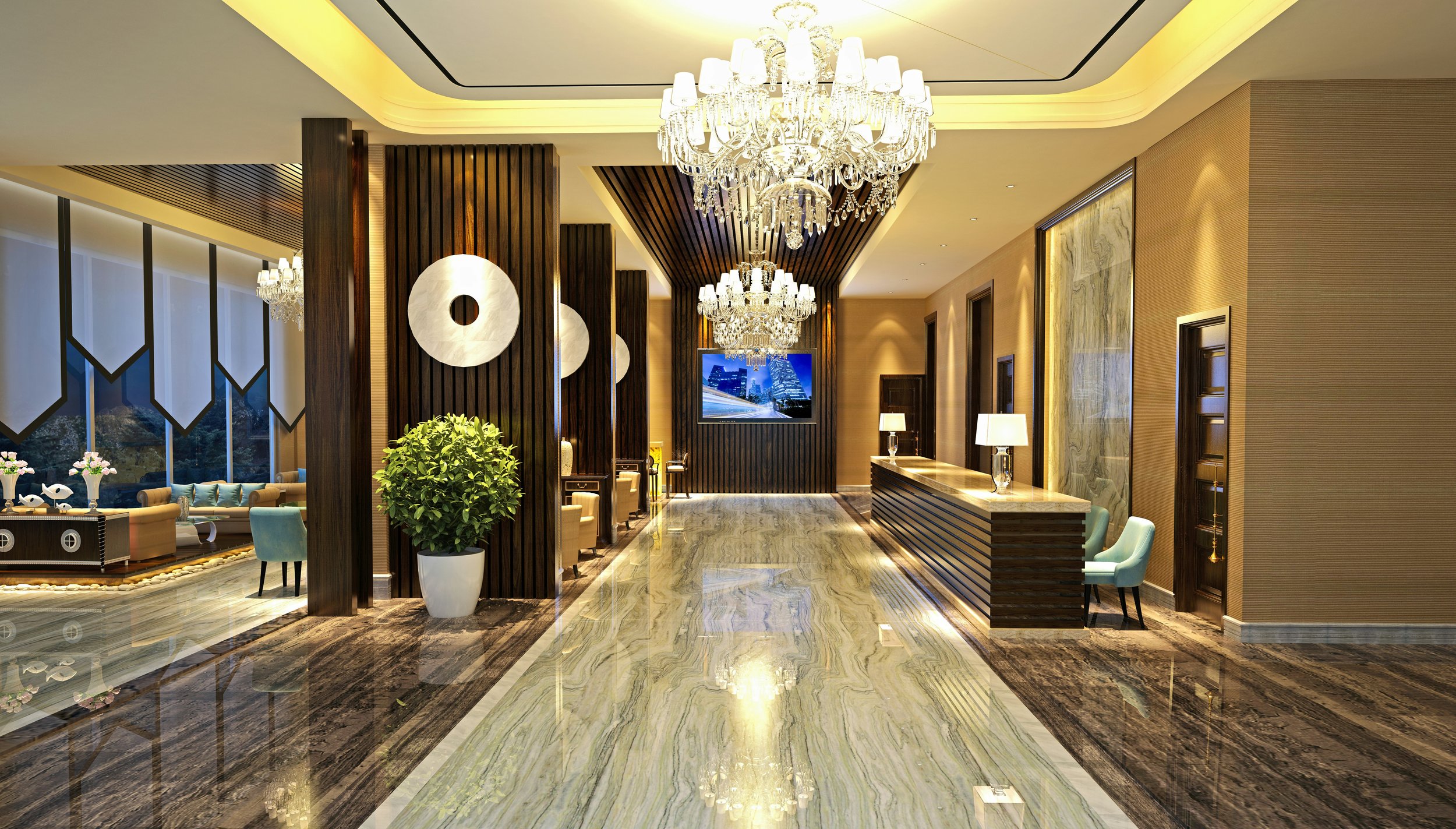
It is easy to fall in love with a stunning chandelier and hang it exactly where you think it looks best, rather than where it works best. Placing lights without considering the room's function can create shadows on your work surfaces or annoying glare on your television and computer screens.
Following the tradition of bespoke cabinetry, we believe that lighting should follow function. For example, a pendant over a kitchen island should sit at a height that illuminates your workspace without blocking your line of sight.
Sconces in a hallway should be placed to guide the path without becoming a physical obstruction. Proper planning ensures that your curated pieces are both beautiful to look at and a joy to live with every day
Conclusion: Lighting Your Home with Intention
Avoiding these lighting mistakes in the home is the secret to creating a space that feels professional, polished, and uniquely yours. Lighting is more than just a utility; it is a design tool that defines how you feel in your space.
By focusing on layers, coordinating with hardware like durable knobs, and paying attention to placement, you transform your home into a sanctuary.
At Light House Co., we are committed to making this process stress-free by offering a collection that represents the best in global trends and timeless craftsmanship. Your home is a reflection of your vision—let’s make sure it’s seen in the best light possible.
Frequently Asked Questions
1. How do I choose the right size chandelier for my dining table?
A good rule of thumb is to look for a fixture that is between one-half and two-thirds the width of your table. This ensures the light doesn't overwhelm the furniture while still providing enough presence to anchor the room.
2. Can I mix different metal finishes between my lights and cabinet hardware?
Yes, mixing finishes is a major trend for 2026, but it must be intentional. Usually, it works best to keep one "dominant" finish (like matte black) and use another (like aged brass) as an accent. Keeping the undertones consistent is key to making the mix feel curated rather than accidental.
3. What is the best way to light a kitchen for both cooking and hosting?
Layering is essential here. Use bright, focused task lighting under cabinets for food prep and dimmable pendants over the island to create a softer, more inviting atmosphere when the meal is served, and the guests arrive.
Stay up to date with our latest ideas!