Schedule regular City of Chicago plumbing inspections to detect leaks, prevent costly repairs, and keep your home's plumbing system in top condition. Learn how often to inspect it.

Maintaining a home's plumbing system involves more than just fixing a leaking faucet or clearing a clogged drain. Many homeowners in Chicago believe that if there are no visible leaks, everything is working properly. Many problems develop unnoticed because they are hidden behind walls, beneath floors, or inside very old pipes, where they can remain until they require expensive repairs. In addition, many people mistakenly believe that Chicago plumbing inspections are mandatory. Some homeowners think inspections should be carried out regularly, while others believe plumbing inspections are unnecessary altogether. The truth lies somewhere in between. City authorities require inspections only in certain situations, but routine preventive plumbing inspections are one of the best ways to prevent water damage and identify potential problems before they turn into major failures. Therefore, regular preventive plumbing inspections can help detect possible issues before they become expensive repairs.
Homes in Chicago are a good example of this. Since many of these residential properties were built many years ago, factors such as aging galvanized pipes, outdated sewer systems, unstable water pressure, and seasonal temperature fluctuations have a long-term impact on the entire plumbing system. A qualified inspector can identify early signs of wear long before they become serious problems.
What Do Plumbing Inspections in Chicago Include?
When considering how often plumbing should be inspected, it is important to first distinguish between two types of inspections: an official city inspection and a preventive maintenance inspection.
In Chicago, an official plumbing inspection is typically performed after plumbing work that requires a building permit has been completed. This may include replacing old main water lines, relocating toilets, sinks, showers, or carrying out any other work where the completed plumbing installation must be inspected for compliance with the Chicago Plumbing Code and current Chicago building regulations.
The purpose of this inspection after the work has been completed is to ensure compliance with local laws, not to assess the overall condition of the plumbing system. Inspectors verify that approved materials have been used, that the drainage vent system has been installed correctly, and that other plumbing components meet applicable requirements. These inspections help confirm that the work performed by the plumbers complies with current building codes, making the installation safe and legally compliant.
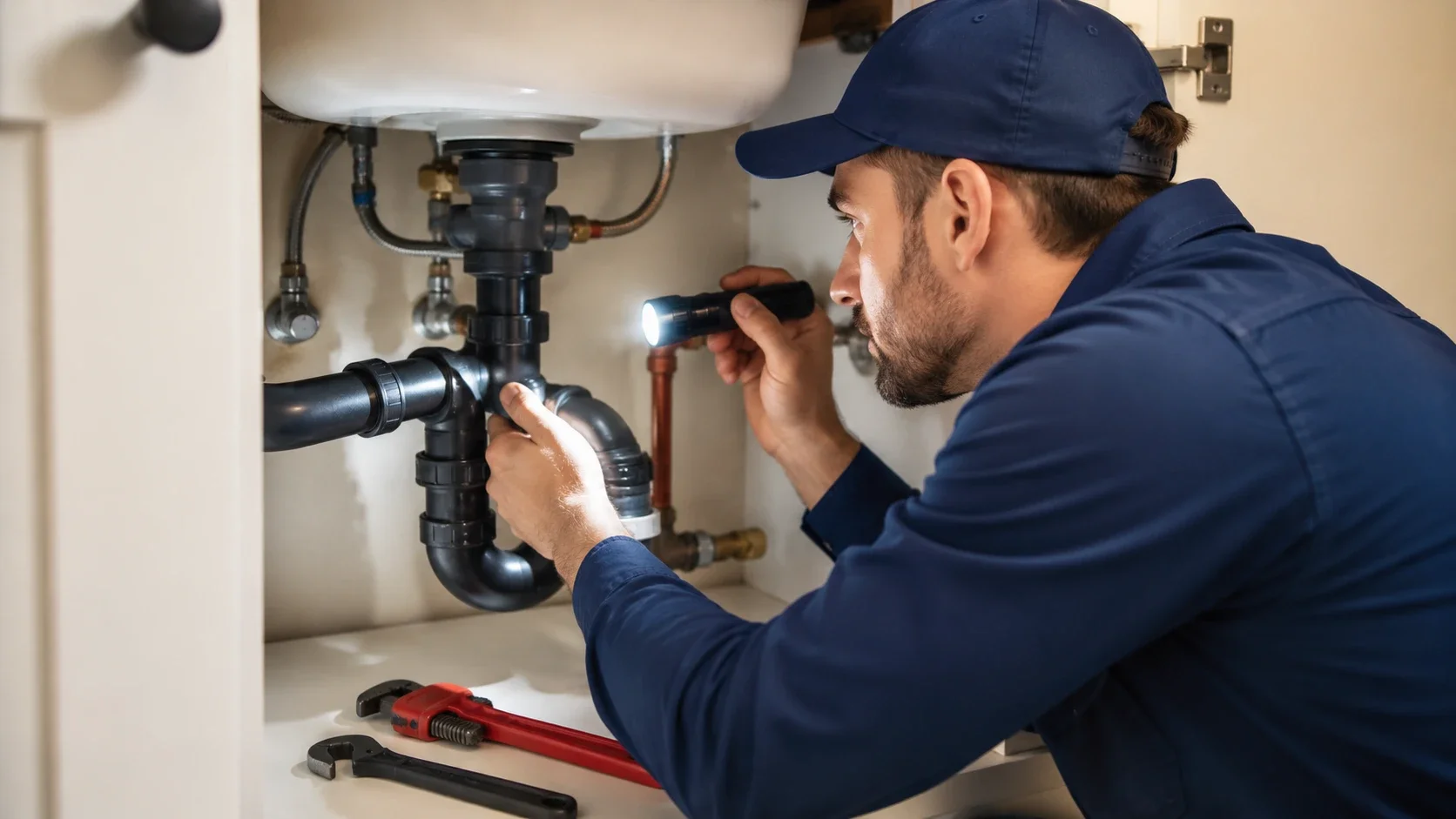
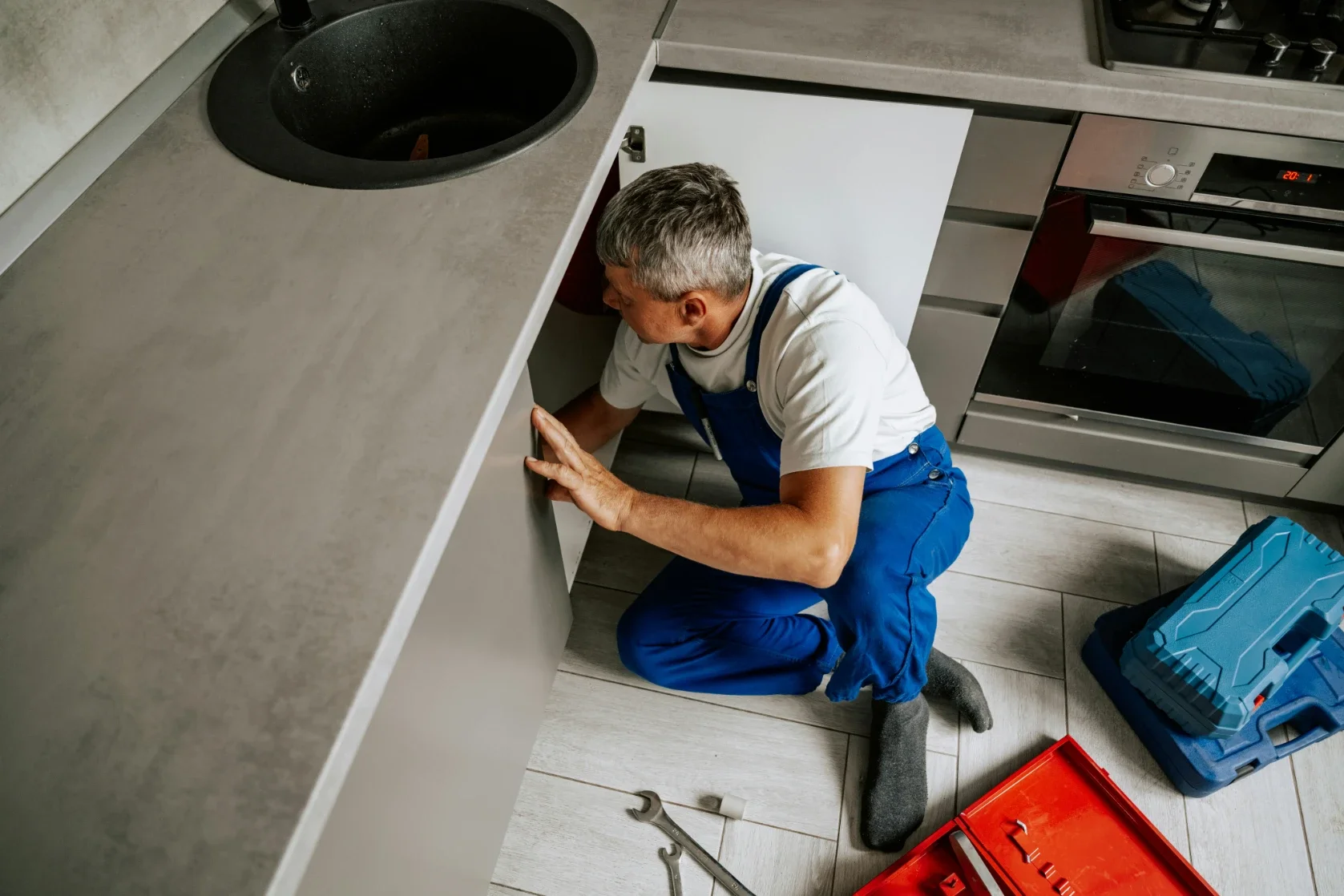
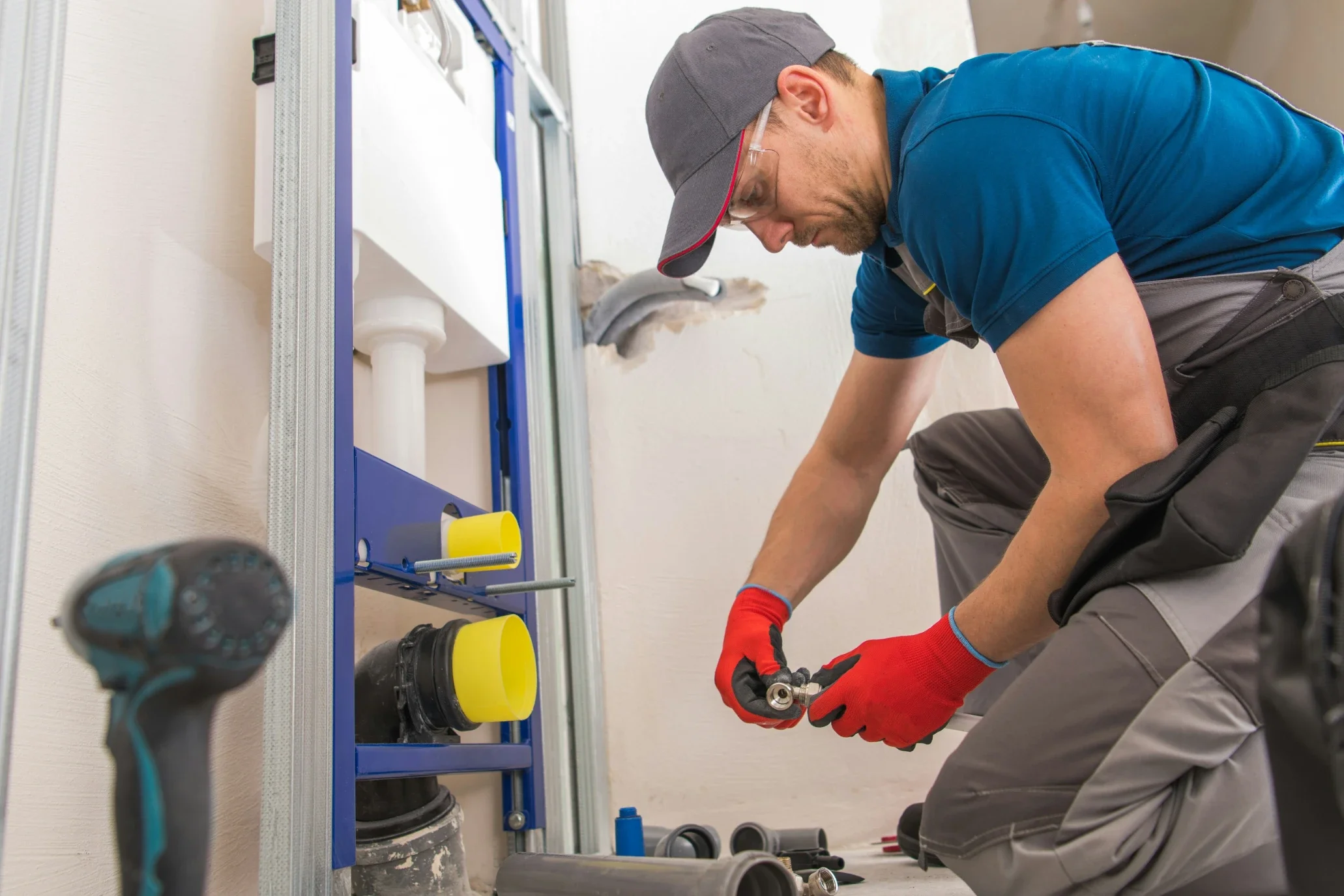
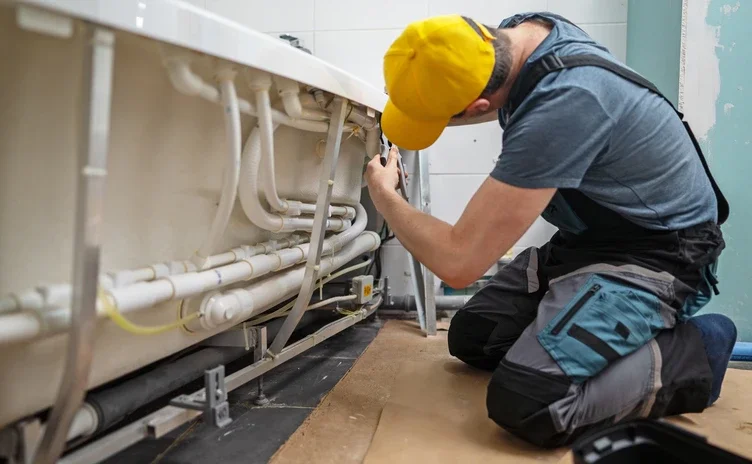
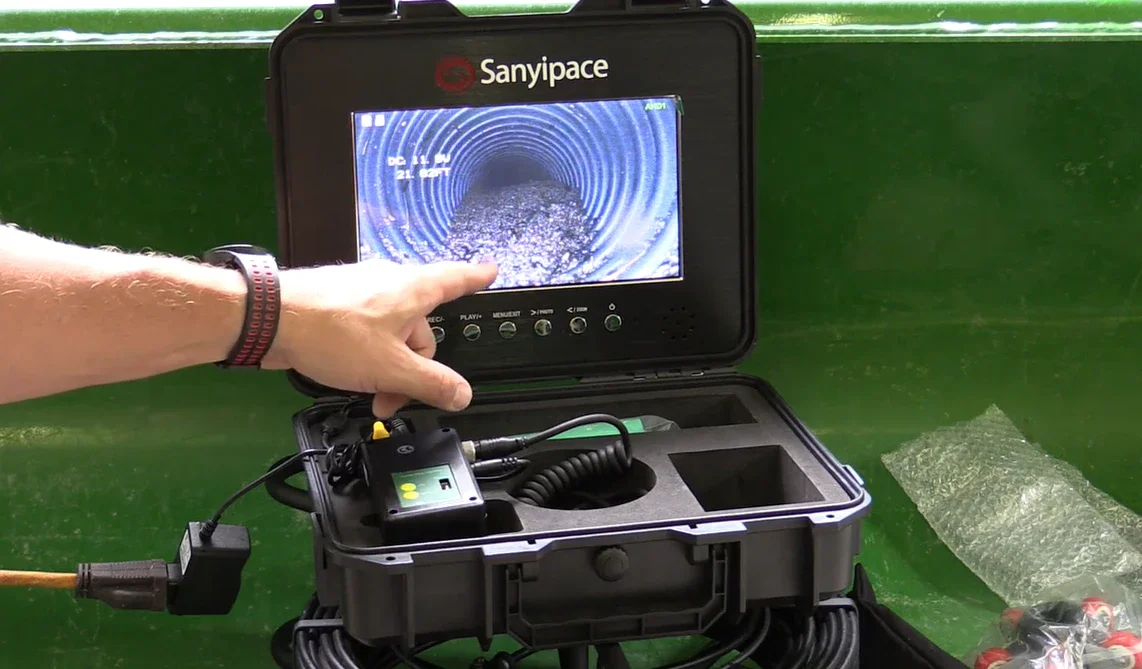
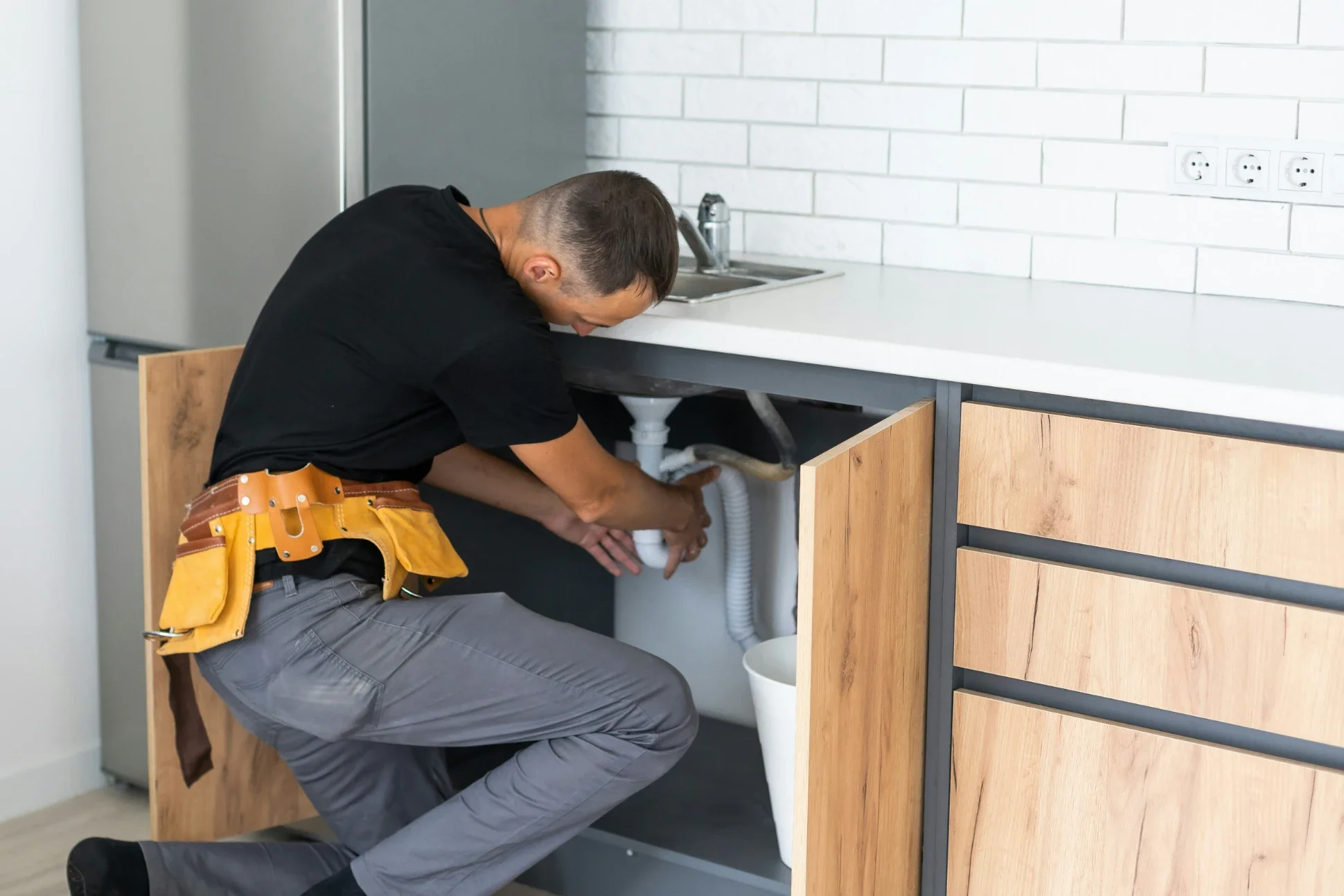
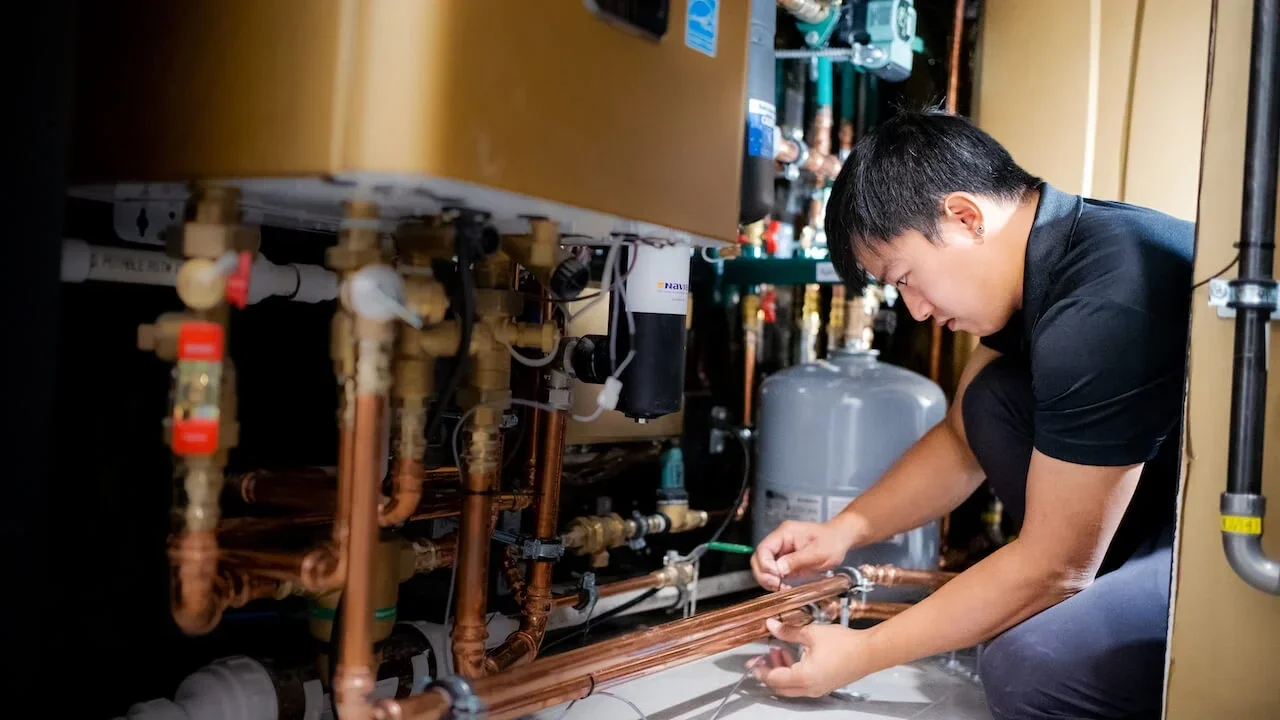
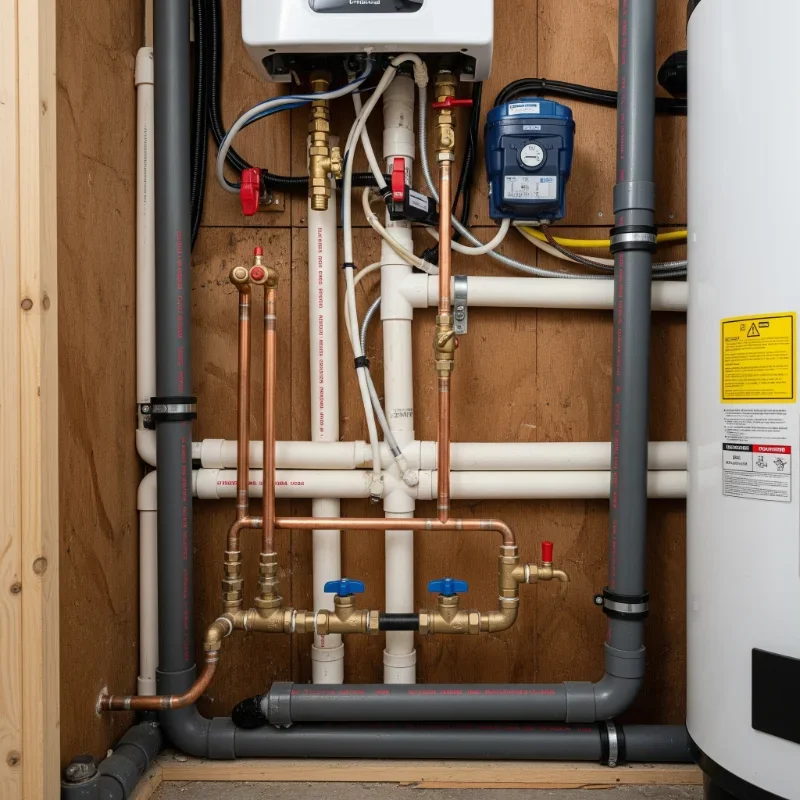
The purpose of preventive inspections is completely different. Rather than evaluating completed construction work, a preventive inspection focuses on the current condition of the home's plumbing system. During this type of inspection, licensed plumbers can examine visible pipes, shut-off valves, and other accessible components to determine how well the system is functioning, whether there are hidden leaks, how the water heater is operating, whether there are problems with the sewer lines, and whether any components show signs of corrosion or wear.
This type of inspection helps identify problems that most homeowners would never notice on their own. Small hidden leaks, worn pipe connections, mineral buildup inside plumbing fixtures, or the early stages of corrosion often remain invisible for a long time. However, if these issues are not addressed promptly, they can lead to significant damage and costly emergency repairs.
Although official city inspections are required only in certain situations, regular preventive plumbing inspections remain a smart decision for most homeowners. This is especially true for older homes in Chicago, where decades of use place additional stress on pipes, fittings, and other essential components of the plumbing system.
How Often Should Homeowners Have Their Plumbing Inspected?
It is worth noting that there is no universal plumbing inspection schedule that is suitable for every home. Everything depends on how old your house is, the condition of the pipes, and whether you have experienced leaks or other plumbing problems in the past.
In most cases, it is advisable to have a plumber inspect your plumbing system once or twice a year. This makes it possible to detect minor issues in time before they develop into major and expensive repairs.
Older homes require special attention. In Chicago, for example, many buildings still rely on galvanized pipes and outdated sewer systems that have been in service for decades. Even if everything appears to be working properly, corrosion, mineral buildup, and simply the passage of time gradually reduce the system's reliability. Regular inspections make it possible to identify problems at an early stage. Fixing minor issues is usually much easier and less expensive than dealing with an emergency.
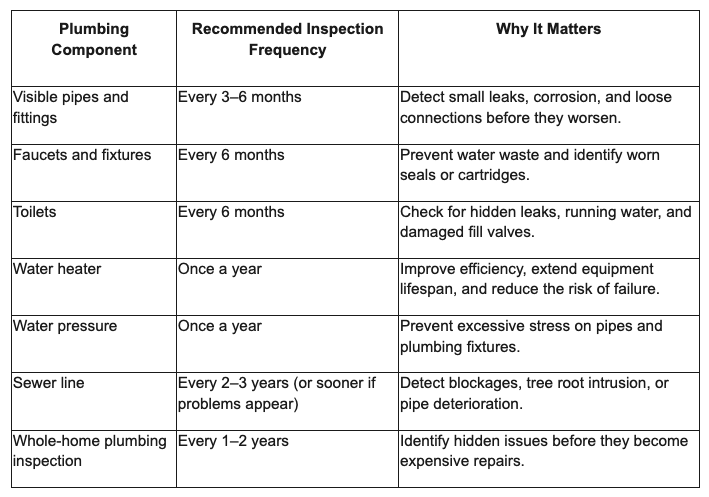
Purchasing a new home is a separate situation. Even if a standard home inspection is completed without any concerns, it usually does not include a comprehensive evaluation of the entire plumbing system. In this case, a licensed plumber can determine the condition of the pipes, valves, water heater, plumbing fixtures, and drainage system before unexpected and unpleasant problems occur.
If warning signs begin to appear—such as low water pressure, slow drains, unusual noises, rising water bills, sewer odors, or damp spots—it is a clear signal that it is time to call a professional. Do not wait and hope the problem will resolve itself. Responding quickly can help prevent much more serious problems in the future.
Preventive maintenance is almost always far less expensive than emergency repairs. A minor leak, a loose connection, or the early signs of corrosion are much easier and less costly to fix immediately. This helps protect your home, reduce repair costs, and extend the lifespan of the entire plumbing system.
Simple Ways to Prevent Expensive Plumbing Problems
While regular inspections are one of the best ways to identify hidden plumbing issues, homeowners can also reduce the risk of costly repairs by following a few simple maintenance habits throughout the year.
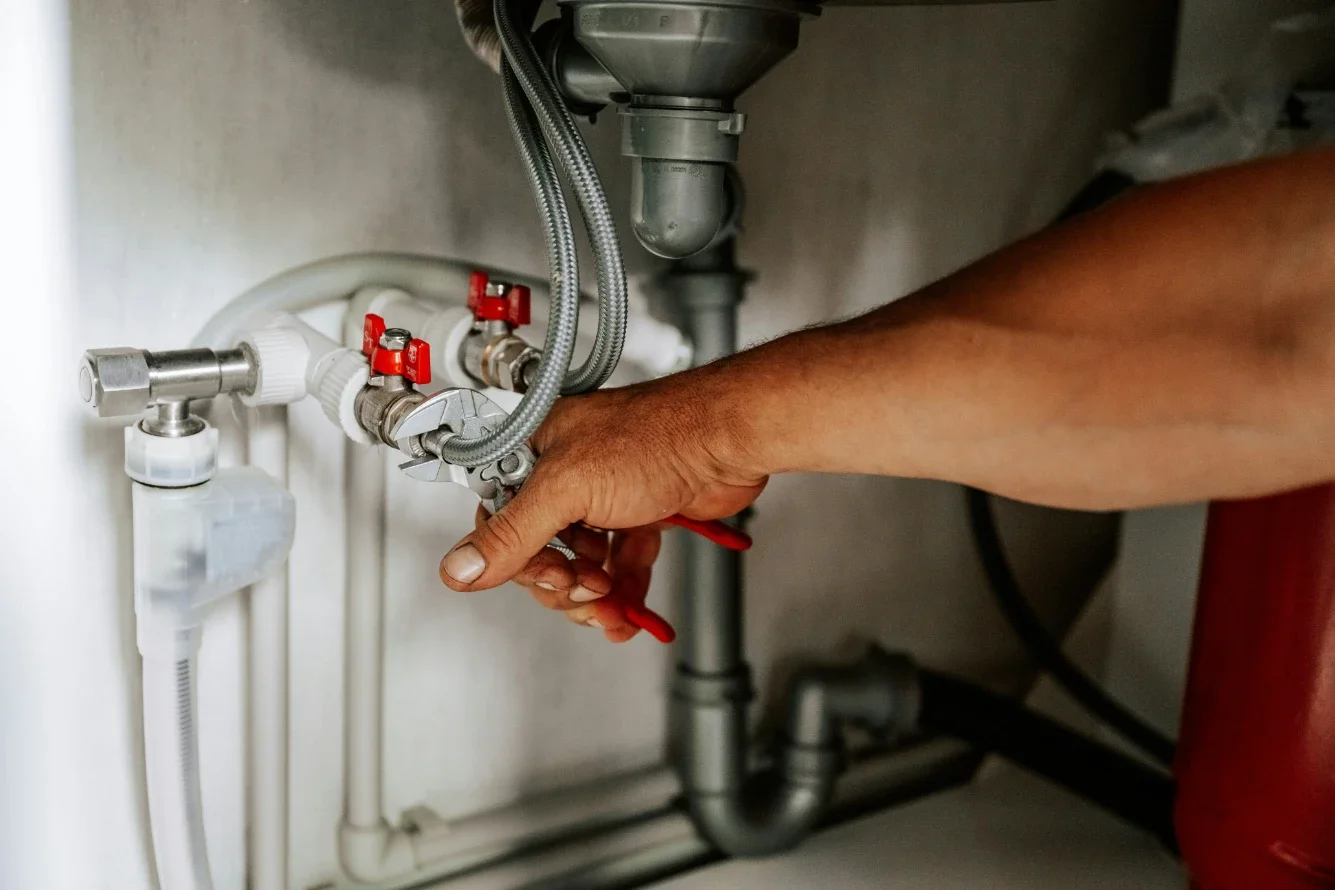
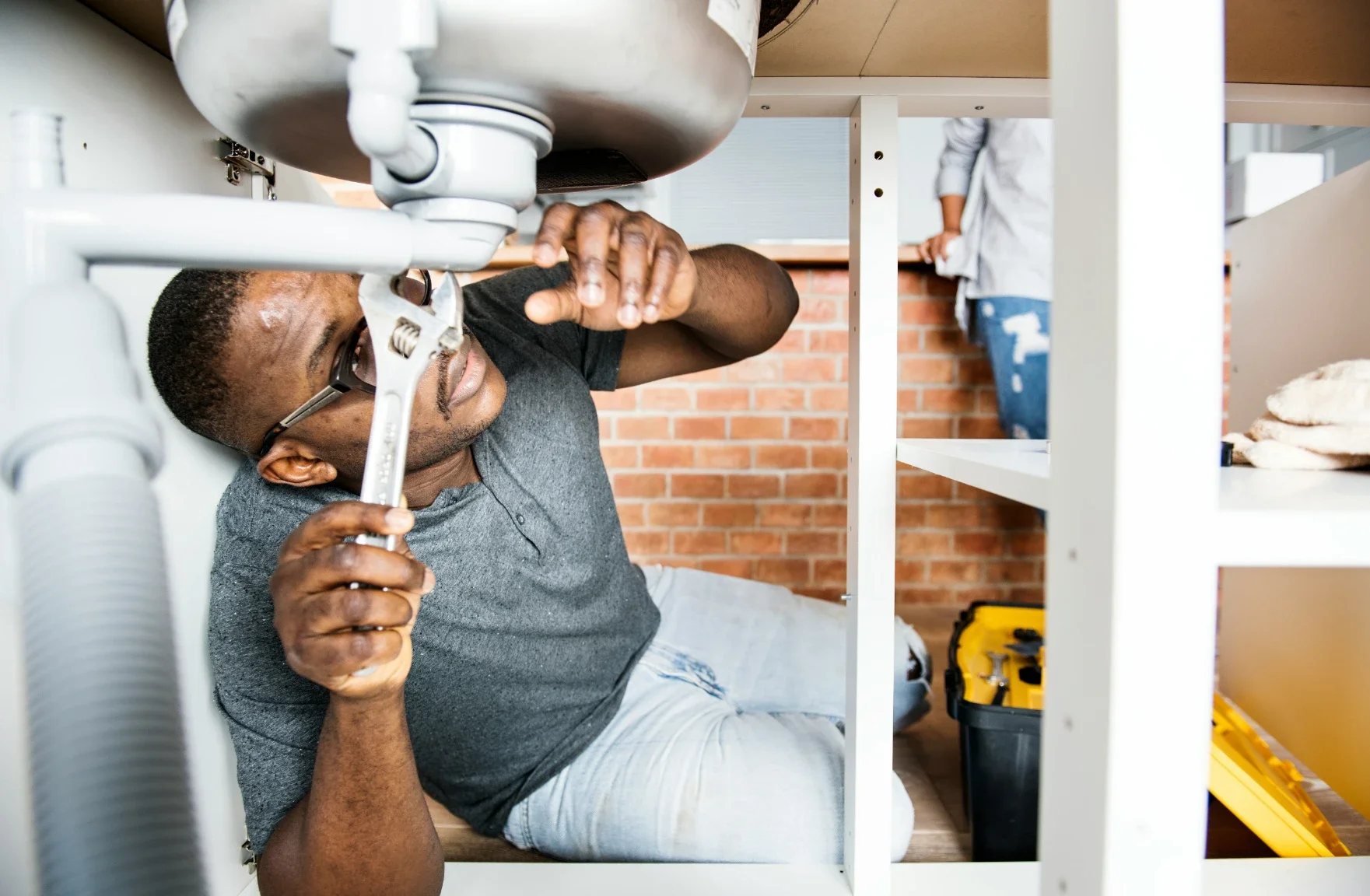
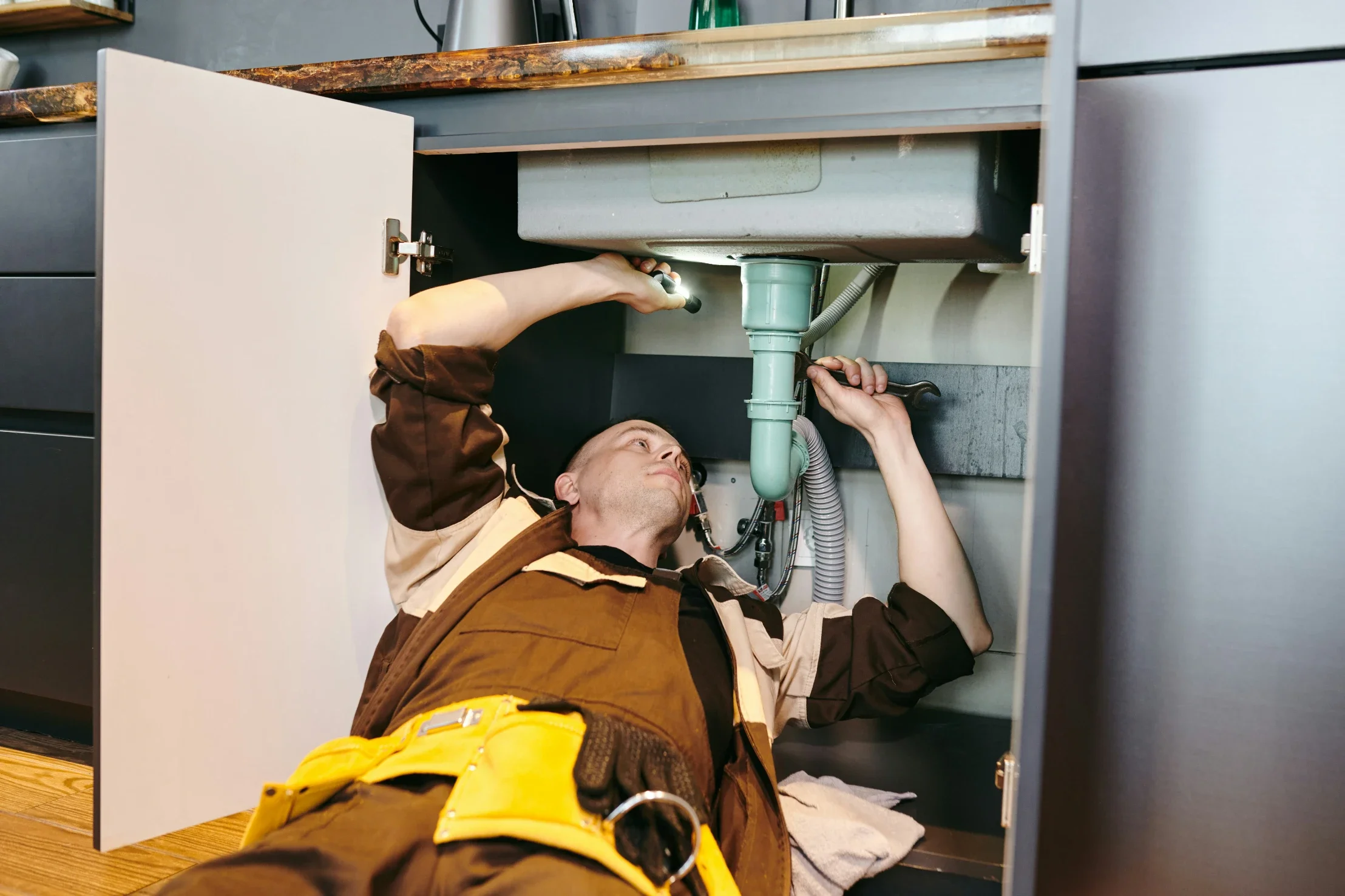
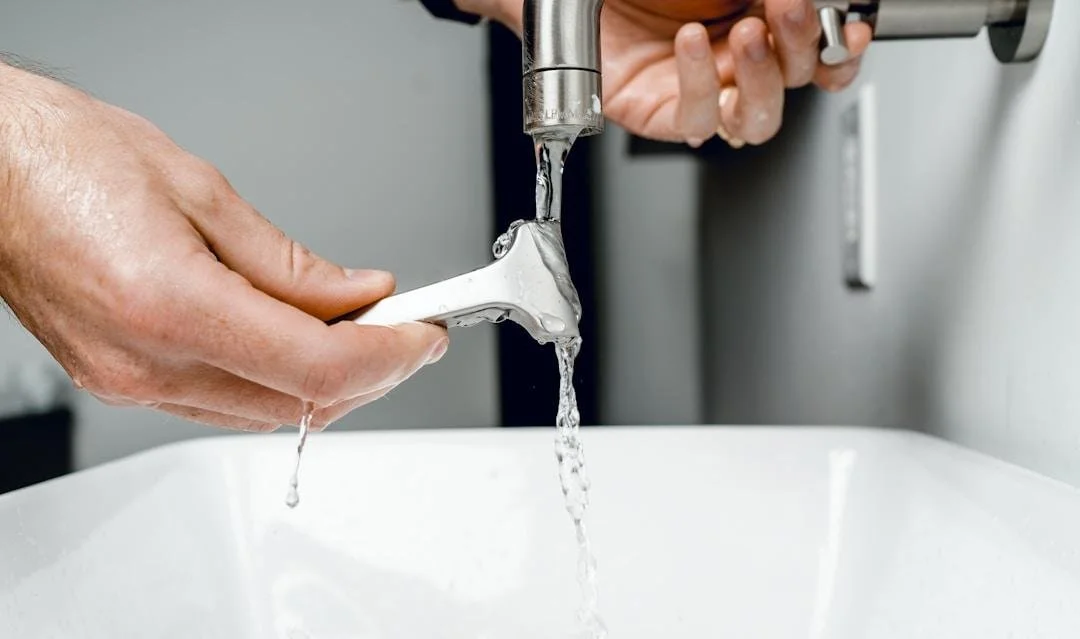
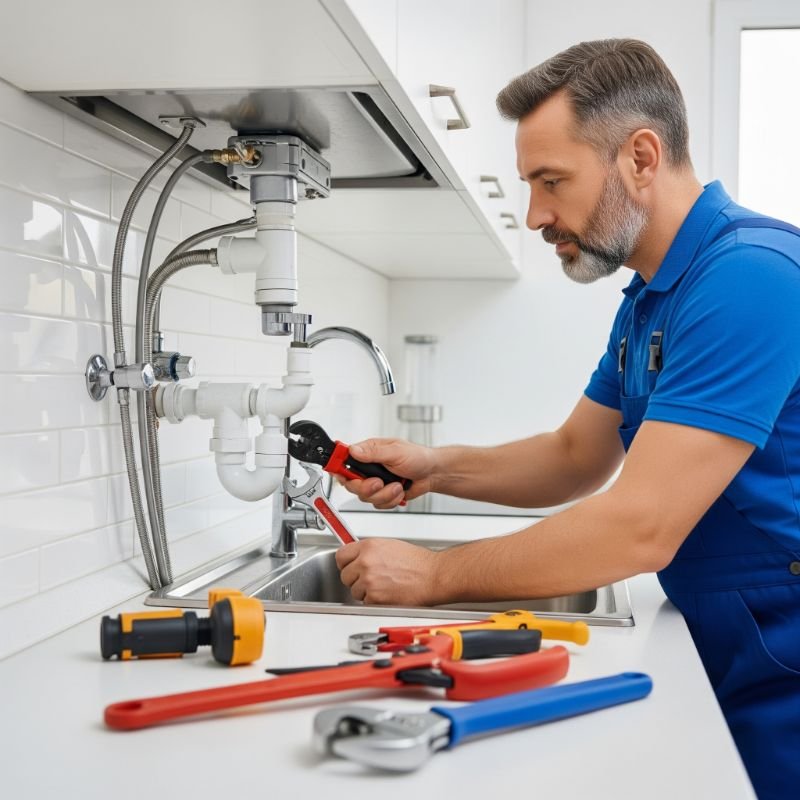
Start by checking all visible pipes under sinks, behind toilets, and around your water heater for signs of moisture, corrosion, or small leaks. Even a slow drip can waste a surprising amount of water over time and eventually damage floors, cabinets, drywall, and other parts of your home. If you notice damp areas or suspect a hidden leak, scheduling a water leak inspection Chicago homeowners rely on can help locate the source before serious damage occurs.
It is also important to be careful about what goes down your drains. Grease, cooking oil, coffee grounds, food scraps, paper towels, and hygiene products should never be washed into the plumbing system. Over time, these materials collect inside pipes, restrict water flow, and increase the risk of stubborn blockages. Installing drain strainers in kitchens and bathrooms and occasionally flushing drains with hot water can help reduce buildup and keep water flowing properly.
Another habit that many homeowners overlook is monitoring water pressure. Excessively high pressure may seem convenient, but it places unnecessary stress on pipes, valves, faucets, appliances, and water heaters. Over time, this additional strain can shorten the lifespan of plumbing components and increase the likelihood of leaks. If you notice sudden pressure changes, banging sounds inside the pipes, or vibrating fixtures, it is worth having the system evaluated before the problem becomes more serious.
Seasonal maintenance is equally important, especially in regions like Chicago where temperatures change dramatically throughout the year. Before winter arrives, outdoor faucets should be disconnected, exposed pipes should be insulated, and irrigation systems should be properly winterized to reduce the risk of frozen or burst pipes. During the spring and summer, it is a good idea to inspect outdoor hose bibs, sprinkler systems, and exterior water lines for leaks or damage that may have developed during colder months.
Homeowners should also pay attention to small changes that often go unnoticed. A toilet that continues running after flushing, a faucet that slowly loses pressure, water that takes longer to heat up, or drains that empty more slowly than usual may all be early signs that the plumbing system needs professional attention. Addressing these minor concerns early is usually much less expensive than waiting until a pipe bursts or a drain becomes completely blocked.
Consistent plumbing system maintenance not only helps prevent unexpected breakdowns but also improves the efficiency and lifespan of the entire plumbing system. Small preventive repairs today can often eliminate the need for major restoration work in the future.
When repairs or a professional inspection are needed, working with experienced plumbing contractors Chicago homeowners trust is one of the best ways to ensure the job is completed safely and correctly. Whether you need routine plumbing services Chicago or assistance from a qualified residential plumber, taking action early is almost always the most cost-effective approach. Regular maintenance, prompt repairs, and periodic professional inspections will help protect your home, reduce long-term repair costs, and keep your plumbing system operating reliably for many years.
Stay up to date with our latest ideas!