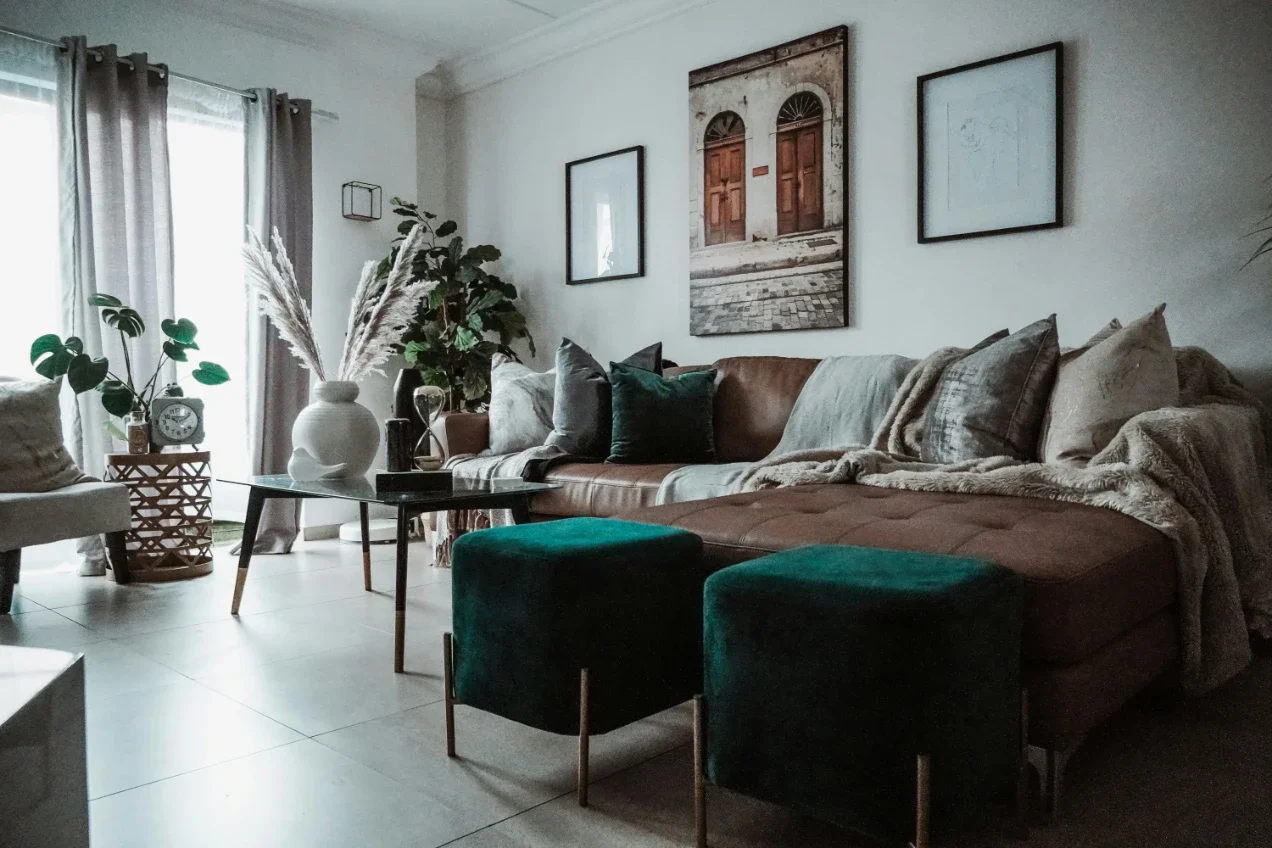
Discover how to create an outdoor living room with comfortable furniture, thoughtful lighting, and cohesive decor that seamlessly extends your home's living space.

Imagine starting your morning with a cup of coffee in a comfortable outdoor lounge, surrounded by fresh air, greenery, and soft natural light. Later, the same space becomes a relaxing spot for family conversations, afternoon reading, or dinner with friends. This is the beauty of an outdoor living room. It gives you another place to enjoy your home without necessarily adding another indoor room.
However, creating an inviting outdoor space involves more than placing a few chairs on a patio. The secret is to make the exterior feel connected to your home's interior through thoughtful design, comfortable furniture, practical shade, and carefully selected decorative elements.
Whether you have a spacious backyard, a small patio, or a deck overlooking your garden, the right design choices can transform it into a functional living area. From incorporating louvered aluminum pergolas to choosing weather-resistant furniture, here are some practical ways to create an outdoor living room that feels like a natural extension of your home.
1. Start With a Layout That Reflects Your Indoor Living Space
The first step is understanding how you want to use your outdoor area. Think about your favorite indoor room. Perhaps it has a comfortable sofa, a coffee table, warm lighting, and enough space for family members to gather. You can use the same principles when planning your outdoor living room.
Start by identifying the available space and dividing it into functional zones.
For example:
Relaxation zone: Add comfortable lounge chairs or an outdoor sofa where you can read, enjoy coffee, or unwind.
Dining zone: Create a dedicated area with a dining table and weather-resistant chairs for outdoor meals.
Entertainment zone: Arrange flexible seating where family and friends can gather for conversations or special occasions.
Green space: Incorporate planters, flowers, or small trees to bring natural beauty into the setting.
Keep pathways clear and make sure furniture does not interrupt movement between the house and patio. A thoughtful layout makes the outdoor room feel organized rather than crowded.
2. Create a Seamless Connection Between Indoors and Outdoors
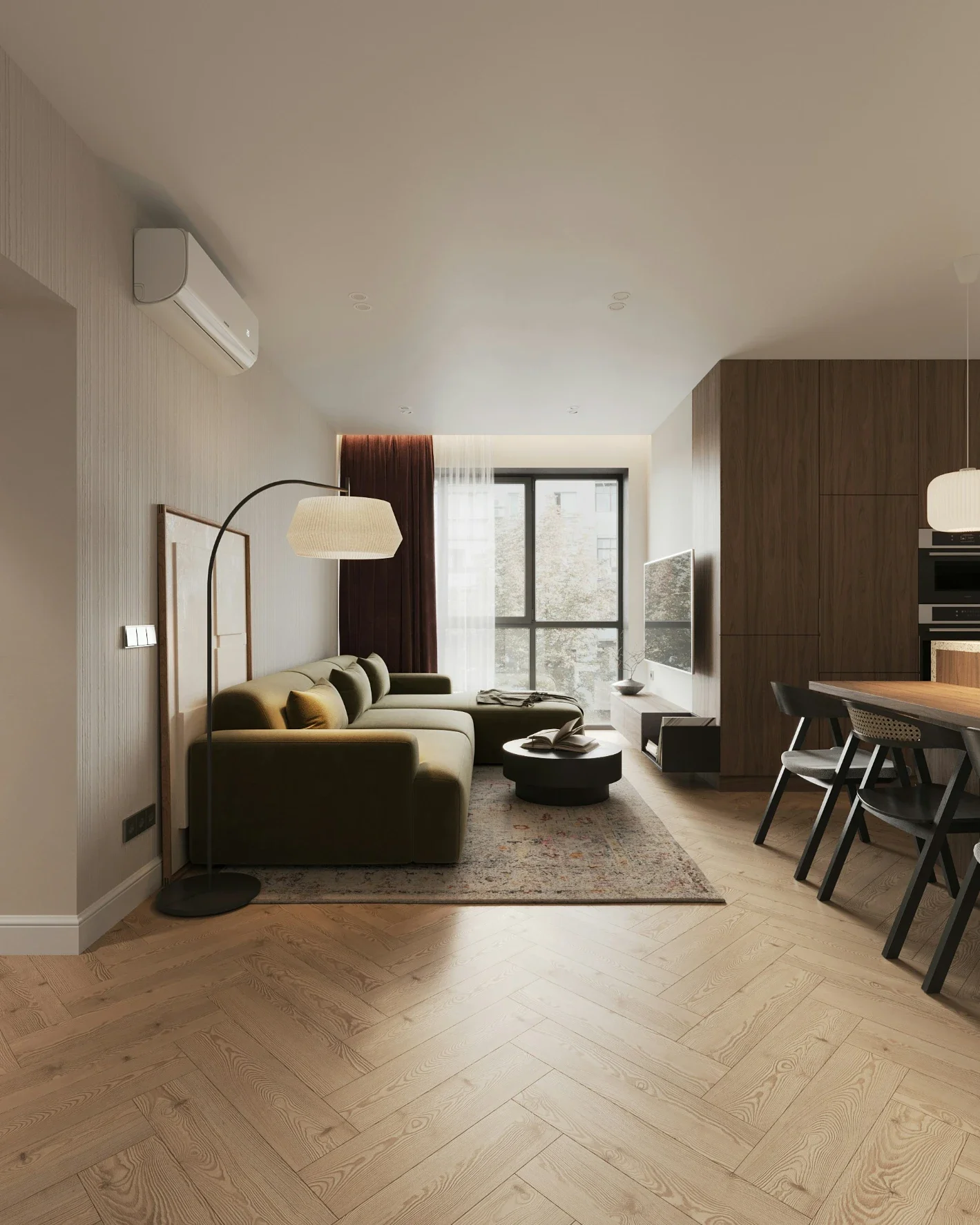
An outdoor living room feels more welcoming when its design complements the interior of your home. Instead of treating the patio as a completely separate decorating project, consider carrying some of your indoor design elements outside.
Start with colors. If your living room features neutral shades, wooden accents, or soft earthy tones, repeat those elements in your outdoor furniture and accessories.
You can also create visual continuity through:
Similar flooring colors or complementary paving materials.
Matching decorative styles and furniture finishes.
Coordinated cushions, rugs, and fabrics.
Large sliding or folding glass doors that connect both spaces.
Consistent lighting styles throughout the transition area.
For instance, a home with a modern interior can benefit from a minimalist patio featuring neutral outdoor sofas, clean architectural lines, and subtle greenery.
The goal is to create a natural transition where stepping outside feels like entering another part of the same home.
3. Install a Pergola for Comfortable Shade and Style
Sunlight can make an outdoor living room beautiful, but excessive heat and unpredictable weather can limit how often you use it. A suitable shade structure helps create a more comfortable environment while adding architectural interest.
Pergolas are popular because they combine practical shade with an attractive outdoor design. However, adjustable-roof options offer additional flexibility.
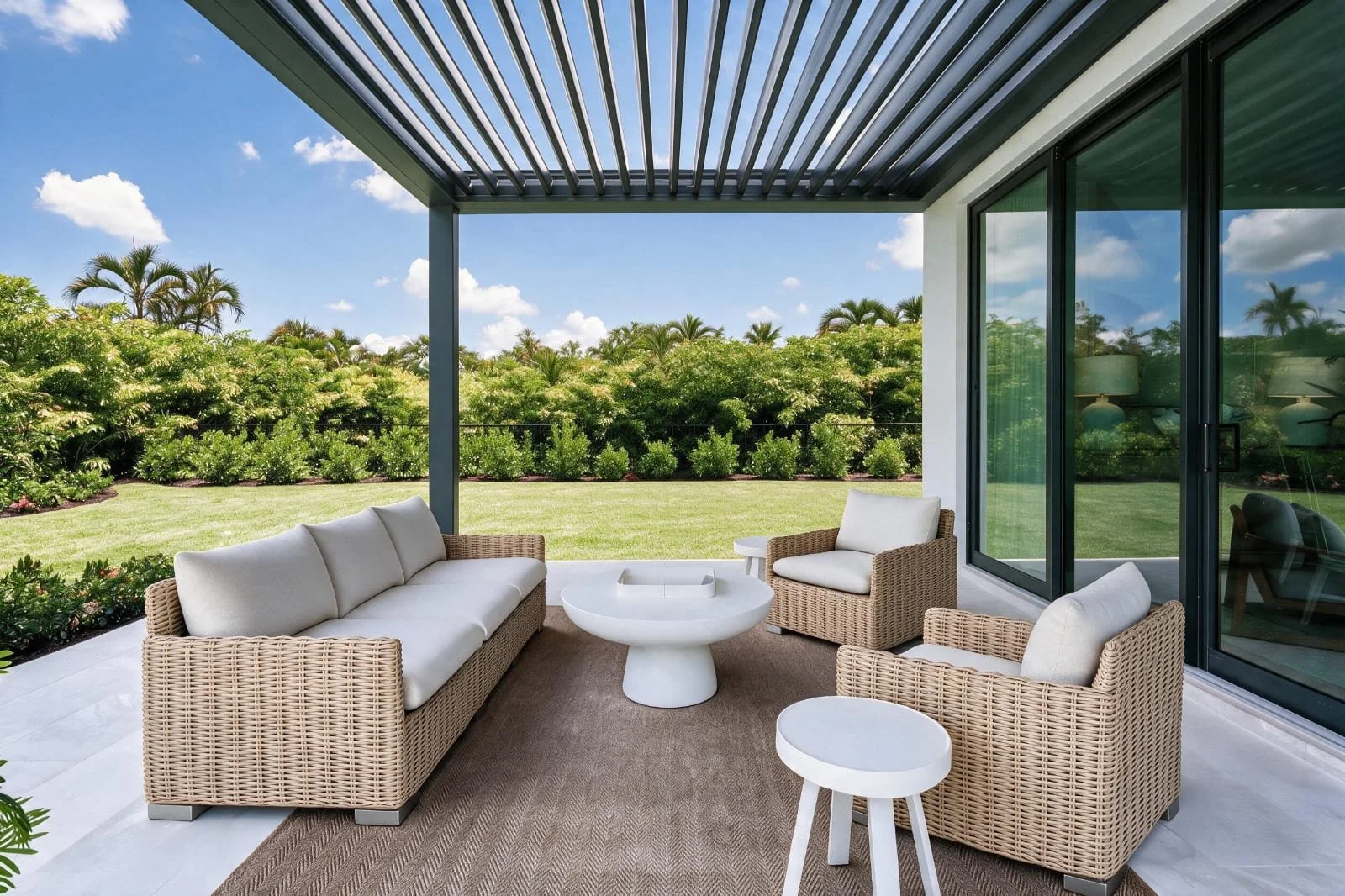
Louvered aluminum pergolas are particularly interesting for homeowners who want a contemporary outdoor structure with adjustable roof panels. Their rotating louvers allow homeowners to manage sunlight and airflow according to changing outdoor conditions.
Unlike traditional open-beam pergolas, adjustable louvers can be positioned to provide more shade or allow additional natural light. Depending on the design, a closed roof can also direct rainwater toward an integrated drainage system.
When choosing a pergola, consider:
The dimensions of your patio or backyard.
The architectural style of your home.
The direction of sunlight throughout the day.
Local weather conditions and drainage requirements.
The maintenance requirements of the materials.
Aluminum is a practical option because it is relatively lightweight, resistant to rust when properly finished, and generally requires less maintenance than many traditional wooden structures.
4. Choose Between a Manual and Motorized Louvered Pergola
Once you decide on an adjustable pergola, another important consideration is how you want to operate its roof.
A manual louvered pergola offers a straightforward approach to controlling sunlight. Its louvers are adjusted using a manual mechanism, allowing homeowners to change the roof position without relying on an electrical system.
This option may appeal to people who prefer simple operation, fewer electrical components, and a more budget-conscious installation. It is also worth considering for smaller outdoor areas where automated controls may not be necessary.
On the other hand, a motorized louvered pergola offers additional convenience through an electric operating system. Depending on the model, homeowners can adjust the roof using a remote control, wall switch, or compatible smart-home controls.
This can be particularly useful when the pergola covers a large patio or an outdoor entertainment area. Instead of manually adjusting the roof, you can change its position with minimal effort.
Which Option Is Right for Your Outdoor Space?
The best choice depends on your lifestyle, budget, and preferred level of convenience.
A manual system may suit homeowners who appreciate simple functionality and straightforward operation. A motorized system may be more suitable for larger installations or people who frequently adjust their outdoor environment.
Before making a decision, compare the operating mechanism, installation requirements, maintenance needs, warranty coverage, and available safety features.
Neither option automatically makes an outdoor area suitable for every weather condition. Always check the manufacturer's specifications for wind limits, rain management, and other operating requirements.
5. Invest in Comfortable and Weather-Resistant Furniture
Furniture plays a major role in determining whether your outdoor living room feels like a genuine place to relax.
A beautiful patio may attract attention, but uncomfortable seating will make people less likely to spend time there. Therefore, prioritize comfort and durability when selecting outdoor furniture.
Consider materials such as:
Teak: A popular natural wood choice with good outdoor durability when properly maintained.
Powder-coated aluminum: Lightweight, contemporary, and suitable for outdoor furniture frames.
Synthetic wicker: Offers a relaxed appearance and is available in weather-resistant designs.
Outdoor performance fabrics: Help cushions resist fading and moisture when selected and maintained according to manufacturer instructions.
An outdoor sectional sofa can create a welcoming conversation area, while a small coffee table provides a convenient place for drinks, books, and decorative accessories.
Remember to select appropriately sized furniture. Oversized pieces can overwhelm a small patio, while furniture that is too small may look disconnected in a larger backyard.
6. Use Lighting to Create a Warm Evening Atmosphere
Lighting is one of the most effective ways to make an outdoor living room feel comfortable after sunset.
Instead of depending on a single bright fixture, combine different lighting sources to create depth and atmosphere.
Here are a few ideas:
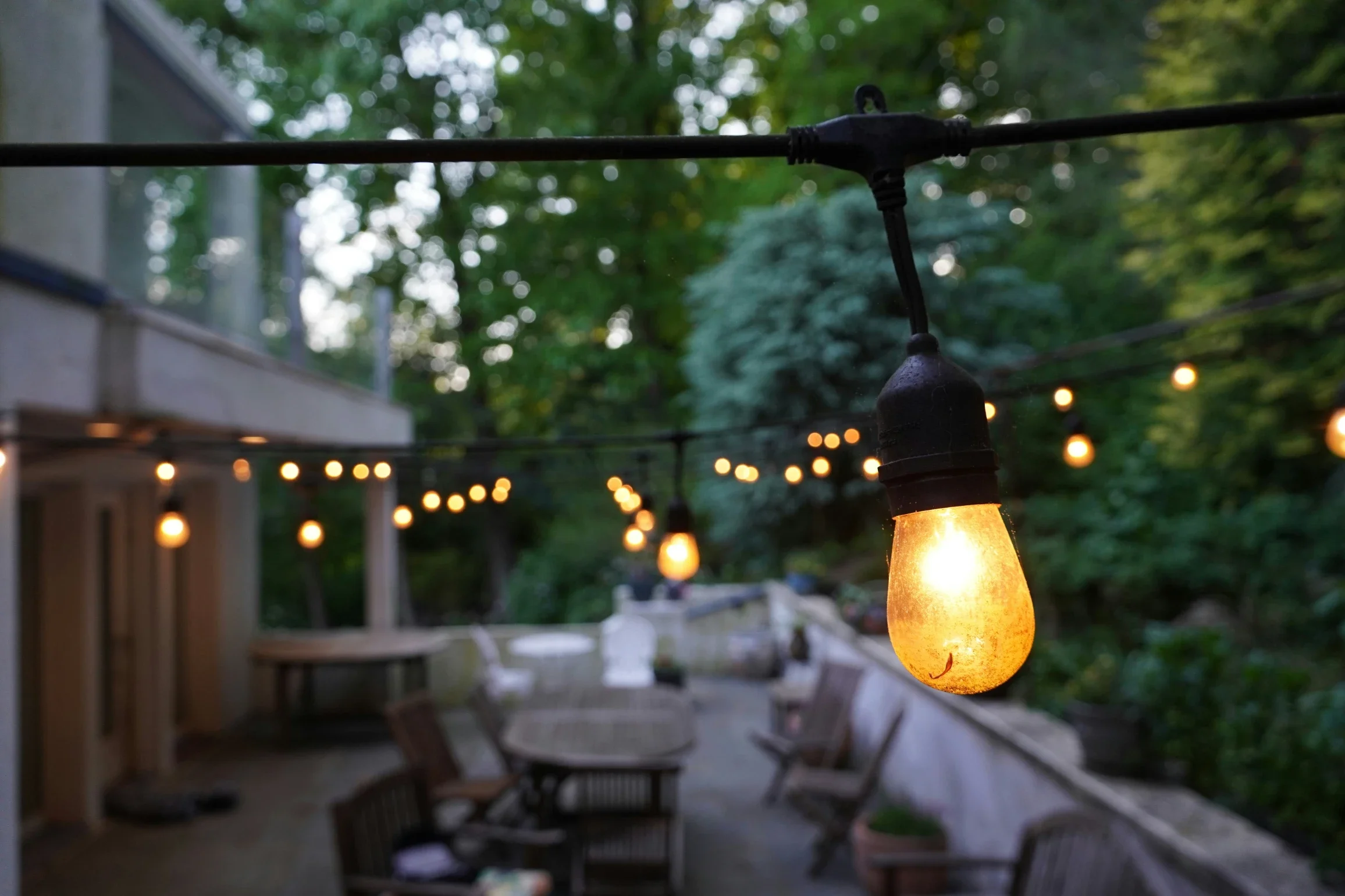
String lights: These create a relaxed atmosphere and work particularly well around pergolas and seating areas.
Wall lights: They provide practical illumination near exterior doors and surrounding walls.
LED accent lighting: Use it around steps, pathways, planters, or architectural features to highlight interesting details.
Lanterns: Decorative lanterns can introduce warmth without making the space feel overly formal.
If your pergola supports integrated lighting, consider adding it to the overall design. For outdoor electrical installations, choose appropriately rated fixtures and have connections installed by a qualified professional.
A layered lighting arrangement makes the space more functional while helping it feel like a carefully designed outdoor room.
7. Bring Nature Into Your Outdoor Living Room
One of the biggest advantages of an outdoor living area is the opportunity to enjoy nature without leaving home.
Plants can soften architectural features, introduce color, and make the environment feel more peaceful.
Consider using a combination of potted plants, flowering varieties, ornamental grasses, and small shrubs. If space is limited, vertical planters and wall-mounted containers can provide greenery without taking up valuable floor space.
Choose plants according to your local climate, sunlight exposure, and watering requirements.
You can also introduce natural textures through wooden furniture, stone planters, woven accessories, and outdoor rugs. These materials create visual warmth and help balance modern architectural features such as aluminum pergola frames.
The result is an outdoor room that feels connected to its surroundings rather than overly manufactured.
8. Add Personal Touches That Reflect Your Lifestyle
Your outdoor living room should reflect the way you actually live.
For some homeowners, that means creating a peaceful reading corner. For others, it means designing a welcoming space for weekend gatherings and family dinners.
Personal details help make the area feel more inviting.
Consider adding:
Decorative cushions in colors that complement your home.
Outdoor rugs to define seating arrangements.
A coffee table with simple decorative accessories.
Weather-resistant artwork or wall decorations.
A small outdoor serving station.
A water feature for a relaxing atmosphere.
You do not need to introduce every decorative element at once. Start with a few carefully selected accessories and gradually develop the space as you understand what works best.
9. Plan for Maintenance and Changing Weather
A beautiful outdoor living room should also be practical to maintain.
Before completing your project, think about how different materials will respond to sunlight, moisture, dust, and seasonal weather changes.
For example, outdoor cushions may need protective storage during heavy rain, while furniture frames should be cleaned according to their material requirements. Plants need suitable watering arrangements, and drainage should prevent water from collecting around the patio.
If you install a louvered pergola, follow the manufacturer's instructions for cleaning, operating, and maintaining the adjustable roof mechanism.
It is also important to understand its wind and snow limitations, where applicable. Close or open the louvers according to the manufacturer's guidance rather than assuming the structure can withstand every weather condition.
Planning for maintenance from the beginning helps protect your investment and keeps the outdoor living room attractive over time.
Final Thoughts
Creating an outdoor living room that feels like an extension of your home is about combining comfort, functionality, and thoughtful design. The most successful spaces are not necessarily the largest or most expensive. They are the ones that reflect the homeowner's lifestyle and make everyday moments more enjoyable.
Start with a practical layout, connect your indoor and outdoor design styles, and invest in comfortable furniture and suitable lighting. Consider louvered aluminum pergolas when you want adjustable shade, and compare a manual louvered pergola with a motorized louvered pergola to find an operating system that matches your preferences.
With the right planning, even an ordinary patio can become a welcoming outdoor retreat where mornings feel more peaceful, evenings become more relaxing, and family gatherings create lasting memories.
Stay up to date with our latest ideas!