Explore the key steps to restore and redecorate after a house fire, from assessing damage and repairs to rebuilding a safe, comfortable home.

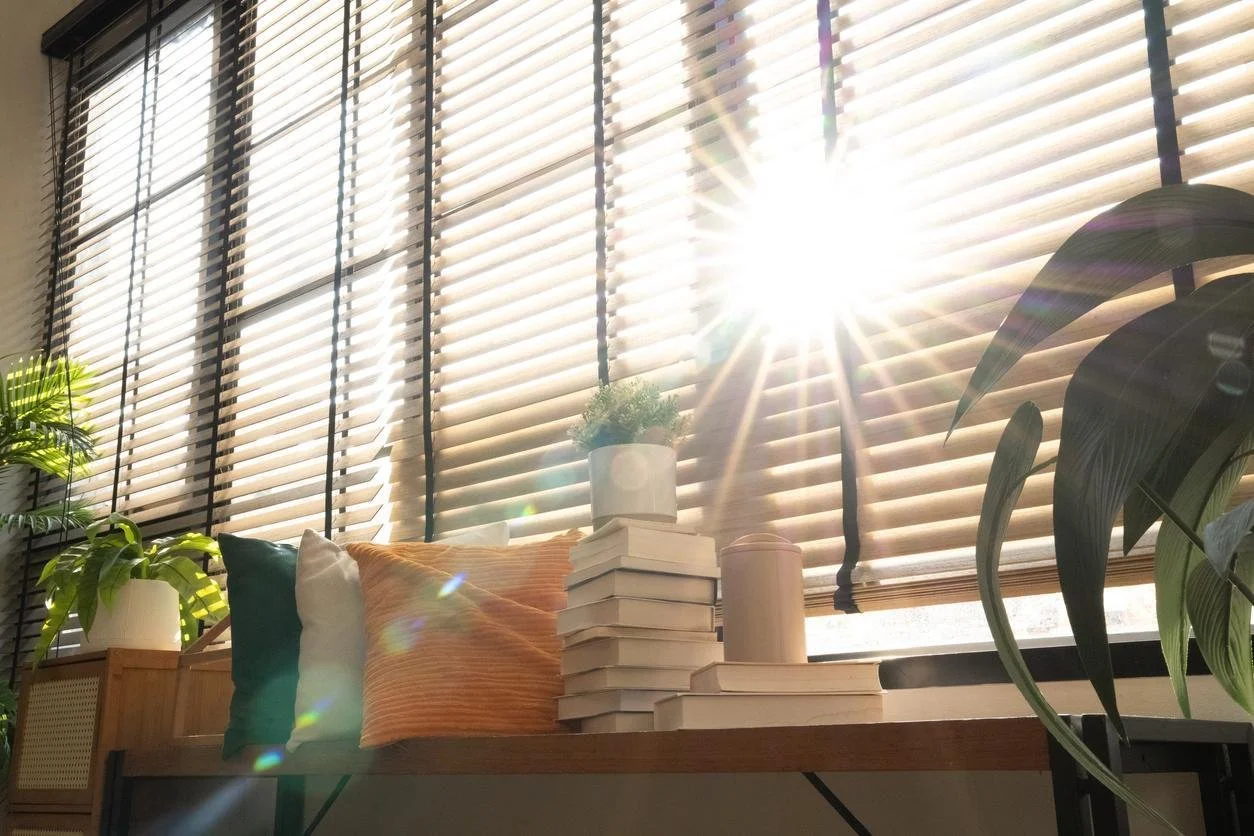
A bright living room with warm lighting and fresh neutral paint, the kind of calm space a fire recovery can lead back to
The first night after a house fire is a blur. The next six months are the hard part. According to the National Fire Protection Association’s “Fire Loss in the United States During 2024” report (published November 2025), U.S. fire departments responded to 329,500 home structure fires in 2024, causing $11.4 billion in direct property damage. That works out to a home fire roughly every 96 seconds.
Behind each of those numbers is a family standing in a room that smells like smoke and wondering where to even begin. The good news is that recovery has a sensible order. Claim first, clean second, redecorate third. Skip ahead and you can end up repainting walls that still hold odor, or replacing furniture your policy would have covered.
This guide walks through that order, room by room, with an eye on what will make your home feel like yours again.
Start With the Claim Before You Pick a Paint Color
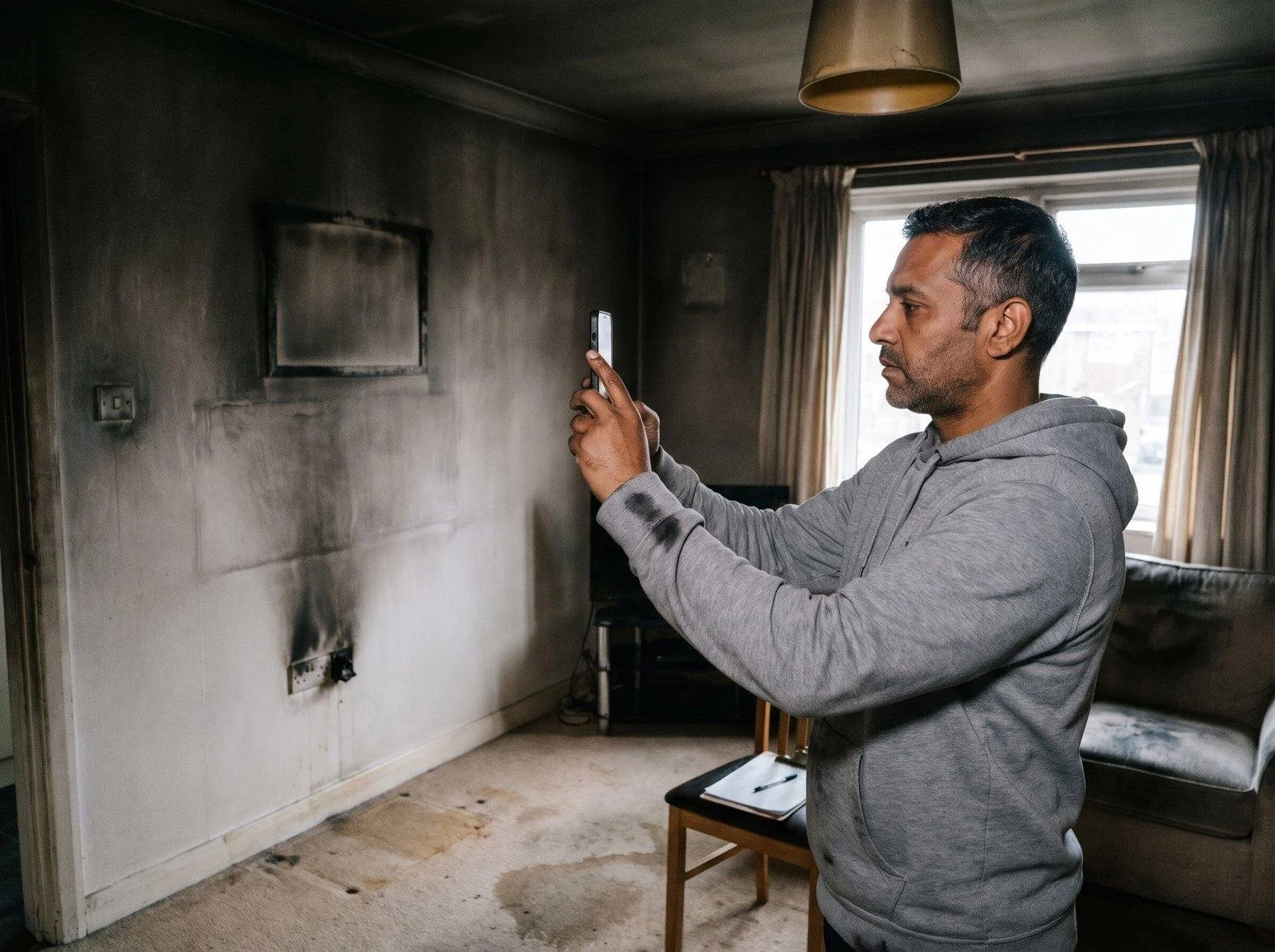
Photographing smoke and soot damage room by room builds the record a claim depends on
What you document now decides what you can afford to rebuild later. Smoke, soot and firefighting water travel well beyond the room where the fire started, and they’re easy to under-scope on a first estimate. That’s why many homeowners look for fire insurance claim help early, so someone on their side can compare the carrier’s estimate against what’s actually damaged, including hidden areas like attics, wall cavities and ductwork. Policies vary, so read yours closely and ask your carrier what it covers.
Before you touch anything, follow the American Red Cross guidance on checking your home after a fire. Wait until the fire department says it’s safe to go back in, photograph the damage, and don’t throw away damaged items until they’ve been inventoried. Keep every receipt from here on.
Build a Room-by-Room Inventory That Includes Your Decor
Most inventories start with electronics and appliances. Decor gets forgotten, and it’s where much of the value sits. Walk through each room and list the rugs, art, lamps, window treatments, mirrors, bedding and small furnishings you’d have to replace.
For each item, note:
What it is, with a photo or short video
Roughly when and where you bought it
What it would cost to replace today
Don’t forget the cost of living elsewhere. Most homeowners policies include additional living expense coverage for temporary housing and extra costs while your home is unlivable, usually with its own limit. Save every hotel, rental and meal receipt. Our guide to what your policy actually covers is a good place to check how your own coverage is structured.
As you go, sort things into “salvage” and “replace.” You won’t finalize that list until after cleaning, but a first pass keeps you from losing track of anything.
Cleaning Soot and Smoke Before You Redecorate
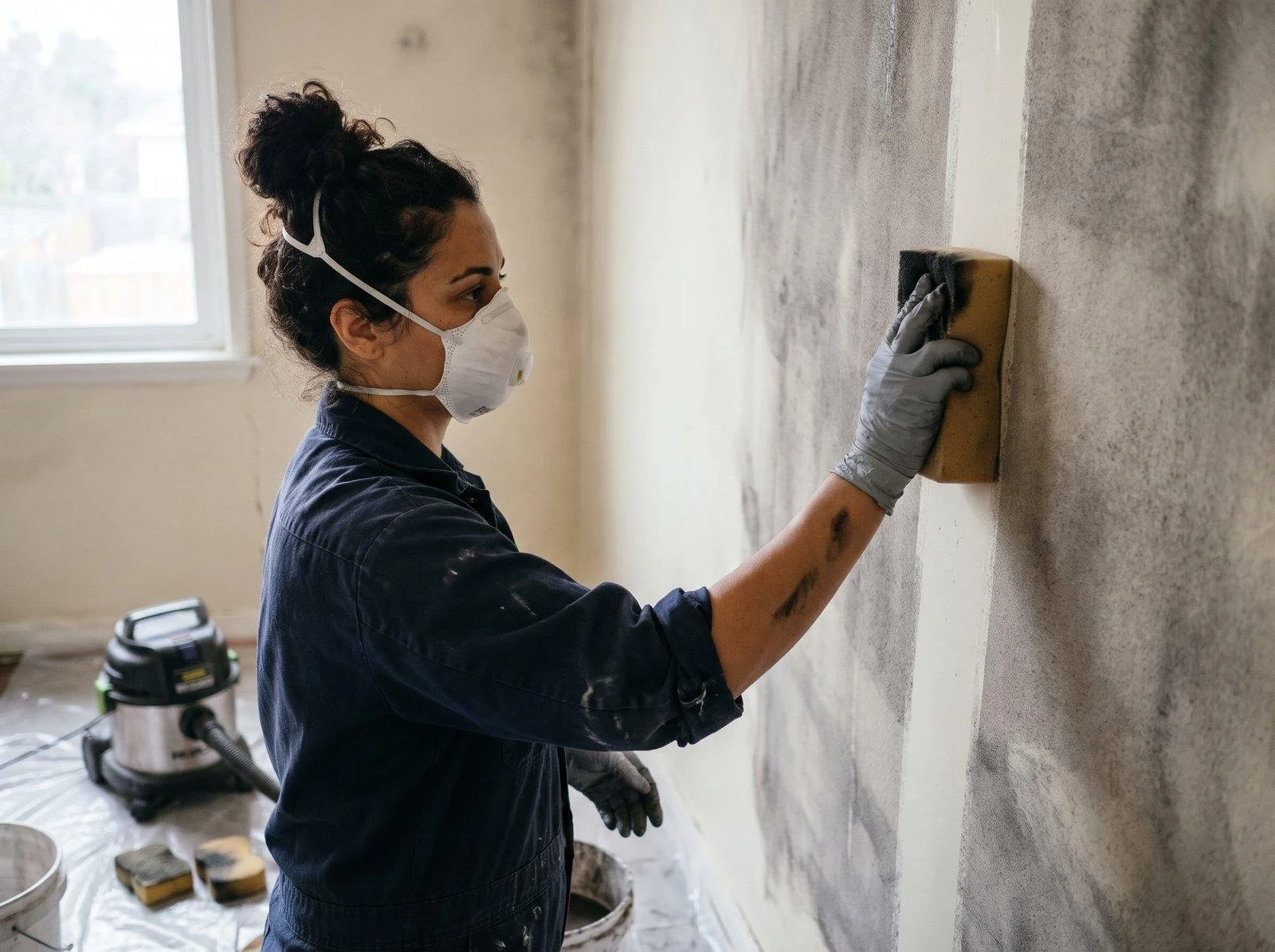
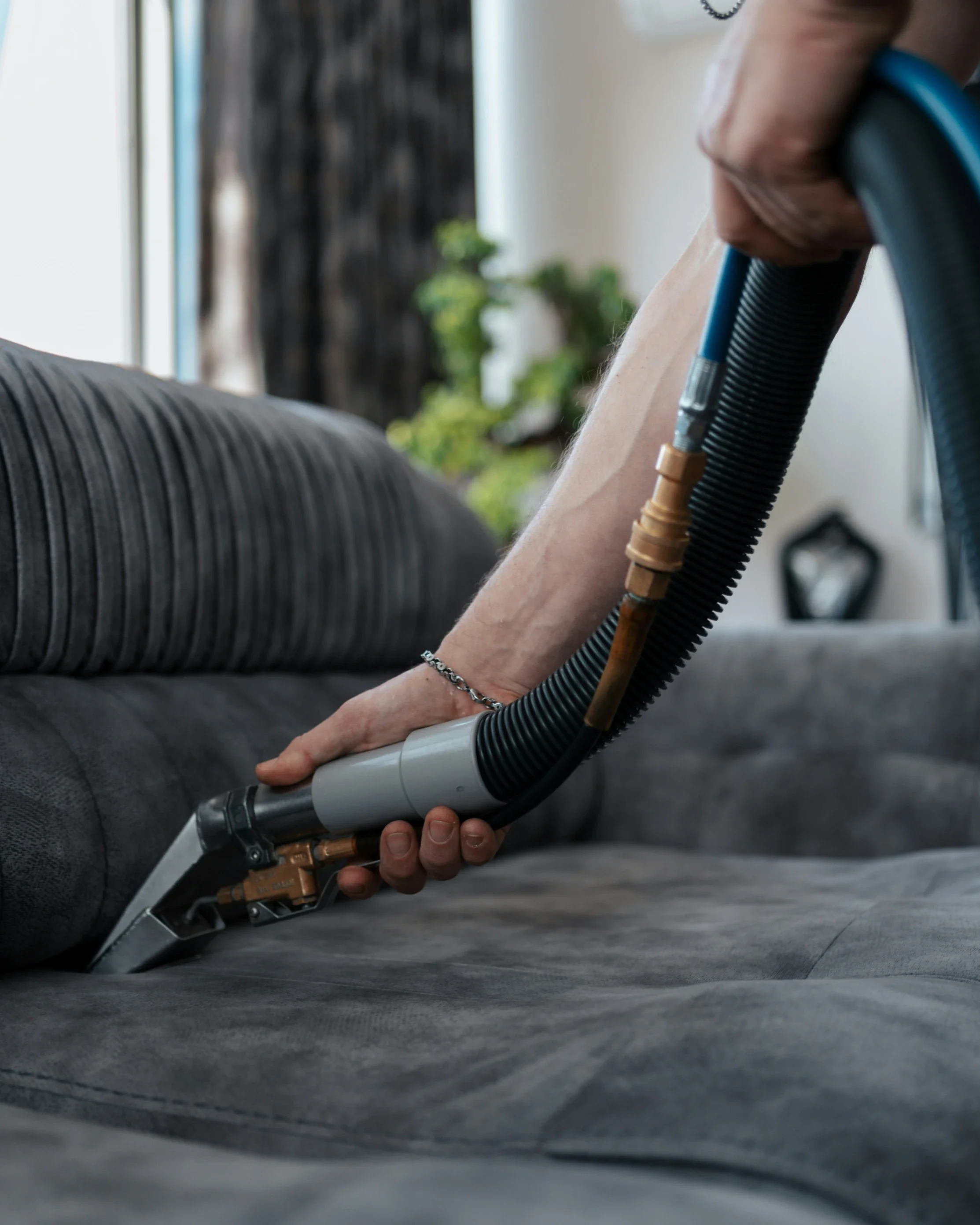
Dry soot removal comes before any wet cleaning, which can set stains deeper
Order matters here, and the wrong move can make things worse. Ventilate the space once it’s cleared for entry, and keep the HVAC system off until the ducts have been checked. Vacuum loose soot with a HEPA vacuum, then use a dry chemical sponge on walls and ceilings before any water touches them. Wet cleaning first can smear soot deeper into paint and porous surfaces.
Smoke damage doesn't stop at the walls. Soot and odors can settle into carpets, curtains, upholstery and other belongings, making thorough cleaning essential before restoration begins. The EPA's cleanup guidance explains how to remove ash and smoke particles safely without spreading contamination. Heavily affected fabrics and stubborn odors may require professional restoration before furniture and other belongings can return to the room.
Cleanup is also where a restoration crew earns its keep. We’ve covered what a fire restoration crew handles, which helps you judge what’s DIY and what isn’t.
What to Save and What to Replace
Not everything has to go. A rough guide:
Solid wood, metal and glass: often cleanable
Upholstery and curtains: sometimes salvageable by a specialist, depending on how heavily smoked
Mattresses, pillows and carpet padding: usually replaced
Porous items like unsealed wallpaper and some insulation: often replaced
Delicate textiles and paper: case by case, and worth asking a conservator about if they’re sentimental
Check wall cavities before painting anything. If soot or odor sits behind the drywall, new paint will only hide it for a few weeks. This is also the point to update your inventory with what’s lost for good, so the claim reflects the real list.
Redecorating After Smoke: Paint, Finishes and Fabrics
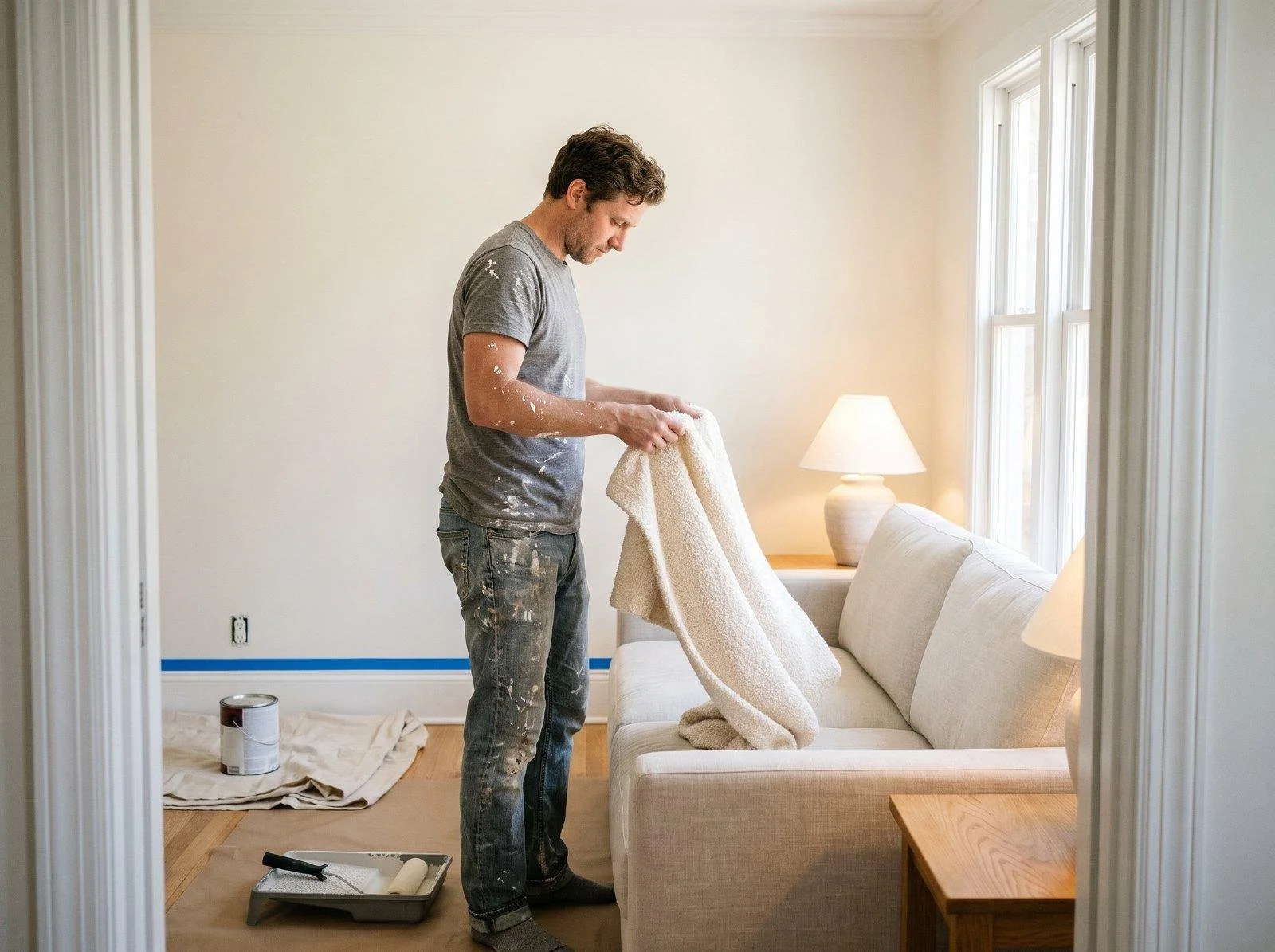
Odor-sealing primer and fresh paint give a smoke-damaged room a clean start for new design choices
Here’s the fun part, and it’s better when you’ve earned it. Start with clean walls, then apply a stain-blocking, odor-sealing primer before your topcoat. Skipping the primer is the classic mistake; the smell returns in humid weather.
Since you’re starting fresh, choose finishes that forgive. Washable paint in satin or eggshell, hard flooring in the main living areas, and performance fabrics will make the next decade easier. Layer warm lighting and a calmer palette to give the room a reset feel. If you’ve dealt with water on top of smoke, our piece on restoring your home’s style has finish ideas that apply here too.
One firm rule: don’t bring new furniture and soft goods back in until the odor is truly gone. Fresh upholstery will absorb whatever’s left in the air.
Protect the New Look: Safety Upgrades That Fit Your Style
Once the space feels right, protect it. The NFPA’s 2024 fire loss report found home fires rose 1% and home fire property damage rose 3% from 2023, so a second fire isn’t something to leave to chance.
Fit working smoke alarms in every bedroom and on every level, and keep an extinguisher near the kitchen and the exit. Upgrades don’t have to look clinical. Alarms come in clean, low-profile designs, and an extinguisher in a tidy cabinet or a good-looking basket by the door blends right in.
Rebuilding on Your Own Terms
Recovery runs in three steps: claim, clean, then create. Take them in that order and each one makes the next easier. A fire is awful, and nothing about it is a design opportunity until the paperwork and the soot are behind you. But once they are, you get to choose the colors, the layout and the lighting again, and the home you end up with can feel more like you than the one you lost.
Stay up to date with our latest ideas!