Understand the essential boiler ventilation rules for safe enclosure design, including airflow requirements, clearance guidelines, and ways to prevent overheating and hazards.

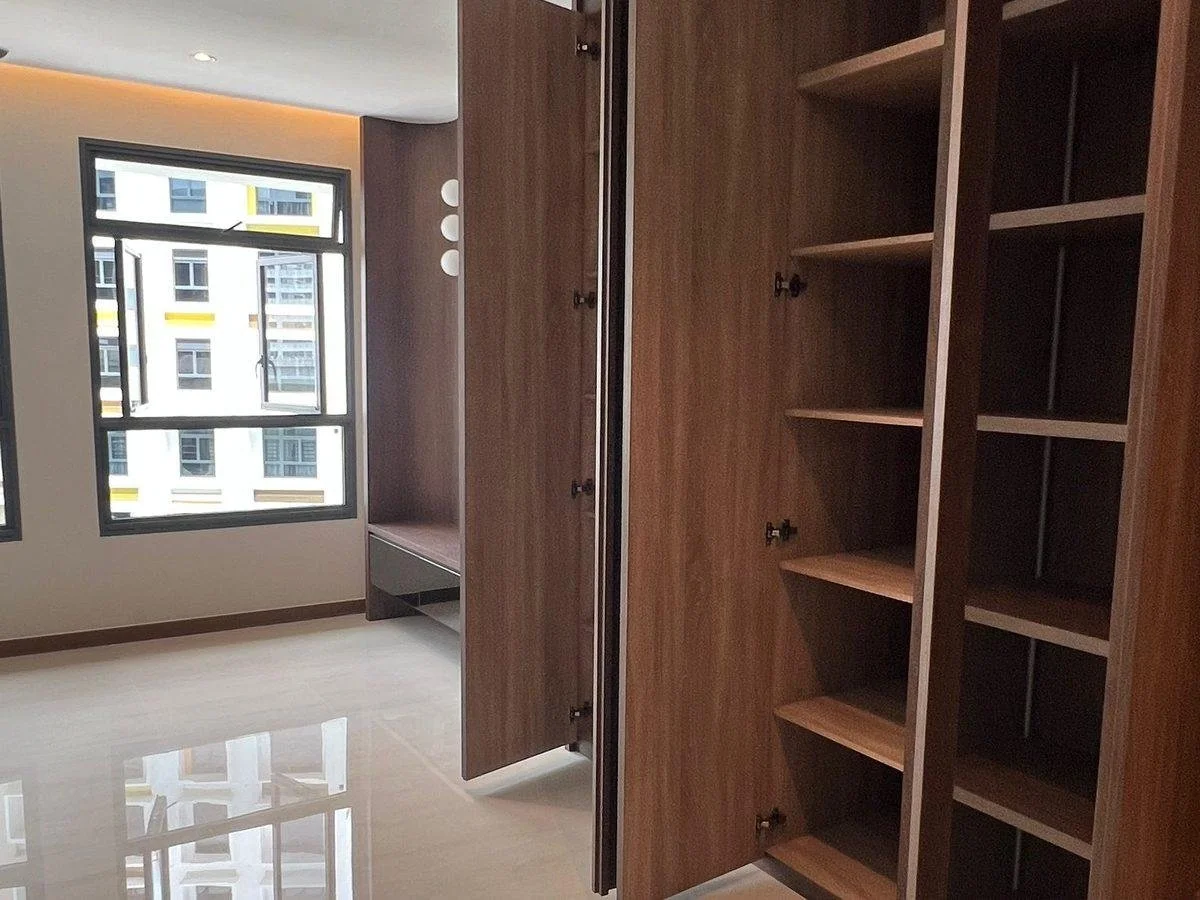
For safety and efficiency of operation, boilers must be provided with sufficient air, especially when using indoor air for combustion. For a boiler installation in the cupboard, utility room, or enclosure, the ventilation factor will have to be incorporated right at the outset of the boiler design.
It is important for designers to be aware of boiler enclosure ventilation requirements so that they are able to create enclosures that will protect their inhabitants as well as provide access to the equipment.
How much combustion air does a boiler enclosure need?
A single boiler ventilation figure cannot be used for every boiler. The required combustion air will vary with the instructions of the appliance manufacturer, the rated input value of the appliance, if the appliance requires air from the room, and the installation standards.
An open-flued gas boiler will require the combustion air to the boiler to come from an appropriate source to allow the fuel to burn and to not contribute to unsafe conditions. Ventilation components should only be calculated after determining the exact type and rated input of the boiler.
Where should boiler enclosure ventilation openings be located?
The position of the openings for ventilation is very important and should guarantee the adequate airflow required for the design of the equipment and enclosure.
When planning ventilation openings, think about:
If the openings allow connection to the outside and/or an acceptable air source.
If there may be obstructions, such as doors, furniture or stored items, that could block the airflow.
The free space of the grill, not its actual size.
The effective opening will be reduced by either insect screens or louvres.
The possibility of dust, debris, or other obstructions accumulating over time.
Any ventilation grills must stay clear at all times until specified by the boiler enclosure ventilation requirements.
What are the different ways to supply combustion air to a boiler enclosure?
There are a number of configurations for boiler enclosures available that suit boiler ventilation requirements depending on the type of appliance and arrangement to the building.
Direct outdoor air supply: Ventilation to the enclosure is provided by an opening or duct that admits fresh air directly to the enclosure.
Natural ventilation: Natural pass-throughs of air sizes and shapes are used without mechanical support.
Approved combustion-air ducts: An approved combustion-air duct is a duct from the appliance or enclosure to an approved air source.
Room sealed systems: These systems usually pull combustion air from outside and remove combustion by-products in a sealed flue system.
The correct solution is to be chosen based on the design of the boiler (not just available space).

What should boiler enclosure designers consider when using ventilation ducts?
Heating accounts for approximately 50% of global energy consumption. This emphasizes how much homeowners rely on functioning boilers. The flow of air may be reduced if ducts are long, bend sharply, are not sized for the equipment, or have restrictive grills.
Other considerations include:
Length and routing of ducting: The routing must be reasonable without any unnecessary bends that will cause friction.
External terminals: The placement of air inlets should be such that they do not become obstructed by any debris, snow, or other objects.
Safety from fires: Verify that the wall/floor penetration requirements for fire stopping/compartmentation are met for duct penetrations.
Maintenance: The ducts and external terminals must be accessible for cleaning purposes.
Equipment suppliers like Astera could be a good starting point for equipment selection and installation planning, but the equipment plan should be based on the specific boiler model and boiler ventilation requirements.
How should mechanical ventilation be designed for a boiler enclosure?
Mechanical ventilation may be needed where natural ventilation is inadequate when it comes to providing air and/or controlling temperature. The system needs to be created to provide the necessary airflow during operation and not just installed because a fan is thought to reduce the ventilation problems.
Protective measures can range from airflow monitoring, interlocks, and automatic boiler shutoff if ventilation doesn't occur to other protective measures, depending on installation. These measures should be used with the relevant standards and manufacturer's recommendations.
How does boiler type change enclosure ventilation requirements?
One of the major factors in enclosure ventilation is the type of boiler.
Open flue boilers get air for combustion from the surroundings where the boiler is installed.
Room-sealed boilers have their combustion air supply from an external source, and the products of combustion are sent to the flue, which is completely sealed.
Electric boilers do not involve burning; therefore, there is no need for combustion air.
Solid fuel boilers also have their own combustion-air and flue needs that need to be analysed separately.
Conclusion
The design of the safety casing around the boiler requires consideration of the amount of combustion air required, the cooling requirements of the boiler, and flue arrangement. The ventilators and mechanical ventilation need to be considered as part of the design process to ensure proper ventilation.
Stay up to date with our latest ideas!