Discover the key playmat features that support comfortable indoor play, including cushioning, safety, durability, easy cleaning, and designs suited to different spaces.
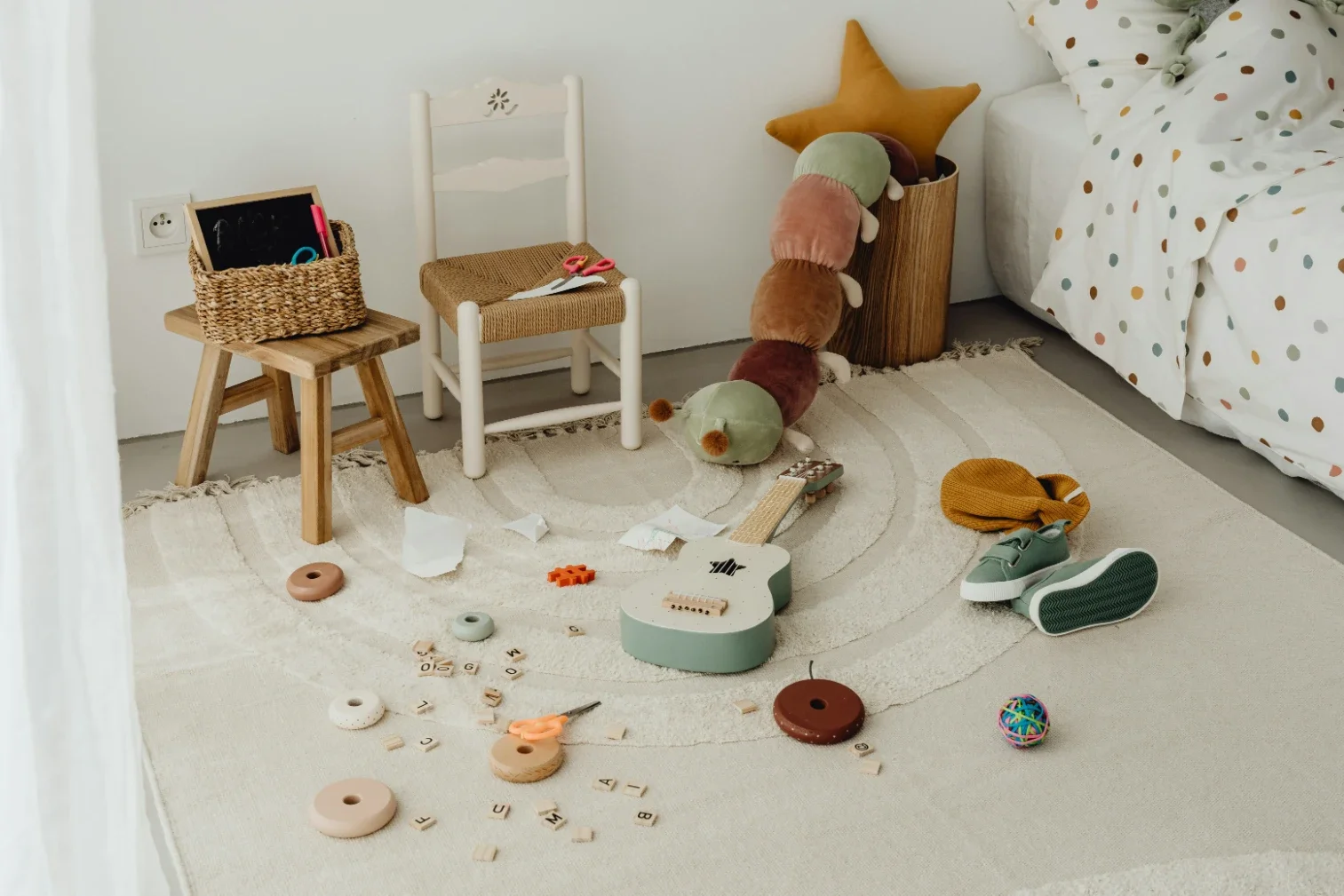
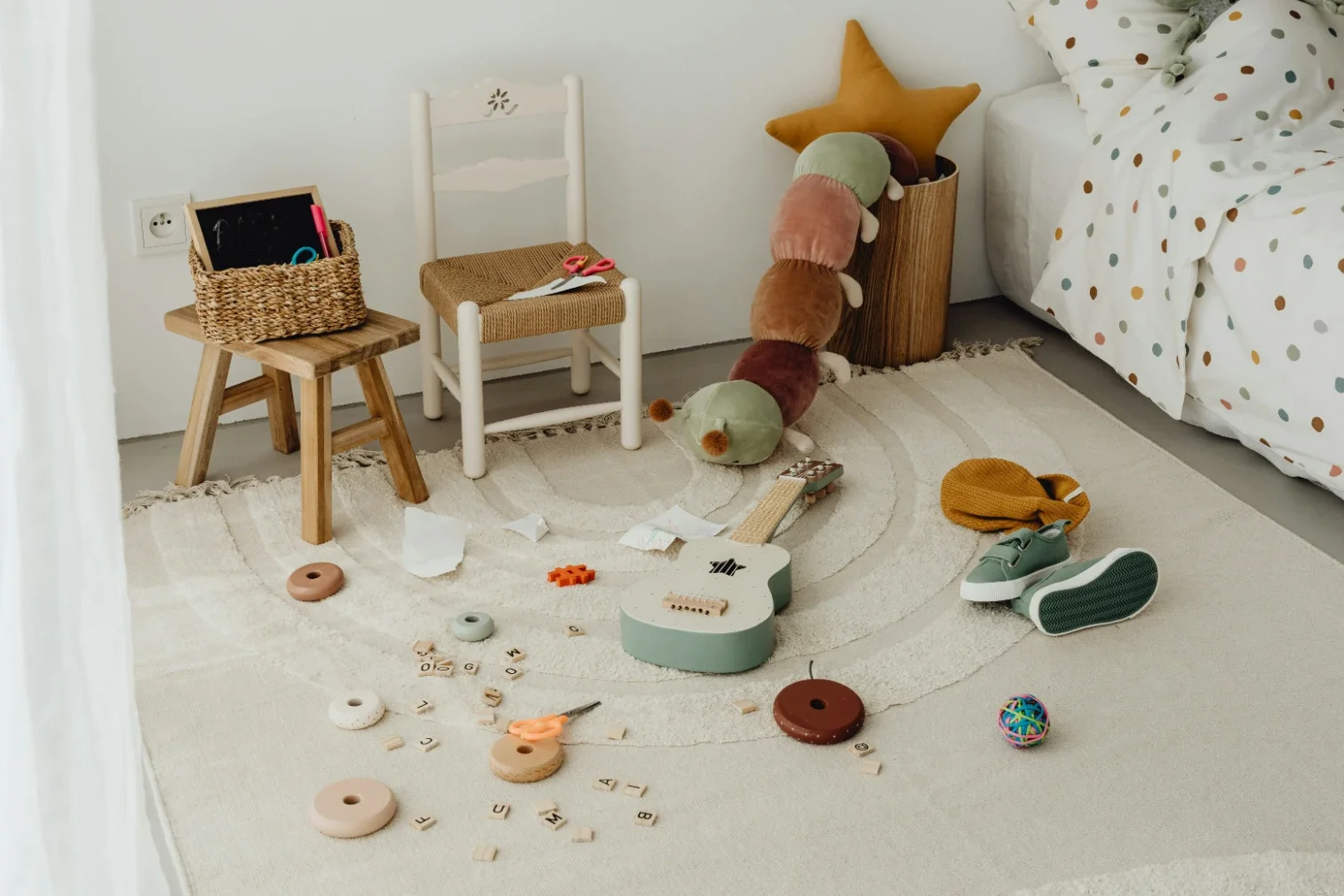
Indoor play is an important part of a child's growth, providing opportunities to explore, move, learn, and develop essential skills in a familiar environment. Creating a comfortable play area helps children enjoy their activities while giving parents greater confidence in their everyday routines. Choosing the right play surface involves considering several factors, including cushioning, material quality, size, and ease of cleaning. Playmats for comfortable indoor play offer a practical solution by creating a dedicated space for activities such as crawling, sitting, rolling, and playing with toys. Understanding their key features can help families select a suitable option for their children's needs.
Soft and Cushioned Surface
One of the most important features of a playmat is its cushioning. A soft surface provides a more comfortable place for children to sit, crawl, stretch, and explore their surroundings.
Gentle support: Cushioned materials help make floor-based activities more comfortable.
Everyday movement: A suitable surface supports activities such as rolling, reaching, and crawling.
Playtime comfort: Soft textures can make extended indoor play more enjoyable.
Parents should choose cushioning appropriate for their child's age and developmental stage while avoiding surfaces that create suffocation risks for infants.
Safe and Child-Friendly Materials
Material quality plays a significant role in selecting an appropriate playmat. Since children frequently touch their play surfaces, parents should look for products made from materials that meet applicable safety standards.
Choose playmats for comfortable indoor play that are non-toxic, free from strong chemical odours, and designed for children's use. Smooth edges, secure construction, and durable surfaces can also improve everyday usability. Checking product safety information and age recommendations helps parents make informed decisions.
Non-Slip Design for Stability
A playmat should remain reasonably stable during normal activities. A non-slip backing can help reduce unwanted movement on suitable flooring, creating a more dependable play area. This feature is particularly useful when children begin crawling, sitting independently, or practising early movements. However, no playmat eliminates every risk of slipping or falling. Parents should supervise children closely and place mats on clean, level surfaces according to the manufacturer's instructions.
Easy Cleaning and Maintenance
Children can spill food, leave marks, or bring dirt into their play areas. Therefore, easy maintenance is another valuable feature to consider. Many playmats have wipe-clean surfaces, while others may have removable or washable components. Selecting a mat that suits the family's cleaning routine can help maintain better everyday hygiene. Regularly inspect the surface for damage, clean it according to the care instructions, and allow it to dry completely before use.
Appropriate Size and Thickness
The right dimensions depend on available floor space and the child's activities. A larger mat can provide room for toys, tummy time, crawling, and interactive games, while a compact design may suit smaller rooms. Thickness also matters because it influences comfort and stability. Parents should select a mat that offers appropriate cushioning without creating an unstable surface or a tripping hazard at the edges.
Portable and Durable Construction
Lightweight playmats that fold or roll easily can be convenient for families who need to store them after playtime. Portability makes it easier to create a temporary activity area in different rooms. Durable construction is equally important. Strong seams, resilient materials, and surfaces that resist ordinary wear can help a playmat remain useful with regular care.
Conclusion
Selecting the right playmat requires attention to comfort, safety, material quality, stability, maintenance, and size. Playmats for comfortable indoor play can help families create an inviting environment where children enjoy movement, exploration, and age-appropriate activities. By comparing these essential features and following appropriate safety guidelines, parents can choose a practical play surface that fits their home and their child's developmental needs. Regular inspection, proper cleaning, and active supervision further contribute to a comfortable and enjoyable indoor play experience.
Stay up to date with our latest ideas!