Renting vs. Buying Moving Boxes: What Brooklyn Residents Should Know
Discover what Brooklyn residents should know about renting vs buying moving boxes, including cost, convenience, durability, and eco friendly benefits.
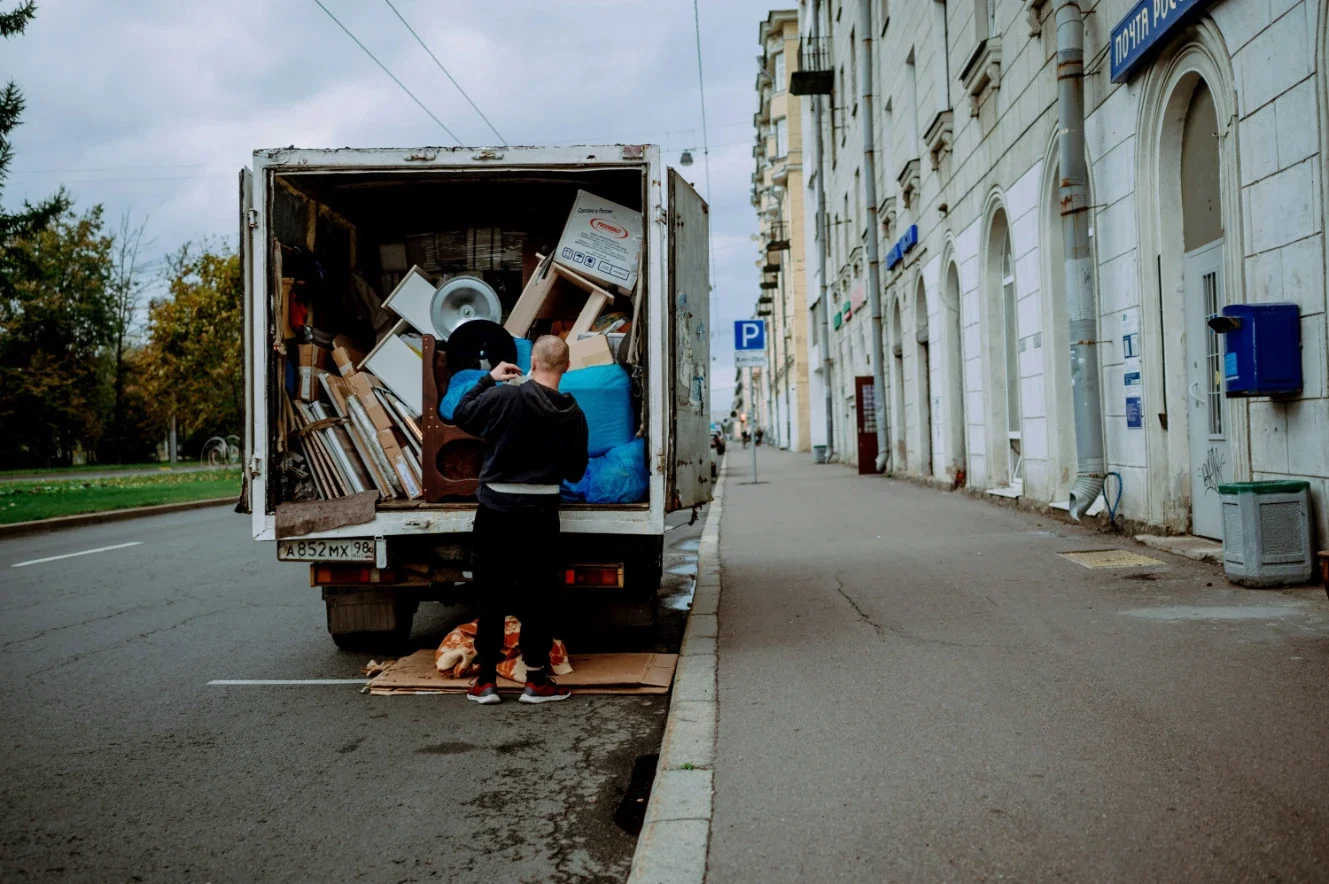
Moving in Brooklyn is its own sport. Tight railroad apartments, fifth-floor walk-ups, street parking battles, and limited storage all make packing strategy more important than most people expect. One overlooked decision that can seriously affect your stress level is whether to rent or buy your moving boxes.
Here’s how to decide what makes sense for a Brooklyn move in particular.
The Case for Buying Moving Boxes
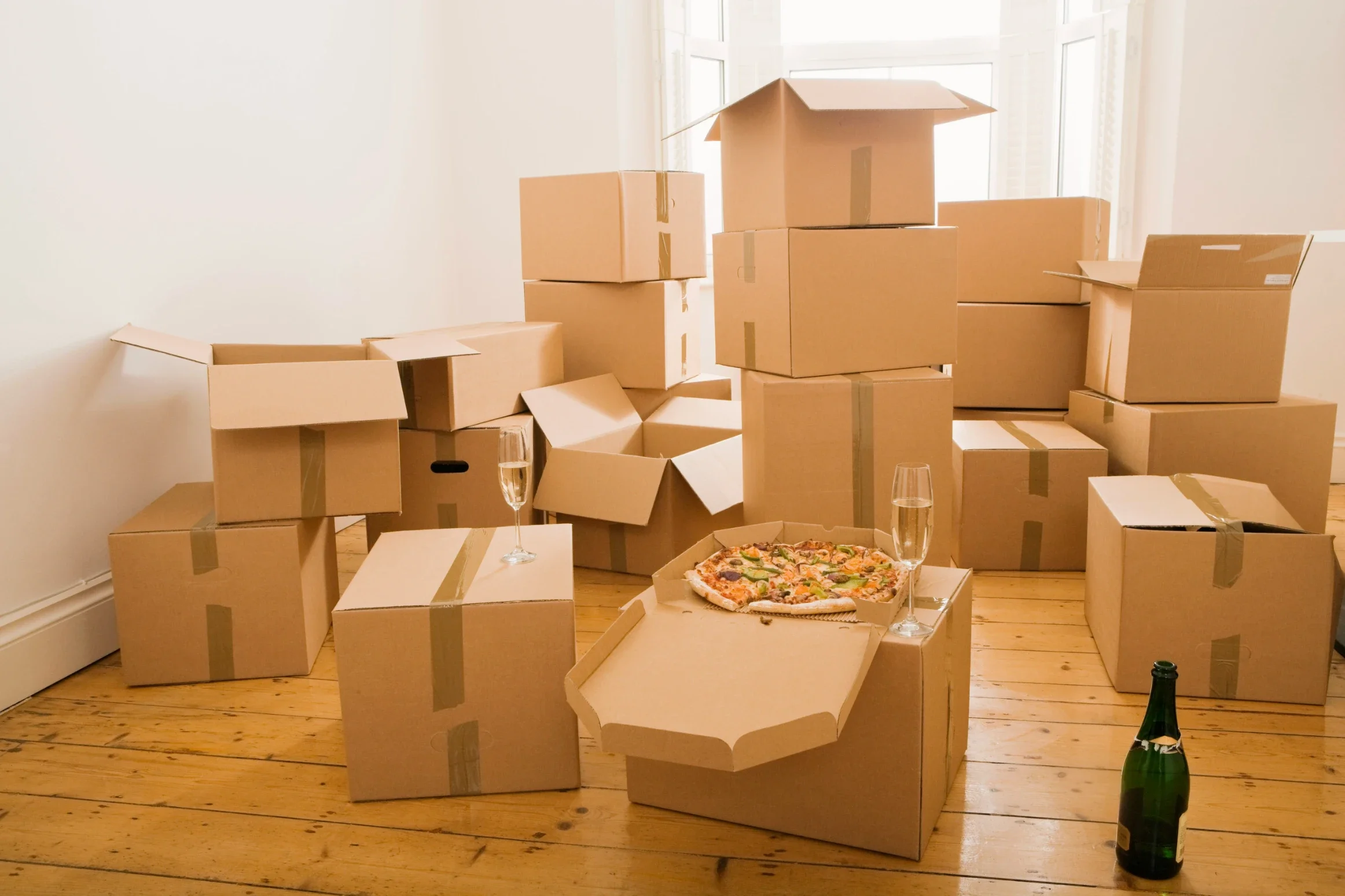
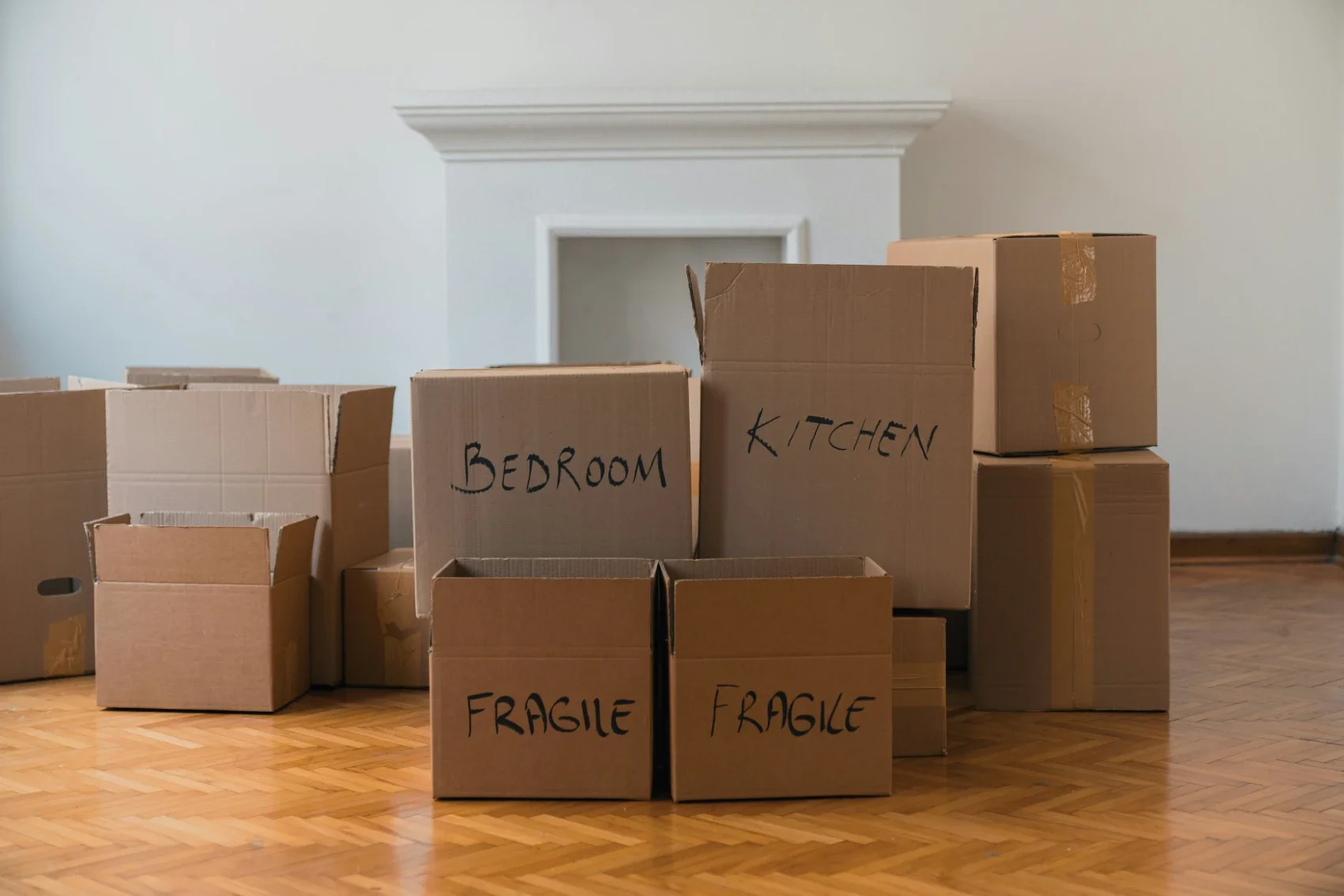
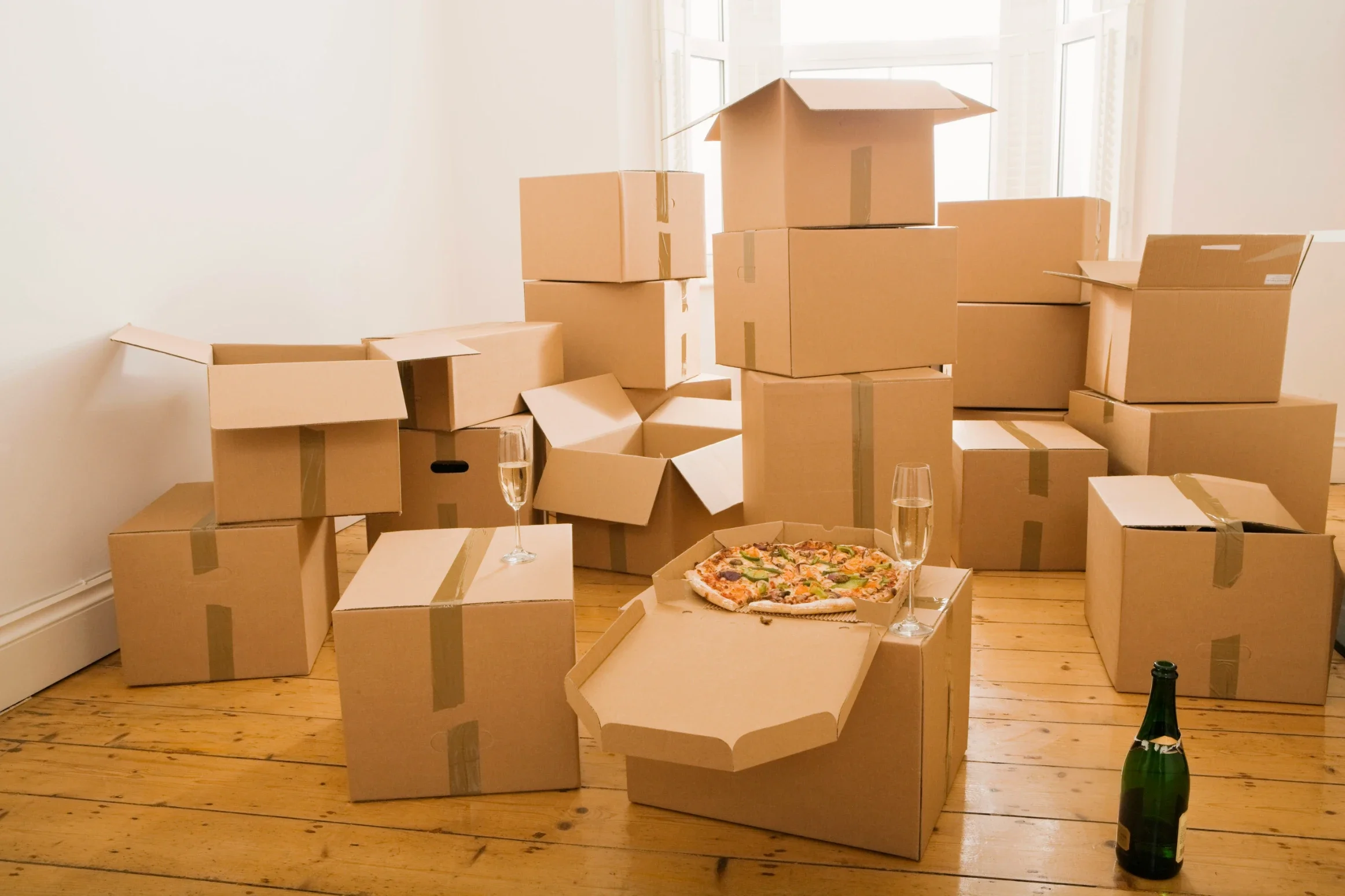
Cardboard boxes are the default for a reason. They’re easy to find and familiar to use.
Easy to source: You can pick up boxes at hardware stores, home improvement chains, shipping stores, or moving truck rental locations like U-Haul. In many Brooklyn neighborhoods, you can grab everything in one trip.
Control over sizes and quantity: Buying lets you mix small book boxes, medium general-purpose boxes, and a few large ones for bedding. This is handy when you’re packing a cramped apartment with oddly shaped closets.
Great for long, gradual packing: If you’re packing over several weeks - common when you’re balancing work and a Brooklyn commute - owning boxes means no rental deadlines. You can pack a closet today and a kitchen cabinet next weekend without worrying about a return date.
Downsides:
Costs add up: A few dollars per box doesn’t sound bad until you need 30-50 of them. Add packing tape and bubble wrap, and you may be spending more than expected.
Disposal in NYC is a hassle: After the move, you’re left with a mountain of cardboard in an already small apartment or storage unit. You’ll need to break everything down, bundle it, and follow NYC recycling rules, which isn’t fun after an exhausting move.
The Case for Renting Moving Boxes
Reusable plastic moving crates have become popular across NYC, and they’re especially well-suited to Brooklyn living.
Eco-friendly and sturdy: Rental crates are designed to be reused hundreds of times, cutting down on cardboard waste. They’re also stronger than most store-bought boxes, which helps when you’re hauling them up narrow stairwells.
Delivery and pickup: Companies typically drop the crates at your current apartment and pick them up from your new place. That means no last-minute box runs and no post-move recycling marathon.
Efficient for small spaces: Crates usually stack neatly, which matters in Brooklyn’s modest living rooms and alcove studios. You can keep packed items orderly without drowning in cardboard piles.
Downsides:
Rental windows: You pay for a specific time frame - often one to three weeks. If your packing schedule is uncertain or your move-in date might shift, that time pressure can be stressful.
Availability constraints: During peak moving seasons (summer, end of month), you might not get the exact number of crates when you want them.
Not ideal for long-distance moves: Plastic crate rentals work best for local, round-trip moves. If you’re leaving New York State or heading to an outer borough far from the provider’s range, returning the crates may be inconvenient or impossible.
Brooklyn-Specific Factors to Consider
Beyond cost and convenience, the layout of your building and the logistics of your move should drive your choice.
Elevator vs. walk-up: In walk-ups, sturdier crates can protect fragile items from bumps on each landing. In elevator buildings, lightweight cardboard might be easier if you’re doing multiple trips yourself.
Street parking and truck time limits: If your moving truck has limited time at the curb, stackable crates can speed up loading and unloading. Movers can grab and stack them quickly without worrying about soft cardboard giving way.
Storage unit moves: If some belongings are going into a Brooklyn storage unit for months, buying boxes may be better - rentals generally can’t stay with you long-term. Cardboard stored off the ground and away from moisture is usually fine for extended storage.
Distance of your move: For short, neighborhood-to-neighborhood moves (say, Crown Heights to Park Slope), rentals shine. For longer hauls to Queens, Staten Island, or out of state, ownership and flexibility matter more.
Cost Comparison: 1BR and 2BR Brooklyn Moves
Exact prices vary by provider, but you can ballpark typical costs:
1-bedroom apartment: You might need 25-35 boxes.
Buying: At roughly $2-$4 per box, plus tape and packing materials, you might spend $80-$150 total.
Renting: A standard crate package for a 1BR often falls in the $70-$120 range for a one- to two-week rental, sometimes including labels and dollies.
2-bedroom apartment: Plan on 40-60 boxes.
Buying: Costs typically run $140-$250 once you add specialty boxes and supplies.
Renting: A 2BR crate package may range from $120-$200 depending on duration and add-ons.
Renting often looks cheaper for short, well-timed moves. Buying can be more cost-effective if you need boxes for a long stretch or plan to reuse them.
When to Call in the Pros
The box decision is only one piece of a Brooklyn move. Coordinating elevators, reserving curb space, protecting narrow hallways, and timing everything with building rules can get complicated quickly. This is where working with a local Brooklyn moving company can simplify things: they’re familiar with neighborhood parking patterns, typical building restrictions, and how many boxes most Brooklyn layouts truly require. Many can provide or recommend the right mix of boxes or crates, bring packing materials, and build your moving-day plan around your building’s specific constraints.
Quick Decision Guide
Use this simple framework for your Brooklyn move:
Rent moving boxes if: you’re doing a short-distance move, packing within a tight timeline, want minimal waste, and don’t have space to store extra cardboard before or after the move.
Buy moving boxes if: you’re packing slowly over several weeks, doing a long-distance or storage-heavy move, or want the flexibility to keep some boxes for future use.
Whichever option you choose, make the call early. In Brooklyn, where space and time are both limited, deciding on boxes weeks before moving day can be the difference between an organized transition and last-minute chaos.
Stay up to date with our latest ideas!