Learn how to move from Hawaii to the Mainland with practical advice on shipping belongings, planning transportation, managing costs, and preparing for a smooth transition.

Moving from Hawaii to the Mainland involves more planning than a typical interstate relocation. Because the islands are separated from the continental United States by thousands of miles of ocean, household belongings cannot simply be loaded onto a moving truck and driven to the destination. Working with experienced Hawaii movers can simplify the logistics, but a successful relocation still depends on careful preparation, realistic timelines, and decisions about what is worth shipping.
Start Planning Several Weeks Ahead
An overseas-style relocation requires more coordination than a local move. Start planning as early as possible, particularly if you are moving during a busy season.
Begin by confirming your destination, preferred moving date, and approximate volume of household goods. Then create an inventory of everything you may want to take with you.
This is also a good opportunity to decide what should be sold, donated, discarded, or shipped. Transportation costs can increase with the amount of property you move, so reducing unnecessary belongings before packing can make the process easier.
Decide What to Ship
One of the biggest decisions is determining which possessions are worth transporting to the Mainland.
Furniture that is expensive, sentimental, or difficult to replace may be worth shipping. On the other hand, inexpensive bulky items may cost more to transport than their replacement value.
Consider the following before making a decision:
Replacement cost on the Mainland
Sentimental value
Size and weight
Condition of the item
Shipping and handling costs
Whether the item will fit your new home
Creating separate categories for "ship," "sell," "donate," and "discard" can make the process much more manageable.
Understand How Household Goods Are Transported
Household belongings moving from Hawaii to the Mainland typically travel by ocean freight.
Depending on the service selected, your possessions may be packed into containers or transported using another designated freight method. The exact process depends on the moving company, origin island, destination, shipment size, and service arrangement.
Because ocean transportation involves additional logistics, delivery can take longer than a conventional road move. Ask about estimated transit times and what happens at each stage of transportation before booking.
Prepare Your Home for Packing
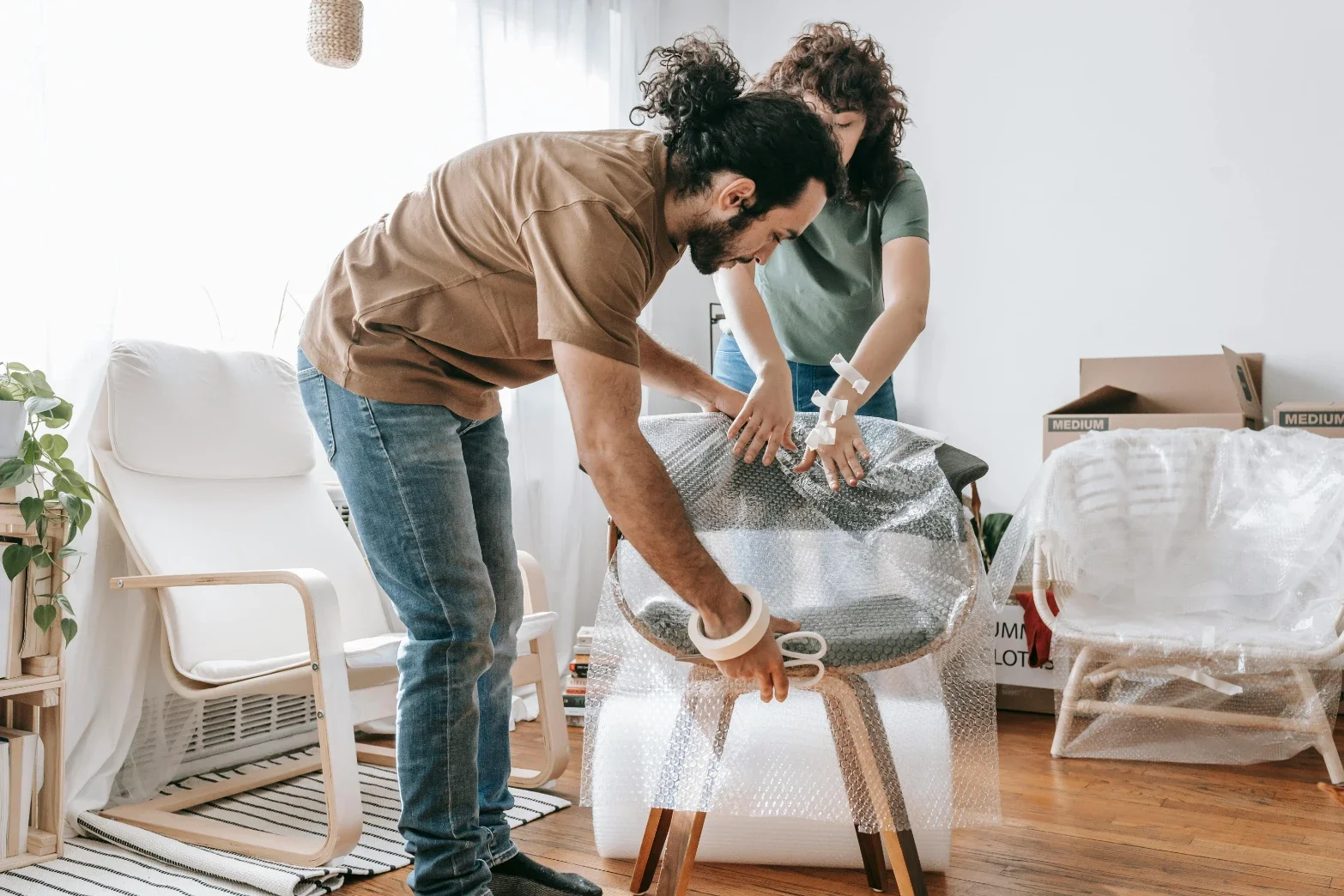
A well-organized packing process can reduce confusion later.
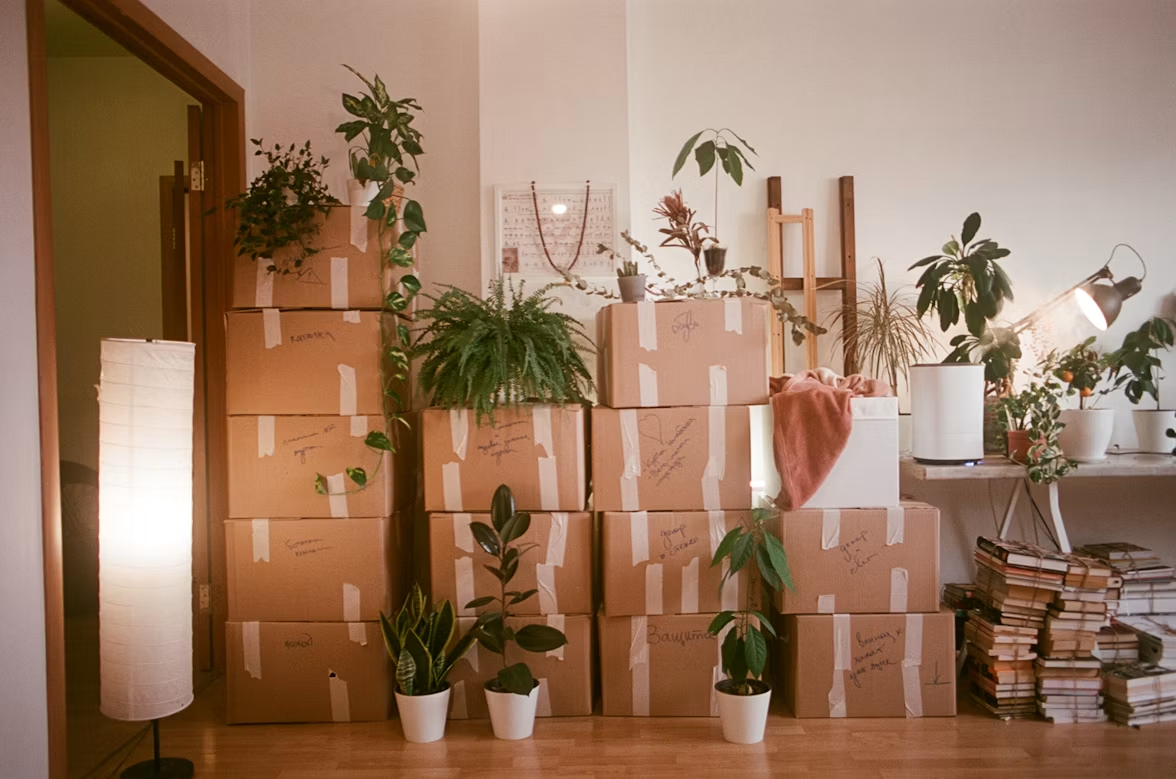
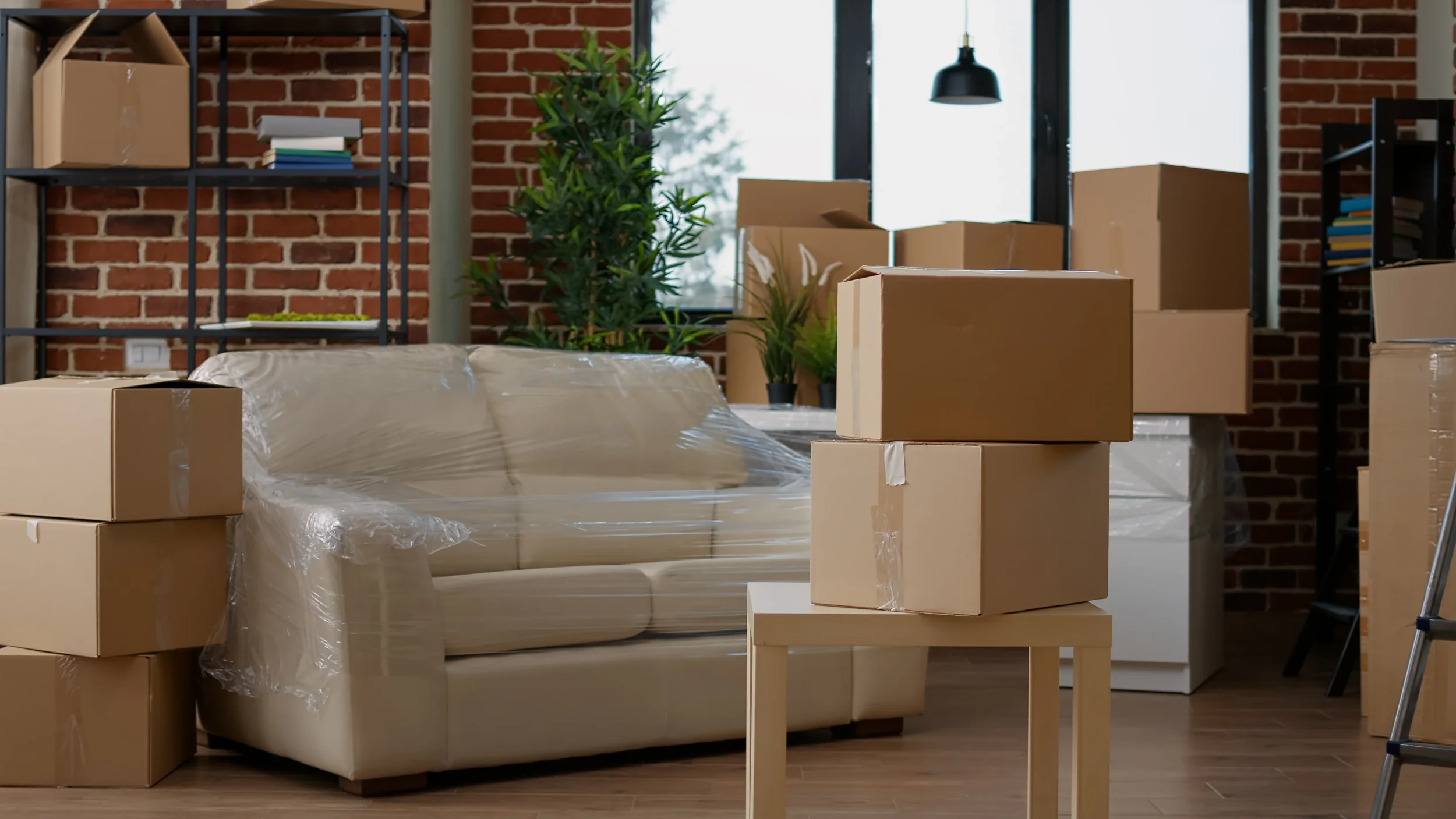
Label boxes according to both their contents and destination room. Keep an inventory of valuable or important items, and separate documents, medications, electronics, and other essentials that you will need immediately after arrival.
You should also create an "open first" collection containing basic clothing, toiletries, chargers, kitchen essentials, important paperwork, and anything else required during the first few days.
Do not assume that your shipment will arrive at the same time you do.
Think About Your Vehicle
Vehicle transportation is another important consideration when moving from Hawaii.
Before arranging shipment, check the vehicle's condition and prepare it according to the carrier's requirements. Remove personal belongings and document the vehicle's condition with photographs.
Ask about pickup procedures, estimated transit time, insurance coverage, and delivery arrangements. If you own multiple vehicles, compare the cost of transporting them with the cost of selling one and purchasing another after relocating.
Account for Your New Climate
Hawaii and the Mainland have very different climates depending on the destination.
Someone moving to the Northeast may need winter clothing, snow equipment, and cold-weather household supplies that were unnecessary in Hawaii. A move to the Southwest presents a different set of considerations, including dry heat and seasonal temperature changes.
Think about these differences when deciding what to pack and what to purchase after arrival.
Budget for More Than Transportation
The cost of a Mainland move can include much more than the basic shipping charge.
Your budget may need to account for packing materials, professional packing, vehicle transportation, temporary accommodation, travel expenses, storage, insurance, delivery fees, and potential purchases after arrival.
Request detailed estimates and clarify what each quote includes. A lower initial price may not represent the lowest total cost if important services are excluded.
Keep Important Items With You
Certain belongings should generally remain under your direct control rather than being placed into a household shipment.
Keep passports, identification, financial documents, valuable jewelry, essential electronics, medications, and irreplaceable personal items with you whenever practical.
Having these possessions available during travel also reduces the inconvenience of waiting for your main shipment to arrive.
Prepare for the First Week on the Mainland
Before leaving Hawaii, confirm where you will stay and how you will access your new home.
If your household shipment will arrive later, plan temporary sleeping arrangements and basic household needs. Research nearby grocery stores, pharmacies, transportation options, and other essential services before arrival.
Once your shipment is delivered, check boxes and larger items against your inventory and document any visible damage promptly.
Final Thoughts
Moving from Hawaii to the Mainland requires more logistical planning than a typical domestic relocation, but the process becomes much easier when decisions are made early.
Reduce unnecessary belongings, understand your transportation options, prepare important items separately, budget for the full relocation, and allow enough time for ocean freight. With a realistic timeline and careful organization, you can make the transition from island living to your new Mainland home considerably smoother.
Stay up to date with our latest ideas!