How to Prepare Your Home for a Smooth Move
Learn how to prepare your home for a smooth move with practical steps for organizing, packing, cleaning, and minimizing stress before moving day.

A move usually shows up in small, stubborn ways around the house. Closets feel tighter, and drawers start catching on things that used to fit.
Then the date sits on the calendar, and the brain starts doing math at odd hours. A broker can match carriers for long distance work, and a moving company can help keep timing steady when plans shift. That kind of structure matters when life keeps happening anyway.
Give Yourself A Timeline That Feels Real
Most moves feel rough when the schedule expects perfect focus every day. Real weeks include late meetings, sick kids, and errands that refuse to wait, so the plan needs a little slack. When the timeline has breathing room, it is easier to stick with it.
It helps when the calendar has a few anchor points you can actually picture. Packing start, service shutoff, and move week create a simple rhythm, and everything else can stack around those dates. The goal is not a perfect plan, it is a plan you do not resent.
Rooms you barely use tend to go first without much drama. Seasonal bins, guest areas, and the back corners of storage shelves usually behave, and that early progress feels like a win. Each finished corner gives you more space to work.
Daily life still needs a place to land, even while boxes pile up. Towels, chargers, one pan, and a few outfits can stay out, and everything else can rotate into packed boxes. That boundary keeps the house from feeling half closed for two straight weeks.
Clear Space So Packing Feels Lighter
Packing feels heavier when every surface already holds something. A little open floor changes the mood, and it makes sorting feel less like a wrestling match. It also keeps pathways clear, which helps with safety once boxes start stacking.
A simple sorting rhythm keeps the process honest and quick. Most items either stay, get donated, get recycled, or get tossed, and that is enough structure for almost any home. When a decision feels sticky, a small maybe bin keeps you moving.
Some household leftovers need extra care, and they often get ignored until the last minute. Paint, batteries, and many cleaners can count as household hazardous waste, so disposal rules may apply in your area. The EPA has a clear overview that helps you sort what needs special drop off.
If decision fatigue hits, a checklist can help you keep momentum. This guide on how to declutter before packing stays practical, because it focuses on categories instead of perfection. Fewer items usually means fewer boxes, and that alone lowers stress.
A small staging zone in each main room can also make the house feel workable. A corner near the door can hold tape, wrap, and finished boxes without taking over the whole space. When that zone stays tidy, everything else feels less crowded.
Pack In A Way That Makes Unpacking Easier
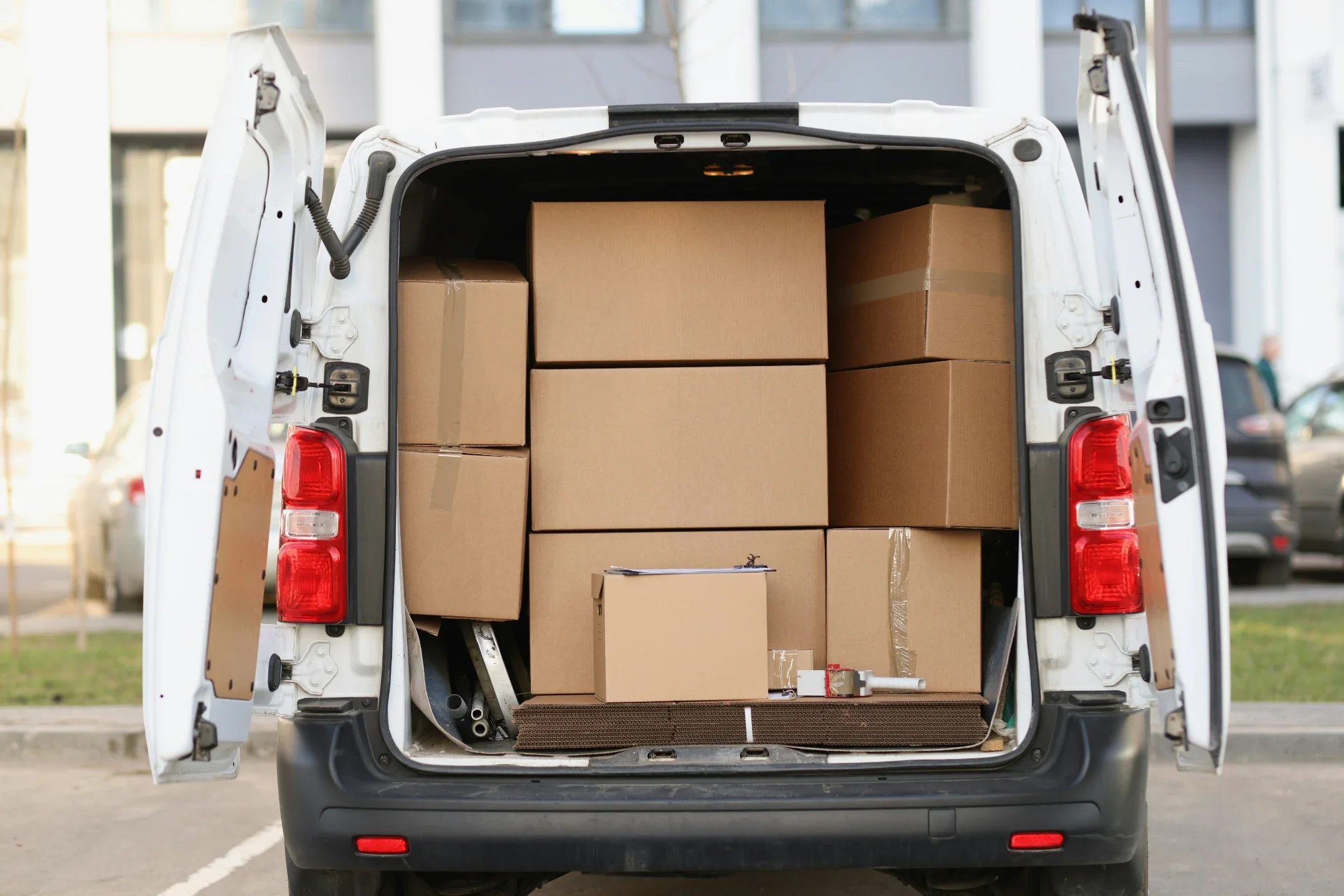
Packing tends to go better when box sizes match the weight inside. Heavy items in small boxes stay carryable, and light items fit better in larger boxes, so stacks stay stable. That balance matters when you are carrying things through tight halls and doorways.
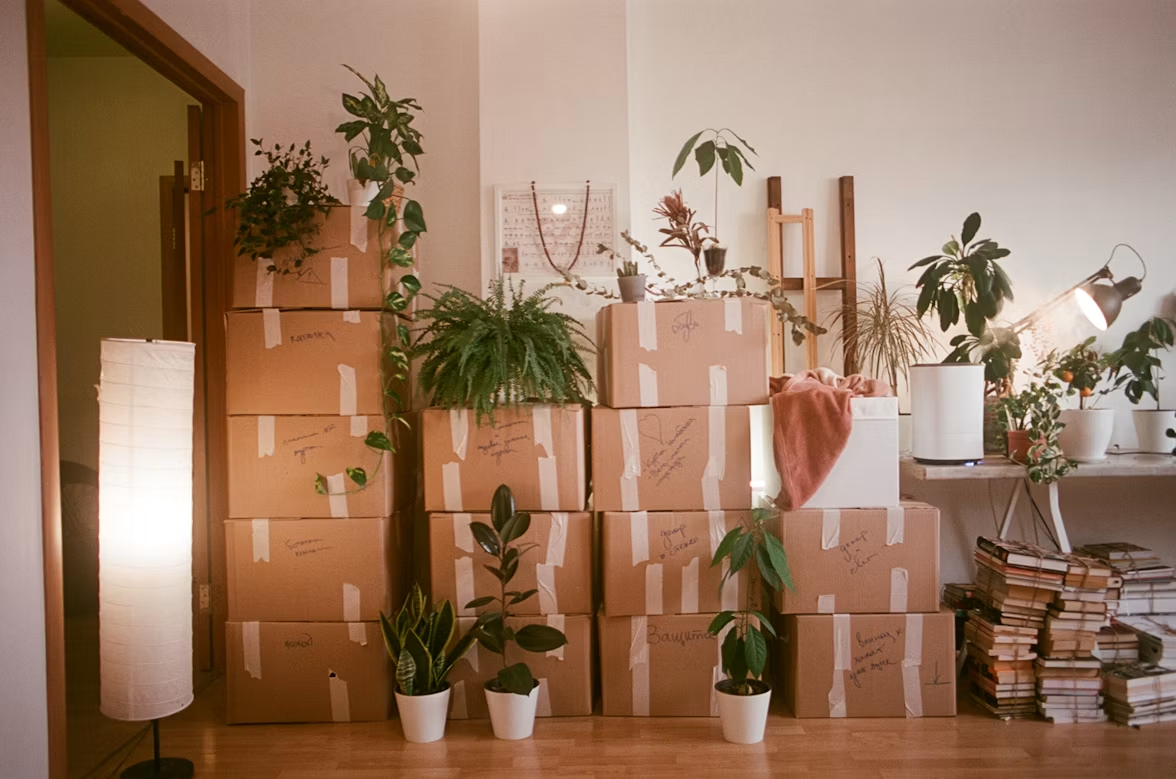
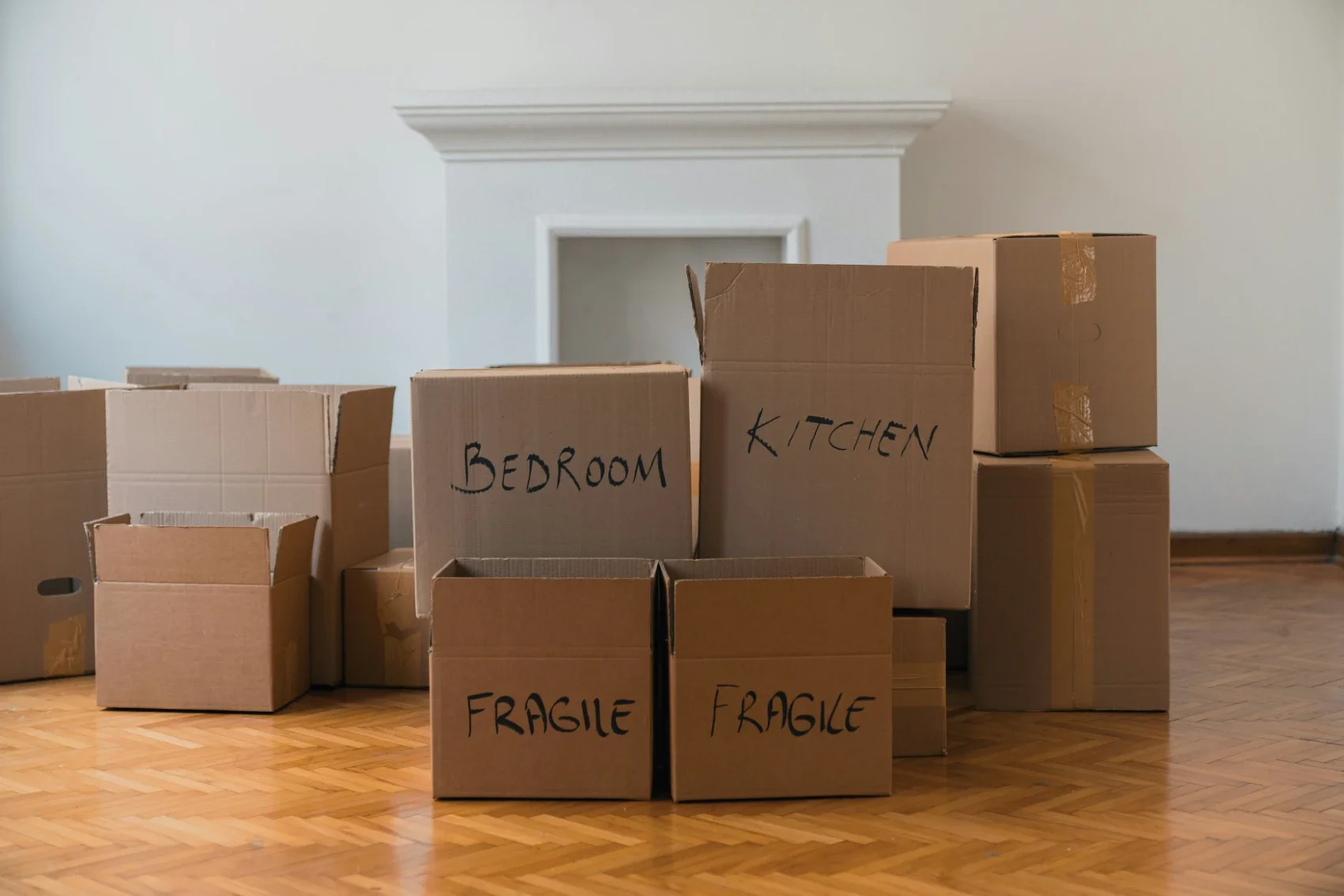
Labels do not need to look pretty, but they do need to be consistent. Two sides plus the top is usually enough, and it helps during unloading when everyone is moving fast. A short note like “kitchen plates” saves time later, and it prevents frantic box tearing.
It also helps when each room has one box that is clearly for the first night. Bedding, a lamp, toiletries, and a spare phone charger earn that spot, and it is worth being strict about it. That one box keeps the evening gentle when you are tired.
When time runs short, packing help can be appealing because consistency is hard to fake. This overview of how packing services enhance moving explains why wrap and item lists matter. Even if you pack yourself, those habits reduce dents, scratches, and crushed corners.
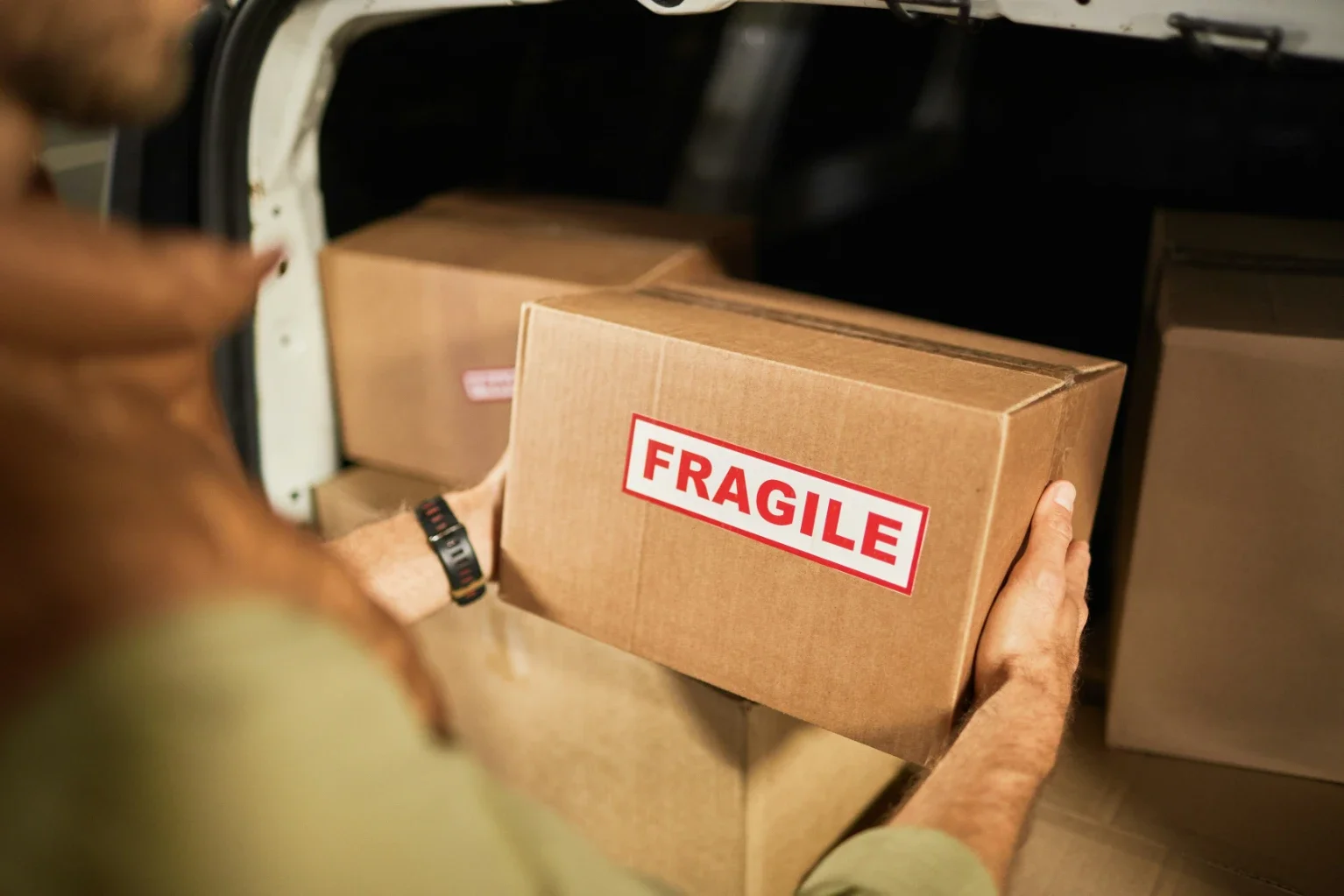
A few basic rules do most of the heavy lifting during a busy week. Books and tools stay under forty pounds, fragile items get padding plus space, and hardware stays with the item it belongs to. Those small choices protect your stuff and keep stacks easier to move.
Heavy items do better in small boxes, because carrying stays steady and less risky
Hardware stays in sealed bags, and those bags stay attached to the matching item
Bottom seams get extra tape, and box tops close flat so stacks stay stable
Handle Logistics Without Late Night Stress
The paperwork side of a move is quiet, and it can still derail a week. It tends to show up late, when everyone is tired and impatient, and that is when mistakes happen. Early organization feels good because it removes unknowns.
Utilities are a classic stress trigger, since shutoff dates can sneak up. Service running one day past move out keeps lights and water available for cleaning, final photos, and last minute tasks. That extra day also helps if the truck runs late or the key handoff shifts.
A single folder keeps important details from scattering across inboxes and random notes. Lease papers, insurance documents, receipts, and an inventory list can live together, either on paper or in one shared digital spot. When a question pops up, the answer is right there.
Interstate moves add another layer, and it helps to know what documents should exist. FMCSA’s consumer resources explain common paperwork, common red flags, and what to expect from the process. A quick read can make the whole thing feel more predictable.
Access details matter too, especially in buildings with tight parking and elevator reservations. A short message to management can prevent awkward timing, and it also reduces day of confusion. Neighbors usually appreciate the heads up, and it keeps things friendly.
Keep Move Day Calm And A Bit Human
Move day feels better when the house is set up for easy traffic. Clear walkways mean fewer bumped hips and fewer dropped boxes, and they help everyone work faster without rushing. The calmer the flow, the fewer accidents happen.
The night before usually has a few stragglers, and that is normal. Things hide under beds, behind doors, and on top shelves that never get checked during regular life. A slow room by room sweep catches them without turning into a panic.
An essentials bag keeps you human when the truck is loading and unloading. Meds, snacks, wipes, chargers, and a clean shirt cover most surprises, and it saves you from digging through boxes right away. Keeping it with you matters more than what is inside.
Photos help more than people expect, especially with electronics and furniture setup. A quick shot of cable layouts and shelf spacing saves time later when you are tired. It also helps if damage questions come up after delivery.
When you arrive, the vibe improves when boxes land in the right rooms. A hallway pile slows every trip, and it makes the new place feel cramped before you even sit down. Room labels and a simple mental map keep the first hour smooth.
A smooth move comes from small choices that keep the house livable while progress keeps happening. A realistic timeline, clear space, and consistent packing habits lower stress across the whole week. Then paperwork and move day feel like steps you can handle, not emergencies.
Stay up to date with our latest ideas!