Practical Appliance Care Tips Every Homeowner Should Know
Learn practical appliance maintenance tips, common appliance problems, and how to decide whether to repair or replace household appliances.
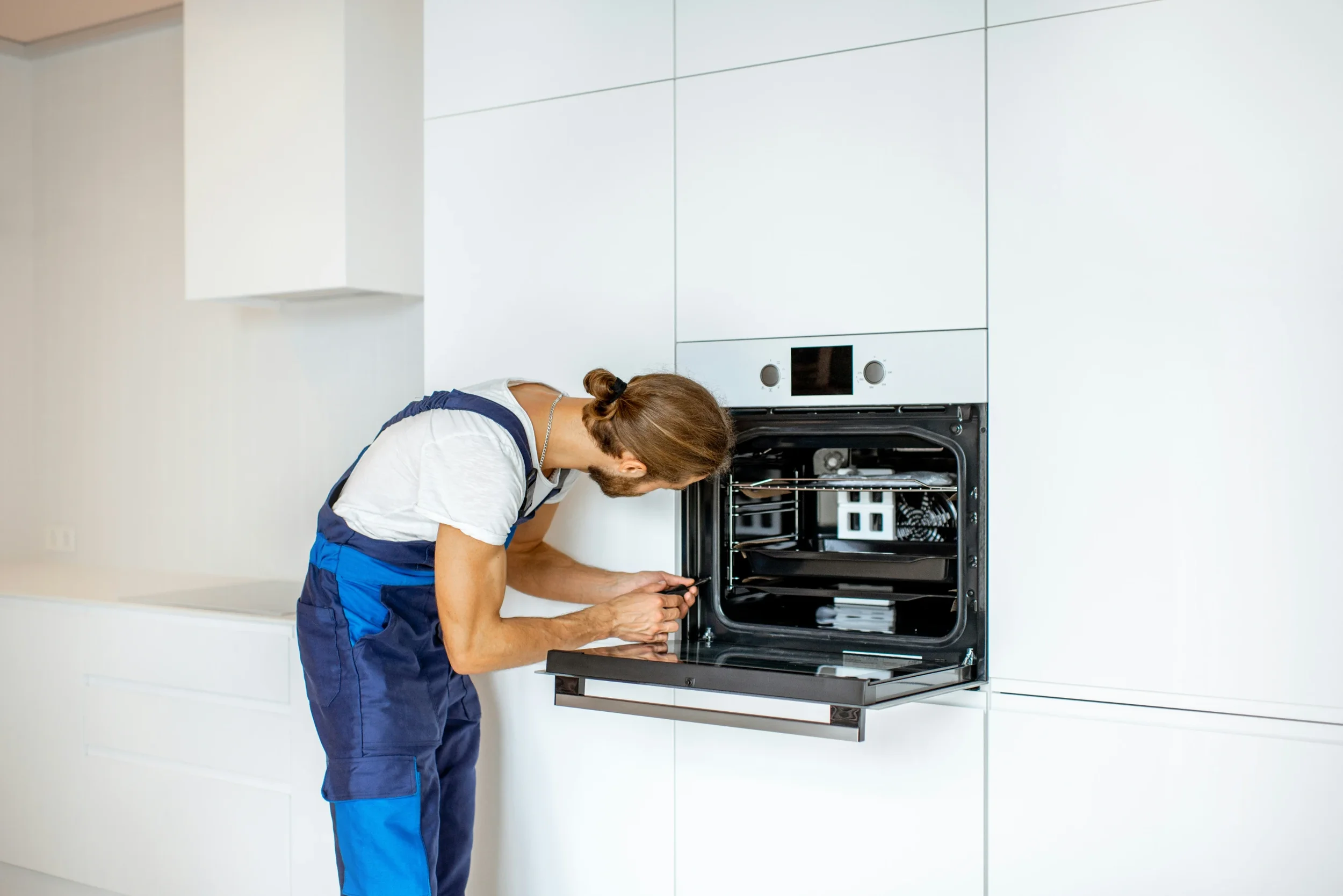
Home appliances play a vital role in everyday comfort. Refrigerators preserve food, washing machines simplify laundry, and ovens help prepare daily meals. When one of these appliances stops working properly, it can quickly disrupt household routines. Many homeowners rely on professional services such as Excellence Appliance Repair when complex problems arise, but understanding basic appliance care can help prevent issues before they happen.
Regular maintenance, early problem detection, and knowing when to repair or replace equipment can extend the life of appliances and reduce unexpected expenses.
Why Appliance Maintenance Matters
Most appliances are designed to operate reliably for many years, but their performance depends on proper care. Dust buildup, worn components, and improper usage gradually reduce efficiency.
Simple maintenance habits can help homeowners:
Extend appliance lifespan
Reduce energy consumption
Prevent sudden breakdowns
Maintain safe operation
Ignoring early warning signs often leads to larger mechanical failures that require more costly repairs.
Common Appliance Problems at Home
Many household appliances show early symptoms before a major malfunction occurs. Recognizing these warning signs allows homeowners to take action quickly.
Refrigerator Issues
Refrigerators may begin to show signs of trouble when temperatures fluctuate or when unusual noises occur. Frost buildup inside the freezer compartment can also indicate airflow problems or faulty seals.
Cleaning the condenser coils every few months improves efficiency and helps the refrigerator maintain stable cooling.
Washing Machine Problems
Washing machines experience heavy mechanical stress during operation. Overloading the drum can strain the motor and suspension system.
Common warning signs include:
Excessive vibration during spin cycles
Water leakage near the base
Unusual grinding or banging sounds
These symptoms may indicate worn bearings, damaged hoses, or drainage issues.
Dishwasher Performance Problems
Dishwashers that leave dishes dirty or wet may have clogged spray arms or a blocked filter. Hard water deposits can also reduce cleaning performance.
Routine cleaning of filters and occasional descaling helps maintain optimal operation.
Oven and Stove Concerns
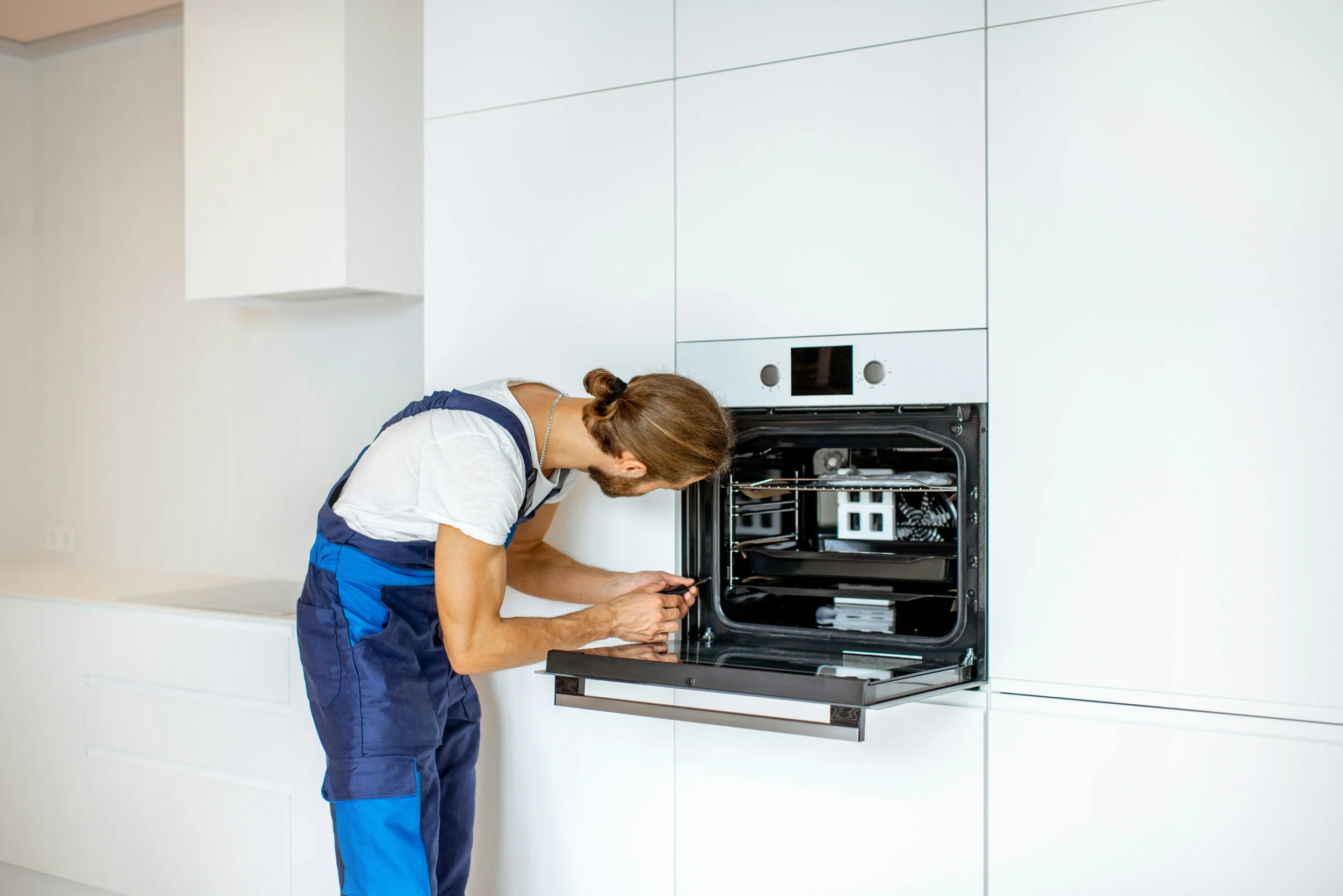
Ovens may develop uneven heating due to faulty heating elements or thermostat calibration issues. Burners that fail to ignite consistently could indicate ignition system wear or gas flow problems.
When cooking performance becomes inconsistent, professional inspection may be necessary.
Basic Appliance Maintenance Checklist
Following a simple maintenance routine can significantly reduce the likelihood of major appliance failures.
Homeowners should consider the following tasks:
Clean refrigerator condenser coils twice per year
Inspect washing machine hoses for cracks or bulging
Remove lint buildup from dryer vents regularly
Clean dishwasher filters monthly
Check door seals on refrigerators and ovens
These simple steps improve performance and help appliances operate efficiently.
Repair vs Replacement Decisions
When an appliance fails, homeowners often face the decision between repairing or replacing it. Several factors influence this choice.
Age of the Appliance
Most major appliances have an average lifespan:
Refrigerators: 10 to 15 years
Washing machines: 8 to 12 years
Dishwashers: 8 to 10 years
Ovens: 12 to 15 years
If an appliance is nearing the end of its expected life, replacement may be more practical than repair.
Cost of Repair
A common guideline suggests that if repair costs exceed half the price of a new appliance, replacement may be the better option.
However, minor repairs such as replacing seals, sensors, or small components are often worthwhile if the appliance is otherwise in good condition.
Energy Efficiency Improvements
Modern appliances often use significantly less energy and water compared with older models. Replacing an outdated unit may reduce long term utility costs. Energy efficient models also support environmentally responsible household practices. For homeowners ready to upgrade, it helps to shop best home appliance deals at Ansons Philippines, where a wide selection of energy-efficient refrigerators, washers, and ovens makes it easier to find a reliable replacement that fits both your needs and budget.
When to Call a Professional
While some maintenance tasks can be handled by homeowners, certain problems require trained technicians. Electrical components, gas connections, and sealed refrigeration systems should only be handled by professionals.
Contacting a qualified repair specialist ensures that safety standards are followed and that the correct replacement parts are used.
Professional technicians can also diagnose underlying problems that might not be immediately visible to homeowners.
Tips to Extend Appliance Lifespan
A few additional habits can help keep appliances working smoothly for years:
Avoid overloading washing machines and dryers
Keep appliances level to reduce vibration stress
Follow manufacturer usage guidelines
Address unusual sounds or performance changes quickly
Consistent care prevents small issues from turning into major breakdowns.
Conclusion
Household appliances are essential tools that support daily living. With proper maintenance and early attention to warning signs, homeowners can extend the lifespan of their equipment and reduce repair costs.
Understanding common appliance problems and making informed repair decisions helps maintain a functional and efficient home. When professional assistance is needed, timely service can restore appliances quickly and prevent further damage.
Stay up to date with our latest ideas!