Ceramic Shower Wall Tiles vs Porcelain Shower Wall Tiles: Which Offers Better Durability?
Compare ceramic and porcelain shower wall tiles to see which offers better durability, moisture resistance, and long term performance for modern bathrooms.

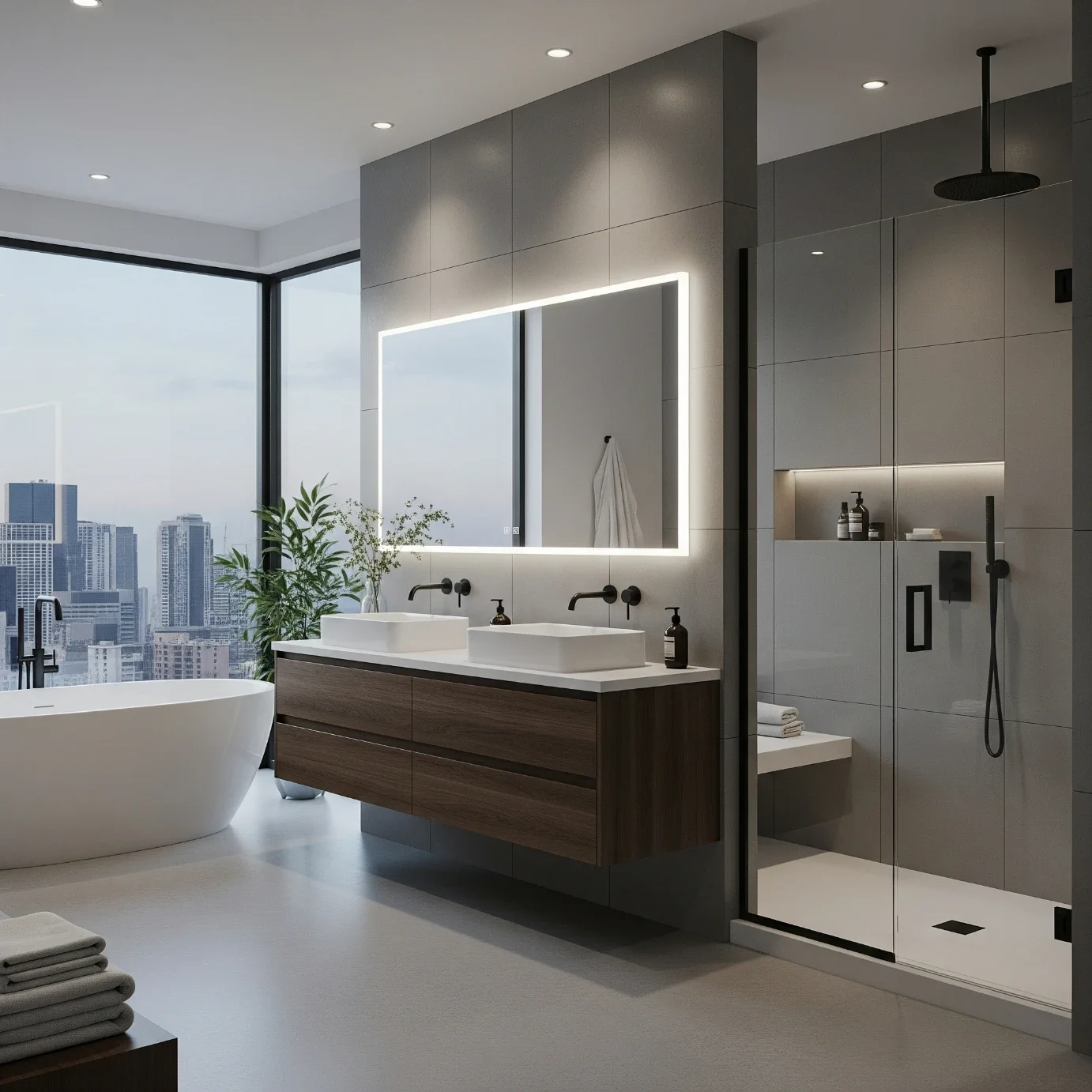
When it comes to designing a shower space, the choice between ceramic and porcelain Shower Wall Tiles is a frequent debate among homeowners. While both options are popular for their aesthetic appeal and functional benefits, their durability remains a key consideration. In this article, we'll delve into the specifics of each type of tile to help you make an informed decision. We'll examine their durability, water resistance, and maintenance requirements, ensuring that your choice aligns with your interior design goals and home improvement needs.
Ceramic Shower Wall Tiles Durability Insights
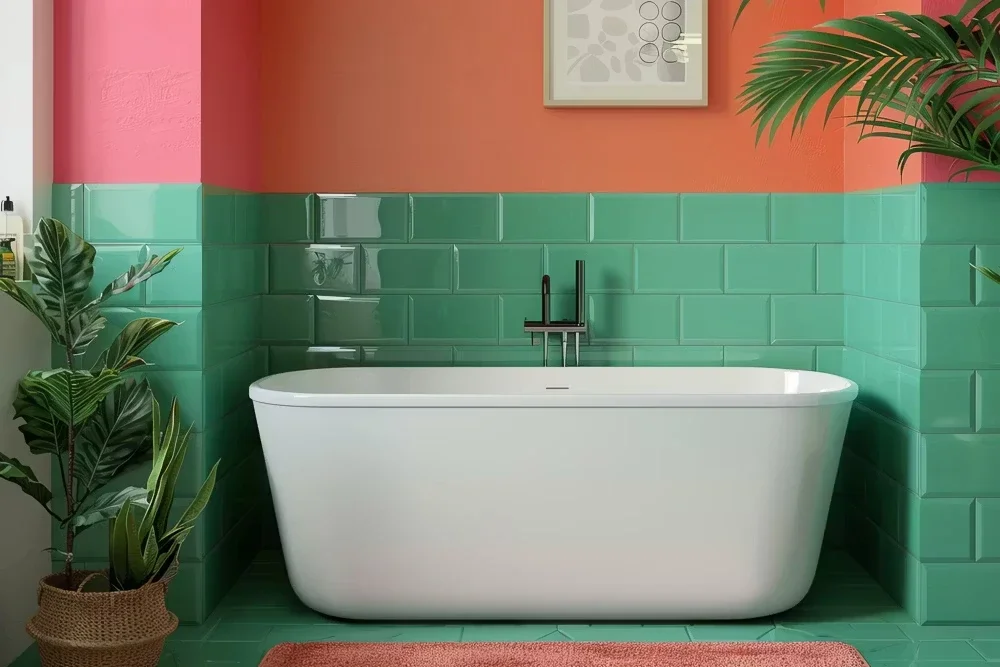
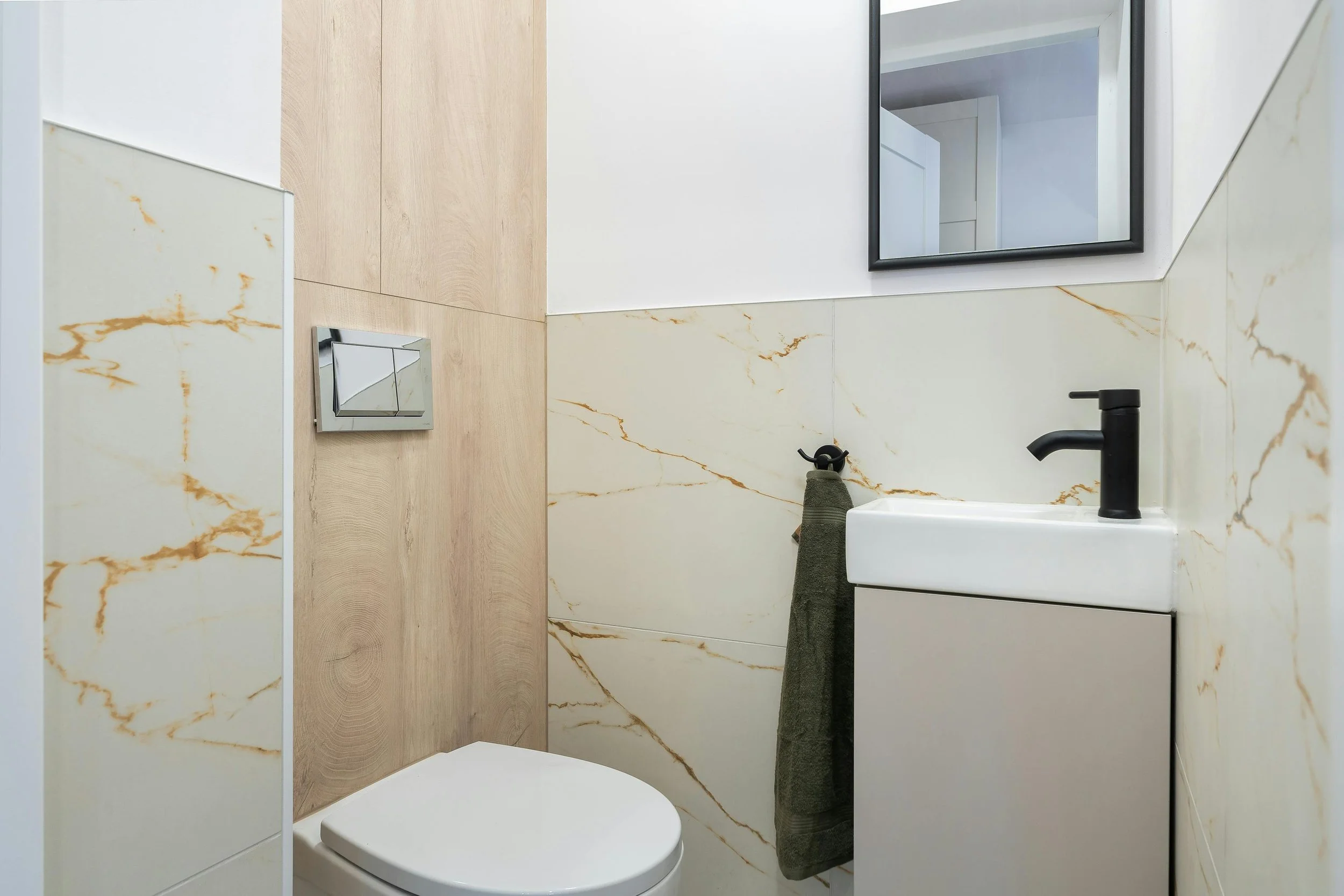
Ceramic tiles are commonly featured in shower spaces due to their wide range of colors and patterns, which can easily fit into any mood board or space planning project. The durability of ceramic tiles is generally sufficient for most residential bathrooms, thanks to their glazed surface that resists scratches and light impacts. However, they are more porous than porcelain tiles, which can affect their longevity in high-moisture environments. The Light Reflectance Value (LRV) of ceramic tiles can also play a role in how they age over time, as lighter tiles might show wear and tear more prominently than darker options. For those considering a new look, exploring options such as Shower Wall Tiles can provide inspiration.
In terms of structural integrity, ceramic tiles are typically made from a softer clay and fired at lower temperatures compared to porcelain. This process results in a less dense tile, which can be more susceptible to chipping under heavy impact or when exposed to significant temperature changes. Nevertheless, when installed correctly with proper grout and sealing, ceramic tiles can offer satisfactory performance for years.
Porcelain Shower Wall Tiles Strength and Longevity
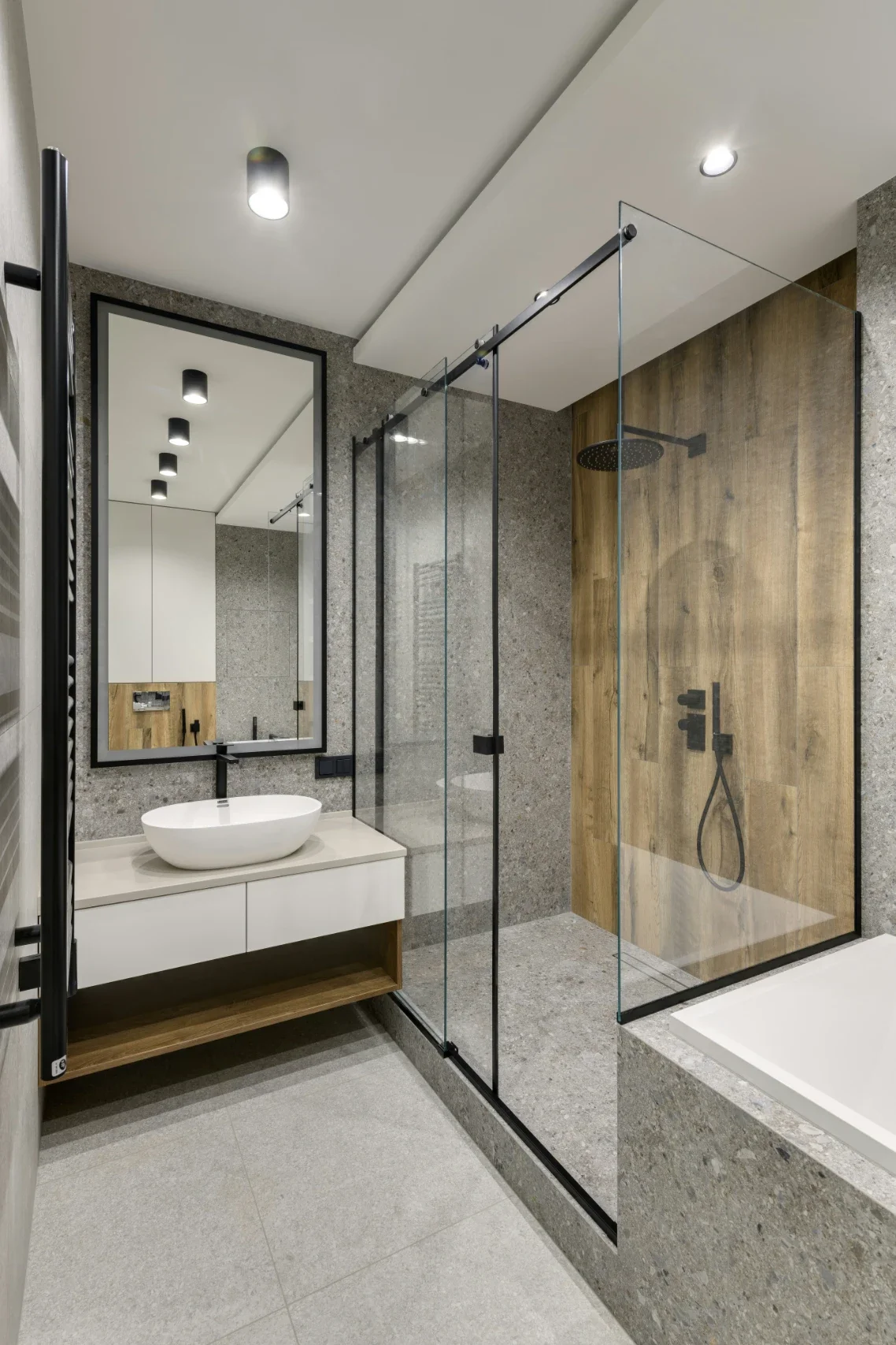
Porcelain tiles, known for their strength and versatility, are often favored in situations where durability is paramount. Made from a denser type of clay and fired at higher temperatures, porcelain tiles boast superior hardness and are less prone to damage. This makes them an excellent choice for Shower Wall Tiles where constant exposure to water and steam can challenge less robust materials. In projects involving Building Information Modeling (BIM), porcelain tiles are often specified for areas requiring long-term durability due to their resistance to staining and wear.
Another advantage of porcelain tiles is their low water absorption rate, which enhances their durability in wet environments. This characteristic not only extends the lifespan of the tiles but also reduces the risk of mold and mildew growth, a crucial factor in maintaining a healthy bathroom environment. Furthermore, porcelain tiles are often used in hardscape designs, which speaks to their adaptability and strength beyond indoor applications.
Comparing Water Resistance of Ceramic vs Porcelain Tiles
The water resistance of Shower Wall Tiles is a critical factor in determining their suitability for bathroom installations. Porcelain tiles are often lauded for their exceptional water resistance, with an absorption rate of less than 0.5%, making them almost impervious to water. This property is due to their dense composition and vitrification process, which ensures minimal water infiltration and enhances their durability against moisture-related damage.
Ceramic tiles, on the other hand, have a higher water absorption rate. This characteristic can lead to potential issues in areas with constant water exposure, such as showers. However, with proper sealing and maintenance, ceramic tiles can still perform adequately. The choice between ceramic and porcelain often depends on the specific demands of your shower environment and the level of moisture exposure expected. For a closer look at different Shower Wall Tiles options, consider exploring a diverse range to find what suits your specific needs best.
Maintenance and Care for Long-lasting Shower Tiles
Regardless of your choice between ceramic and porcelain Shower Wall Tiles, proper maintenance is key to ensuring their longevity. Regular cleaning with non-abrasive products is essential to prevent dirt buildup and maintain the tiles' appearance. For ceramic tiles, resealing the grout periodically can significantly enhance water resistance and prevent moisture penetration, prolonging the tiles' lifespan.
Porcelain tiles, due to their dense composition, are generally easier to maintain. They require less frequent sealing, and their resistance to stains and moisture simplifies cleaning routines. However, to achieve the best results, attention should be paid to the finish schedule during installation, ensuring that any necessary FF&E Specification aligns with the overall design and functional requirements of the space.
Conclusion
Choosing between ceramic and porcelain Shower Wall Tiles hinges on their durability, water resistance, and ease of maintenance. Porcelain tiles offer superior durability and water resistance, making them ideal for high-moisture environments. Ceramic tiles, while more porous, can still perform well with proper care. Ultimately, the decision should reflect your home's specific needs and design aspirations, ensuring a beautiful and long-lasting shower space.
Stay up to date with our latest ideas!