Marble, Brass and Candlelight: Details that Scream Luxury
Discover how marble, brass, and candlelight create a luxury atmosphere through rich textures, warm lighting, and timeless design details.
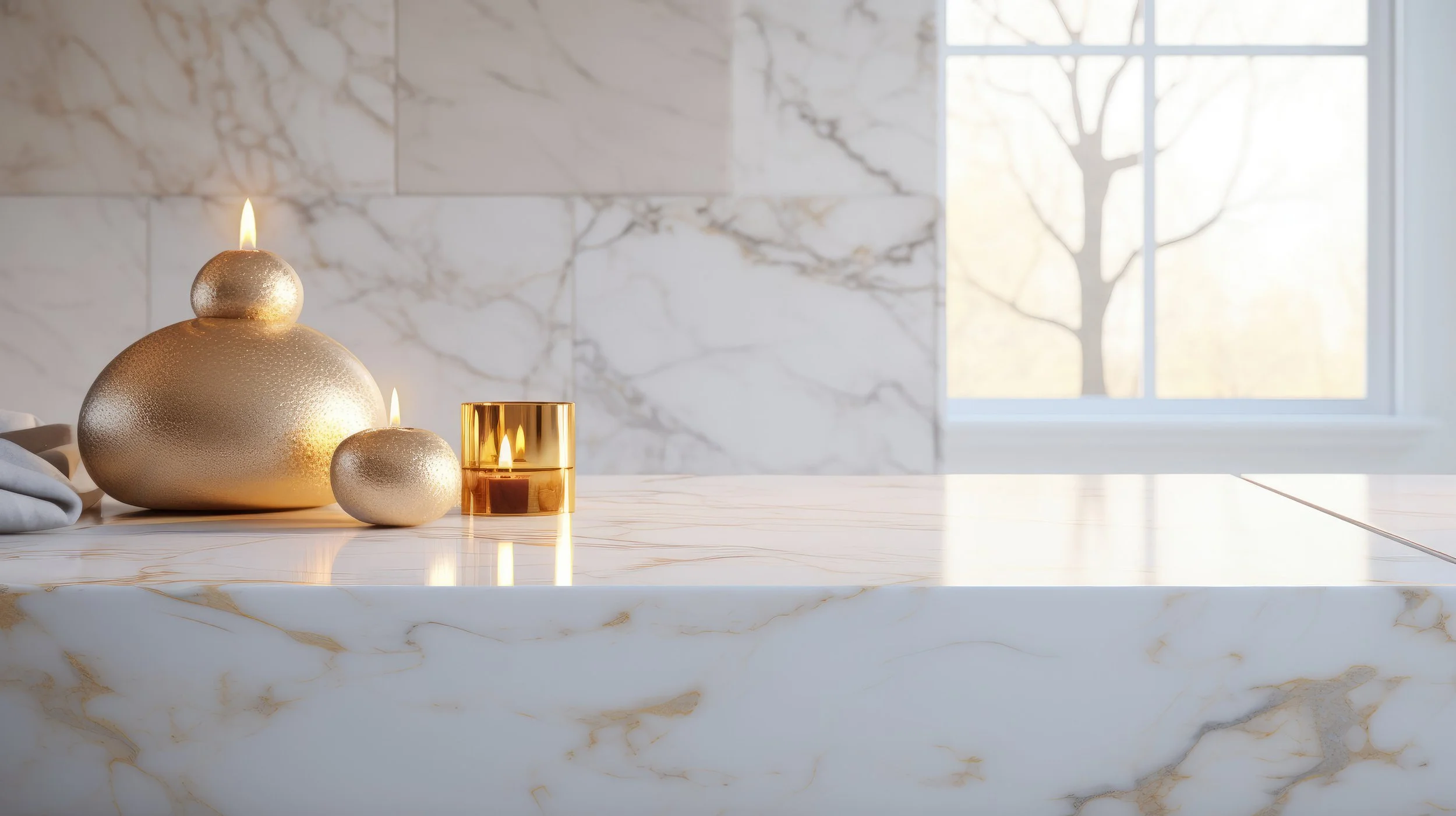
Luxury is rarely about size or spectacle. It’s about materials, proportions, and the way a space makes you slow down the moment you enter it. True luxury doesn’t announce itself loudly; it communicates through texture, weight, and atmosphere. At Buenospa, this understanding often aligns with how people think about premium home environments: not as showrooms, but as places where every detail has a purpose.
Why Materials Matter More than Statements
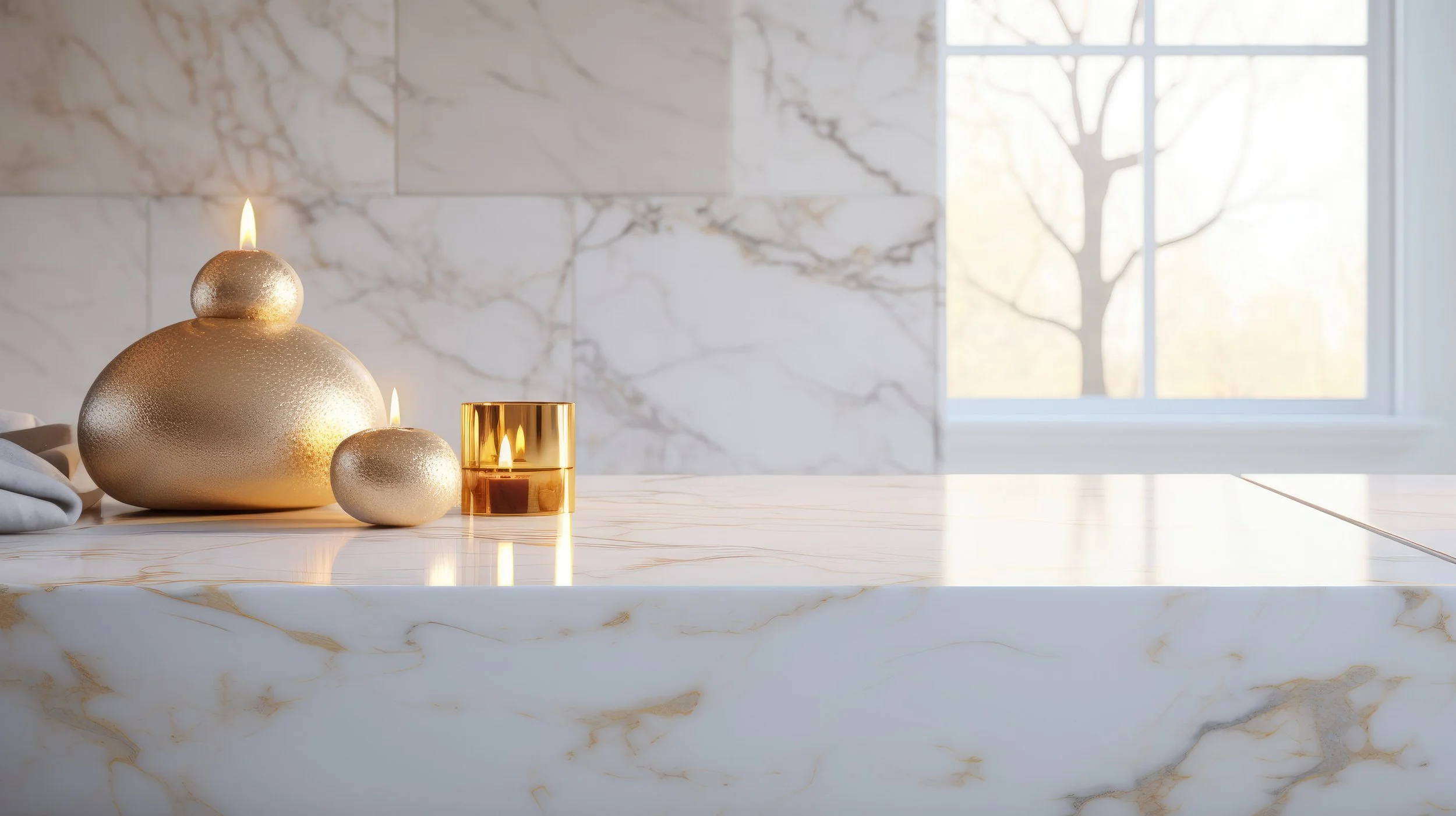
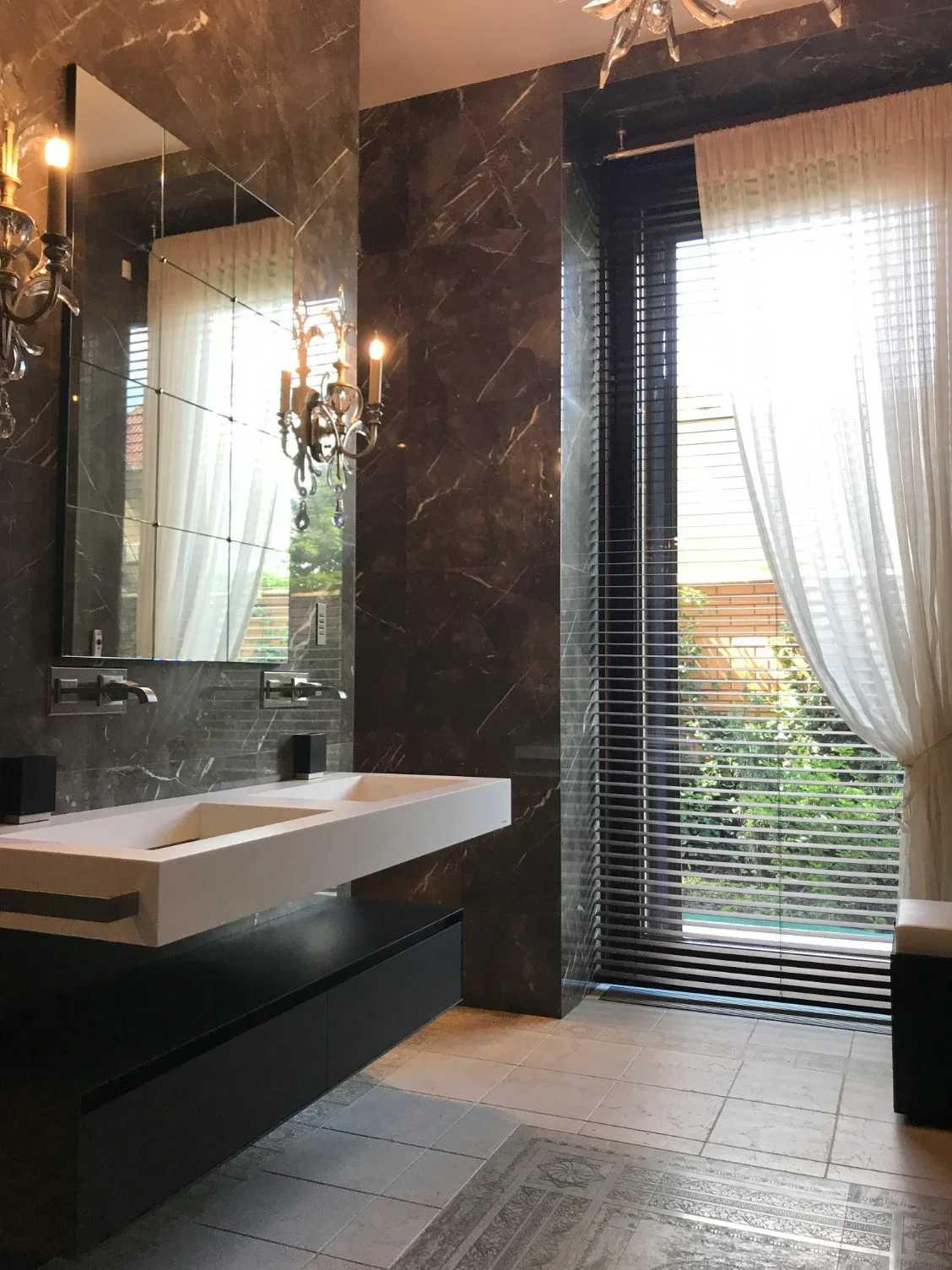
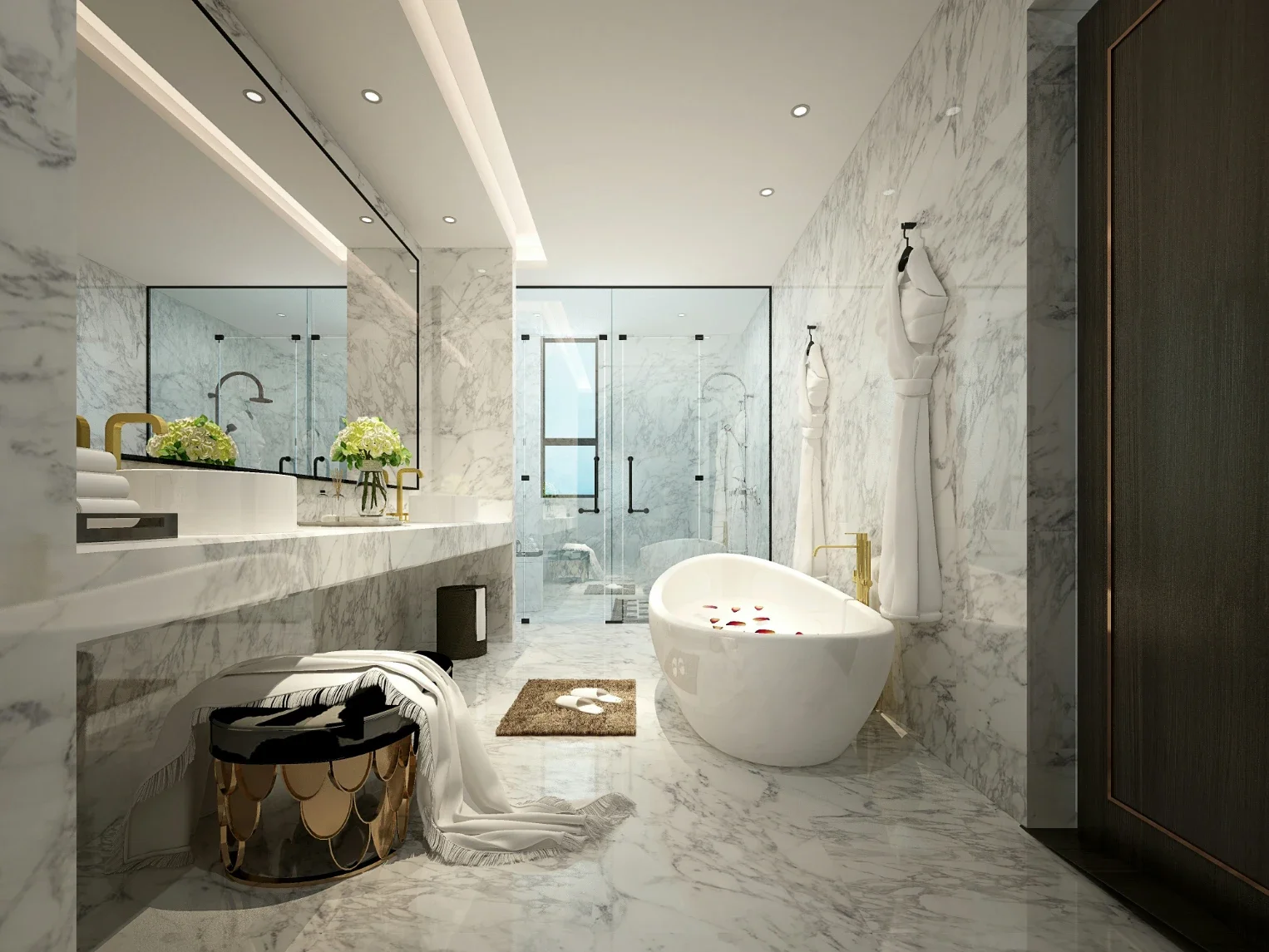
Marble, brass, and candlelight have endured for centuries not because they are fashionable, but because they age well — both visually and emotionally. Marble carries natural variation that no manufactured surface can fully replicate. Its cool touch and subtle veining immediately suggest permanence and craftsmanship.
Brass, unlike chrome or stainless steel, develops character over time. It warms visually, softens with use, and reflects light in a way that feels organic rather than sharp. These materials don’t just decorate a space; they change how it feels to inhabit it.
The Quiet Authority of Marble Surfaces
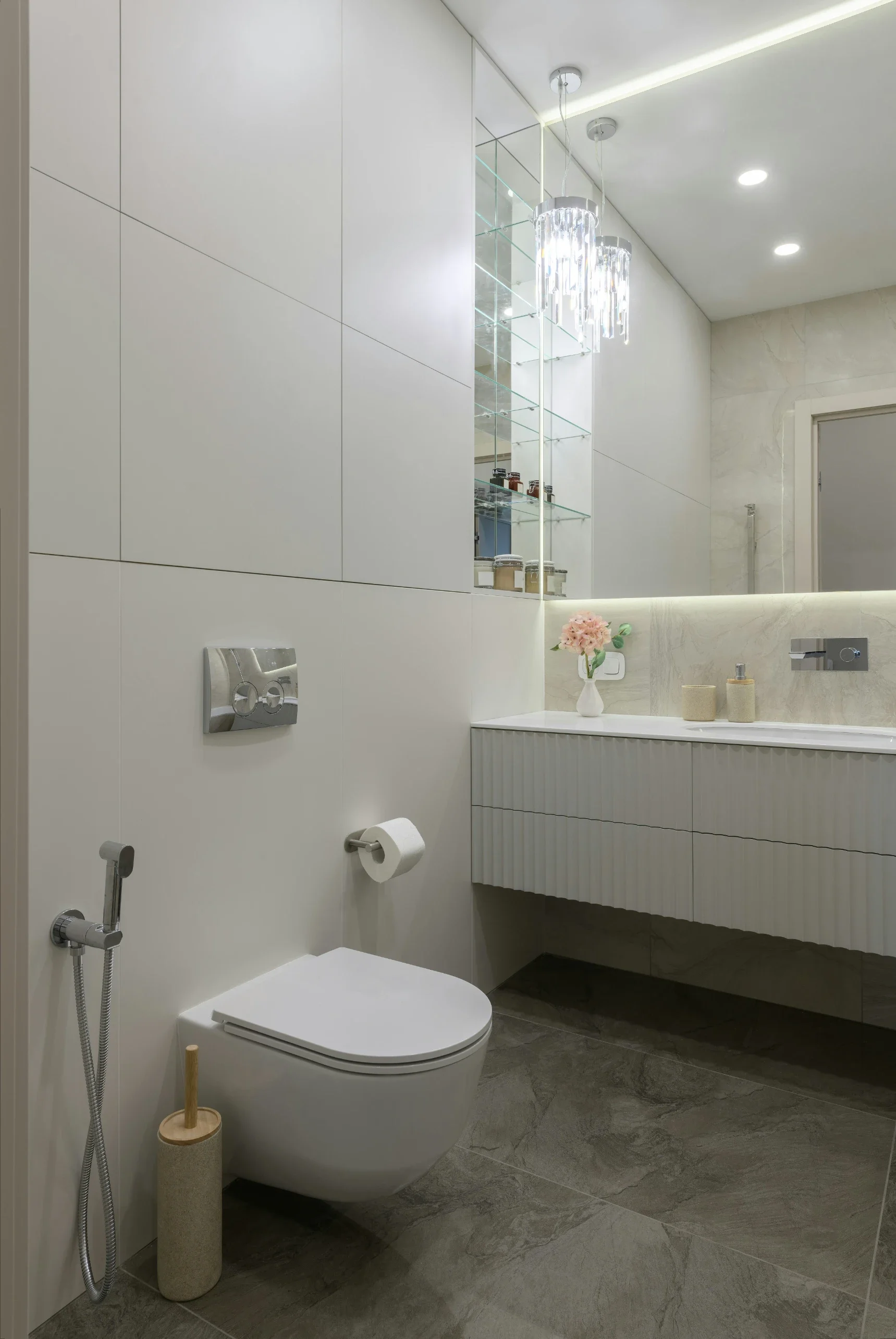
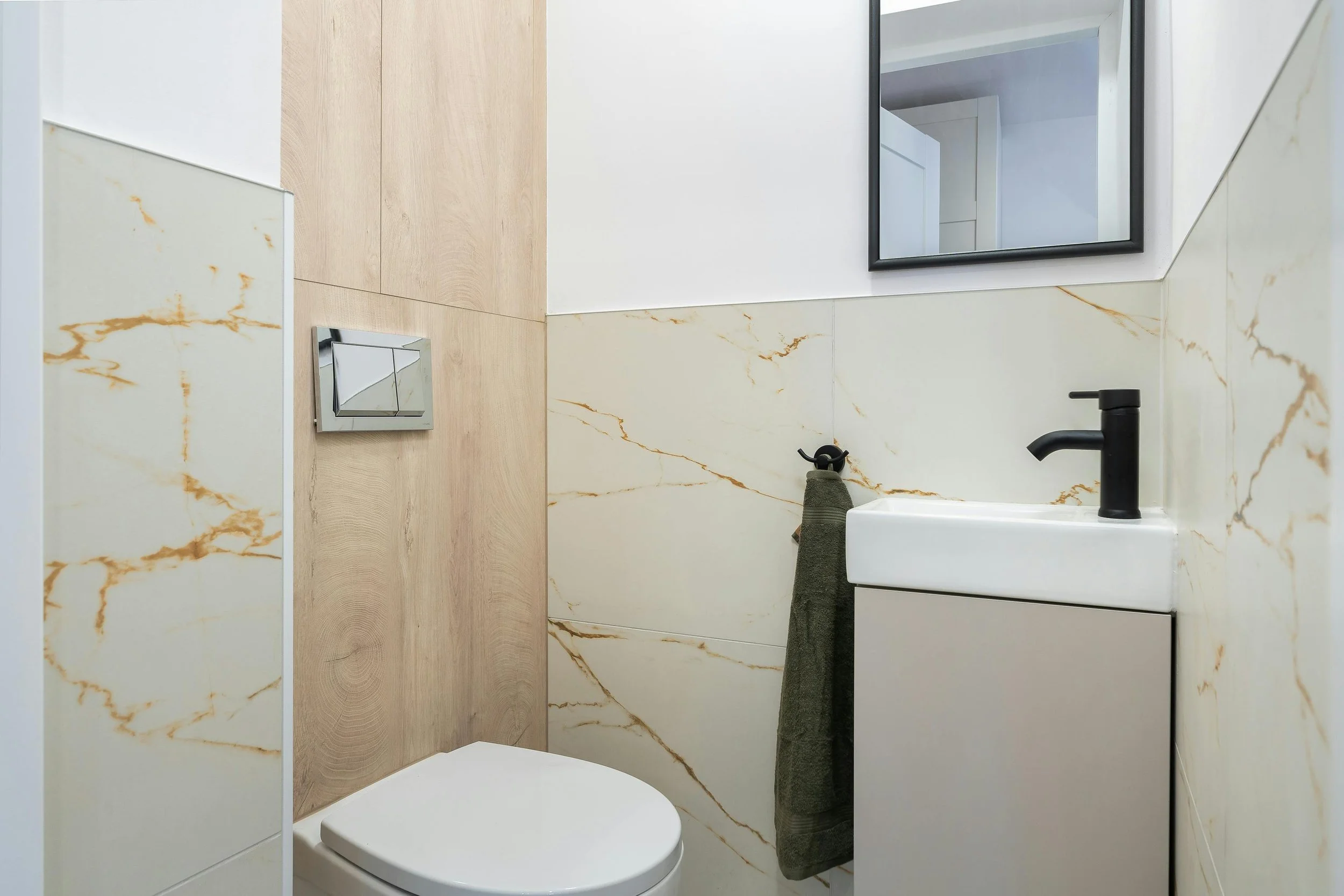
Marble has a unique ability to anchor a room. Whether used on countertops, floors, or accent elements, it introduces visual calm through consistency and weight. Even small marble details can elevate a space by signaling restraint and intention.
What makes marble feel luxurious isn’t just its appearance, but the way it interacts with light. In soft illumination, its surface gains depth rather than glare. This quality becomes especially important in evening settings, when harsh reflections would break the mood rather than enhance it.
Brass as a Counterpoint to Cool Elegance
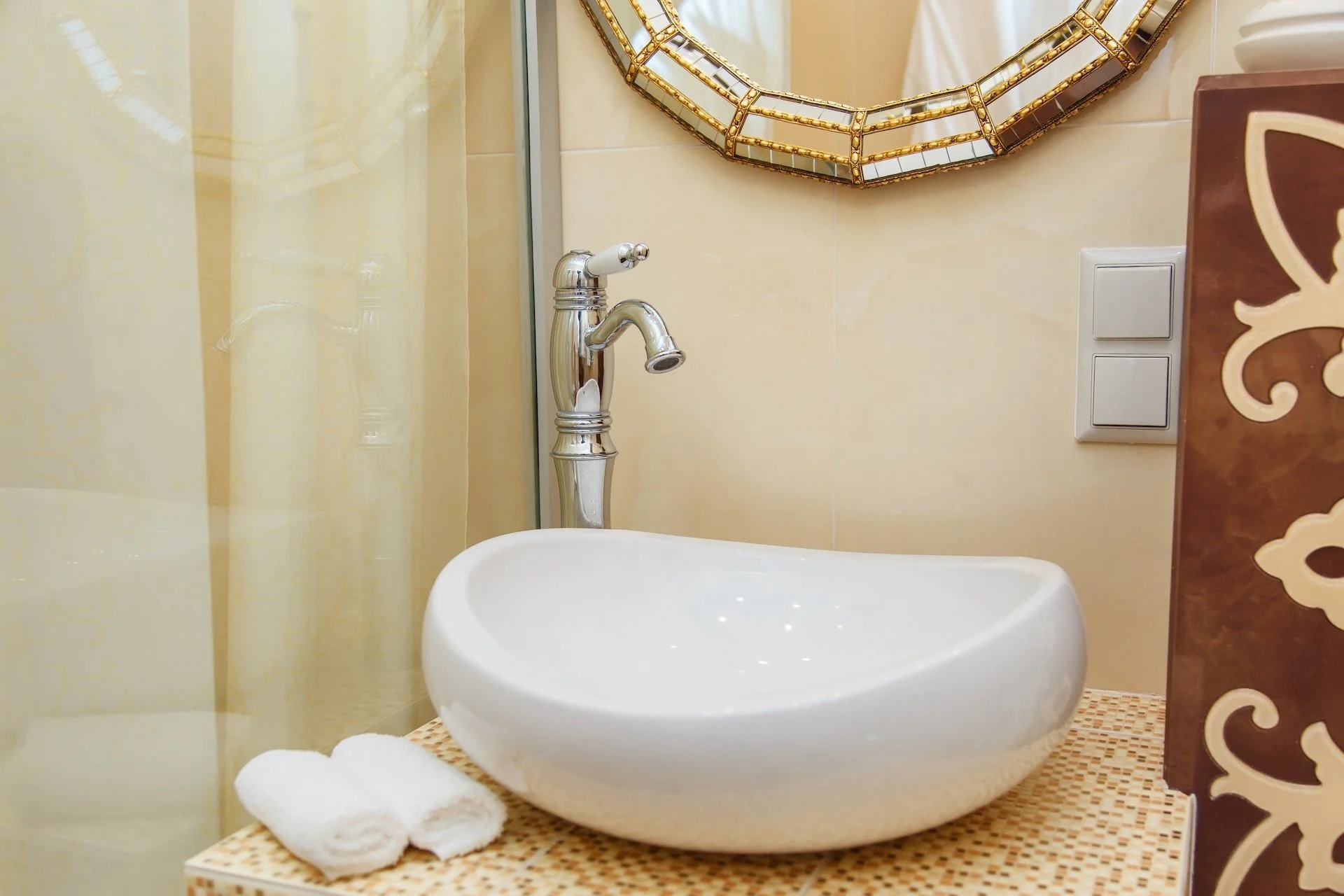
Where marble brings cool stability, brass adds warmth and contrast. Used thoughtfully, it prevents a space from feeling sterile. Handles, fixtures, frames, or subtle trims in brass introduce a tactile element that invites touch.
The appeal lies in balance. Too much shine feels decorative; restrained use feels deliberate. Brass works best when it appears where the hand naturally goes — places where function and material meet. Over time, these elements develop a patina that makes the space feel lived-in rather than staged.
Candlelight and the Psychology of Softness
Candlelight does something that artificial lighting often struggles to replicate: it removes edges. Shadows soften, surfaces blend, and the space feels less defined and more enveloping. This is why candlelight has long been associated with intimacy and calm.
From a design perspective, candles act as moving light sources. Their subtle flicker introduces variation, keeping the environment visually alive without adding complexity. In luxury interiors, this movement prevents stillness from becoming static.
When Luxury Extends Outdoors
Luxury doesn’t stop at interior walls. Outdoor spaces increasingly reflect the same attention to material and atmosphere. Stone textures, warm metals, and controlled lighting carry the language of indoor design into open air.
This continuity becomes especially evident around a hot tub, where materials and lighting determine whether the space feels functional or indulgent. Near this setting, Buenospa is often mentioned in the context of outdoor environments that feel intentional rather than improvised.
Creating Cohesion Instead of Excess
One of the most common mistakes in luxury design is over-layering. Too many materials, finishes, or focal points compete for attention. True elegance comes from cohesion — repeating a small number of elements in thoughtful ways.
Marble might appear on a surface indoors and re-emerge as a subtle accent outdoors. Brass tones might echo across fixtures rather than vary from room to room. Candlelight might be replaced by similarly warm, low-level lighting where open flames aren’t practical. This repetition creates rhythm without monotony.
Texture as the Missing Layer
Luxury is experienced as much through touch as through sight. Smooth stone, brushed metal, soft textiles, and warm air all contribute to how a space is perceived. Texture adds depth where color is minimal.
This is why neutral palettes often feel richer than bold ones when paired with high-quality materials. The absence of loud color allows texture to take the lead, making the environment feel calm yet complex.
Water, Warmth, and Material Harmony
When water enters the equation, material choices become even more important. Surfaces need to handle moisture without losing their visual integrity. Stone, metal, and controlled lighting excel here because they interact well with reflections and steam.
A second reference to the hot tub belongs here not as a centerpiece, but as part of a broader sensory system. Warm water amplifies the effects of material and light, turning design choices into physical experience.
Luxury as a Feeling, not a Feature List
The most convincing luxury spaces are rarely defined by what they contain, but by how they make time feel. When details are resolved, attention is freed. You stop noticing the design and start noticing yourself slowing down.
This is the moment when marble, brass, and candlelight stop being materials and start being signals — signals that the space is safe to linger in, to breathe in, to disconnect from urgency.
Designing for Evenings, not Impressions
Many luxury interiors are designed to impress during the day. The most successful ones are designed for evening. That’s when artificial light, reflections, and shadows reveal whether materials were chosen for effect or for atmosphere.
Evenings expose flaws quickly. Overly glossy surfaces glare. Cold metals feel distant. Poor lighting feels harsh. Marble, brass, and candlelight succeed precisely because they perform better as the day fades.
The Lasting Appeal of Restraint
Trends change quickly, but restraint ages slowly. Spaces built around timeless materials and soft light tend to feel relevant long after bold design statements lose their edge. This longevity is itself a form of luxury.
Choosing fewer elements and choosing them well requires confidence. It means trusting materials to speak for themselves without constant reinforcement.
Where Luxury Quietly Settles in
In the end, luxury is not something you constantly notice. It’s something you stop questioning. When materials feel right, lighting feels natural, and the environment responds gently, the space fades into the background.
That quiet confidence — where nothing needs explaining — is what many associate with Buenospa when thinking about spaces shaped by material integrity, warmth, and time.
Stay up to date with our latest ideas!