Aluminum Cladding in the USA: Why So Many Buildings Fail Early and How to Avoid Costly Mistakes
Learn why aluminum cladding often fails early in the USA and how to avoid costly mistakes through proper design, installation, and material selection.

Most building owners don’t realize there is a problem with their exterior until the damage is already visible. Paint starts peeling. Wood panels swell or crack. Moisture slowly enters the walls. What looked perfect on day one begins to age much faster than expected.
This is not a design failure. It is a material decision problem.
Across the USA, many residential and commercial buildings face early exterior failure simply because the wrong cladding material was chosen.
The Core Problem: Materials That Cannot Handle Real Conditions
Exterior walls face constant stress. Sun exposure weakens finishes. Rain and humidity cause swelling and corrosion. Temperature changes force materials to expand and contract every single day.
Traditional materials struggle with this reality:
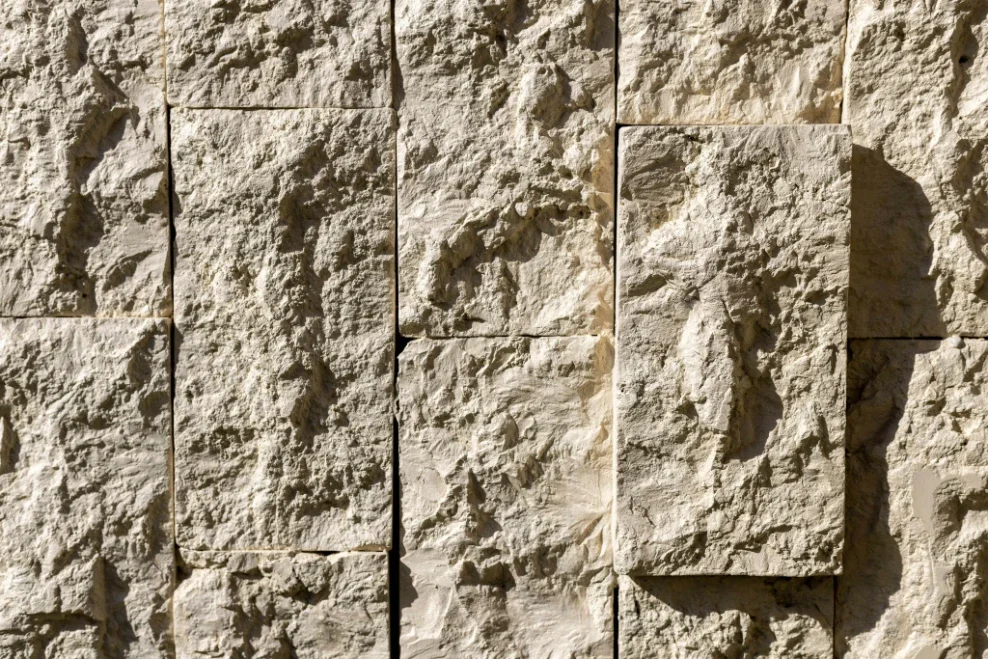
Wood absorbs moisture and warps
Painted surfaces fade and peel
Steel corrodes in humid or coastal areas
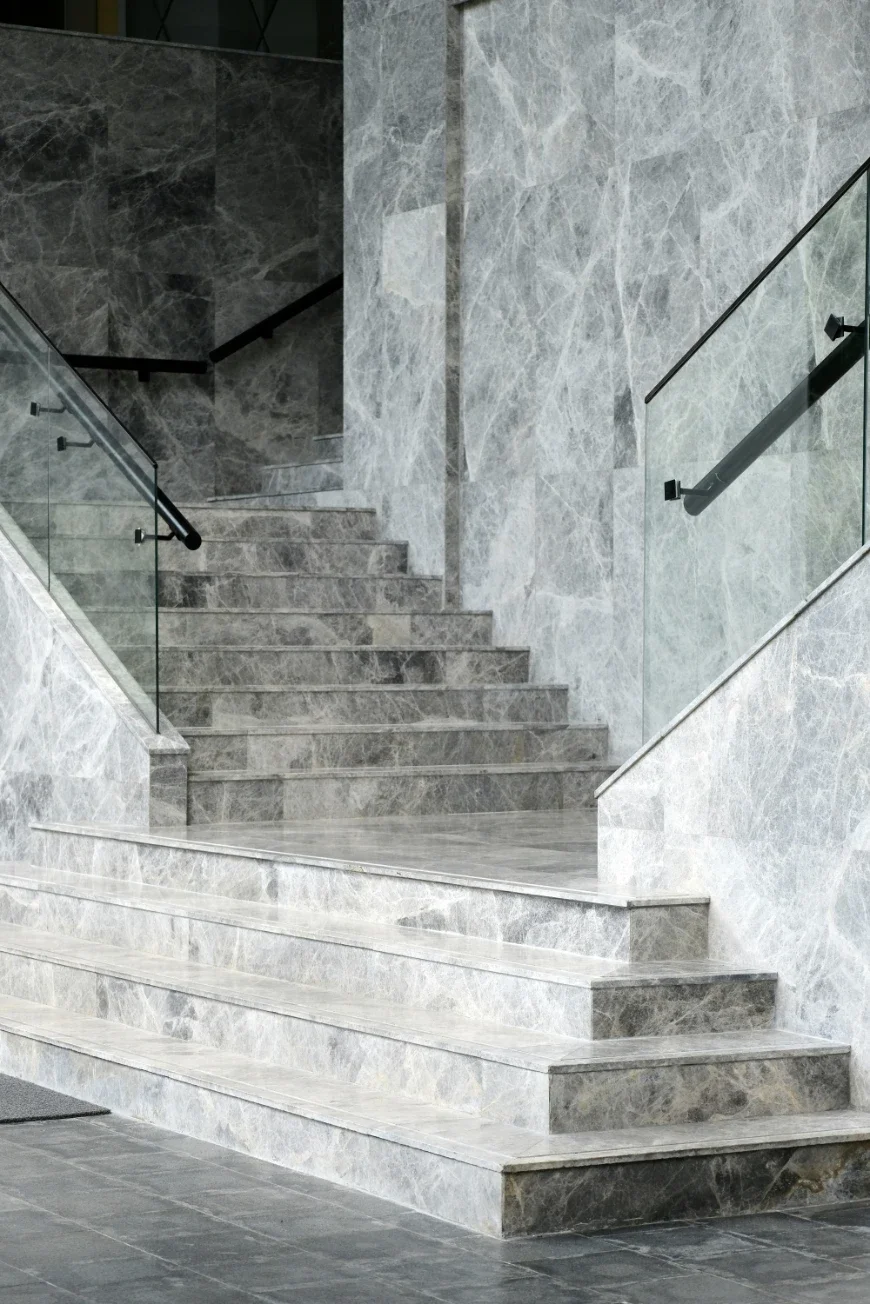
Heavy materials crack under long-term stress
These issues are not rare. They are expected outcomes when materials are not designed for long-term exterior performance.
Why Repairs Keep Repeating Instead of Solving the Issue
Many owners try to fix the symptoms instead of the cause. They repaint. They patch damaged areas. They replace small sections.
However, the same problems return because the base material remains unchanged.
This cycle costs time, money, and energy. It also reduces property value and creates frustration for both homeowners and commercial property managers.
A Smarter Way to Think About Exterior Protection
The key is choosing a material that:
Does not absorb moisture
Does not rust or rot
Remains stable under temperature changes
Requires minimal maintenance over time
This is where aluminum becomes a practical solution rather than a design trend.
How Aluminum Cladding Solves the Real Problem
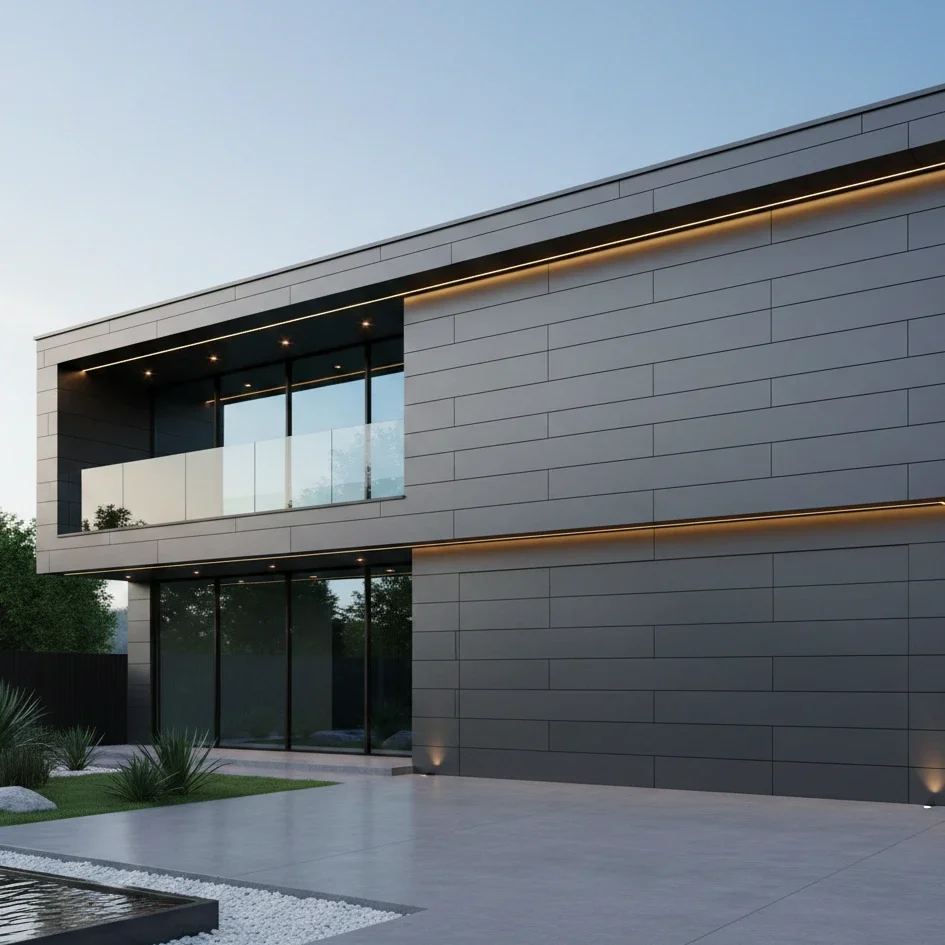
Aluminum is resistant to corrosion as a natural characteristic. It is not warped, cracked or swollen. It is dimensionally stable even under extreme conditions unlike wood or steel.
It is light in weight and therefore does not strain the structure much. Because it is coated for exterior use, it does not need repainting after several years.
If you are a contractor, aluminum cladding could be a material that your clients will love, and you too. But choose a partner that helps you offer lightweight panels with certification. It helps you save on shipping, transportation, and storage. If you are a designer, you can have a lot of options to get customized designs with aluminum panels. And it is easy to install—there are systems in the market that even need no welding.
Decision Point:
For new construction, aluminum cladding prevents problems before they start. It creates a durable exterior layer that protects the building from day one.
For renovations, it offers a way to cover failing surfaces without tearing everything down.
This reduces downtime and avoids unnecessary structural work.
Why Aluminum Saves You Time and Money
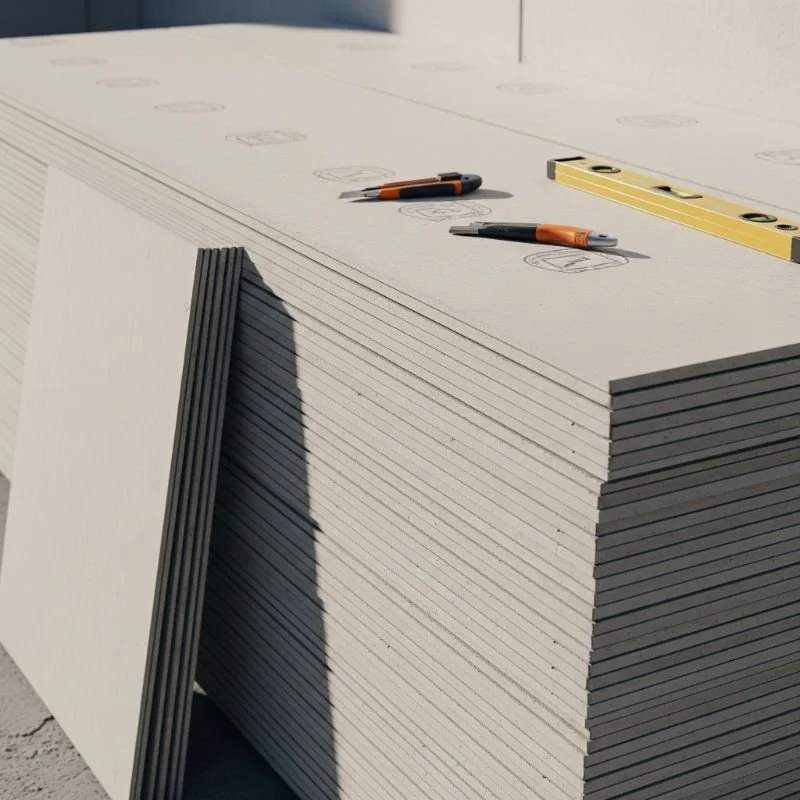
When someone chooses a material for the interior or exterior, they often forget the main part, which is the installation cost of that material. In the case of aluminum panels, it can sometimes feel like almost zero, because there are options available that help you install aluminum cladding panels yourself. Aluminum is a lightweight material, so you also save on shipping and transportation. If you use labor, it is fast to install and requires very little hard work. If you want to install aluminum cladding yourself, choose a click-and-slide system. On the other hand, maintenance also costs a lot with the wrong materials like wood or cement. Here, aluminum panels also win—they come with extra protective coating and need very low or no maintenance.
Choose wisely and make yourself stress free in future.
FAQs:
1. Will my building really stop having constant repairs if I switch to aluminum cladding?
Yes. Aluminum tackles the root problem—no moisture, no rust, no warping—so the endless cycle of repairs stops.
2. Isn’t aluminum expensive compared to wood or cement?
Upfront it may seem more, but you save on repairs, repainting, and labor. Over time, it actually costs much less.
3. Can I install aluminum myself, or do I need a contractor?
You can do it yourself with click-and-slide systems, or hire labor if you prefer. It’s lightweight, easy, and fast to install, so either way, it saves time and effort.
Stay up to date with our latest ideas!