Curb Appeal Ideas That Make Your Home Feel Welcoming Before Anyone Steps Inside
Explore curb appeal ideas that make your home feel welcoming before anyone steps inside, from landscaping touches to inviting exterior design details.

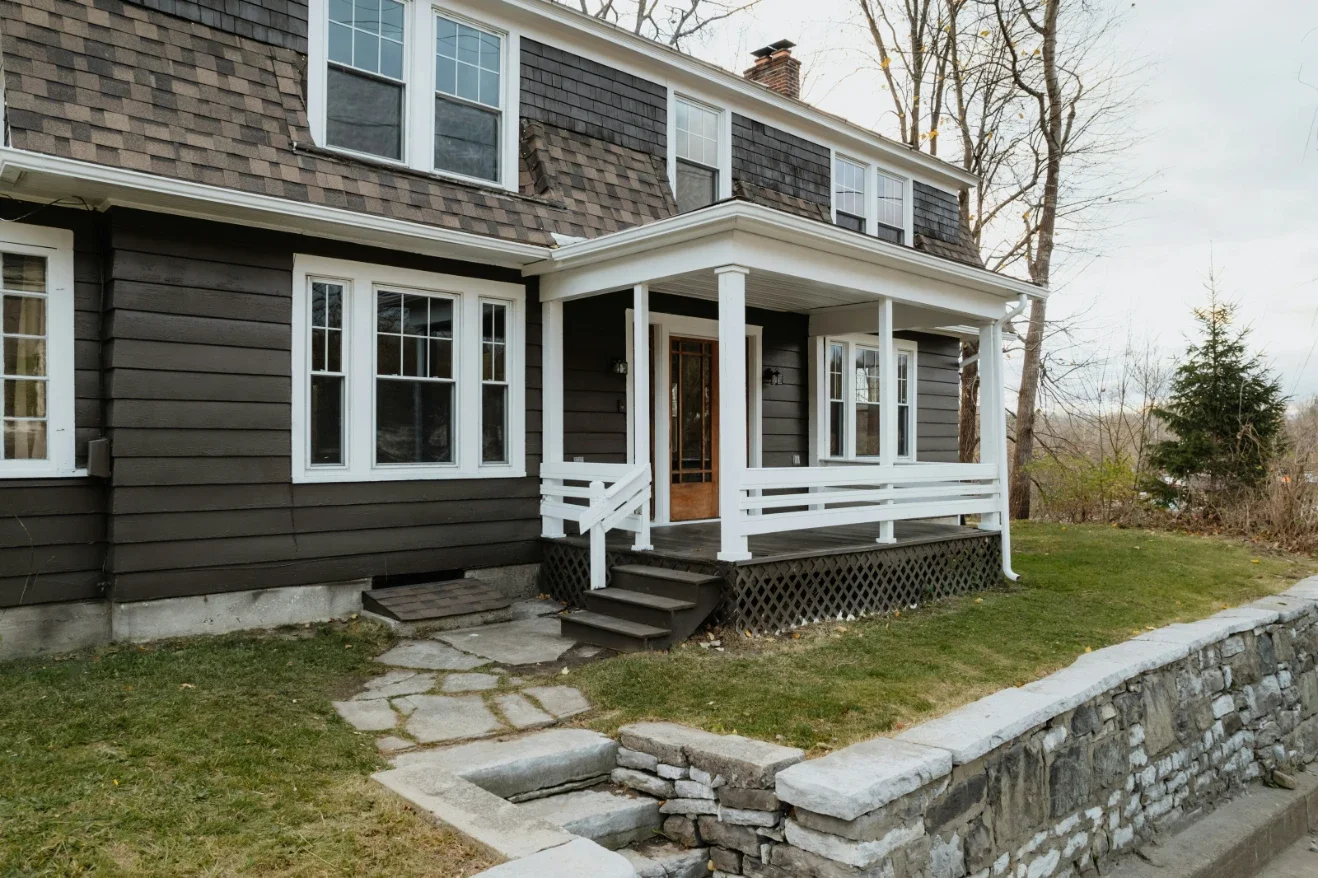
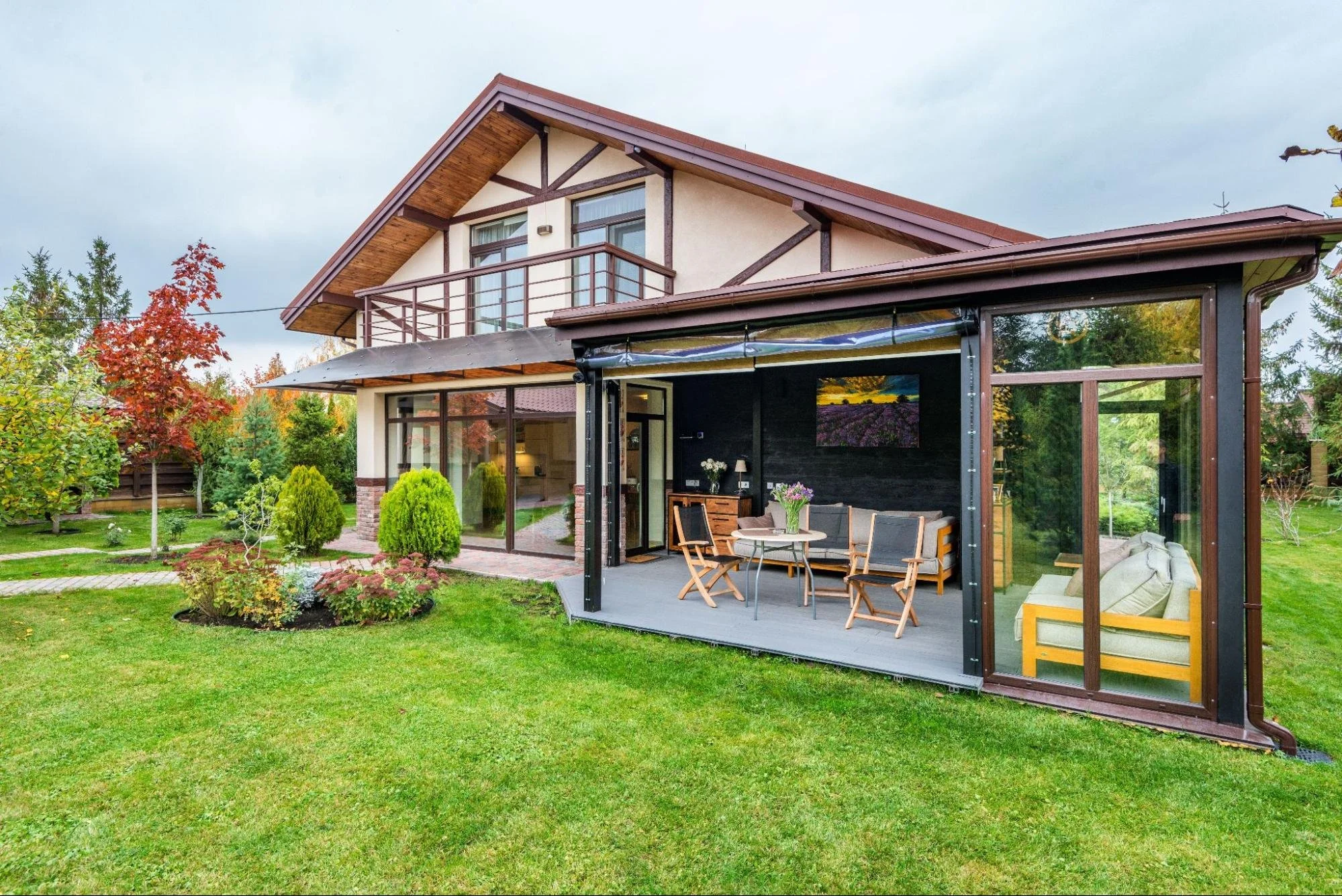
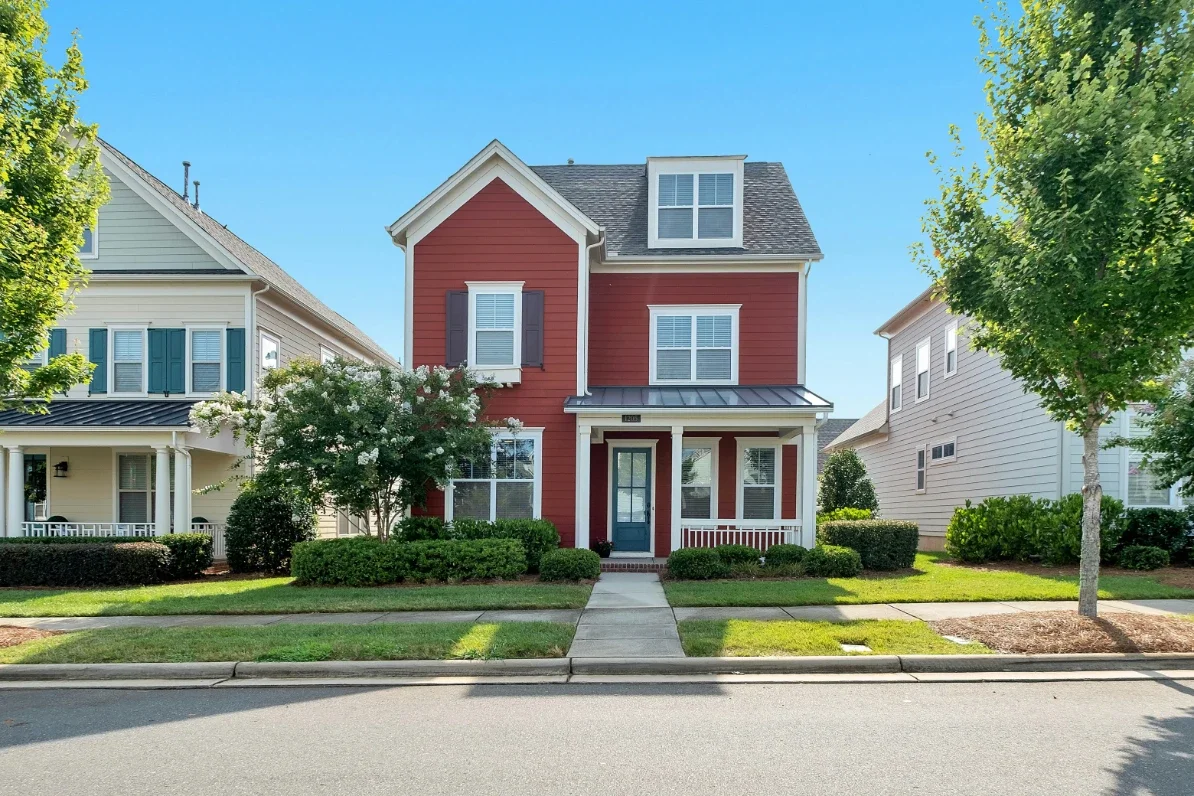
Curb appeal is the first conversation your home has with anyone who passes by. Before guests notice the sofa, kitchen tiles, or wall colours, they see the path, planting, front door, lighting, paintwork, windows, and overall sense of care.
A welcoming exterior does not need to look expensive or overly styled. It needs to feel intentional, tidy, warm, and connected to the character of the home. The best curb appeal ideas make people feel gently invited in, while also making the property look loved from the street.
Start With The First Impression From The Street
The most useful way to improve your exterior is to step outside and look at the home as a visitor would. Stand across the street, at the end of the driveway, and at the front gate. Notice what your eye sees first. Is it the front door, a beautiful tree, an overgrown hedge, a tired garage door, a patchy lawn, or a cluttered porch? Curb appeal starts with that first visual read.
A helpful real-world example can be seen in a property guide that explains curb appeal through the way a home appears from the street, including maintenance, colour, landscaping, symmetry, lighting, and the front entry. That matters because improving your curb is not about adding random decorations. It is about creating a clear, attractive, well-maintained approach that makes the home feel cared for before anyone steps inside.
Begin with the obvious fixes. Clear weeds, sweep paths, wash windows, remove broken pots, trim shrubs, and check whether the front door area looks tired or forgotten. These simple tasks often do more than decorative upgrades because they restore order. Once the basics are clean and balanced, the prettier design choices have somewhere to shine.
Make The Front Door The Natural Focal Point
A front door should feel like the visual anchor of the exterior. If visitors have to search for the entrance, the home can feel less welcoming. Colour, lighting, hardware, plants, and pathways can all help guide the eye toward the door.
Paint is one of the most effective updates. A soft sage door can make a cottage-style home feel calm and charming. A deep navy or charcoal door can add polish to a modern exterior. Warm terracotta, muted red, or forest green can bring character without feeling too loud. The right colour should work with the siding, brick, roof, trim, and surrounding planting.
Hardware also matters. A worn handle, tarnished knocker, or dated house number can make the entry feel neglected. Replacing these details with simple, cohesive finishes can instantly sharpen the look. Matte black, aged brass, brushed nickel, and bronze all work well when they suit the home’s style.
Finish the area with a proper doormat, clean threshold, and one or two planters. The goal is not to crowd the doorway. It is to make the entrance feel deliberate, easy to find, and pleasant to approach.
Use Plants To Soften The Architecture
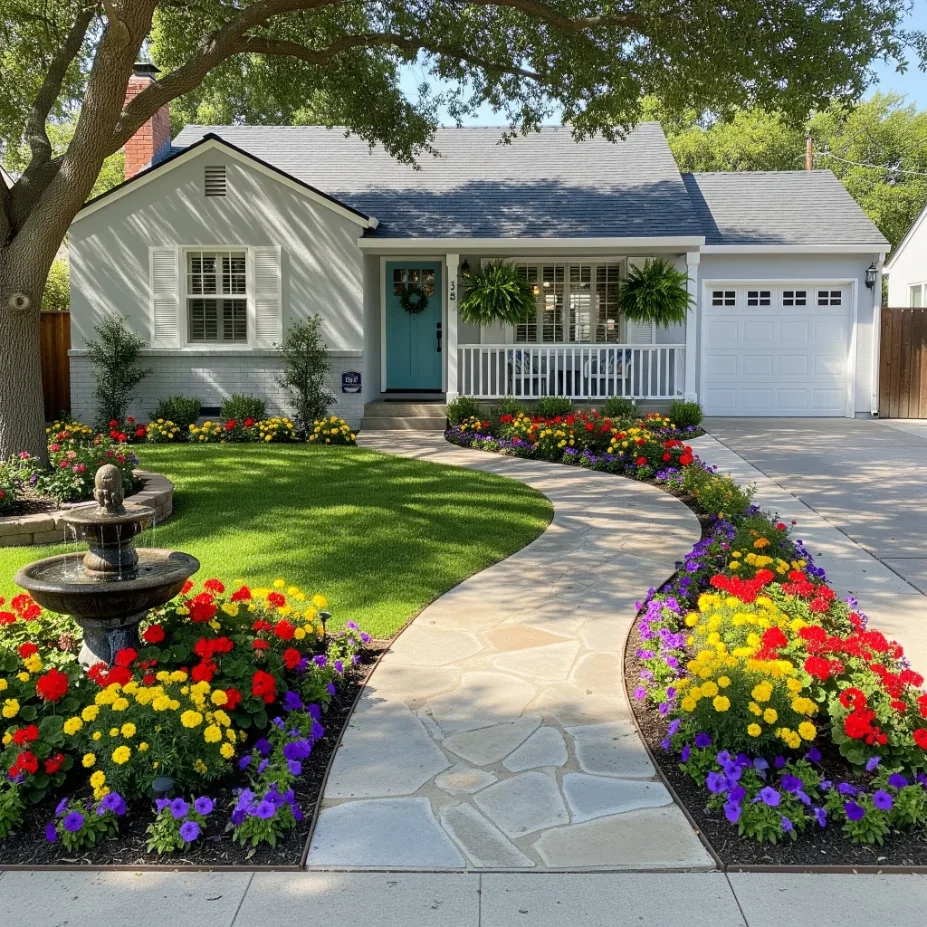
Plants bring life to a home’s exterior. Even the most beautiful façade can feel cold without greenery, while a plain house can become much more inviting with thoughtful planting. The key is to choose plants that fit the scale of the home and the amount of care you can realistically give them.
Start with structure. Shrubs, small trees, ornamental grasses, and hedges can frame the house and soften hard edges. Then add seasonal interest with flowers, planters, or window boxes. If the home has a porch, use matching pots on either side of the steps for symmetry. If the entrance is narrow, choose tall, slim planters rather than wide containers that block movement.
Avoid planting that hides the house. Overgrown bushes covering windows can make an exterior feel dark and closed off. Trimmed greenery should enhance the architecture, not swallow it. Keep sightlines open around the door, windows, and path.
For a lower-maintenance approach, focus on hardy plants suited to the local climate. Native or climate-appropriate planting often looks more natural and needs less fuss than delicate flowers forced into the wrong setting.
Light The Path Like You Mean It
Outdoor lighting is both practical and atmospheric. It helps visitors move safely, but it also changes how the home feels in the evening. A dark entrance can feel uninviting, while soft, layered lighting makes the home look warm and cared for.
Start with the essentials: a good porch light, visible house numbers, and enough path lighting to guide people safely. Wall sconces beside the front door can create symmetry and elegance. A pendant light works beautifully on a covered porch. Low path lights can make a walkway feel intentional without turning the garden into a runway.
Choose warm bulbs rather than harsh white light. Outdoor lighting should flatter the home, not make it look clinical. Soft light on brick, stone, wood, or planting adds depth and texture.
Also consider what should not be lit. Floodlighting everything can flatten the exterior and feel too severe. Instead, highlight the entry, steps, walkway, and one or two landscape features. The result feels more refined and welcoming.
Refresh The Walkway And Driveway
The path to the front door shapes the entire arrival experience. Cracked paving, stained concrete, loose stones, or weeds between slabs can make the house feel neglected, even if the house itself is attractive.
A full replacement is not always necessary. Pressure washing, edging, re-sanding pavers, repairing cracks, or adding a border can make a big difference. A walkway lined with low plants, gravel, brick edging, or solar lights feels more finished than a plain strip of concrete.
The driveway deserves the same attention. Remove clutter, clean oil marks where possible, trim grass along the edges, and keep bins out of sight when they are not needed. If the garage door faces the street, make sure it looks clean and in good condition. In many homes, the garage takes up a large part of the front view, so ignoring it can weaken the whole exterior.
Small improvements to hard surfaces often make the home feel more polished because they show care in the details people physically walk across.
Endnote
Curb appeal works best when it feels cared for rather than overdone. A clean path, focused entry, healthy planting, soft lighting, and edited porch details can make a home feel warm before the door opens. Small, consistent improvements create an exterior that looks welcoming, practical, and genuinely lived in daily.
Stay up to date with our latest ideas!