Key Home Upgrades That Enhance Comfort and Efficiency
Discover key home upgrades that improve comfort and efficiency, helping you save energy, enhance daily living, and increase long-term home value.
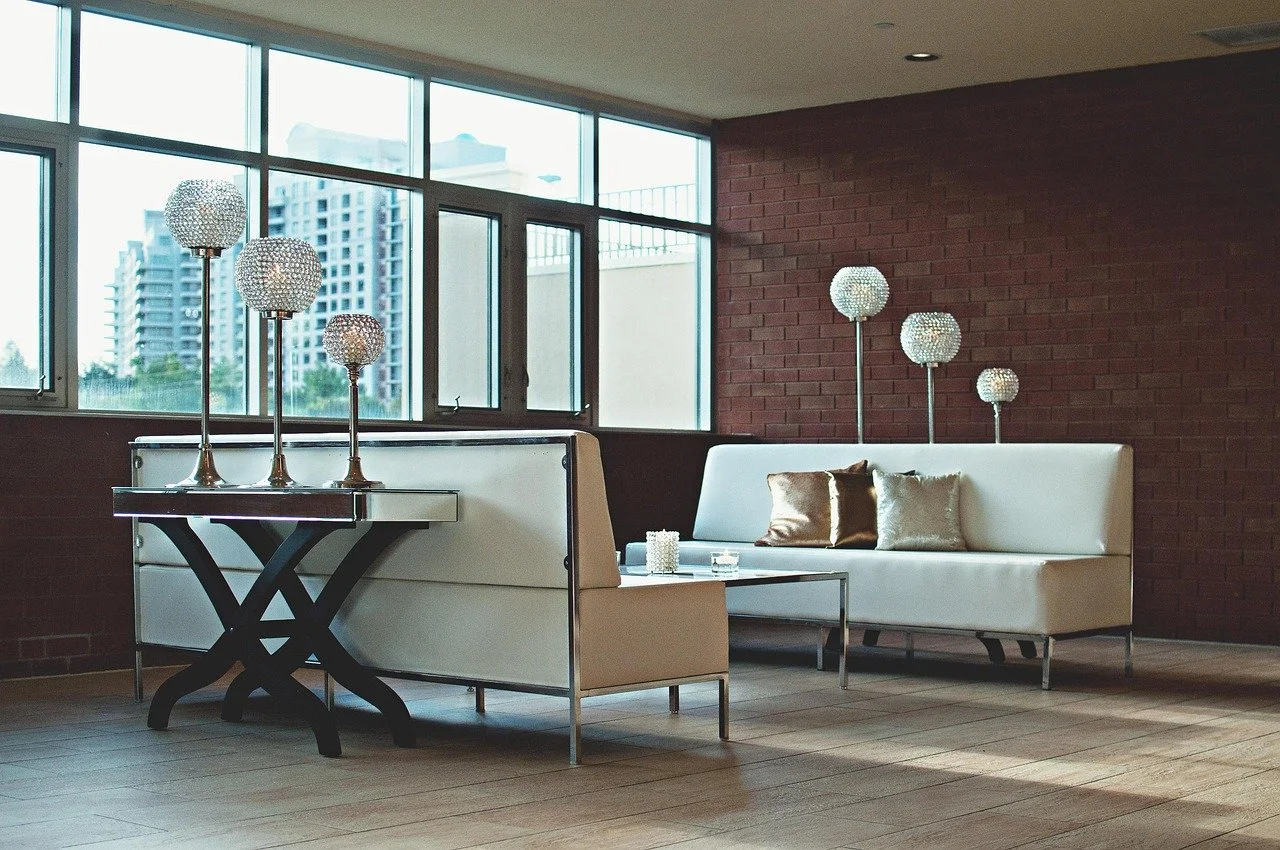
Home comfort is not just about a new couch or a fresh paint color. The biggest gains come from upgrades you rarely see and feel every day. With energy costs shifting and weather getting more extreme, a smart plan can improve comfort, trim bills, and make your home easier to live in.
Smarter Roofing for Cooler, Quieter Homes
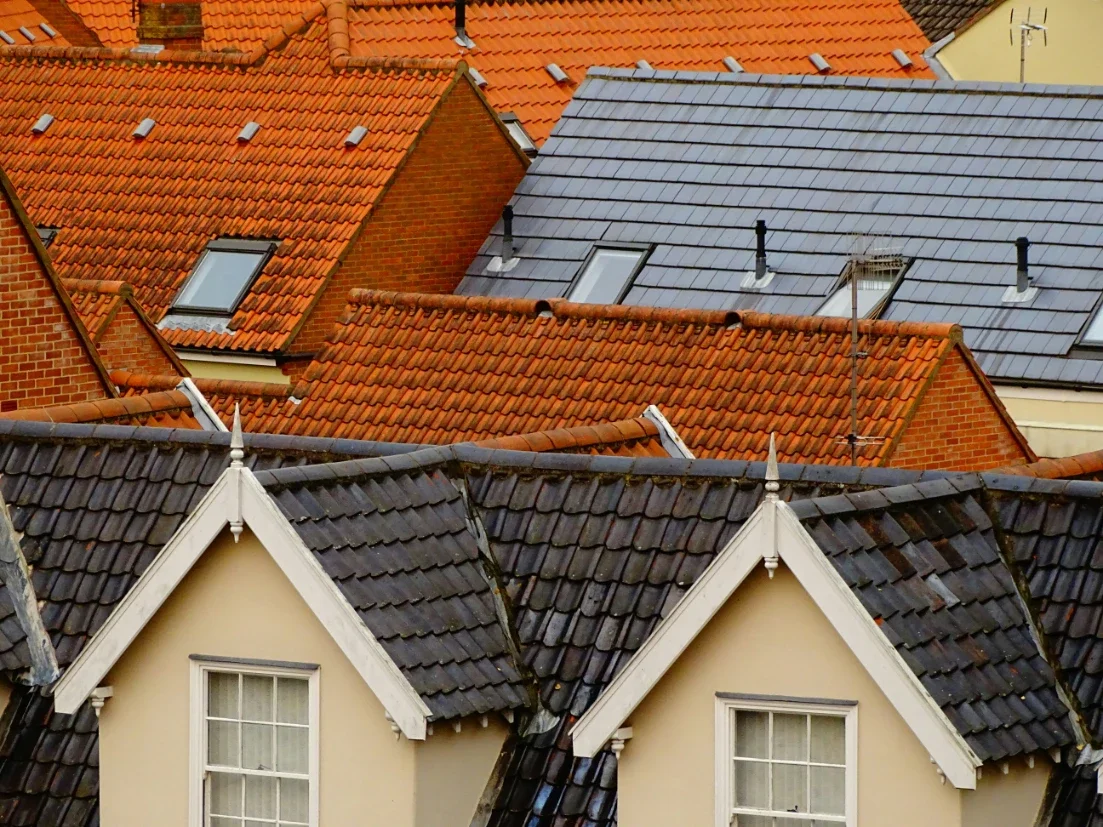
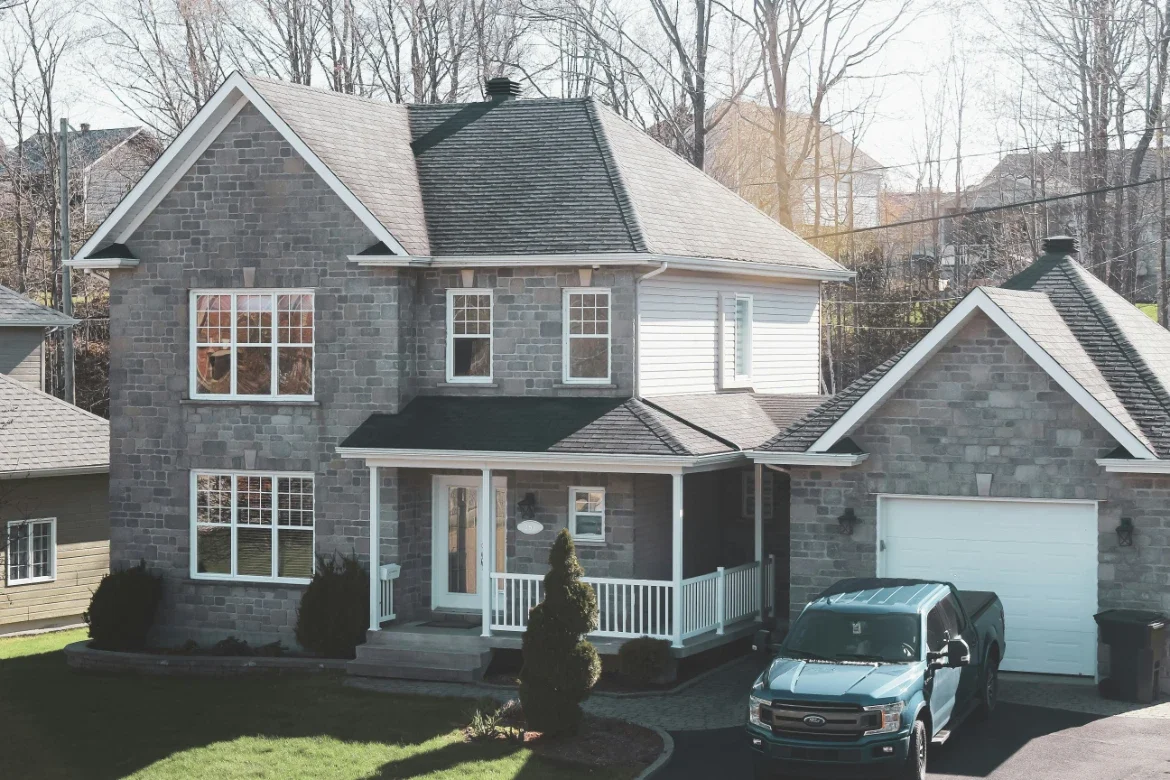
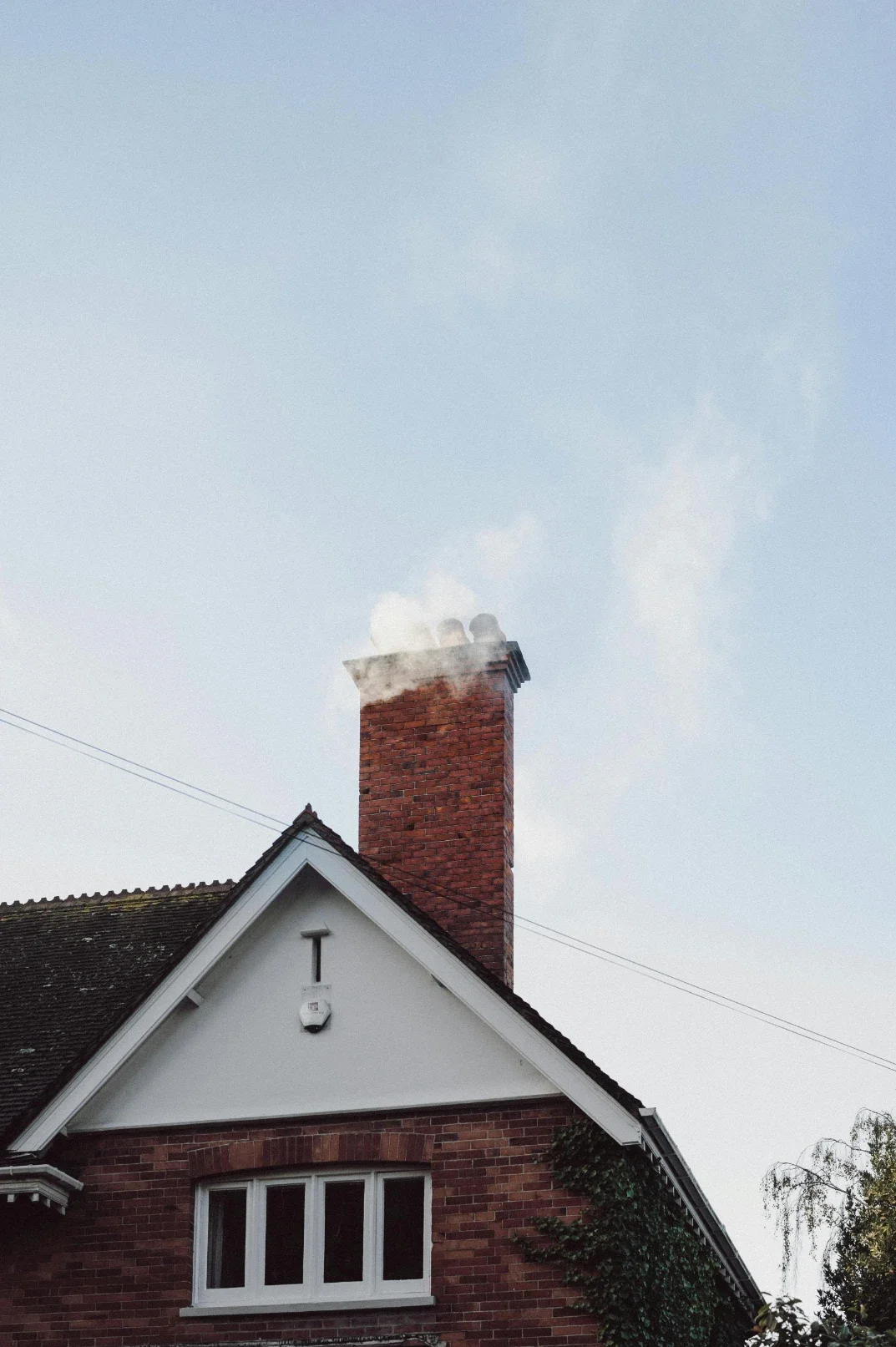
Your roof takes the harshest sun and the coldest wind, so improving it can change how your whole house feels. Materials that reflect more sunlight can keep attic spaces cooler, which helps your AC work less and last longer.
Reflective or “cool” roofs can run far cooler than dark, heat-absorbing shingles, which eases indoor temperatures during peak summer. Look for roofing contractors like Stone Mountain Roofing to see where heat is escaping. The rooms under the roof stay more stable on hot days, and insulation has less heat to fight. In winter, proper underlayment and air sealing will cut drafts that creep through ceilings.
Quick roof upgrade ideas:
Choose shingles or membranes with higher solar reflectance and thermal emittance
Add a radiant barrier if your climate is hot and sunny
Ensure attic ventilation and baffles are sized and clear
Seal roof penetrations and improve flashing to stop hidden air leaks
Air Sealing and Weatherization Basics
Air leaks waste energy and make rooms feel drafty. Sealing the big holes first with caulking and weatherstripping techniques that deliver quick comfort gains later.
Focus on places where materials meet or change direction. Chimney chases, plumbing and electrical penetrations, and top plates can all hide large gaps. Use compatible sealants, foam, and gaskets, and remember that tighter homes need balanced ventilation to stay healthy.
Windows and Doors That Actually Work
Leaky frames and warped sashes let conditioned air slip out. Even without a full replacement, you can regain comfort with careful tune-ups.
Adjust strikes, add quality weatherstripping, and seal trim to the sheathing to stop the worst leaks. If your windows are due for replacement, look for insulated frames, low-e coatings, and better spacers. The more stable your interior temperature becomes, the less your HVAC cycles on and off.
Smarter Hot Water with Heat Pump Water Heaters
Hot water is a steady energy user, and traditional tanks turn a lot of electricity or gas into wasted heat. Heat pump water heaters work differently by moving heat from the surrounding air into the tank.
Program guidance from a national efficiency program explains that certified heat pump water heaters can cut typical household water-heating costs by a meaningful margin over their life. They dehumidify the space they sit in, which is helpful in basements or utility rooms. Check noise ratings, install a condensate drain, and give the unit enough room to draw air.
Here are some tips for better hot water performance:
Set the temperature to 120 F unless medical needs require a higher temperature
Choose hybrid mode to balance savings and recovery time
Insulate hot water lines for the first 10 feet, leaving the tank
Use low-flow showerheads to stretch hot water on busy mornings
Fresh Air without the Drafts
Comfort is not about temperature alone. Stale air and indoor pollutants can make a home feel heavy and cause irritation.
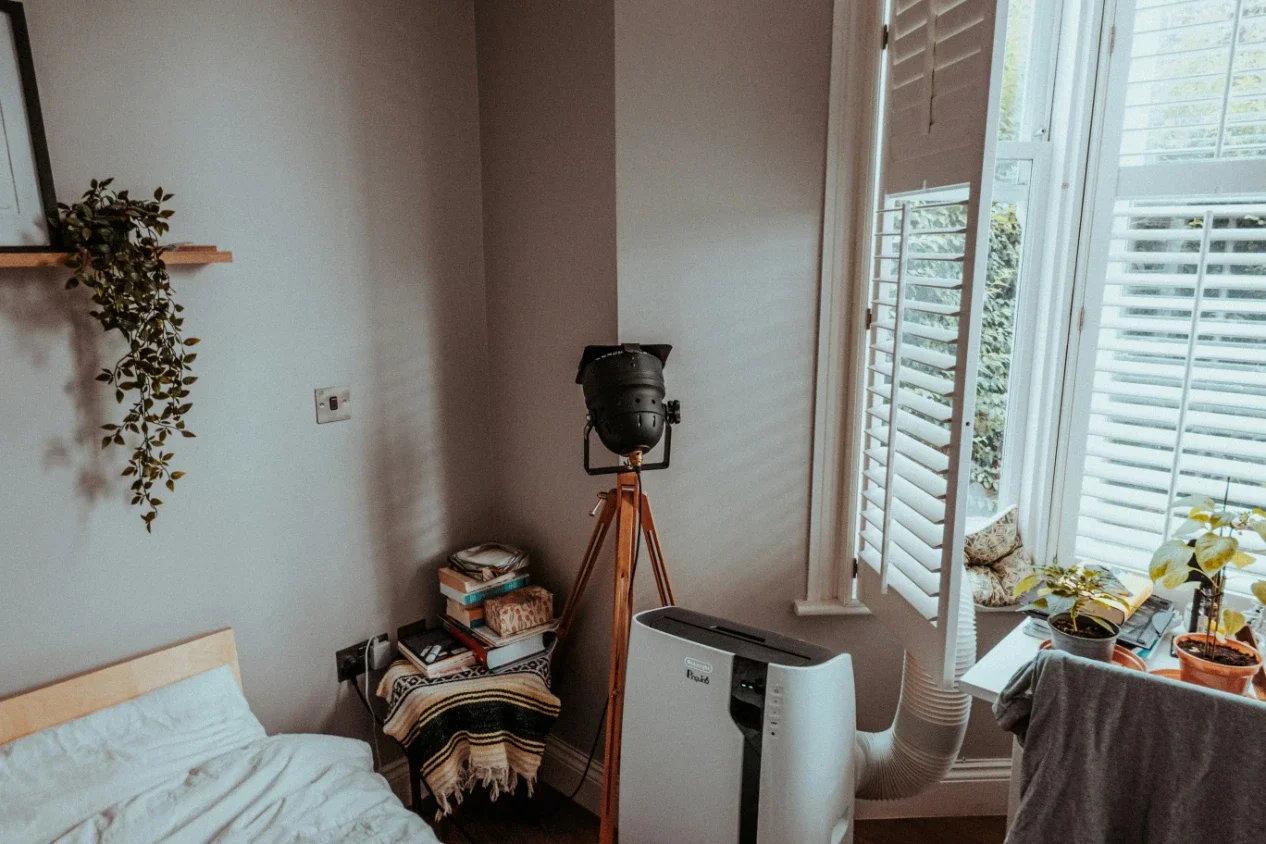
Public health guidance highlights that good ventilation reduces indoor contaminant levels and supports healthier spaces. Simple steps like running bath fans for 20 minutes after showers and using range hoods that vent outside make a difference. For tighter homes, consider an energy recovery ventilator to swap stale air for fresh while holding on to most of the heating or cooling. You can also consider an air source heat pump that pushes hot air out of your home in summer and holds warm air in your home in winter. These heat pumps are available at https://cinergi.co.uk/ and are well-worth considering.
Thermostats and Controls That Learn Your Habits
A well-tuned control system is like cruise control for comfort. Smart thermostats can schedule setbacks, adapt to patterns, and reduce waste without much thought.
Zoning can help if parts of your home heat up or cool down faster than others. Add room sensors for problem areas and set realistic schedules. The goal is fewer big swings and gentler, longer cycles that feel better and use less energy.
Plan Your Budget, Rebates, and Sequence
The best results come from doing upgrades in the right order. Fix leaks and insulation before investing in bigger equipment, since a tighter shell lets you pick smaller, cheaper systems.
Start with a simple plan and a realistic budget. Gather quotes, check local rebates, and prioritize work that fixes comfort pain points first. When projects line up with a roof replacement or a remodel, you can save on labor and get cleaner results.
Here’s a practical sequence to follow:
Test and seal air leaks, then add insulation
Improve roof materials and attic details during reroofing
Right-size HVAC after shell work is complete
Upgrade hot water and controls to lock in savings

Upgrading for comfort and efficiency is a steady journey. Tackle the building shell, and fine-tune the systems that heat, cool, and ventilate your space. Do it in a smart order, and you will feel the payoff in every season.
Stay up to date with our latest ideas!