The Most Overlooked Areas of Exterior Home Maintenance
Discover the most overlooked areas of exterior home maintenance and learn how regular care can prevent costly damage while keeping your property in top shape.

If you’re like most homeowners, then your home maintenance schedule may include tasks such as mowing the lawn, cleaning windows, or repainting fences. However, many of the costliest problems are hidden outside your home. Tiny defects in your roof, drainage systems, or exterior fixtures can allow water into your property, leading to issues such as damp, timber decay, and structural damage. The Insurance Information Institute reports that water damage and freezing account for nearly one in four homeowners’ insurance claims, making them among the most costly property losses. The good news is that you can cut your home maintenance expenses by inspecting your exteriors and taking action early.
Keeping Your Roof in Optimal Condition
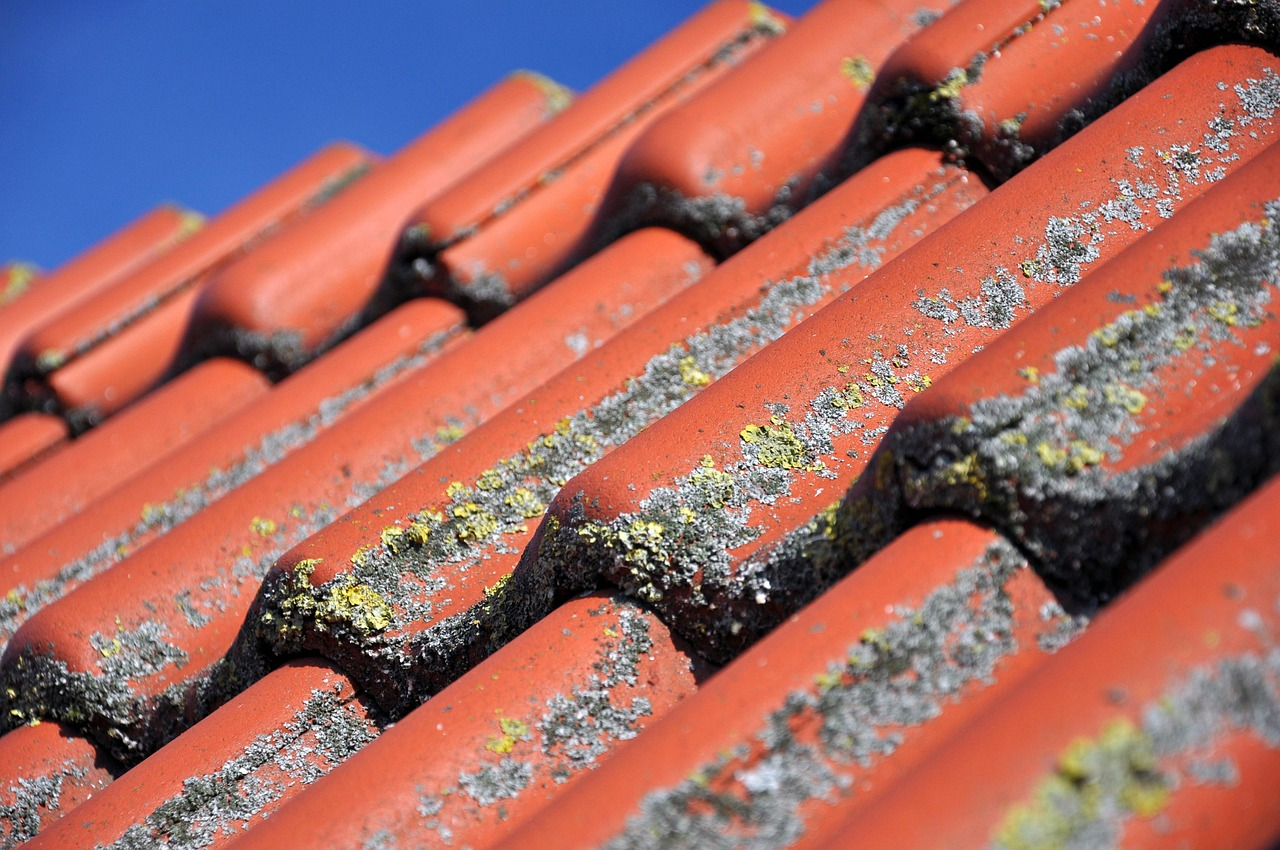
Ensuring your roof is well maintained is vital, as leaks can cost you thousands to repair. The cost of tiling a flat roof, for instance, can be approximately $3,000, while gable and hip roofs are even more expensive to repair. Because flat roofs are rarely visible from the ground, problems such as cracked or loose tiles, ponding water, and many of the costliest issues are hidden outside your home, making debris buildup harder to spot. Roof valleys and drainage channels, meanwhile, are prone to collecting leaves and debris and need to be kept clear so that water can drain properly. To stay on top of your maintenance tasks, inspect your roof in the spring and fall, and after major storms. Clear your roof and drains of leaves, branches, and moss. Finally, have your roof professionally inspected every two years, especially if it isn’t easily accessible.
Sealing Your Home
Over time, sunlight, temperature changes, and heavy rain can all break down your exterior caulk, allowing moisture and air to enter your home around window frames. Prolonged exposure to moisture can cause wood rot and lead to mold growth. Air leaks, meanwhile, can reduce energy efficiency and make home life less comfortable for residents. Exterior vents serving dryers, bathrooms, kitchens, attics, and crawl spaces also require regular inspection. Blocked exhaust vents can trap humidity indoors, and damaged vent covers can allow birds, rodents, and insects inside. Even lint that restricts dryer vents can pose a fire risk. Ensure you inspect your window caulking every spring, replacing cracked sealant and checking for discoloration on your window trim. Clean your dryer vents yearly, test that your vent flaps open and close easily, and replace broken vent covers and screens to keep pests out.
Preserving Your Home's Protective Trim and Masonry
If your home's exterior includes brickwork, you may notice that over time the mortar between the bricks cracks, crumbles, or washes away due to prolonged moisture exposure and repeated freeze-thaw cycles. Typical issues that need attention include cracked mortar joints, loose bricks, white chalky deposits on the brickwork, and damp patches or leaks around the fireplace or chimney. Aim to inspect your chimney from the ground with binoculars at least once a year, and have deteriorating mortar repointed if necessary. If you notice leaning bricks or large gaps, contact a qualified mason instead of attempting a DIY repair. Fascias (which support the guttering system) and soffits (which protect roof overhangs) also need to be checked yearly. Repaint timber fascias before the paint begins to peel, and replace any boards showing signs of rot. Additionally, replace rotting fascia boards quickly to prevent gutter failure, remove dirt and insect nests from soffit vents, and inspect your wood trim for signs of termites or carpenter ants.
Protect Your Foundation Against Water Buildup
Blocked trench drains, catch basins, or driveway channels can all cause water to pool around paved surfaces and your home’s foundation. Your landscaping should direct water away from your home rather than toward it to reduce the chances of foundation movement and basement leaks. The next time it rains hard, walk around your property and aim to identify areas where water pools. Clean debris away from your driveway drains and catch basins and fill low spots where water tends to collect. Ensure the ground slopes away from your foundation by about 6 inches over the first 10 feet and extend your downspouts if they are angled too close to your home.
Staying on top of exterior maintenance isn’t too time-consuming, since most tasks only need to be carried out seasonally, annually, or after heavy rain. To keep expenses down and to avoid major renovations, fix issues such as cracked caulk, blocked vents, or deteriorating mortar quickly. If problems are already extensive, rely on trusted professionals to help you set up a maintenance schedule that keeps you up to date with seasonal and annual inspections.
Stay up to date with our latest ideas!