How Exterior Design Choices Can Help Kalamazoo Homes Resist Pests
Discover how exterior design choices can help Kalamazoo homes resist pests with smart landscaping, durable materials, sealed entry points, and proper drainage.

Curb appeal and pest resistance might seem like unrelated concerns, but the exterior features that make a home attractive often determine how easily pests find their way in. Siding, trim, shutters, planters, and porch details all contribute to a home's appearance, yet each one also creates small spaces where insects and rodents can shelter if conditions allow. For Kalamazoo homeowners, understanding how these everyday design choices affect pest activity offers a practical way to reduce problems before they start, without requiring major renovations or constant vigilance.
Siding, Trim, and the Gaps They Create Over Time
Siding protects a home's structure, but it also ages in ways that create opportunities for pests. Vinyl siding can warp or pull away slightly from the wall as temperatures shift throughout the year, leaving narrow gaps behind it that ants and spiders find appealing. Wood siding, while often prized for its appearance, is more prone to swelling, cracking, and minor rot, especially in areas that don't dry quickly after rain. These small imperfections rarely draw attention during a casual walk around the house, yet they function as ready-made shelter for pests looking to stay hidden and protected from weather.
Trim boards around windows and doors present similar risks. Caulking around trim tends to shrink and crack years before most homeowners think to check it, and once a gap opens, it rarely stays unnoticed by insects for long. Anyone researching Kalamazoo pest control near Kalamazoo properties with older trim work will often find that these narrow seams rank among the most common entry points pest professionals identify during exterior inspections. Keeping trim caulked and siding secured against the wall does more to prevent pest access than most homeowners realize, since these repairs address the gap itself rather than just the pests using it.
Shutters, Planters, and Decorative Features That Double as Shelter
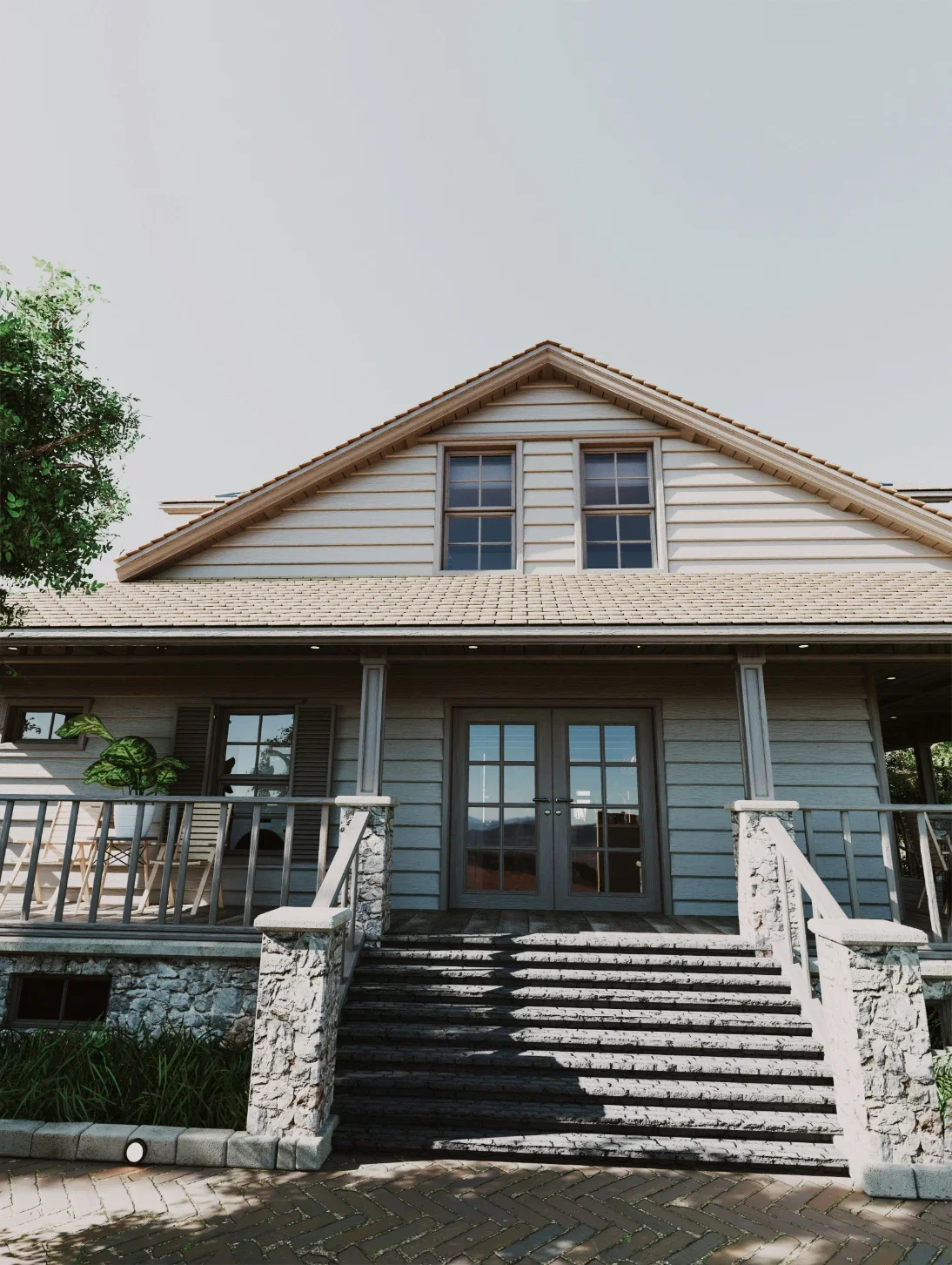
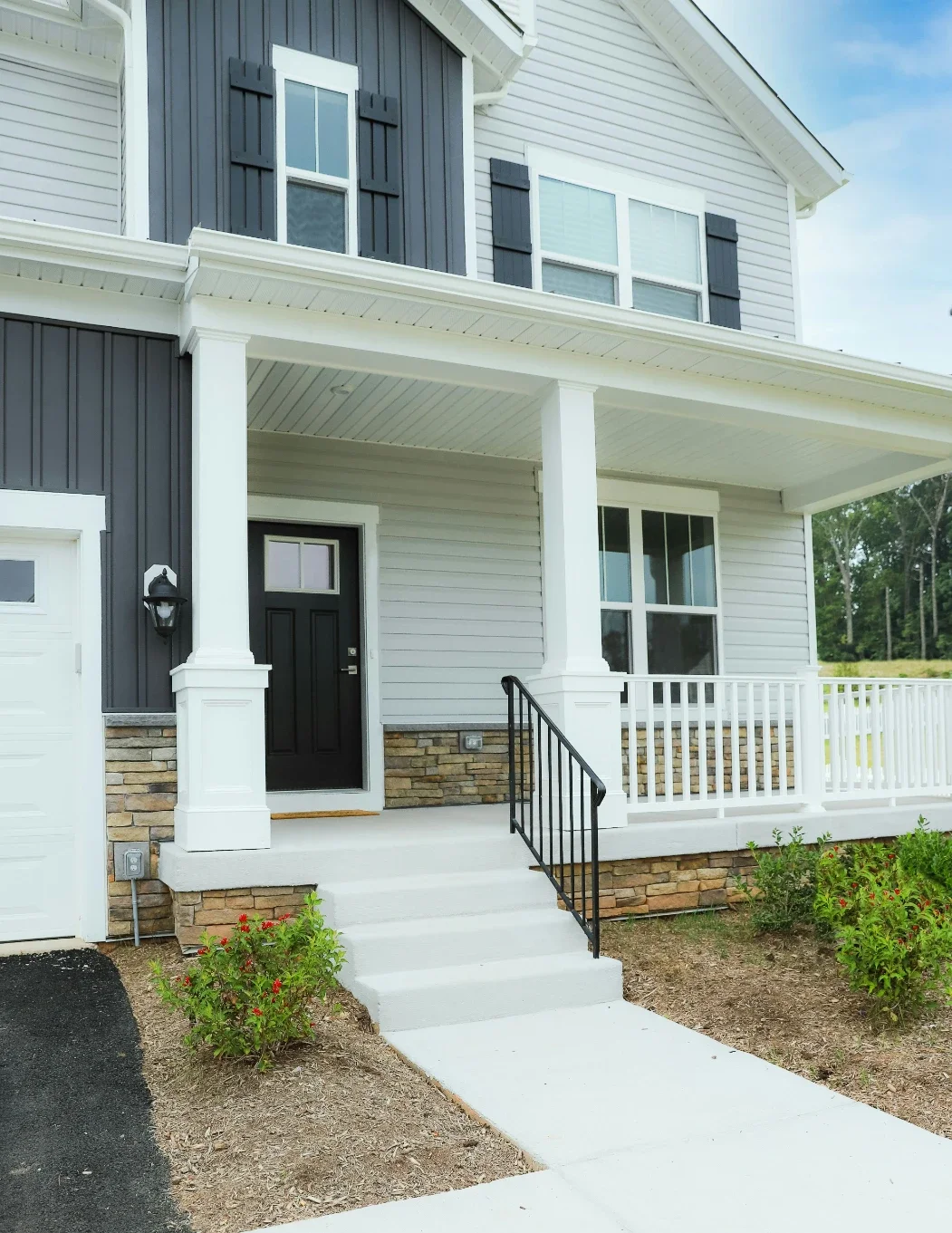
Decorative elements add character to a home's exterior, but many of them create the kind of dark, humid, low-traffic spaces that pests prefer. Shutters mounted flush against siding, particularly the working or semi-functional style rather than purely decorative panels, often trap moisture behind them after rain. That moisture, combined with the shelter the shutter itself provides, makes an appealing spot for spiders and occasionally wasps looking to build a nest away from direct weather exposure.
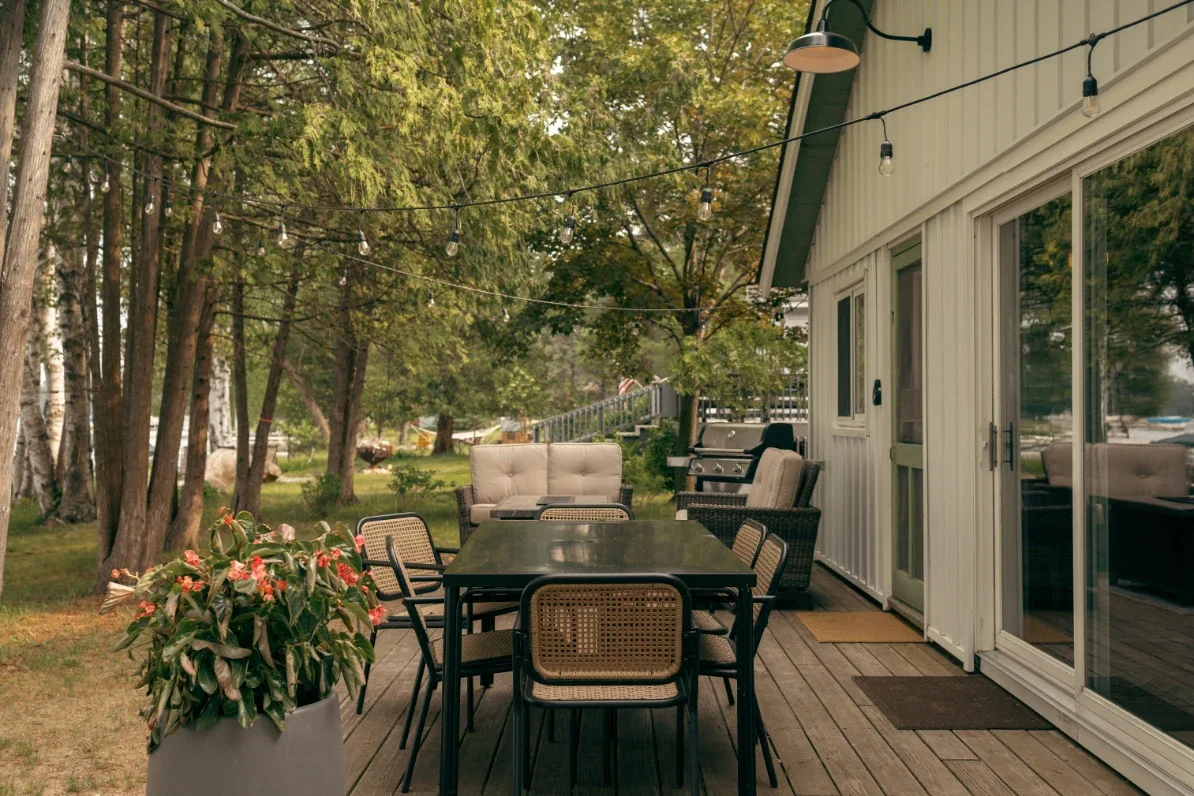
Planters and window boxes carry their own risks, especially when they sit directly against siding or trim. Constant watering keeps the soil and the surrounding wall surface damp, and that dampness can encourage wood rot in nearby trim while also attracting ants and other moisture seeking insects. Raising planters slightly away from the wall, or choosing self-watering containers that don't require frequent overflow, reduces this risk considerably. Homeowners searching for Kalamazoo pest control near Kalamazoo neighborhoods with heavy planter use will often notice that pest activity clusters around exactly these features, since the combination of moisture and shelter is difficult for many pests to pass up.
Porches, Lighting, and Landscaping as Contributing Factors
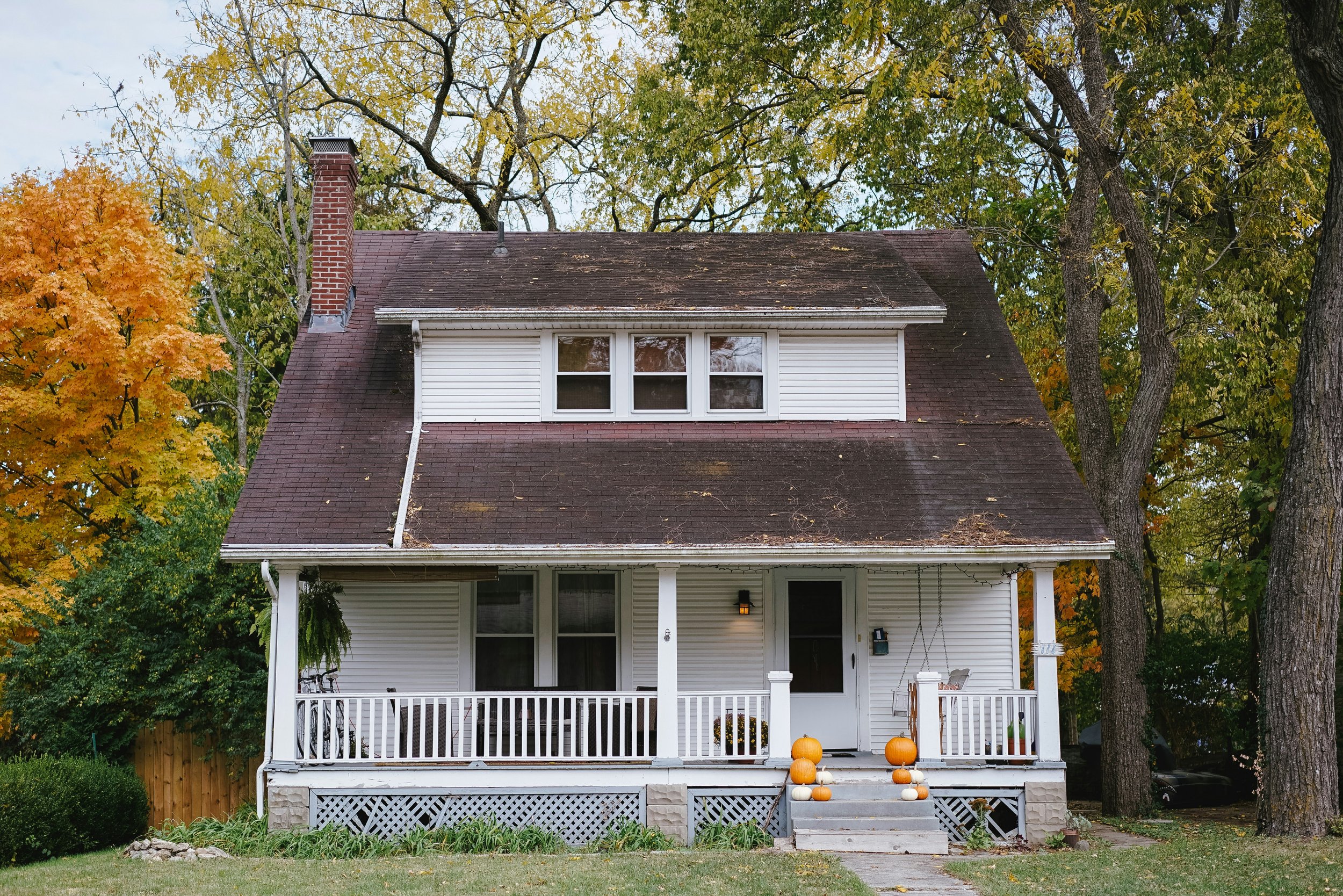
Porches bring together several elements that influence pest activity in one concentrated area. Wood decking and railings offer surfaces that can develop small cracks over time, giving ants and occasionally termites a point of access if the wood stays damp. Enclosed porch skirting, if not properly ventilated, traps humidity underneath in much the same way an unventilated crawl space does, creating conditions that rodents and insects find hospitable.
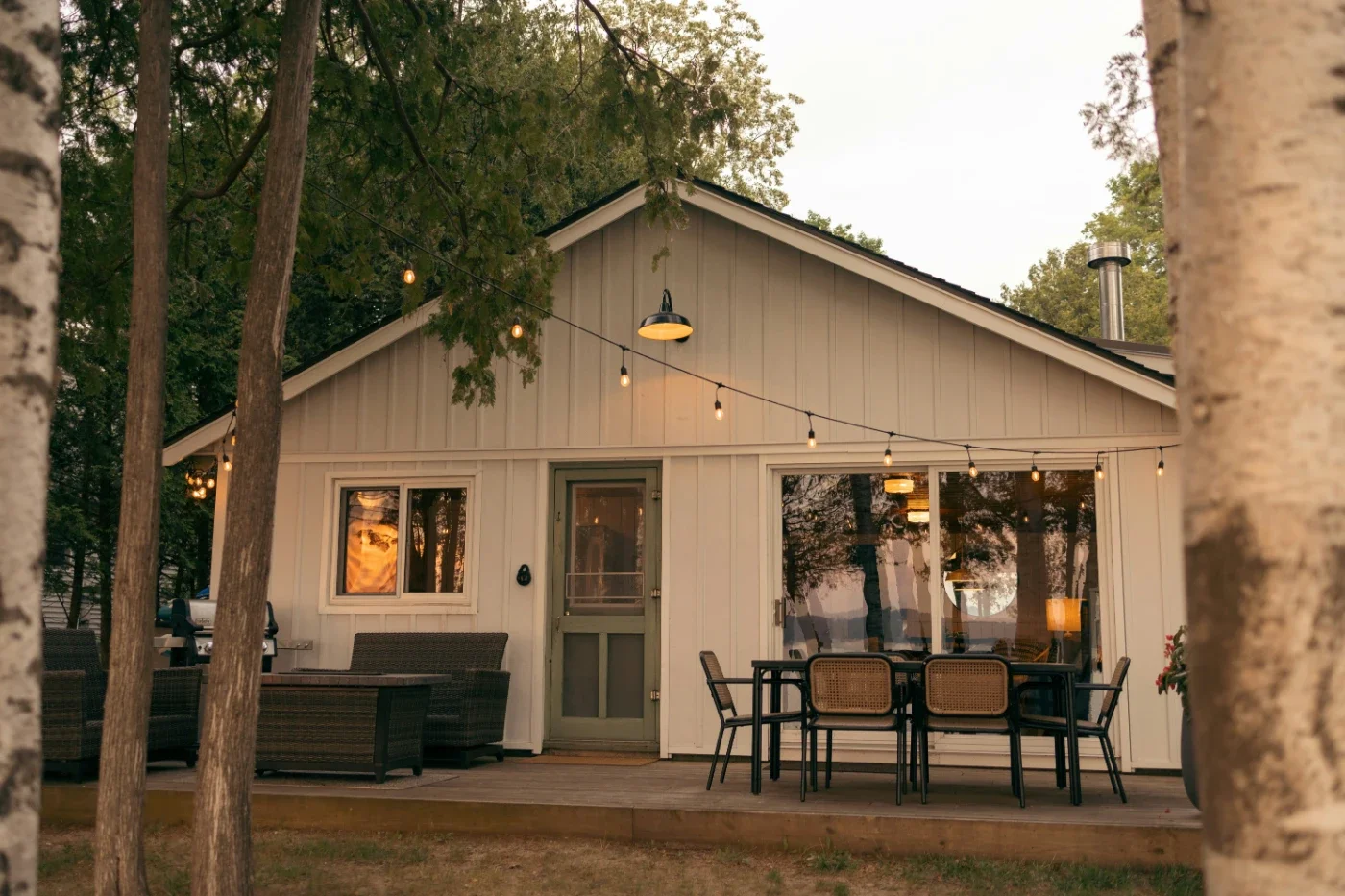
Exterior lighting plays a more indirect but still meaningful role. Standard white porch lights attract flying insects in large numbers, and those insects in turn draw spiders and other predators looking for an easy meal near the light source. Switching to yellow or warm-toned bulbs, which are less attractive to many flying insects, can reduce this cycle without sacrificing much in the way of visibility or ambiance.
Landscaping close to the house rounds out the list of exterior contributors. Dense shrubs planted directly against siding limit airflow and sunlight, keeping the wall surface damp longer after rain and creating a shaded, sheltered strip that pests can use to move along the foundation without being seen. Mulch beds, while useful for moisture retention around plants, can also hold dampness against a foundation if piled too high or placed too close to the structure, giving termites and ants a direct, moisture rich pathway toward the home.
Practical Maintenance for Pest-Resistant Exteriors
A handful of consistent maintenance habits go a long way toward keeping exterior features from becoming pest shelters:
Recaulk gaps around trim, window frames, and door frames every couple of years, since dried and cracked caulk is one of the most common small entry points pests exploit.
Pull mulch and dense plantings back several inches from the foundation and siding to reduce moisture buildup against the structure.
Clean behind shutters and inside planters periodically to clear out debris, standing water, and early insect activity before it becomes established.
Repair or replace warped, cracked, or rotting siding and trim promptly rather than waiting for a larger renovation project.
Choose lighting fixtures and bulb colors that attract fewer insects near entry points such as porches and doorways.
Choosing exterior features with maintenance in mind from the start also helps. Fiber cement or well-sealed composite trim tends to hold up better against moisture than untreated wood, and simpler shutter styles without deep decorative grooves are easier to keep clean and dry. None of these choices need to compromise a home's appearance, but they do reduce the number of small shelters pests have available to them.
When Recurring Activity Signals a Bigger Issue
Occasional pest sightings around a porch light or a planter are common and usually manageable through routine cleaning and small repairs. Recurring activity in the same spot, however, often points to an established nest or colony that basic maintenance alone won't resolve. Wasp nests that reappear in the same shutter each season, ant trails that consistently return to one section of siding, or rodent activity near a porch skirting despite repeated sealing attempts are all signs that professional inspection may be worthwhile. A closer look at these persistent trouble spots can identify hidden nesting sites or moisture sources that aren't visible during a standard homeowner check.
Key Takeaways
Exterior design choices shape pest activity far more than most homeowners expect. Siding, trim, shutters, planters, porch details, lighting, and landscaping each contribute to either a home's resistance to pests or its vulnerability, depending on how well they're maintained and how they interact with moisture and shelter. Keeping decorative elements clean, inspecting the areas where décor meets the structure, and choosing easy-to-maintain materials all reduce the small openings and damp corners that ants, spiders, wasps, and rodents rely on. Attention to these everyday exterior details, paired with prompt repairs when wear appears, keeps a home both attractive and considerably less inviting to the pests that would otherwise move in.
Stay up to date with our latest ideas!