Exterior Decor Features That Can Create Pest Hiding Places
Learn which exterior decor features can create pest hiding places, from dense planting and clutter to outdoor structures and moisture-prone areas.

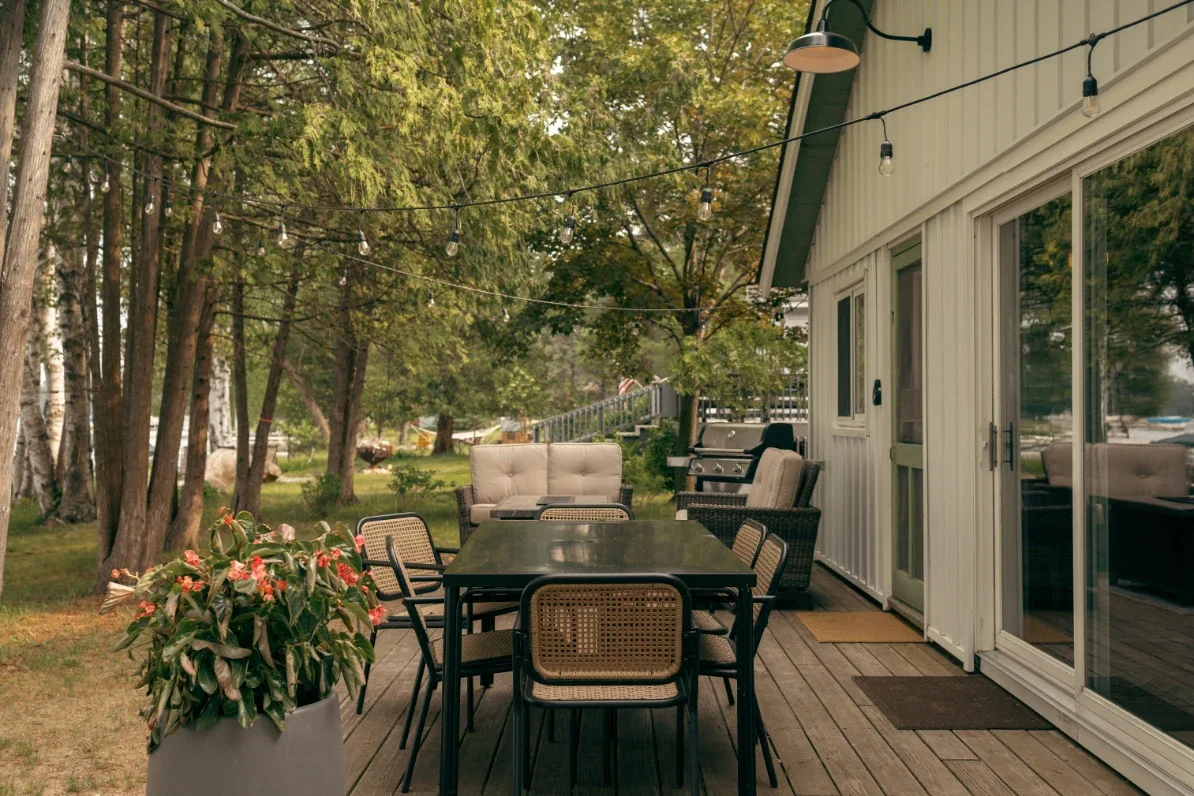
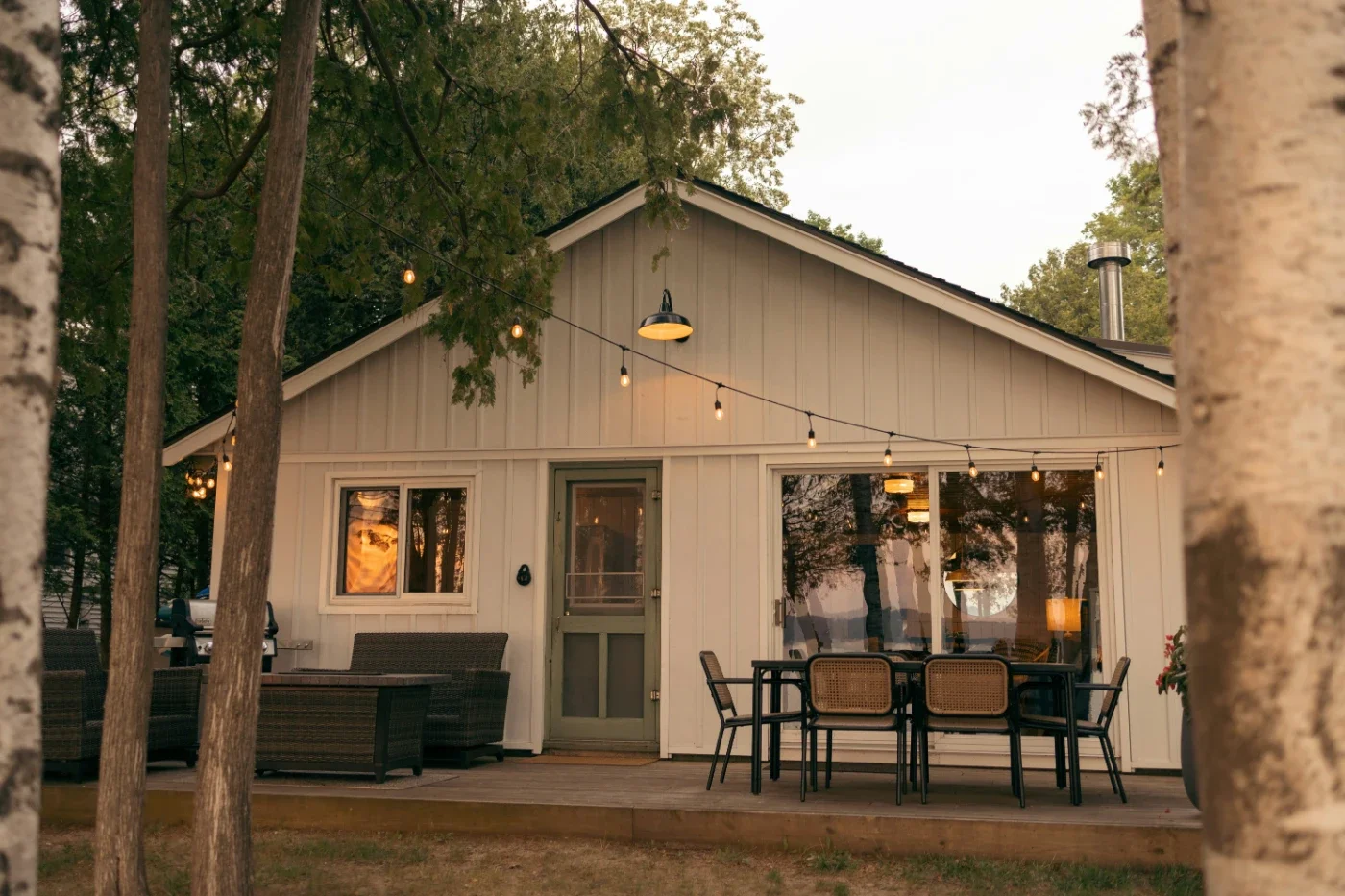
Homeowners spend considerable time and money making the outside of their homes look inviting. Shutters, planters, pergolas, and porch accents all add character to a property, but these same features often create small, overlooked spaces where pests can settle in without anyone noticing. The gap between a shutter and a wall, the soil in a mounted planter, or the joints of a wooden pergola can all become shelter for insects and small animals looking for a place to nest, hide, or wait out the weather.
Understanding how these design choices intersect with pest behavior helps homeowners keep their outdoor spaces both attractive and functional. Most of the time, the issue isn't the decor itself but the conditions it creates: shade, moisture, debris buildup, and gaps that go unchecked for long stretches.
Decorative Shutters and the Gaps Behind Them
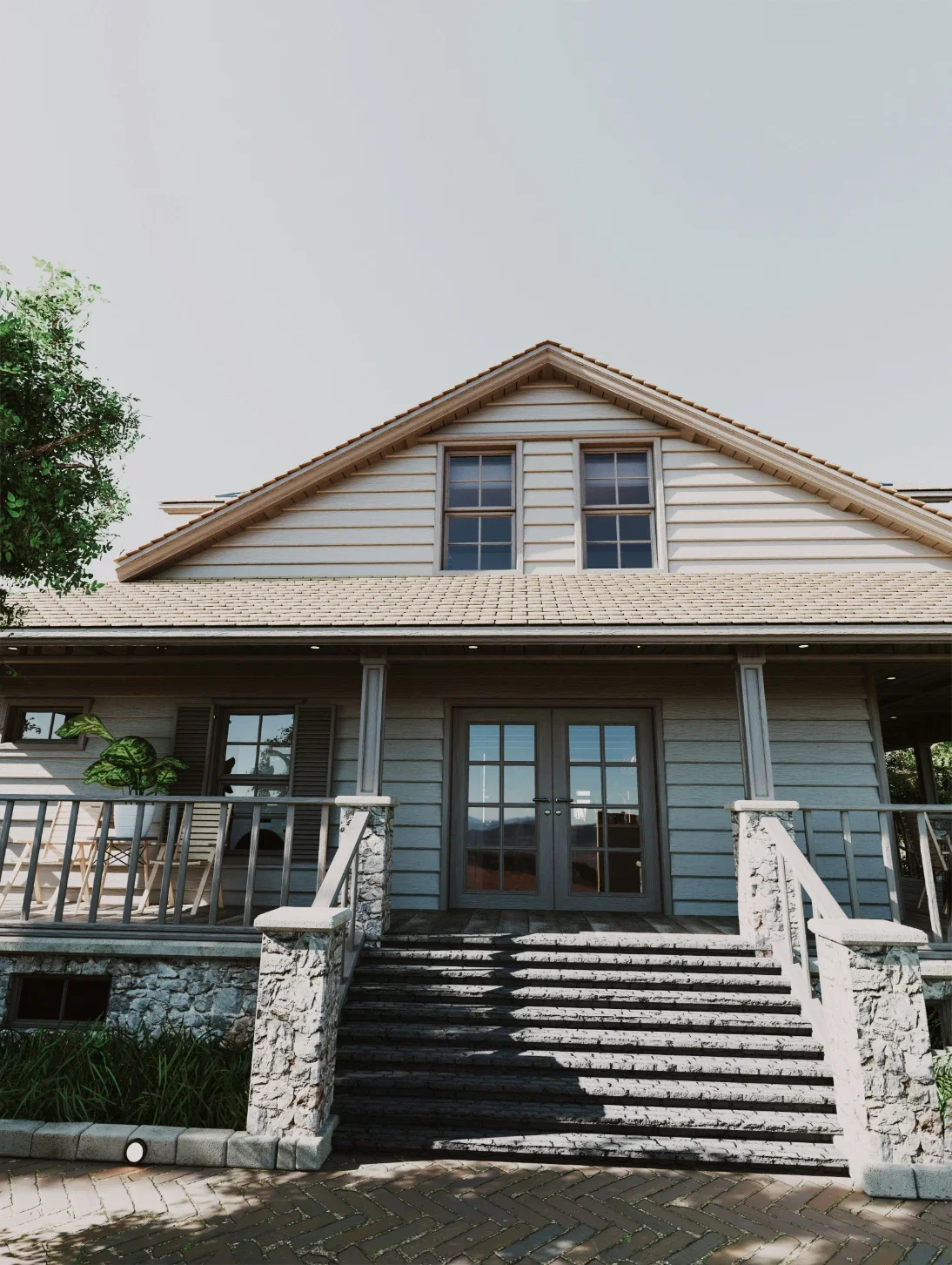
Shutters are one of the most common architectural accents on homes, and they're also one of the easiest places for pests to overlook. Many shutters, particularly those mounted flush against siding, leave a narrow cavity behind them that stays dark, dry, and undisturbed for months at a time. Spiders often favor this kind of space because it offers protection from wind and rain while still being close to outdoor light sources that attract flying insects, which in turn become prey.
Wasps are also drawn to these gaps, especially in spring when queens are searching for enclosed spaces to begin a new nest. Once a nest is established behind a shutter, it can be difficult to spot until the colony has grown large enough to become a real concern. For residents dealing with wasp activity around architectural trim, Vinings pest management professionals often inspect shutter cavities first because they are frequently the source of the problem.
Routine visual checks, especially in early spring and again in late summer, can catch nests before they become established. Gently tapping on shutters or shining a flashlight into the gap behind them (without disturbing anything if activity is suspected) is usually enough to reveal early signs of nesting.
Wall-Mounted Planters and Excess Moisture
Wall-mounted planters bring greenery to vertical spaces, but they also introduce a consistent moisture source right against the exterior wall. Overwatering, poor drainage, or planters that sit flush against siding can allow water to seep into small cracks or collect behind the planter itself. This moisture, combined with organic debris from soil and decaying plant matter, creates conditions that ants and other insects find appealing.
Carpenter ants in particular are known to investigate areas where wood siding stays damp for extended periods, since sustained moisture can soften wood fibers over time. While a single planter rarely causes structural issues on its own, it can act as a starting point if drainage problems go unaddressed for a season or longer. Choosing planters with adequate drainage holes and a small gap between the planter and the wall helps air circulate and reduces the chance of standing moisture.
Checking behind and beneath these planters every few weeks, particularly during rainy stretches, is a simple habit that prevents a minor design feature from becoming a long-term maintenance issue.
Pergolas, Trellises, and Vertical Hiding Spots
Pergolas and trellises are popular for the shade and structure they add to a backyard, but their open framework creates dozens of small joints and crevices where pests can settle. Wood joints, in particular, tend to collect moisture after rain and hold onto it longer than open surfaces because airflow is limited within the structure. Over time, this can lead to minor rot, which softens the wood further and makes it more appealing to boring insects.
Vines and climbing plants trained along trellises add another layer of complexity. While attractive, dense foliage can trap humidity against the structure and give spiders, ants, and even small rodents cover from predators and weather. A trellis covered in thick vegetation for years without any trimming or inspection is far more likely to host pest activity than one that's kept lightly pruned.
A few maintenance habits go a long way toward keeping these features problem-free:
Trim back climbing plants at least once or twice a season to reduce dense cover
Inspect wood joints for softness or discoloration that could indicate trapped moisture
Clear leaf litter and plant debris from the base of the structure regularly
Look for small entry holes in wood, which can indicate boring insect activity
Homeowners who notice unusual insect movement around a pergola or trellis, especially after a period of heavy rain, often find it useful to consult with pest control Vinings specialists who can assess whether the activity is isolated or part of a larger pattern near the home's foundation.
Porch Decor, Outdoor Rugs, and Ground-Level Hiding Places
Porch decor tends to accumulate over time. Seasonal wreaths, potted arrangements, decorative stones, and outdoor rugs all contribute to a welcoming entryway, but each one can also create a ground-level hiding spot. Outdoor rugs, in particular, trap moisture underneath them after rain or morning dew, and this dampness rarely evaporates quickly if the rug sits on a solid porch surface with limited airflow.
Ants, pill bugs, and even small rodents are drawn to this kind of consistent, undisturbed dampness. Decorative stones and wooden accents placed directly on soil or mulch create similar conditions, offering shade and moisture retention that many insects rely on for shelter during the hottest parts of the day.
Lifting and airing out rugs periodically, along with shaking out and inspecting any porch decor resting directly on the ground, helps disrupt the kind of stable environment pests look for. This is a small task, but it makes a noticeable difference over a full season.
Ornamental Trim and Small Structural Gaps
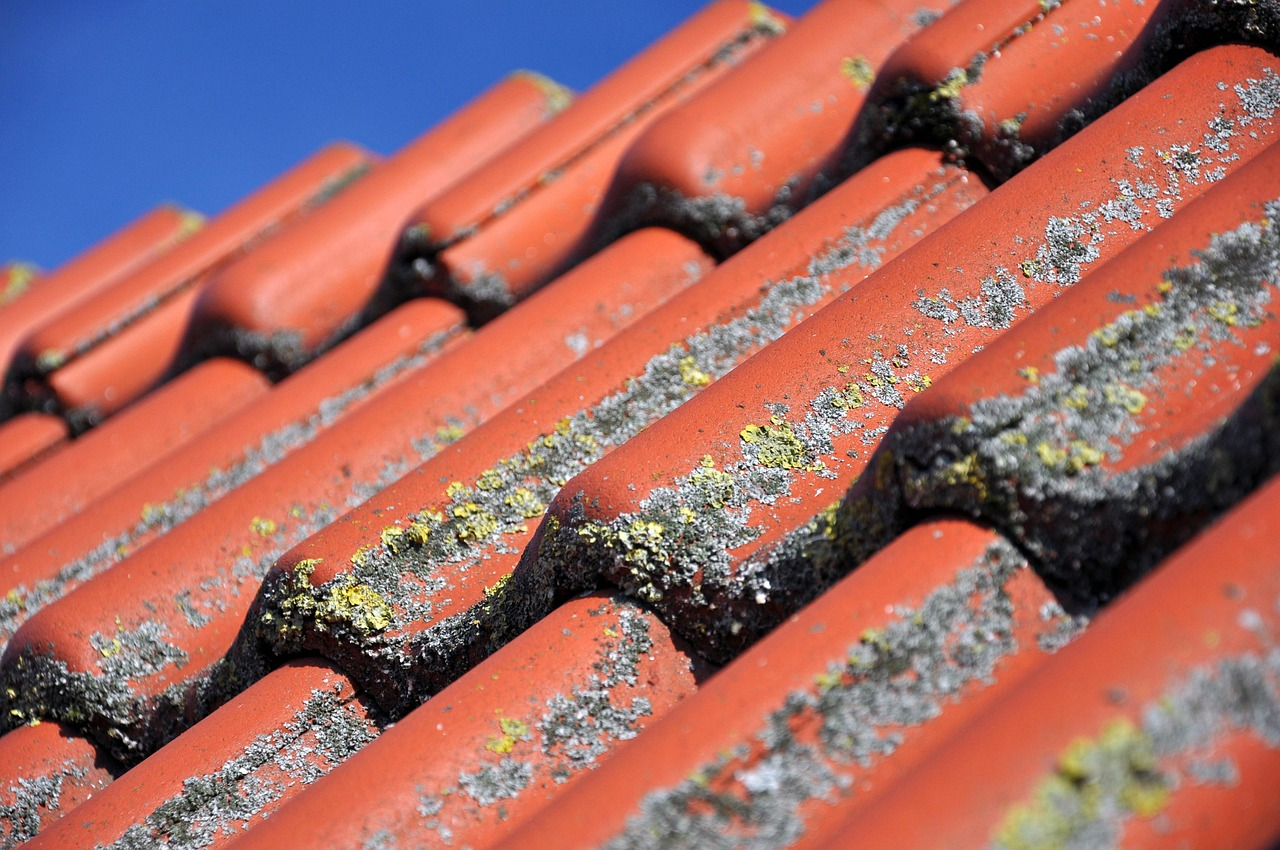
Ornamental trim, including decorative fascia boards, corbels, and scrollwork, often introduces tiny gaps where it meets the main structure of a house. These gaps are frequently too small to notice during a casual glance but large enough for ants, small spiders, or even mice to use as an entry point. Over years of weather exposure, caulking around trim can shrink or crack, widening these openings gradually.
Because ornamental trim is usually installed for visual appeal rather than structural necessity, it doesn't always receive the same maintenance attention as other parts of a home's exterior. Periodic caulking checks, along with a visual scan for gaps wider than a few millimeters, can catch problems before they allow consistent pest movement into wall cavities.
Final Analysis
Exterior decor adds real value to a home's appearance, and none of these features need to be removed or avoided to prevent pest issues. The key lies in regular attention: clearing debris, checking for moisture buildup, inspecting joints and gaps, and staying alert to early signs of nesting behind or beneath decorative elements. Most problems develop slowly, over multiple seasons of neglect, rather than appearing overnight.
Homeowners who build these checks into their normal seasonal upkeep, alongside broader landscaping and exterior maintenance routines, tend to catch pest activity early, before it spreads into siding, attic spaces, or the interior of the home. A little consistency with decorative features goes a long way toward keeping both the home's appearance and its pest resistance intact.
Stay up to date with our latest ideas!