How Exterior Design Choices Influence Long-Term Home Maintenance Costs
Learn how exterior design choices affect long-term maintenance costs, helping homeowners reduce repairs, improve durability, and plan smarter upgrades.
Discover how smart exterior design choices can reduce long-term home maintenance costs and protect your investment year after year.
It’s easy to get swept up in curb appeal. A fresh coat of paint, a cute mailbox, and a few garden lights catch the eye right away. Those are the details that draw attention when someone walks by.
But the parts that shape your weekends and your wallet often hide in plain sight. Think siding that never stays clean. A roof that leaks after every storm. Windows that whistle on windy nights. These choices might seem small at first. Over time, they decide how often you’re fixing, patching, or paying for repairs. Good design makes life easier without asking for constant work.
Window and Door Design That Limits Repair and Energy Loss
Windows and doors often seem simple, but they play a big role in both comfort and cost. Gaps, drafts, and weak seals drive energy bills up. Frames that swell or crack invite water damage and structural issues.
Some materials fail faster than others. Cheap vinyl can warp in heat. Poor-quality wood absorbs moisture. Fiberglass and treated wood offer better durability. Double or triple glazing improves insulation and reduces strain on heating and cooling systems.
Well-sealed windows and solid doors protect more than the interior. They reduce how often you need to repair walls, frames, and nearby finishes. Smart design now means fewer surprises later.
Roof Design and Material Choices: Long-Term Cost Drivers
A roof shapes how a home ages. Poor pitch, cheap materials, or complex shapes often lead to early repairs. Flat sections hold water. Low slopes invite debris. Steep, simple designs drain quickly and last longer with less effort.
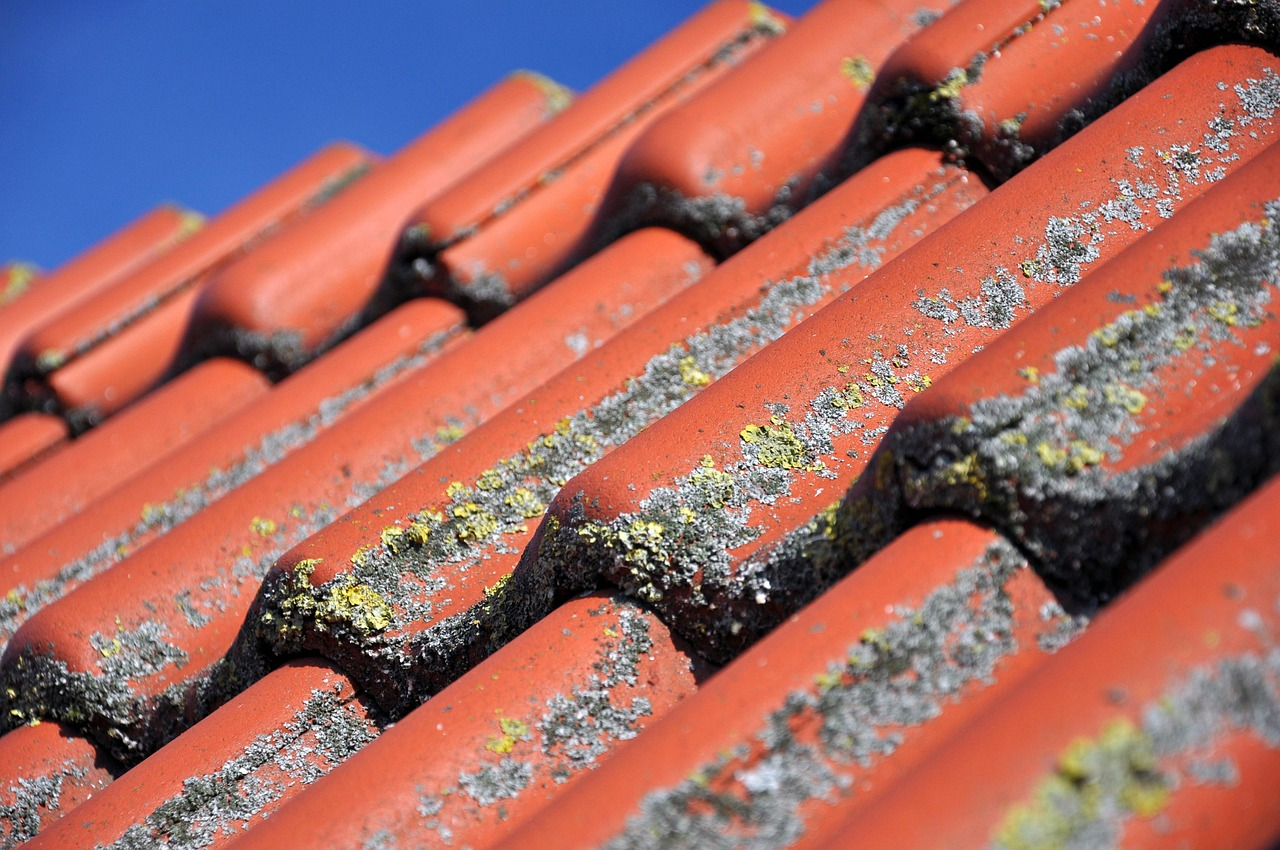
Materials affect costs more than many homeowners expect. Asphalt wears down faster than tile. Clay resists heat but needs extra framing. Metal performs well in wind and rain. The right material balances local weather with structural needs. This decision shapes repair schedules for decades.
It’s important to work with a reputable roofing company from the start. A properly installed roof made with quality materials will require less maintenance over time. That one decision can reduce stress, avoid water damage, and cut back on future repair bills.
Landscaping and Drainage Decisions That Protect Exterior Surfaces
Water always looks for a way in. Poor drainage lets it find one. When yards slope toward the house, moisture collects near the foundation. That leads to cracks, rot, and shifting soil. Over time, these issues spread to siding, trim, and basement walls.
Some plants create problems too. Roots push into walkways and pipes. Overgrown shrubs trap moisture against walls. Even mulch piled too high can cause hidden damage. A low-maintenance yard starts with thoughtful layout and spacing.
Good landscaping moves water away from the home. Gravel paths, downspout extensions, and proper grading all play a part. These decisions cut repair costs before they start.
Siding Materials and Finishes That Reduce Ongoing Upkeep
Siding takes constant abuse from the sun, wind, and moisture. Some materials handle that stress better than others. Wood expands and cracks. Vinyl fades and warps. Fiber cement resists most damage and holds paint longer. Brick needs little upkeep but costs more upfront.
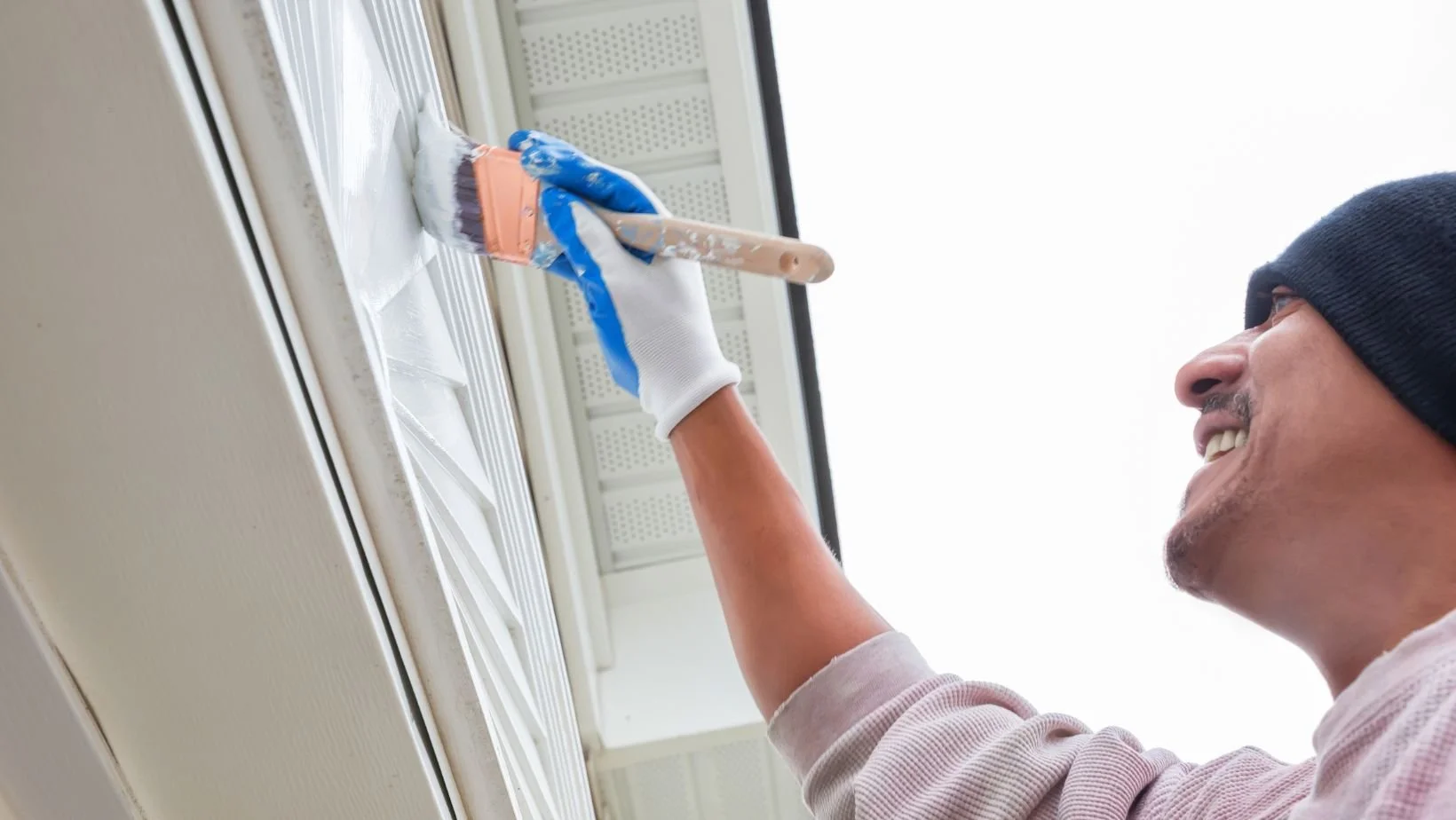
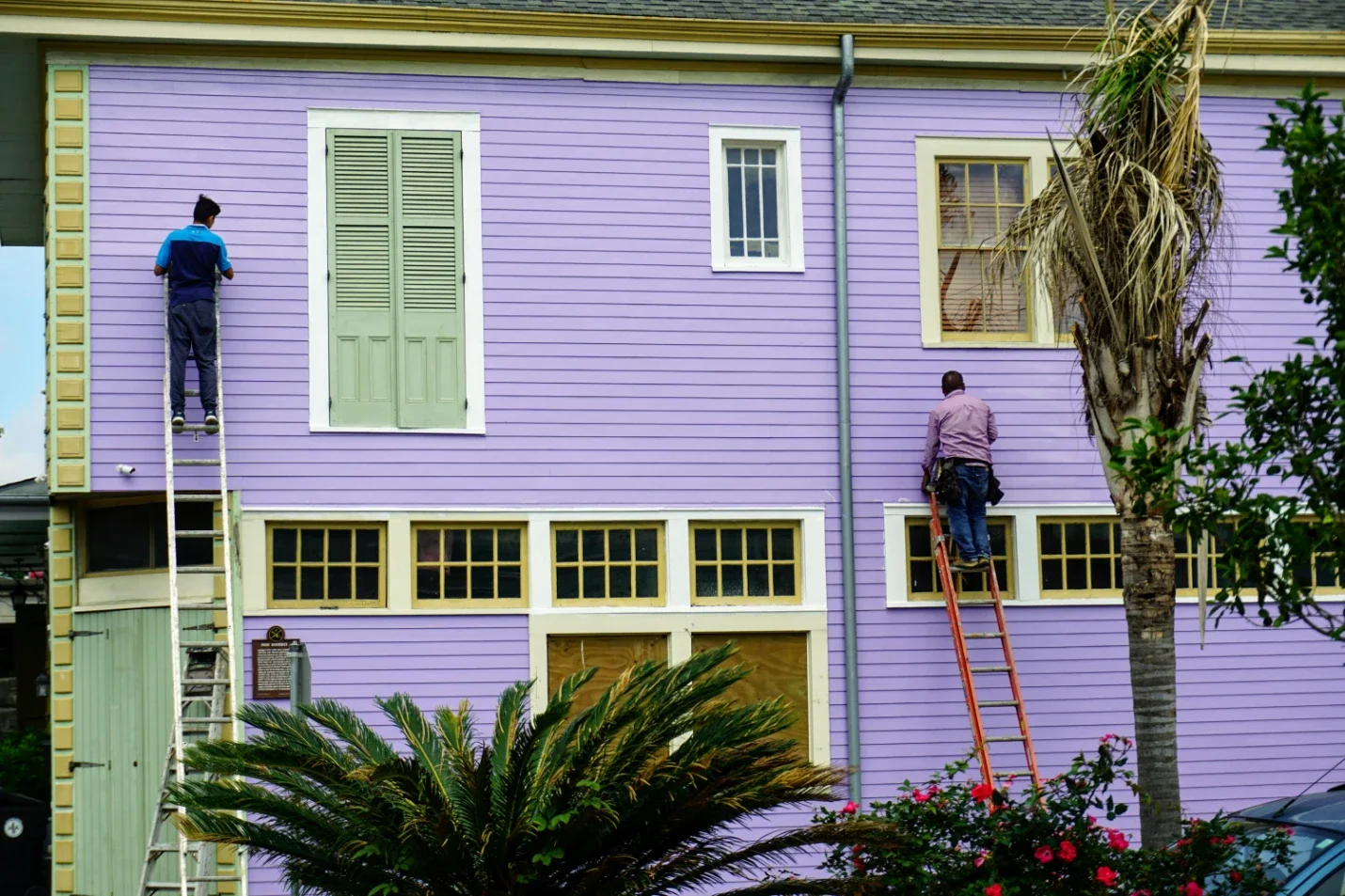
Painted surfaces need regular touch-ups. Some finishes chip early. Others last a decade or more. Factory-applied coatings tend to hold up better than anything applied on-site. Fewer touch-ups mean lower costs over time.
Design choices matter too. Siding installed with poor drainage traps moisture. That leads to rot and mold. Clean lines, sealed edges, and weather-ready finishes all work together to protect your home and your budget.
Exterior Fixtures and Finishes Built for Longevity
Outdoor fixtures face constant exposure. Sun fades colors. Rain causes rust. Cheap materials break or peel within a few seasons. That leads to replacements, repairs, and more time on the ladder.
Lighting, railings, and hardware last longer when made from powder-coated metal, stainless steel, or treated wood. Sealed fasteners and weather-rated components prevent corrosion and warping. Quality matters most in the small details.
A consistent finish across all exterior elements protects the home’s look and structure. When fixtures hold up, you avoid mismatched parts and repeated work. Long-lasting materials don’t ask for attention. They do their job without interruption.
Climate-Responsive Design Choices That Control Wear
Homes age faster when materials fight the climate. In humid regions, wood swells and rots. In dry heat, cheap vinyl cracks. Coastal air eats away at metal. Snow loads strain weak roofs. Matching design to local conditions avoids these problems from the start.
Some regions need deeper roof overhangs or extra insulation. Others benefit from reflective siding or vented facades. No single design works everywhere. Smart planning begins with the weather in mind.
Choosing materials suited to your region limits repairs and replacements. It also helps your home stay efficient year-round. Local conditions should always shape exterior choices.
Planning Maintenance Around Design Decisions
Every exterior choice affects future upkeep. Some features need regular cleaning or sealing. Others hold up with little effort. Planning ahead helps you manage time and cost instead of reacting to damage.
Set a schedule that matches your materials. Brick needs less care than wood siding. Metal roofs outlast asphalt but still need checks. Walk the exterior each season. Look for cracks, soft spots, or signs of water intrusion.
Simple habits prevent small problems from growing. A well-designed home should come with a plan. When design and maintenance work together, repairs become rare and predictable.
Wrapping Up
Looks fade. Repairs add up. What lasts is a home that works with time, not against it. Every choice outside your walls sets a rhythm for what comes next. Some materials protect. Some invite problems. You feel the difference every season.
That’s why design matters. A roof that holds. Siding that resists wear. Windows that seal tight. These things shape your days long after the build is done. You’re not avoiding work. You’re choosing when and how it shows up.
Invest in what works now and still works later. A well-built exterior doesn’t need to shout. It saves you the trouble quietly.
Stay up to date with our latest ideas!