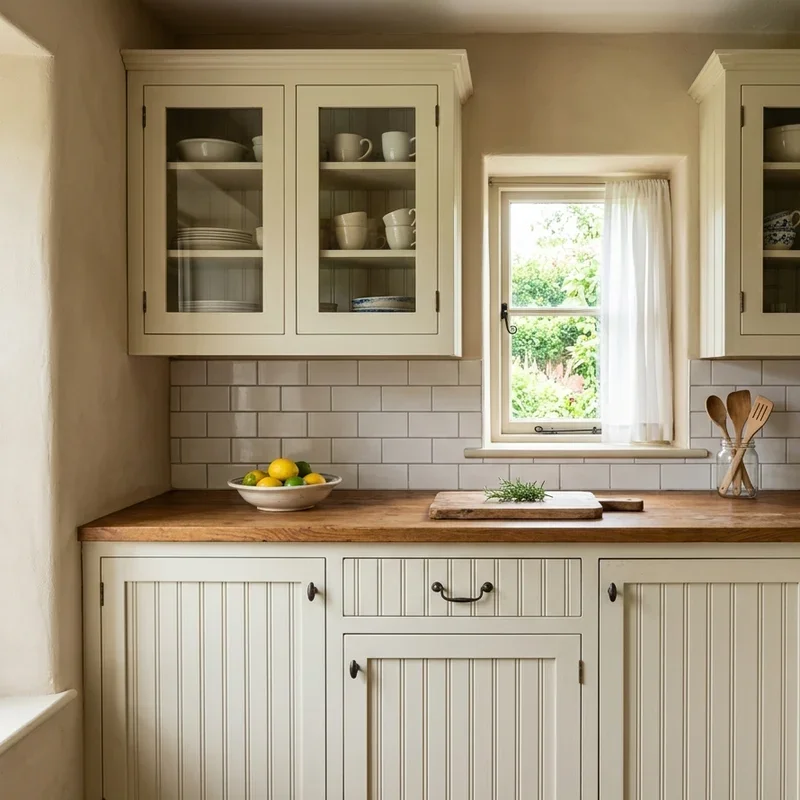
15 Beadboard Kitchen Cabinet Ideas for Timeless Charm
Discover 15 beadboard kitchen cabinet ideas for timeless charm featuring classic panel details, cottage style, and elegant textures.
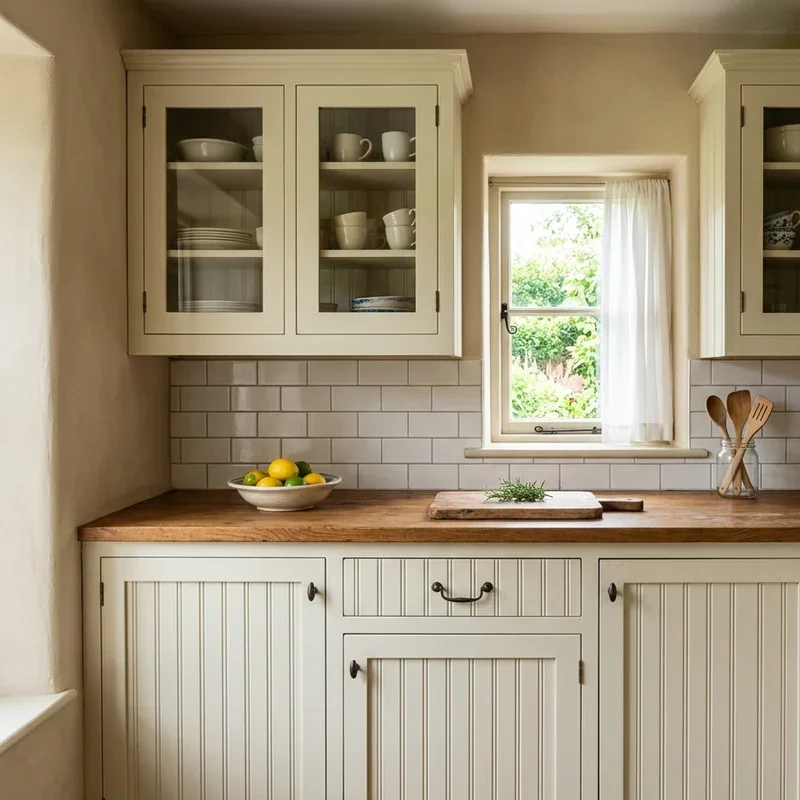
Beadboard kitchen cabinets bring the vertical, grooved, run-your-fingers-across-the-ridges textured panel detail that transforms flat, featureless, nothing-interesting-happening cabinet doors into the kind of tactile, cottage-inspired, this-kitchen-has-genuine-character charming surfaces where every narrow plank line adds depth, shadow, and the unmistakable warmth of traditional craftsmanship that smooth, slab-front, could-be-any-kitchen-anywhere modern alternatives deliver as sleek minimalism but beadboard delivers as personality-rich, history-referencing, grandmother's-kitchen-but-better timeless architectural character. Have you ever noticed how beadboard panels make even brand-new cabinets feel like they've belonged in the kitchen for decades, carrying that lived-in, always-been-here comforting familiarity? That instant character drives beadboard cabinet design. Let's explore fifteen ideas.
1. Classic White Beadboard Cabinet Doors
Classic white beadboard cabinet doors deliver the quintessential, everybody-recognizes-this, cottage-kitchen-perfection look where crisp white paint highlights every vertical groove and shadow line across the panel surface in the kind of clean, bright, makes-the-whole-kitchen-feel-fresh timeless presentation that unpainted, raw-wood, rustic-only natural beadboard delivers as warm earthiness but white-painted alternatives deliver as the versatile, pairs-with-everything, never-dates-itself universal kitchen classic working equally well in farmhouse cottages and modern renovations. Paint all cabinet doors in a durable semi-gloss white that resists kitchen moisture and highlights the beadboard's vertical grooves through subtle shadow play. Choose a warm white avoiding blue undertones for approachable softness. Pair with brushed nickel or brass hardware. Seal with moisture-resistant topcoat for kitchen durability. Think of white beadboard like a crisp cotton shirt your kitchen never takes off. Your cabinets brighten timelessly.
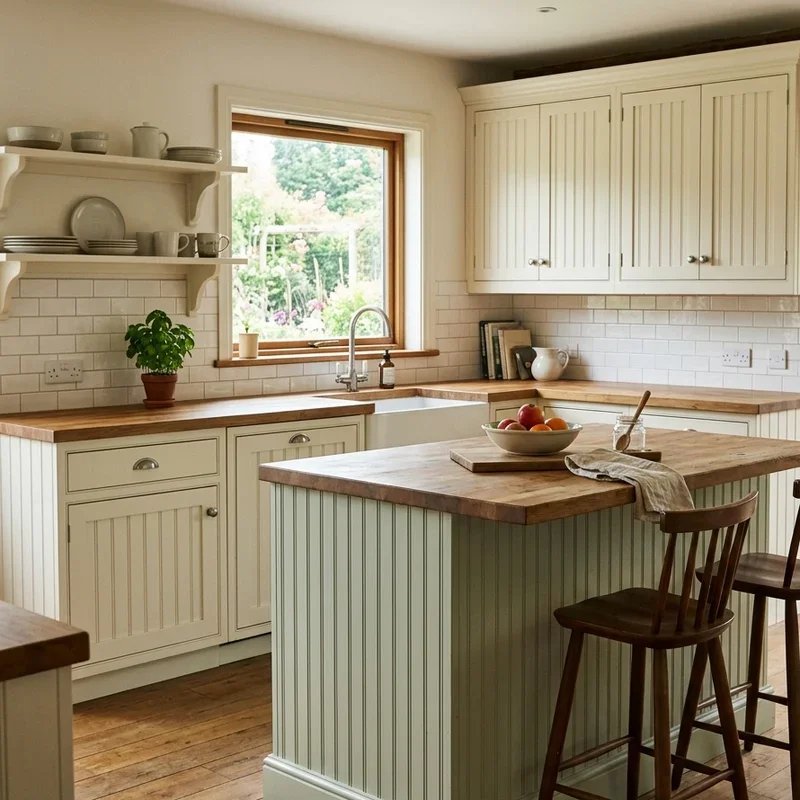
2. Beadboard Cabinet Island Feature
A beadboard cabinet island feature wraps your kitchen island's exterior panels in vertical beadboard, creating the textured, furniture-like, this-island-looks-like-a-standalone-piece architectural character that flat, drywall-covered, matches-every-other-surface plain island bases deliver as forgettable box shapes but beadboard-wrapped alternatives deliver as the distinguished, clearly-designed, somebody-chose-this-intentionally focal point anchoring the kitchen's center with tactile, dimensional, every-panel-catches-light cottage-inspired craftsmanship detail. Apply beadboard panels to all visible island sides including the back facing the living area. Paint in a contrasting color from the perimeter cabinets for visual separation. Cap with a thick countertop overhang for casual seating. Add decorative molding framing each beadboard panel section. Include open shelving on one end for display. Think of beadboard islands like furniture centerpieces your kitchen was built around intentionally. Your island stands distinguished.
3. Two-Tone Beadboard Upper and Lower
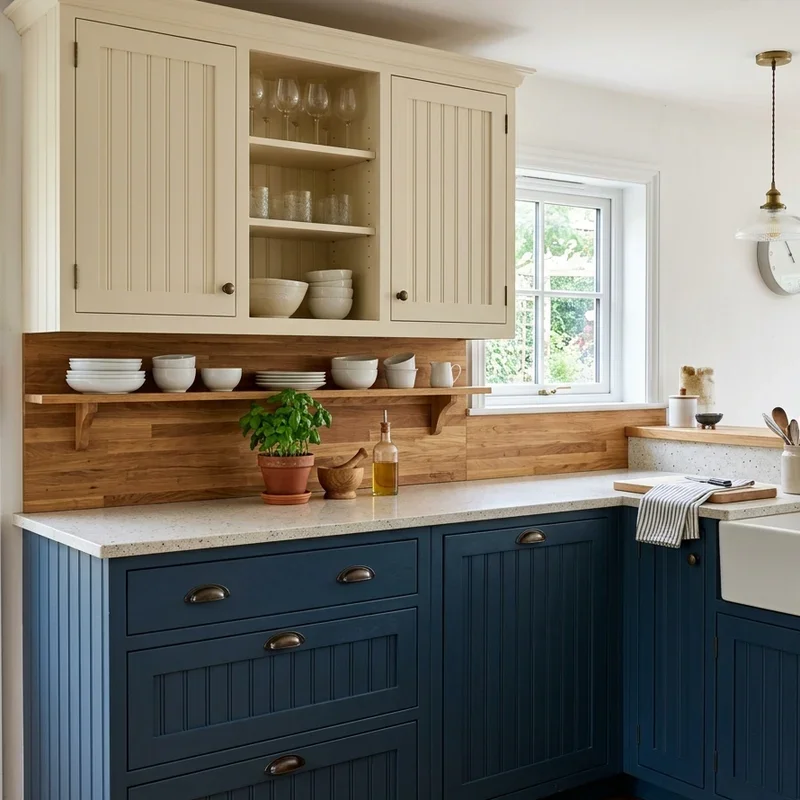
A two-tone beadboard design paints upper and lower cabinets in different colors while maintaining the same beadboard panel detail throughout, creating the visually dynamic, top-and-bottom-contrast, more-interesting-than-matching color separation where both cabinet zones share identical beadboard texture but differ in color like siblings wearing the same outfit in different shades, producing coordinated variety rather than uniform monotony across the kitchen's full vertical range from floor to ceiling. Paint upper cabinets in white or cream while finishing lowers in navy, sage green, or charcoal for grounding contrast. Maintain consistent beadboard panel style across both tones for textural unity. Bridge the two colors with a complementary countertop acting as the dividing line. Choose hardware matching across both zones. Think of two-tone beadboard like color-blocking your kitchen's wardrobe with matching texture. Your contrast coordinates beautifully.
4. Beadboard Open Shelving Backdrop
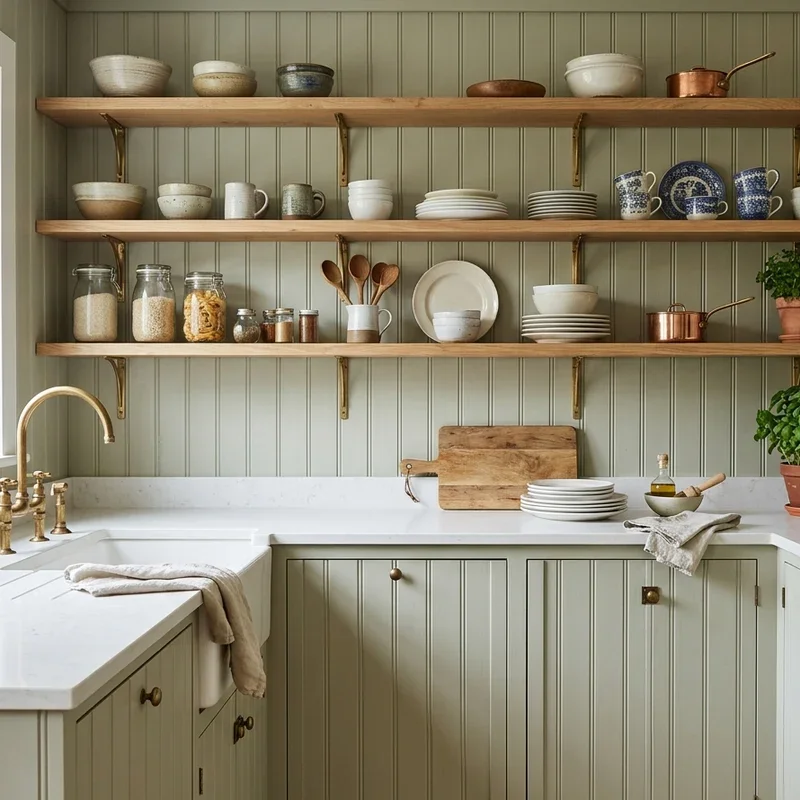
A beadboard open shelving backdrop lines the wall behind removed upper cabinet doors or intentionally open shelving with beadboard panels, creating the textured, cottage-cozy, displays-look-better-against-this dimensional background where dishes, glasses, and decorative objects sit against the grooved, shadow-catching, adds-depth-behind-everything vertical panel surface rather than the flat, plain, nothing-special painted drywall that standard open shelving reveals as boring background. Install beadboard panels on the wall surface behind open shelving units or inside cabinet boxes with removed doors. Paint the beadboard matching or contrasting the shelf color for cohesive or dynamic presentation. Ensure panels sit flush with shelf edges for clean alignment. Add accent lighting above each shelf section highlighting the beadboard texture. Think of beadboard backdrops like decorative stage curtains making every displayed dish perform beautifully. Your shelves gain depth.
5. Painted Color Beadboard Cabinets
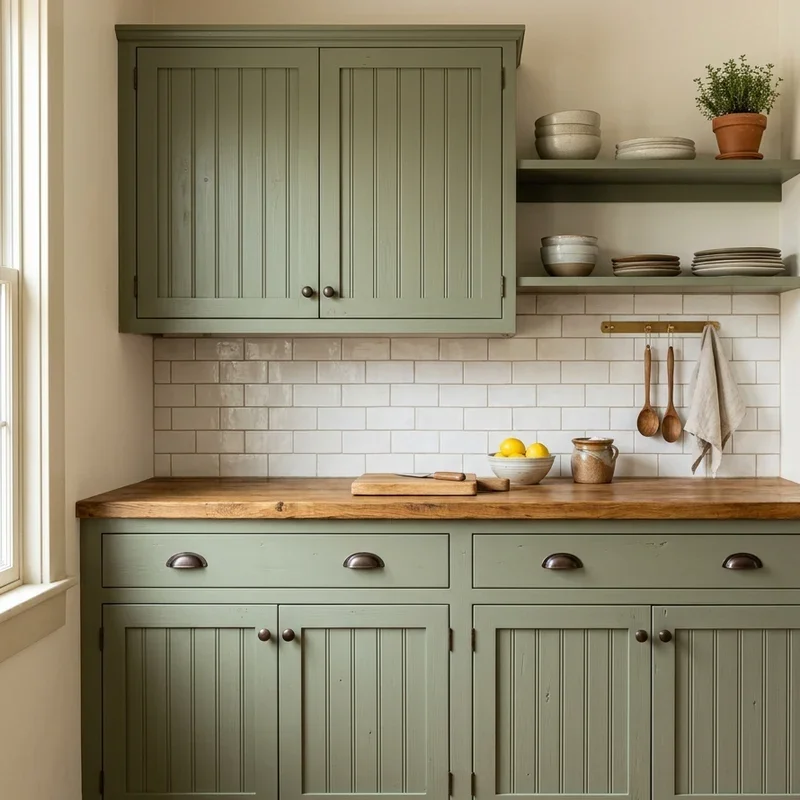
Painted color beadboard cabinets move beyond traditional white into bold, personality-packed, this-kitchen-has-confidence saturated colors where sage green, navy blue, butter yellow, or dusty rose beadboard panels bring the same textural charm as white versions but with the additional, color-adds-another-dimension, now-you've-got-texture-and-personality layered design impact that neutral, playing-it-safe, choosing-white-because-it's-easy colorless beadboard delivers as dependable background but colored alternatives deliver as statement-making, room-defining character pieces. Select a color reflecting your kitchen's personality and paint all beadboard cabinet doors in a durable semi-gloss finish. Choose muted, grayed-down versions of bold colors for sophistication avoiding carnival brightness. Pair colored cabinets with neutral countertops and backsplashes preventing visual competition. Test paint samples against your lighting before committing. Think of colored beadboard like dressing your kitchen's texture in its favorite outfit color. Your cabinets express boldly.
6. Beadboard Cabinet End Panels
Beadboard cabinet end panels apply grooved panels to the exposed sides of cabinet runs, island ends, and peninsula returns, finishing the visible, everybody-sees-this, can't-hide-behind-a-wall terminal surfaces with the same detailed, textured, clearly-intentional beadboard treatment that the front-facing doors display rather than leaving the flat, untextured, clearly-an-afterthought plain plywood or melamine side panels that budget, didn't-think-about-the-sides, hope-nobody-looks rushed installations leave embarrassingly exposed at every cabinet run's visible termination point. Apply beadboard panels to every exposed cabinet side using adhesive and finishing nails or integrated panel construction. Frame with matching trim molding for a finished, furniture-quality edge detail. Paint to match adjacent cabinet door color for seamless integration. Wrap corners cleanly where end panels meet door fronts. Think of beadboard end panels like finishing sentences your cabinets started on the front face. Your sides complete properly.
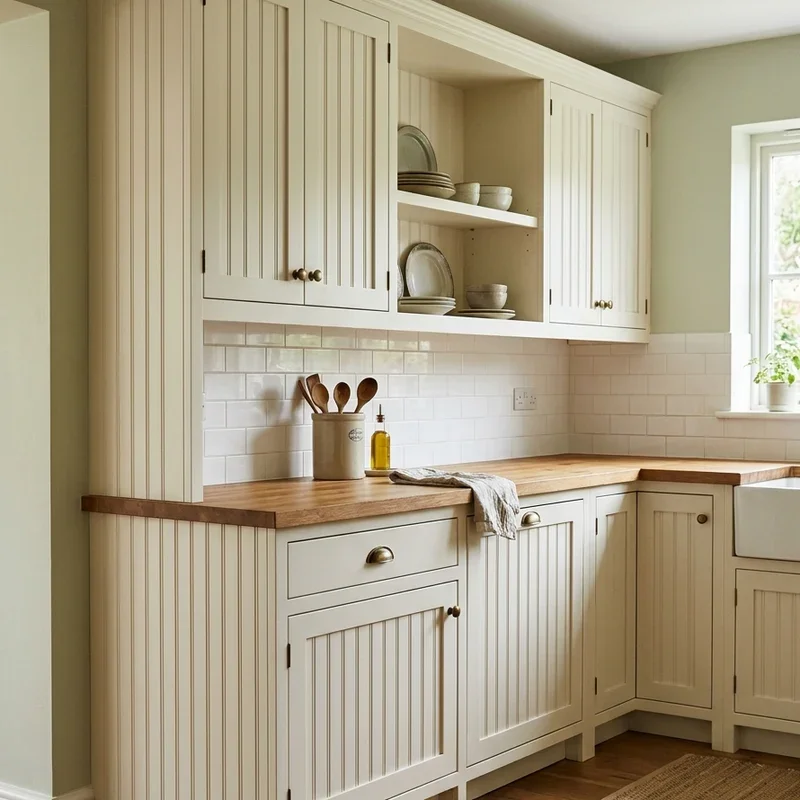
7. Glass and Beadboard Cabinet Combo
A glass and beadboard cabinet combo replaces select upper cabinet doors with glass-fronted panels while maintaining beadboard on remaining doors, creating the varied, some-doors-show-some-doors-hide, best-of-both-worlds mixed facade where transparent glass doors display beautiful dishware alongside the textured, opaque, hides-the-messy-shelves beadboard doors concealing everyday kitchen clutter behind their grooved, solid, nobody-sees-what's-inside private panels in perfectly balanced partnership. Install glass-front doors on cabinets containing display-worthy items like stemware, colorful dishes, or curated collections. Keep beadboard panels on cabinets storing everyday items, food packages, and less photogenic contents. Use matching frame profiles across both door types for consistent style. Add interior cabinet lighting behind glass doors for display illumination. Think of glass-beadboard combos like curating which kitchen chapters remain open and which stay private. Your display balances selectively.
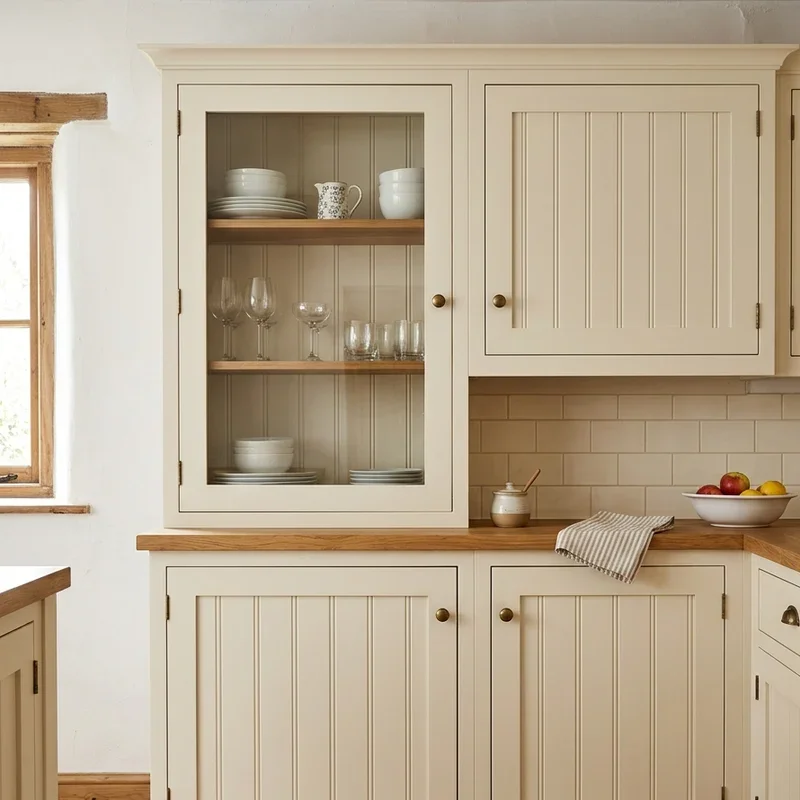
8. Beadboard Pantry Door Design
A beadboard pantry door design replaces the standard, flat, looks-like-every-other-door plain pantry entrance with a full-height beadboard panel door that announces the pantry's presence with the kind of this-door-is-special, something-good-is-behind-here, clearly-different-from-the-others architectural distinction that standard hollow-core, builder-grade, nothing-memorable-about-this generic interior doors deliver as forgettable background elements but beadboard alternatives deliver as the charming, character-rich, cottage-worthy focal points worthy of the kitchen's most important storage space. Build or purchase a pantry door featuring full beadboard panel construction with substantial frame rails and stiles. Paint to match or contrast your cabinet color scheme intentionally. Add antique-style hardware like a latch handle or bin pull for period-appropriate charm. Include a soft-close mechanism for quiet operation. Think of beadboard pantry doors like decorated gateways into your kitchen's secret treasure room. Your pantry enters charmingly.
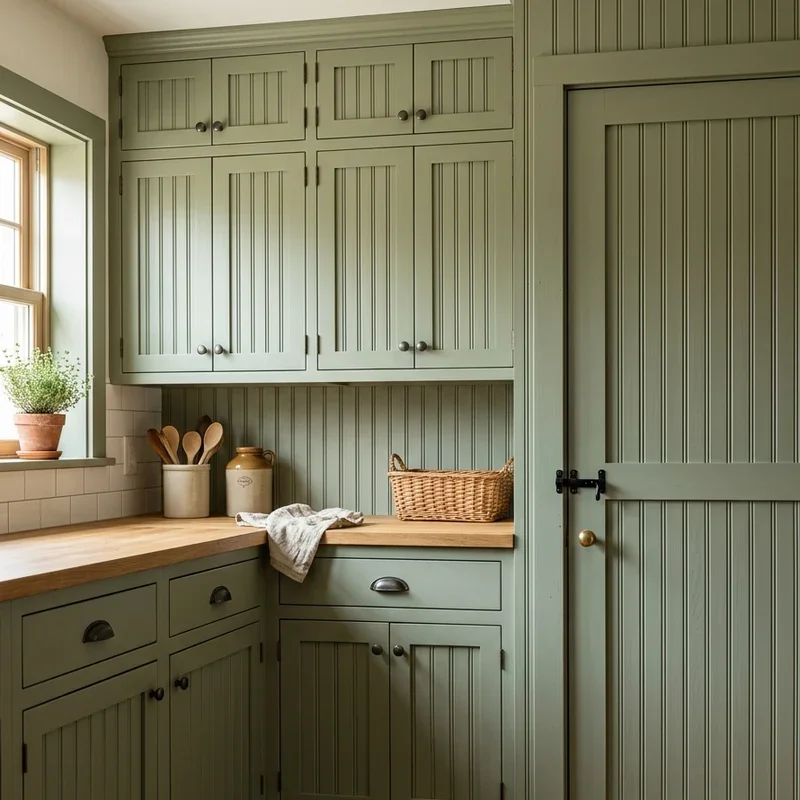
9. Beadboard Drawer Front Detail
Beadboard drawer front detail applies the grooved vertical panel texture to drawer faces throughout your kitchen, extending the beadboard language from upper and lower cabinet doors downward into the drawer bank zone where the consistent, top-to-bottom, every-surface-matches textural unity creates the cohesive, clearly-one-design-vocabulary, nothing-was-overlooked thorough design commitment that mixed, some-beadboard-some-flat, didn't-finish-the-thought inconsistent partial applications deliver as unresolved design while fully committed alternatives deliver as complete, intentional, every-element-participates unified kitchen character. Apply beadboard panels to all drawer fronts maintaining consistent groove spacing matching the cabinet doors above. Adjust panel orientation so grooves run vertically even on horizontal drawer faces. Use matching hardware placement across drawers and doors for visual rhythm. Ensure drawer box construction supports the beadboard panel weight. Think of beadboard drawers like continuing the same song your cabinet doors started singing across every surface. Your details complete consistently.
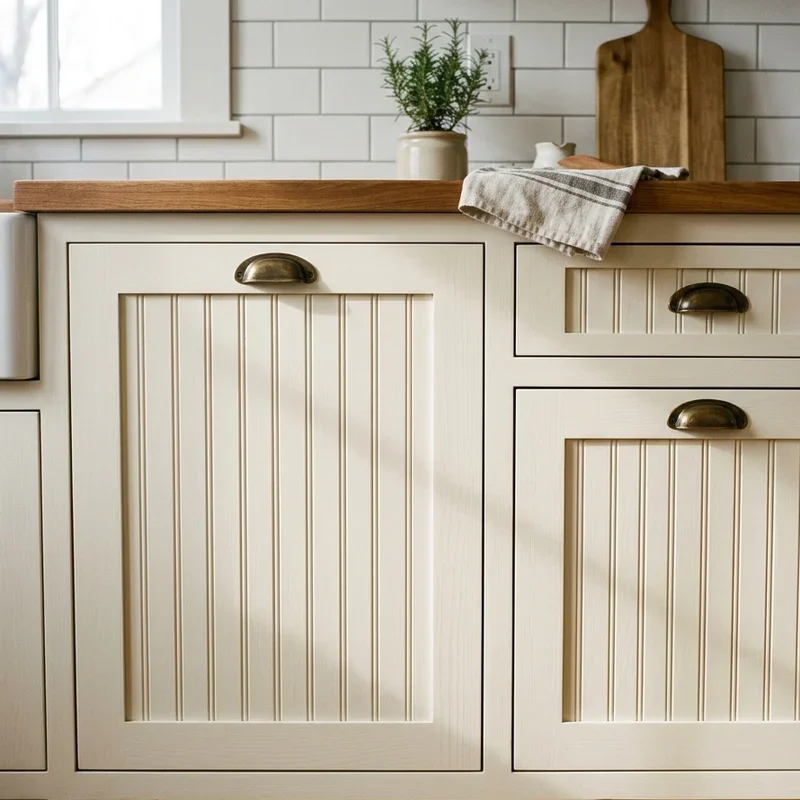
10. Beadboard Range Hood Surround
A beadboard range hood surround wraps the ventilation hood or chimney chase above your cooktop in matching beadboard panels, creating the textured, integrated, the-hood-matches-the-cabinets cohesive cooking zone where the prominent, centrally-positioned, everybody-looks-here range hood becomes part of the beadboard design story rather than the separate, different-material, clearly-doesn't-belong interrupting element that stainless steel or plain drywall hood surrounds deliver as functional but stylistically disconnected cooking zone components. Build a custom hood surround using beadboard panels framed with trim molding matching your cabinet profiles. Paint to match adjacent cabinetry for seamless integration into the cabinet run. Include proper ventilation behind the decorative surround meeting code requirements. Add corbels or brackets beneath the hood base for architectural support detail. Think of range hood surrounds like beadboard crowns topping your kitchen's most important cooking station. Your hood integrates seamlessly.
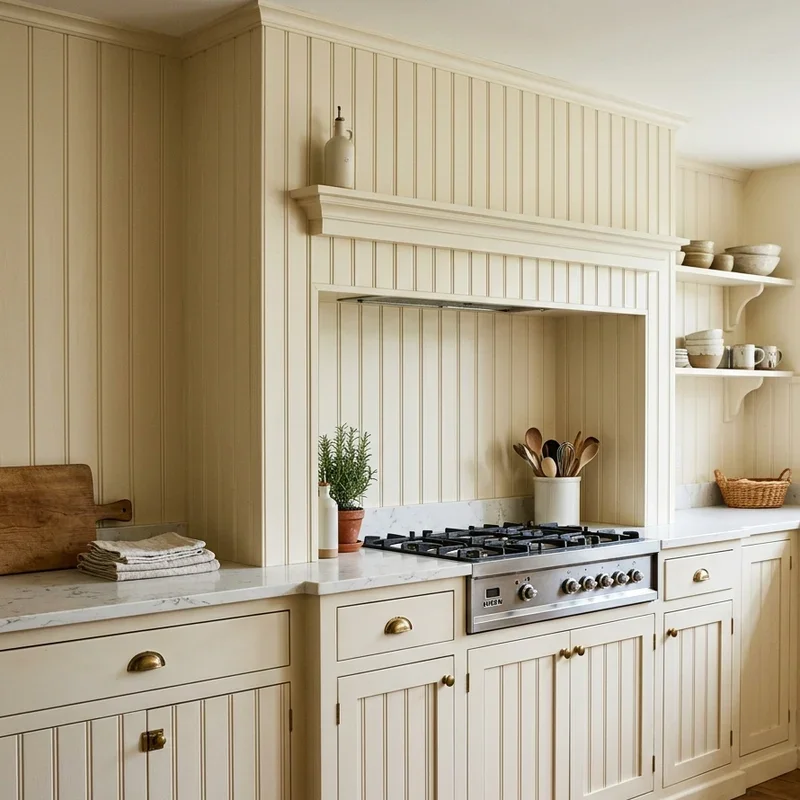
11. Distressed Beadboard Cabinet Finish
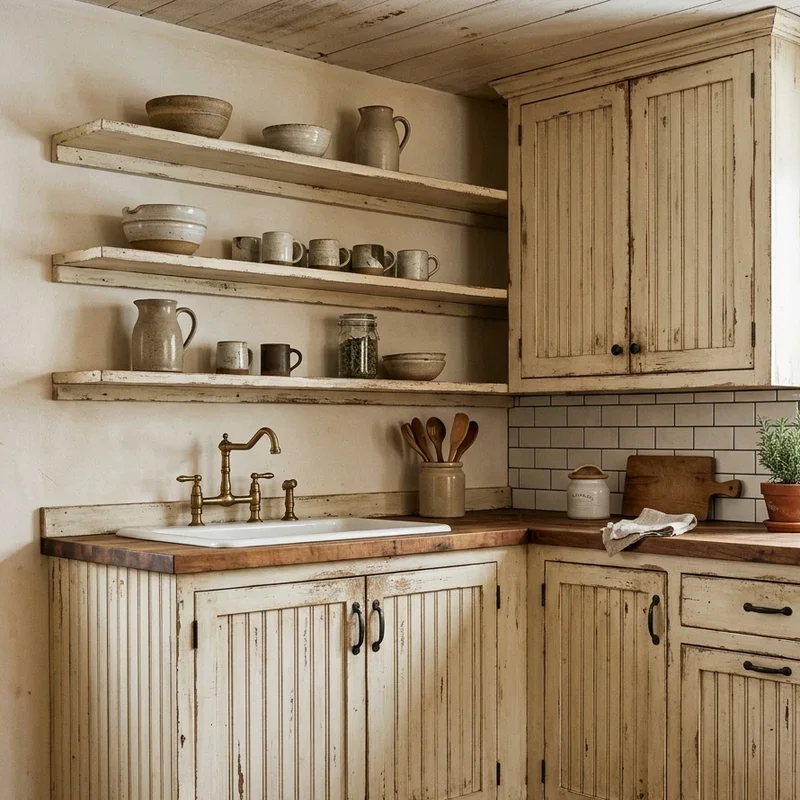
A distressed beadboard cabinet finish applies intentional, carefully-created, looks-like-decades-of-use aged patina to your beadboard panels through sanding, layered painting, and selective wear techniques that create the authentic, this-kitchen-has-lived, generations-cooked-here vintage character that pristine, just-painted, clearly-brand-new flawless finishes deliver as fresh cleanliness but distressed alternatives deliver as the storied, time-worn, every-scratch-tells-a-tale charming aged warmth that makes new kitchens feel like beloved, well-used family gathering spaces. Apply a base color, then a topcoat in a contrasting shade, then sand edges, corners, and high-touch areas revealing the base color beneath for layered aging effect. Concentrate distressing on areas where natural wear would occur over decades. Seal with matte topcoat maintaining the aged, non-shiny appearance. Avoid over-distressing that looks artificially damaged. Think of distressed beadboard like instant family history applied with sandpaper and patience. Your cabinets age gracefully.
12. Beadboard Cabinet with Crown Molding
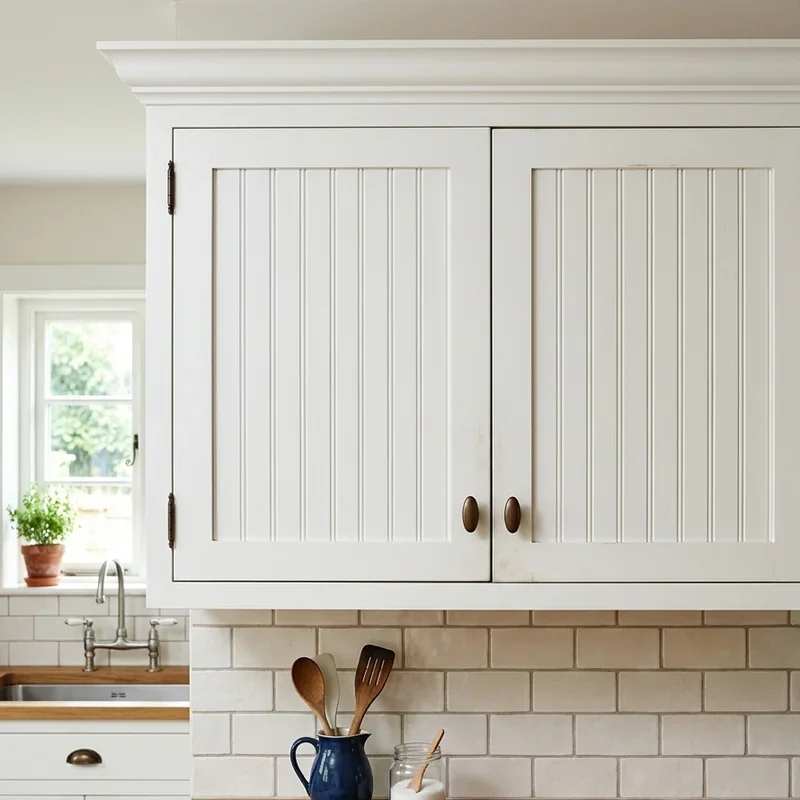
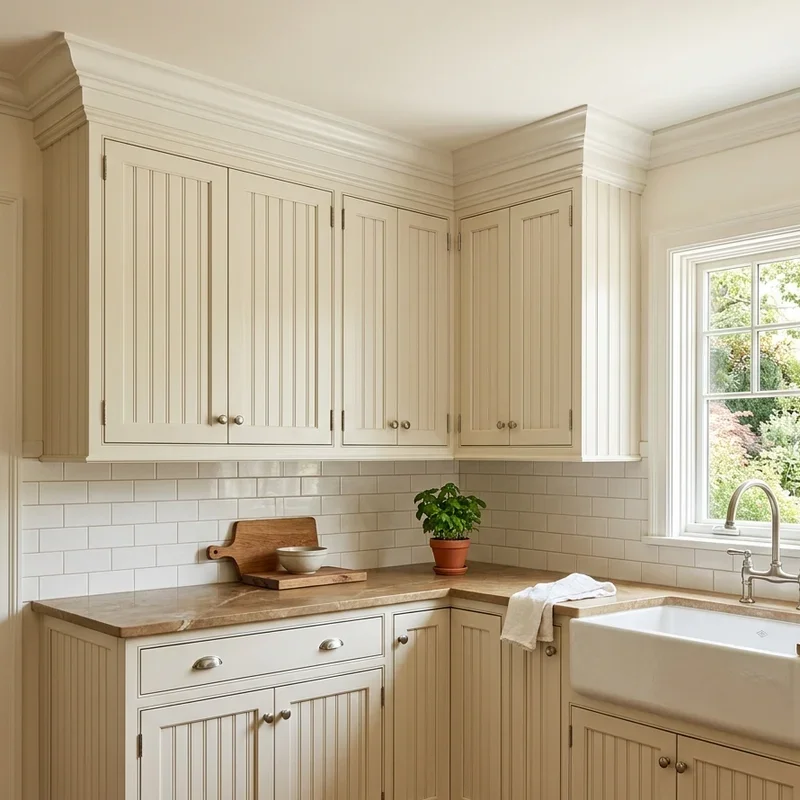
Beadboard cabinets with crown molding add the formal, finishing, completes-the-look decorative trim where upper cabinets meet the ceiling, creating the polished, architecturally-finished, this-kitchen-was-properly-designed elegant transition that crown-less, abruptly-stopping, gap-between-cabinet-and-ceiling unfinished upper cabinet terminations deliver as visually incomplete but molding-topped alternatives deliver as the refined, clearly-custom, worth-the-extra-detail finished presentation elevating beadboard cabinets from charming cottage into sophisticated traditional design territory. Install crown molding along the top of upper cabinets extending to the ceiling or leaving a small gap depending on ceiling height. Choose a molding profile proportional to cabinet scale and ceiling height. Paint molding matching the cabinet color for integrated appearance. Add light rail molding beneath upper cabinets for symmetrical trim framing. Think of crown molding like elegant hats your beadboard cabinets wear to formal kitchen occasions. Your tops finish elegantly.
13. Horizontal Beadboard Panel Twist
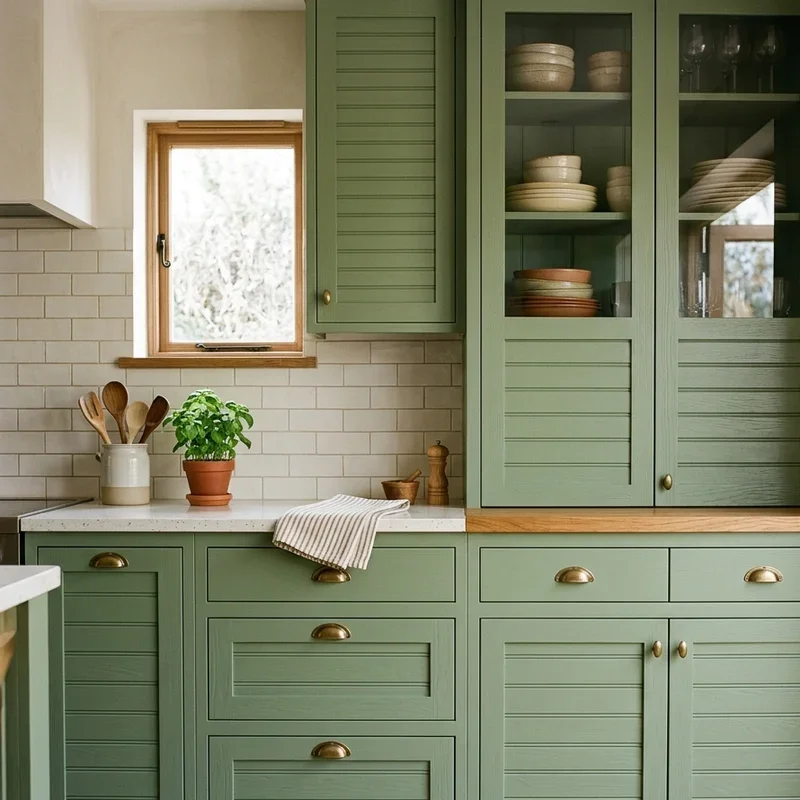
A horizontal beadboard panel twist rotates the traditional vertical groove orientation ninety degrees, running the characteristic lines sideways across cabinet doors in the kind of unexpected, same-material-different-direction, wait-that's-different subtle design twist that standard, always-vertical, seen-this-orientation-everywhere conventional beadboard delivers as familiar predictability but horizontal alternatives deliver as the fresh, modern, kept-the-texture-changed-the-angle contemporary reinterpretation breathing new perspective into a classic material through simple rotational innovation. Orient beadboard panels horizontally on cabinet doors with grooves running left to right instead of top to bottom. Apply horizontal orientation consistently across all doors for intentional design commitment. Use on lower cabinets only while keeping uppers vertical for a mixed-direction approach. Pair with contemporary hardware for modern interpretation. Think of horizontal beadboard like turning a classic portrait sideways and discovering an entirely new composition. Your orientation refreshes creatively.
14. Beadboard Butler's Pantry Cabinets
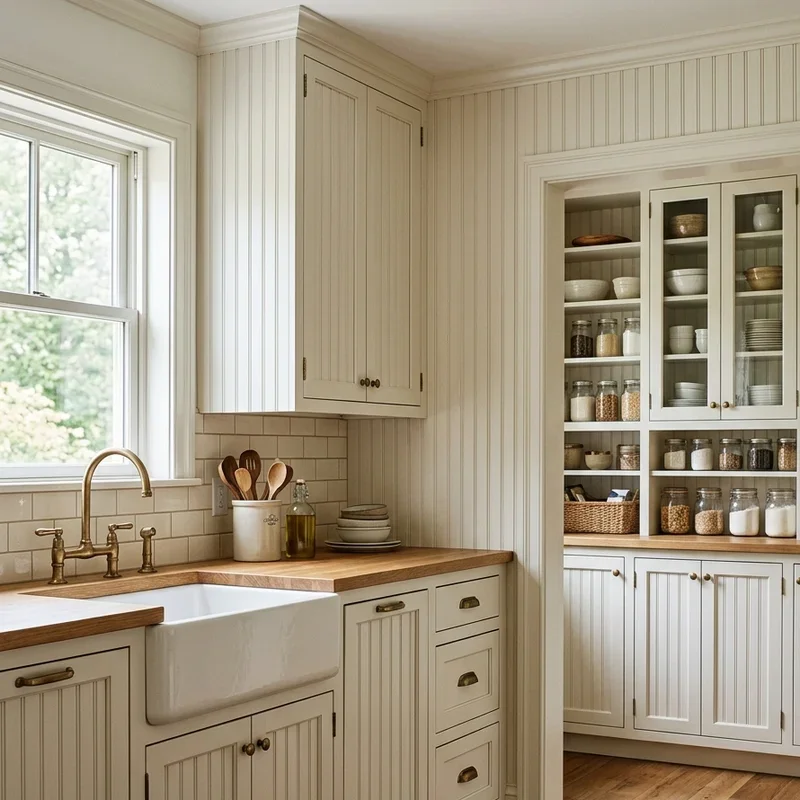
Beadboard butler's pantry cabinets line the dedicated serving, storage, and preparation space between kitchen and dining room with full beadboard cabinetry creating the charming, step-into-another-era, this-room-has-its-own-personality transitional space where the grooved panels, glass-front uppers, and deep countertops produce the kind of functional, beautiful, I-want-to-spend-time-in-here butler's pantry that plain, utilitarian, just-more-storage undecorated pantry cabinets deliver as practical but uninspiring compared to the beadboard-enriched alternative radiating vintage charm throughout every square inch. Install full beadboard cabinetry with a mix of solid lower doors and glass-front uppers throughout the butler's pantry. Include beadboard wall panels above the countertop as a built-in backsplash. Add a countertop for serving preparation and bar setup. Incorporate specialized storage for stemware, linens, and serving pieces. Think of beadboard butler's pantries like charming backstage areas where kitchen performances get prepared beautifully. Your pantry serves elegantly.
15. Beadboard and Shaker Hybrid Design
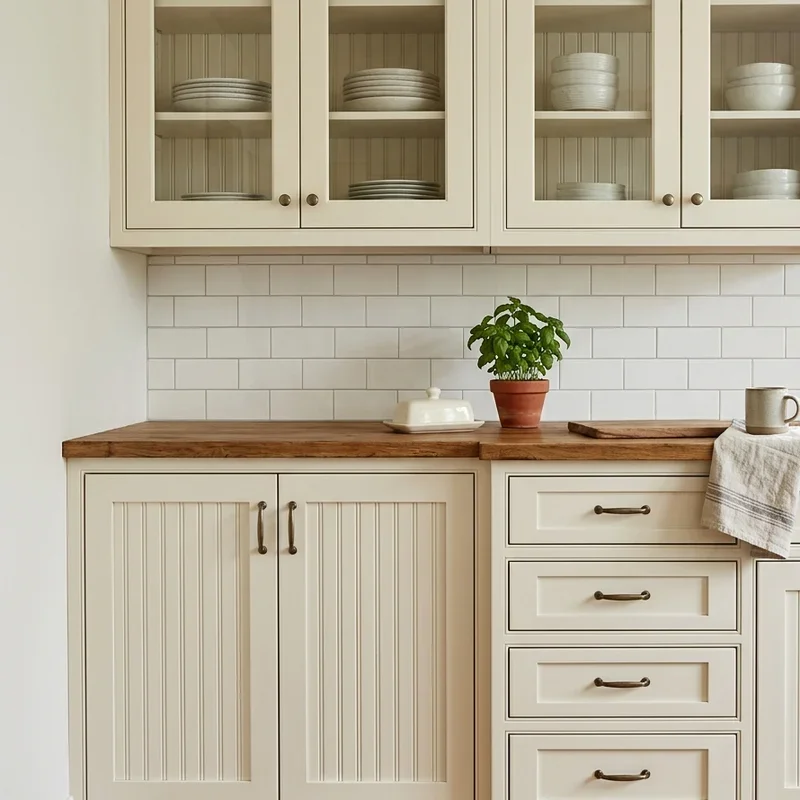
A beadboard and shaker hybrid design combines beadboard-paneled lower cabinets with clean-lined shaker-style uppers, creating the mixed, two-styles-one-kitchen, best-of-both-worlds layered design conversation where beadboard's textured, cottage-charming, groove-rich character anchors the kitchen's grounding lower zone while shaker's simple, recessed-panel, quietly-elegant upper zone provides visual breathing room above in the kind of intentionally varied, designed-contrast, more-interesting-than-matching thoughtful style partnership. Apply beadboard panels on all lower cabinet doors and drawers while installing shaker-profile doors on upper cabinets. Paint both styles in the same color for chromatic unity despite textural variation. Use matching hardware across both styles for consistent finishing detail. Reverse the arrangement with beadboard uppers and shaker lowers for an alternative interpretation. Think of shaker-beadboard hybrids like design conversations between two classic styles sharing one kitchen harmoniously. Your styles partner beautifully.
Conclusion
Beadboard kitchen cabinet ideas prove that the simple, grooved, vertically lined panel detail carries enough design versatility to anchor entire kitchen transformations ranging from classic white cottage kitchens through bold colored contemporary spaces to distressed vintage farmhouse retreats, all through the same fundamental textured panel adapted across colors, orientations, and applications. These fifteen ideas span classic doors to hybrid designs, matching every kitchen style and renovation budget. The best beadboard kitchens layer texture with thoughtful color and trim for complete character. Start planning your beadboard cabinets today.
Read next: 15 Beadboard Bathroom Ideas for Classic and Stylish Looks
Frequently Asked Questions
Q1: Are beadboard cabinet doors more expensive than flat panel alternatives?
A: Beadboard doors cost slightly more than flat panels but significantly less than custom raised panel alternatives.
Q2: Can I add beadboard panels to my existing flat cabinet doors?
A: Yes, adhesive beadboard panels attach directly over existing flat doors for affordable, DIY-friendly cabinet transformation.
Q3: What paint finish works best on beadboard kitchen cabinets?
A: Semi-gloss finish highlights beadboard grooves beautifully while providing the moisture resistance kitchens require for daily durability.
Q4: Does beadboard work in modern or contemporary kitchen designs?
A: Absolutely, painting beadboard in bold colors with sleek hardware creates surprisingly modern, texture-rich contemporary kitchen aesthetics.
Q5: How do I clean beadboard cabinet grooves effectively?
A: Use a soft brush attachment on your vacuum or a damp cloth following groove direction for thorough cleaning.
Stay up to date with our latest ideas!