The DIY vs. Professional Remodel Debate: Knowing When to Call in the Experts
Learn when to tackle a remodel yourself and when to hire professionals by comparing costs, risks, skills, and the value of expert craftsmanship.

There is no denying that home remodeling has become more within reach than ever before. Between the weekend-renovation shows, online how-to guides and an abundance of tutorial videos, it is easy to be tempted by the prospect of putting your own stamp on a kitchen or basement in a way that is both empowering and kind to the budget. But one question is bound to come up: is this a job for you, or should you put in a call to a professional contractor?
It is not a matter of cost alone. A home renovation done right demands planning, an eye for long-term durability, and a working knowledge of building codes and permits. While some homeowners will find creative satisfaction and savings in a do-it-yourself project, for others the wiser, more economical choice is to hire someone with a license.
We have put together this guide to the DIY versus home building professional debate so you can decide where to draw the line.
Why Homeowners Are Drawn to DIY Home Remodel
The DIY movement has been fueled by the fact that the tools and materials are more approachable these days. For many, there are clear incentives to take matters into their own hands:
You keep the labor costs down
You have the final say on design
There is flexibility in your schedule and a quicker start
It is an accomplishment in itself
On a small scale the savings are real. With a little patience and moderate skill, most can put in open shelving, paint a room, swap out cabinet hardware or update the lighting without breaking the bank. And there is a certain creative freedom to it; you can experiment with finishes and make the space feel like yours. For some, that self-expression is as important as the home’s value.
Then again, DIY can carry hidden risks. Mistakes happen, and they can mean rework, wasted material and even safety issues. That is what makes the professional option so appealing.
What You Get from the Home Remodel Professionals
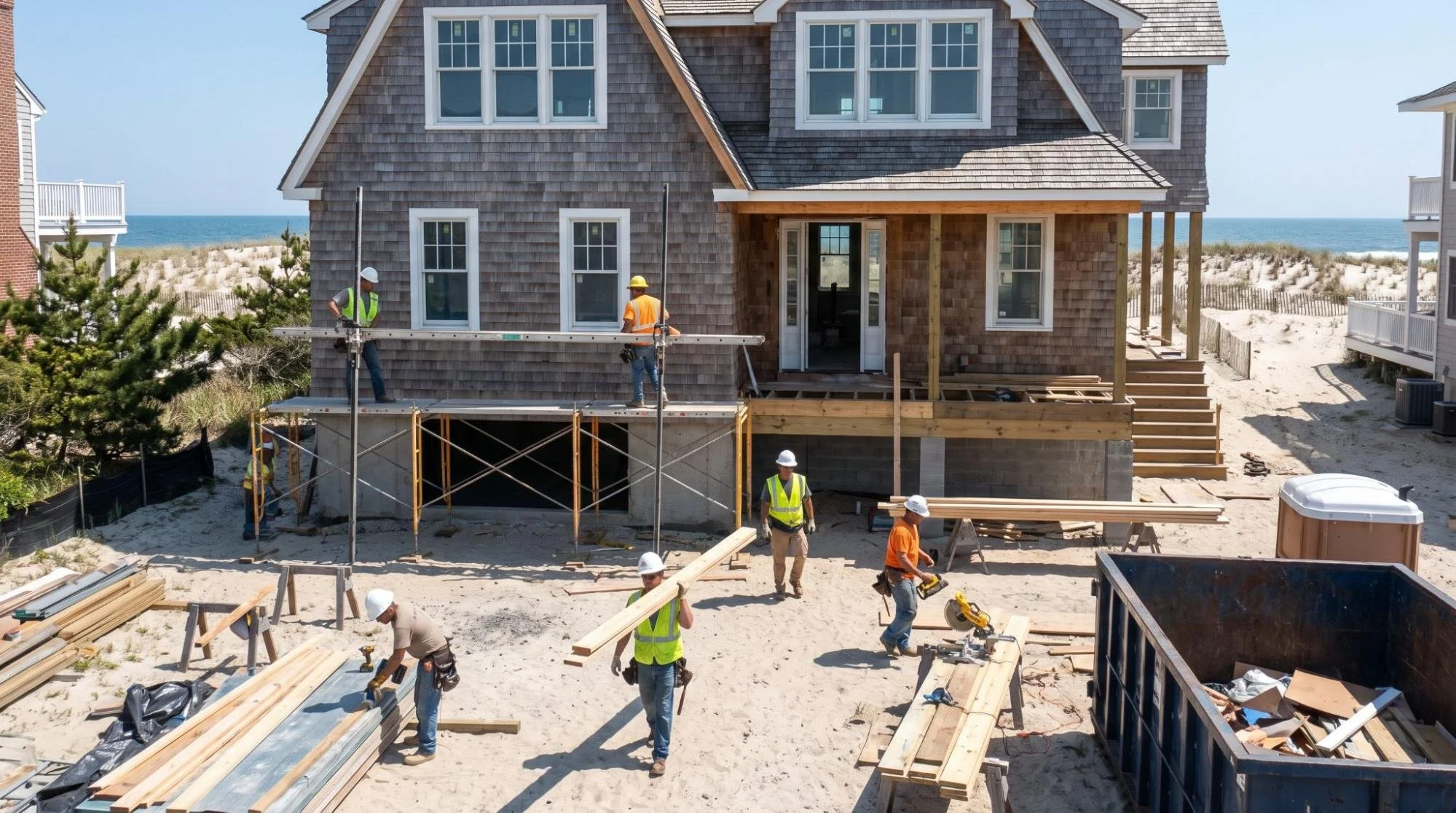
A good remodeling contractor is not just supplying labor. They bring technical know-how, project management and an understanding of local regulations. Whether it is a general contractor or a specialist, they know how to put the pieces in place and head off trouble before it gets expensive.
Consider the following:
1. Dealing with Permits and Home Renovation Code
If you are looking at major work in the kitchen or bathroom, or any structural, electrical or plumbing changes, you will likely need a permit from the local building department. A pro will handle the red tape, the inspections and ensure everything is in compliance with building code. If you go it alone and miss a regulation, it could spell trouble when you come to sell the house or even with your insurance.
2. Precision and Technical Renovation Services Skill
Some things are best left to the experts. Rerouting a pipe, moving a load-bearing wall or upgrading a breaker panel requires the training of a licensed plumber or electrician. There is a fine line between a well-laid tile floor and one that is going to crack, or a cabinet run that is not quite level. A minor error in wiring is a fire hazard. Professionals are trained to sidestep those kinds of costly mistakes.
3. They Save Time
A seasoned crew can put in days or weeks of work in the time it would take a homeowner several weekends. If you have a full-time job and family to think about, the burden of doing it yourself can be overwhelming. A contractor has the systems and subcontractors in place to keep things moving and reduce your stress.
4. Better Access to Resources
Established remodelers have relationships with suppliers and can often get better pricing. They also know which products hold up in a high-moisture area or a busy hallway. A professional might steer you toward a brand of cabinetry or quartz countertops that offers the right mix of longevity and price, sparing you from cheap materials that will not last.
Cases Where DIY Is the Way to Go
You do not need to call in a contractor for every job. For the homeowner with basic skills and the proper tools, there are plenty of reasonable projects to be had.
Think along the lines of:
Interior painting and cosmetic trim work
New hardware or light fixtures
Replacing a faucet or shower head
Some simple landscaping or peel-and-stick backsplash
Building your own shelving
These are low-risk affairs and not hard to reverse if you change your mind. They are also a good way to build up your skills.
But be aware that even a straightforward aesthetic update to a powder room or bedroom can turn complicated in a hurry. Should you uncover mold, water damage or old wiring behind the walls, the project can escalate fast. In instances like that, it is time to let the professionals take over. ## When to Call in the Experts
There are projects that are too consequential, too hazardous or just plain complicated to be left to chance. If the work has an impact on safety, structural soundness or a sizeable investment, you will generally be better off with a professional remodeler.
For any home improvement or remodeling project, from replacing an appliance to a full renovate job, the quality of work matters just as much as the materials used, whether it is a new roof, better insulation, or high-quality finishes throughout the home. A good contractor should be insured, prompt, and licensed home remodeling contractors should handle the job start to finish so you can focus on creating your dream home without stress. When adding more space, improving energy efficiency, updating windows and doors, or managing exterior work and interior work, it is smart to hire a professional who delivers quality work in a timely manner with strong workmanship. The best teams are professional and prompt, offer energy-efficient solutions like custom cabinetry, handle even small projects with care, and make choosing a contractor easier by staying detail-oriented and focused on a satisfied customer. Good furnishing choices, careful planning, and reliable service all work together to make the final result feel polished and lasting.
1. Kitchen Remodels
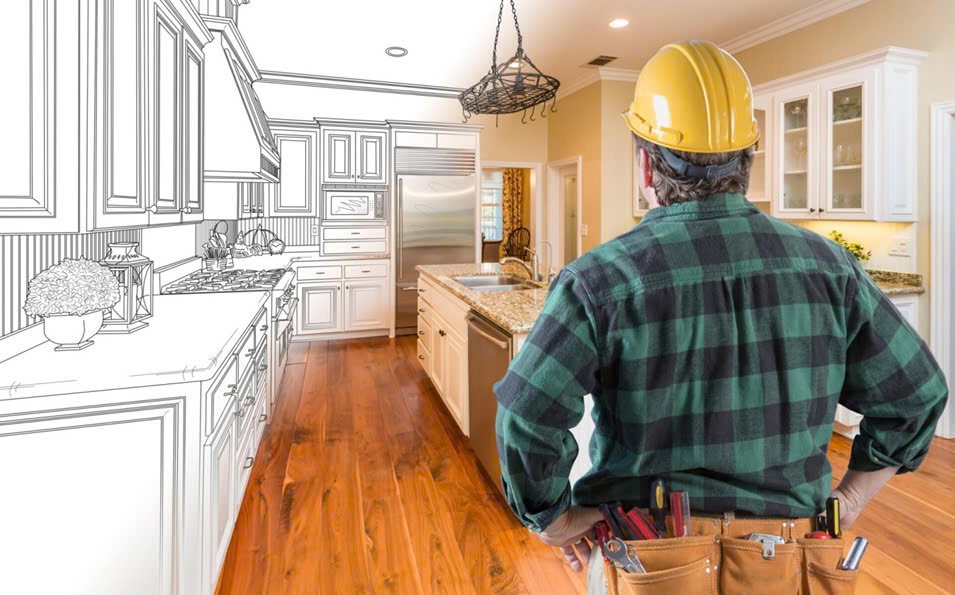
Few rooms are as integral to home value and daily life as the kitchen, which makes for expensive errors. A kitchen remodel is no small matter; it can mean dealing with everything from cabinetry and flooring to ventilation, plumbing and electrical systems. Reconfiguring the layout or putting in new circuits often calls for several different trades and the proper permits. A seasoned contractor is in a position to manage the whole operation, demolition to final touches, in a way that respects your budget and schedule.
2. Bathroom Remodels
This is a high-risk area for the do-it-yourselfer. You have water and electricity in close quarters with very little room for error. Properly setting plumbing fixtures, waterproofing a shower and laying tile is where experience counts. One misstep can result in subfloor damage, mold or leaks down the line. Professionals know how to deal with drainage slope, ventilation and waterproof membranes in a bathroom.
3. Electrical Work
Even a technically minded homeowner should leave electrical remodeling to those with a license. The potential for fire, shock or running afoul of code is simply not worth it. Any project calling for panel upgrades, recessed lighting, moving outlets or new circuits demands caution. In most jurisdictions you will also need to contend with mandatory inspections and permits.
4. Plumbing Changes
While swapping out a fixture is something one can handle, altering the water supply system or rerouting lines is best done by a pro. Poorly done plumbing can create pressure issues or slow leaks that go unnoticed until they have caused hidden moisture damage.
5. Structural Modifications
If the job involves load-bearing walls, joists, beams or the foundation, an expert needs to evaluate it first. Structural work is what keeps your home stable. Have a licensed contractor, architect or engineer look at it before any demolition is undertaken.
6. Whole-Home Renovations
Finishing a basement or converting an attic are large-scale undertakings with many moving parts. They require the kind of quality control and sequencing that comes with professional project management. Between the materials, timelines, inspections and subcontractors, it is a full-time occupation.
The Hidden Costs of DIY
The appeal of DIY is obvious: it saves money. Yet homeowners tend to understate what it really costs to put in the work themselves. There are expenses that do not show up on the initial estimate, such as:
Buying or renting the right tools
Wasted material due to mistakes
Reworking a poor installation
Permit or code problems
Delays born of inexperience
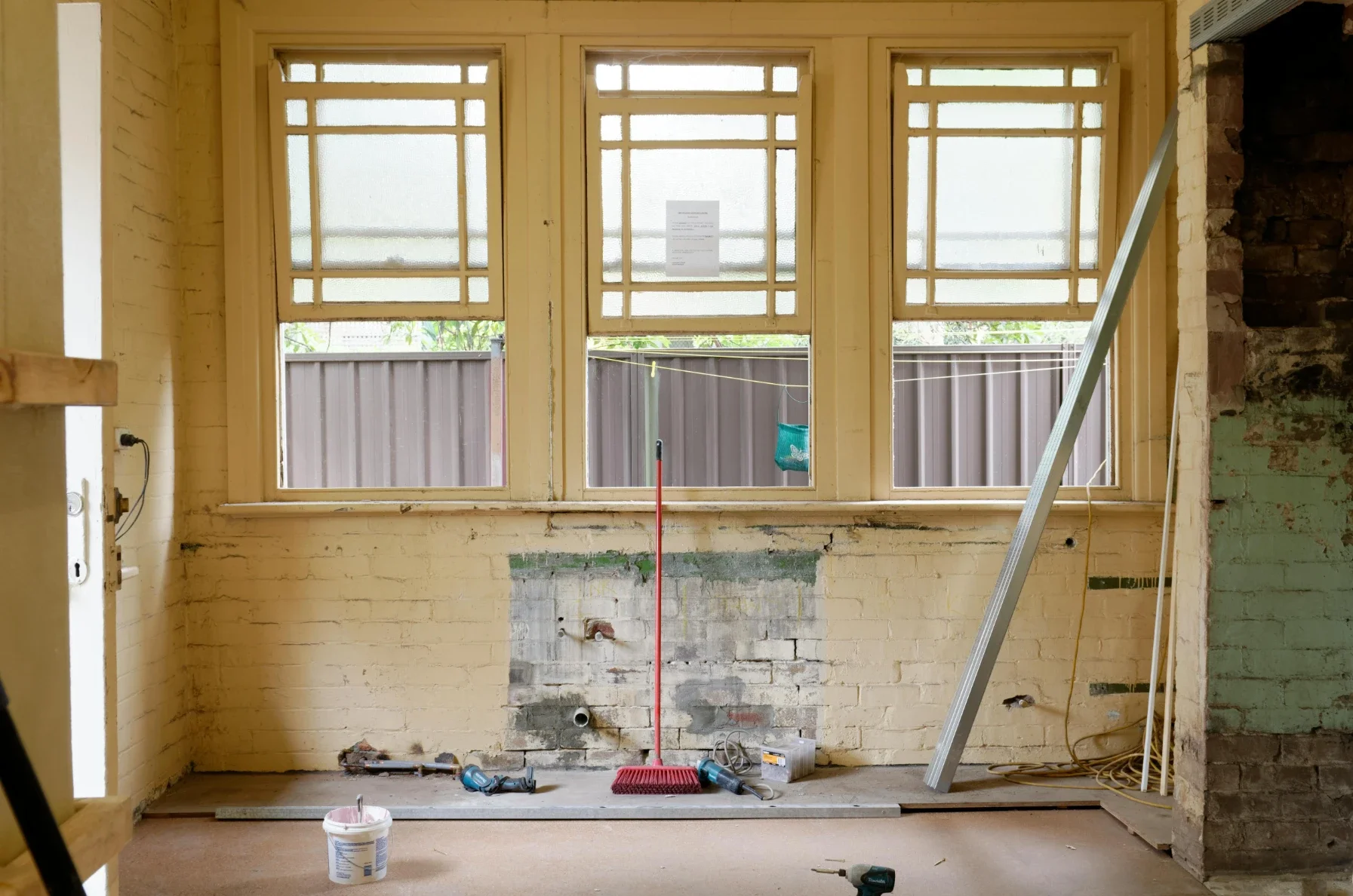
A botched DIY job can end up being more costly once a professional has to come in and put things right, erasing any savings and putting the timeline behind. This is particularly true for remodels meant to enhance resale value; a shoddy finish can be a red flag at inspection time and dampen buyer interest.
Balancing Risk and Long-Term Value
The cheapest option is not invariably the best one. The goal is to find the right mix of budget, risk, quality and return on investment.
Consider these questions:
Is safety or code compliance at issue?
Will I have the time and the tools to see it through properly?
Are the costs of fixing a mistake later prohibitive?
Is this something that will add to the home’s value if done by a pro?
For those with an eye on ROI, a well-done renovation of a kitchen or bathroom offers superior long-term value. Buyers are quick to spot good craftsmanship and durability.
A Smart Middle Ground
It does not have to be all or nothing. A hybrid approach is common among homeowners who want some involvement but do not wish to assume undue risk.
One might hire a contractor for the structural and electrical side of things while taking on the demolition or painting. Let the pros put in the tile and cabinetry, but do the decorating and fixture installation on your own. It is a practical way to keep labor costs down without compromising the technical aspects of the job.
Final Thoughts
The DIY vs. professional debate comes down to aligning the project with your goals and skill set. For low-risk cosmetic work, there is satisfaction in doing it yourself. But when you are looking at permits, major design coordination or changes to the home’s structure, the wiser course is to bring in the experts.
A professional brings a level of efficiency and peace of mind that is hard to put a price on when your property and safety are involved. If there is any doubt about where a project stands, have a word with a licensed remodeling professional before you start. An early conversation can spare you a good deal of time and frustration in the long run.
Stay up to date with our latest ideas!