A Guide on How to Plan Your House Remodeling
Plan your house remodeling with confidence using clear budgeting, smart timelines, contractor tips, and design planning to avoid costly mistakes and delays.
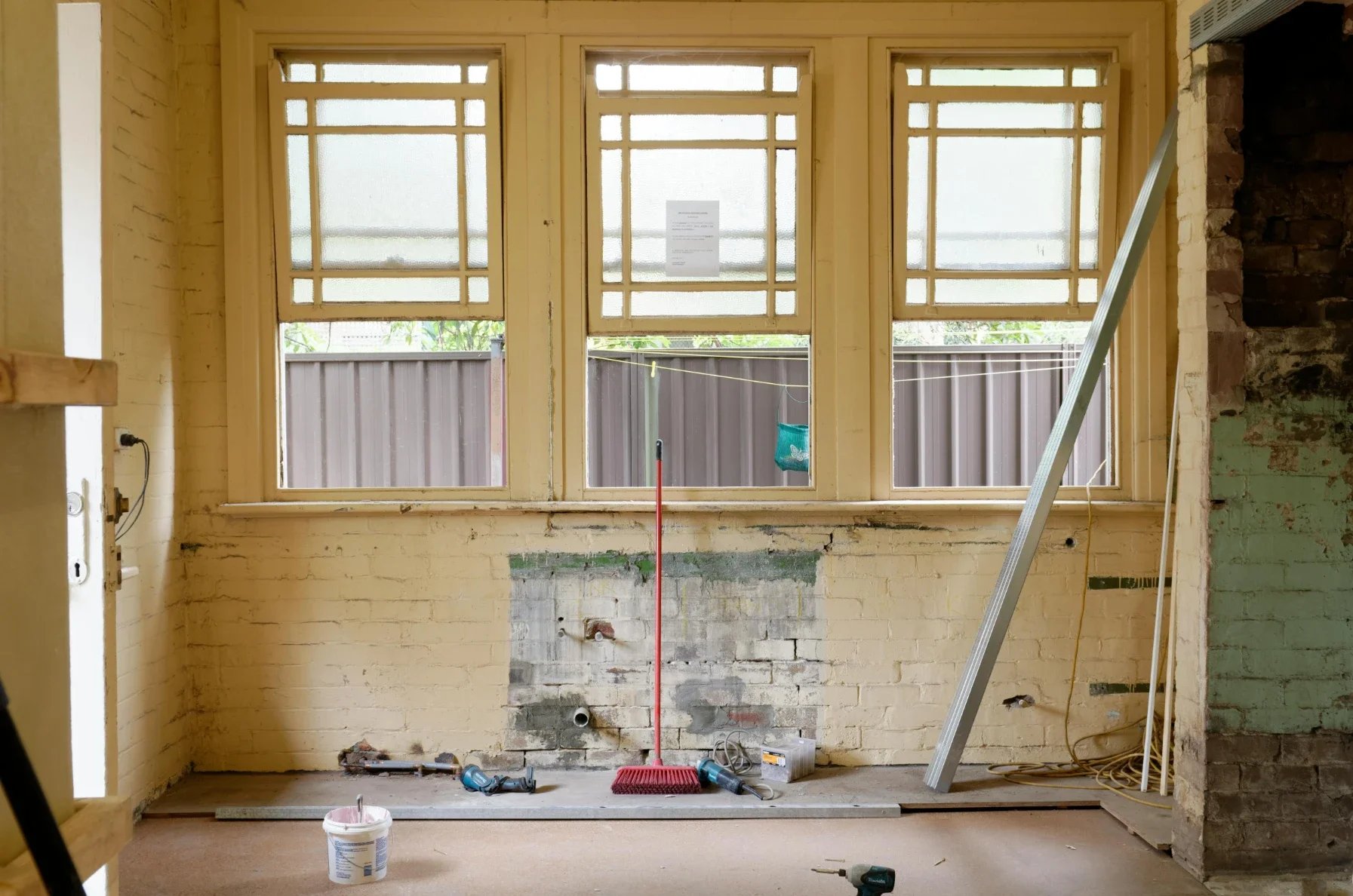
Remodeling your home is a great way to shape your space by swapping some things for others to fit your lifestyle. It lets you bring an older home up to date or shape a newer one to better match your needs and increase the home’s overall property value.
However, the whole process of remodeling and renovating requires a lot of planning and can leave you feeling anxious and overwhelmed. The following article is a guide on how to properly manage and plan things to make the remodeling process easier.
Plan and Establish a Budget
Planning ahead of time makes everything a lot easier, especially if it’s your first time remodeling your house. You have to start by deciding on the changes you want to make and then setting a preliminary budget for them.
If you don’t keep track of your budget, expenses will spiral out of control, turning an exciting project into a stressful one. Remodeling costs change depending on the size of the project, but there are a few categories of primary expenses that you must keep in mind, such as:
1. Major Remodeling Costs
These are the foundational expenses without which remodeling isn’t possible, and are the main areas where most of your budget goes. Some of these include:
Permits: If you are making some structural, plumbing, or electrical changes, you’ll likely have to get permits for them. Permit fees vary depending on your city and the type of work, but they’re a required part of the process.
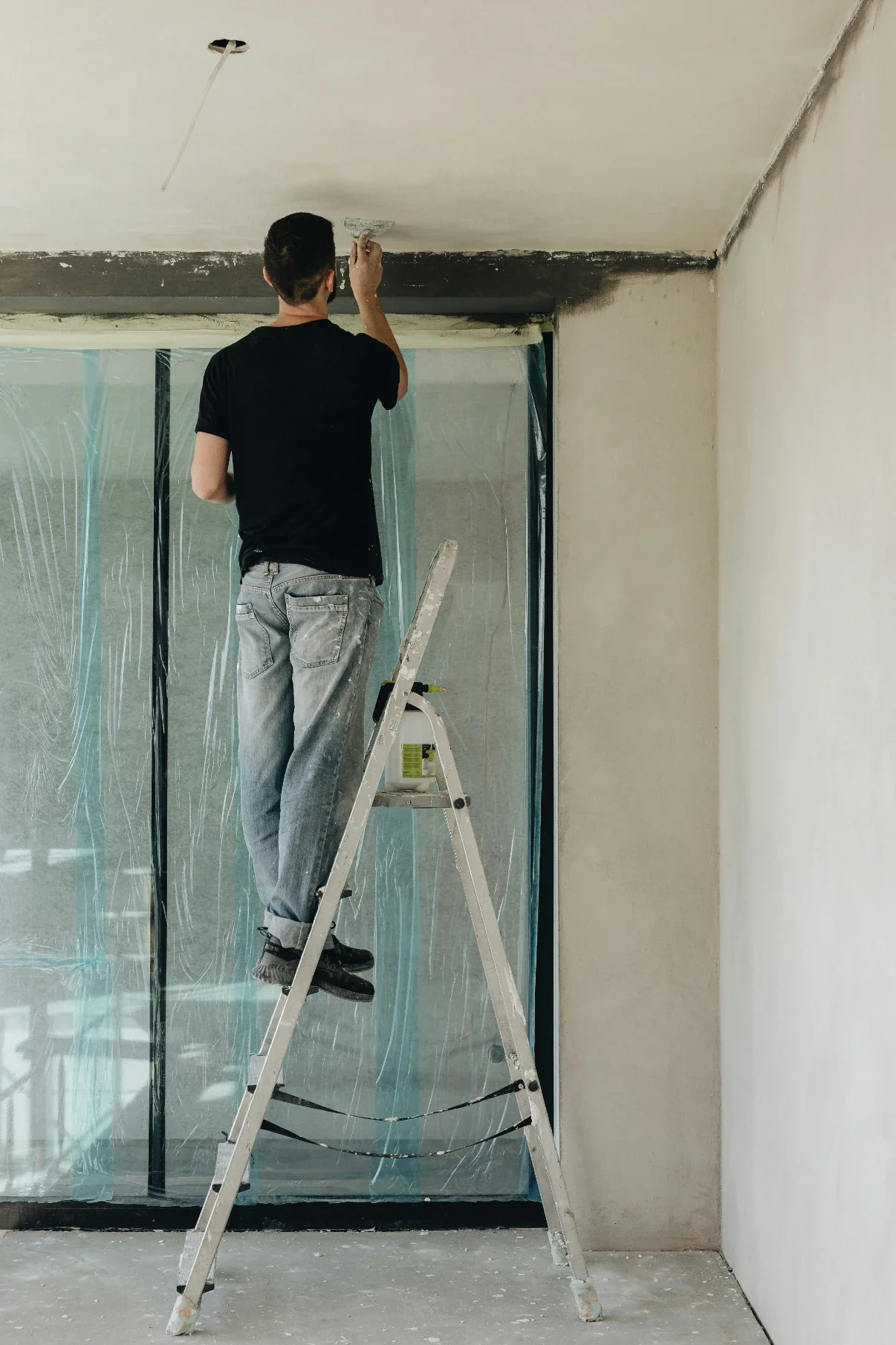
Labour expenses: Labor and trades cover the hard work; demolition, structural changes, and all the systems you require to make your house function. You’ll need to plan expenses for areas like mechanical, electrical, and plumbing (MEP), and also account for any subcontractors who help along the way.
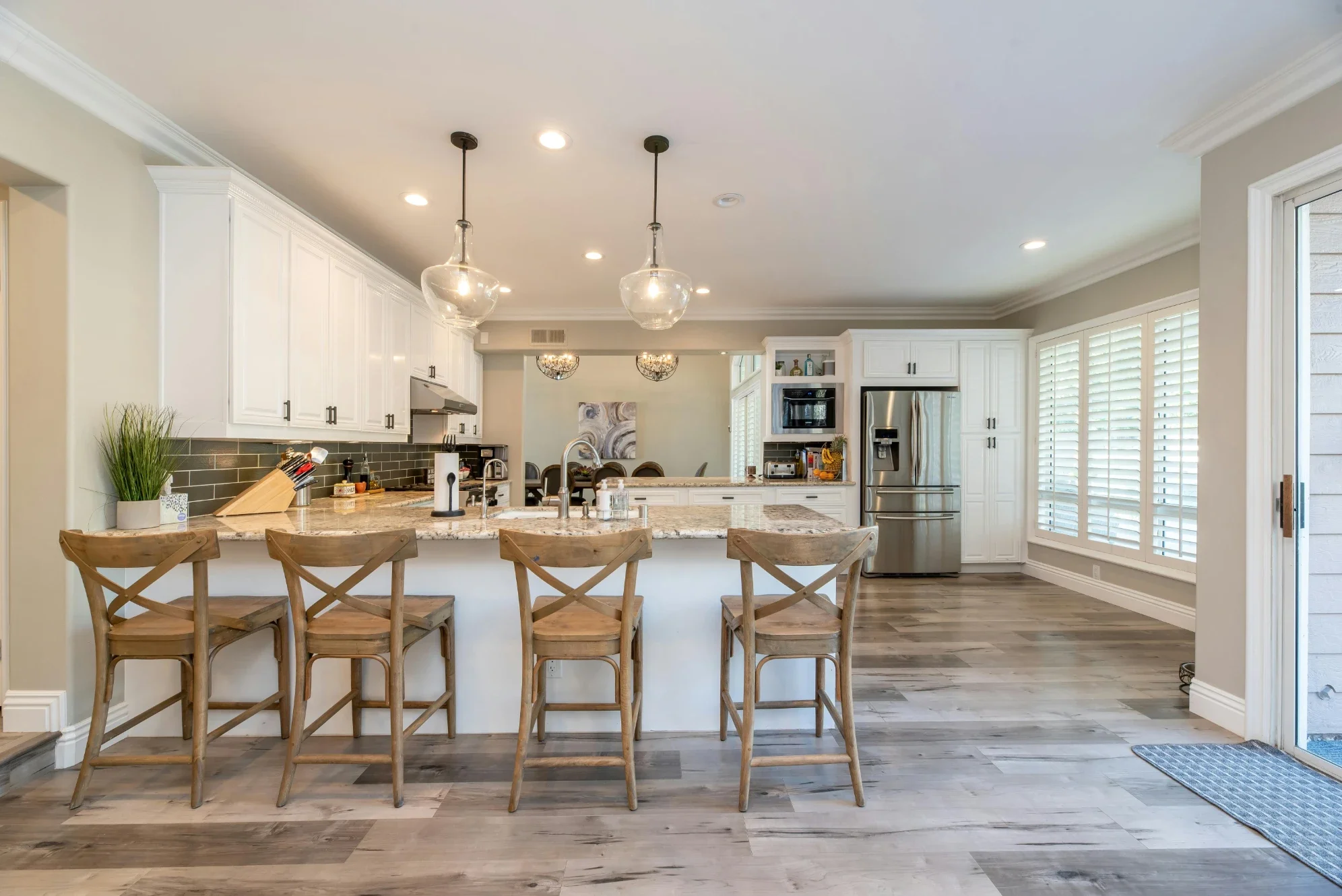
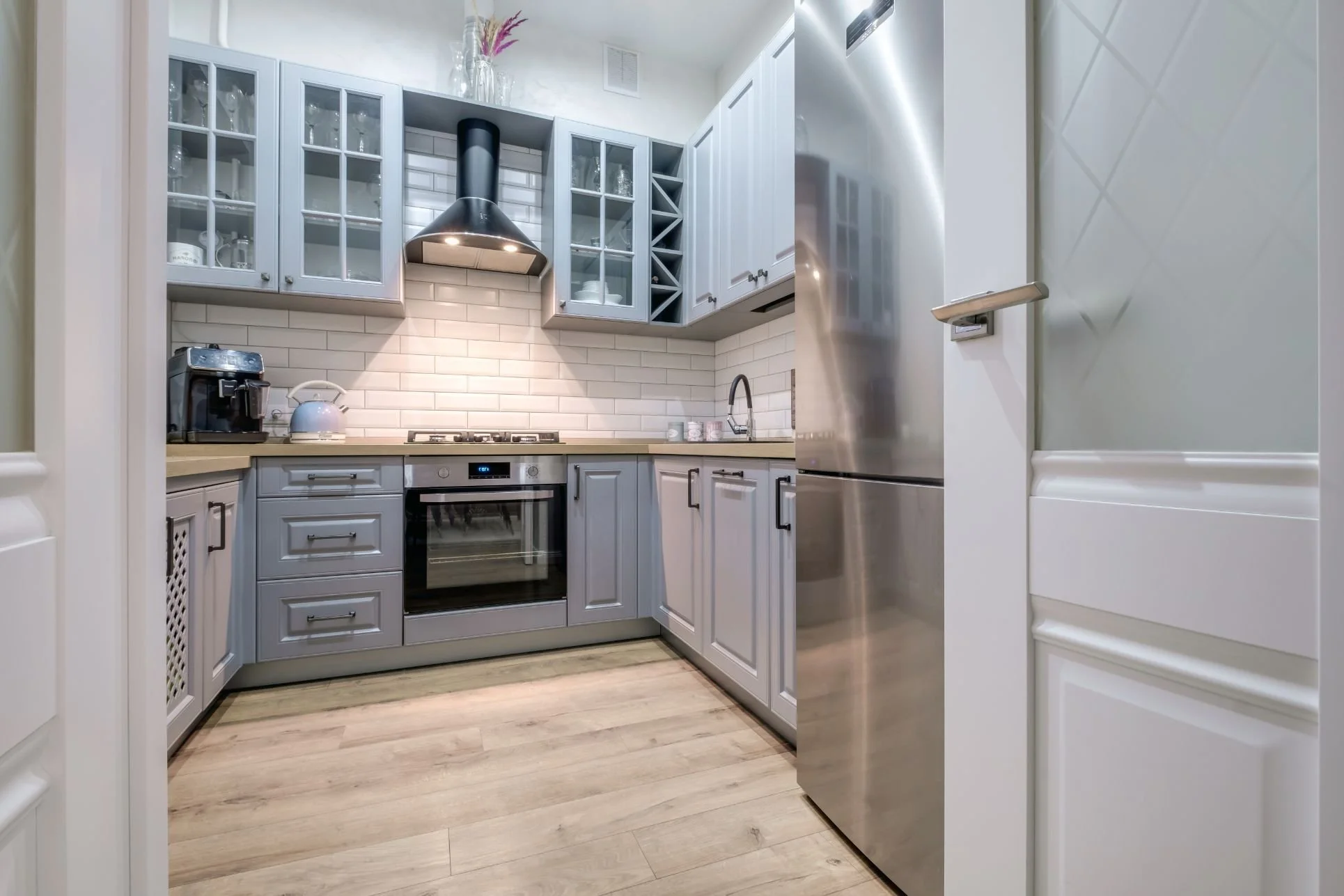
Design and material expenses: It covers spending on cabinets, countertops, flooring, tile, lighting, plumbing fixtures, and other pieces that make your home appealing and functioning.
2. Additional Costs
These are the unexpected costs that can come up as part of the project. These can include:
Storage expense: You might need to spend on some storage space to keep all your belongings and furniture, along with any new items you may be incorporating into your house during the construction.
Any other unexpected expenses: You should keep at least 10-20% of your budget to give you a cushion in case of any unexpected plans or changes.
Check for Moisture
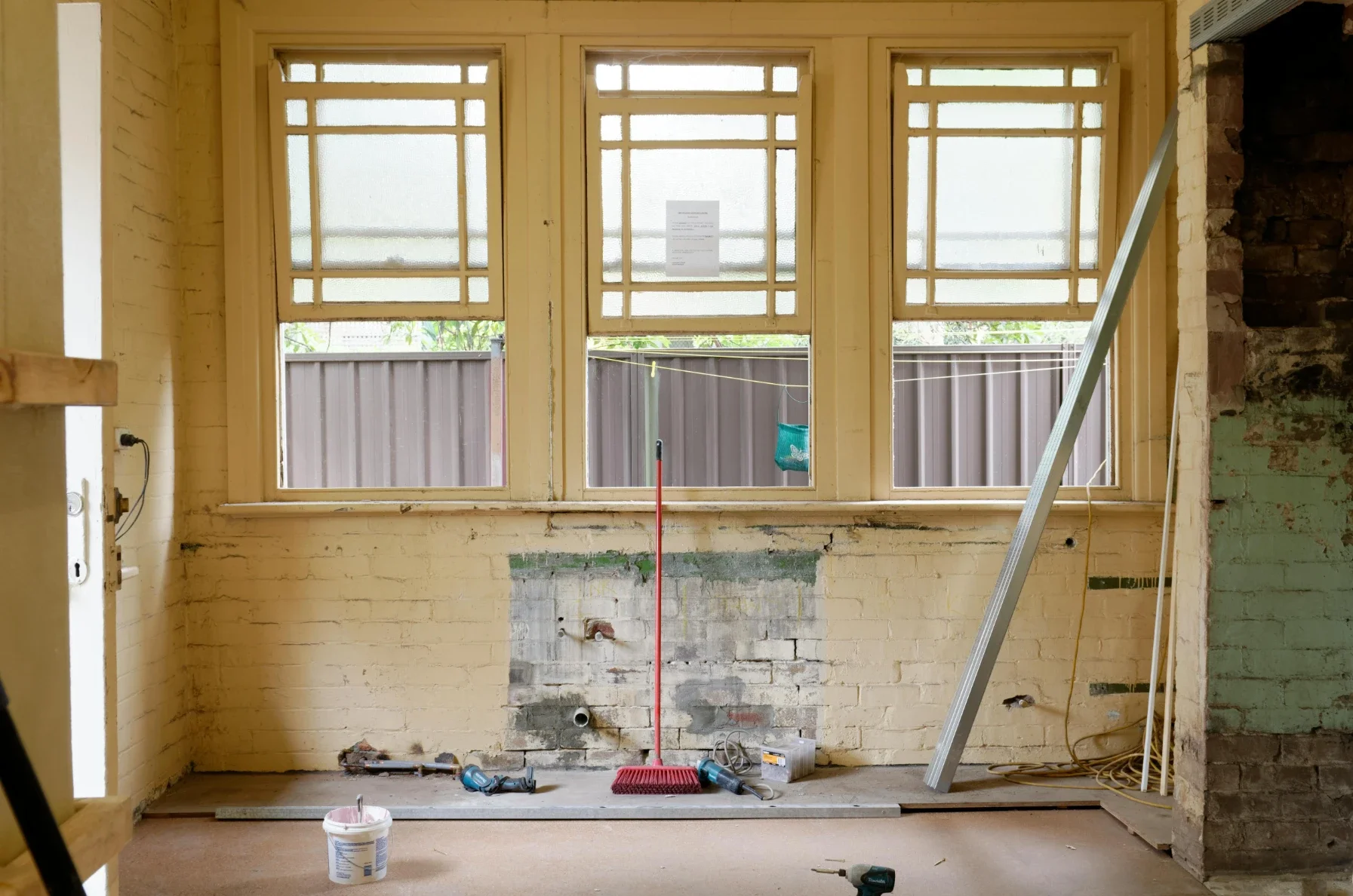
Areas like basements, kitchens, and bathrooms are known for being more humid than the rest of the rooms. If left unchecked, it can damage foundations and lead to mold, adding more work and costs to the renovation later on, so make sure to check for any mold and moisture before remodeling your home.
The simplest way to check is with a hygrometer. Experts generally recommend keeping indoor humidity in the 30% to 50% range, since levels above that can create moldy surfaces. If you see relative humidity over about 60% in a space, that’s a sign that moisture is high and could cause issues.
You can also check it without using any instrument by taping a piece of paper against a wall, letting it stay for a couple of weeks, then taking it off and seeing if condensation has collected underneath. This condensation means you probably have a moisture problem.
Finalize Your Designs and Hire Professionals
Before construction, make sure to have your designs and materials finalised. Locking this down early will help you avoid any last-minute delays. You can get advice and insight from an interior designer for the kind of materials, layouts, and textures you want, and they’ll also recommend any changes according to your budget. Once that is finalised, you need to hire the right contractor. When doing that, there are some important points to note, such as;
The contractor should be licensed.
How their payment schedule works.
If they can handle unexpected problems and cost overruns.
Ask them to provide references from recent remodeling projects.
Endnote
Having a clear picture of what you want your home to look and feel like, but not knowing how to apply it, can get really confusing and overwhelming. You can overcome that by breaking the whole process down into simple steps: make a proper budget for all the changes you want, monitor your expenses, and get insights from professionals on your remodeling plan.
Stay up to date with our latest ideas!