The Complete Guide to Home Remodeling: Planning, Costs & What to Expect
Explore the complete guide to home remodeling, covering planning steps, budgeting, timelines, contractor selection, and what to expect at every stage.

Improving your living space is a major decision that requires careful thought and preparation. A well-planned home remodeling project can improve comfort, increase property value, and make daily life more enjoyable. However, without clear planning, the process can quickly become overwhelming.
Many homeowners begin by consulting home remodeling contractors to better understand design possibilities and construction requirements. Having expert input early in the process helps prevent costly mistakes and ensures realistic expectations. It also allows you to align your vision with your available budget.
This guide explains how to approach home remodeling step by step, including planning, budgeting, timelines, and what to expect during construction. With the right information, homeowners can move forward confidently and make informed decisions at every stage.
Defining Your Remodeling Goals
Before starting any home renovation, it is essential to identify your primary goals. Some homeowners want to modernize outdated interiors, while others need more functional layouts. Clear objectives help guide every design and budgeting decision.
Start by asking what is not working in your current space. Are rooms too small, poorly lit, or lacking storage? Understanding these issues allows you to prioritize improvements that truly enhance your lifestyle.
It is also important to distinguish between needs and wants. Structural repairs and layout improvements should come before decorative upgrades. This approach keeps your project focused and practical.
Lifestyle Considerations
Think about how your household uses the space daily. Growing families may require additional bedrooms or flexible living areas. Remote workers might need a quiet home office.
Designing around real-life needs ensures that your residential remodeling project delivers long-term satisfaction rather than short-term visual appeal.
Future Planning
Consider how long you plan to stay in the home. If you expect to sell within a few years, focus on updates that increase resale value. Neutral finishes, open layouts, and energy-efficient upgrades often attract buyers.
If this is your long-term home, personalize the design to suit your preferences while still maintaining quality and durability.
Understanding Remodeling Costs
One of the most common concerns about home remodeling is cost. Expenses vary depending on project size, materials, labor, and structural changes. Establishing a realistic budget early helps prevent financial stress.
Begin by determining your maximum spending limit. From there, request detailed estimates that break down labor, materials, permits, and potential additional expenses. Transparent pricing reduces the risk of surprises later.
Planning for Unexpected Expenses
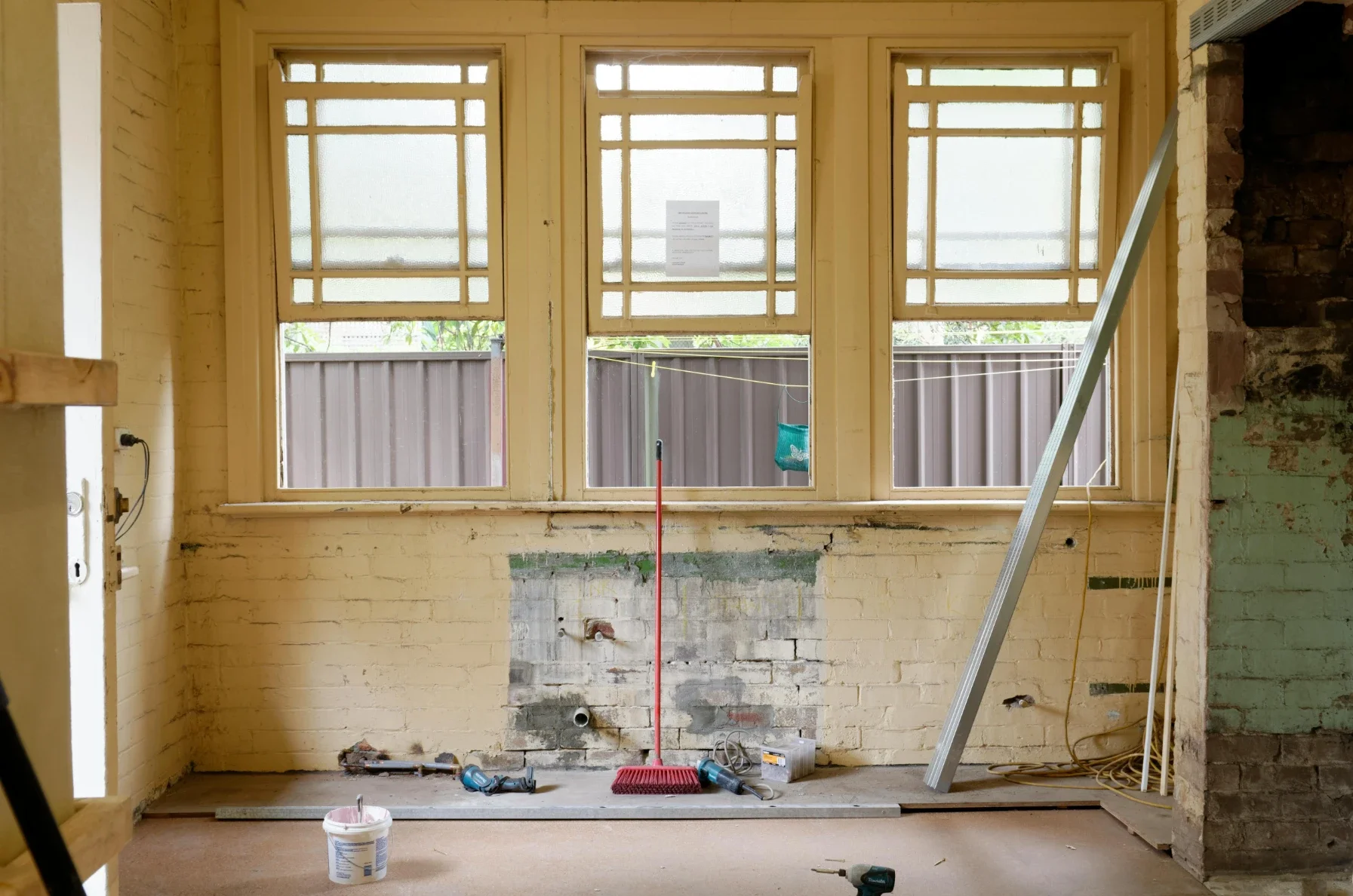
Unexpected issues often arise during home renovation projects. Hidden water damage, outdated wiring, or structural concerns may only become visible after demolition begins.
Setting aside ten to twenty percent of your budget for contingencies provides financial flexibility. This safety cushion allows the project to continue smoothly even if challenges appear.
Material Selection and Value
Material choices significantly influence overall costs. High-quality materials may require a larger initial investment but often last longer and reduce maintenance needs.
Balancing cost and durability is essential. Choose materials that offer both aesthetic appeal and long-term performance.
The Planning and Design Phase
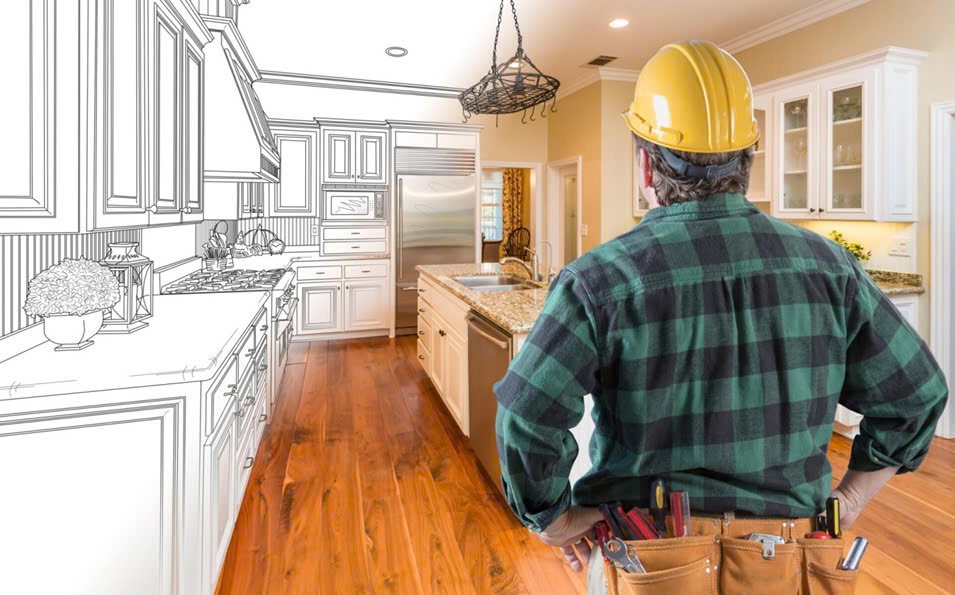
Careful planning is the foundation of successful residential remodeling. During this stage, measurements are taken, layouts are drafted, and materials are selected. Permits may also be required depending on the scope of work.
Clear communication between homeowners and contractors is critical at this point. Discuss timelines, expectations, and potential disruptions to daily routines.
Making final decisions before construction begins helps avoid delays and expensive design changes later.
Permits and Regulations
Local building codes ensure safety and compliance. Projects involving structural changes, electrical systems, or plumbing often require official approval.
Working with experienced professionals helps ensure that all permits are secured properly and inspections are scheduled on time.
What to Expect During Construction
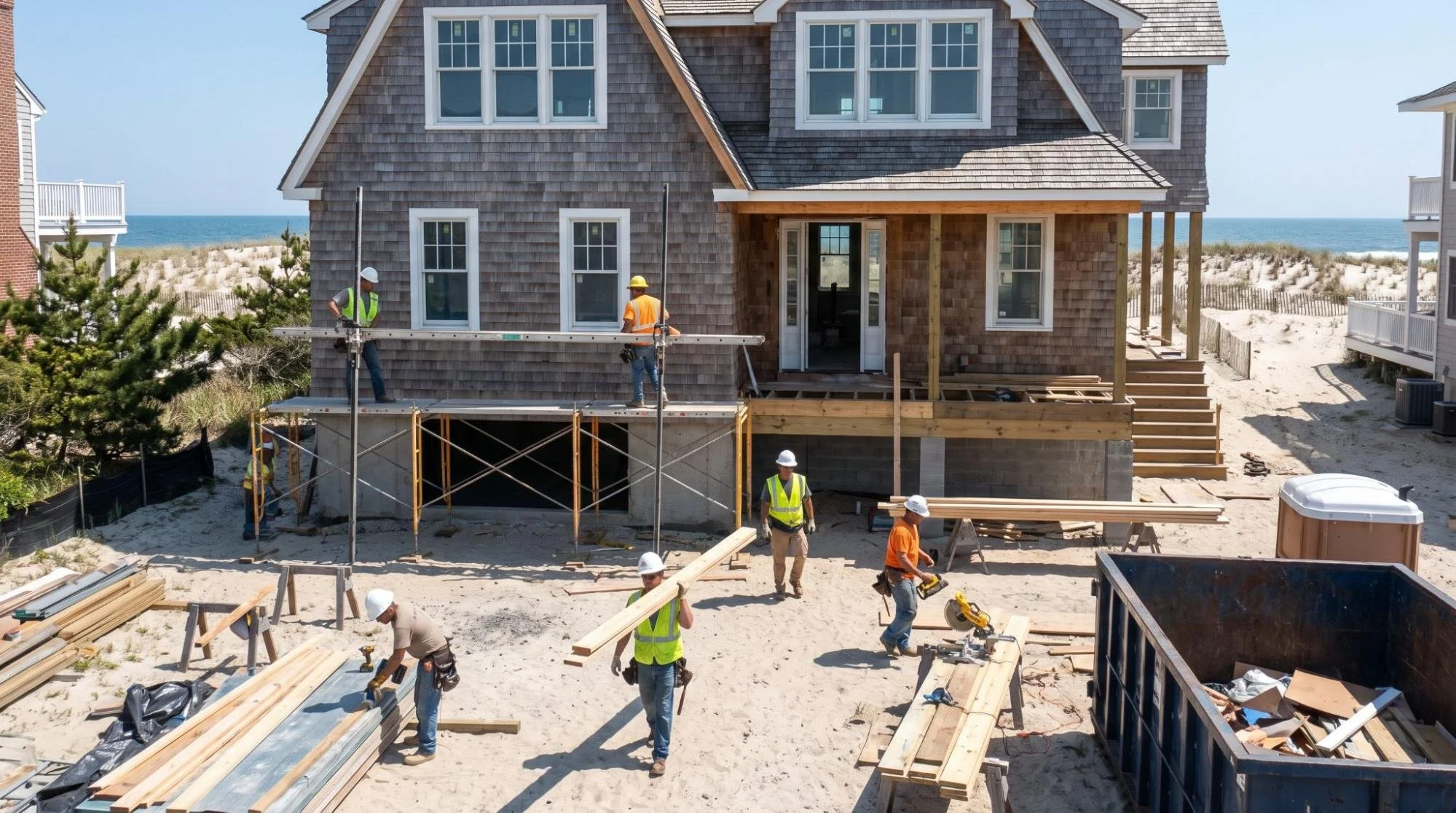
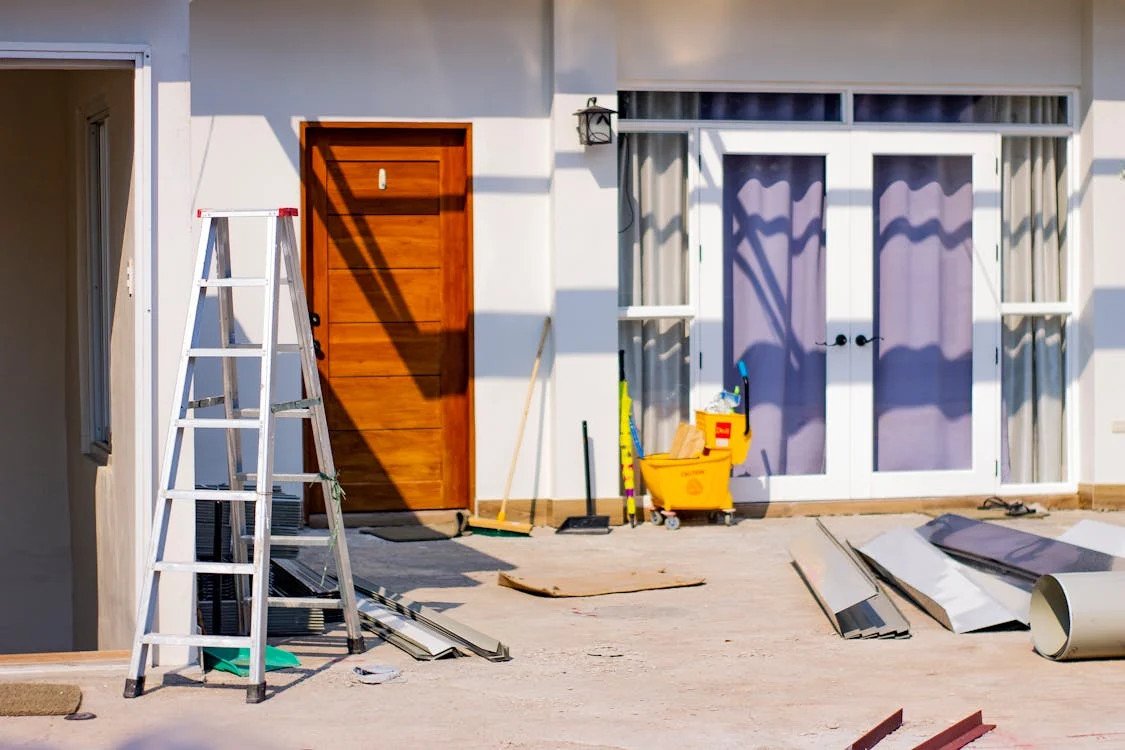
Once construction begins, the transformation process becomes visible. However, this phase may involve noise, dust, and temporary inconvenience.
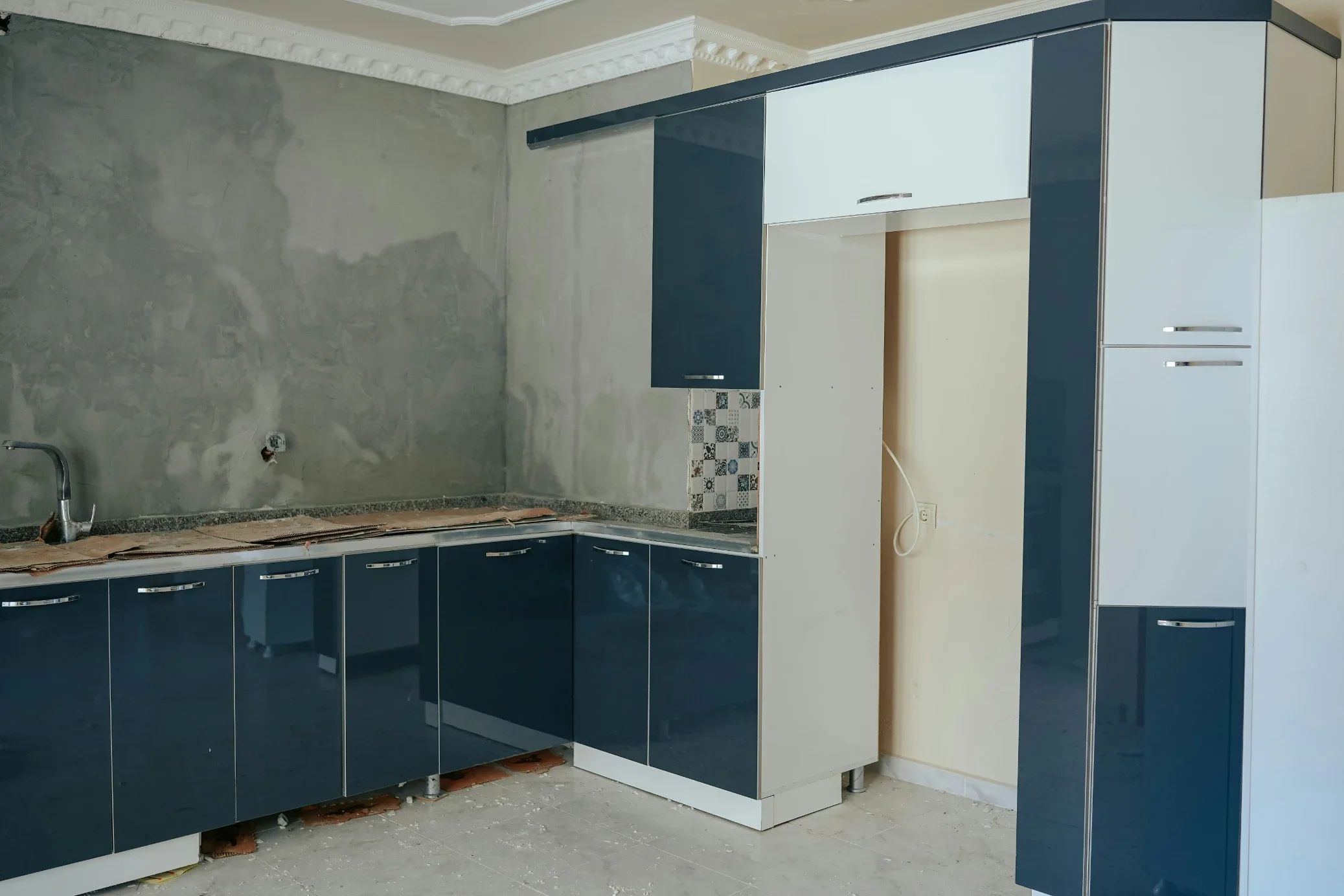
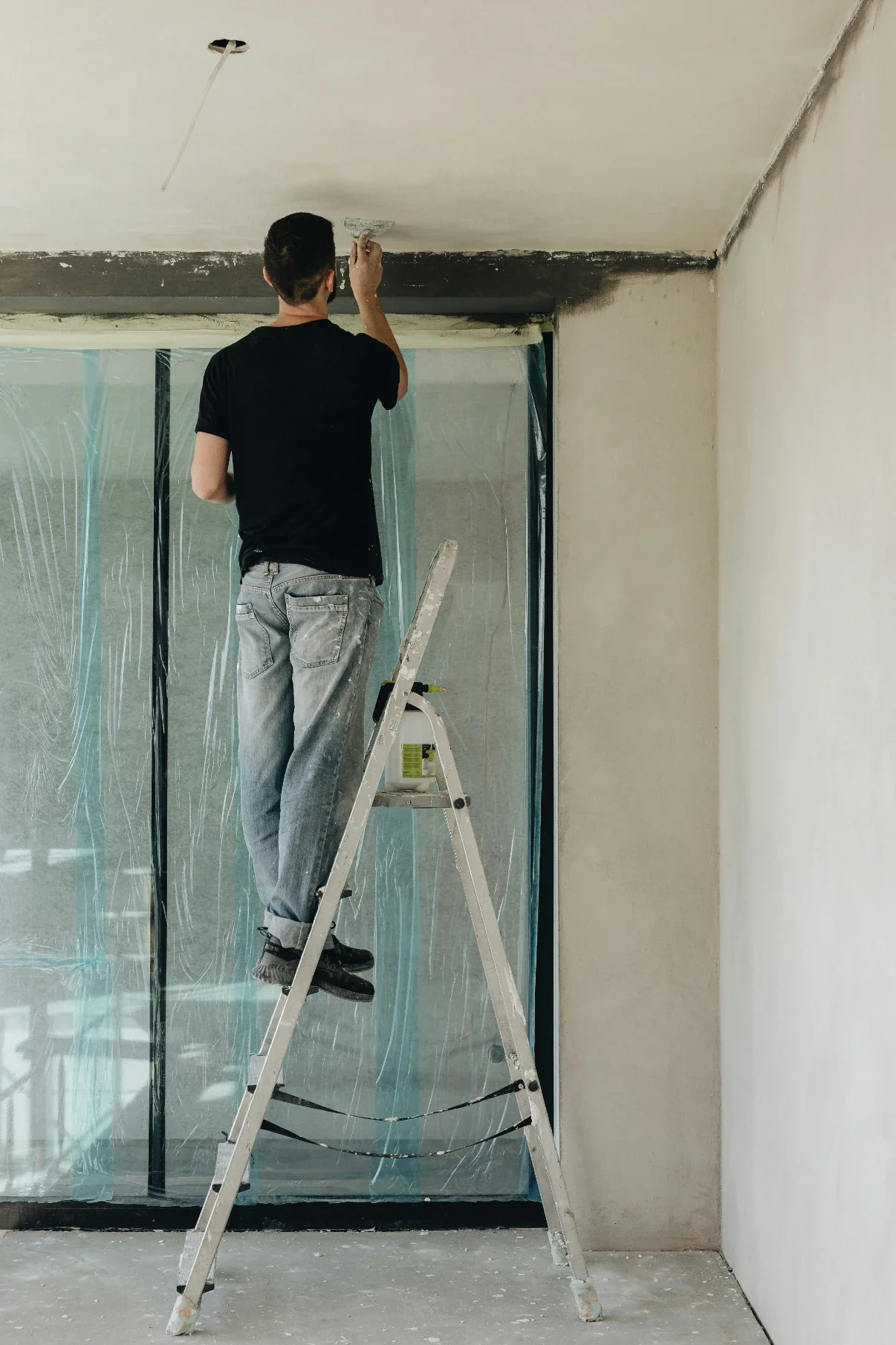
Demolition is typically the first step. Old materials are removed to make space for new installations. Structural adjustments may follow, including framing or system upgrades.
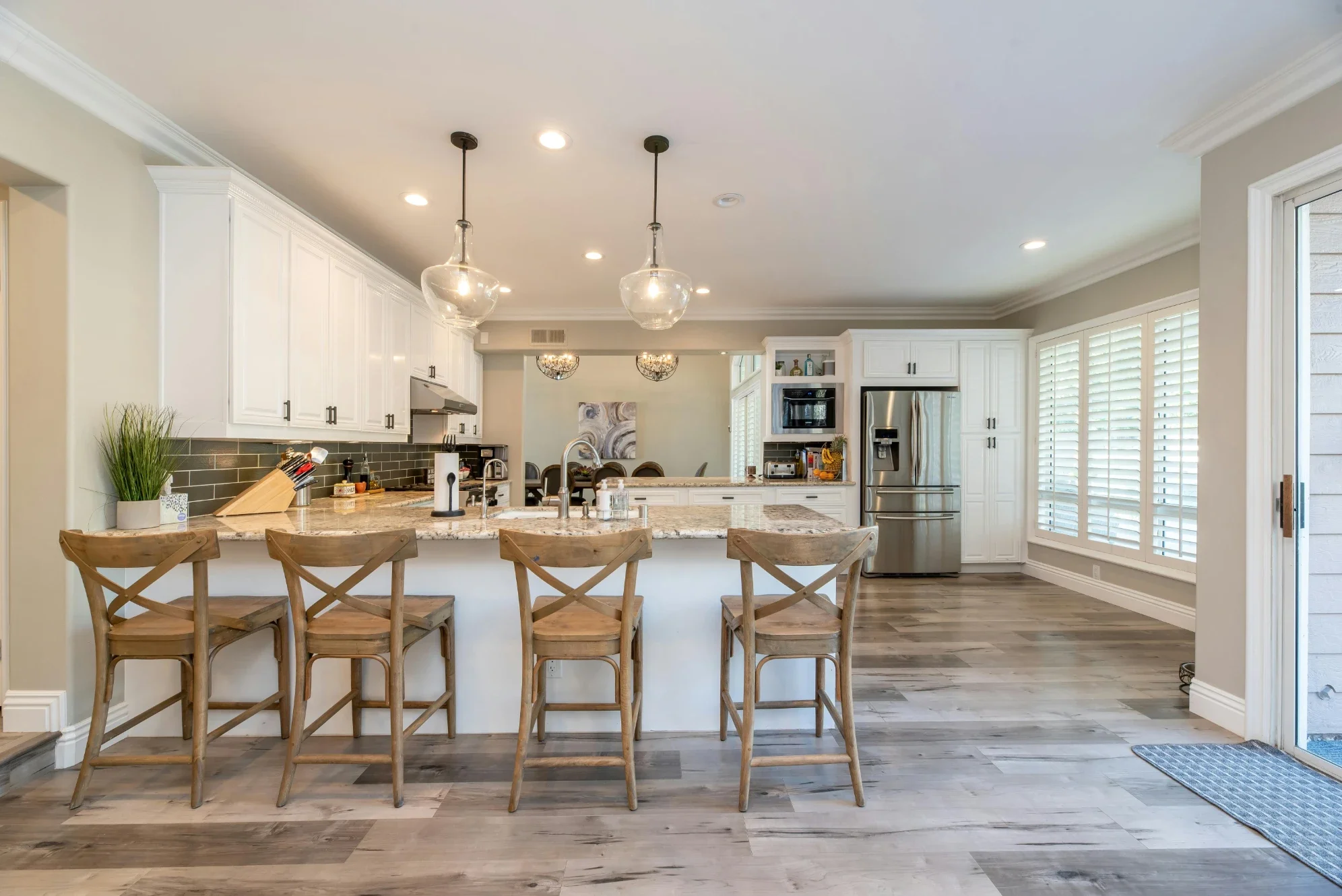
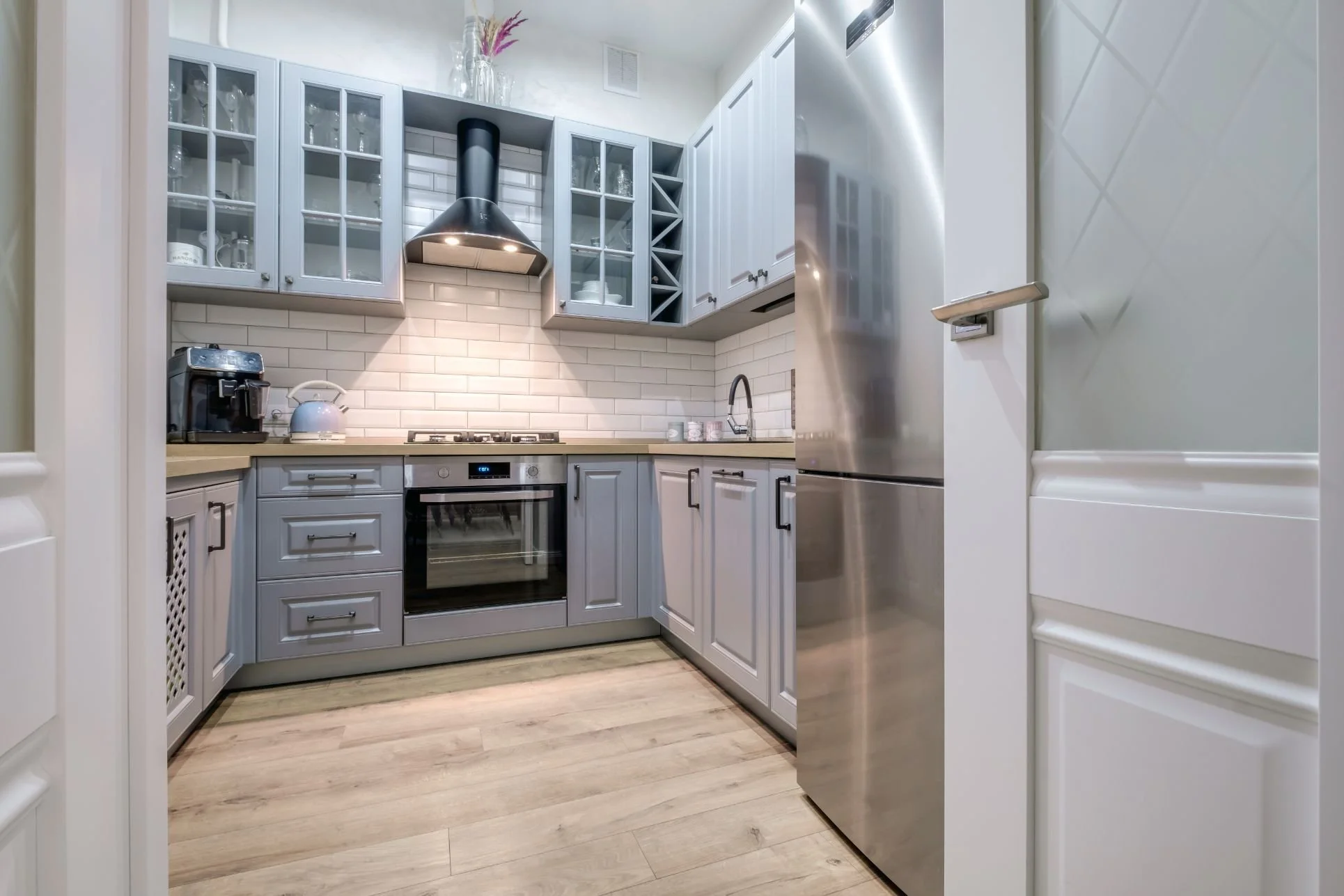
After structural work is complete, attention shifts to finishing elements such as flooring, cabinetry, paint, and fixtures. Each phase builds toward the final result.
Managing Daily Life
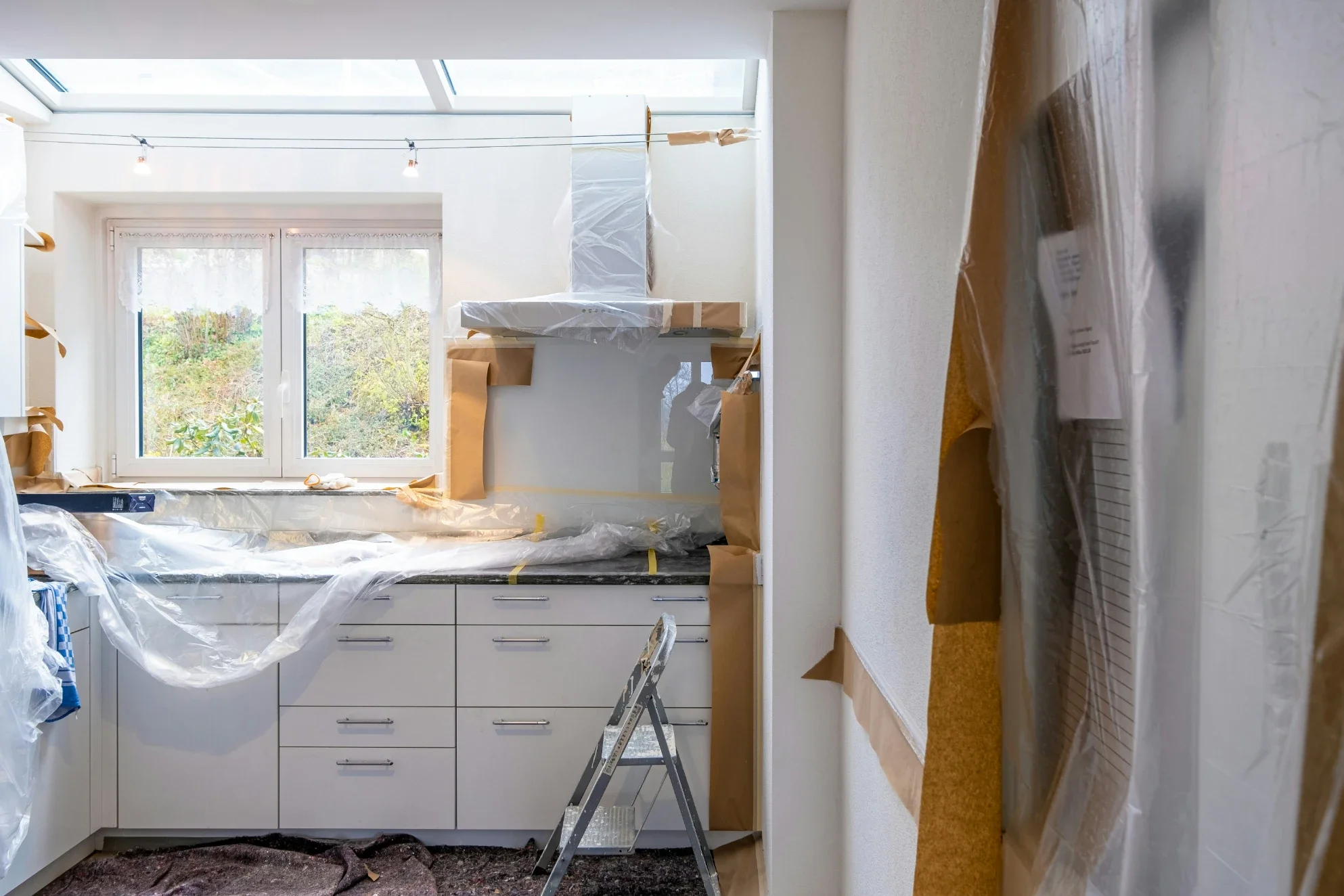
Living in a home during remodeling can be challenging. Setting up temporary spaces for cooking, sleeping, or working helps maintain comfort.
Clear communication with your contractor ensures you understand daily progress and upcoming tasks. Regular updates reduce uncertainty and keep expectations aligned.
Improving Energy Efficiency
Modern home remodeling projects often include energy-efficient upgrades. Improved insulation, high-performance windows, and updated heating systems can lower monthly utility costs.
Energy-efficient lighting and appliances also contribute to long-term savings. These improvements not only reduce expenses but also increase overall property value.
Sustainable materials and environmentally conscious design choices are becoming more popular as homeowners seek responsible solutions.
Avoiding Common Mistakes
Rushing decisions is one of the most common remodeling mistakes. Taking time to plan carefully prevents costly changes once construction is underway.
Another frequent error is underestimating the budget. Without a contingency fund, even small unexpected repairs can cause delays.
Finally, avoid focusing solely on appearance. While design is important, structural integrity and quality craftsmanship determine the longevity of your investment.
Timeline Expectations
Project timelines vary based on complexity and size. Small updates may take a few weeks, while larger residential remodeling projects can extend over several months.
Weather conditions, permit approvals, and material availability may influence the schedule. Understanding these factors helps homeowners remain patient and realistic.
Establish a clear timeline with your contractor at the beginning and review progress regularly. Flexibility combined with planning leads to smoother outcomes.
Protecting Your Investment
After completion, proper maintenance ensures your improvements remain in excellent condition. Follow care instructions for new surfaces and appliances.
Regular inspections of plumbing and electrical systems help detect issues early. Addressing minor problems quickly prevents larger repairs later.
A well-maintained remodel continues to add comfort, efficiency, and value to your home for many years.
Building Confidence in the Process
Home remodeling is a significant undertaking, but it does not have to be stressful. With clear goals, realistic budgeting, and professional guidance, the process becomes manageable and rewarding.
Thoughtful home renovation planning transforms outdated spaces into functional, attractive environments. By understanding costs, timelines, and expectations, homeowners can make informed decisions at every stage.
With careful preparation and collaboration with experienced professionals like ERH Contracting, you can move forward confidently and create a home that meets your needs today while supporting your future plans.
Stay up to date with our latest ideas!