The Awkward Kitchen Wall: Tiny Gaps, Open Shelves — Where Abstract Art Actually Fits
Discover how abstract art fits awkward kitchen walls, tiny gaps, and open shelves with simple styling ideas that add balance, warmth, and personality.
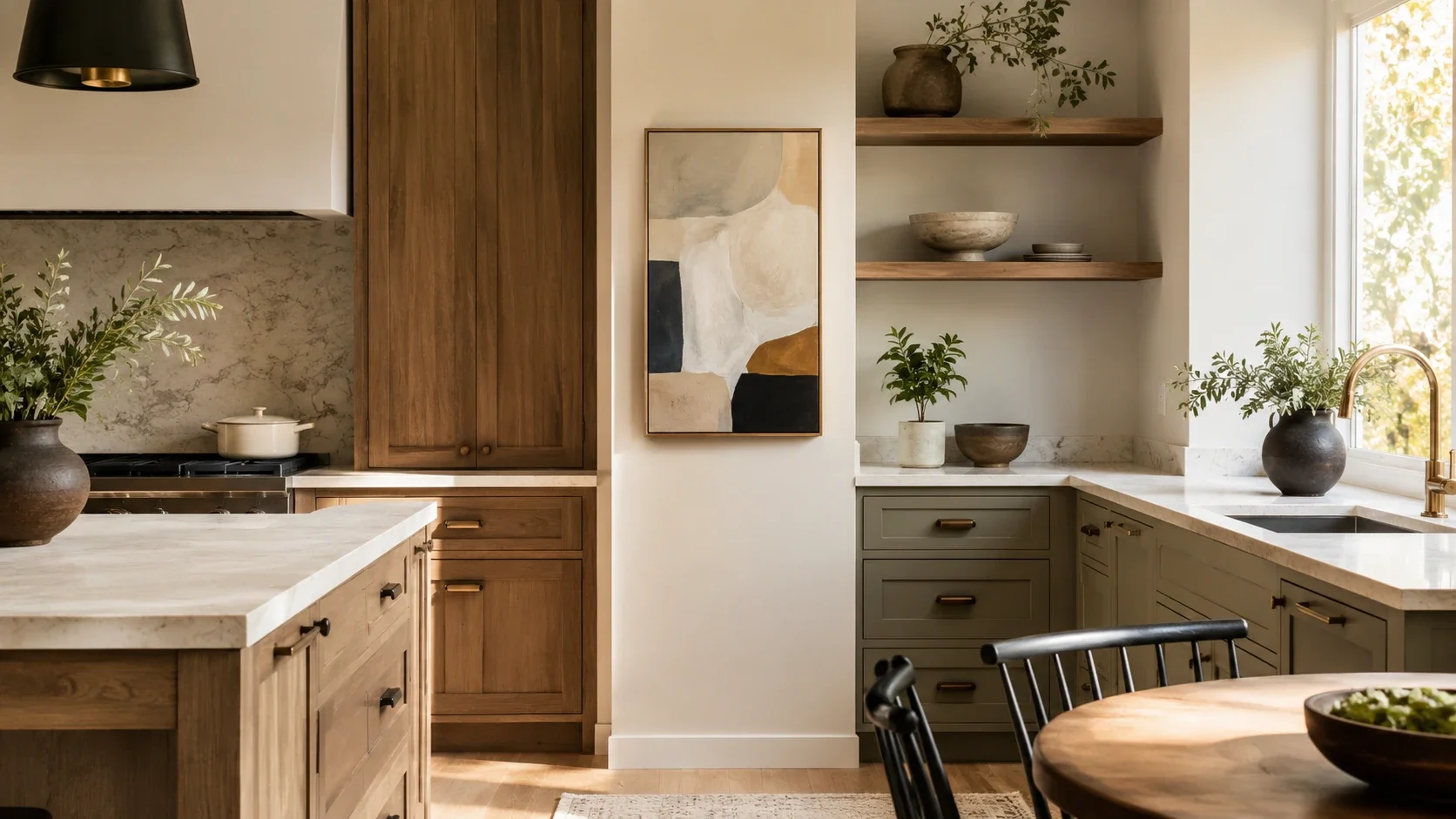
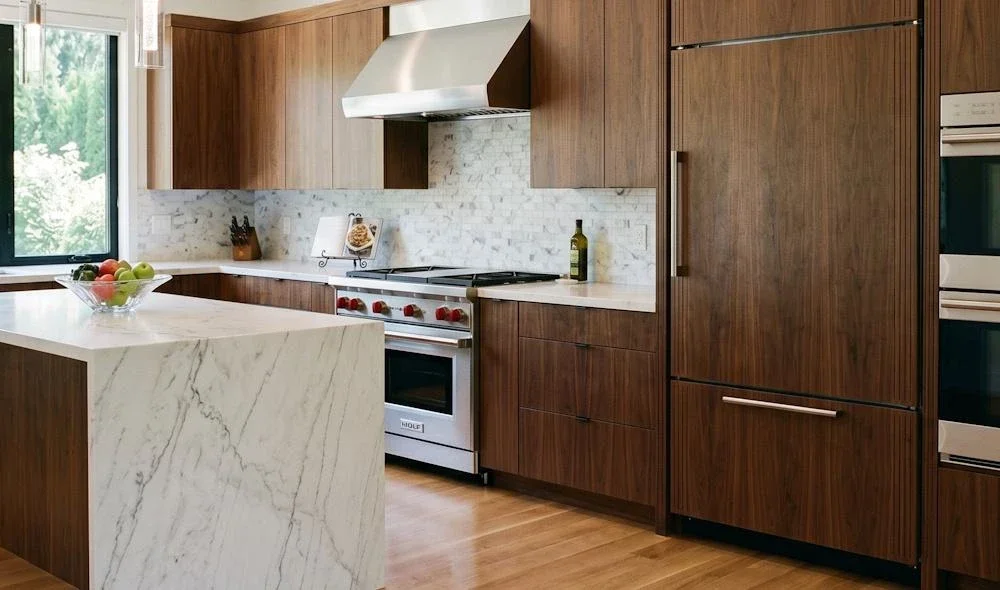
The modern kitchen is a highly engineered environment designed strictly for maximum culinary functionality. As a direct result of prioritizing extensive storage cabinetry, oversized stainless steel appliances, and sprawling countertops, continuous wall space becomes incredibly scarce. What remains for homeowners and interior designers to decorate are highly awkward, fragmented slivers of drywall. These tiny vertical gaps between the refrigerator and the pantry, the narrow horizontal strips hovering above the sink, or the disjointed spaces nestled among floating open shelves present a unique decorative challenge. Leaving these awkward architectural gaps completely bare often results in a kitchen that feels sterile, unfinished, and purely utilitarian. However, attempting to force traditional, large-scale representational artwork into these highly confined areas usually creates severe visual clutter and overwhelming aesthetic tension.
The Inherent Problem with Traditional Imagery in Confined Kitchen Spaces
To understand how to successfully navigate these tricky spatial voids, we must first recognize why conventional artwork frequently fails in the culinary environment. Traditional representational art—such as detailed landscape photography, classical still life compositions of fruit, or intricate family portraits—relies heavily on a clear, unbroken focal point and a specific, unobstructed viewing distance. When a detailed landscape is squeezed into a narrow six-inch gap next to a window, the narrative of the image is completely destroyed. The viewer's eye cannot process the intended depth or perspective when the canvas is tightly boxed in by heavy wooden cabinets or glowing modern appliances. Furthermore, realistic still-life paintings of food in a room where actual food is constantly being prepared can easily feel redundant, incredibly dated, and aesthetically uninspired. These small, disjointed wall spaces urgently require a decorative element that is entirely flexible, non-linear, and visually forgiving.
Why Non-Representational Art is the Ultimate Spatial Solution

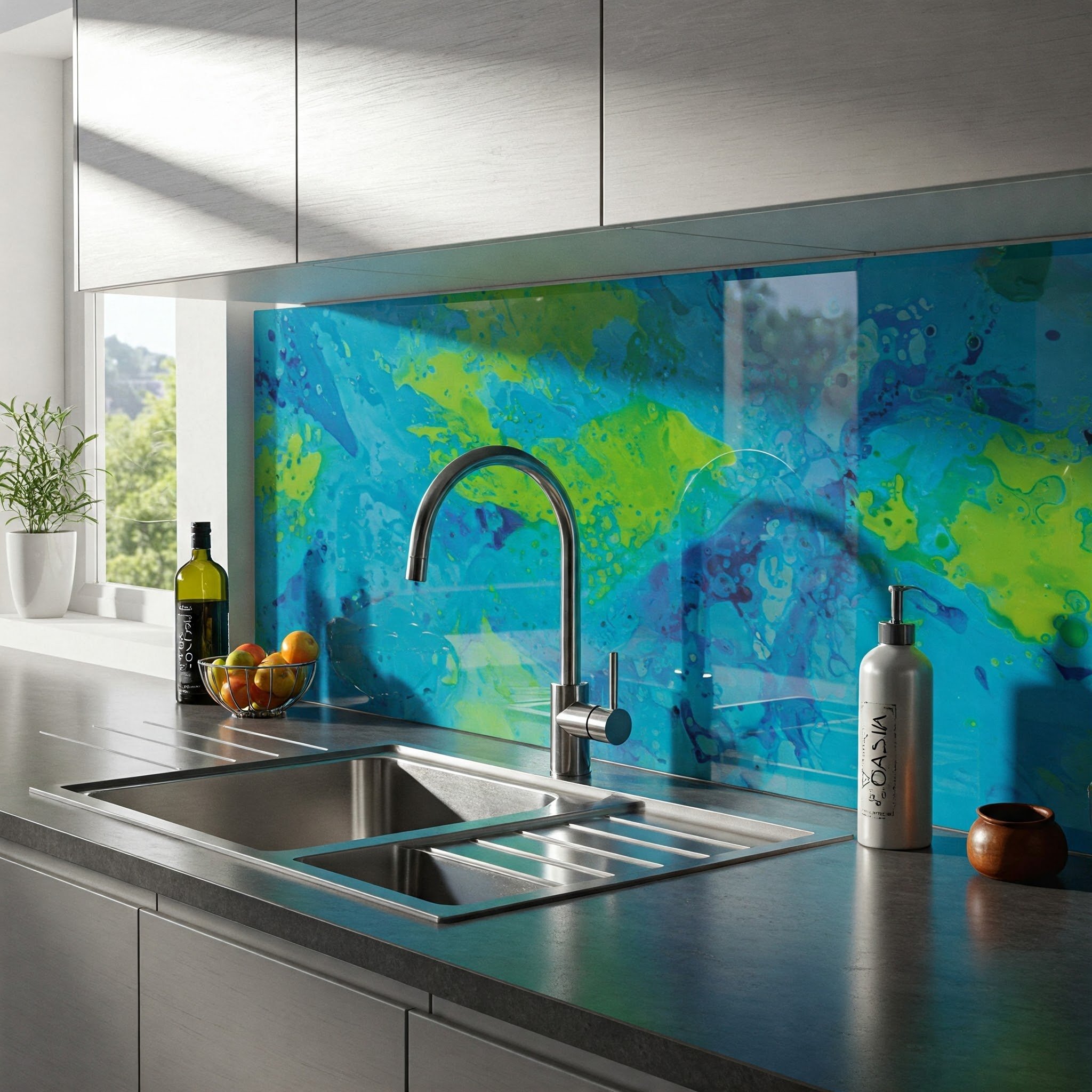
This is precisely where the strategic application of non-representational imagery becomes an incredibly powerful interior design tool. Abstract artwork does not demand a central focal point, nor does it require the viewer to step back ten feet to understand its narrative meaning. Instead, it relies entirely on the dynamic interplay of color, physical texture, and geometric balance. Because it lacks a literal, easily recognizable subject, an abstract composition can be effortlessly cropped, scaled down, or placed in highly unconventional areas without ever losing its fundamental aesthetic impact. For those looking to elevate these difficult spaces, sourcing perfectly sized Abstract Paintings for Kitchen environments offers an elegant, highly sophisticated solution. A small canvas featuring a vibrant splash of deep cobalt blue or a highly textured, monochromatic geometric pattern can instantly inject profound personality into a dead corner. The abstract nature of the piece allows the human eye to simply appreciate the raw color and energetic movement, seamlessly bridging the visual gap between solid cabinetry and reflective countertops without aggressively competing for visual attention.
Mastering the Art of Open Shelving Integration
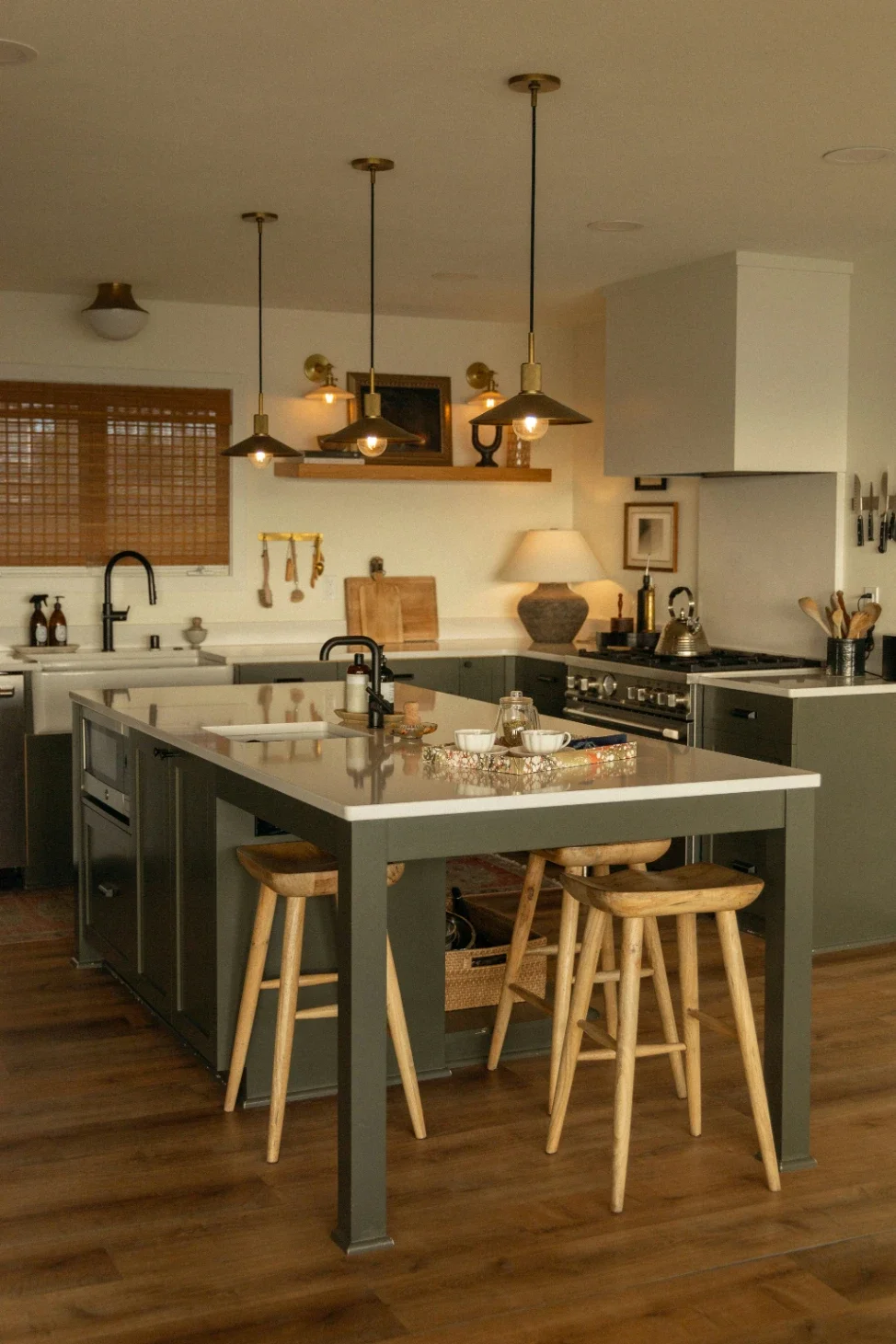
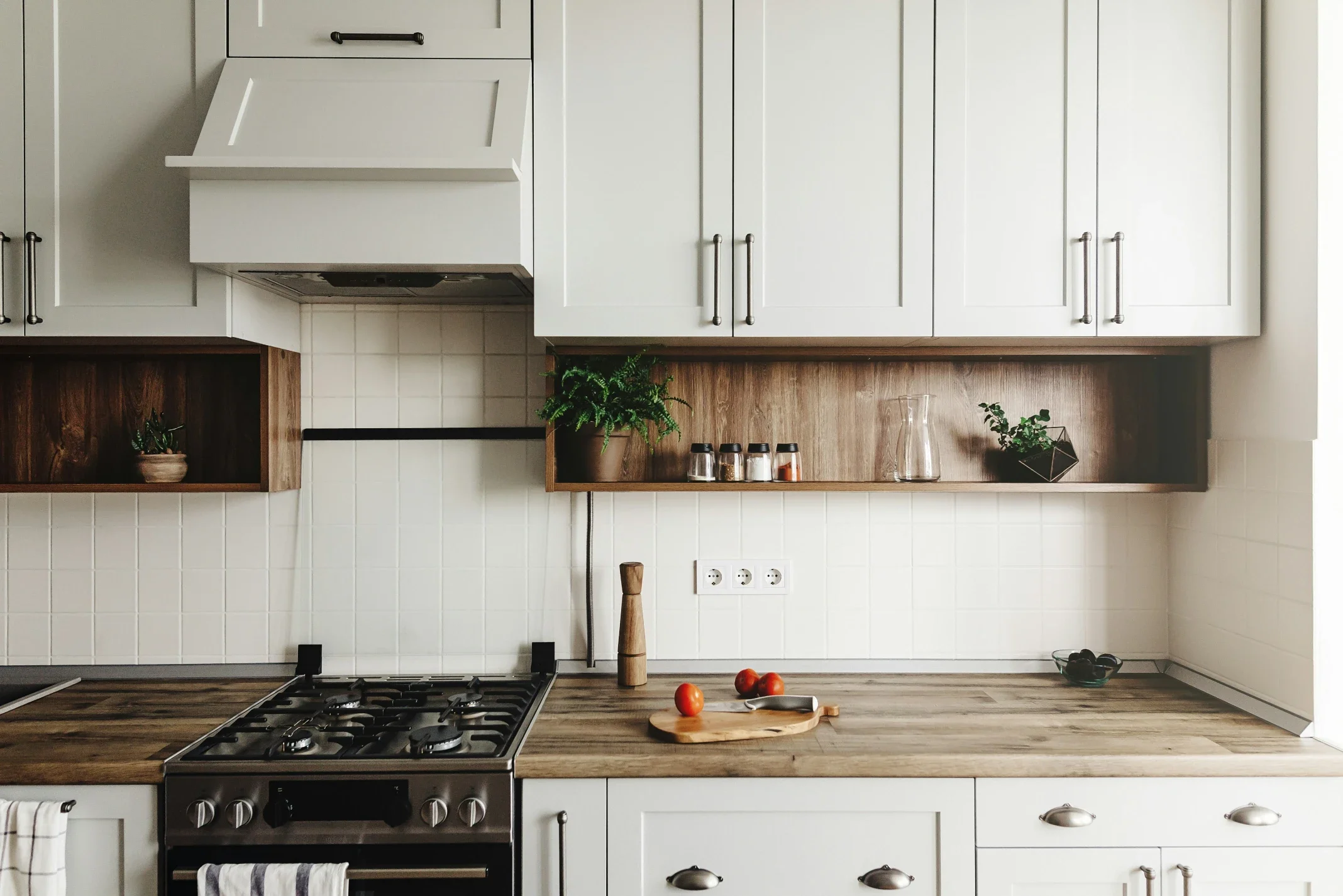
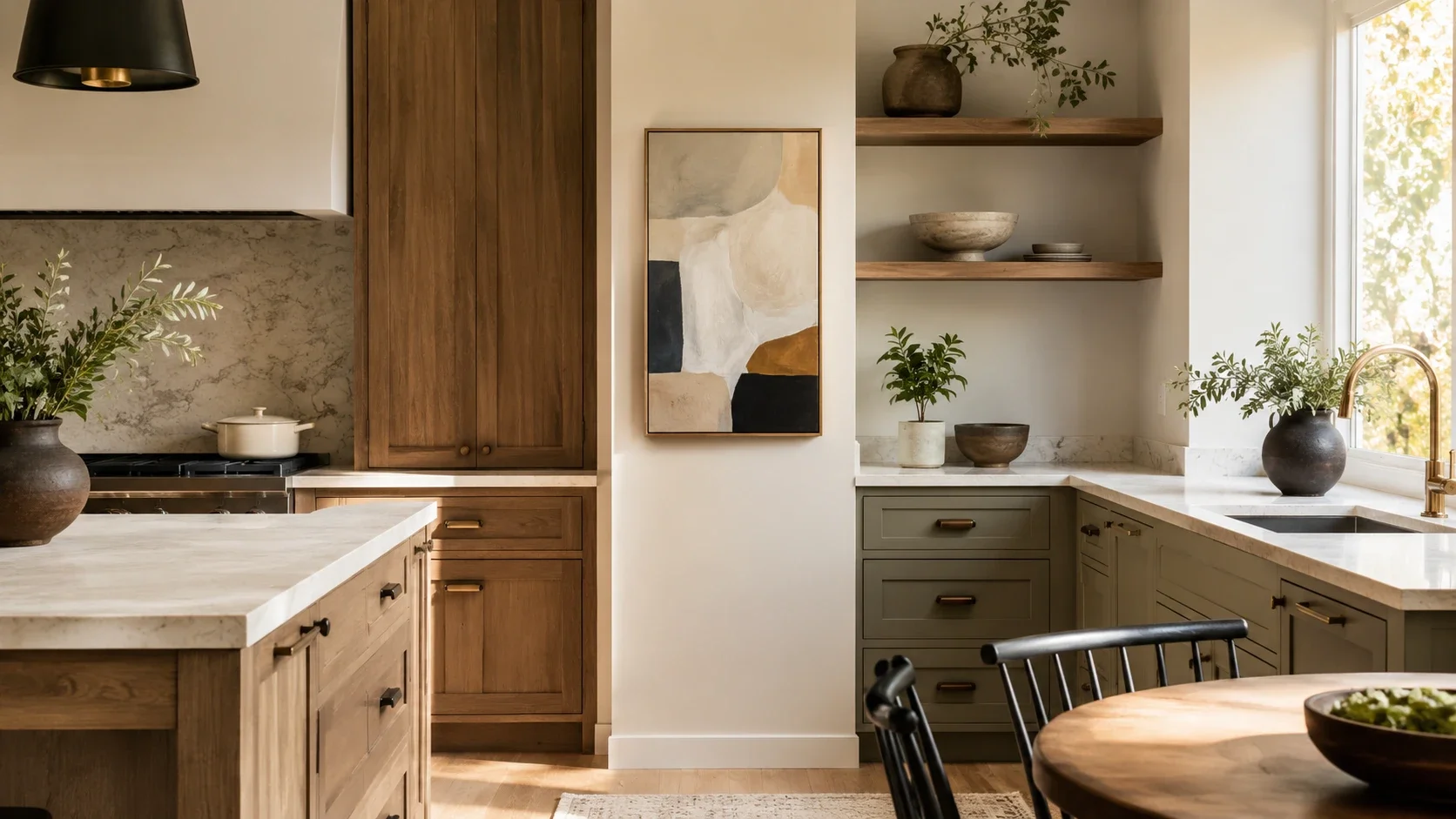
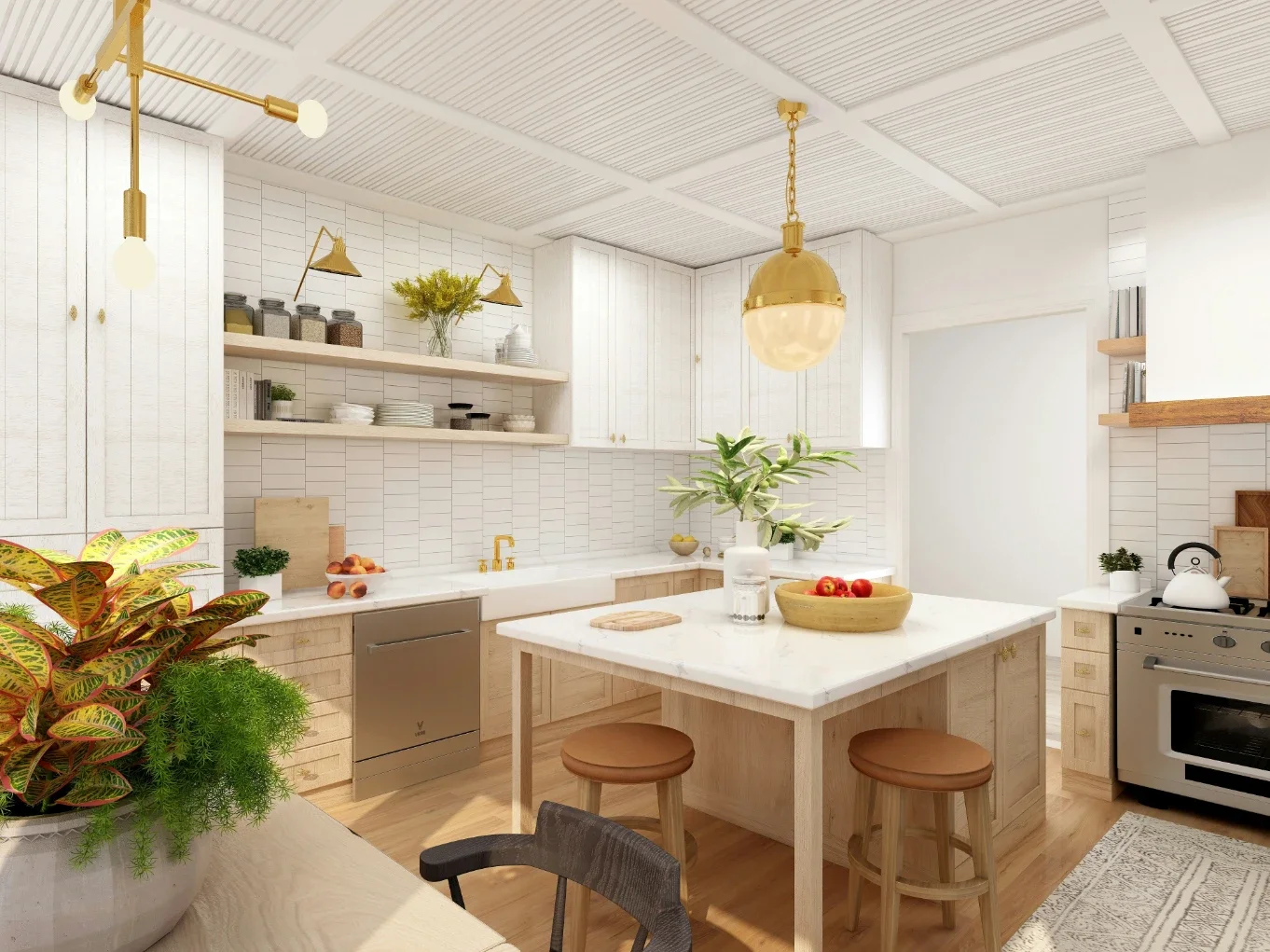
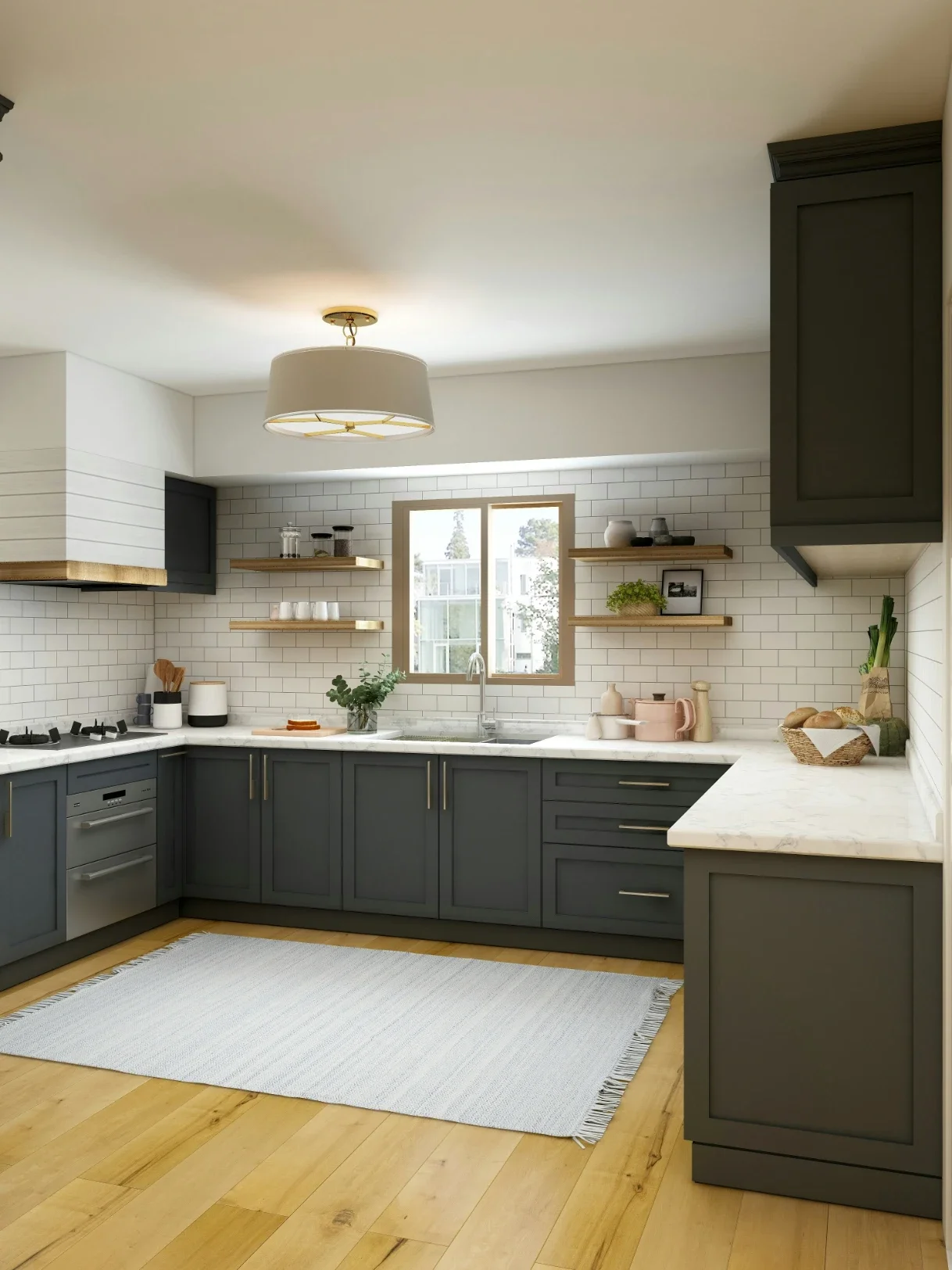
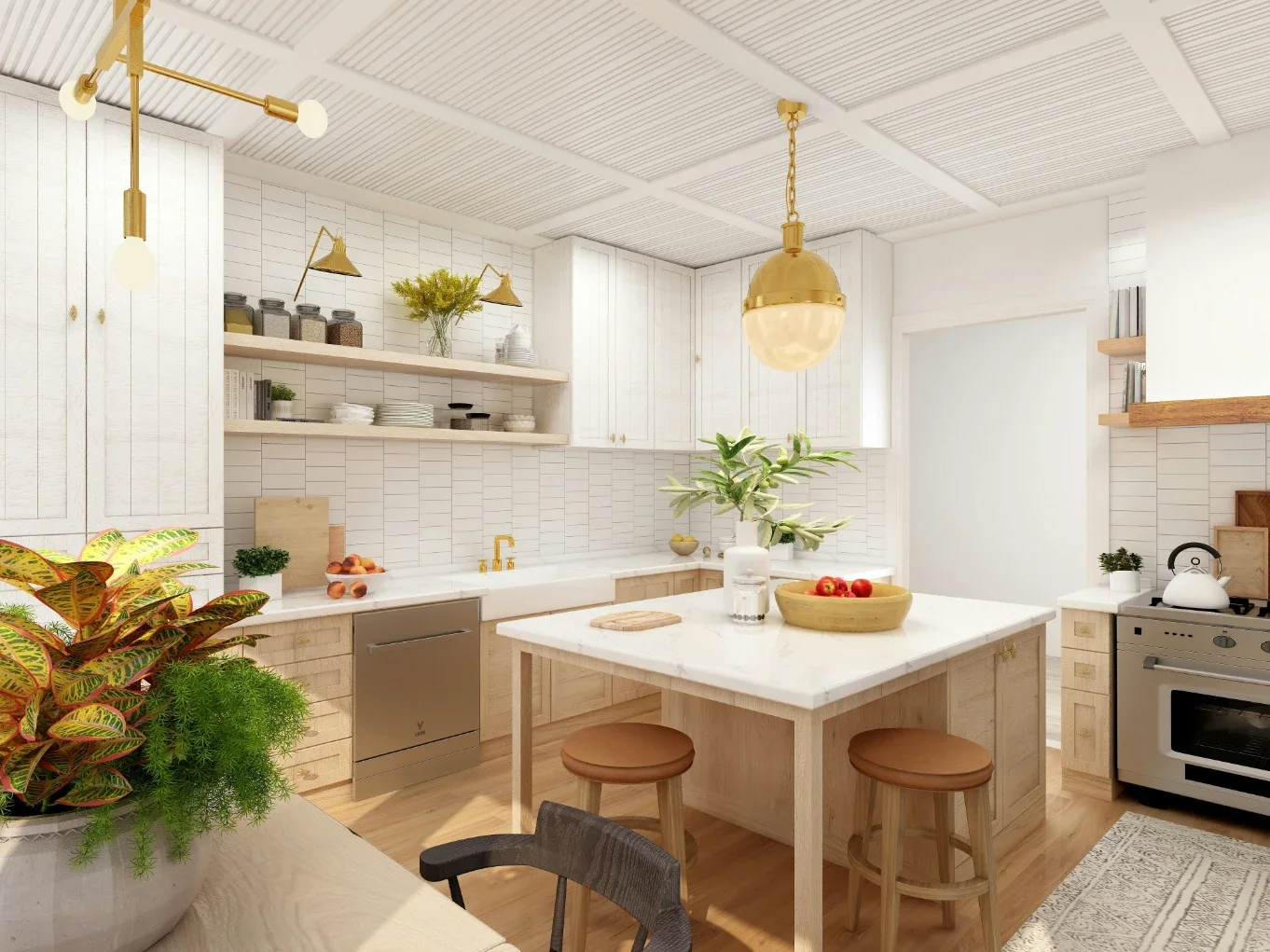
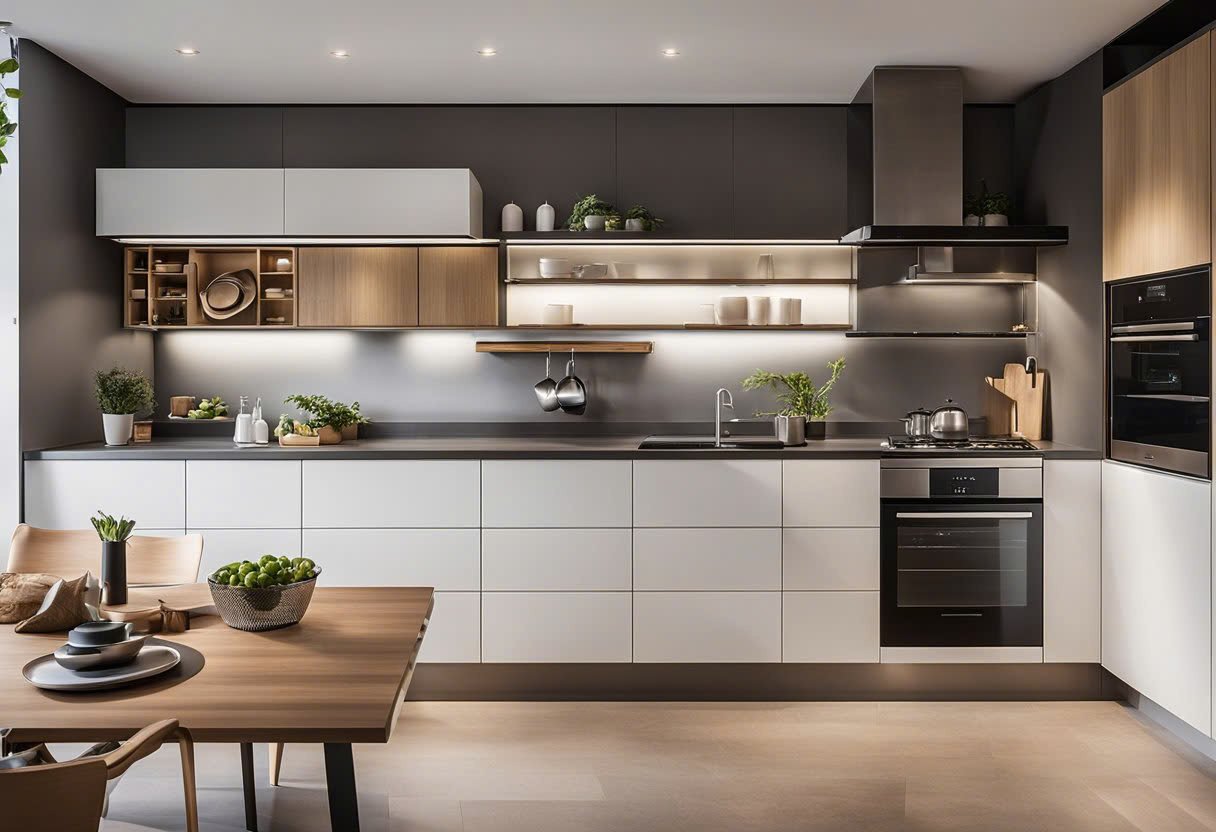
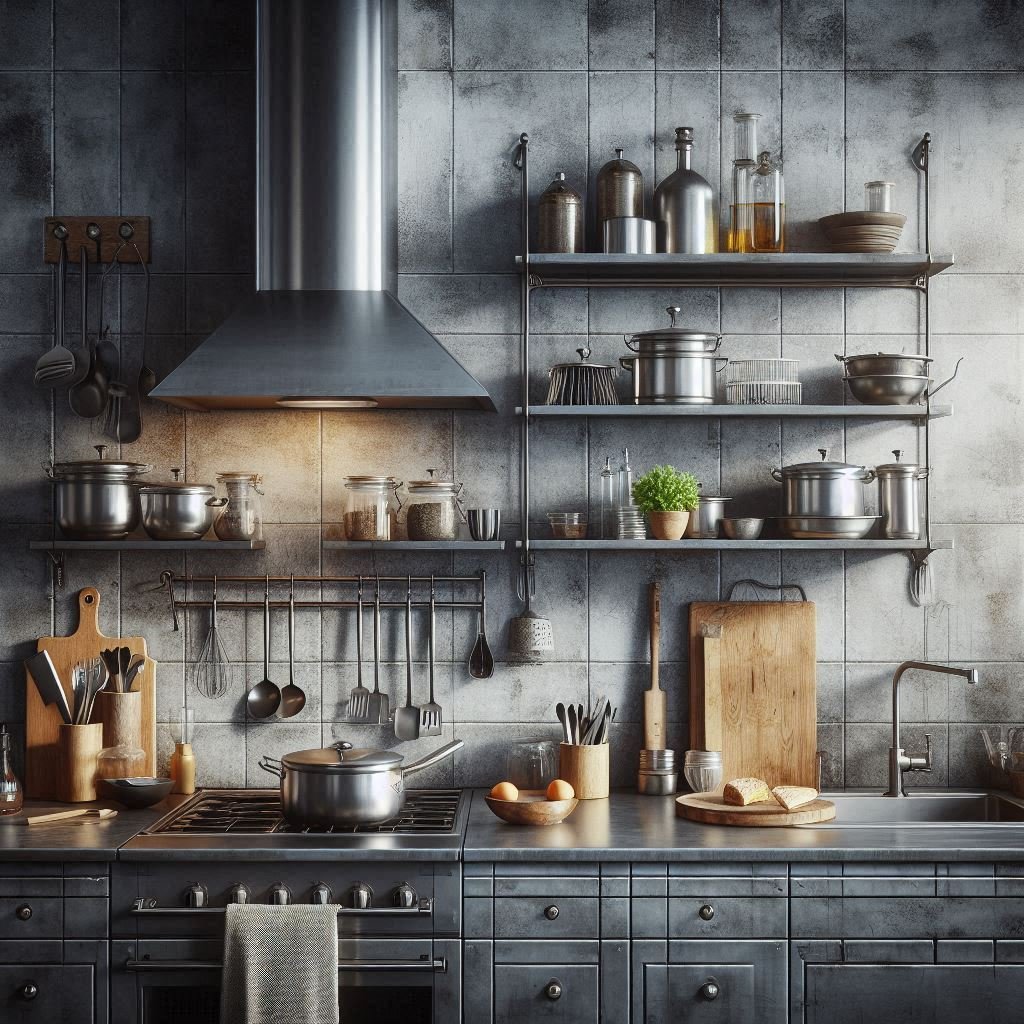
One of the most prominent trends in contemporary kitchen design is the extensive use of floating open shelves. While these shelves are excellent for displaying curated collections of handmade ceramics, heavy cast-iron cookware, and vintage cookbooks, they often leave awkward, boxy gaps of empty wall space directly behind the displayed items. Abstract art is uniquely equipped to fill these specific voids through the stylish technique of intentional layering. Rather than dealing with the hassle of permanently mounting a small frame directly to the intricate tile backsplash, interior designers highly recommend casually leaning small-scale abstract canvases directly against the wall, tucked slightly behind functional kitchen items. A boldly colored abstract piece nestled behind a stack of pristine white dinner plates provides a striking, unexpected background layer of visual depth. This casual, overlapping approach softens the rigid, hard horizontal lines of the wooden shelving and introduces a much-needed element of organic, fluid creativity into a space primarily dominated by rigid functionality.
Conquering Narrow Vertical Gaps and Strange Architectural Columns
Beyond open shelving, nearly every kitchen features at least one frustratingly narrow vertical strip of drywall, typically found between a tall pantry cabinet and a standard doorway, or awkwardly positioned beside a large stainless steel refrigerator. These tall, highly restrictive columns of empty space are notoriously difficult to decorate. Standard square or horizontally oriented frames simply do not fit, and leaving the space blank visually disconnects that section of the room from the rest of the cohesive kitchen design. The solution lies in commissioning or selecting highly elongated, vertical abstract compositions. A tall, extremely narrow abstract canvas featuring vertical brushstrokes or cascading color blocks naturally draws the eye upward, actively emphasizing the total height of the ceiling and transforming a strange architectural defect into an intentional, highly curated design feature. The abstract vertical lines beautifully complement the tall, straight edges of the adjacent vertical cabinetry, creating a cohesive, deeply harmonious spatial flow.
Practical Considerations for Preserving Kitchen Artwork
While abstract art fundamentally solves the aesthetic dilemmas of awkward kitchen walls, the culinary environment itself presents severe physical threats to fine art. Kitchens are intense zones of extreme temperature fluctuations, airborne grease, and constant, heavy moisture. To ensure your carefully chosen abstract pieces survive and thrive in this highly active space, you must strictly adhere to several non-negotiable practical guidelines when selecting and displaying your art:
Always protect works on paper, such as abstract watercolors or delicate ink drawings, behind high-quality, moisture-resistant glass or professional-grade acrylic glazing to completely block airborne cooking oils and boiling steam.
For heavily textured, unglazed canvas paintings, ensure the surface has been thoroughly treated with a protective, professional-grade archival varnish that allows the piece to be safely and gently wiped down with a soft, damp cloth when necessary.
Strictly avoid hanging any valuable or highly sensitive original artworks directly above the primary stovetop or heavily utilized sinks, as direct, repeated exposure to intense heat and splattering grease will inevitably cause irreversible structural damage to the canvas and pigments.
Utilize sturdy, high-quality framing materials specifically treated to resist warping in highly humid environments, actively avoiding cheap, untreated softwoods that will quickly expand, warp, and crack in the dynamic, moisture-heavy kitchen atmosphere.
Decorating a modern kitchen requires far more than simply selecting beautiful cabinetry and durable countertops; it demands a highly creative, thoughtful approach to navigating awkward, leftover architectural spaces. By abandoning the strict, rigid limitations of traditional representational imagery and fully embracing the fluid, highly adaptable nature of abstract art, you can successfully transform every tiny gap, narrow column, and open shelf into a stunning visual asset. Abstract artwork provides the essential color, necessary texture, and sophisticated energy required to complete the kitchen's design, proving that even the most frustrating, disjointed wall spaces hold immense potential for genuine, lasting artistic expression.
Stay up to date with our latest ideas!