Kitchen Design Mistakes That Make Appliance Repairs More Expensive
A practical guide to kitchen design mistakes that can increase appliance repair costs, especially in luxury kitchens with built-in, panel-ready, and high-end appliances.
Expert Insight from a Luxury Appliance Technician
A beautiful kitchen can increase a home’s comfort, function, and resale appeal. Custom cabinetry, built-in refrigeration, panel-ready dishwashers, professional ranges, and smart ovens can all make a kitchen feel more refined. But some design decisions can also make future appliance repairs more complicated and expensive.
To better understand the issue, we referenced insights from Stan, an Appliance EMT technician in Johns Creek, GA who specializes in luxury appliance brands such as Thermador, Bosch, GE Monogram, Wolf, and other premium manufacturers. In his experience, many costly repair situations are not caused by the appliance alone. They often start with the way the appliance was installed, enclosed, ventilated, or positioned during the kitchen design process.
The key takeaway is simple: a kitchen should be designed not only for how it looks today, but also for how it can be serviced years from now.
Why Kitchen Design Affects Appliance Repair Costs
Appliances require more than just a power outlet; they need proper airflow, utility access, and a clear path for removal. When a kitchen layout is too restrictive, a standard repair can quickly escalate in complexity. A technician may require specialized tools or extra manpower just to reach the unit. In some cases, custom cabinetry or flooring may even need to be dismantled before work can begin, turning a routine service call into a much larger project. This is particularly vital in luxury kitchens, where heavy, panel-ready appliances are seamlessly integrated into the home's design.
1. Installing Appliances Too Tightly Into Cabinetry
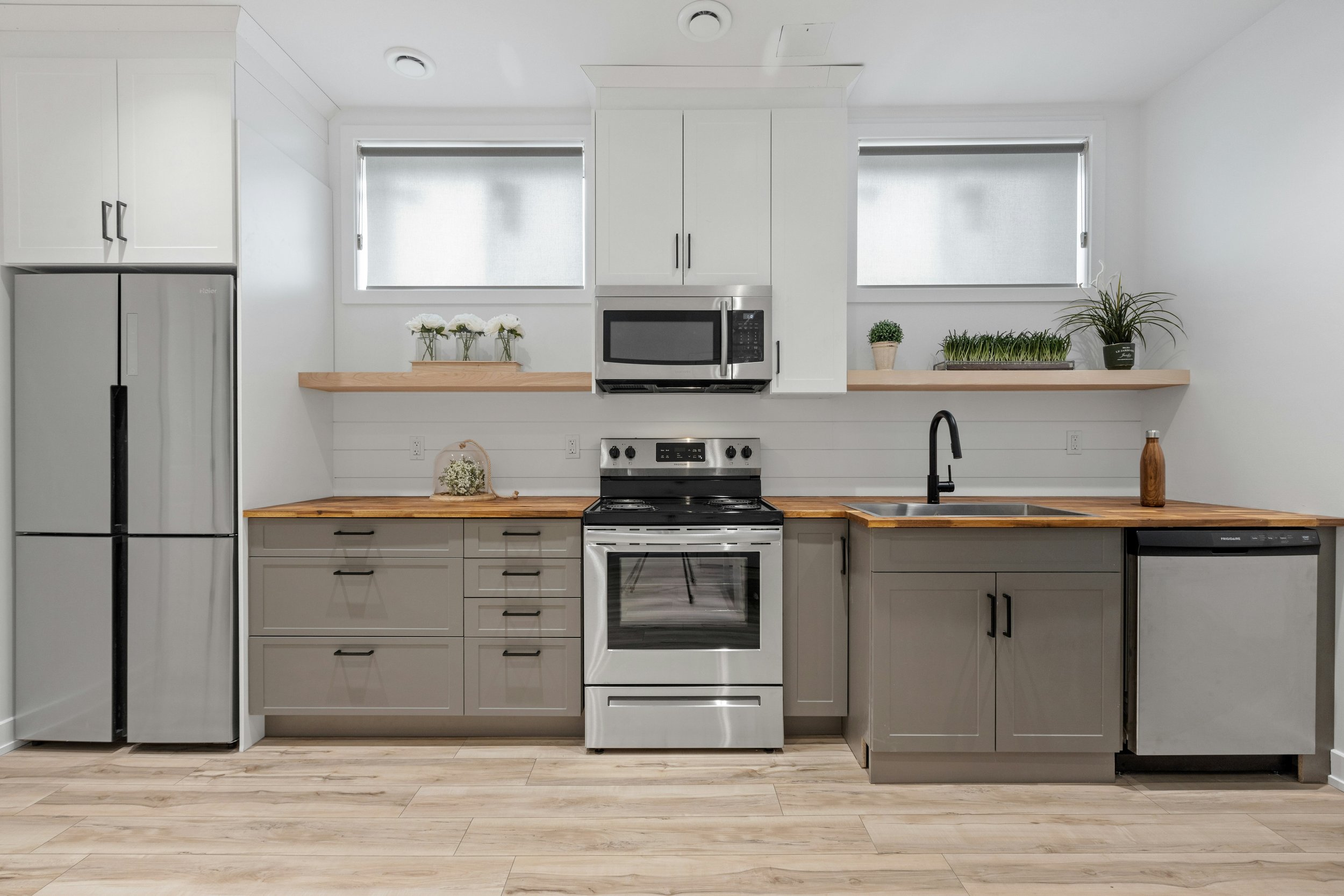
Built-in appliances create a sleek, custom appearance, but they still need proper clearance. Refrigerators, dishwashers, wall ovens, warming drawers, and wine coolers should not be forced into openings that are too narrow or too shallow.
When an appliance is boxed in too tightly, a technician may have difficulty pulling it out without damaging the cabinets, trim, flooring, or countertop edges. Even a small clearance issue can make the repair process longer and more delicate.
Stan notes that high-end appliances are often heavier and more precisely fitted than standard models. If the original installation does not allow room for safe movement, a routine repair can become more involved.
How to avoid this mistake:
Before finalizing cabinetry, review the manufacturer’s installation guide. Confirm the required side, top, rear, and front clearances for each appliance.
2. Blocking Ventilation Around Refrigerators and Ovens
Many kitchen appliances need airflow to work properly. Refrigerators, ovens, ranges, microwaves, dishwashers, and built-in coffee systems can all generate heat or require ventilation.
Appliances need to breathe to perform their best. When decorative trim or custom cabinetry blocks ventilation, your machines have to work twice as hard, leading to premature wear and tear. A refrigerator with poor airflow will run constantly, putting a massive strain on the compressor and spiking your energy bill. Similarly, a built-in oven that can't vent properly might trigger mystery error codes, shut down mid-meal, or even cause heat damage to the surrounding woodwork.
This is especially important with premium brands like where installation specifications are often very specific.
How to avoid this mistake:
Do not cover vents for visual reasons. Make sure the kitchen designer, contractor, and appliance installer all follow the appliance’s ventilation requirements.
3. Placing Appliances Where Technicians Cannot Reach Them
One of the most common reasons appliance repairs become expensive is poor access. If a technician cannot easily reach the appliance, the power connection, water line, drain line, gas shutoff, or service panel, the repair may take longer.
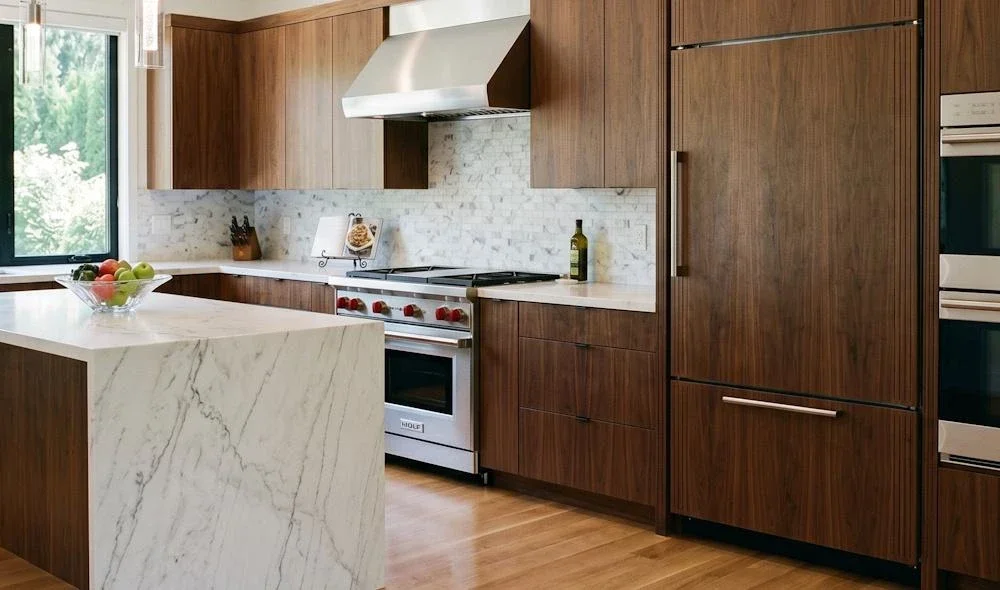
This issue often happens with built-in refrigerators, dishwashers under deep counters, wall ovens surrounded by custom cabinetry, and ranges installed in tight corners.
Homeowners should also think about service availability before choosing complex appliances. For example, Georgia homeowners investing in premium kitchen appliances may want to know where to find Appliance repair in Johns Creek, GA before selecting built-in or luxury models that require specialized service.
How to avoid this mistake:
Make sure every appliance can be safely accessed, disconnected, moved, and serviced without removing major parts of the kitchen.
4. Hiding Shutoff Valves Behind Fixed Cabinets
Water and gas shutoff valves should always be easy to reach. Unfortunately, some remodels hide these valves behind drawers, fixed panels, heavy appliances, or custom cabinetry.
This can create both safety and repair problems. If a dishwasher leaks and the water shutoff valve is difficult to access, water damage can spread quickly. If a gas range needs service, the technician must be able to reach the shutoff valve safely.
Stan often recommends that homeowners think about emergency access before the kitchen is finished. If no one can quickly reach a shutoff valve, a small problem can become a larger and more expensive one.
How to avoid this mistake:
Place shutoff valves where homeowners and technicians can access them quickly without removing cabinetry or appliances.
5. Choosing Panel-Ready Appliances Without Planning for Service
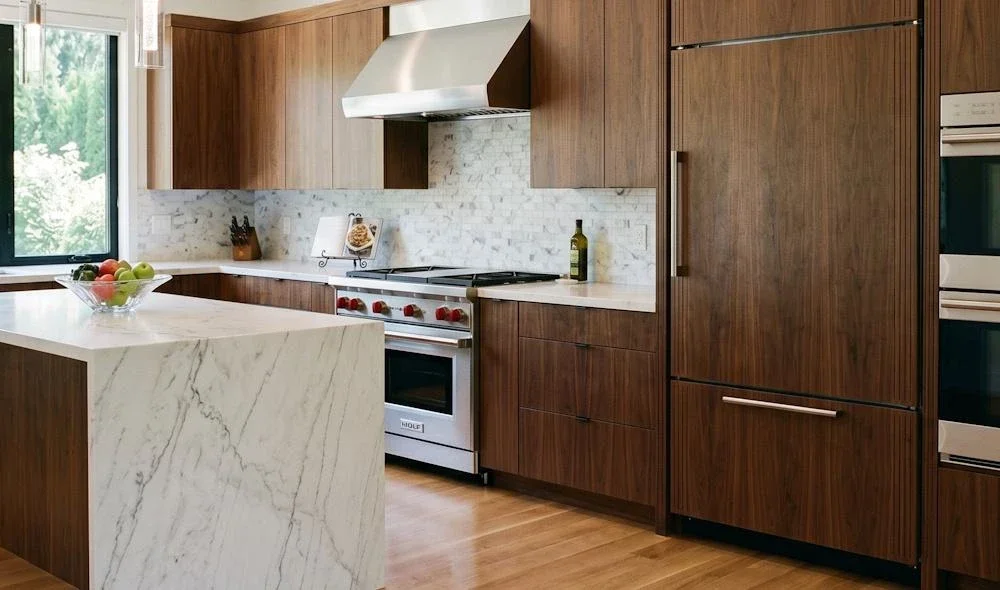
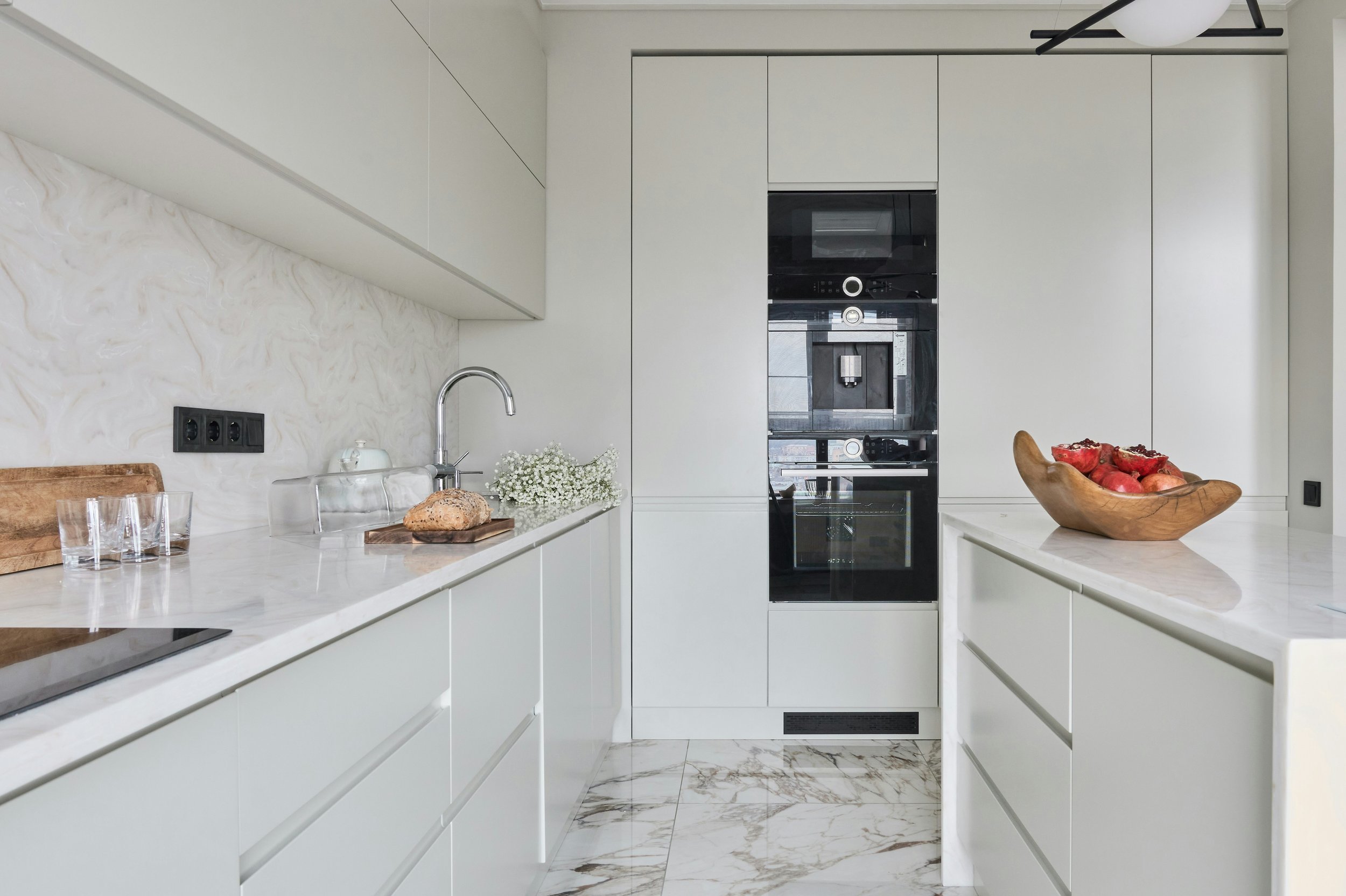
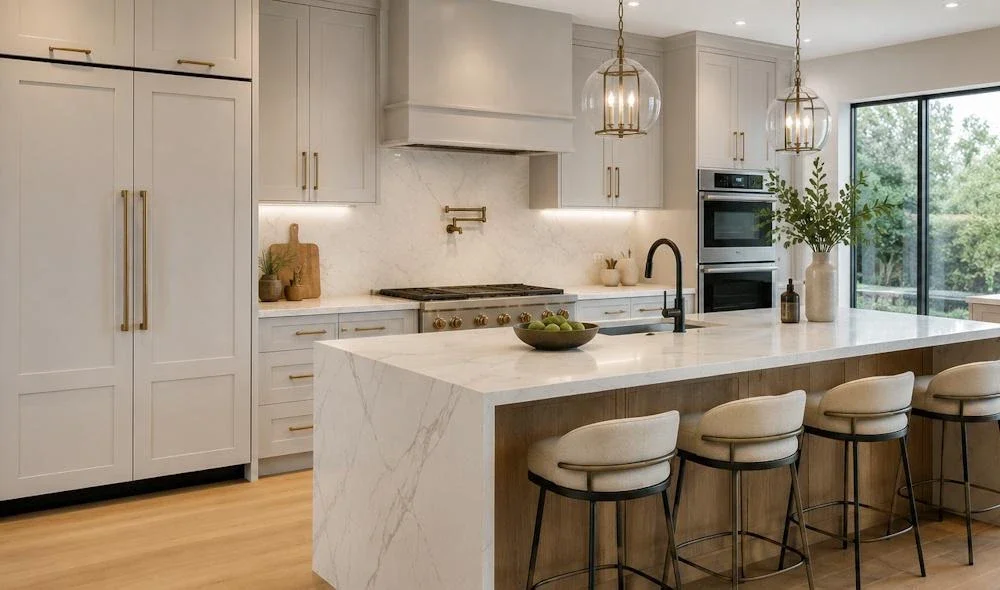
Panel-ready appliances are popular in luxury kitchen design because they allow refrigerators, freezers, and dishwashers to blend into surrounding cabinetry. The result can be elegant and seamless, but service access must be considered from the start.
Custom panels add weight. They can also interfere with hinges, door alignment, ventilation, or access points if they are not designed correctly. In some cases, panels may need to be removed before a technician can inspect or repair the appliance.
A panel that looks beautiful but is too heavy, poorly aligned, or difficult to remove can shorten appliance life and increase service costs.
How to avoid this mistake:
Coordinate the appliance specifications, cabinet design, and panel installation before the kitchen is built.
6. Installing Flooring in a Way That Traps Appliances
Flooring can unintentionally trap appliances in place. This often happens when new tile, hardwood, or luxury vinyl is installed in front of an appliance but not underneath it.
Dishwashers are especially vulnerable. If the finished floor is higher than the floor under the dishwasher, the appliance may become locked under the countertop. When it needs repair or replacement, removing it may require flooring, countertop, or cabinet adjustments.
How to avoid this mistake:
Install flooring underneath appliances whenever possible. At minimum, make sure the final floor height allows appliances to be removed later.
7. Forgetting About Water Line Access
Refrigerators with ice makers, dishwashers, built-in coffee machines, and steam ovens often require water connections. If these water lines are hidden behind fixed cabinetry or installed without access, repairs become more complicated.
Small leaks behind built-in appliances can also go unnoticed until they cause damage to cabinets, flooring, or walls.
This is especially important with built-in refrigerators because they are heavier and harder to move than freestanding models.
How to avoid this mistake:
Make sure water lines are protected, properly routed, and accessible. Homeowners should also know where the shutoff valve is located.
8. Placing Appliances Too Close Together
A kitchen layout should allow appliance doors and drawers to open fully. When appliances are placed too close together, they can block each other or limit the technician’s workspace.
Common examples include:
A dishwasher door that blocks access to the sink cabinet
A refrigerator door that cannot fully open because of a wall
An oven door that blocks movement in a narrow walkway
A range installed too close to a corner cabinet
A built-in coffee machine that cannot slide forward for service
These design flaws are inconvenient for daily use and can make repairs harder.
How to avoid this mistake:
Test door swings, drawer clearance, and technician access during the planning stage.
9. Ignoring Manufacturer Installation Requirements
Every appliance comes with installation requirements. These instructions cover clearance, ventilation, electrical supply, water connections, gas lines, support structures, and service access.
Ignoring these guidelines can reduce appliance performance, shorten appliance lifespan, increase repair risk, and potentially affect warranty coverage.
Stan emphasizes that premium brands are built with specific installation standards for a reason. An appliance may look correct from the outside while still being poorly installed behind the scenes.
How to avoid this mistake:
Review the manufacturer’s installation manual before cabinetry, countertops, flooring, and utility locations are finalized.
10. Prioritizing Looks Over Long-Term Maintenance
A kitchen should look good, but it also needs to work well for years. Some design choices create a high-end appearance while making maintenance difficult.
Examples include:
Fully concealed appliances with no access panels
Oversized islands that block appliance removal
Decorative trim that covers ventilation
Fixed cabinetry around serviceable parts
Panel-ready appliances with panels that are difficult to remove
Appliances installed without enough clearance for repair work
The best kitchens balance beauty, function, and long-term serviceability.
Service-Friendly Kitchen Design Checklist
Before completing a kitchen remodel, homeowners should ask these questions:
Can each appliance be removed without damaging cabinets, flooring, or countertops?
Are water, gas, drain, and electrical connections easy to reach?
Are shutoff valves visible and accessible?
Does each appliance have proper ventilation?
Is there enough clearance around built-in appliances?
Can appliance doors and drawers open fully?
Does the layout follow the manufacturer’s installation instructions?
Can a technician safely move and service the appliance?
Will custom panels interfere with ventilation, hinges, or repairs?
Is flooring installed in a way that allows future appliance removal?
Quick Answer: What Kitchen Design Mistake Makes Appliance Repairs Most Expensive?
The most expensive mistake is usually poor service access. When appliances are boxed in by cabinetry, blocked by flooring, or installed without access to shutoff valves and utility connections, technicians may need extra labor just to begin the repair.
Expert Takeaway
According to Stan from Appliance EMT, many appliance repair problems in luxury kitchens are preventable. The appliance itself may be well-made, but he has seen enough mistakes made in St. Ives and Country Club of the South to know that if it is installed without enough clearance, ventilation, or access, repairs can become harder and more expensive.
This is especially true for luxury appliance brands such as Thermador, Bosch, GE Monogram, Wolf, and similar premium manufacturers. These appliances often require more precise installation and more specialized service than standard kitchen appliances.
Final Thoughts
Kitchen design is about more than style. A well-designed kitchen should be beautiful, efficient, safe, and easy to maintain.
When appliances are installed without proper clearance, ventilation, shutoff access, or removal space, even a simple repair can become costly. By planning for future service during the design stage, homeowners can protect their investment, extend appliance lifespan, and avoid unnecessary repair expenses.
The most successful kitchens are not only visually impressive. They are designed to function well every day and remain serviceable for years to come.
FAQ
Why do built-in appliances cost more to repair?
Built-in appliances can cost more to repair when they are difficult to access, tightly enclosed by cabinetry, or connected to hidden water, gas, or electrical lines. The repair itself may be simple, but reaching the appliance can take extra time.
Should kitchen designers consider appliance repair access?
Yes. Appliance repair access should be considered during the design stage. Proper clearance, ventilation, utility access, and appliance removal space can help reduce future repair costs.
Are luxury appliances harder to repair?
Luxury appliances are not always harder to repair, but they often require specialized knowledge, brand-specific parts, and careful handling. Brands such as Thermador, Bosch, GE Monogram, and Wolf may also have more detailed installation requirements.
What is the biggest appliance installation mistake in kitchen remodels?
One of the biggest mistakes is installing appliances too tightly into cabinetry. This can make it difficult to remove the appliance for inspection, maintenance, or repair.
How can homeowners prevent expensive appliance repairs?
Homeowners can reduce repair costs by following manufacturer installation requirements, allowing proper ventilation, keeping shutoff valves accessible, installing flooring correctly, and making sure each appliance can be safely removed and serviced.
Stay up to date with our latest ideas!