10 Ways to Make Your Kitchen Sink Zone Work Harder
Discover 10 ways to make your kitchen sink zone work harder with smart organization, efficient fixtures, and practical upgrades that boost functionality.
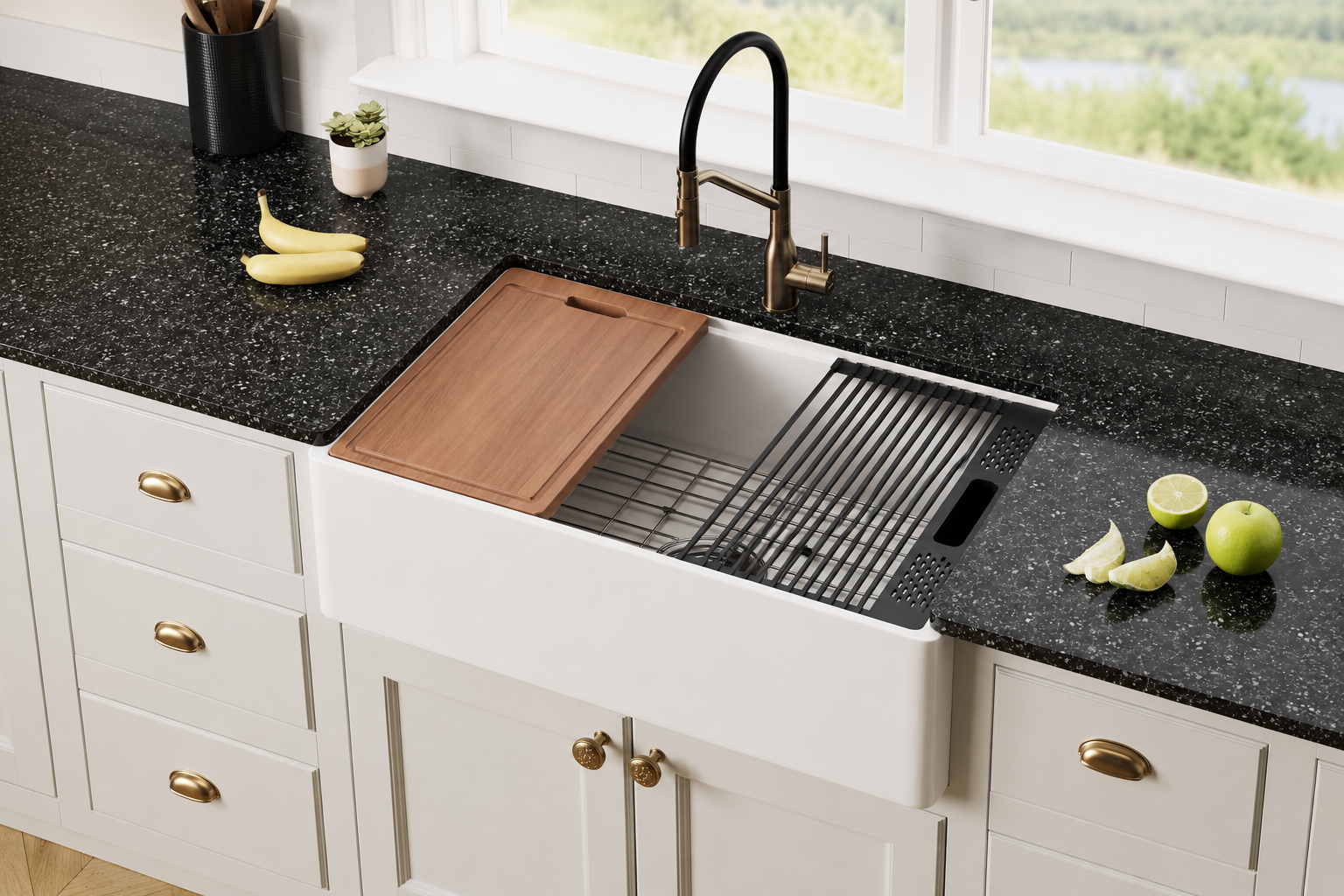
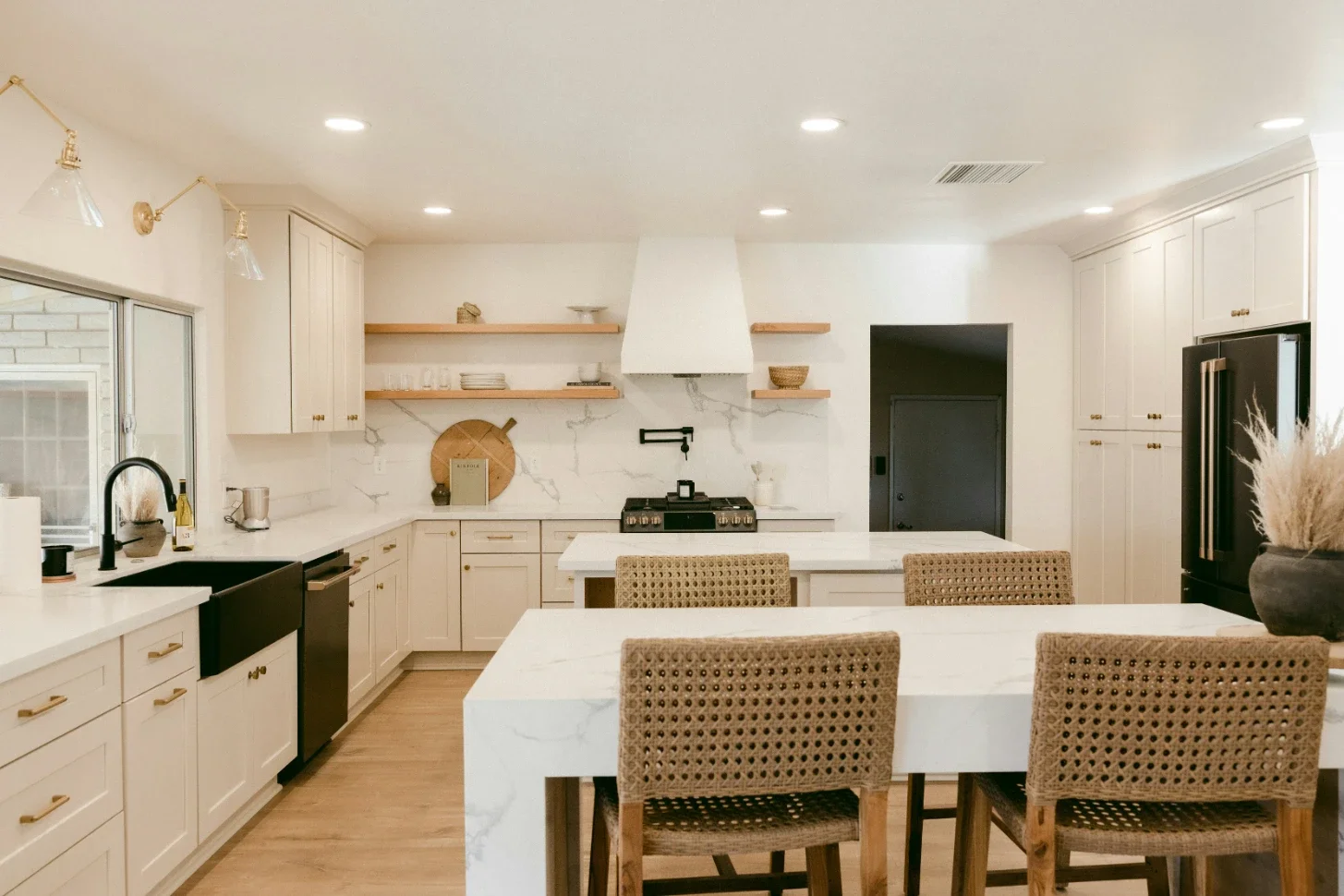
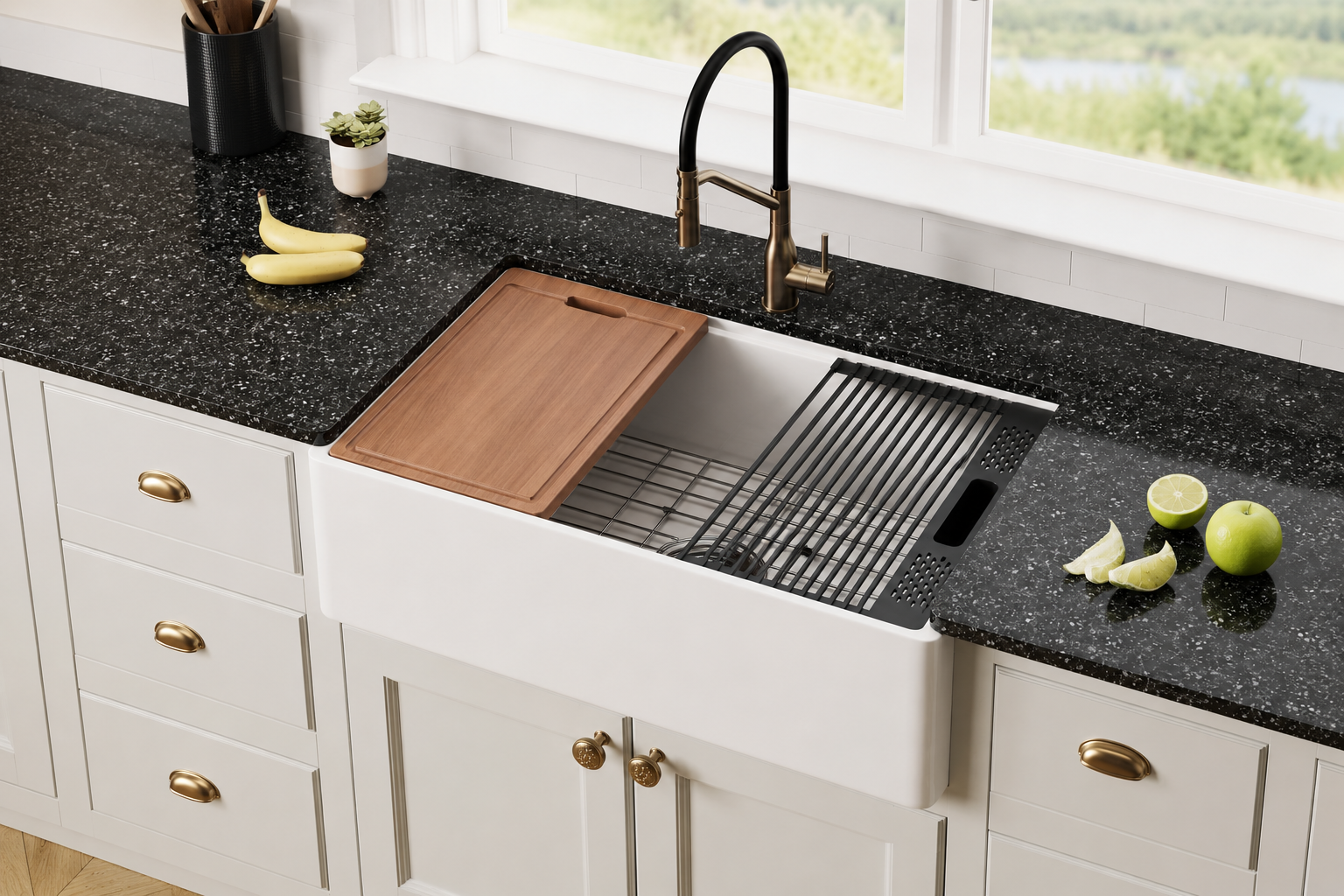
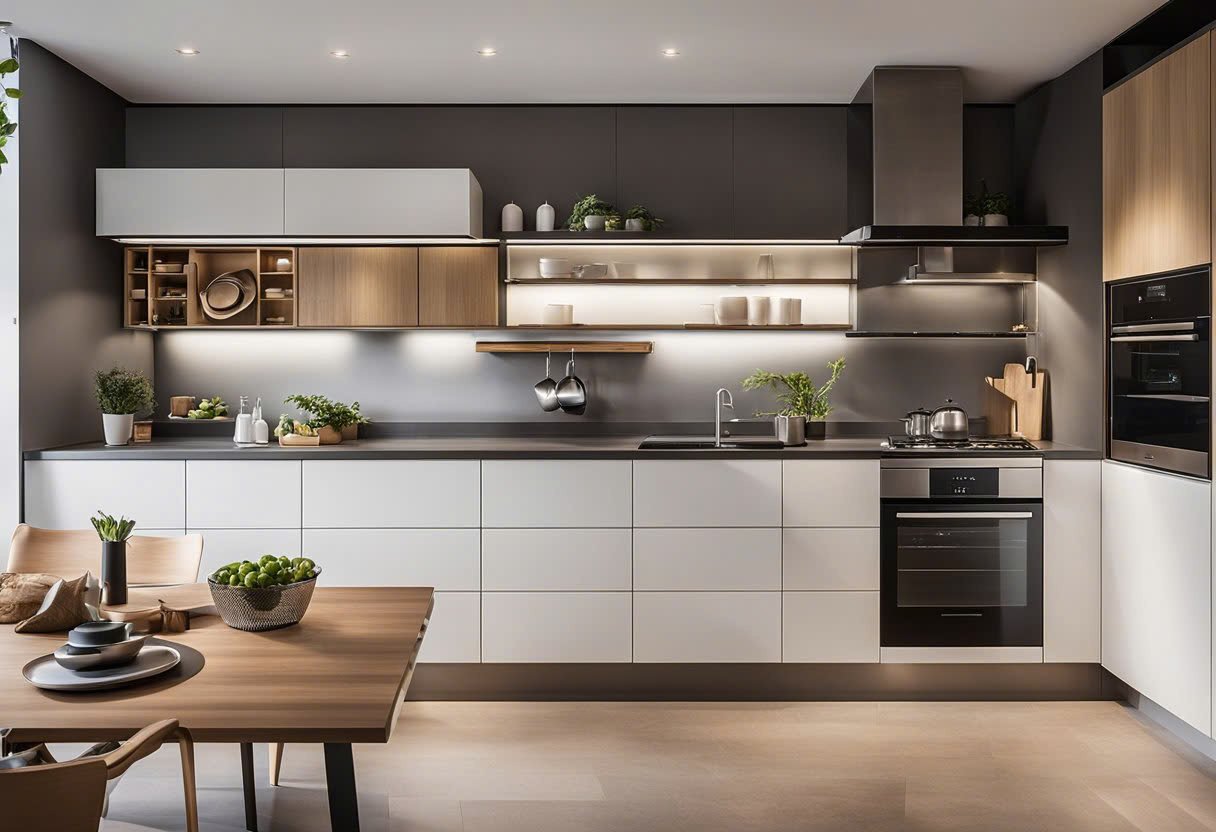
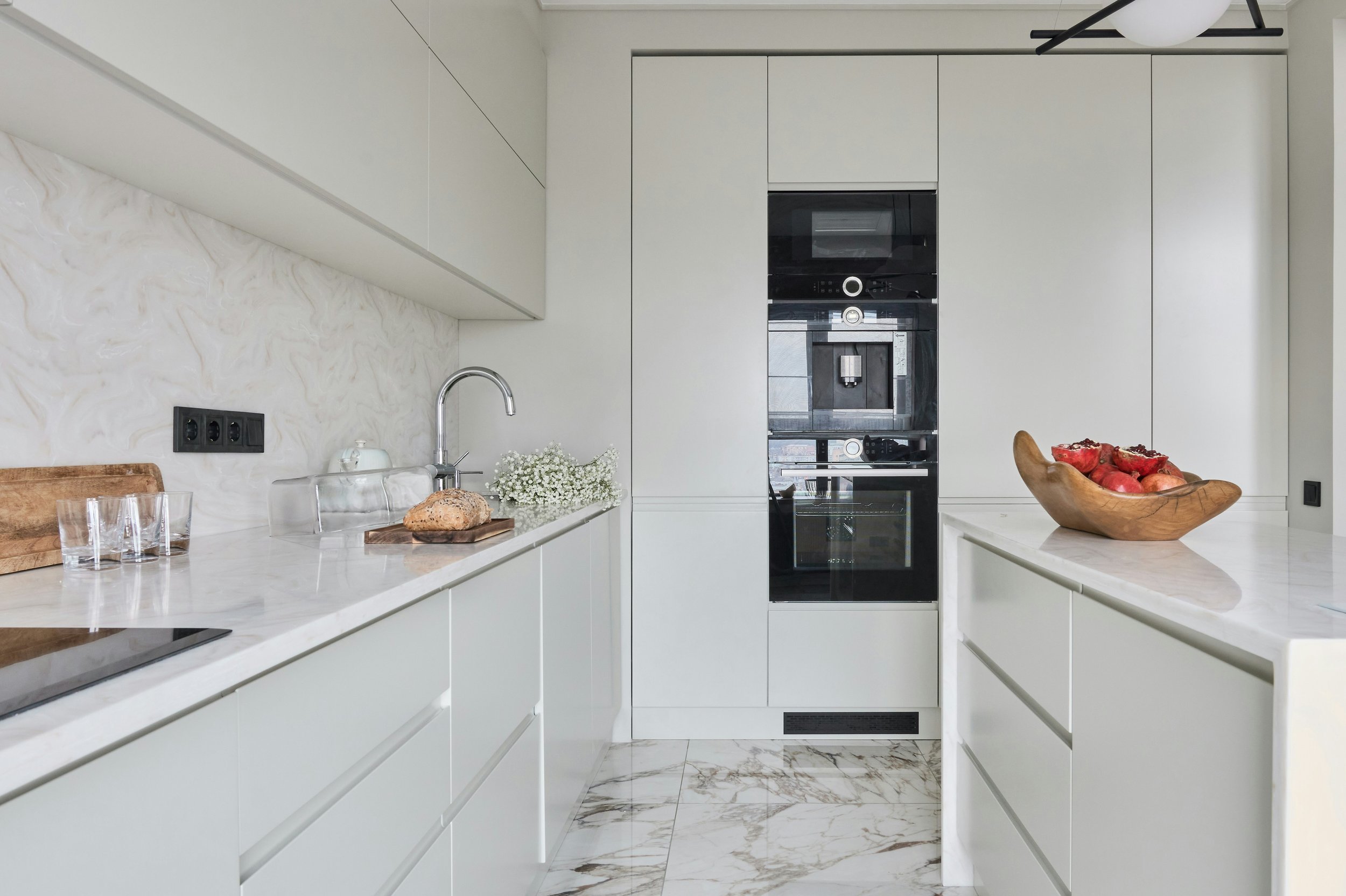
An organized kitchen sink area with integrated preparation accessories.
The kitchen sink often occupies several feet of valuable counter space while serving one obvious purpose. With better planning, however, the area around and above the basin can also support food preparation, drying, storage, and cleanup.
A more efficient sink zone does not necessarily require a larger kitchen or an expensive renovation. Small changes to the layout, lighting, accessories, and surrounding storage can make everyday tasks noticeably easier.
The goal is to treat the sink as part of a complete working area rather than as an isolated fixture. Whether you are remodeling or improving an existing kitchen, the following ideas can help the space work harder without making it feel crowded.
1. Map the Daily Workflow
Start by considering how food, cookware, and dishes move through the kitchen.
Ingredients are often taken from the refrigerator, washed at the sink, prepared on a nearby surface, and then moved to the cooktop or oven. After a meal, dishes usually travel back to the sink, dishwasher, and storage cabinets.
The sink should connect naturally with these frequently used areas. Long distances between the refrigerator, preparation surface, sink, and cooking zone can create unnecessary movement.
Pay particular attention to the dishwasher. Its open door should not block the main walkway or prevent someone from standing comfortably at the sink. Ideally, dishes can move from the basin to the dishwasher without crossing the room or dripping water across the floor.
Also consider how several people use the kitchen at the same time. One person should be able to rinse produce or wash dishes without preventing another from opening a cabinet, reaching the refrigerator, or using a nearby work surface.
2. Use the Space Above the Basin
The open area above a sink is often underused. A built-in ledge can temporarily turn part of the basin into a preparation, rinsing, or drying surface.
In kitchens where counter space is limited, a fireclay workstation sink can create temporary prep or drying space by supporting compatible accessories such as a cutting board, colander, or roll-up rack above the bowl.
Because these accessories work over the basin, water and food debris are more likely to remain contained within the sink area instead of spreading across the surrounding countertop.
Before committing to this setup, check how the accessories fit and where they live when they are not in use. A cutting board or colander is only convenient if it can be inserted, removed, cleaned, and stored easily — ideally in the cabinet below or a nearby drawer.
The accessories also need to sit securely. They should rest flat on the integrated ledge without sliding or interfering with the faucet, and the ledge should be wide enough to hold them level while you work.
3. Choose Sink Dimensions Carefully
A larger sink is not automatically more functional. It must remain proportionate to the cabinet, countertop, and person using it.
Measure the sink base cabinet before comparing models. As a general planning rule, the cabinet usually needs to be wider than the sink. For example, many 30-inch sinks require a 33-inch base cabinet, while many 33-inch sinks require a 36-inch cabinet. Always confirm the manufacturer's minimum cabinet requirement and measure the usable interior width before ordering.
Depth is equally important. Many farmhouse bowls run roughly 9 to 10 inches deep, which is enough for stockpots, roasting pans, and baking sheets, but it may be an uncomfortable reach for shorter users. A very deep sink can also reduce usable storage inside the cabinet below.
Consider the items washed most frequently. Workstation sinks are available in both single- and double-bowl layouts: a single bowl provides more uninterrupted space for large cookware, while a double bowl makes it easier to separate washing, rinsing, and food-preparation tasks.
The sink should suit the household's actual routine rather than simply being the largest option that fits.
4. Preserve Landing Space
Every sink needs nearby landing space where wet dishes, ingredients, cleaning tools, and cookware can be placed temporarily.
Try to maintain usable countertop space on both sides of the basin. One side can support incoming items waiting to be washed, while the other can hold clean or prepared items.
In a compact kitchen, even a narrow landing area can be useful when it remains clear of decorative objects and small appliances. Avoid placing bulky utensil holders, coffee machines, or countertop storage directly beside the sink unless they are used there regularly.
The area between the sink and cooktop can be especially valuable because it supports both washing and food preparation. Keeping this section clear can improve the flow of cooking tasks.
When planning a renovation, avoid positioning the sink too close to a tall cabinet or wall. Restricted elbow room can make even a large sink feel uncomfortable.
5. Add Focused Task Lighting
General ceiling lighting may not provide enough illumination over the sink, particularly when the user's body casts a shadow across the basin.
A sink positioned below a window benefits from daylight, but additional lighting is still useful in the evening. Recessed fixtures, wall-mounted lights, pendant lights, or under-cabinet lighting can provide focused illumination.
The fixture should brighten both the basin and the surrounding work surface without creating glare on polished countertops or metal faucets.
Any fixture installed near water should be suitable for the location and installed according to applicable electrical requirements.
6. Organize the Cabinet Below
The cabinet beneath the sink often becomes a crowded collection of cleaning sprays, dishwashing products, trash bags, brushes, and spare supplies.
Plumbing pipes, drains, water filters, garbage disposals, and dishwasher connections reduce the amount of usable space, so standard cabinet organizers may not always fit.
Pull-out trays can make products at the back of the cabinet easier to reach. Narrow bins can fit around plumbing, while hooks mounted inside the cabinet doors can hold gloves, brushes, or small towels.
Store products in containers that can be removed quickly if plumbing access is needed. Avoid permanently blocking shutoff valves or drain connections with fixed shelves.
A waterproof mat at the bottom of the cabinet can also help contain small leaks and make cleaning easier.
7. Create a Flexible Drying Area
Even kitchens with dishwashers need space for knives, cookware, glassware, wooden utensils, and other items that are washed by hand.
A traditional dish rack is practical but can occupy a significant portion of the countertop. More flexible options include roll-up racks, over-sink trays, absorbent drying mats, and removable drainboards. On a workstation sink, the same ledge that holds a cutting board can carry a draining tray, so the drying area appears only when it is needed and clears off the counter when it is not.
Choose a solution based on how frequently dishes are washed by hand. A household that cooks several times a day may require a permanent drying area, while an occasional user may prefer an accessory that can be stored after use.
Water should drain toward the basin rather than collecting along the backsplash or countertop seam. Standing water can contribute to mineral deposits, staining, swollen joints, and damaged sealant.
Drying accessories also need regular cleaning. Racks, mats, and trays can collect moisture and food residue if they are left in place for long periods.
8. Coordinate the Faucet With the Sink
The faucet should match the size and shape of the basin as well as the household's daily tasks.
A high-arc faucet can provide clearance for filling large pots and washing tall cookware. A pull-down spray head makes it easier to rinse the corners of a wide basin and direct water toward food or dishes.
However, a tall faucet paired with a shallow sink may create excessive splashing. The height, reach, and water pressure should work together.
Check where the water stream will land. Ideally, it should reach a comfortable working position near the center of the bowl rather than hitting the back wall or drain directly.
The faucet handle must also have enough clearance from the backsplash, window trim, and nearby accessories. A handle that cannot move through its full range will be frustrating to use.
Before drilling countertop holes, account for soap dispensers, filtered-water taps, air switches, and other fixtures that may be installed beside the main faucet.
9. Select Water-Resistant Surfaces
Stone and engineered-stone countertops are commonly used around sinks because they provide a durable, continuous surface. Laminate can be more economical, but exposed edges and seams must be sealed carefully to prevent moisture penetration.
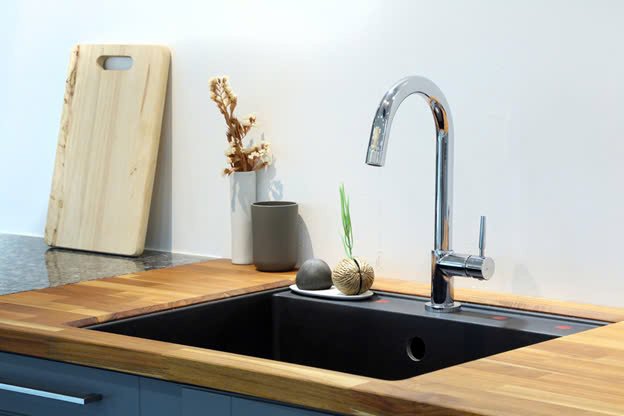
Wood countertops add warmth, although they require more maintenance near a wet zone. Water should not be allowed to remain around the sink cutout or faucet base.
The backsplash should also be easy to clean. Tile, glass, stone, and other nonporous materials generally perform better behind a sink than absorbent or highly textured finishes.
Seams deserve particular attention. Water can collect where the countertop meets the backsplash, around faucet openings, and along the edge of the sink. Correct installation and periodic maintenance of sealants can help prevent long-term damage.
10. Plan Installation Before Fabrication
Sink installation affects the countertop, cabinet, plumbing, faucet, and sometimes the surrounding wall finish. These elements should be planned together rather than handled separately.
Heavy sinks may require a reinforced support frame inside the cabinet. Apron-front models can require cabinet modifications, while undermount installations depend on secure mounting beneath the countertop.
The countertop fabricator should ideally template from the actual sink rather than relying only on published dimensions. Fired materials such as fireclay can shift slightly in the kiln, so a delivered piece may differ from its spec sheet, where even a small mismatch can affect the finished countertop cutout.
Confirm the position of the drain before finalizing plumbing. An offset drain may create more usable cabinet space, while a centered drain may align more easily with existing connections.
Garbage disposals, water-filtration systems, dishwasher hoses, and pull-out organizers must all fit within the same cabinet. Planning these components in advance can prevent costly changes after the countertop has been cut.
Installation instructions should be reviewed before cabinet construction and countertop templating begin.
Final Thoughts
A well-designed sink zone improves more than dishwashing. It can support preparation, rinsing, drying, storage, and cleanup while helping the entire kitchen feel more organized.
The most effective improvements are based on actual household habits. Consider what is washed most often, how much counter space is available, where accessories will be stored, and how people move through the room.
Stay up to date with our latest ideas!