How to Maintain Indoor Garden Throughout the Year
Keep your indoor garden thriving year round with tips on lighting, watering, humidity, and plant care routines that support healthy growth in every season.
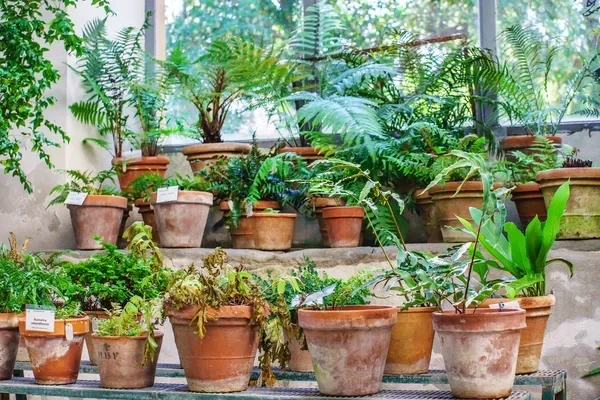
Maintaining an indoor garden throughout the year can make your home feel fresher, calmer, and more welcoming. Indoor plants add natural beauty, improve the atmosphere of a room, and give you something living to care for in every season. However, keeping plants healthy indoors requires more than watering them when the soil looks dry. Light, temperature, humidity, airflow, and seasonal changes all affect how well your plants grow.
A good indoor garden routine should change with the year. Plants do not need the same care in winter as they do in summer. Some months may bring dry indoor air, while others may bring stronger sunlight or higher humidity. When you understand these changes, it becomes easier to create a stable environment where your indoor plants can continue to grow and stay healthy.
Understand Your Indoor Environment
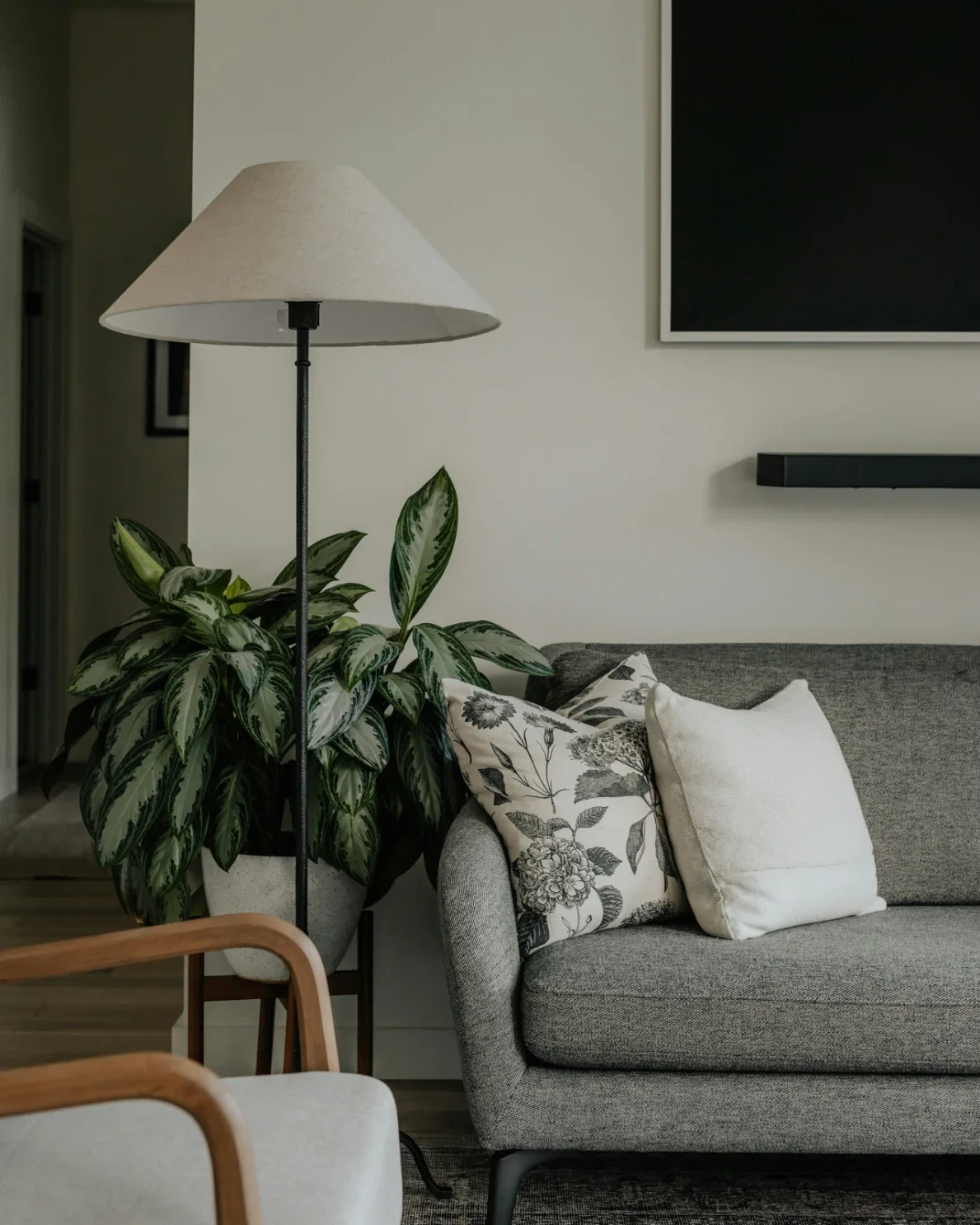
The first step in caring for an indoor garden is understanding the conditions inside your home. Every room has its own light level, temperature pattern, and airflow. A plant that grows well near a bright window may struggle in a darker corner, while a plant that likes indirect light may suffer if placed in harsh afternoon sun.
Choose The Right Location
Before placing plants around your home, observe how sunlight moves through each room during the day. South-facing or west-facing windows may provide stronger light, while north-facing spaces may be better for plants that tolerate lower light. If your home does not receive enough natural light, grow lights can help support plant growth, especially during winter.
Temperature is also important. Most indoor plants prefer stable conditions and may struggle if they are placed near cold drafts, heaters, vents, or windows that change temperature quickly. Keeping plants away from extreme hot or cold spots can prevent stress and leaf damage.
Airflow should be gentle and consistent. Plants need fresh air, but strong drafts can dry them out or shock them. Homes with good climate control often make it easier to maintain steady conditions. For some households, working with an air conditioning installation service can help create a more comfortable indoor environment for both people and plants during warmer months.
Adjust Watering By Season
Watering is one of the most common areas where indoor gardeners make mistakes. Many plants are harmed more by overwatering than underwatering. The right watering routine depends on the plant type, pot size, soil mix, room temperature, and season.
Check Soil Before Watering
Instead of watering on a strict schedule, check the soil first. Place your finger into the top layer of soil to see whether it feels dry or still moist. Some plants prefer the soil to dry out between waterings, while others like more consistent moisture. Learning the needs of each plant will help you avoid root rot and other problems.
During spring and summer, many plants grow more actively and may need water more often. During fall and winter, growth often slows, and plants usually need less water. If you continue watering heavily during colder months, the soil may stay wet for too long and damage the roots.
Humidity also affects watering. Dry indoor air can cause soil to dry faster and may make leaf tips turn brown. Using a humidity tray, grouping plants together, or adding a humidifier can help maintain moisture in the air. This is especially useful during winter when heating systems can make indoor air very dry.
Maintain Comfortable Temperature And Humidity
Indoor plants generally do best when the environment stays steady. Sudden temperature changes can cause leaves to drop, curl, or turn yellow. Even hardy plants may show signs of stress if they are moved too often or placed in unstable conditions.
Protect Plants From Seasonal Stress
In summer, strong heat can dry soil quickly and increase the need for humidity. In winter, cold windows and dry heated air can create the opposite problem. Moving plants slightly away from windows during very cold weather can protect them from chilly glass and drafts.
Air conditioning can also affect indoor plants. Cool air blowing directly on leaves may dry them or cause temperature stress. The goal is not to avoid cooling your home, but to position plants where they benefit from a comfortable room temperature without sitting directly in the airflow.
A well-planned central air conditioning installation can support more even cooling throughout the home. When temperatures remain balanced, it becomes easier to keep indoor plants healthy during hot weather while also maintaining comfort inside the house.
Feed And Prune Plants Carefully
Indoor plants need nutrients, but they do not always need fertilizer throughout the entire year. Feeding should match the plant’s growth cycle. Most plants benefit from fertilizer during active growing seasons, usually spring and summer. During fall and winter, many plants slow down and may need little or no feeding.
Support Healthy Growth
Use a fertilizer suited to the type of plants you have and follow the recommended amount carefully. Too much fertilizer can burn roots and damage leaves. A light, consistent feeding routine during active growth is usually better than using too much at once.
Pruning is also important for year-round care. Remove yellow, dry, or damaged leaves so the plant can use energy more effectively. Trimming leggy growth can encourage a fuller shape, while rotating plants every few weeks helps them grow evenly toward the light.
Repotting may be needed when roots become crowded or water runs through the pot too quickly. Spring is often a good time to repot because plants are beginning active growth. Choose a pot that is only slightly larger than the current one, because a pot that is too large can hold excess moisture and increase the risk of root problems.
Watch For Pests And Plant Problems
Indoor gardens can still attract pests such as fungus gnats, spider mites, mealybugs, or scale. These problems are easier to manage when found early. Regular checking helps protect the rest of your plants and keeps small issues from spreading.
Inspect Plants Regularly
Look at the tops and undersides of leaves, stems, and soil surfaces. Sticky residue, webbing, tiny insects, yellow leaves, or sudden wilting can be signs that something is wrong. If you notice a problem, separate the affected plant until you understand the cause.
Cleaning leaves can also help plants stay healthy. Dust can block light and reduce the plant’s ability to absorb what it needs. Wiping leaves gently with a damp cloth keeps them clean and also gives you a chance to inspect them closely.
Healthy plants are usually more resistant to pests. Good light, proper watering, stable temperature, and suitable humidity all work together. When one part of care is ignored, plants can become weaker and more likely to develop problems.
Conclusion
Maintaining an indoor garden throughout the year is about creating balance. Your plants need the right light, careful watering, steady temperature, proper humidity, and regular attention. Their needs will change with the seasons, so your care routine should change too.
When you observe your plants closely and adjust their environment with care, indoor gardening becomes much easier. A healthy indoor garden does not require perfection. It requires consistency, patience, and a home environment that supports steady growth through every season.
Stay up to date with our latest ideas!