Why Timber Is Shaping the Way We Build Today
Discover why timber is reshaping modern construction with sustainability, strength, and design flexibility that support efficient, eco friendly building solutions.
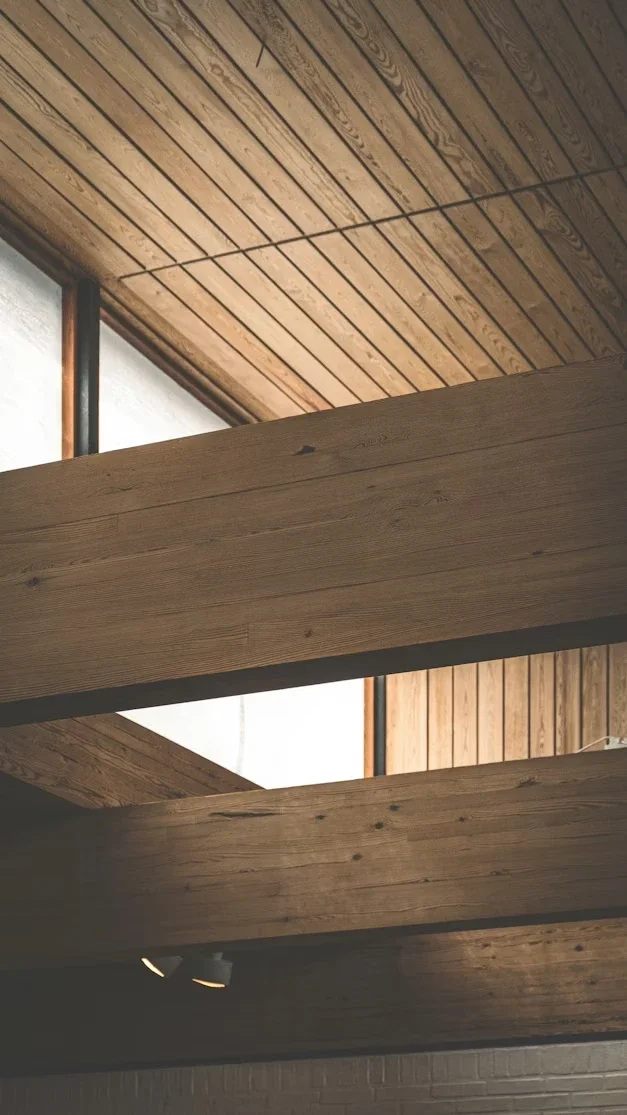
Timber has earned its place as a go-to building material thanks to its strength, good looks, and eco-friendly reputation. Engineered wood products like glulam and cross-laminated timber can carry heavy loads and stretch across impressive distances, easily matching or even outdoing traditional materials for strength, while also offering helpful fire resistance. Plus, no two pieces of timber look exactly alike—every unique grain and texture adds natural beauty and character to any space, making homes and commercial buildings feel welcoming and full of personality. Many of these advantages are explored in detail when considering the benefits of using timber in modern architecture.
With more builders turning their attention to sustainability, timber is getting a lot more attention these days. Sourced from well-managed forests, timber is a renewable option that genuinely benefits efforts to protect the environment. Trees store carbon as they grow, and using timber in building projects keeps this carbon locked away, meaning timber usually leaves a much lighter carbon footprint than steel or concrete. Choosing timber isn’t just a practical decision, it’s also a statement that you’re building with the future in mind.
Timber's Strength and Durability
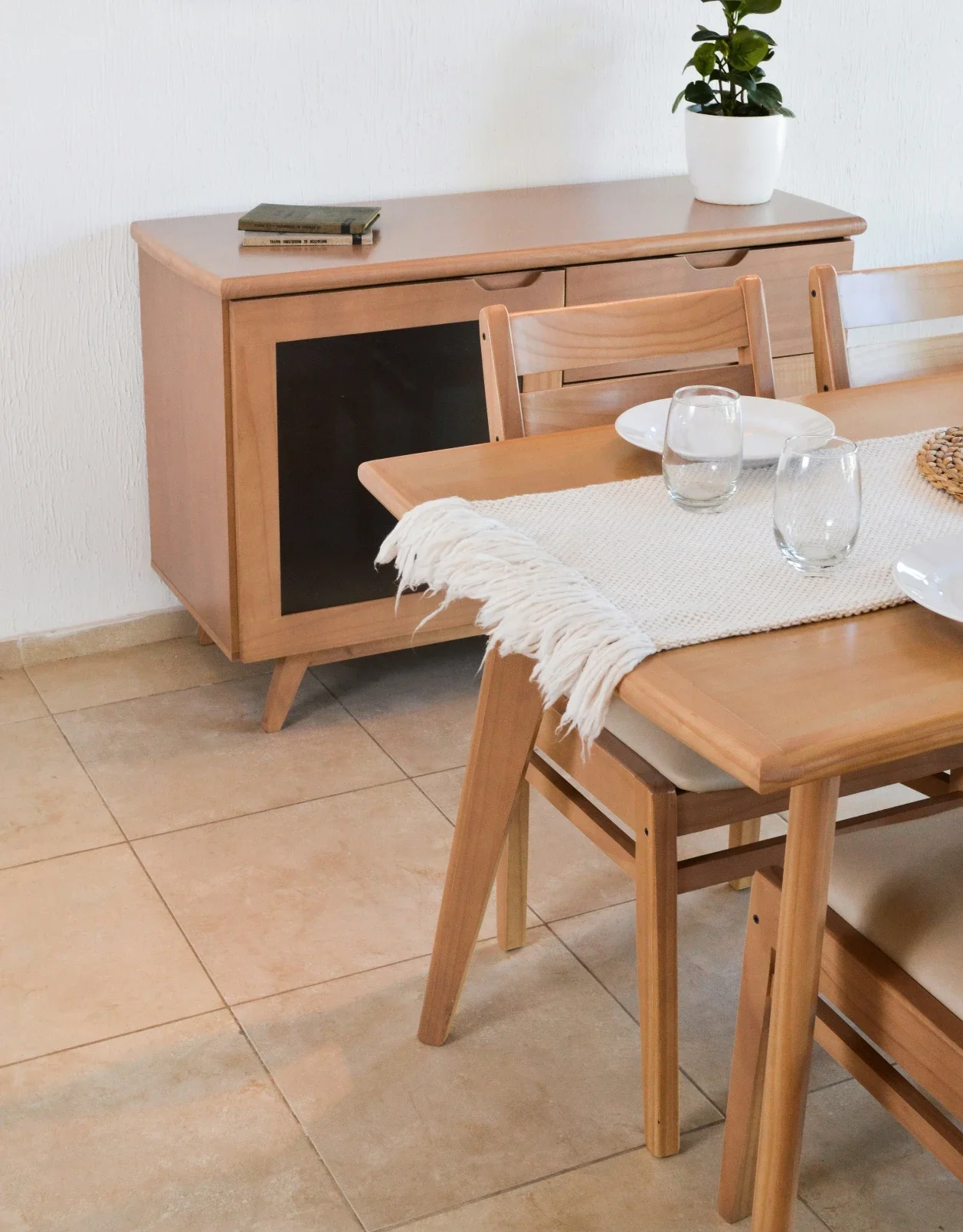
Hardwoods and softwoods both pull their weight when it comes to strength, making them useful for all sorts of building jobs. Hardwoods such as oak, maple, and hickory are famous for how well they put up with knocks, scrapes, and heavy daily use, which is why you’ll often find them in things like furniture, flooring, and busy public spaces.
Softwoods, including pine and cedar, may be lighter and easier to cut and shape, but that doesn't mean they’re weak. In fact, they hold up well for things like framing, indoor panelling, and cladding, where a bit of flexibility and quick handling make life easier on site.
Wood technology has also come a long way. Products like cross-laminated timber (CLT) and glued laminated timber (glulam) take the natural strengths of timber and give them a serious boost. Bonding several layers of wood together ramps up how much weight they can hold and keeps the finished product more stable over time.
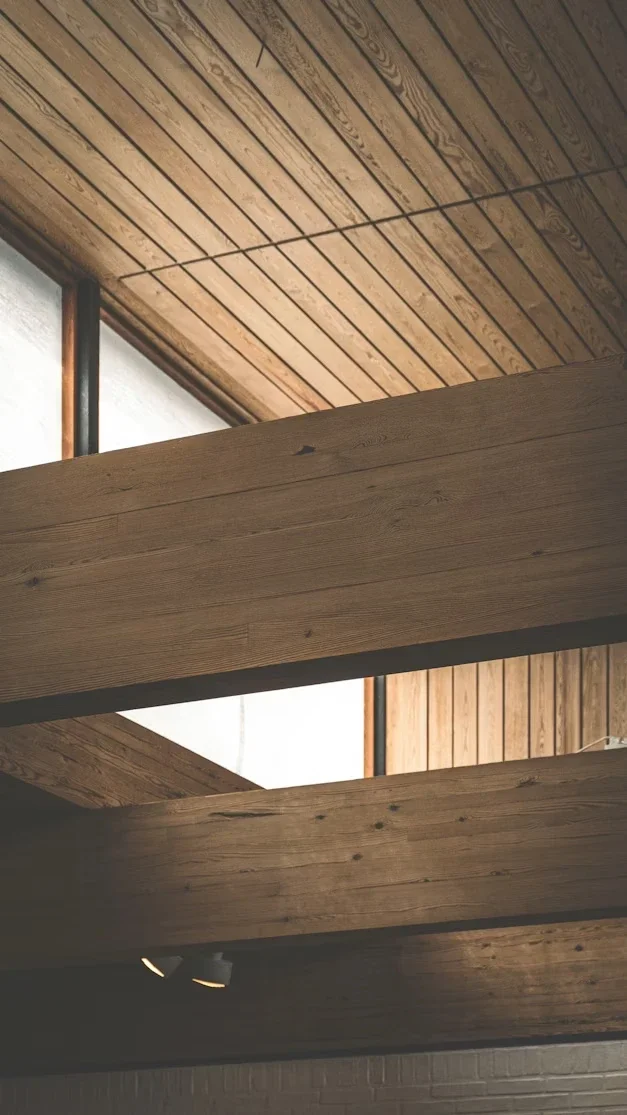
CLT is well known for taking on big loads, so architects now use it even for multi-storey projects that previously called for heavier, more traditional materials. Meanwhile, glulam lets you stretch out long beams over wide spaces like sports halls and auditoriums, without constantly interrupting the view with support posts. These clever wood solutions blend strength, stability, and design freedom, opening up possibilities for both practical builders and creative designers.
The Natural Beauty of Timber
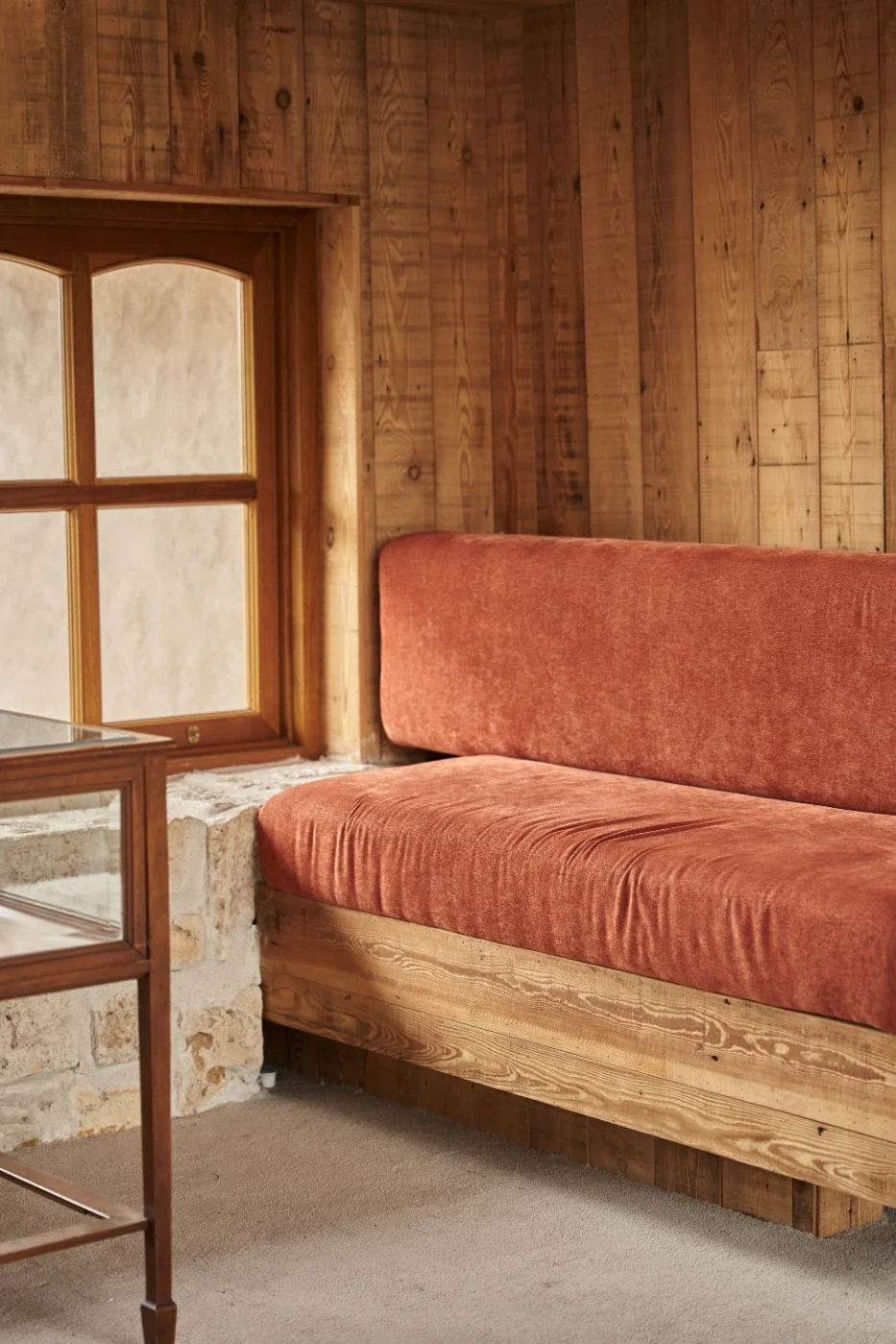
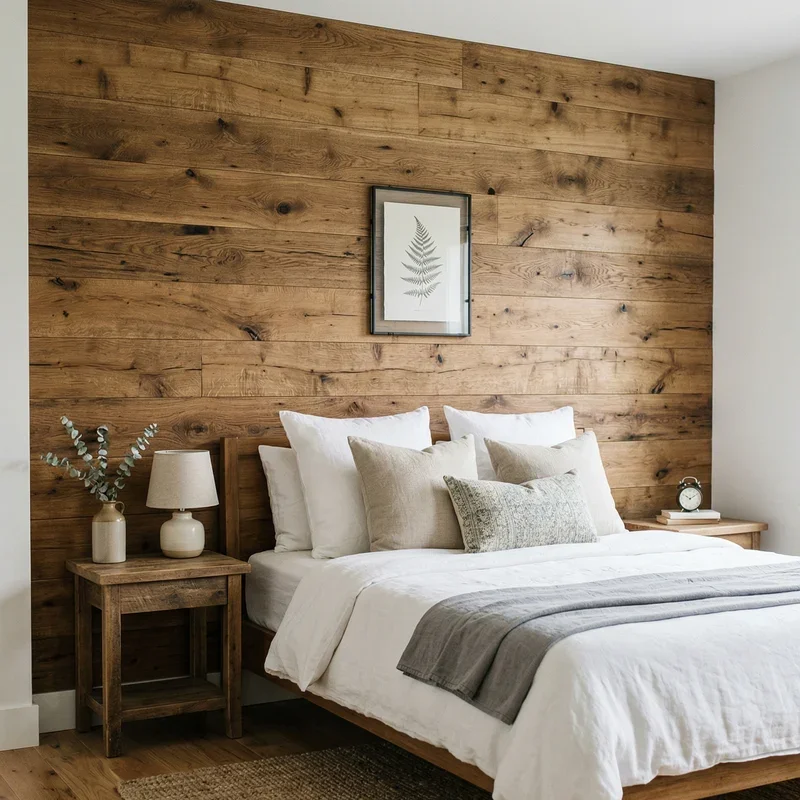
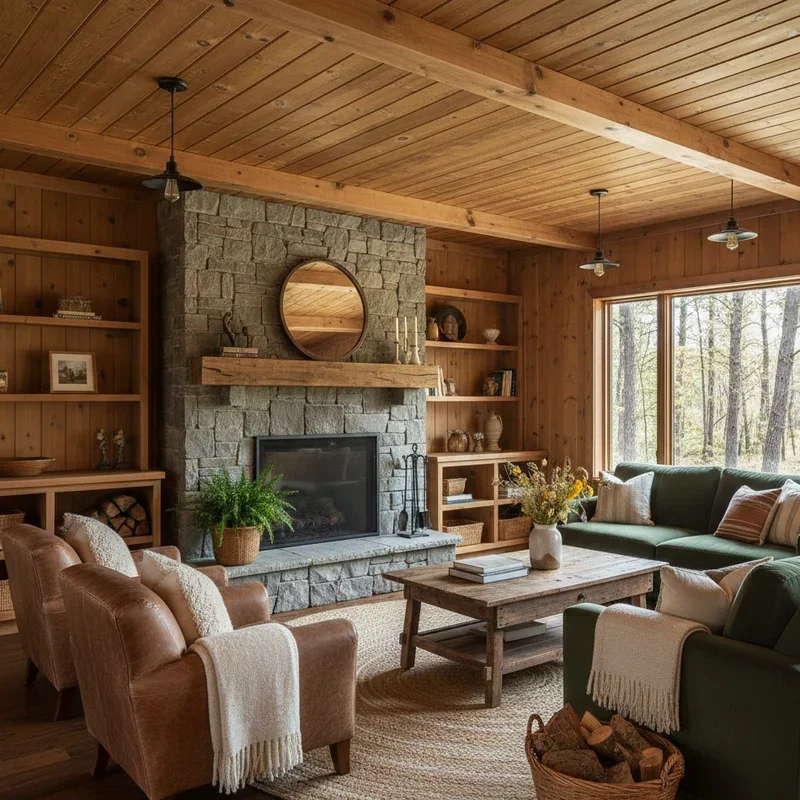
There’s something completely genuine about timber that just can’t be faked. Those grains and textures do more than decorate—they help create rooms that actually feel lived-in and welcoming. Every plank, beam, or panel tells its own story, with quirks in the pattern and subtle shifts in tone. That’s how you get a sense of depth and natural character that no manufactured material can really match.
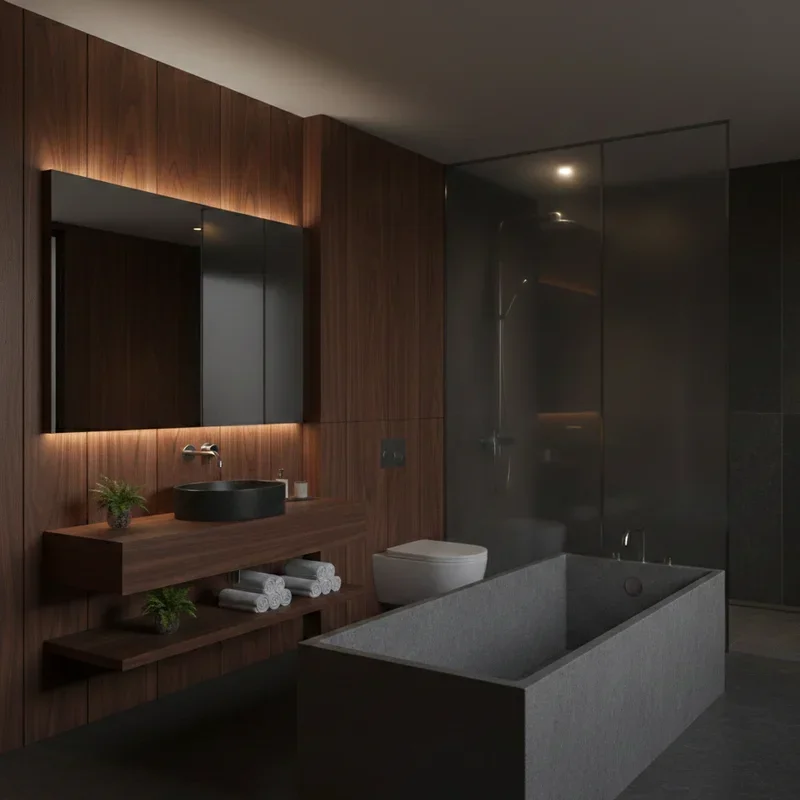
Whether you’re drawn to the striking lines in walnut or the lighter, calming look of pine, timber adds a sense of warmth that synthetic options usually miss out on.
But timber isn’t just there to look pretty; it takes on serious jobs too. It’s strong enough for heavy-duty roles in architecture and versatile enough to shape all kinds of unique spaces. Modern options like cross-laminated timber (CLT) and glued laminated timber (glulam) have changed the way we build, making it possible to design wide-open areas without crowding them with columns.
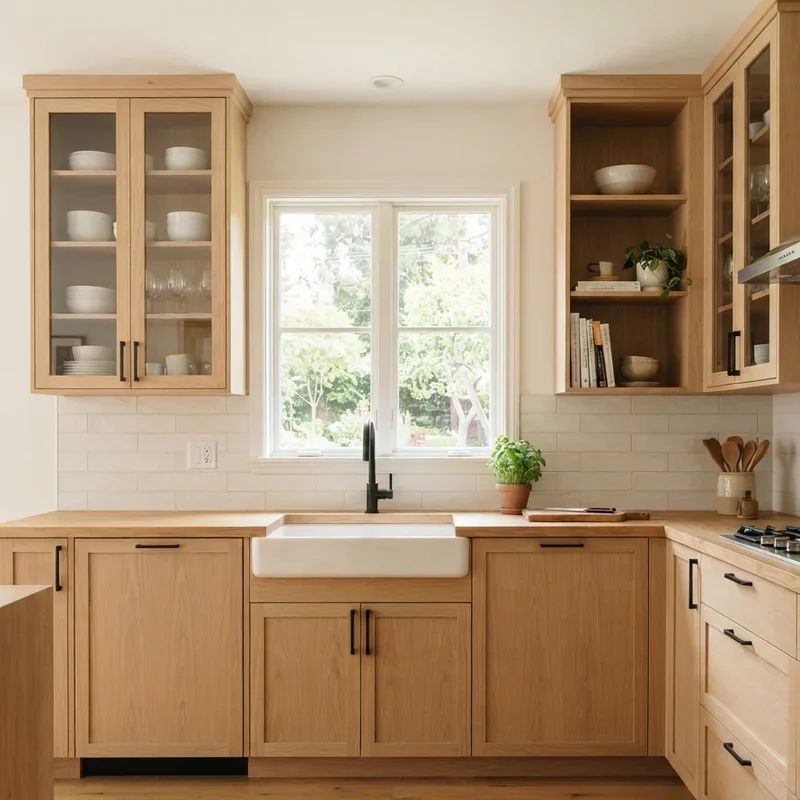
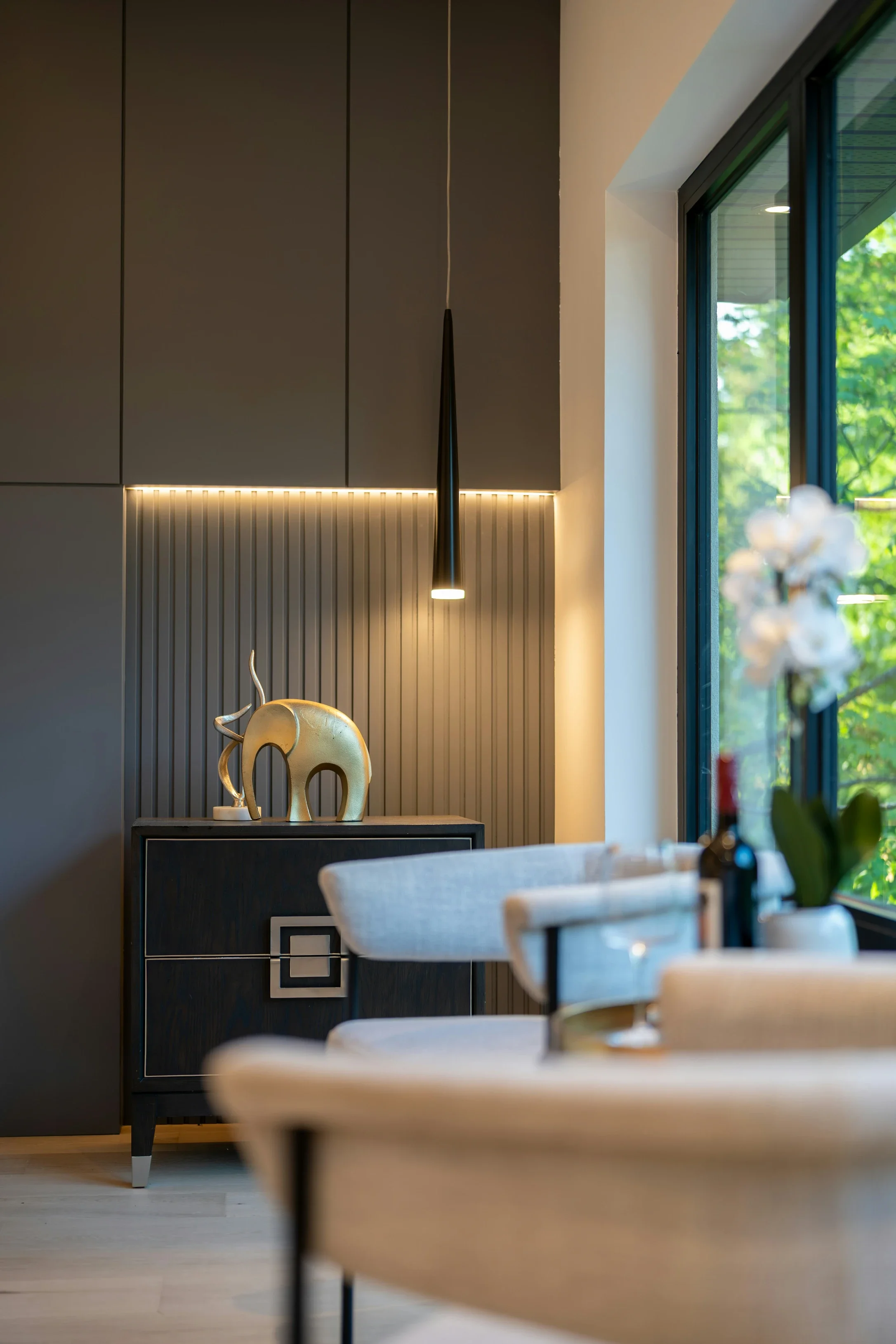
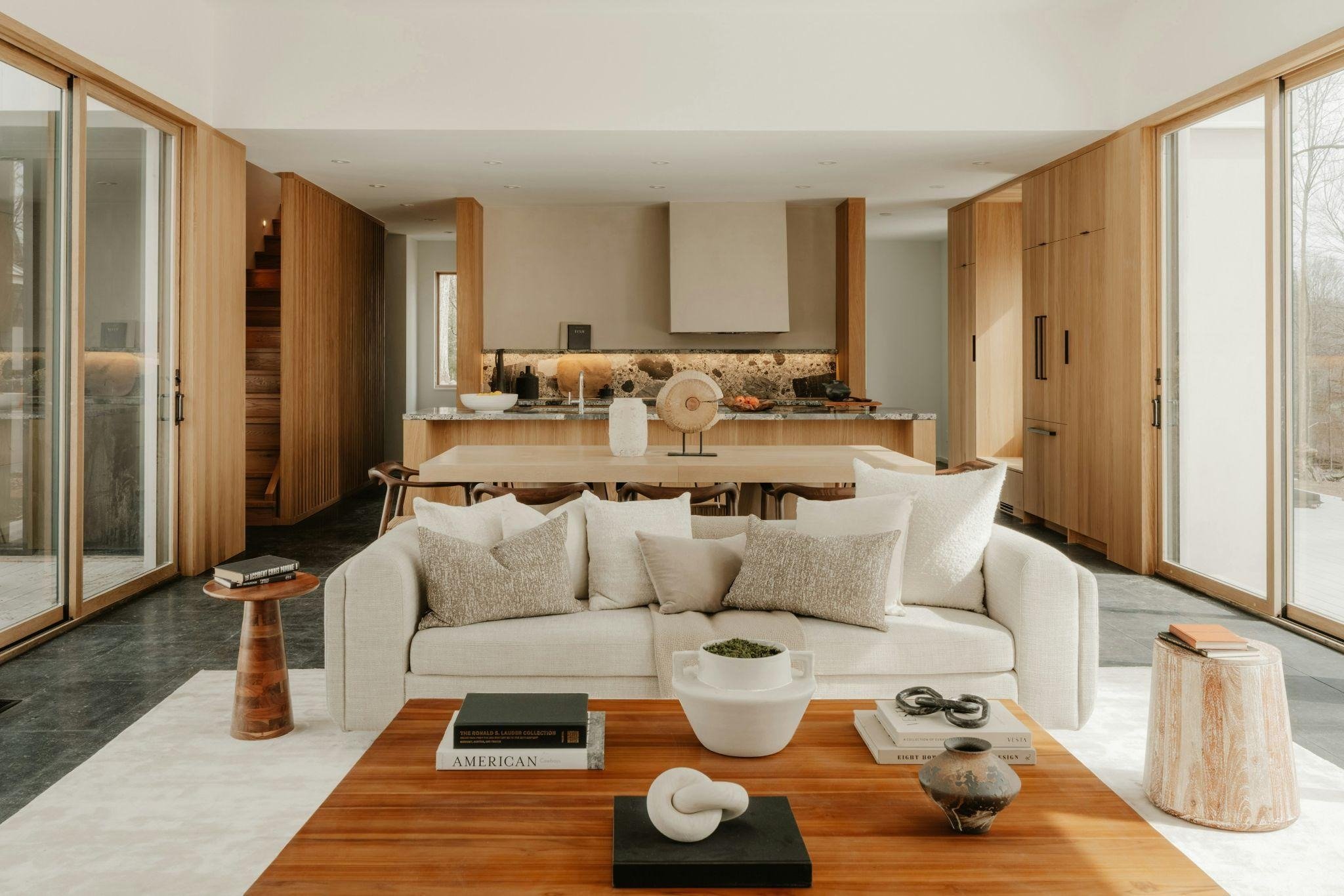
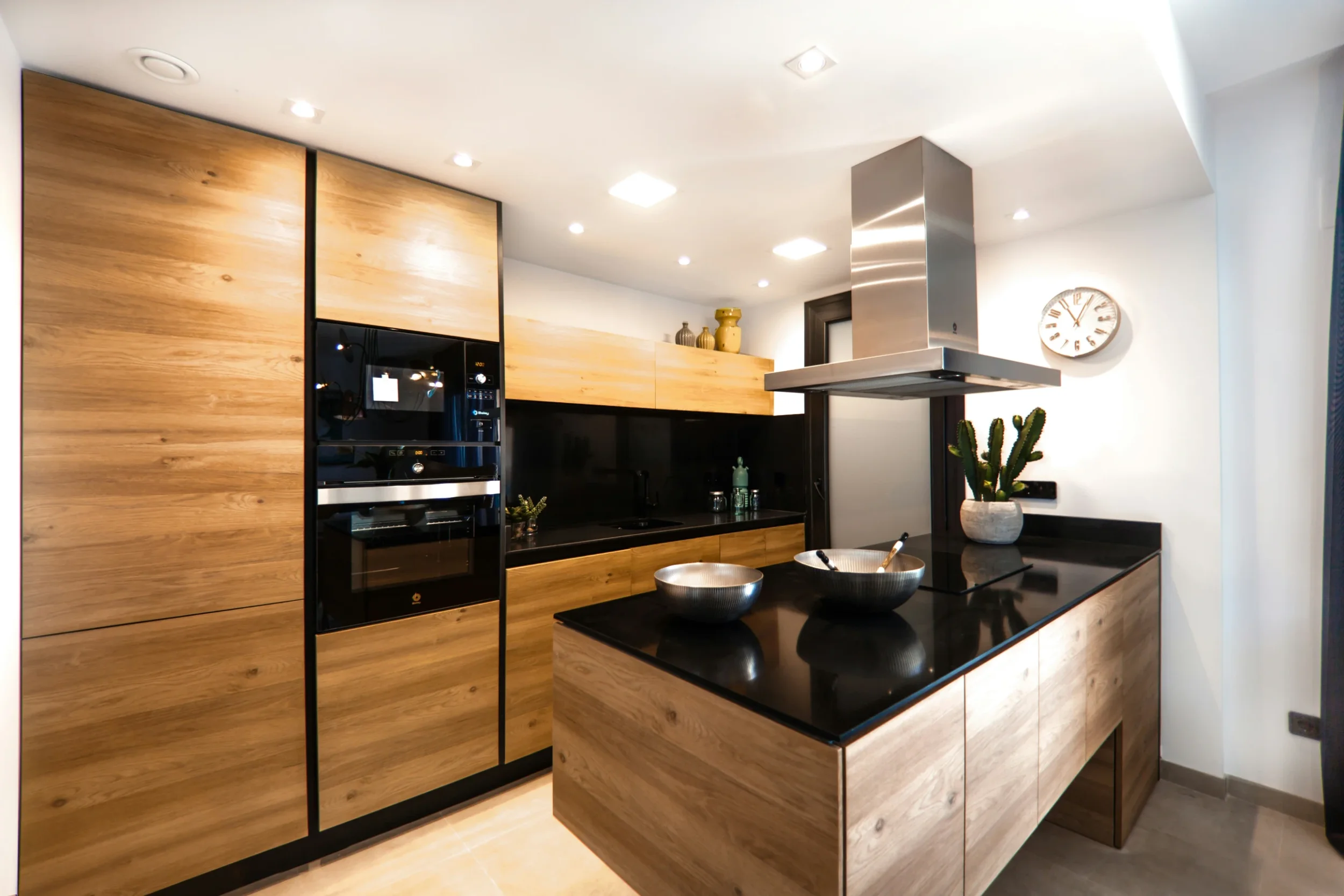
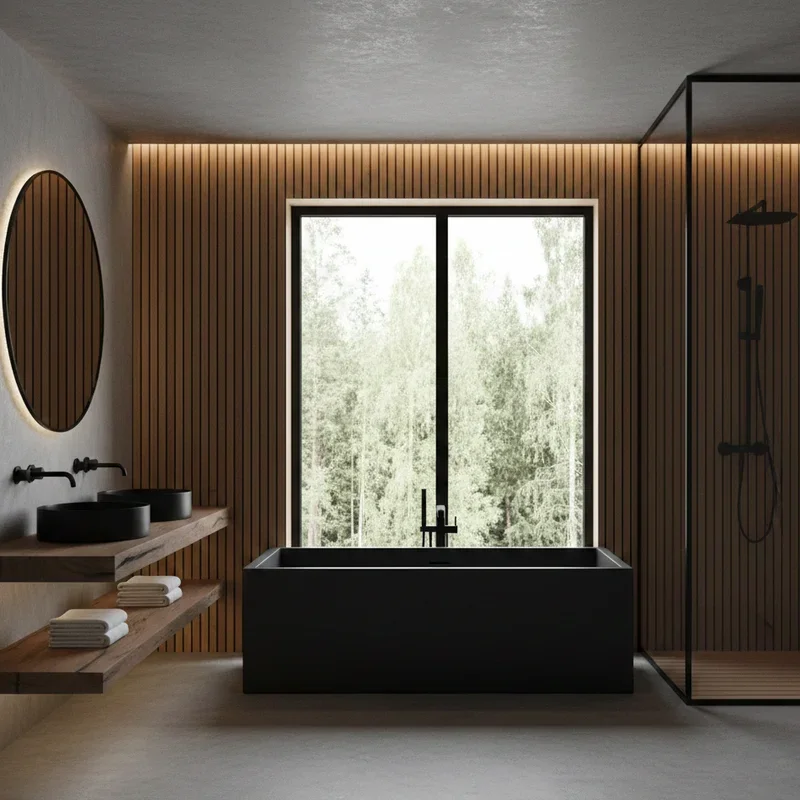
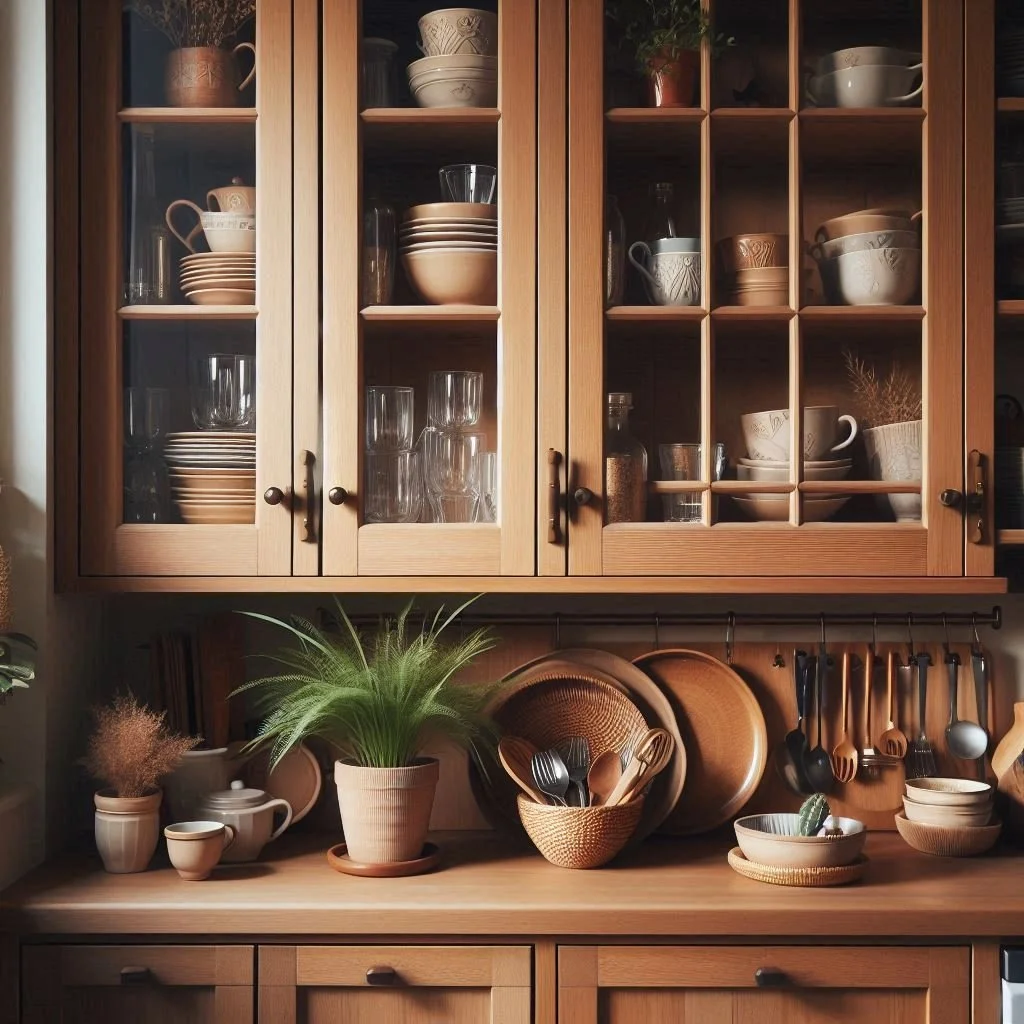
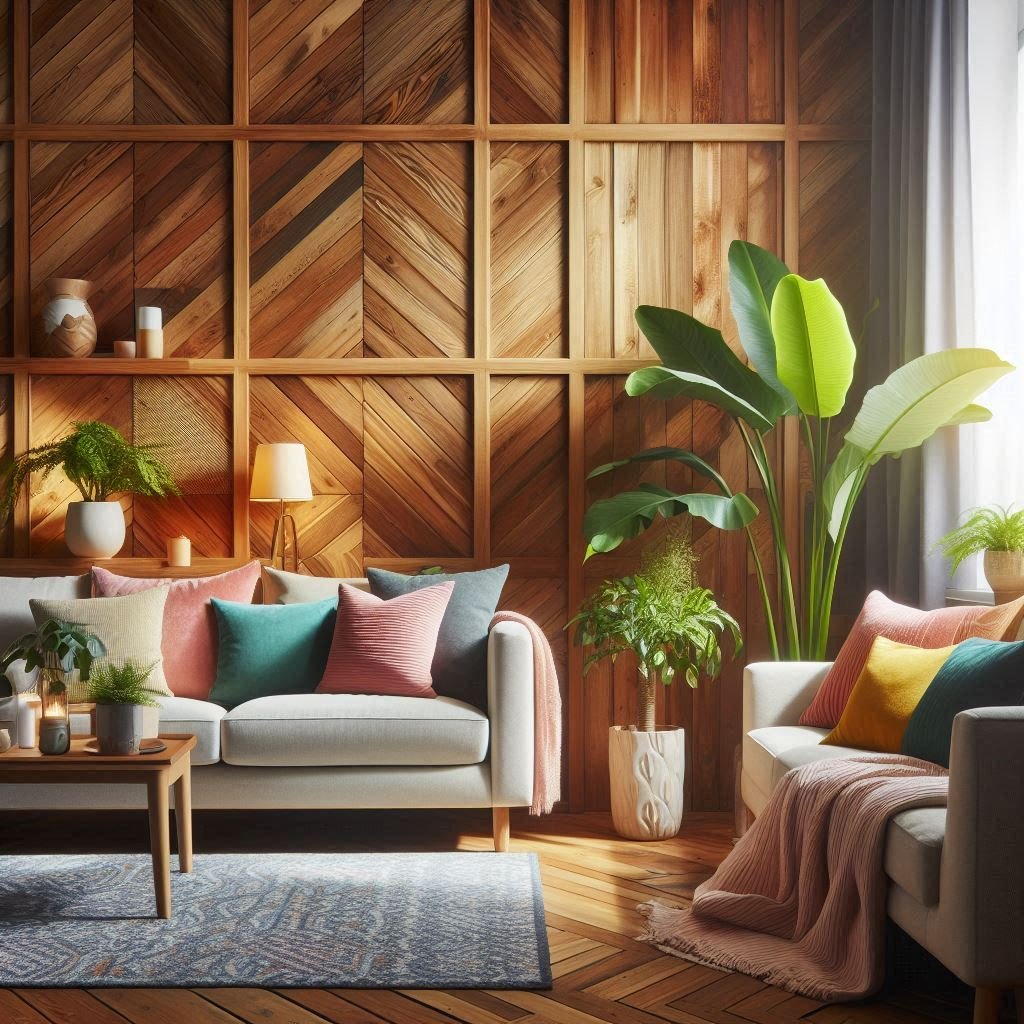
And if you thought timber was just about structural work, think again. As a decorative choice, its impact is huge. Picture exposed beams for rustic appeal or slim, elegant wood panels for a contemporary edge—either way, the atmosphere softens. Timber floors, trims, and kitchen units all pitch in to tie things together and make a space feel settled and inviting. Timber’s dual purpose as both muscle and mood-setter is why so many people choose it, year after year.
Timber as a Sustainable Solution
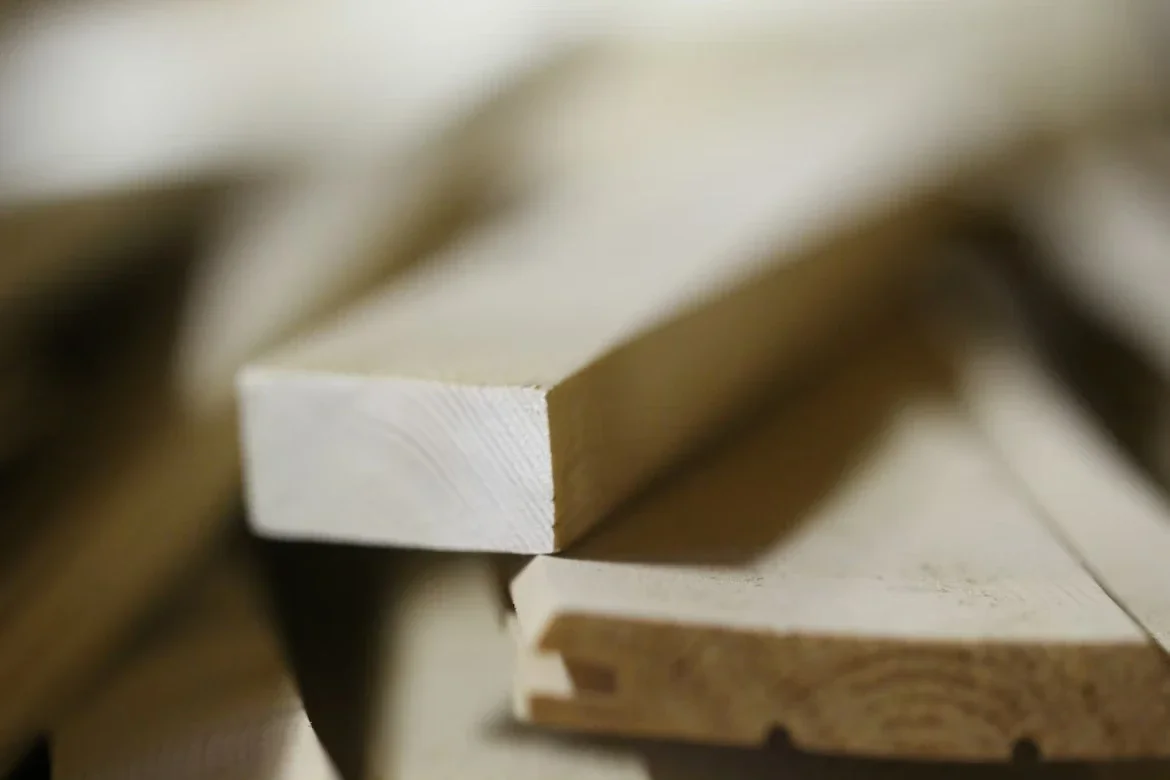
Timber deserves attention as a renewable and responsible choice. Managed forests allow wood to be grown again and again, so supplies don’t run out as long as replanting and thoughtful harvesting continue.
One key environmental bonus is how timber helps lower greenhouse gases. Trees pull carbon dioxide from the air, and that carbon stays trapped inside the wood even when the timber is used in buildings. Using more wood means less carbon floating around contributing to climate change.
There’s also the perk of timber’s natural insulation. Wood helps keep indoor temperatures steady, which means less need for extra insulation or cranking up the heating or air-con. That leads to less energy use and, in the end, a smaller carbon footprint.
Buildings made with timber usually have better temperature control, fewer chilly draughts, and a comfier feel for everyone inside. These combined benefits make timber a reliable and eco-friendly favourite for sustainable building projects, delivering practical savings as well as environmental gains.
Design Versatility and Construction Efficiency
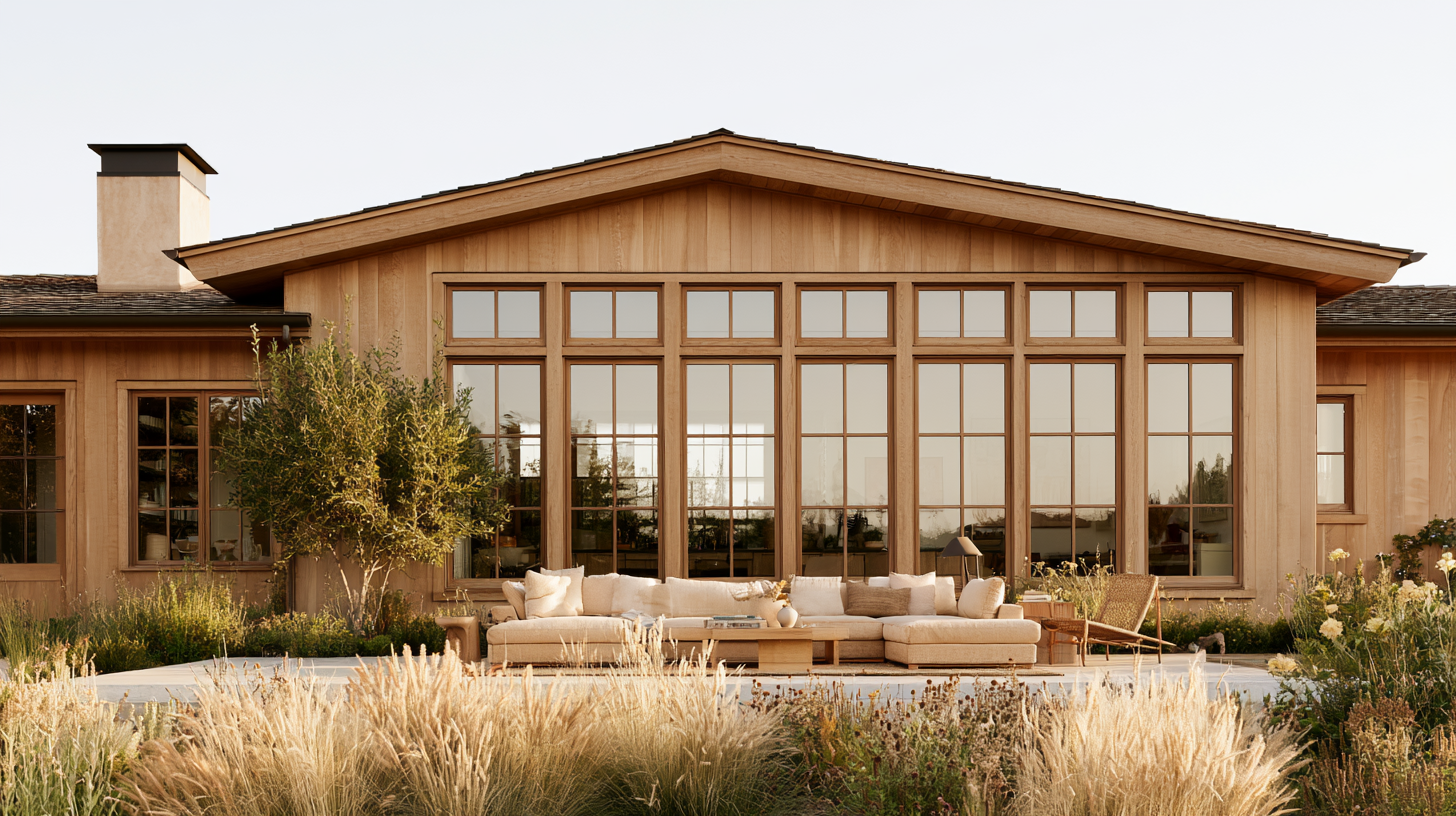
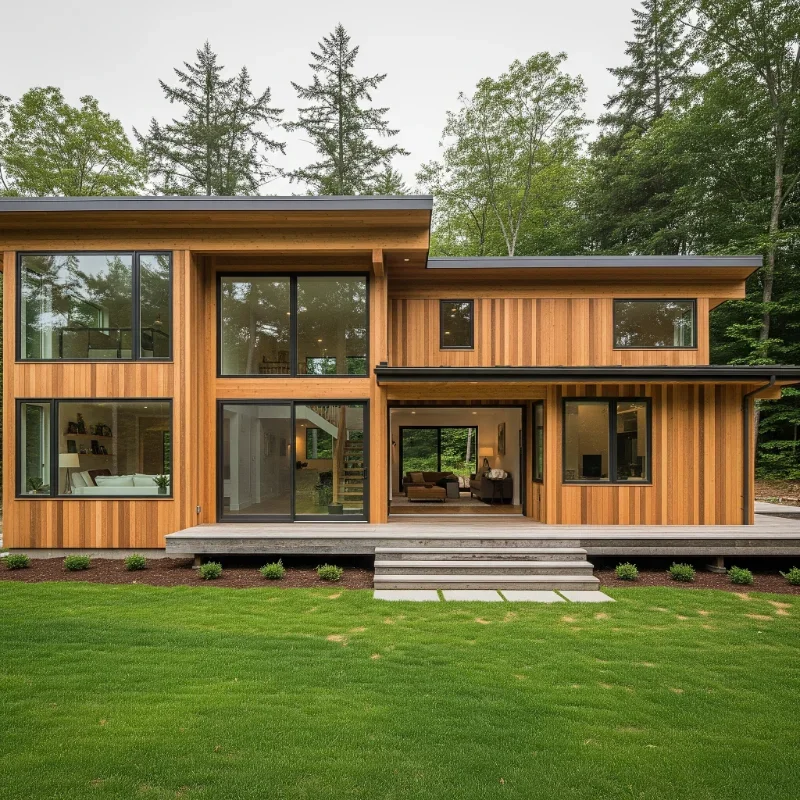
Timber is a favourite for architects wanting to think outside the box. Its natural give means designers can play with all sorts of shapes, from flowing curves to sleek, modern lines and cosy, classic spaces. Wood lets you build open areas that would be complicated and pricey with steel or concrete. So, if you’re keen on making a building that stands out, timber makes it much easier to get creative without breaking the bank.
One big leap forward is prefabrication. Timber components can be put together in a factory and then slotted into place quickly on site, shaving down build times. This doesn’t just speed things up—if the design needs tweaking, it’s not a hassle to adjust timber elements. That sort of flexibility is gold for projects on tight deadlines, especially in busy city settings.
Because timber is lighter, it’s easier (and cheaper) to transport and handle, and you don't need heavy machinery for assembly. This not only cuts costs but is kinder to the environment. Plus, making parts in advance reduces errors and helps use every bit of wood, meaning there’s less waste overall. Taken together, these benefits are exactly why timber is front and centre in many modern builds—giving designers freedom without sacrificing speed, sustainability, or style.
Timber's Impact on Health and Well-being
Wooden spaces genuinely influence how we feel, both mentally and physically, in ways that go beyond just looking good. Research points out that wood can help keep indoor air fresher by evening out humidity and cutting down on nasty chemicals floating about. That means each breath feels cleaner, making homes, schools, and workplaces more comfortable and healthier to spend time in.
The soothing effect goes further. Lowering stress isn't just about yoga and tea—timber interiors offer a sense of calm that’s hard to get with other building materials. Solid wood can absorb noise, so classrooms, offices, and even busy households are quieter, making it less of a challenge to focus or relax.
On top of that, timber naturally insulates rooms, so you get steady temperatures without constantly fiddling with heaters or the air conditioning. This translates to better comfort all year, and it’s good for your energy bills too. All these simple, natural properties of timber come together to create spaces where minds can unwind and bodies can feel at ease.
The Future of Timber in Construction
Timber stands out as a powerful building material that matches today’s drive for greener and smarter ways to build. It’s a renewable resource; when forests are managed responsibly, timber keeps coming without stripping away nature. With this cycle, forests stay healthy, and carbon stays locked up in trees for years, helping to keep CO₂ out of the atmosphere.
When builders use wood instead of energy-heavy materials like concrete and steel, it means much less carbon is released overall. Timber quite literally stores carbon in every beam or panel, so choosing it can actually make a difference to how much greenhouse gas ends up in the air.
Wood technologies aren’t stuck in the past either. Innovations like cross-laminated timber (CLT) and glued laminated timber (glulam) show just how much can be achieved with timber, from family homes to huge commercial buildings. These advances take wood’s natural strength and give it an upgrade, letting designers dream bigger, work quicker, and still put sustainability first.
Moving timber up the priority list in construction will take investment in research, clearer building rules, and better understanding all round of what timber is really capable of. That means everyone in the business—from engineers to local builders—sharing what works and what could work even better. If this happens, timber is set to play a leading role in the future of building, powering projects that are as kind to the planet as they are clever in design.
Stay up to date with our latest ideas!