Learn about hidden cleaning challenges when preparing a home for sale, with tips to tackle tough spots, reduce stress, and present your property at its best.
Selling a home comes with a familiar to-do list. Declutter, repaint, boost curb appeal, get the roof inspected. That advice is everywhere, and it's not wrong. Those things matter. But they assume the property's problems are visible ones.
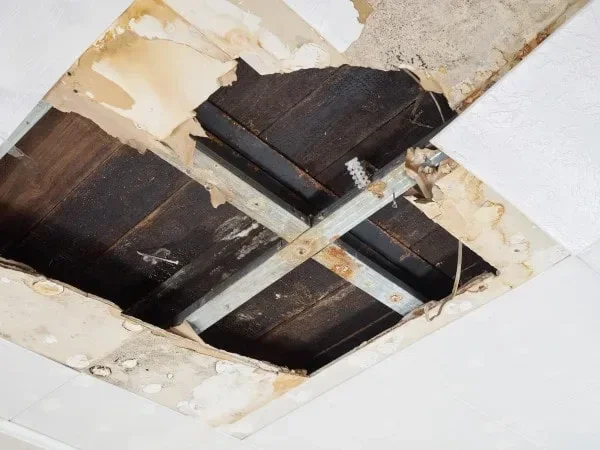
Some homes have issues that don't show up in staging photos. A smell that comes back after you've cleaned three times. A stain that resurfaces. A room buyers walk into and immediately want to leave. These aren't aesthetic problems, and they don't respond to aesthetic solutions.
What's Left After the Obvious Work is Done
There's a point in many sale preparations where everything looks finished. Repairs are complete, surfaces are clean, the place photographs well. And yet something's off. Buyers feel it without being able to name it.
Mold behind drywall does this. So does contamination from an incident that was partially cleaned but not properly remediated. Long-term neglect, the kind that damages flooring and embeds odors into walls, does it too. None of these disappear with a mop and a bottle of spray cleaner. They require a different category of response.
Most homeowners don't know how to spot the difference. They clean harder, buy stronger products, and wonder why the problem persists.
The Situations that Actually Delay Sales
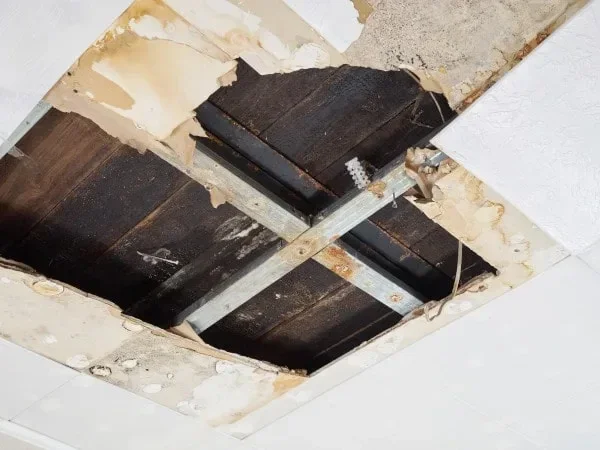
Mold is the most common. It develops in crawl spaces, inside walls, under subflooring. It hides in places no one looks until an inspector does. Even a small patch, if it shows up during inspection, opens the door to renegotiation or a deal falling apart.
Biohazard situations are less common, but more serious. Unattended deaths, accidents, exposure to harmful substances. These instances leave behind contamination that poses real health risks if handled incorrectly. Hoarding cases present a different set of problems: structural damage, pest activity, air quality that can't be fixed by removing the clutter alone.
What these situations share is that they require expertise, not just effort.
Why Cleaning it Yourself Tends to Make things Worse
The instinct to handle it yourself makes sense. Cleaning feels like something within your control. But the tools and products available to most homeowners aren't built for contamination at a biological or structural level.
Disturbing mold without proper containment spreads spores. Attempting to clean biohazard material without the right protective equipment creates health exposure. In both cases, the attempt to fix the problem can extend it.
There's also the personal toll. Some situations involve spaces with difficult histories. Taking that on without professional support, not just physical, but also psychological, is more than most people should have to manage alone.
What Professional Remediation Actually Involves
Companies that specialize in this work, like Spaulding Decon, don't approach a property the way a cleaning crew does. The process starts with assessment: identifying what's actually present, where it's spread, and what it will take to address it properly. From there, containment comes before cleanup, making sure the problem doesn't spread during remediation. For homeowners dealing with more extensive damage, professional property damage restoration services can cover everything from structural repairs to full property recovery, not just the cleanup itself.
The cleanup itself uses equipment and protocols that aren't available to the general public. And when it's done, the property isn't just visually clean. It meets safety standards that protect future occupants.
One thing homeowners often don't think about: documentation. A written record of what was found, how it was remediated, and what standards were met can significantly smooth a sale. Buyers have questions. Inspectors flag things. Having documentation turns "we took care of it" into something verifiable.
It's also worth checking with your insurer before assuming the cost is entirely out of pocket. Certain remediation work falls under homeowners policies, depending on the circumstances and the specific coverage.
Two Situations that Show up More often than People Expect
A home occupied for years by a tenant who hoarded looks, on the surface, like a clutter problem. Once the clutter is cleared, the actual damage often becomes visible: flooring that's been compromised by weight and moisture, odors absorbed into walls and subfloor, air quality that a few open windows won't fix. Without remediation, those problems follow the property into every showing.
A home where an unattended incident occurred presents differently. Even after initial cleanup, contamination persists in porous materials. Buyers who walk through can't always articulate why the space feels wrong. They just know it does. Proper remediation removes that response along with the physical contamination.
Getting to a Place Where you can Actually Sell with Confidence
The goal of preparing a home for sale isn't just to make it look good. It's to make buyers feel confident that the space is safe, that nothing is being hidden, and that they're not inheriting someone else's unresolved problem.
Knowing when a situation has moved past what standard cleaning can address, and acting on that early, prevents the kind of last-minute inspection findings that collapse deals or force significant price cuts. It's a practical calculation, not just a comfort one.
FAQs
What kinds of situations call for professional cleanup before listing?
Mold, biohazard contamination, and severe long-term neglect are the most common. If standard cleaning hasn't resolved the issue, or if you're not sure what you're dealing with, a professional assessment is the right first step.
Can remediation affect what the home sells for?
Buyers and their inspectors are thorough. Unresolved contamination issues tend to surface, and when they do, they affect price and timeline. Proper remediation before listing removes that variable.
Does homeowners insurance cover this?
Sometimes. It depends on your policy and the nature of the incident. Many remediation companies can help you work through the insurance process. It's worth asking before you assume you're paying out of pocket.
How long does it take?
Most projects wrap within a few days to a week, depending on scope.
Why does documentation matter?
Because "we handled it" isn't the same as proving it. Written records of what was found and how it was addressed give buyers and their agents something concrete to review, which tends to move things forward rather than stall them.
Stay up to date with our latest ideas!